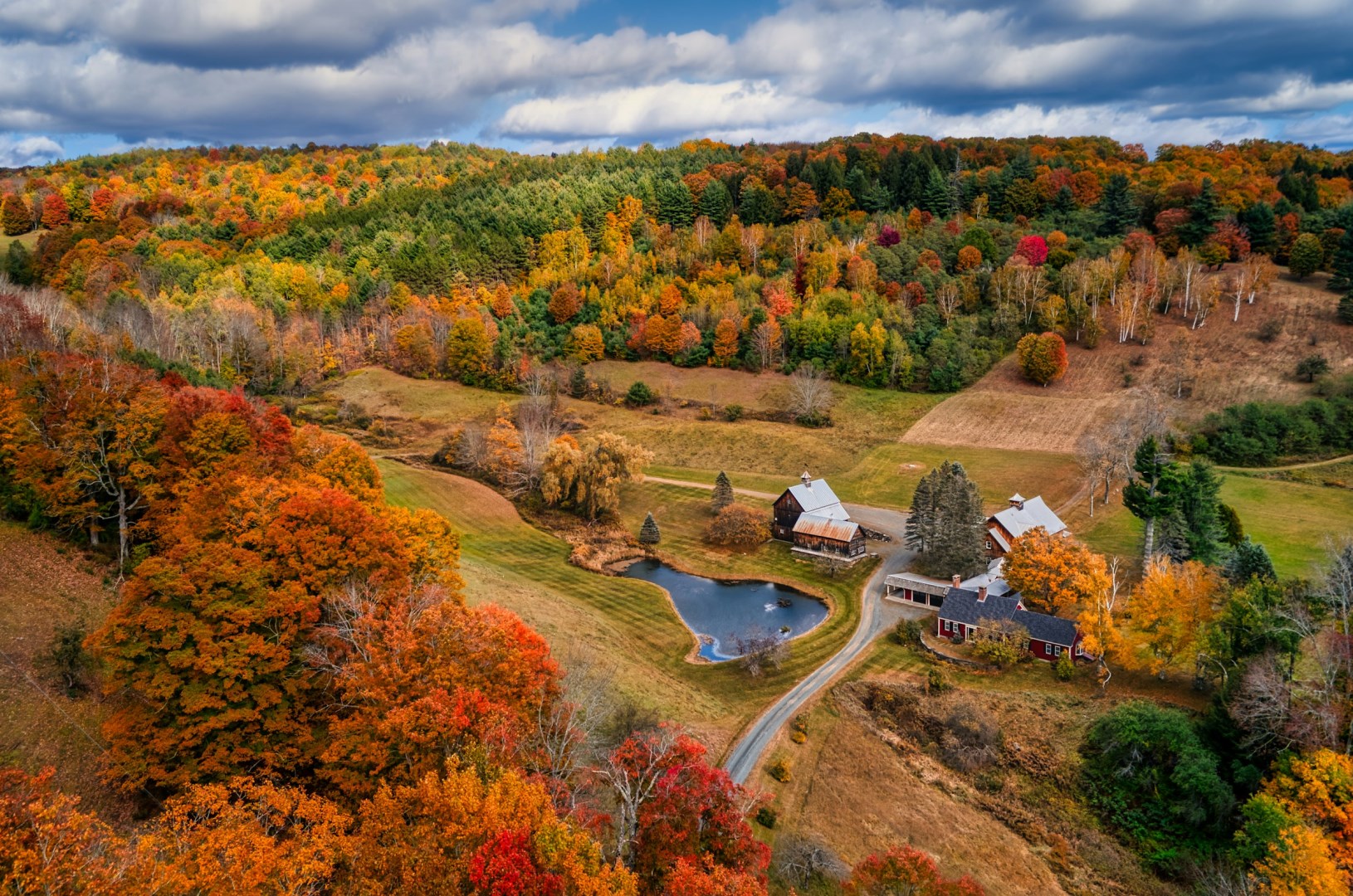
Vermont offers visitors not just postcard-perfect views, but a state shaped by independence, craftsmanship, and deep-rooted community traditions. That independent streak is still felt in small towns like Montpelier, the nation’s smallest state capital, and in villages like Grafton and Woodstock, where restored 19th-century buildings now house general stores, cheese shops, and local galleries.
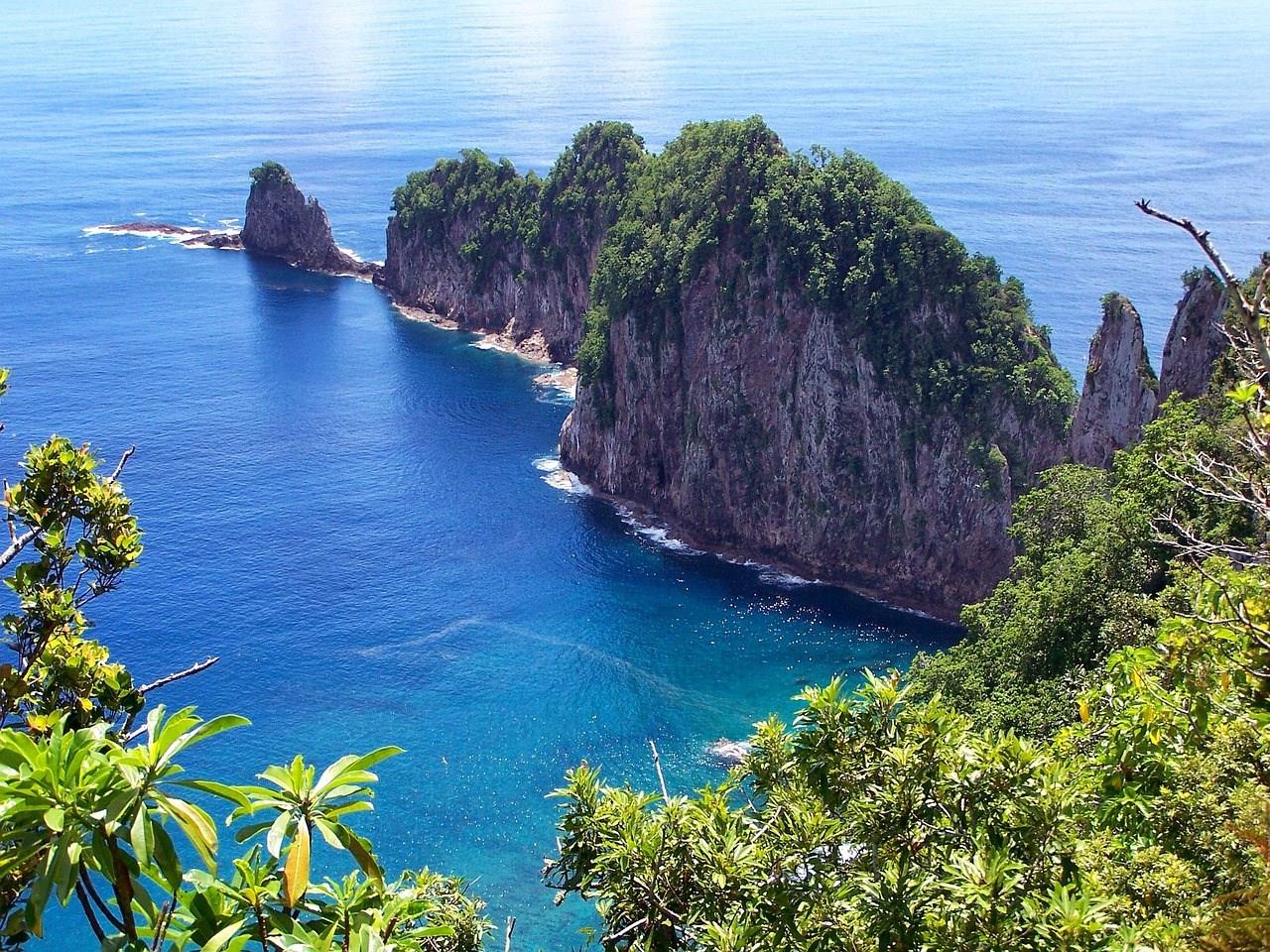
The National Park of American Samoa invites visitors to step into a world shaped by towering volcanic ridges, tangled rainforests, and clear coral-sand bays. Spread across Tutuila, Ta‘ū, and Ofu islands, the park protects nearly 13,500 acres of land and 4,000 acres of ocean, an unusual patchwork where ancient ecosystems like paleotropical rainforests meet hip-deep coral reefs. Only U.S. national park in the Southern Hemisphere, it’s a place where you can hike through cloud-shrouded forests and t
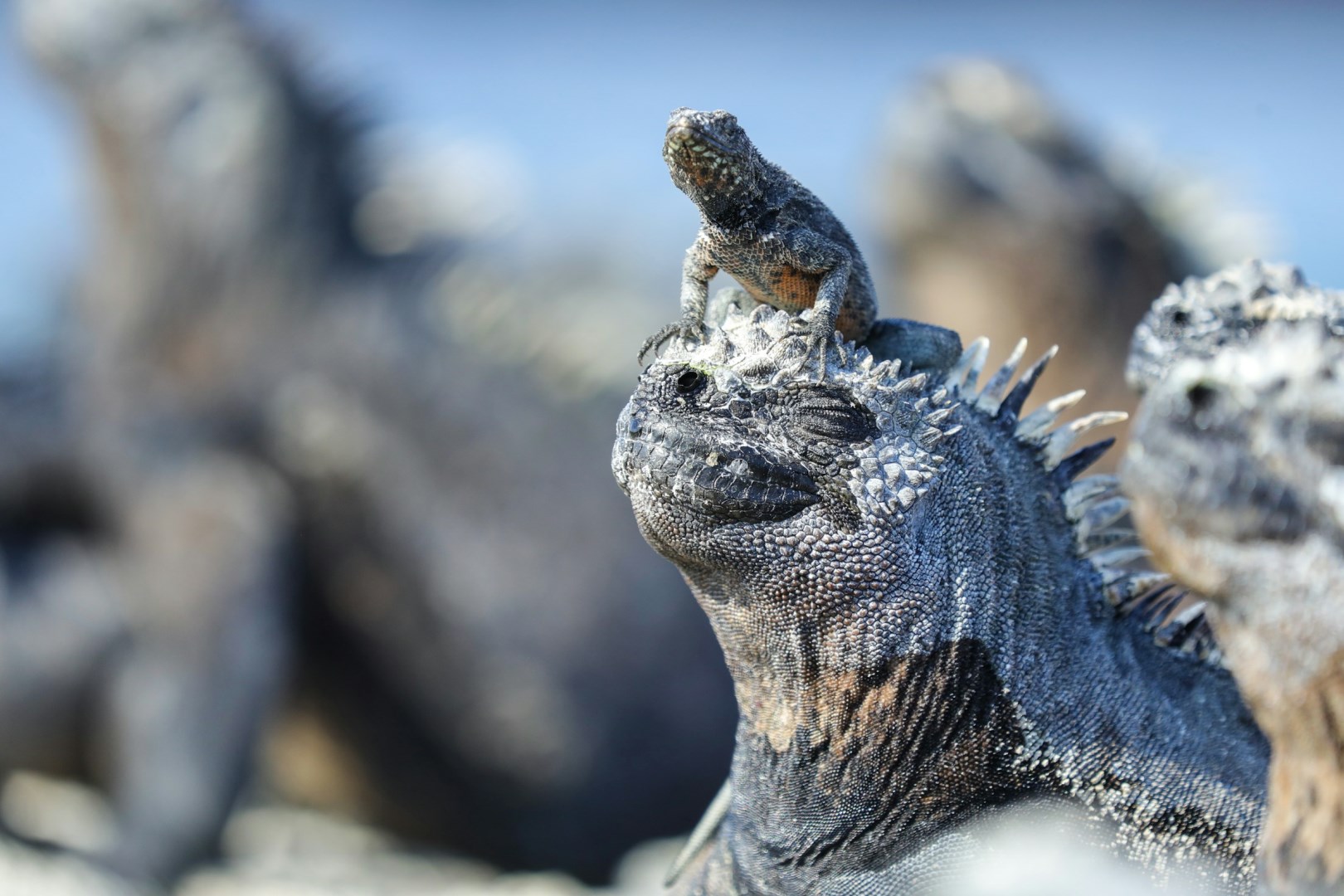
Santa Fe Island, formerly known as Barrington Island, is one of the smaller of the Galapagos islands. Although relatively small and unpopulated, the island is a great day-trip option for visitors to the area.
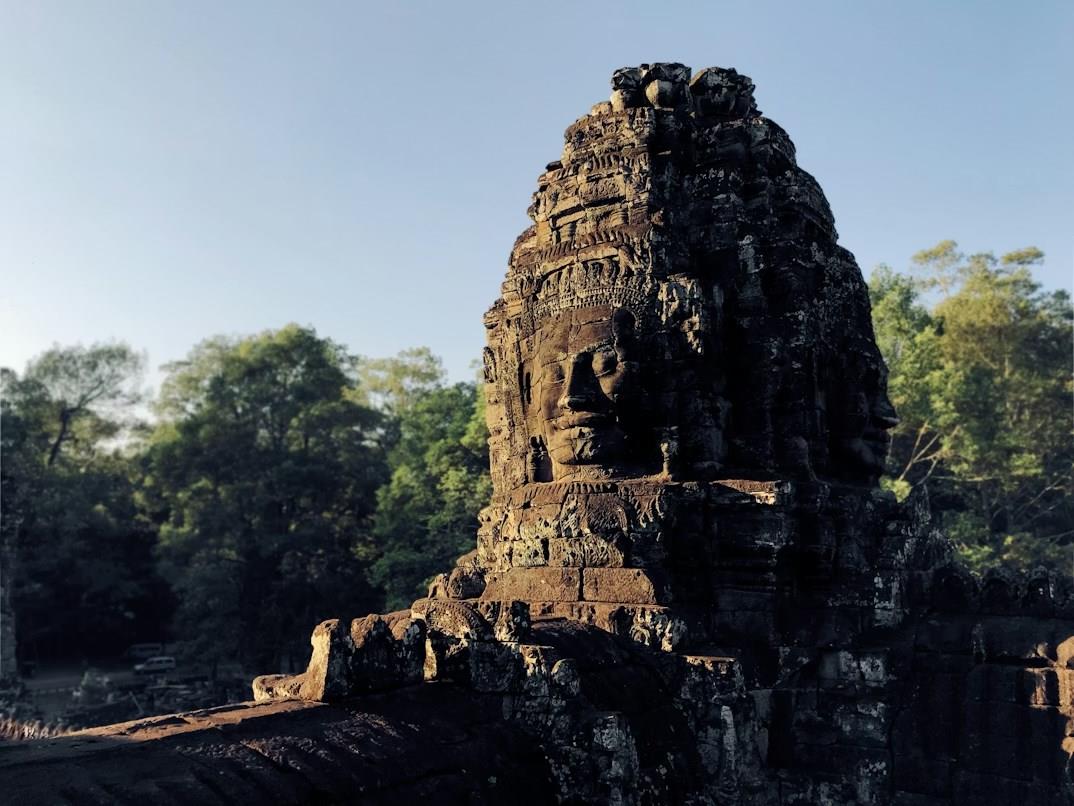
Angkor Thom was the last great capital of the Khmer Empire, established in the late 12th century under King Jayavarman VII in what is now northwestern Cambodia. Enclosed by massive stone walls and a wide moat, the city was designed as both a political center and a sacred landscape, symbolizing the cosmic order of the Khmer worldview.
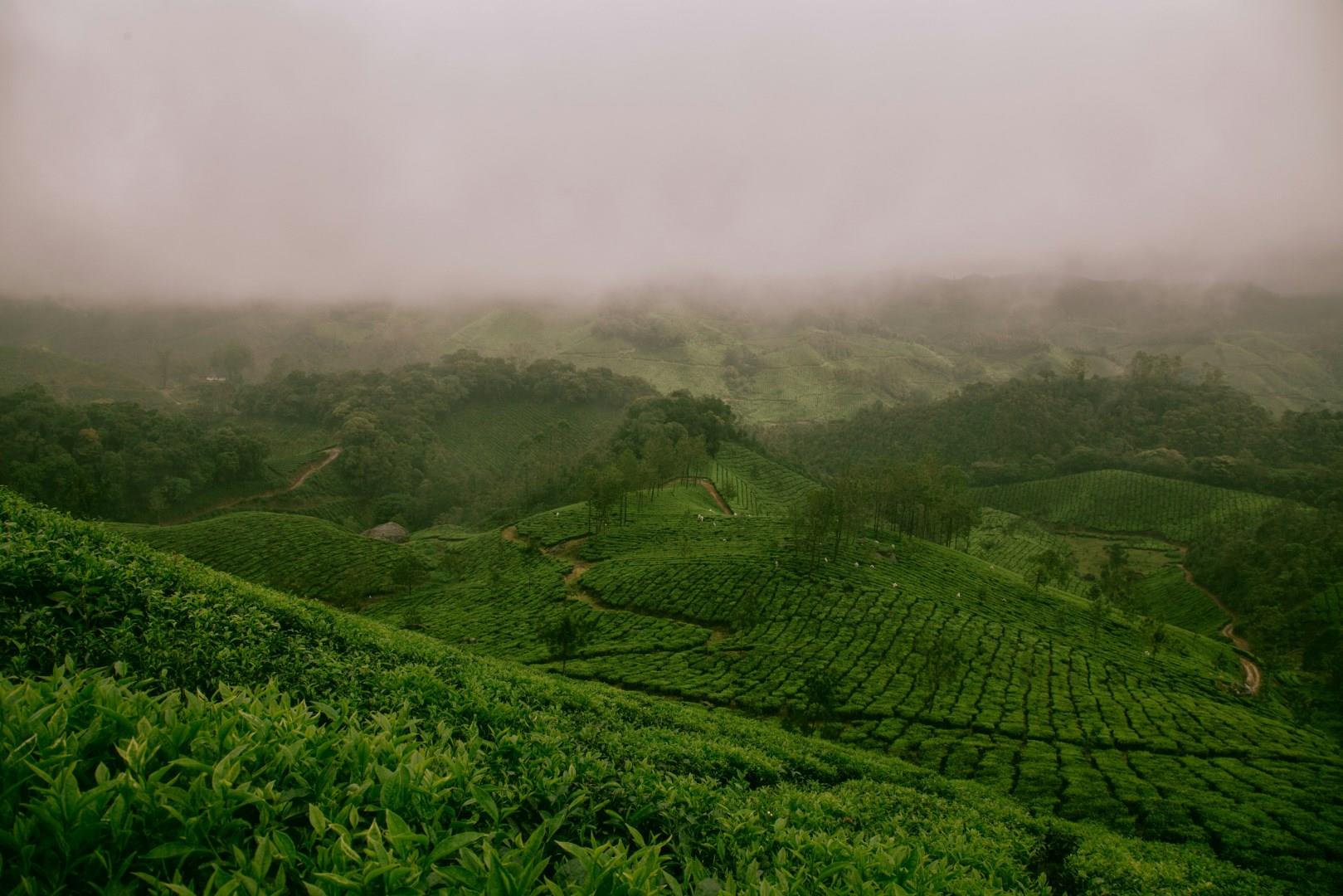
Munnar, located in the Western Ghats of Kerala, India, sits at around 1,600 meters above sea level and was once the summer resort of British colonial officers. Today, it’s known for its vast tea plantations, many of which date back to the 19th century. Visitors can walk through estates like Kolukkumalai, the highest tea plantation in the world, where traditional methods are still used to process leaves by hand.
Photo Credit: Image by Michelle Maria from Pixabay
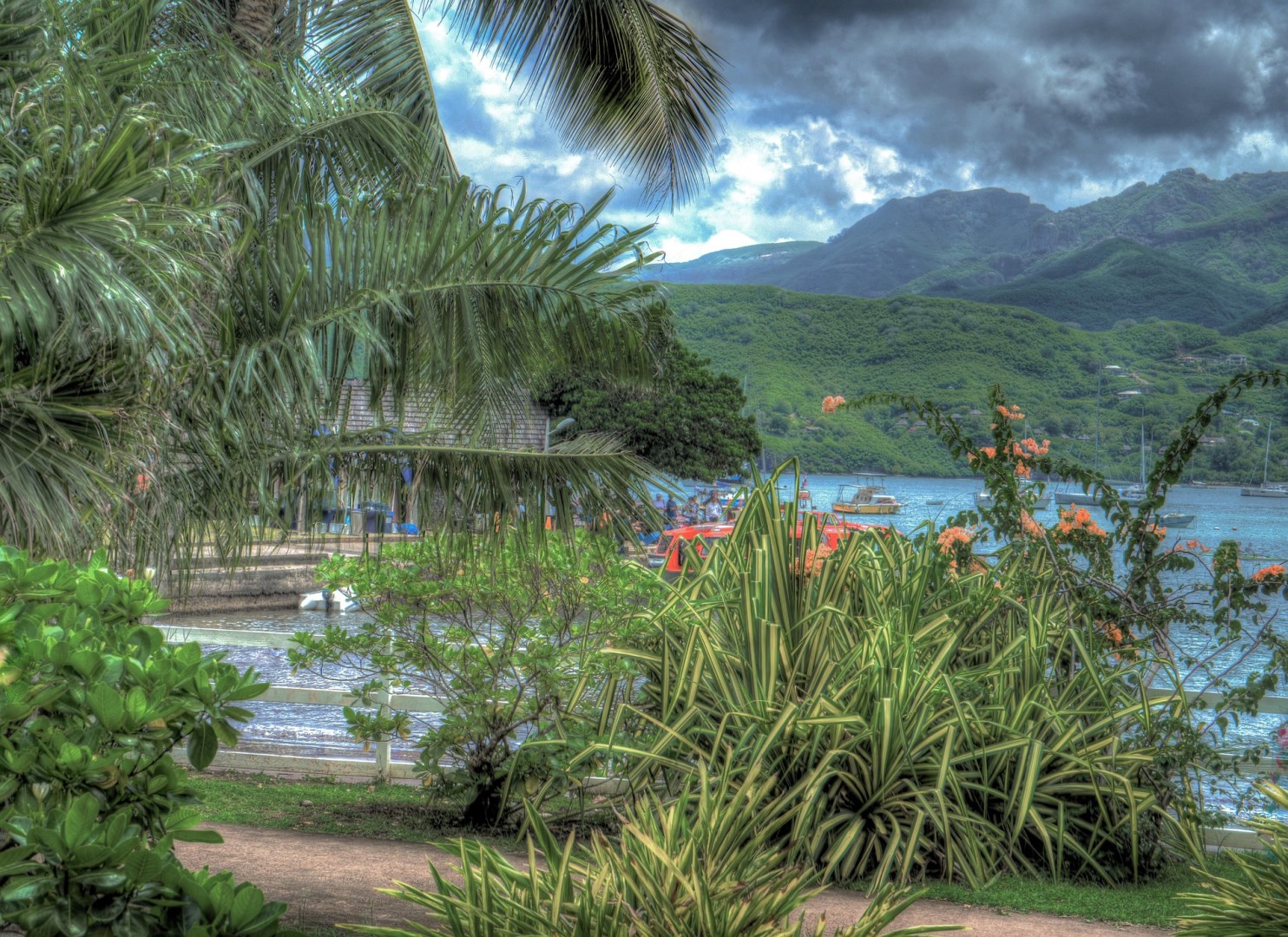
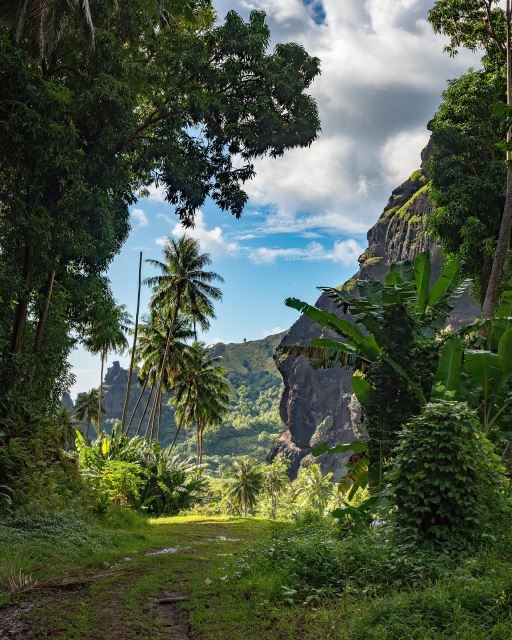
Nuku Hiva, the largest island in the Marquesas archipelago, offers an unparalleled escape into Polynesian paradise. This rugged island is renowned for its dramatic landscapes, characterized by lush valleys, towering cliffs, and volcanic peaks. The island's natural beauty is showcased in attractions like the Hatiheu Bay, with its stunning coastal scenery and vibrant marine life. The bay is a fantastic spot for boat excursions and snorkeling, allowing visitors to immerse themselves in the rich underwater world of the South Pacific.
A journey through Nuku Hiva reveals its rich cultural heritage. The island is home to several ancient Polynesian sites, including the impressive Taputapuātea, an archaeological complex featuring ancient stone platforms and ceremonial structures. These sites provide a glimpse into the island's pre-European history and are a testament to the Marquesas’ deep cultural roots.
Adventure seekers will find much to explore in Nuku Hiva's diverse terrain. Trekking enthusiasts can tackle the Vaipo Waterfall, one of the tallest waterfalls in the Pacific, cascading from a height of over 350 meters (1,150 feet). The hike to the waterfall offers breathtaking views and a rewarding splash in the natural pool below.
Fun fact: Nuku Hiva is the setting for the 19th-century novel "Typee" by Herman Melville, which was inspired by the author's experiences on the island. This literary connection adds an intriguing layer to your visit, connecting you to a piece of literary history.
Other Popular Destinations in Marquesas Islands
Hiva Oa
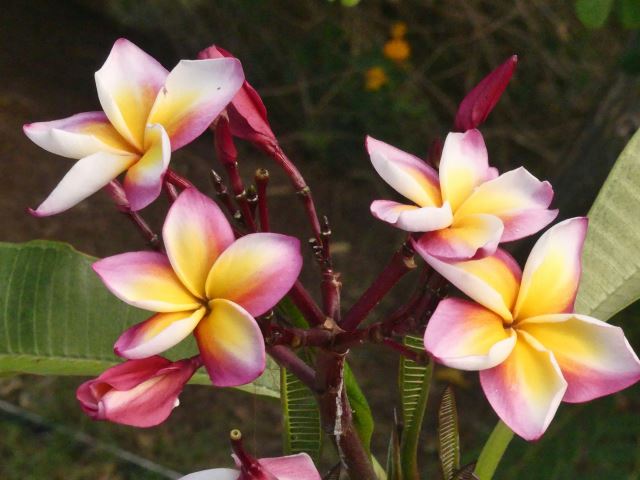
Hiva Oa, one of the most enchanting islands in the Marquesas archipelago, is a destination where natural beauty and cultural richness converge. Known as the “Garden of the Marquesas,” Hiva Oa is a lush, verdant paradise, dotted with towering cliffs, deep valleys, and an endless array of tropical flora
Fatu Hiva
Fatu Hiva, the southernmost of the Marquesas Islands, is a destination that feels like stepping back in time to a world untouched by modernity. This remote island is known for its breathtaking landscapes, where lush, verdant mountains rise dramatically from the deep blue sea.