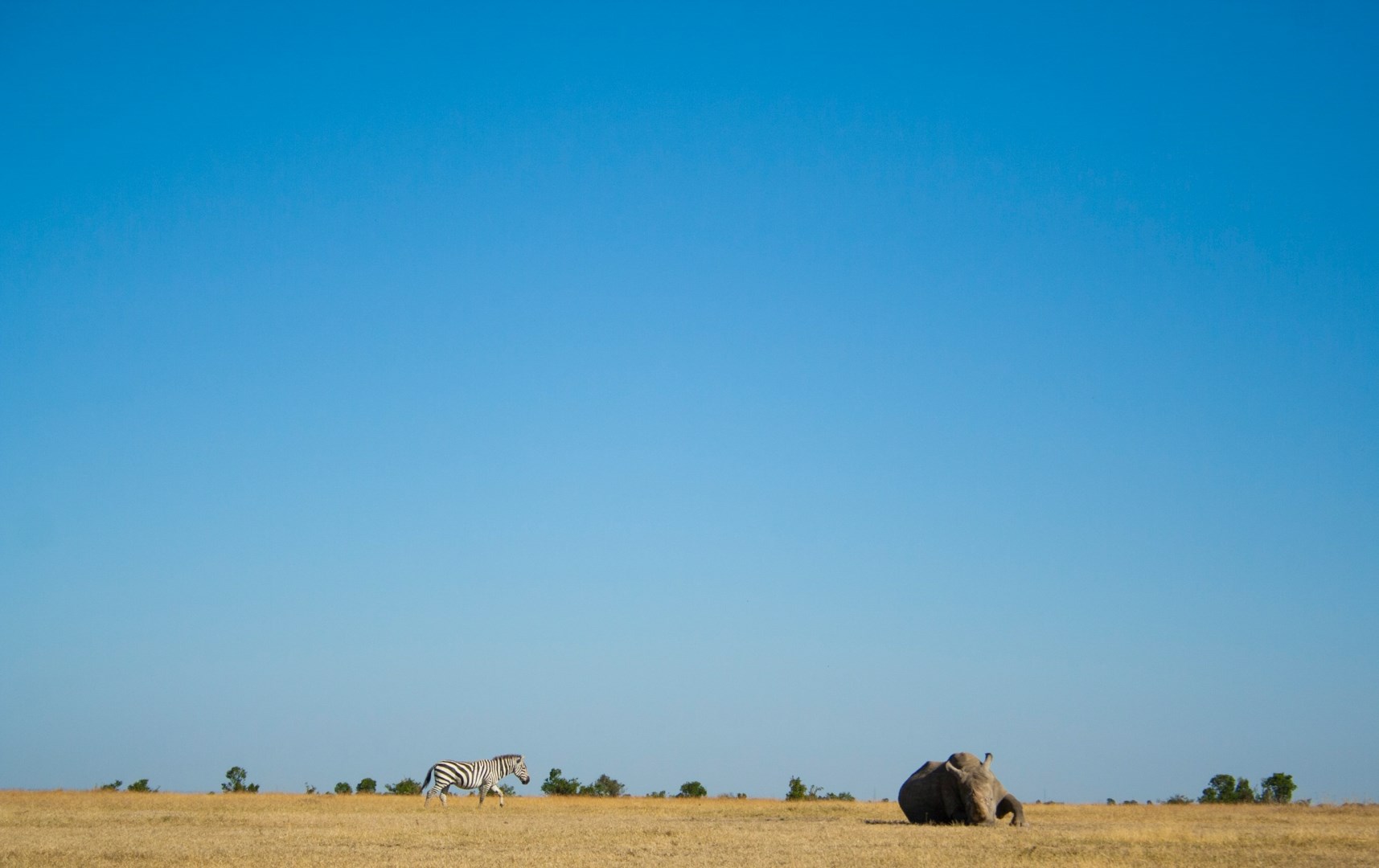
Nanyuki, located on the equator in central Kenya, is a lively town that serves as a gateway to Mount Kenya and the Laikipia Plateau. Founded by British settlers in the early 20th century, it still carries traces of its colonial past while embodying the energy and diversity of modern Kenya.
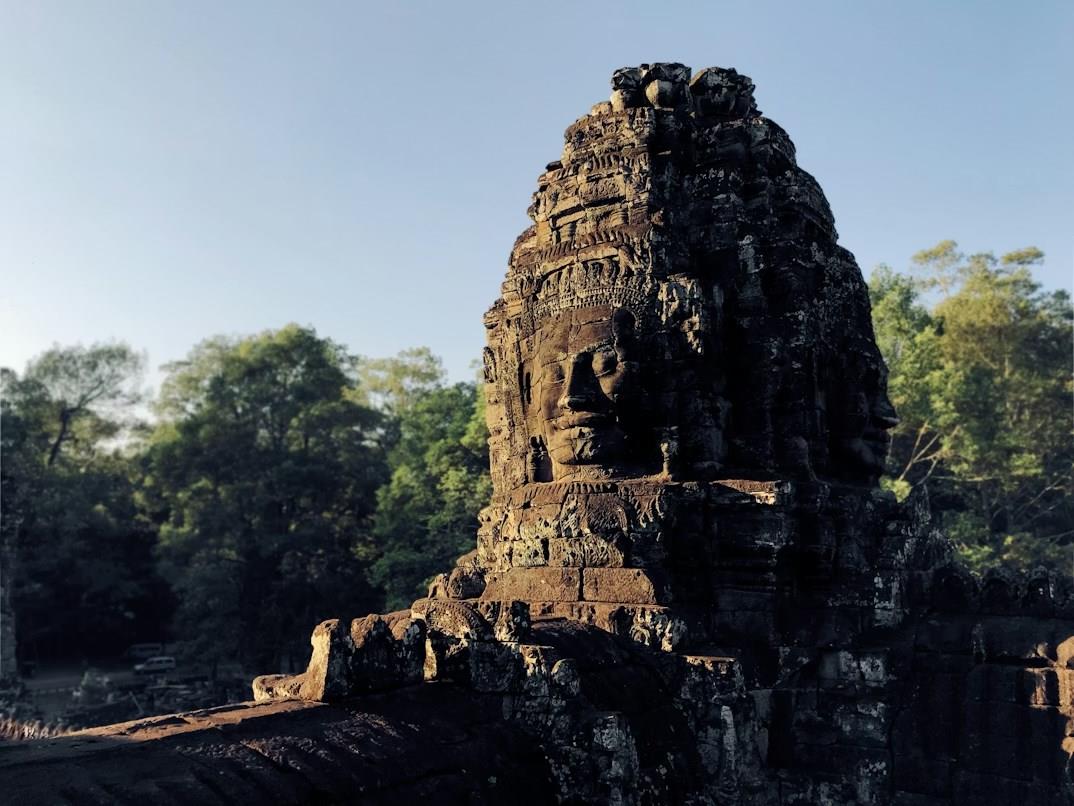
Angkor Thom was the last great capital of the Khmer Empire, established in the late 12th century under King Jayavarman VII in what is now northwestern Cambodia. Enclosed by massive stone walls and a wide moat, the city was designed as both a political center and a sacred landscape, symbolizing the cosmic order of the Khmer worldview.
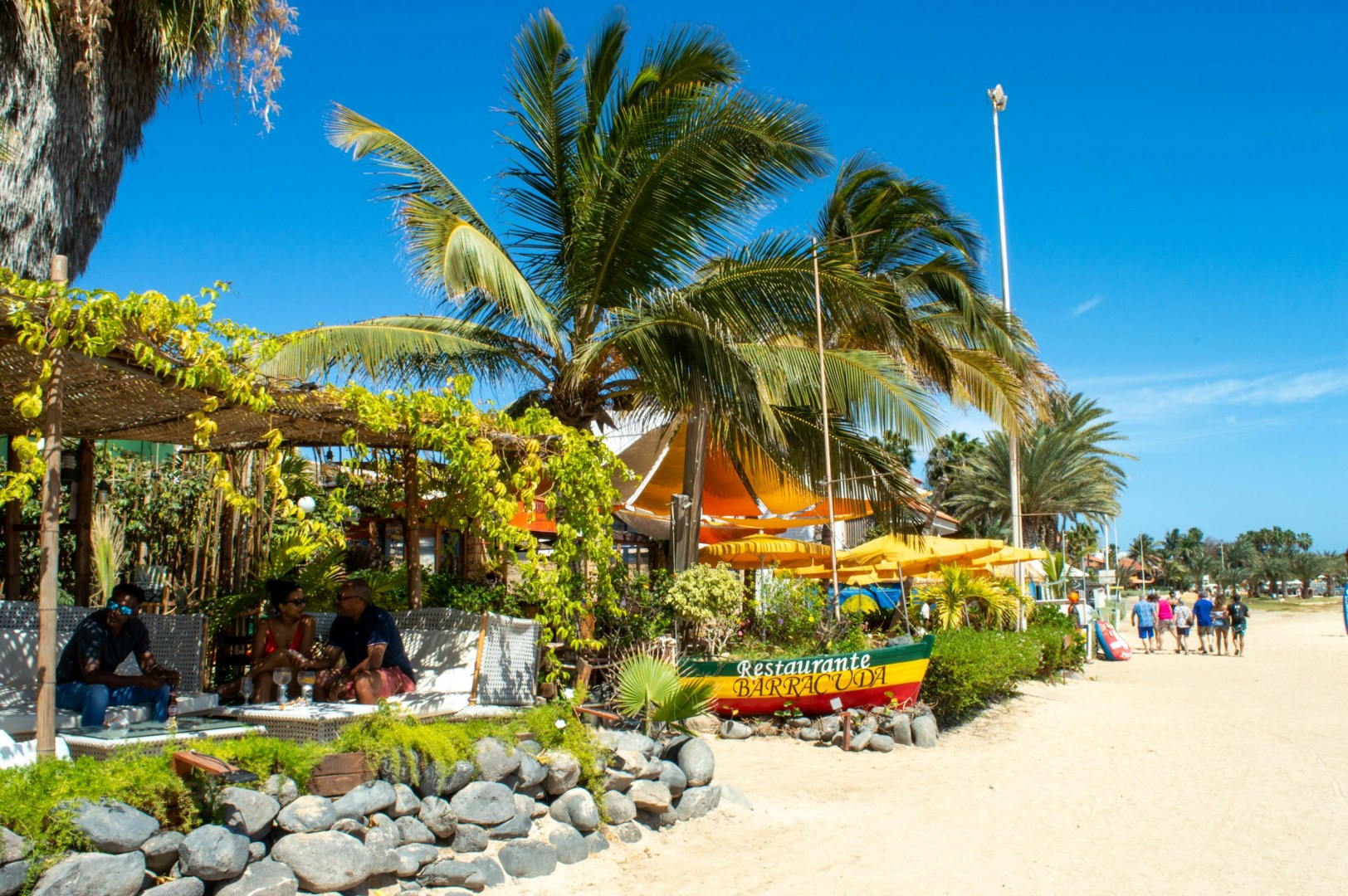
Santa Maria is the main coastal town on Sal, one of Cabo Verde’s eastern islands, and is closely connected with the island’s fishing and salt-producing heritage. The town developed beside a long sandy beach on the southern coast, with low buildings, narrow streets, small shops, restaurants, and a busy waterfront forming its center.
Qatar invites discovery through both its modern ambition and traces of its desert heritage. In Doha, the Museum of Islamic Art, designed by I. M. Pei, rises over the waterfront to display centuries of calligraphy, ceramics, textiles, and metalwork. Nearby, the National Museum of Qatar presents the nation's story through exhibits and architecture shaped like the desert rose. Each space offers both insight and reflection.
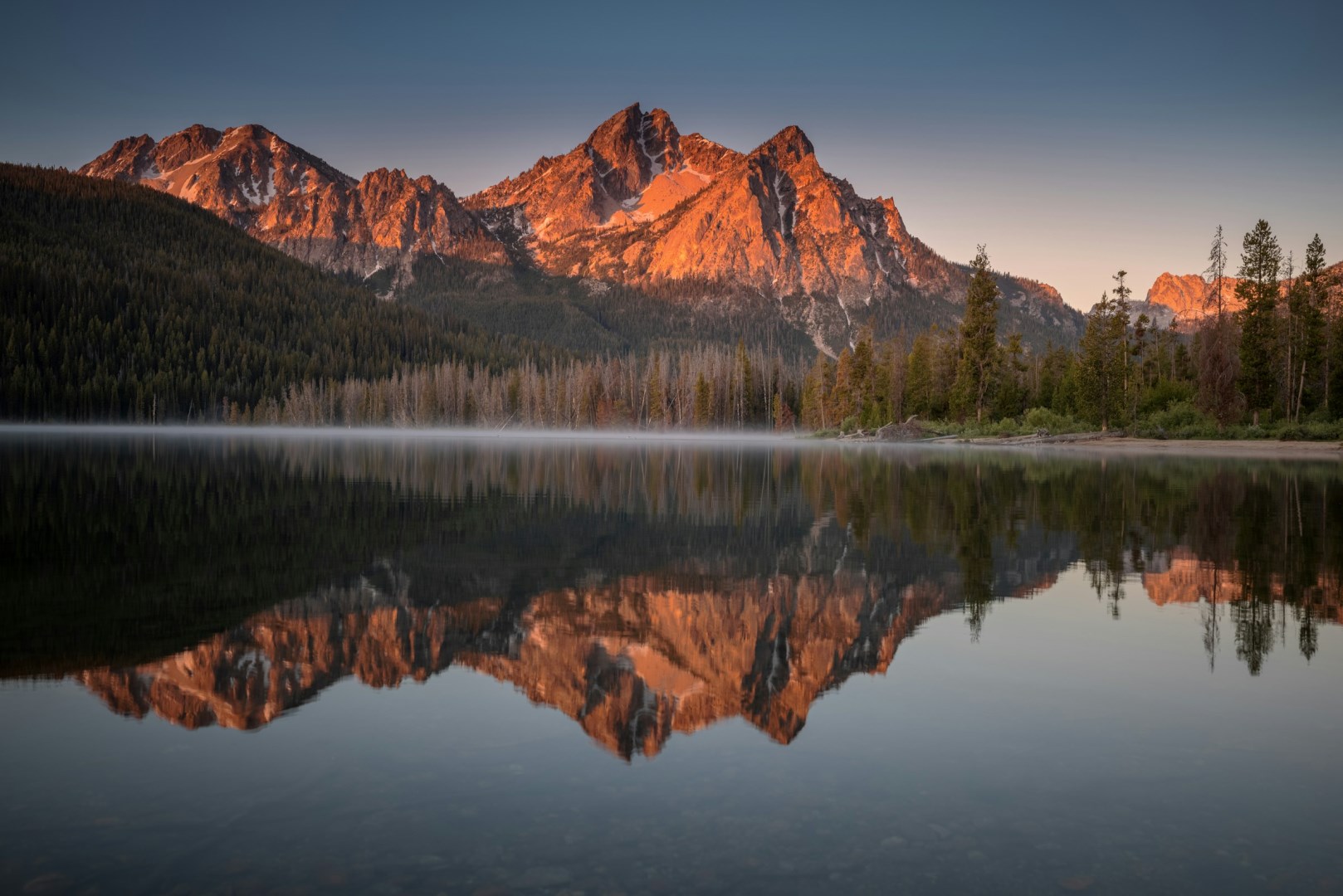
Idaho, known for its rugged landscapes and outdoor adventures, offers visitors a blend of natural beauty and cultural charm. Boise, the state capital, is a vibrant city that boasts a thriving arts scene and a rich history. Explore the Boise Art Museum, which features contemporary and modern works, or take a stroll along the Boise River Greenbelt for scenic views and recreational opportunities.
Photo Credit: Image by Michelle Maria from Pixabay
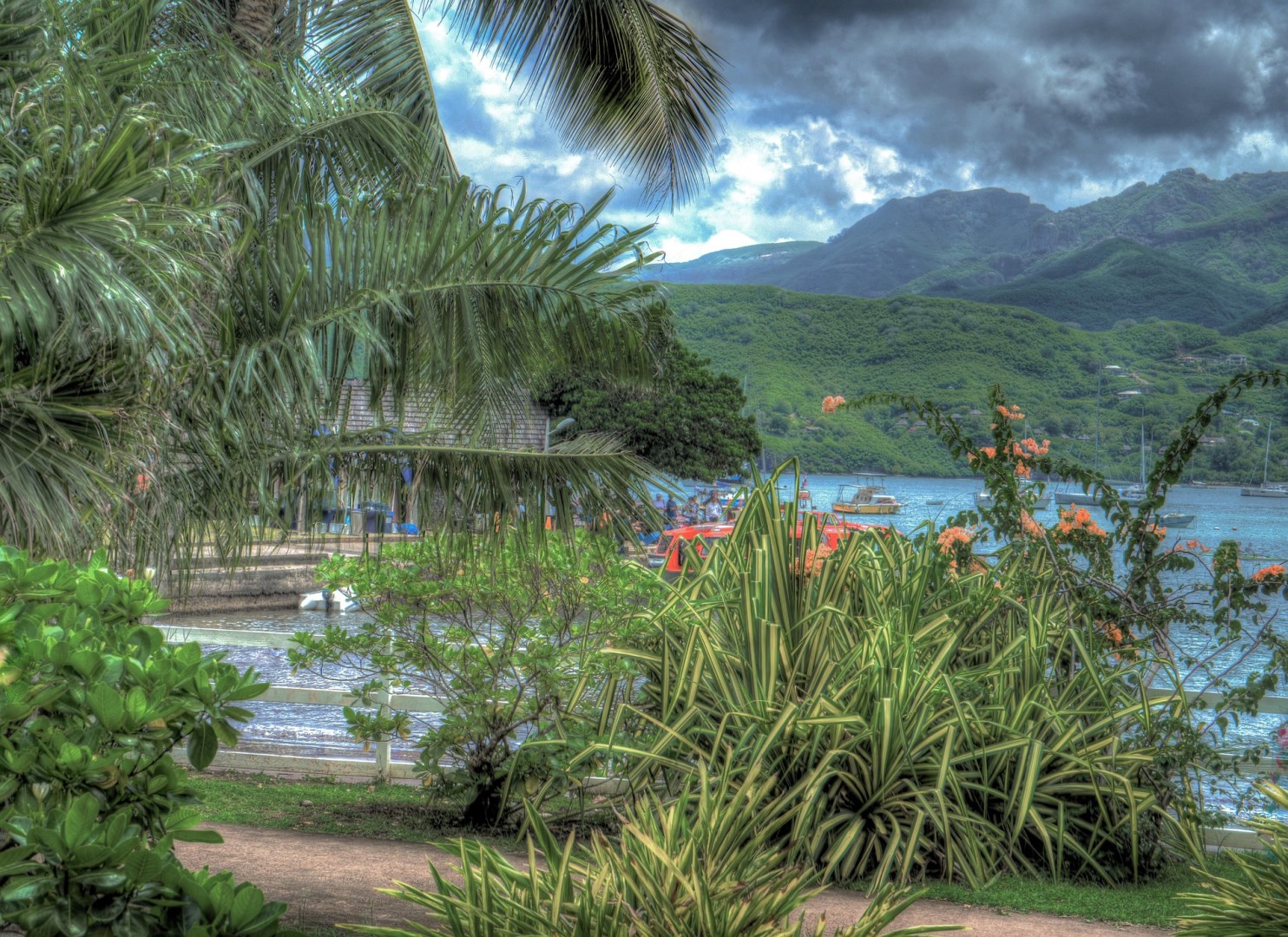
Nuku Hiva, the largest island in the Marquesas archipelago, offers an unparalleled escape into Polynesian paradise. This rugged island is renowned for its dramatic landscapes, characterized by lush valleys, towering cliffs, and volcanic peaks. The island's natural beauty is showcased in attractions like the Hatiheu Bay, with its stunning coastal scenery and vibrant marine life. The bay is a fantastic spot for boat excursions and snorkeling, allowing visitors to immerse themselves in the rich underwater world of the South Pacific.
A journey through Nuku Hiva reveals its rich cultural heritage. The island is home to several ancient Polynesian sites, including the impressive Taputapuātea, an archaeological complex featuring ancient stone platforms and ceremonial structures. These sites provide a glimpse into the island's pre-European history and are a testament to the Marquesas’ deep cultural roots.
Adventure seekers will find much to explore in Nuku Hiva's diverse terrain. Trekking enthusiasts can tackle the Vaipo Waterfall, one of the tallest waterfalls in the Pacific, cascading from a height of over 350 meters (1,150 feet). The hike to the waterfall offers breathtaking views and a rewarding splash in the natural pool below.
Fun fact: Nuku Hiva is the setting for the 19th-century novel "Typee" by Herman Melville, which was inspired by the author's experiences on the island. This literary connection adds an intriguing layer to your visit, connecting you to a piece of literary history.
Other Popular Destinations in Marquesas Islands
Hiva Oa
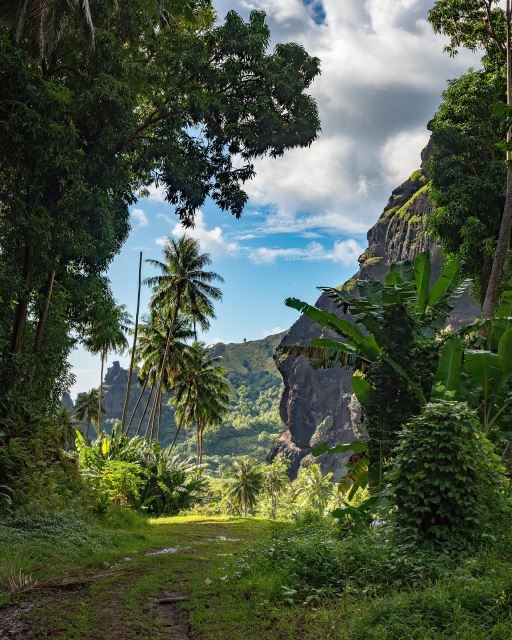
Hiva Oa, one of the most enchanting islands in the Marquesas archipelago, is a destination where natural beauty and cultural richness converge. Known as the “Garden of the Marquesas,” Hiva Oa is a lush, verdant paradise, dotted with towering cliffs, deep valleys, and an endless array of tropical flora
Fatu Hiva
Fatu Hiva, the southernmost of the Marquesas Islands, is a destination that feels like stepping back in time to a world untouched by modernity. This remote island is known for its breathtaking landscapes, where lush, verdant mountains rise dramatically from the deep blue sea.