Nestled along the south bank of the Danube, this historical Austrian city bursts with charm. A favorite stop on European river cruises, the city's most famous attraction is Melk Abbey, which dates back to the 11th century. The original Benedictine structure was lost to fires and foreign invasion, then rebuilt during the 18th century in lavish Baroque style, including a library and inner church covered in magnificent frescoes and gilded fixtures.
Hurghada, located on the western shore of the Red Sea, is a vibrant Egyptian city known for its stunning beaches and thriving marine life. As one of Egypt's premier resort destinations, it offers an array of activities for beachgoers and adventure seekers alike. The city's pristine beaches are perfect for relaxing, while the warm, crystal-clear waters invite visitors to dive into a world of colorful coral reefs and diverse marine species.
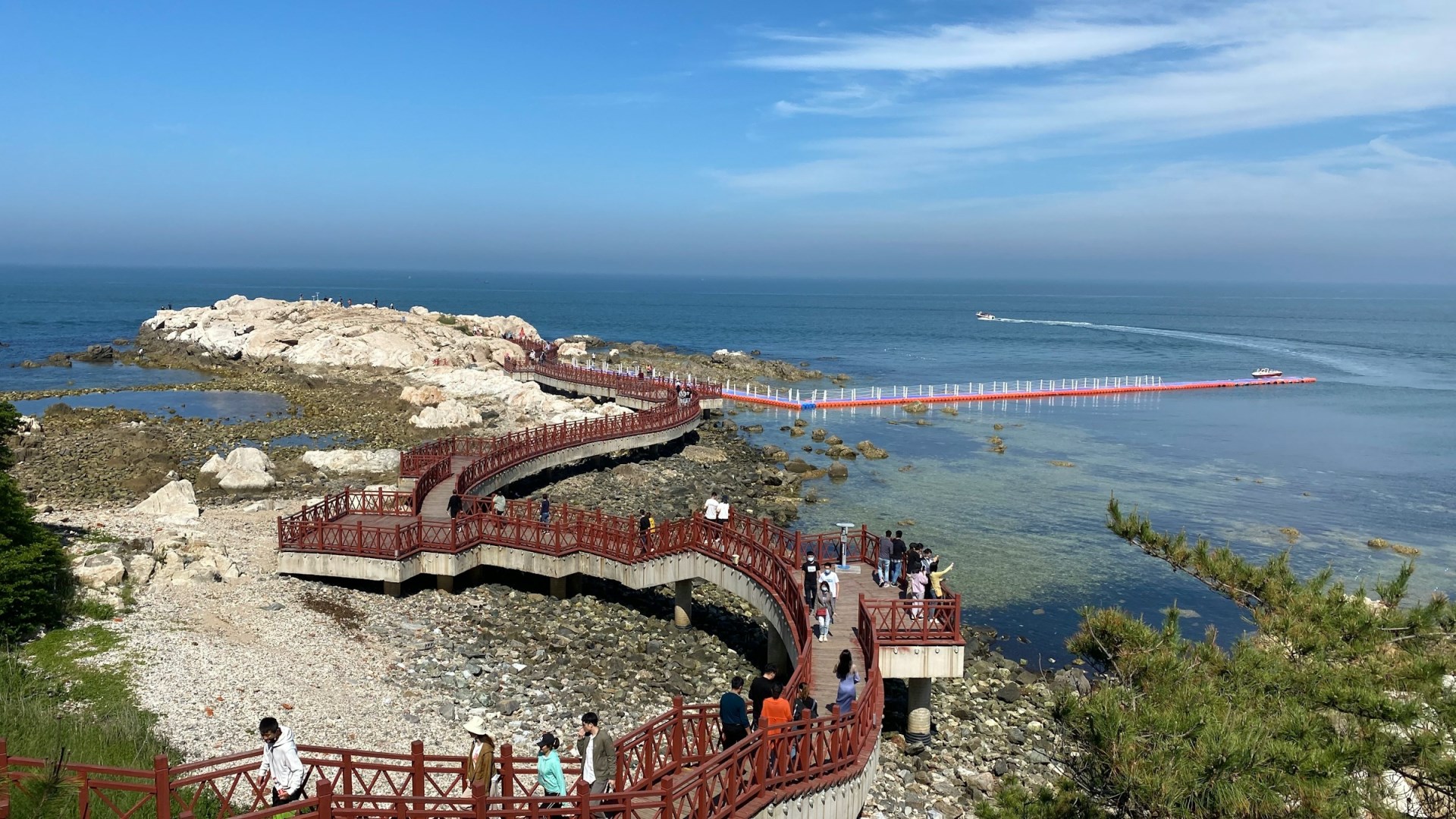
Yantai is on the coast of the Bohai Sea and one of the most picturesque small cities in China. Visit Penglai Pavilion, said to be where the 8 Taoist Immortals flew across the sea or view the city from the 14th-century Yuhuang Hill Temple where the abundant rose-colored buildings and orange-tiled roofs of the town are nestled between the sea and the gentle hills.
Whitehorse is the territorial capital of this Canadian site of the 1898 gold rush. It consists mostly of rural towns, where the main industries are mining and tourism. It is a land of forests, rivers and tall mountain ranges covering a total of 207,075 sq. miles.
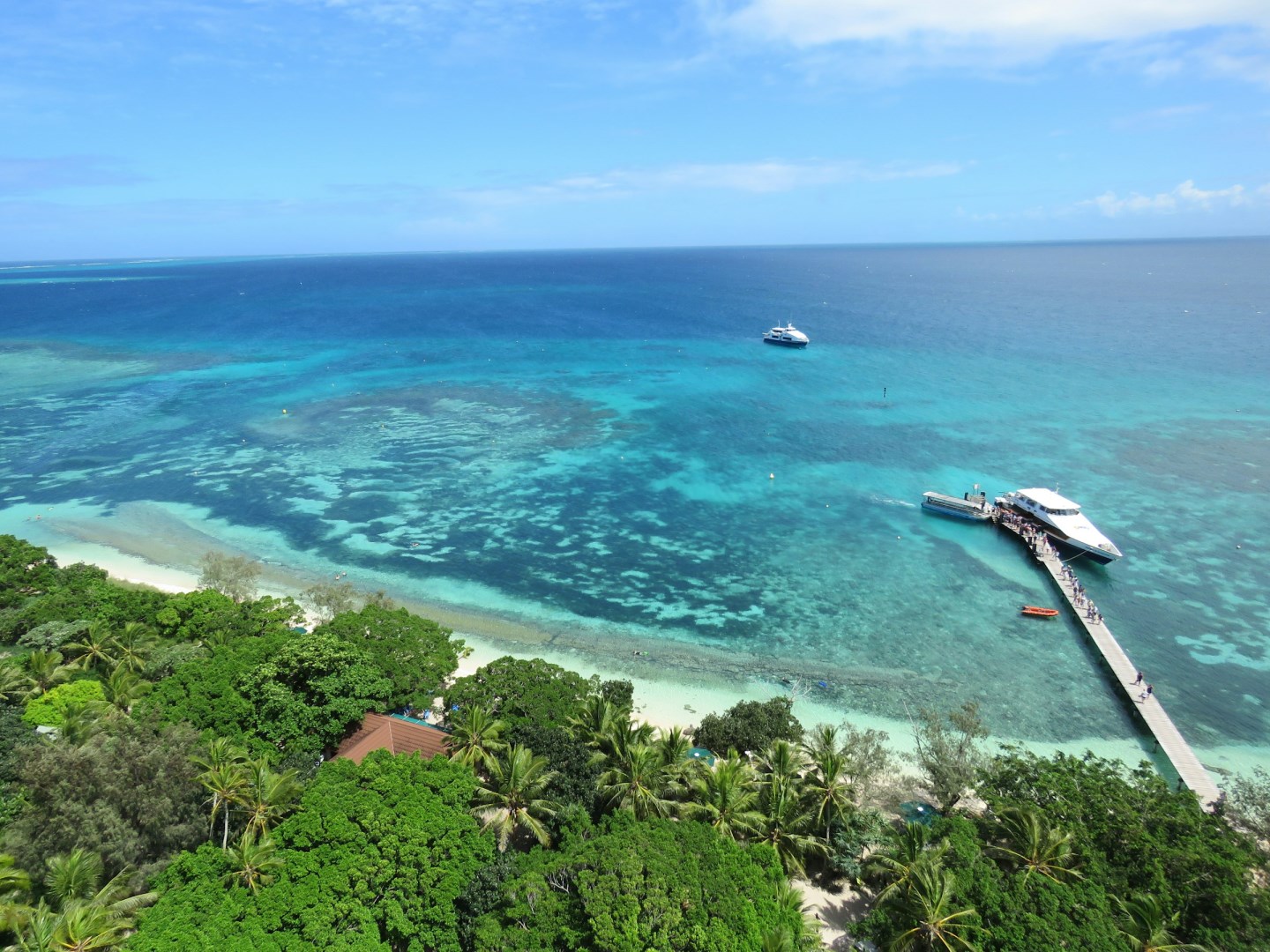
Amédée Islet, known locally as Îlot Amédée, is a small coral islet in the lagoon off the southern coast of New Caledonia. It lies within the New Caledonian Lagoon, a UNESCO World Heritage site recognized for its extensive reef systems and marine habitats. The islet is surrounded by shallow turquoise waters, coral reefs, and sandy beaches, while low vegetation covers much of its interior. Its most recognizable landmark is the Amédée Lighthouse.
Photo Credit: Image by Michelle Maria from Pixabay
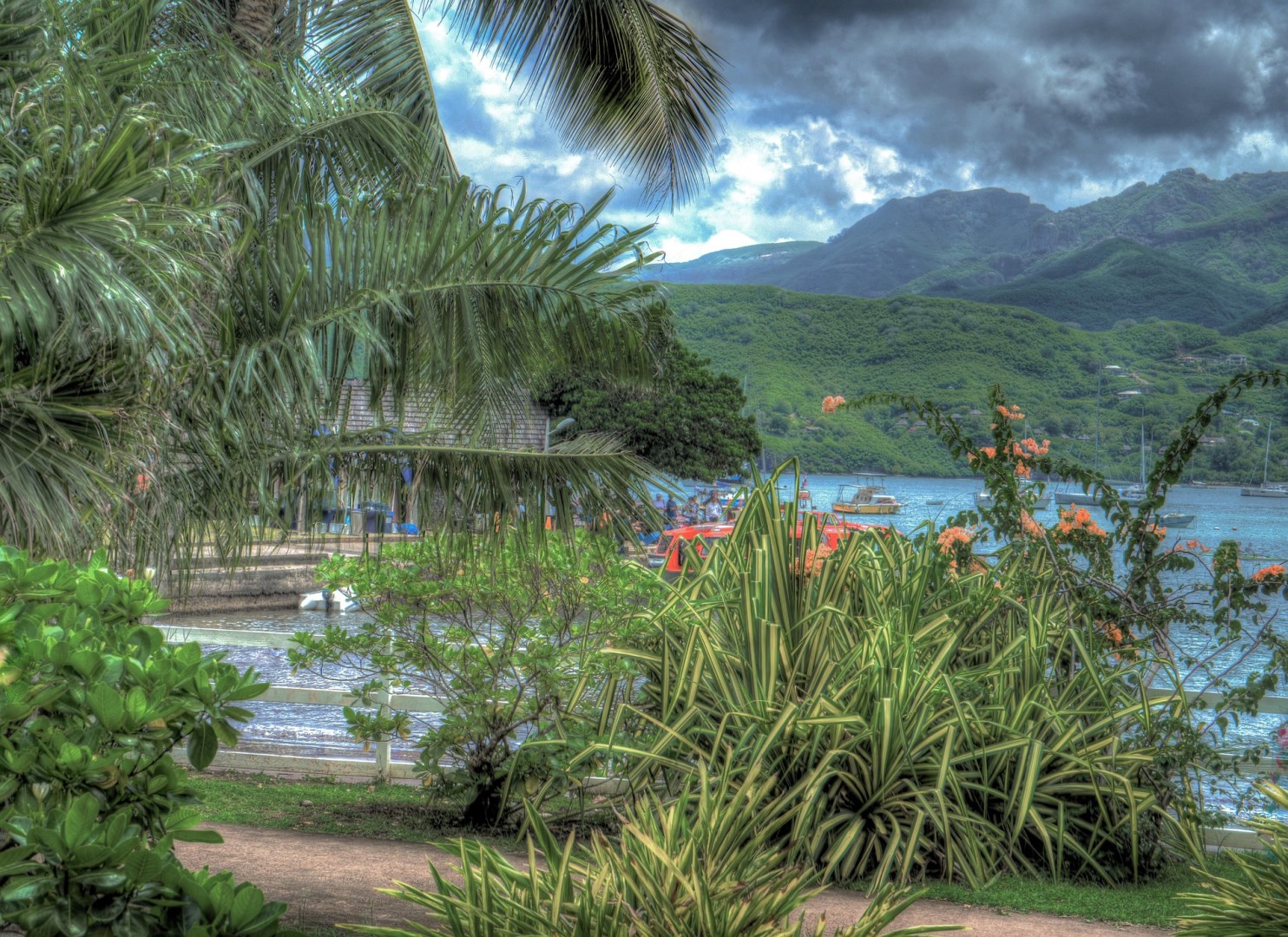
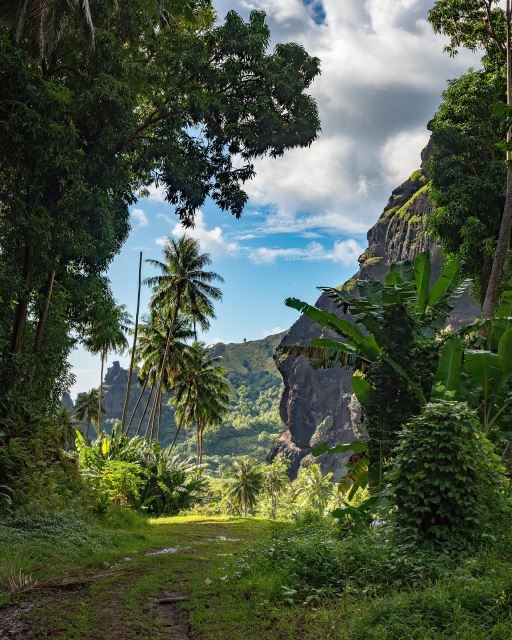
Nuku Hiva, the largest island in the Marquesas archipelago, offers an unparalleled escape into Polynesian paradise. This rugged island is renowned for its dramatic landscapes, characterized by lush valleys, towering cliffs, and volcanic peaks. The island's natural beauty is showcased in attractions like the Hatiheu Bay, with its stunning coastal scenery and vibrant marine life. The bay is a fantastic spot for boat excursions and snorkeling, allowing visitors to immerse themselves in the rich underwater world of the South Pacific.
A journey through Nuku Hiva reveals its rich cultural heritage. The island is home to several ancient Polynesian sites, including the impressive Taputapuātea, an archaeological complex featuring ancient stone platforms and ceremonial structures. These sites provide a glimpse into the island's pre-European history and are a testament to the Marquesas’ deep cultural roots.
Adventure seekers will find much to explore in Nuku Hiva's diverse terrain. Trekking enthusiasts can tackle the Vaipo Waterfall, one of the tallest waterfalls in the Pacific, cascading from a height of over 350 meters (1,150 feet). The hike to the waterfall offers breathtaking views and a rewarding splash in the natural pool below.
Fun fact: Nuku Hiva is the setting for the 19th-century novel "Typee" by Herman Melville, which was inspired by the author's experiences on the island. This literary connection adds an intriguing layer to your visit, connecting you to a piece of literary history.
Other Popular Destinations in Marquesas Islands
Hiva Oa
Hiva Oa, one of the most enchanting islands in the Marquesas archipelago, is a destination where natural beauty and cultural richness converge. Known as the “Garden of the Marquesas,” Hiva Oa is a lush, verdant paradise, dotted with towering cliffs, deep valleys, and an endless array of tropical flora
Fatu Hiva
Fatu Hiva, the southernmost of the Marquesas Islands, is a destination that feels like stepping back in time to a world untouched by modernity. This remote island is known for its breathtaking landscapes, where lush, verdant mountains rise dramatically from the deep blue sea.