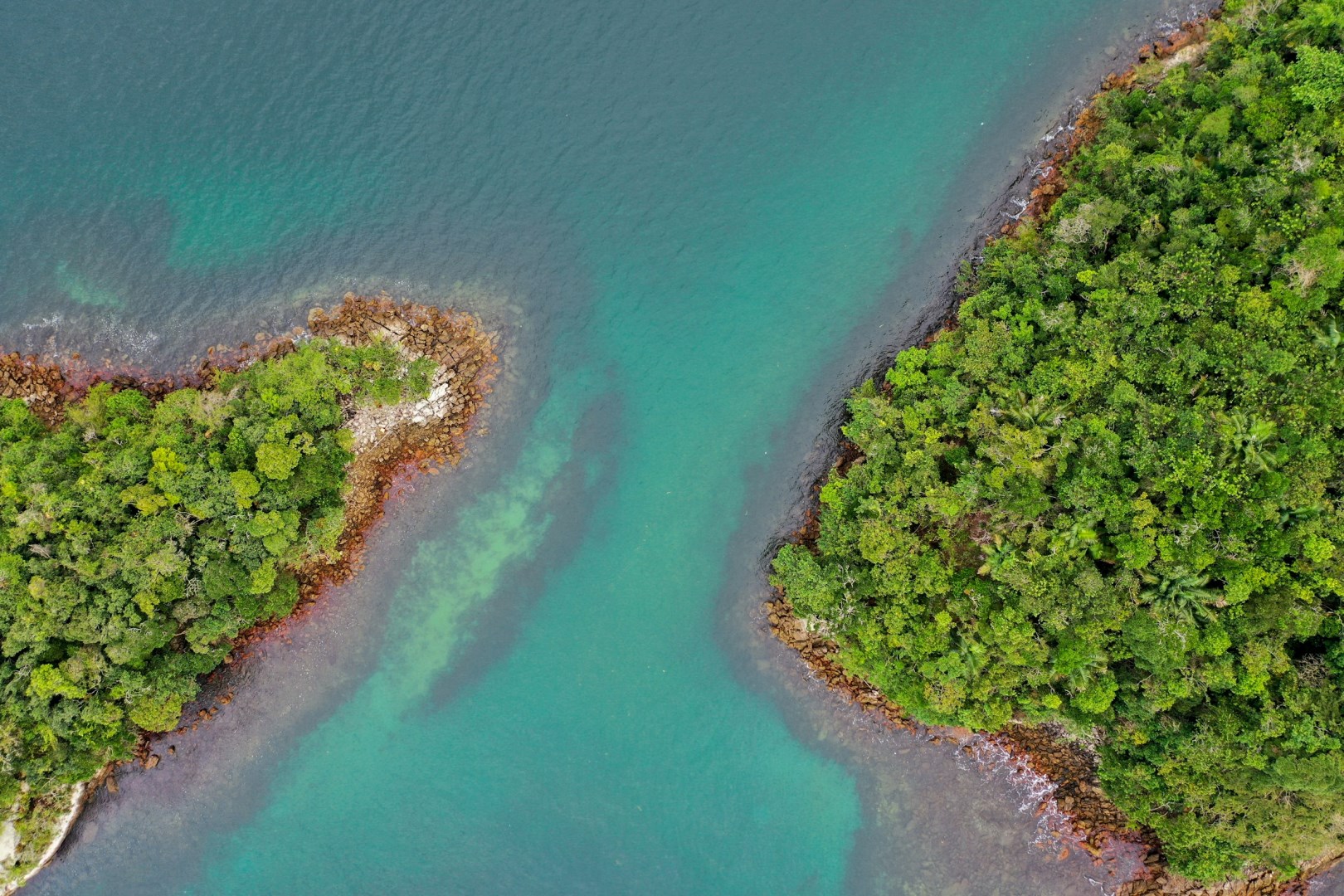
Angra dos Reis
Angra dos Reis is a great destination for nautical relaxation with thousands of beaches and 365 islands. This brilliant landscape is surrounded by the calm, crystal-clear waters. Angra is in the center of Costa Verde in the state of Rio de Janeiro, one of the most beautiful regions of the country.

Ngorongoro
Ngorongoro, Tanzania, is a destination where breathtaking landscapes and abundant wildlife converge in a truly unique way. Nestled within the Ngorongoro Conservation Area, this region is renowned for the Ngorongoro Crater, a UNESCO World Heritage Site. This ancient caldera, formed by a volcanic eruption millions of years ago, creates a natural amphitheater teeming with wildlife.
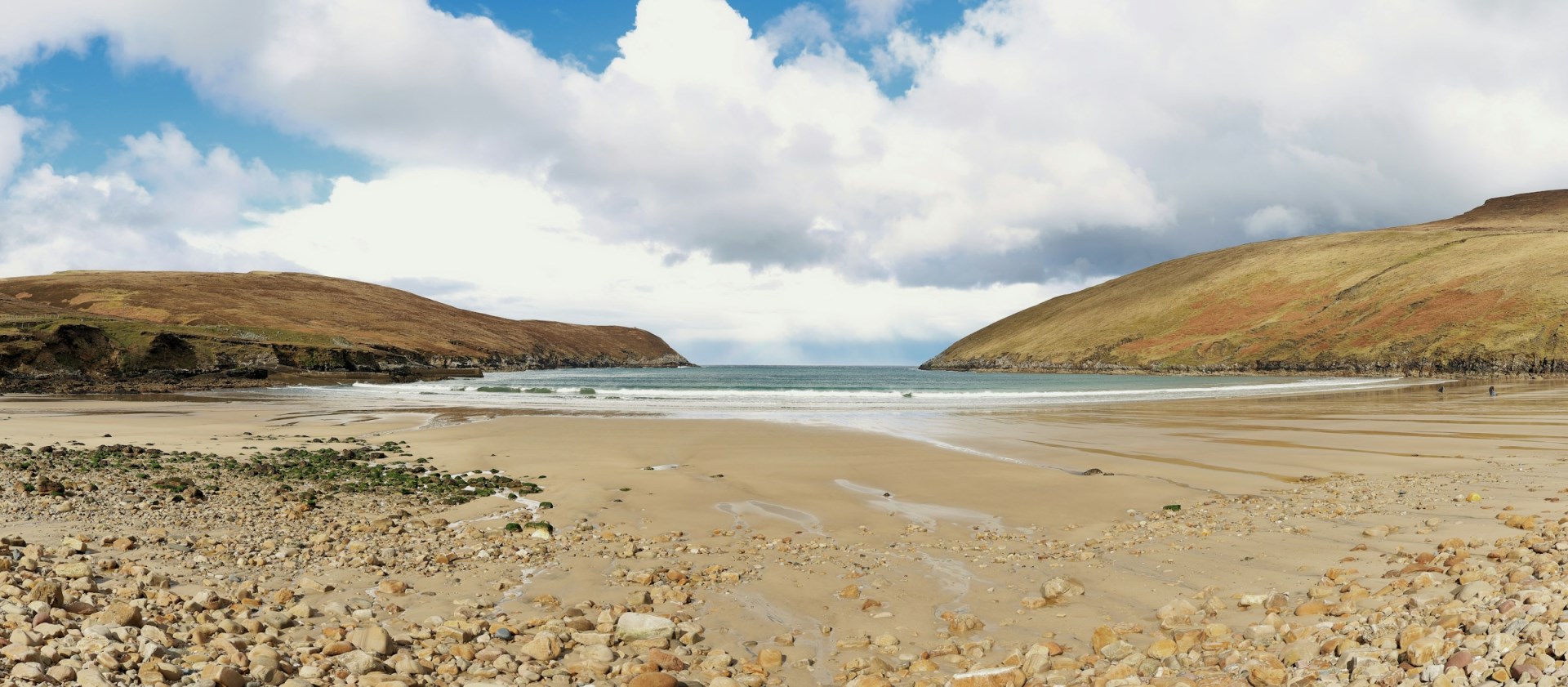
County Mayo
Mayo, located in the west of Ireland, is a region that encapsulates the natural beauty and historical depth of the Emerald Isle. Dominated by rugged landscapes and rolling hills, Mayo is a haven for those who love the great outdoors. The Croagh Patrick, Ireland's holy mountain, stands as a prominent feature, drawing pilgrims and hikers alike to its challenging ascent and breathtaking views.
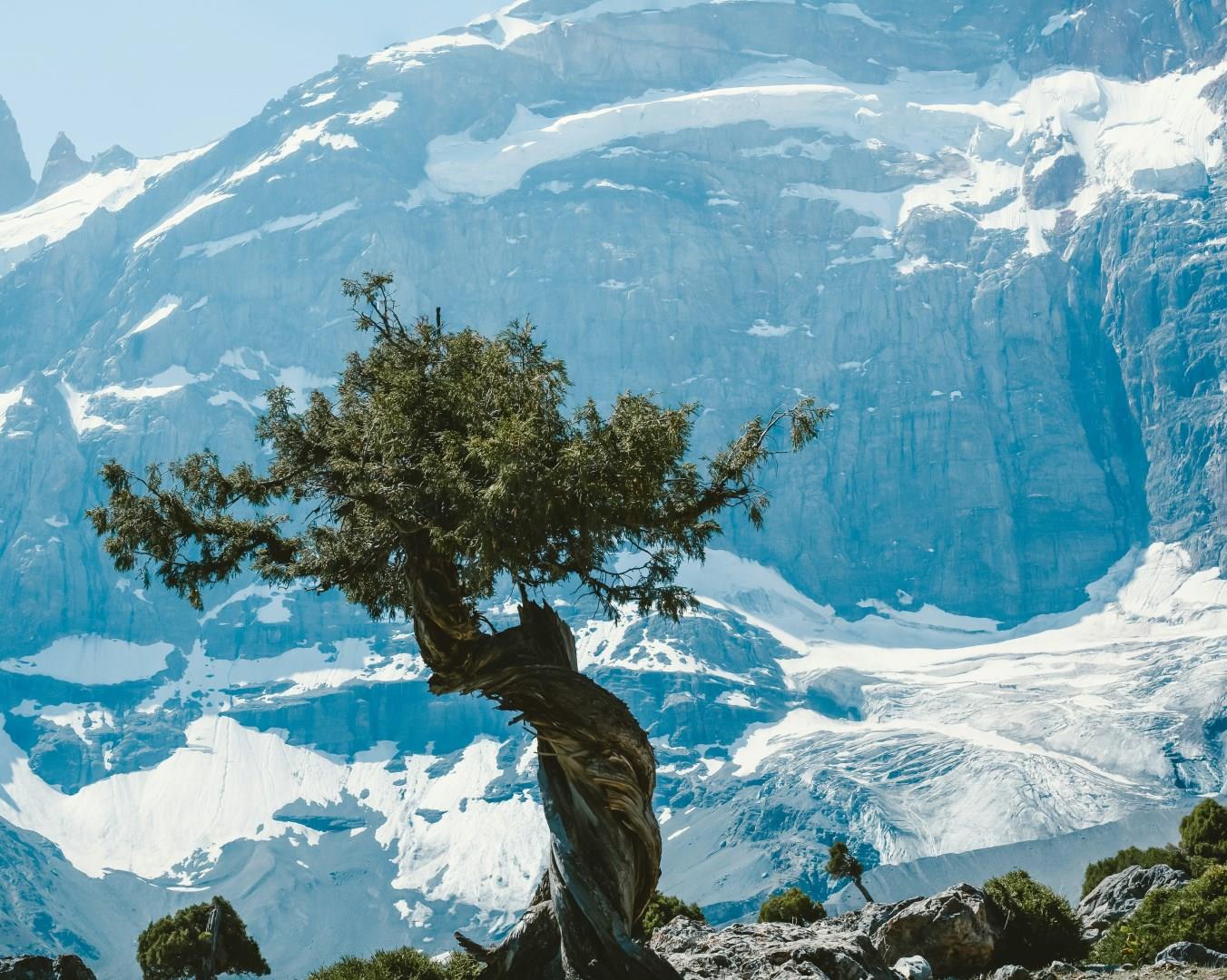
Tajikistan
Tajikistan, a landlocked country in Central Asia, is defined by its dramatic mountain landscapes, including the towering Pamir and Fann ranges. These rugged peaks and deep valleys create a striking backdrop for ancient Silk Road sites and traditional villages, reflecting the country’s historical importance as a crossroads of cultures.
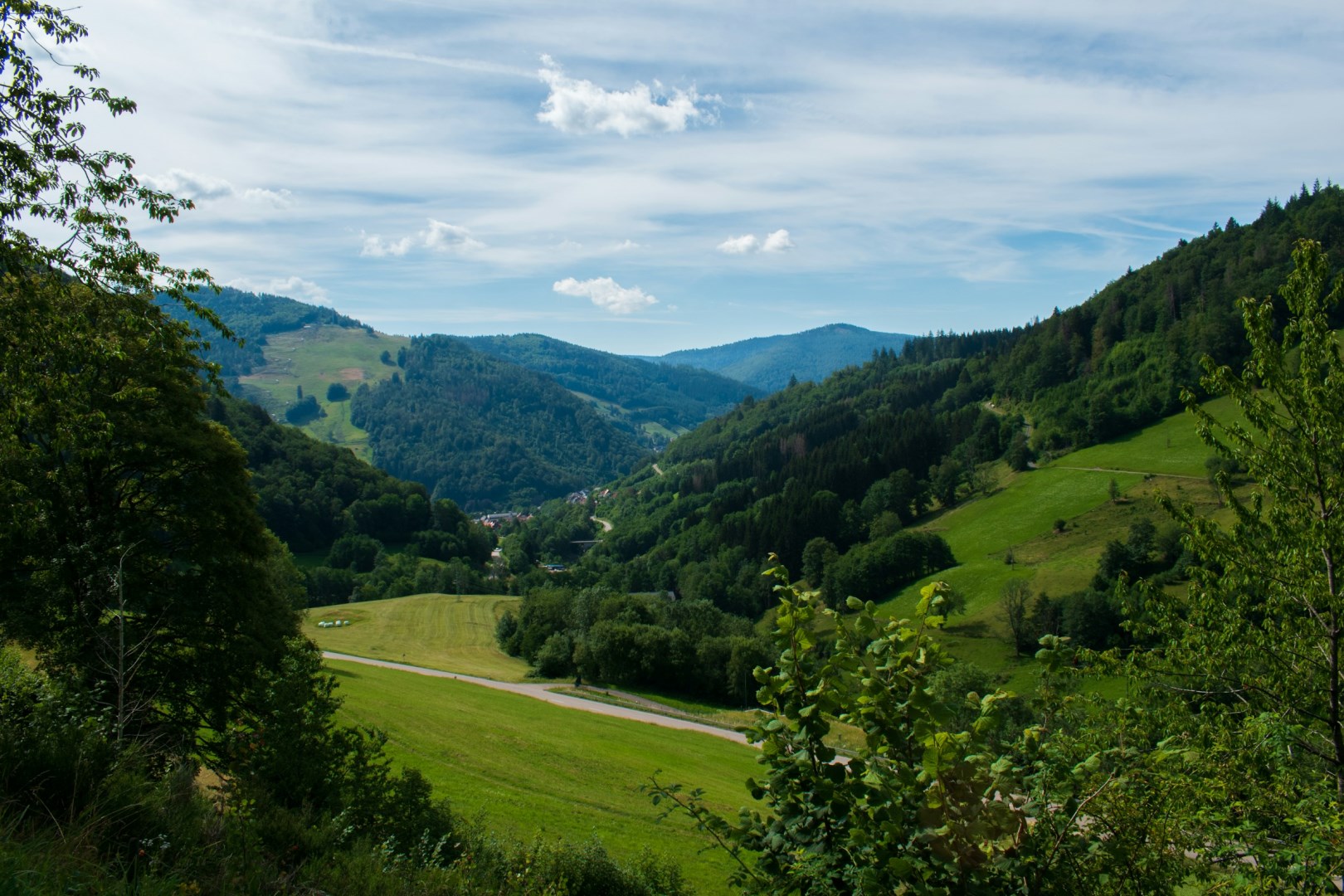
Black Forest
The Black Forest is a mountainous region of southwest Germany between the Rhine and Neckar rivers, near Baden and Wurtemburg. A part of the ancient Hercynian forest, it is a year-round resort area that is famous for its clock and toy industries.