Padstow
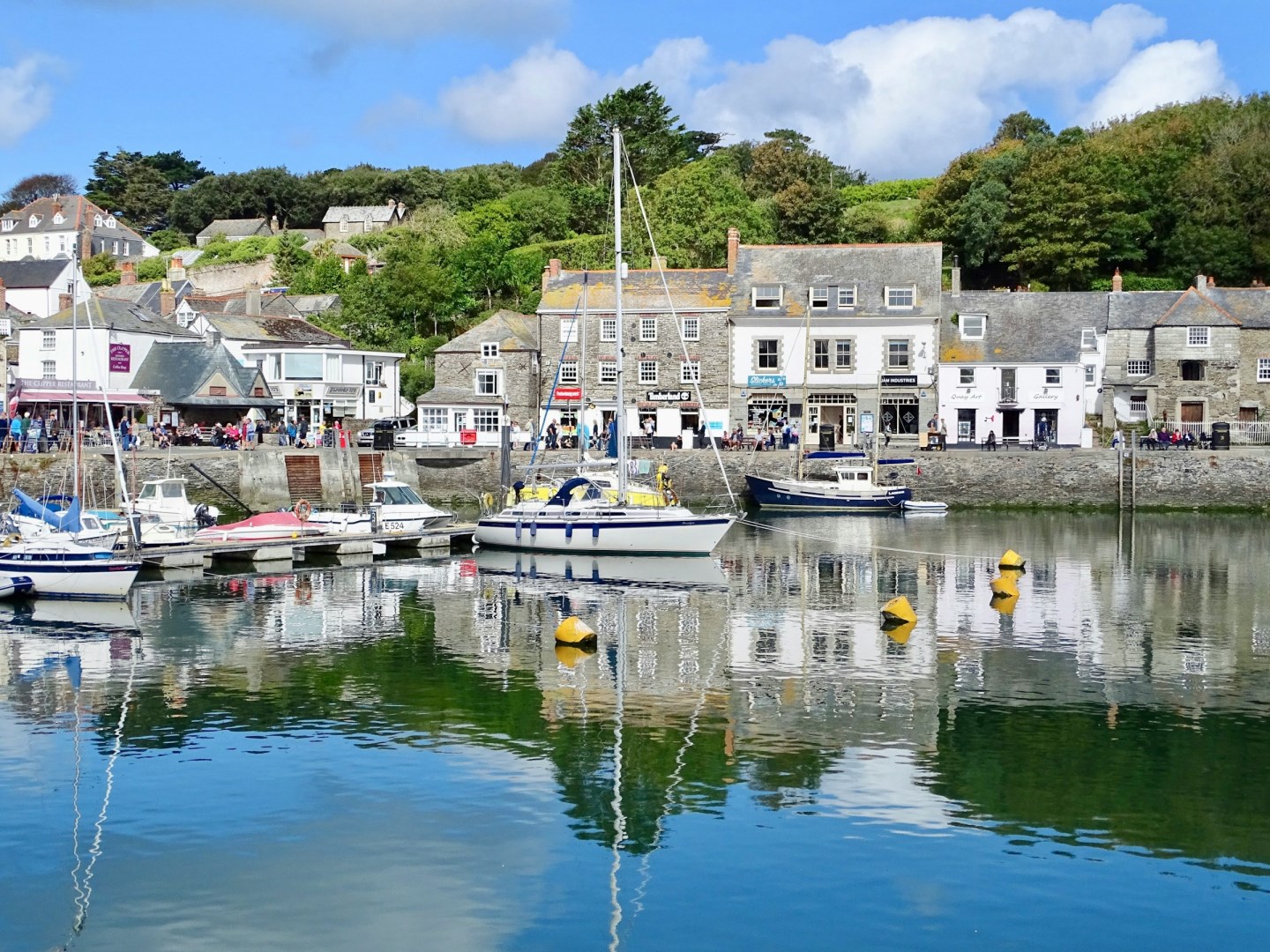
Padstow is a small harbour town on the north coast of Cornwall, set beside the Camel Estuary where the river meets the Atlantic. Its working harbour remains the centre of the town, surrounded by narrow streets, stone buildings, independent shops, cafés, and restaurants. The waterfront also provides views across the estuary toward Rock and the surrounding coast.
Skeleton Coast National Park
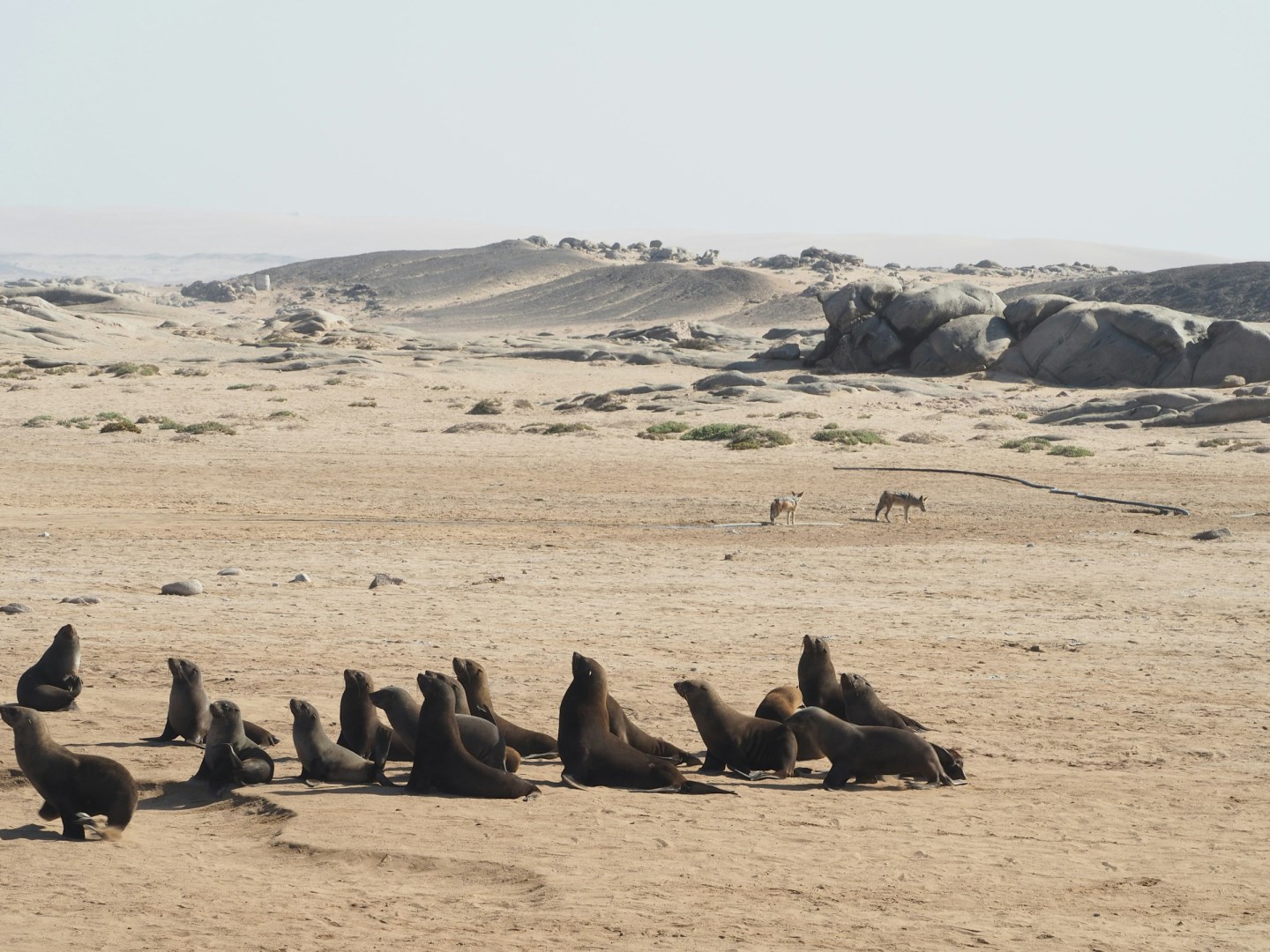
Skeleton Coast National Park stretches for about 500 kilometres along Namibia’s northwestern Atlantic coast, from the Ugab River toward the Kunene River. The park covers roughly 16,390 square kilometres of beaches, dunes, gravel plains, ephemeral riverbeds, canyons, and rugged mountain landscapes. Cold Atlantic water from the Benguela Current helps produce frequent coastal fog, which can extend inland across the desert.
Paraguay
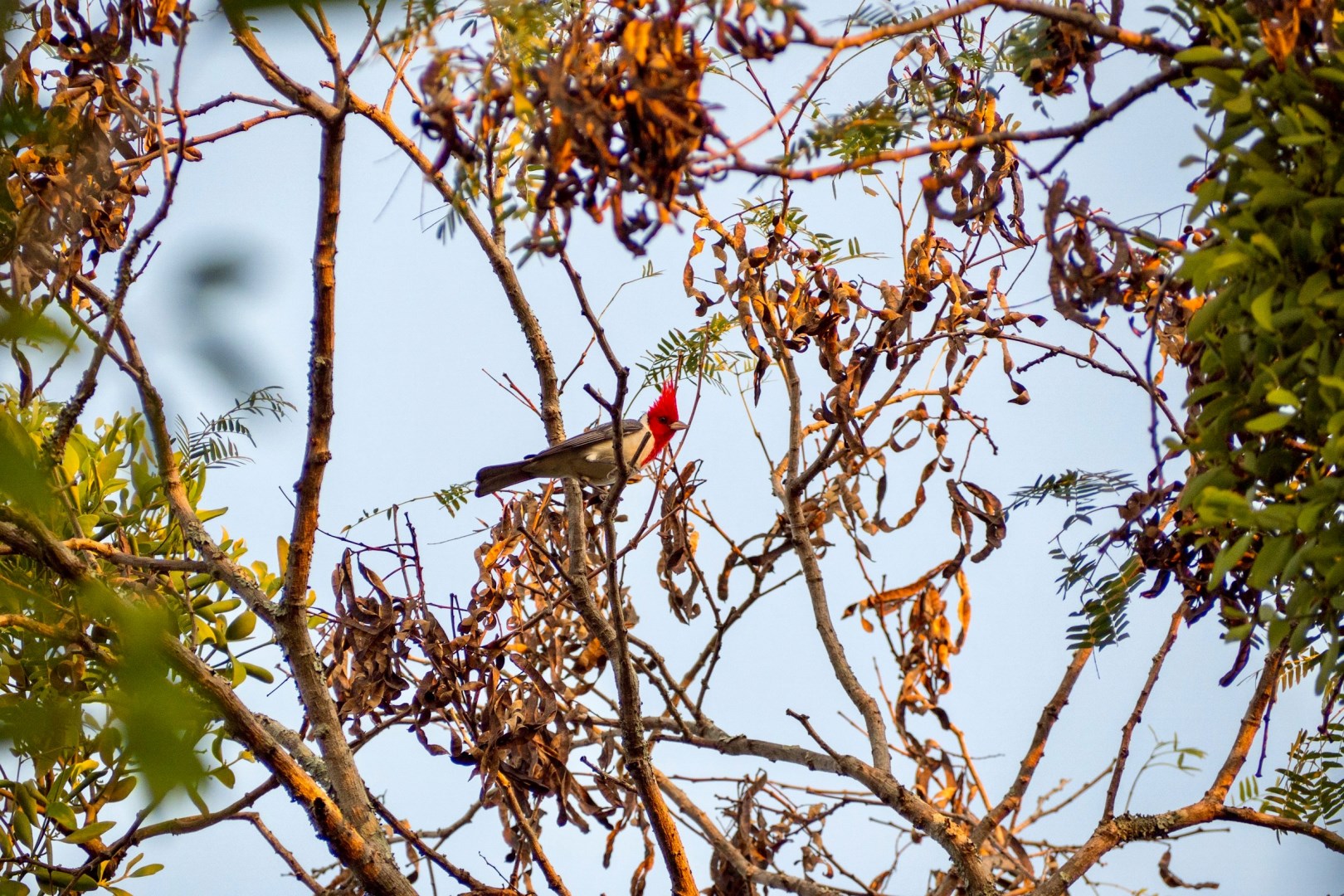
Paraguay is a country that moves to its own rhythm. Landlocked and often overlooked, it’s one of South America’s most culturally distinct destinations. With two official languages, Spanish and Guaraní, and a strong Indigenous heritage, Paraguay offers a travel experience shaped more by tradition than by trend. For travelers drawn to wild, open landscapes, Paraguay offers two distinct ecosystems: the lush, river-fed east and the remote, dry Chaco in the west.
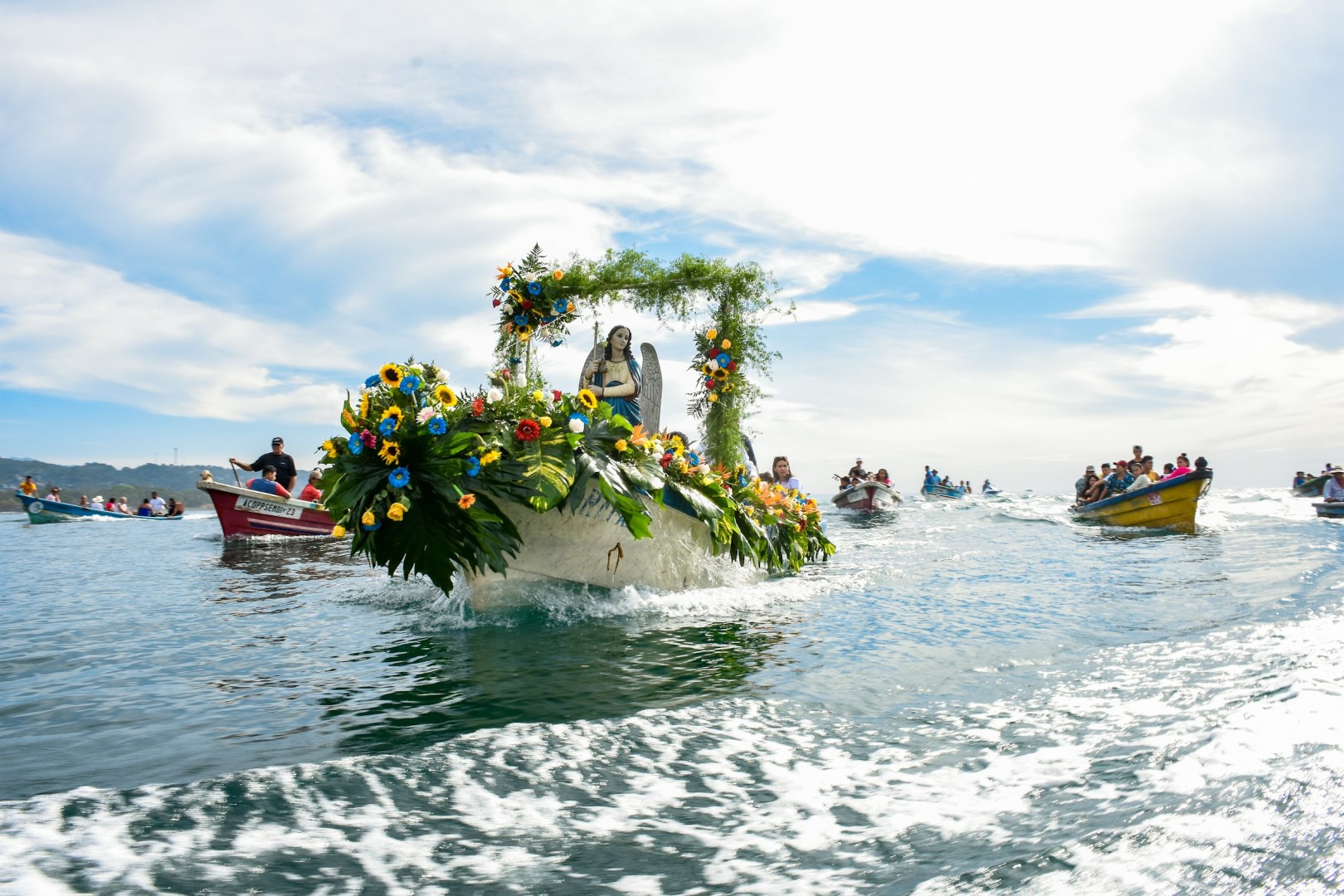
La Libertad
La Libertad is a coastal city in El Salvador known for its working port, fishing traditions, beaches, and strong connection to the Pacific Ocean. Located within easy reach of San Salvador, the city serves as a gateway to the country's Surf City coastline. Its waterfront combines a fishing dock, seafood market, restaurants, beaches, and public spaces.
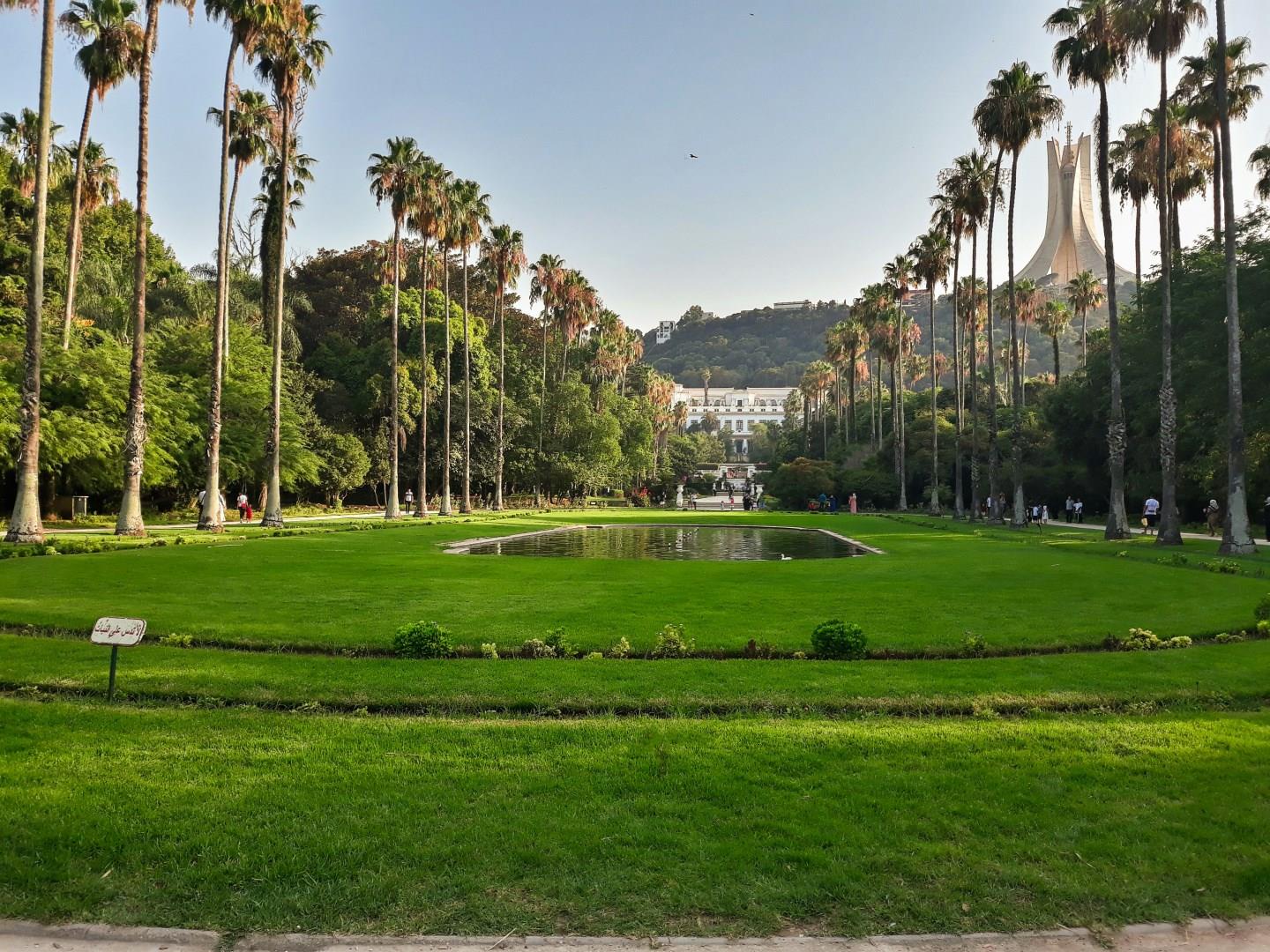
Algiers
Algiers is the capital and largest city of Algeria, occupying a series of hills along the western side of a broad Mediterranean bay. Its landscape combines a historic hillside core, modern districts, busy avenues, and a large waterfront. The white facades of the city rise above the sea, giving Algiers its familiar nickname, “Algiers the White.”