Chiconi
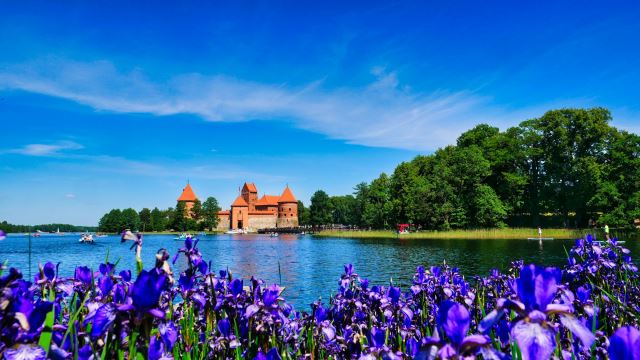
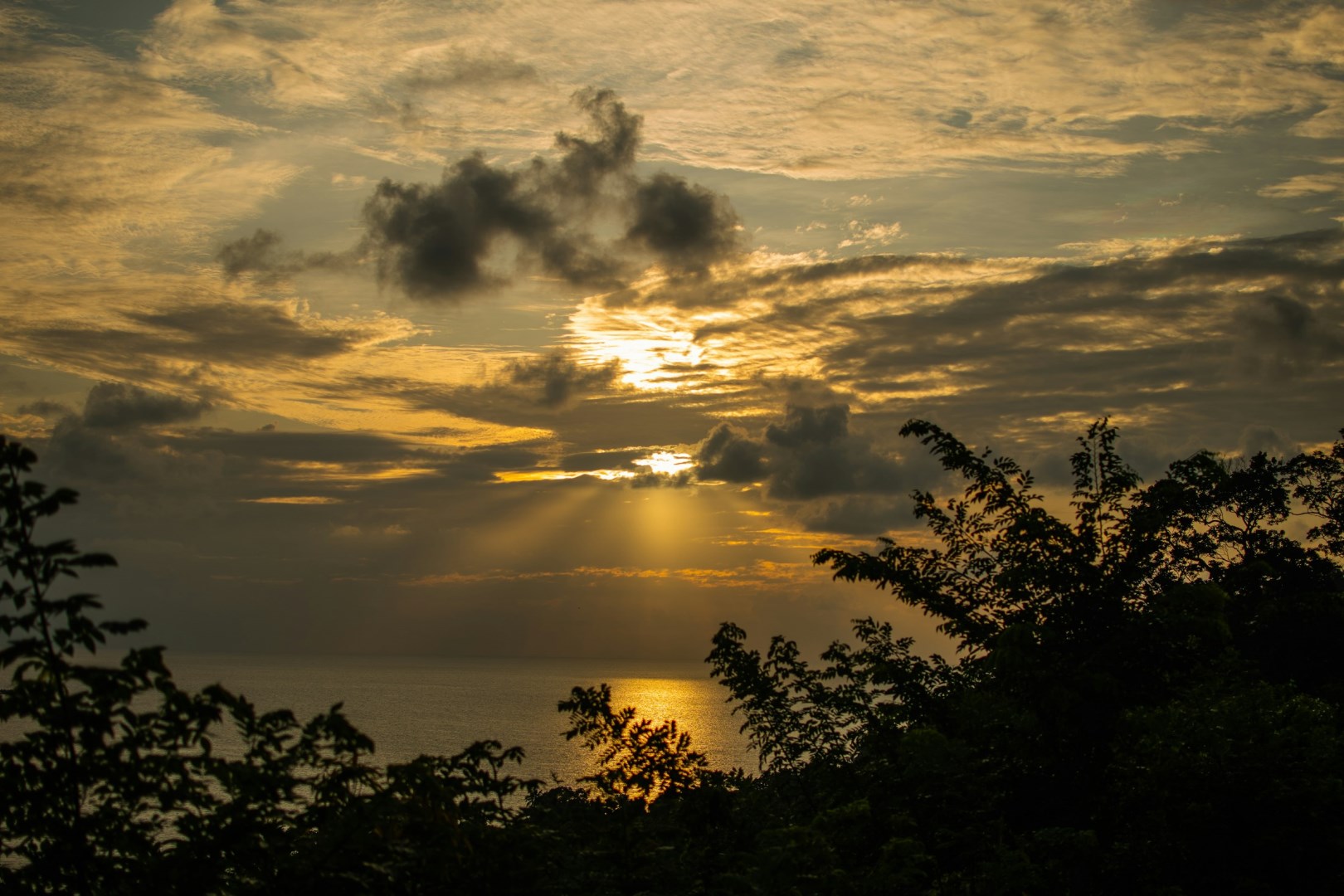
Chiconi is a coastal commune on the western side of Grande-Terre, the main island of Mayotte. It faces the island’s broad lagoon and includes the neighboring village of Sohoa, with the coastline shaped by beaches, mangroves, and sheltered bays. Chiconi has a strong connection to fishing and maritime activity, while its location provides views across the lagoon toward nearby islands.

Rarotonga Island
Rarotonga, the vibrant heart of the Cook Islands, offers visitors a chance to experience island life with striking scenery and rich tradition. This volcanic island is only 32 kilometers around, making it easy to explore by scooter or bicycle in a single day. From the lush mountains of the interior to the lagoon that wraps around the coast, Rarotonga feels intimate but never short on discovery.

St. Thomas
St. Thomas, the gateway to the U.S. Virgin Islands, is a vibrant mix of history, culture, and Caribbean charm. Its capital, Charlotte Amalie, features a waterfront lined with pastel-colored colonial buildings, narrow cobblestone streets, and historic forts such as Fort Christian, which offer glimpses into the island’s Danish colonial past.

Inveraray
Inveraray, a small town on the western shore of Loch Fyne in Argyll and Bute, Scotland, offers visitors a glimpse into 18th-century planning and Highland heritage. Built largely in the mid-1700s under the direction of the 3rd Duke of Argyll, the town features Georgian architecture, wide streets, and an unusual level of symmetry for a rural Scottish settlement. The main street, lined with whitewashed buildings, leads down to the loch’s edge, where fishing boats and leisure vessels come and go.
Oklahoma
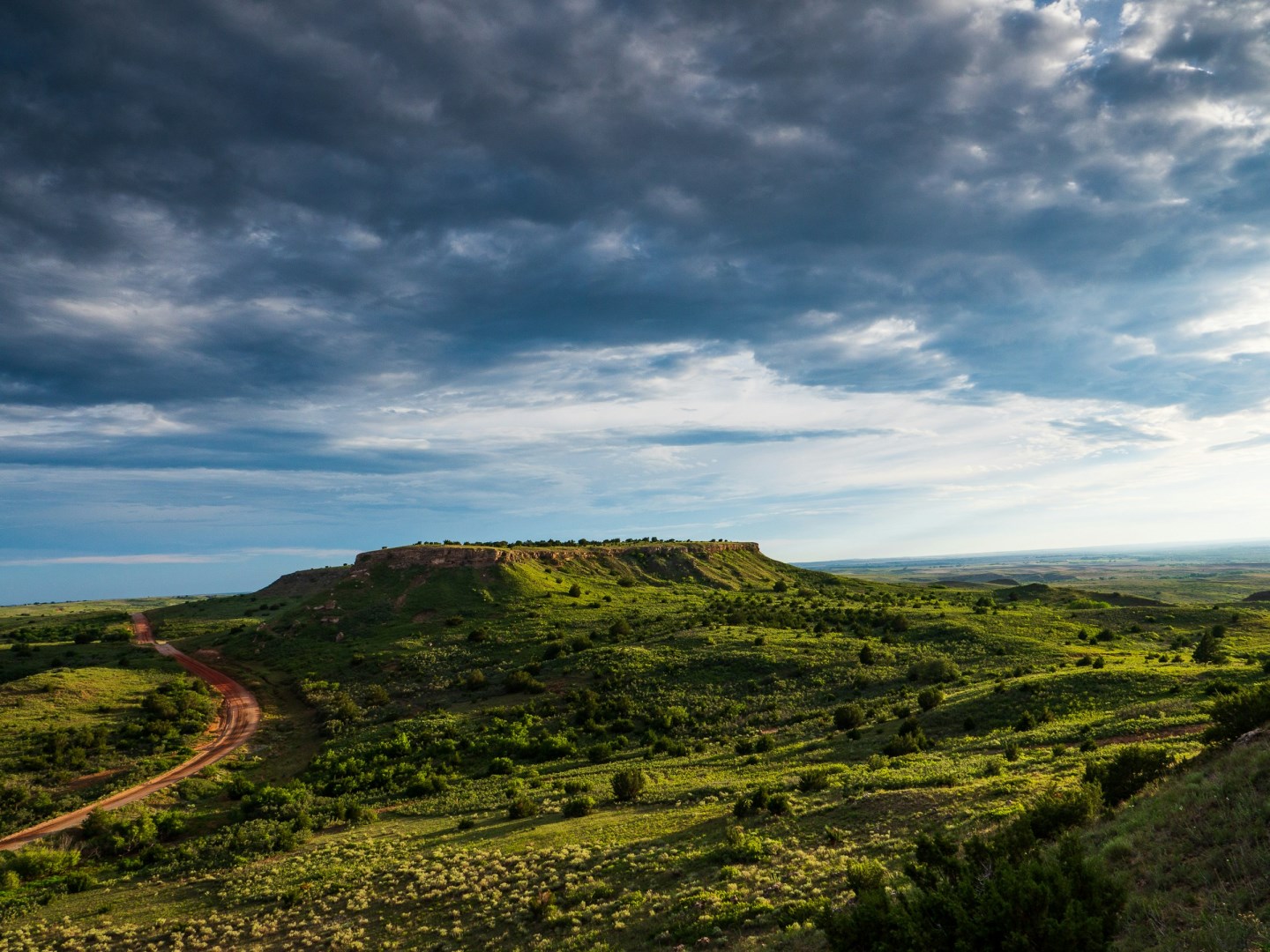
Oklahoma offers a deep, unexpected travel experience shaped by wide-open skies, rich tribal history, and a music legacy that runs through jukeboxes and dance halls. In Oklahoma City, the National Cowboy & Western Heritage Museum showcases the art, artifacts, and grit of the American West. At Mount Scott, visitors can drive to the summit for panoramic views or spot bison grazing below. It’s a place where the sound of the wind and the crunch of gravel underfoot replace the noise of daily life.