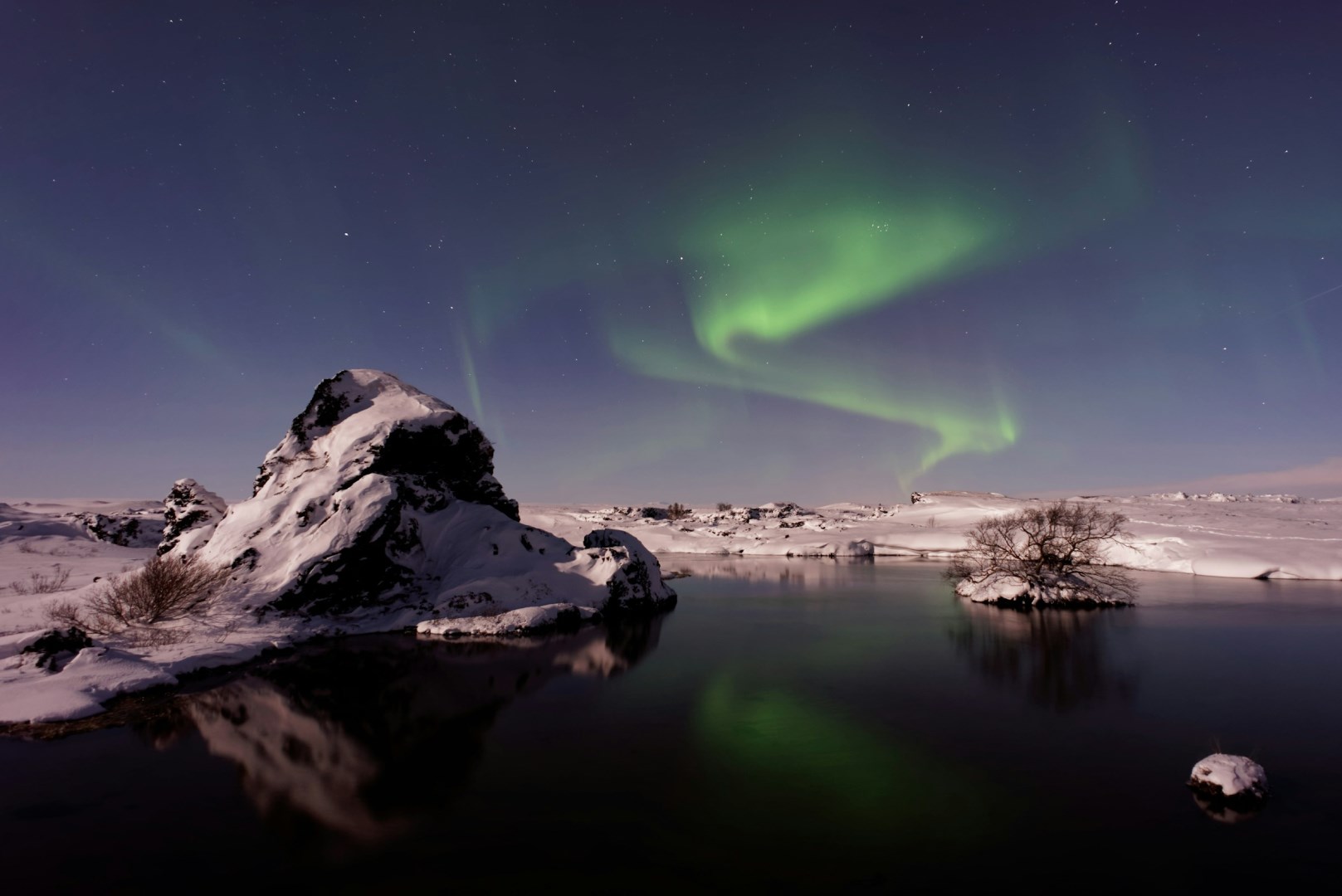
Mývatn is a lake and surrounding region in North Iceland, known for its shallow waters, numerous small islands, volcanic formations, and rich birdlife. The lake covers about 37 square kilometers and is part of an internationally important wetland together with the Laxá River. The surrounding landscape was shaped by volcanic activity, creating a mixture of lava fields, craters, geothermal areas, and wetlands within a relatively compact area.
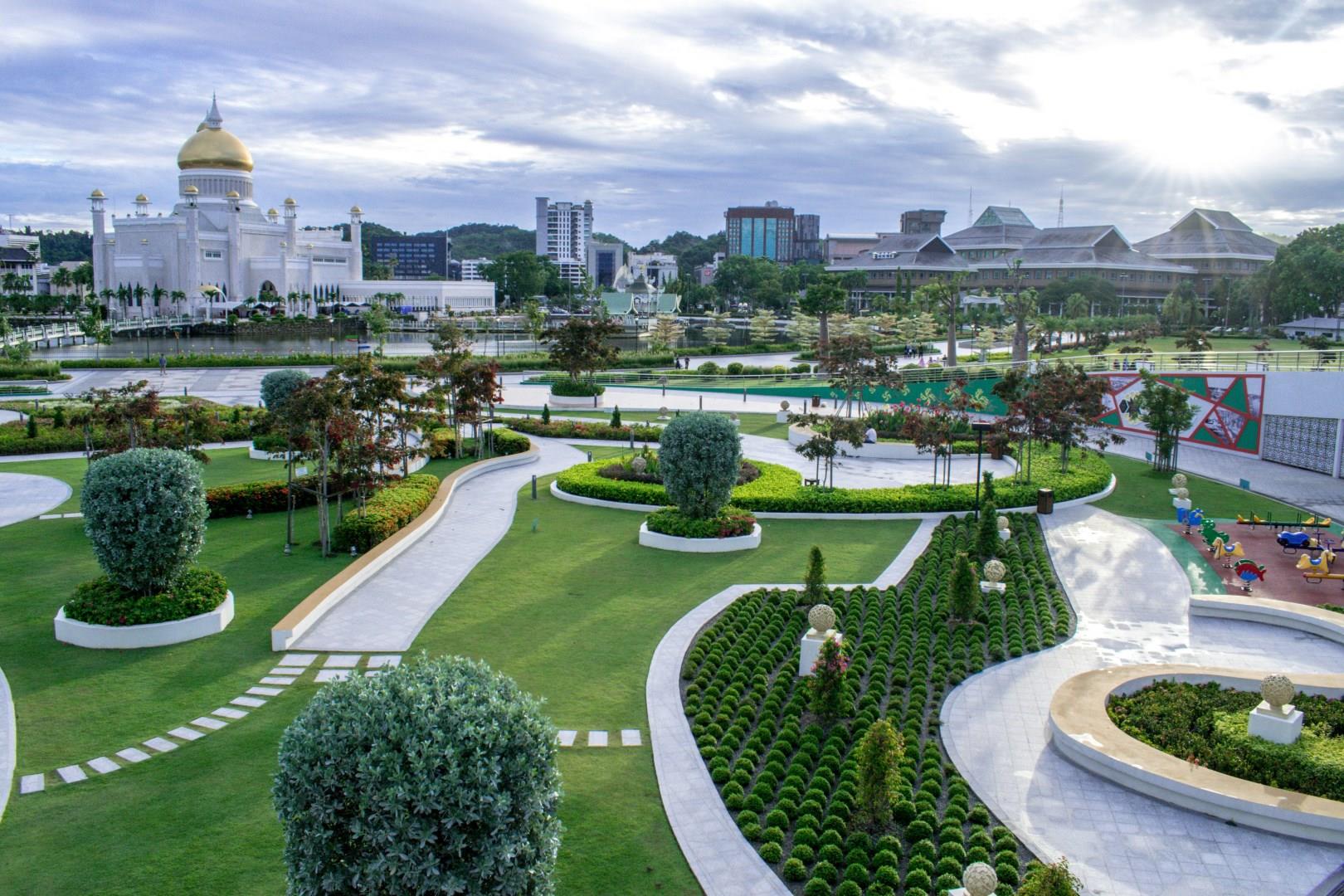
Brunei is a small country on the island of Borneo known for its wealth, tropical rainforests, and rich cultural heritage. The country’s landscapes are a mix of dense jungles, rivers, and coastal mangroves, offering a peaceful environment where nature remains largely intact.
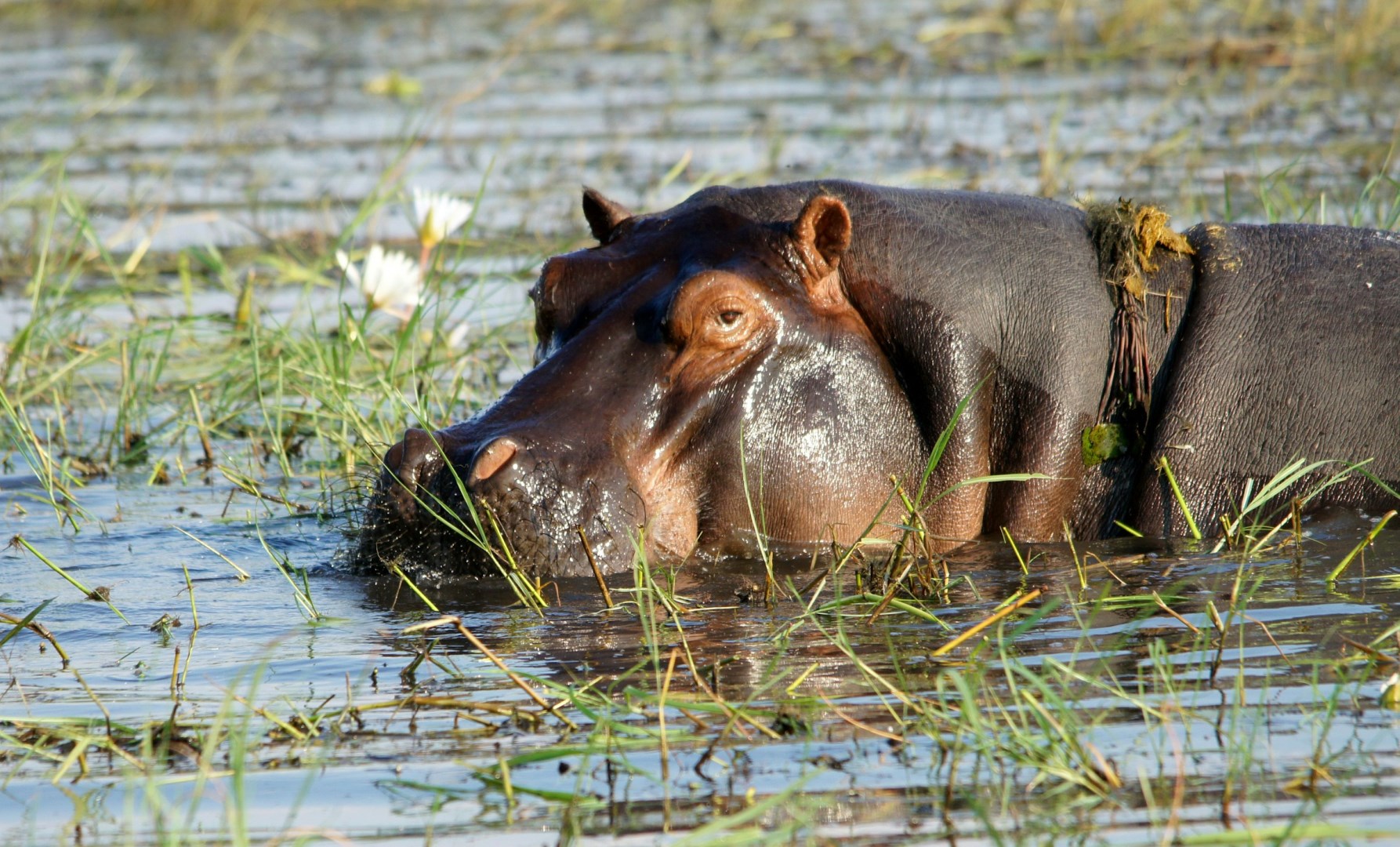
The Zambezi River is one of Africa’s major waterways and an important part of Zambia’s landscape, flowing across the country before continuing through several southern African nations. In Zambia, the river passes through wetlands, woodland, floodplains, and protected wildlife areas, including Lower Zambezi National Park.
Ocho Rios, whose name comes from the Spanish for “Eight Rivers”, was originally a Taíno settlement before Spanish and later British colonial influence shaped its identity. Nestled along Jamaica’s lush north coast, this once-humble fishing village has transformed into a vibrant coastal town that blends historical depth with modern charm.
Crete, the largest island in Greece, is a treasure trove of ancient myths, breathtaking landscapes, and vibrant local culture that entices travelers seeking both adventure and relaxation. Begin your journey at Knossos, the legendary palace of King Minos, where the labyrinth of the Minotaur myth was born.
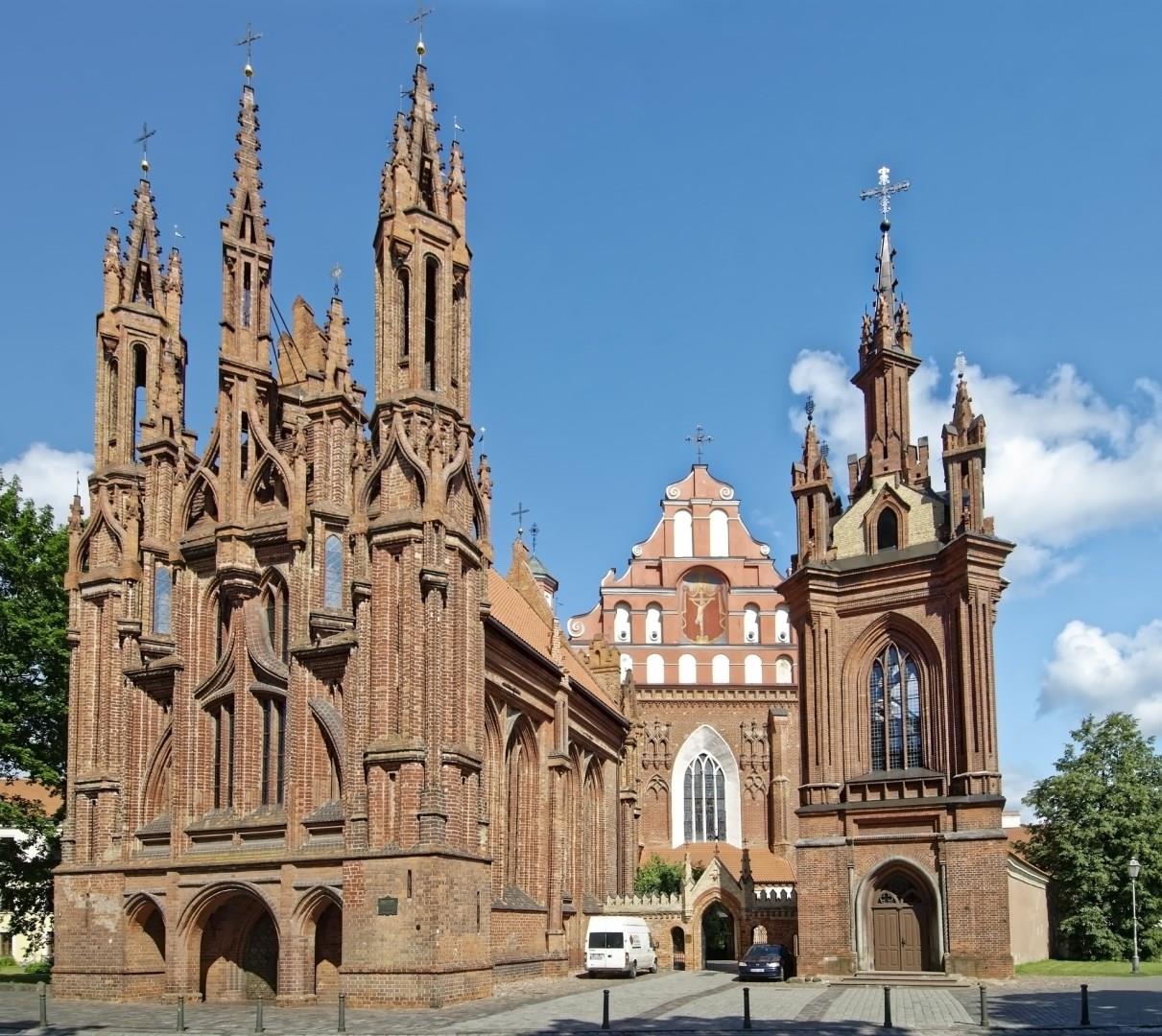
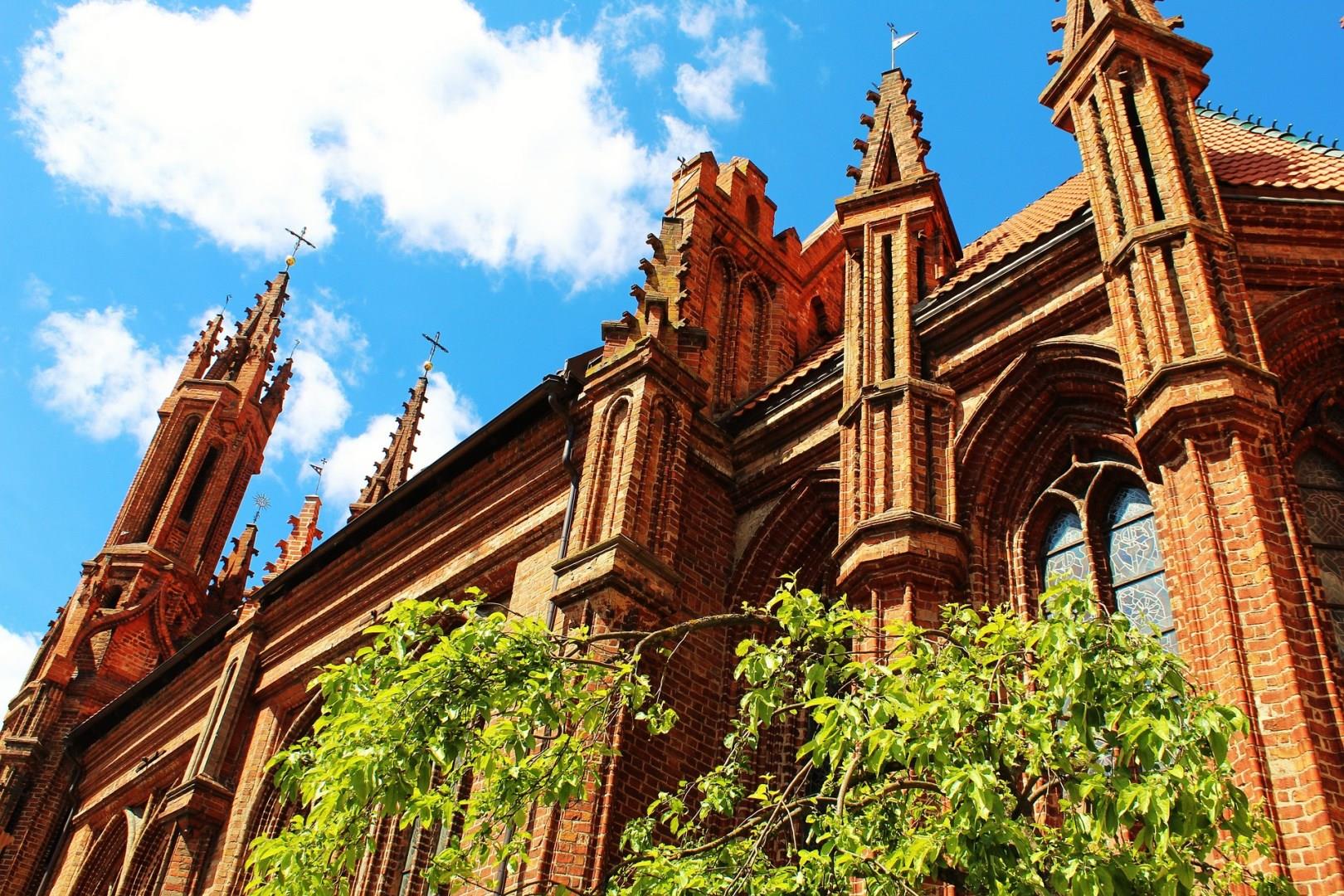
Vilnius, the charming capital of Lithuania, is a city where historical grandeur meets vibrant modernity. The heart of Vilnius is its UNESCO-listed Old Town, one of the largest and most well-preserved medieval city centers in Europe. Wander through its cobblestone streets and admire the stunning Baroque architecture. This architectural gem is renowned for its intricately decorated interior and the delicate plasterwork that graces its walls.
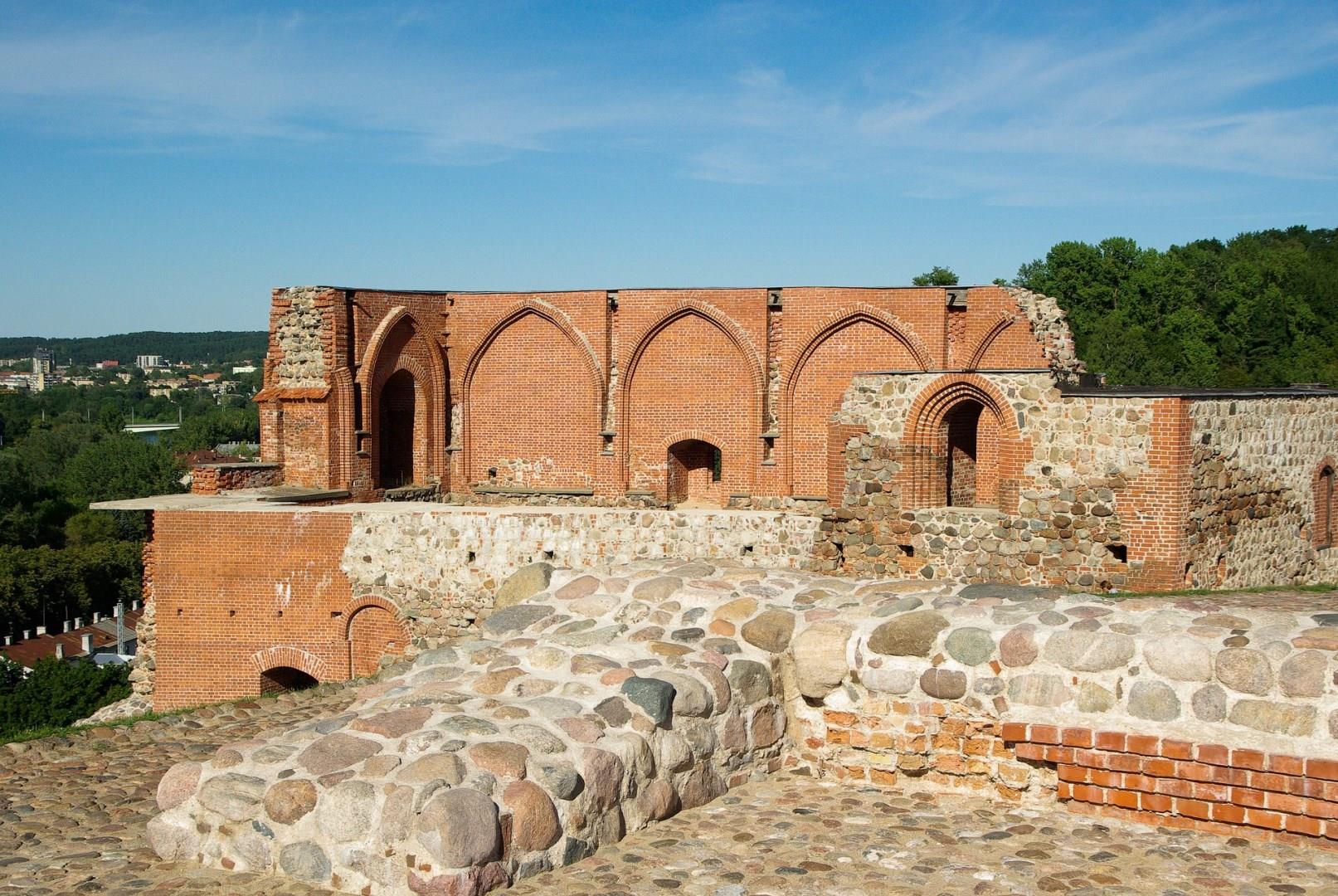
Vilnius is also home to Gediminas’ Tower, a historical fortress offering panoramic views of the city. The tower is a remnant of the Upper Castle and provides a fascinating glimpse into Lithuania's medieval past. It's an ideal spot for those interested in history and photography alike. For more details on this landmark, visit the Vilnius Tourism Gediminas' Tower page.
A stroll through the Uzupis district reveals a quirky and artistic side of Vilnius. Often compared to Paris's Montmartre, this bohemian enclave has declared itself an independent republic with its own constitution and artistic spirit. The district's vibrant murals and lively art scene make it a unique spot for exploration. Discover more about Uzupis at the Uzupis Art Incubator.
Fun Fact: Vilnius is known for its impressive number of churches, with over 40 in the Old Town alone. This makes it a paradise for architecture enthusiasts and those seeking spiritual and historical insights.
Other Popular Destinations in Lithuania
Klaipeda
Klaipeda, Lithuania’s only port city, is a place where history, nature, and the sea come together. Located on the coast of the Baltic Sea, this charming city has a unique old town filled with cobblestone streets.
Trakai
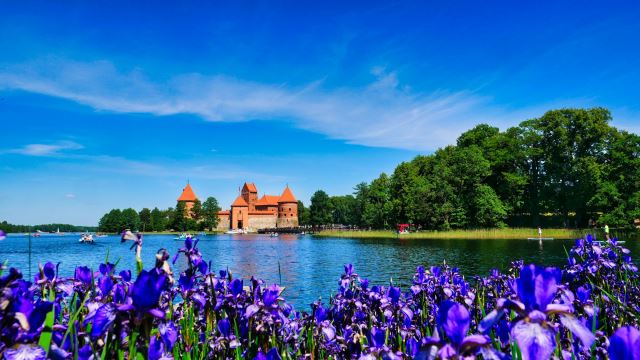
Trakai is a small historic town west of Vilnius, surrounded by lakes and wooded landscapes in southeastern Lithuania. Its most recognizable landmark is Trakai Island Castle, a red-brick fortress built on an island in Lake Galvė and connected to the shore by a wooden bridge. The town itself is set between several lakes, including Lake Galvė, Lake Totoriškės, and Lake Luka, giving its streets and waterfront a distinctly waterside setting.