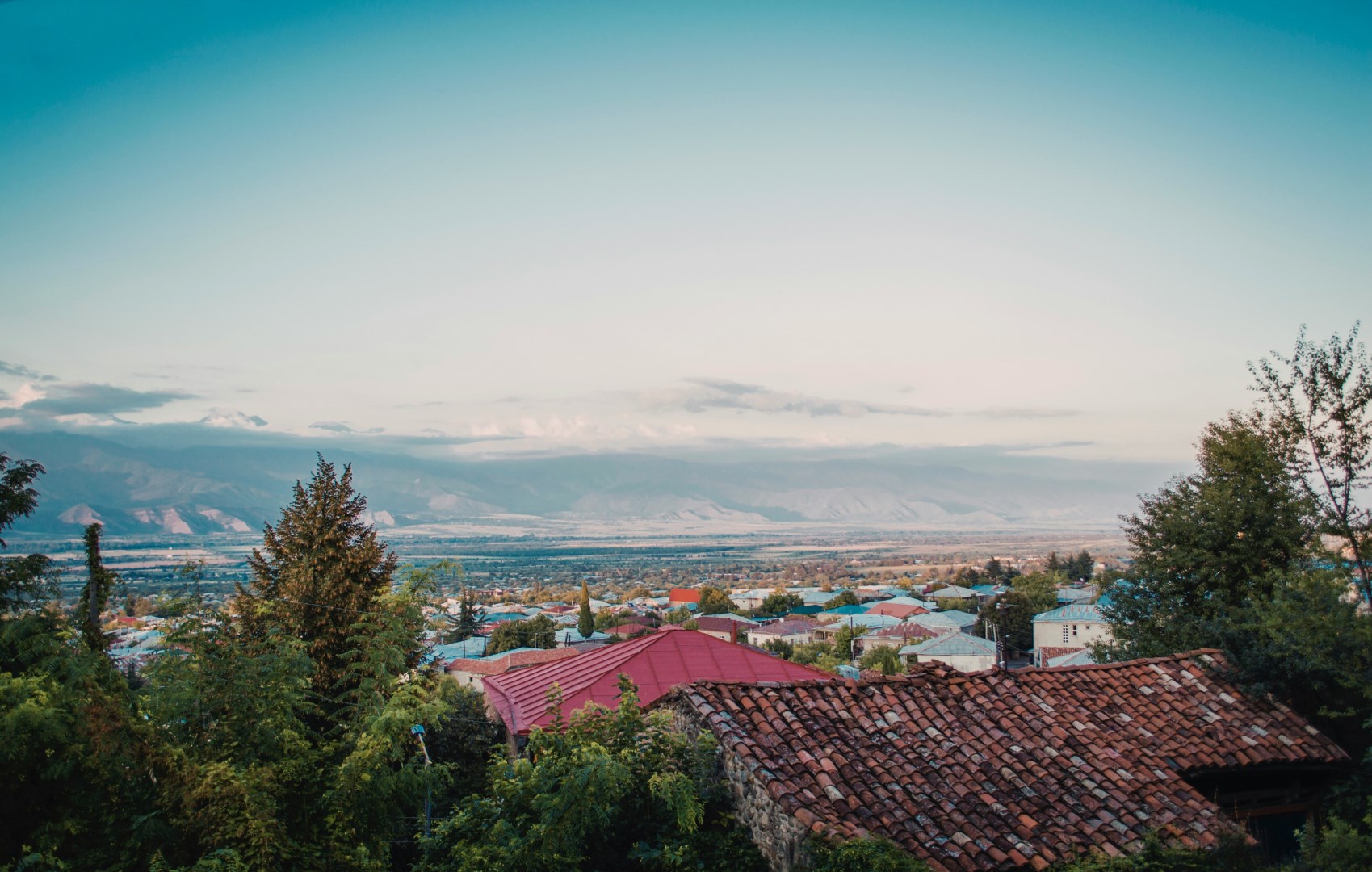
Telavi is the administrative center of Georgia’s Kakheti region, located between the Gombori mountain range and the Alazani Valley. The town is known for its connection to winemaking, traditional balconies, and views toward the snow-covered Caucasus Mountains.
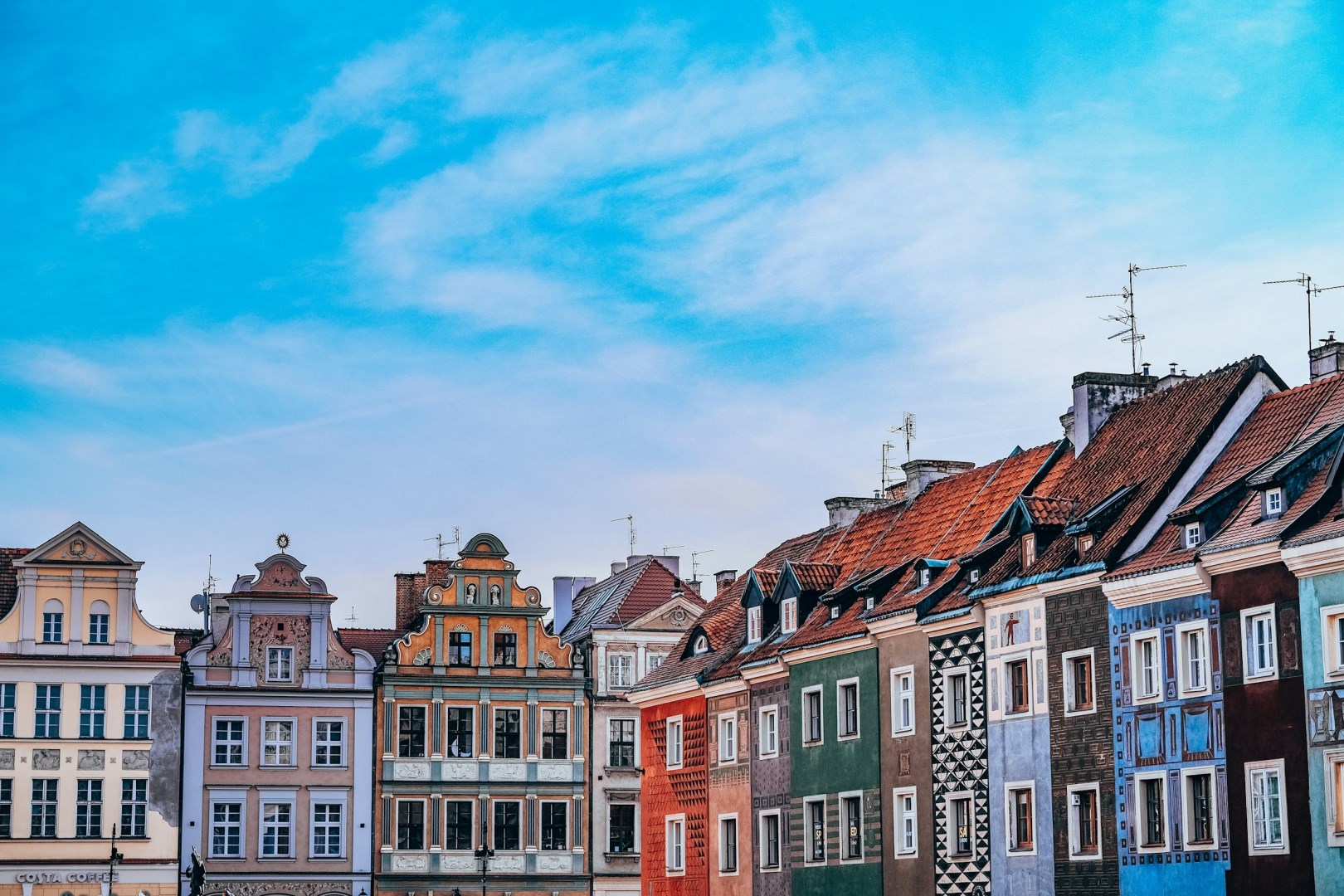
Poznań is one of Poland’s major cities and the historic capital of the Greater Poland region, set on the Warta River. Its identity is closely linked to the beginnings of the Polish state, while its modern character reflects its importance as a center for business, education, culture, and trade fairs. The Old Market Square forms the heart of the historic center, with colorful townhouses surrounding the Renaissance Town Hall.

Leknes sits in the heart of Norway’s Lofoten Islands, a small town shaped more by geography than by long urban history. It developed as a regional hub for farming, fishing, and transport, serving surrounding villages spread across Vestvågøy. Rather than presenting a preserved past, Leknes reflects contemporary life in the north, practical and closely tied to seasonal rhythms.

Nome is a coastal city on the southern Seward Peninsula in western Alaska, facing Norton Sound and the Bering Sea. Its remote location places it far from Alaska's major road network, with access primarily by air and seasonal sea travel. The surrounding landscape consists of tundra, low mountains, wetlands, beaches, and broad coastal plains. Nome is best known for its connection to gold mining and its role as a regional center for communities across western Alaska.
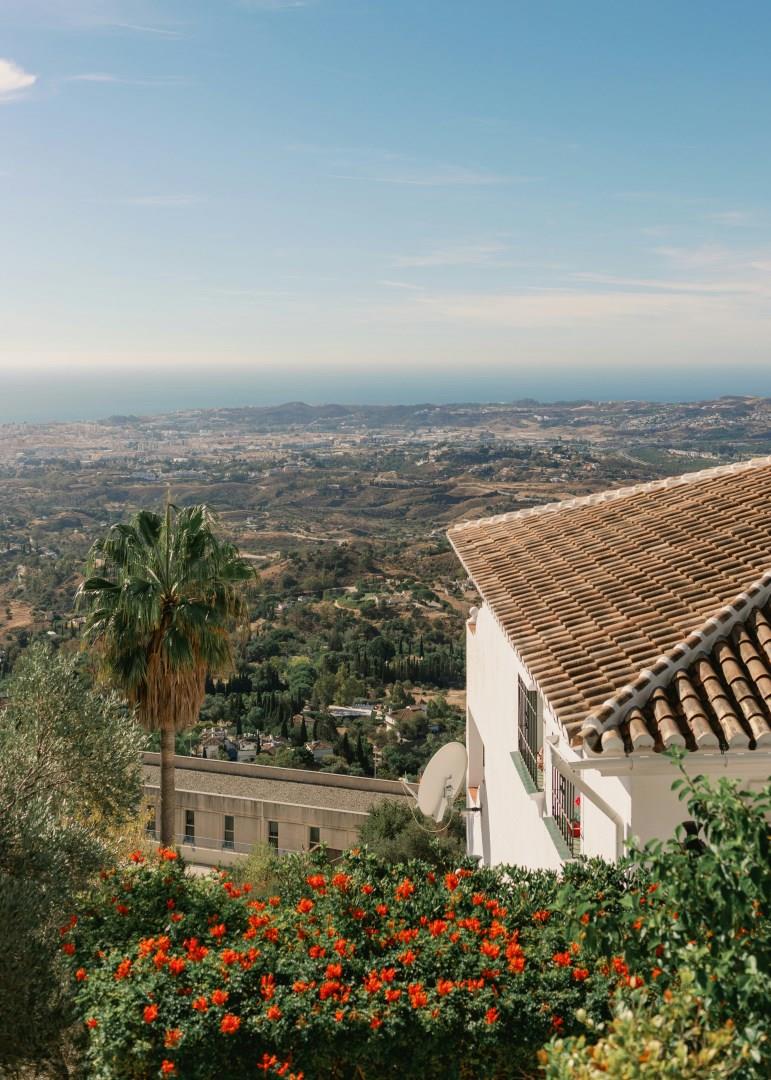
Mijas, perched on the hillside above the Costa del Sol, blends centuries of Andalusian tradition with views that stretch across the Mediterranean. The whitewashed buildings of Mijas Pueblo reflect sunlight from narrow cobbled streets that wind through small plazas, each with its own fountain, chapel, or overlook. The town’s layout still follows Moorish-era planning, and remnants of the old wall (La Muralla) offer shaded walks lined with native plants and panoramic views over the coast.
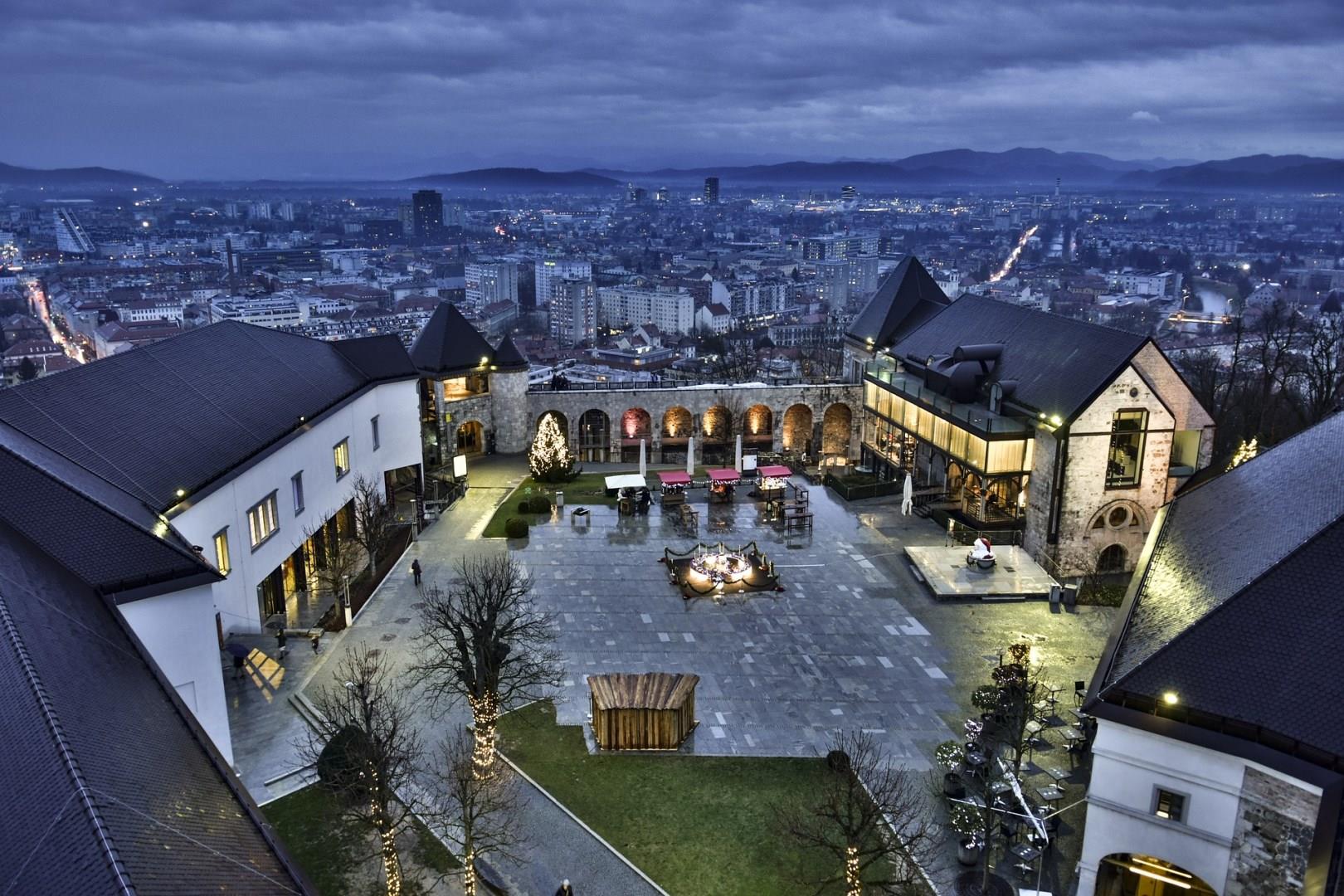
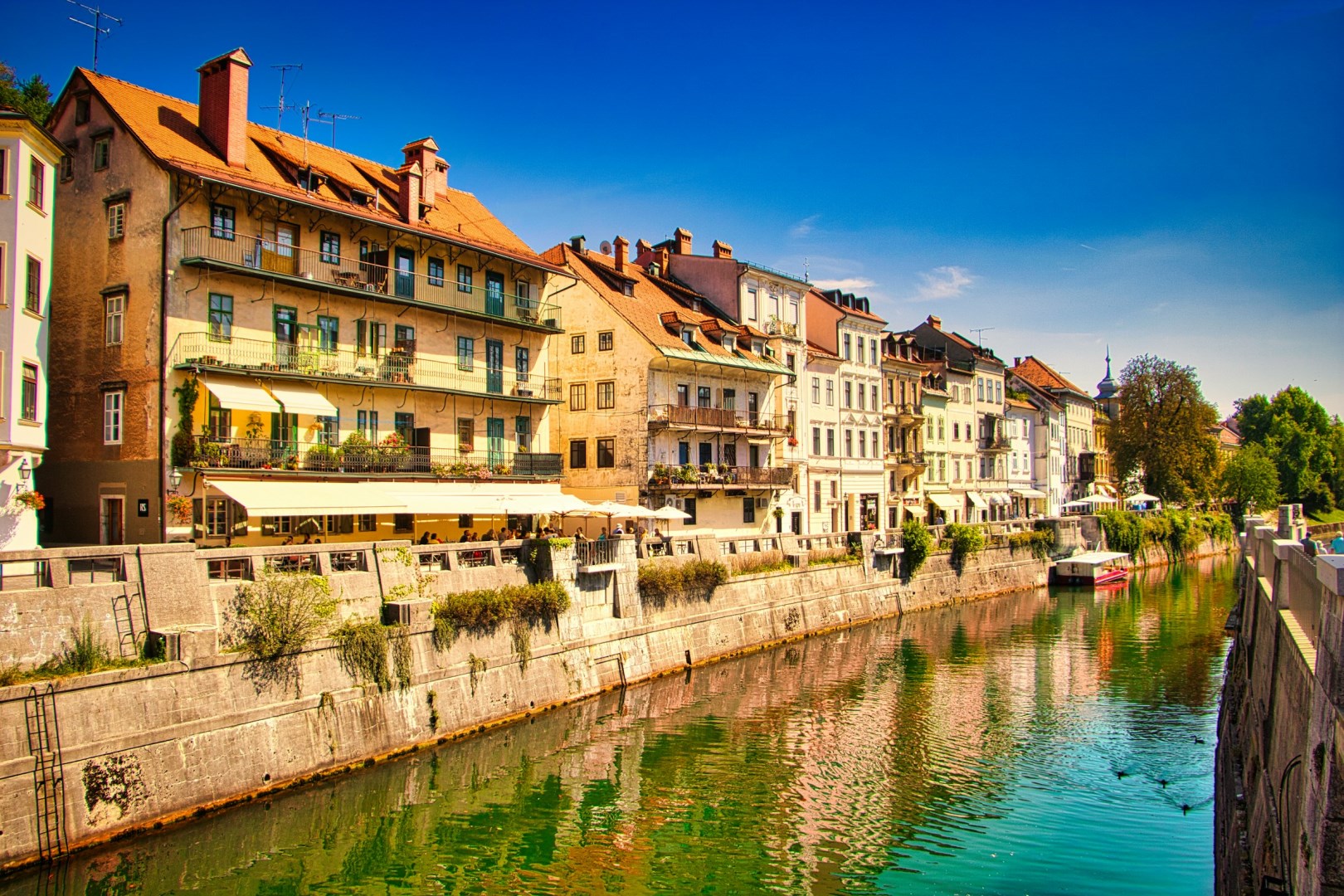
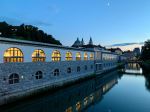
Ljubljana, Slovenia's charming capital, offers a delightful blend of historical allure and modern vibrancy. Nestled along the Ljubljanica River, this picturesque city invites visitors to explore its well-preserved medieval architecture and vibrant cultural scene. At the heart of Ljubljana is the iconic Ljubljana Castle, perched on a hilltop with stunning panoramic views of the city. This medieval fortress, dating back to the 11th century, houses several museums and hosts various cultural events. For more details, visit the Ljubljana Castle website.
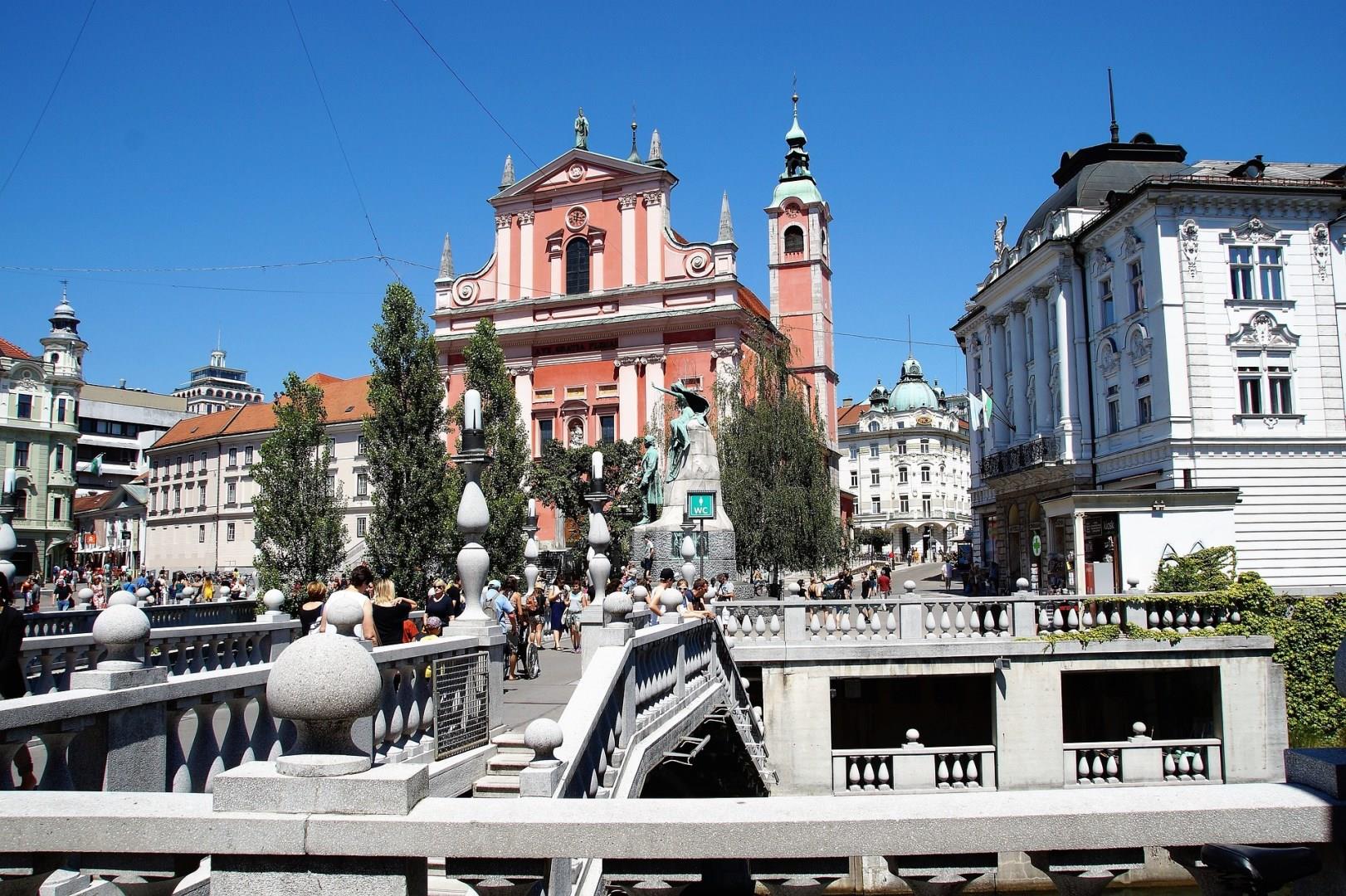
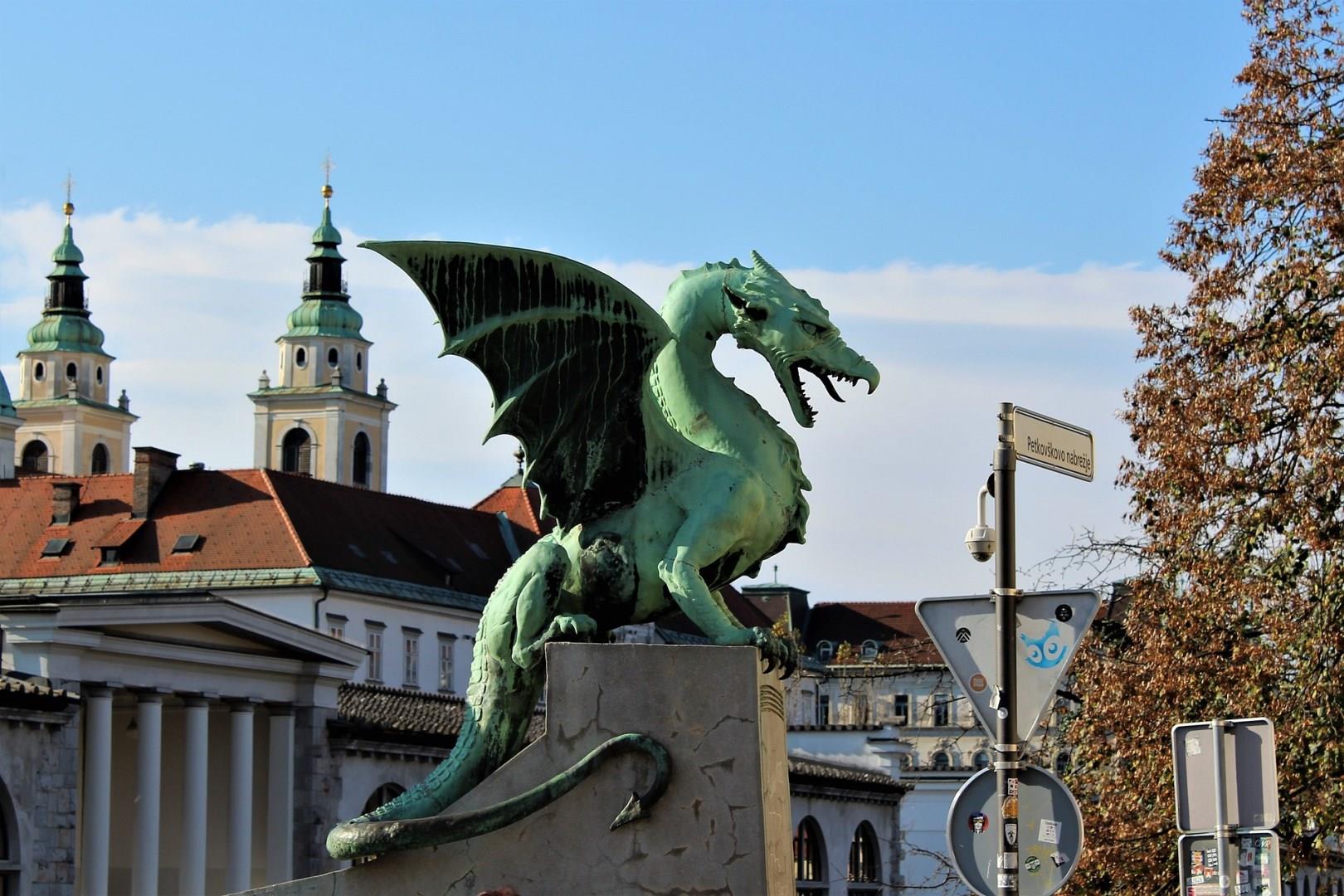
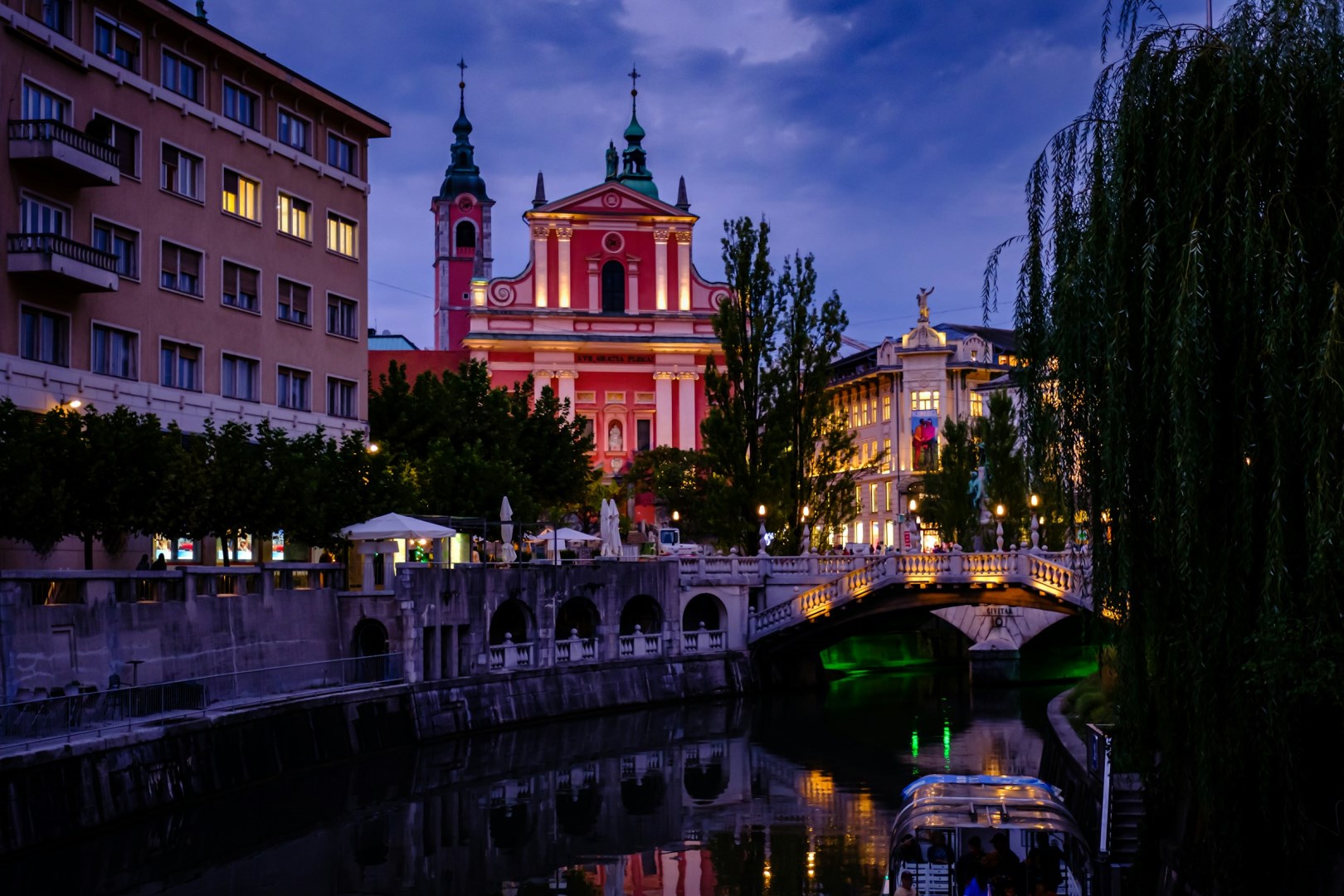
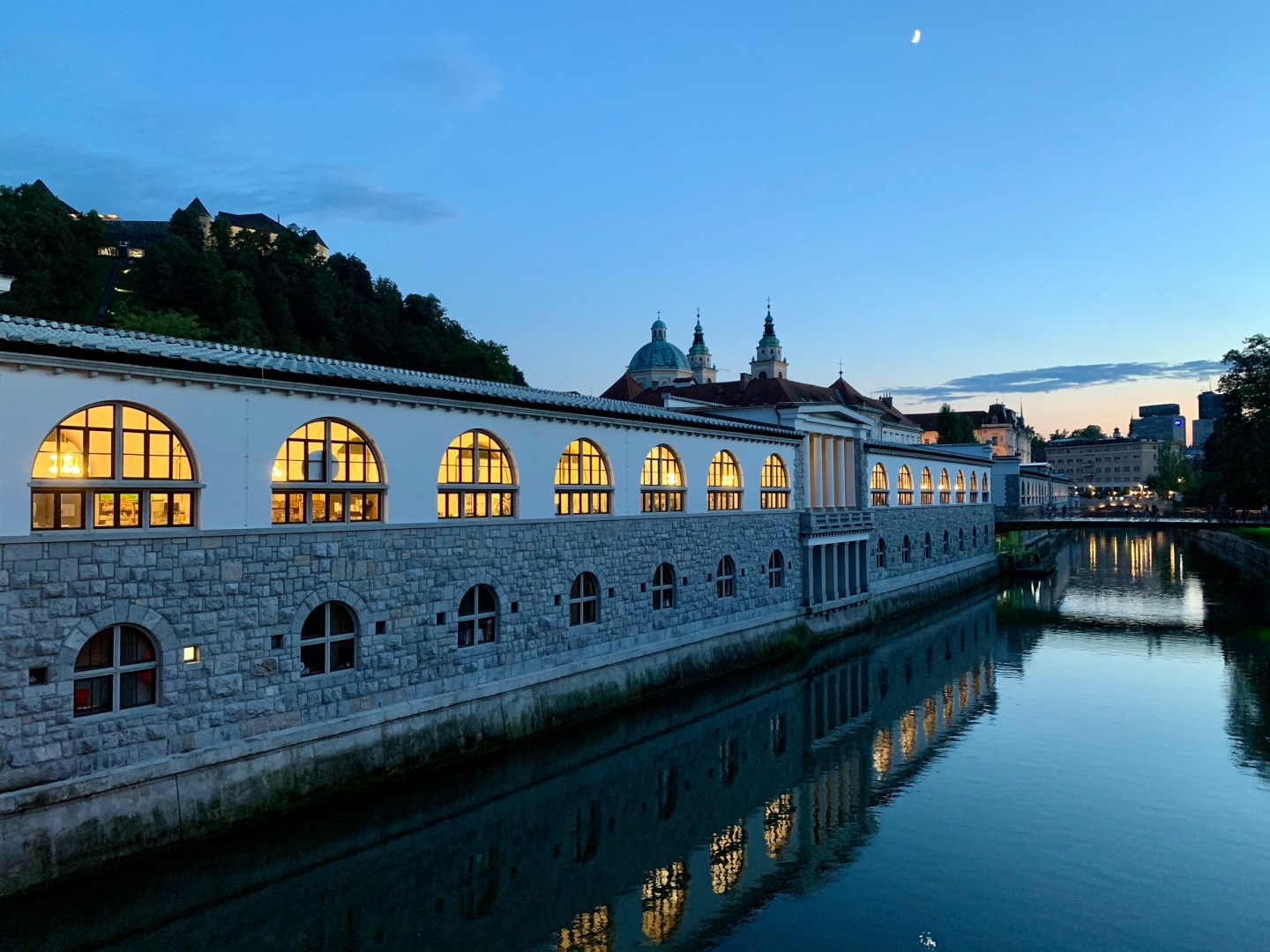
The city's center is renowned for its striking Art Nouveau architecture and charming bridges, including the famous Triple Bridge designed by architect Jože Plečnik. The lively atmosphere of Prešeren Square, named after Slovenia's greatest poet, is perfect for people-watching and soaking in the local ambiance. Adjacent to the square, you'll find the bustling Central Market, where local produce and artisanal goods are on offer. For a deeper dive into the architectural marvels of Ljubljana, check out Visit Ljubljana
Ljubljana's cultural offerings extend beyond architecture. The city's numerous museums, including the National Gallery and the Museum of Modern Art, showcase Slovenia's rich artistic heritage. Additionally, the Tivoli Park, Ljubljana's largest green space, provides a serene escape with its lush landscapes and scenic walking trails. The park's official page offers more insights into this beautiful retreat.
Fun Fact: Ljubljana was named the European Green Capital in 2016, reflecting its commitment to sustainability and eco-friendly practices. The city’s charming blend of green spaces and pedestrian-friendly streets makes it an excellent destination for those looking to explore in a relaxed and environmentally-conscious setting.
Other Popular Destinations in Slovenia
Bled
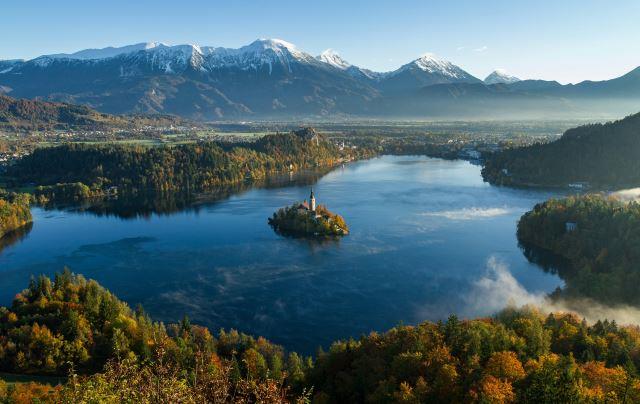
Bled, a small town in northwestern Slovenia, has gained international attention thanks to its lake, which features a lone island topped with a baroque church. Visitors often take traditional wooden boats called pletna to reach the island, where it's customary to ring the church bell and make a wish. According to local legend, the bell was originally cast in memory of a young widow’s lost husband, and today, its chime echoes across the lake as a symbol of devotion and hope.
Koper
Located on the Adriatic, Koper is a coastal port city in Slovenia. Koper is home to a variety of architectural gems dating back centuries, especially near the city's central Tito Square. Koper's marina and beaches provide spectacular views of the Bay of Trieste, while the city's variety of museums, parks, restaurants, and bars offer plenty to explore and entertain.