Reggio Calabria, located at the tip of Italy’s toe, is a city where ancient history and natural beauty converge in spectacular fashion. One of the city's most renowned landmarks is the Bronzi di Riace, two magnificent bronze statues from the 5th century BC that were discovered off the coast of Riace in 1972.
Granada, Nicaragua, founded in 1524, is one of the oldest European-established cities on the mainland of the Americas where visitors can explore cobblestone streets lined with brightly painted facades. The mustard-yellow Granada Cathedral dominates the central park and provides an easy reference point for those navigating the city on foot or by traditional horse-drawn carriage.
Pamplona, the capital of Spain’s Navarre region, is best known worldwide for the Running of the Bulls during the San Fermín festival each July. But beyond the brief rush of that event lies a city steeped in medieval history, Basque influence, and a slower pace that surprises many visitors. One of the most significant aspects of Pamplona is its place on the Camino de Santiago, the ancient pilgrimage route to Santiago de Compostela.
Nestled on the southern tip of California's Baja Peninsula, there's a feeling of peace on Cabo San Lucas, Mexico. Find your own private sand dune and bask in the sun. Walk along the famous Playa del Amor or explore Cabo's unique rock formations that are found in almost every cove. For a special treat, stop and watch artists create black coral jewelry.
Blarney, a village just outside Cork in Ireland, is best known for its legendary Blarney Castle, where travelers from around the world come to kiss the famous Blarney Stone.
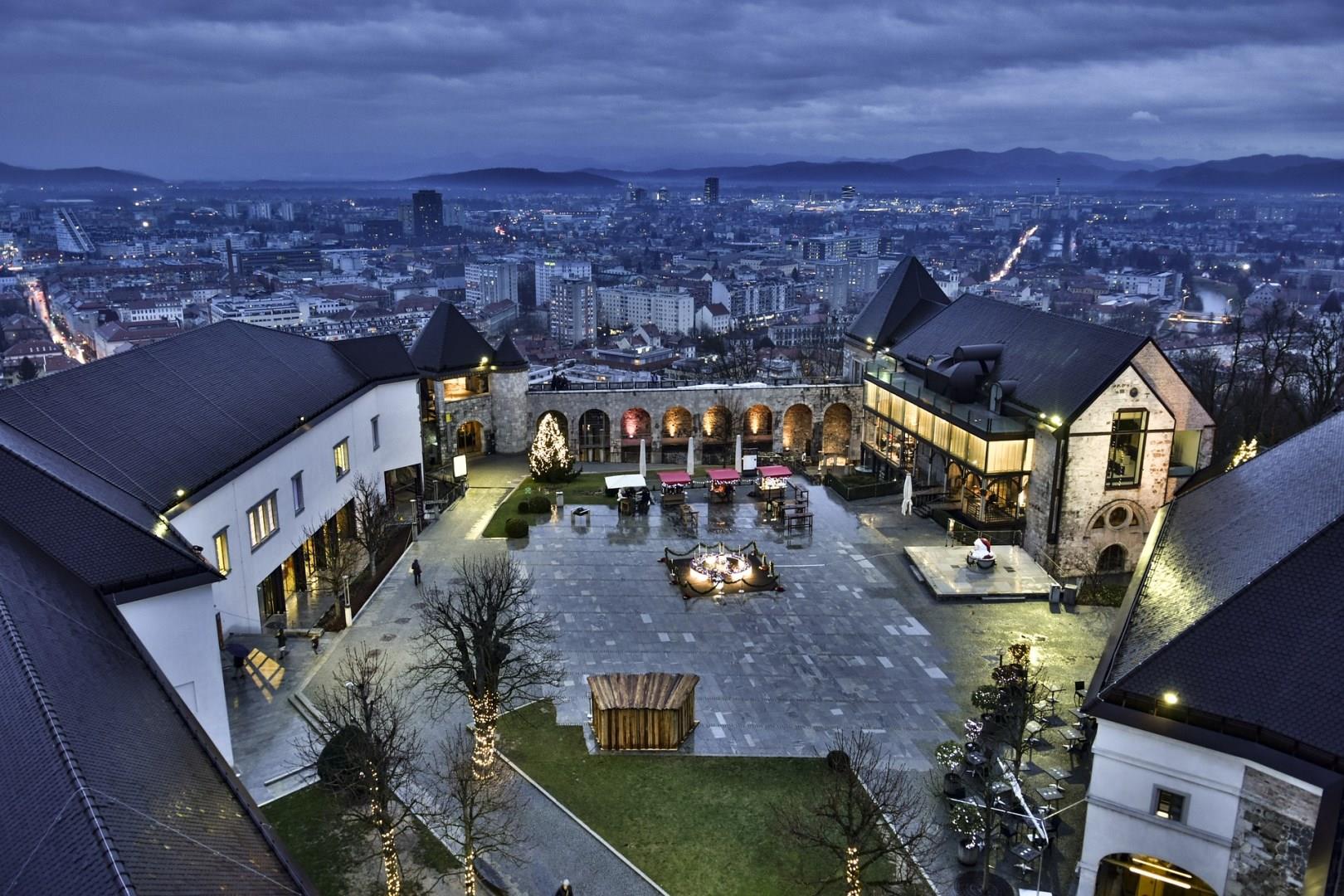
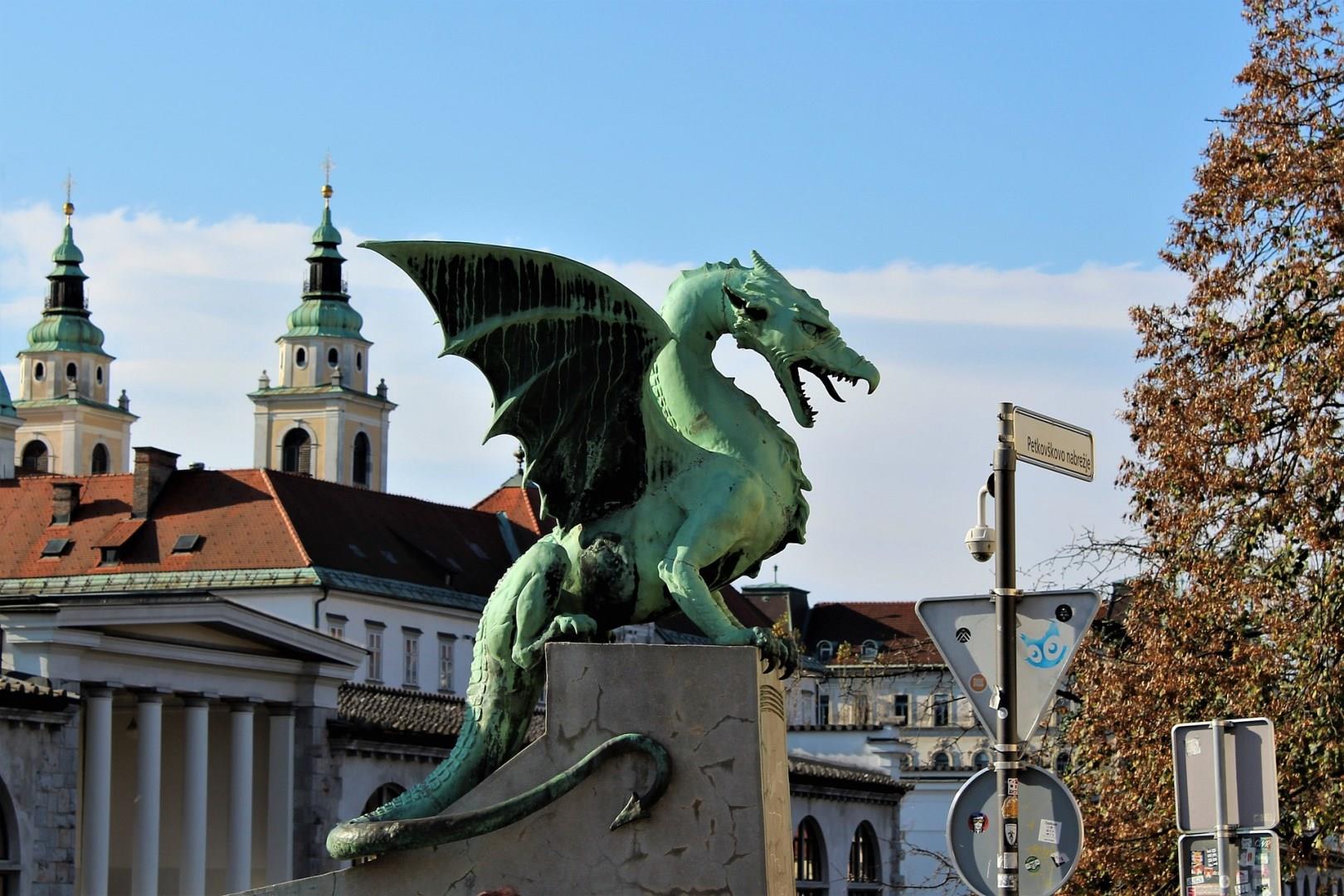
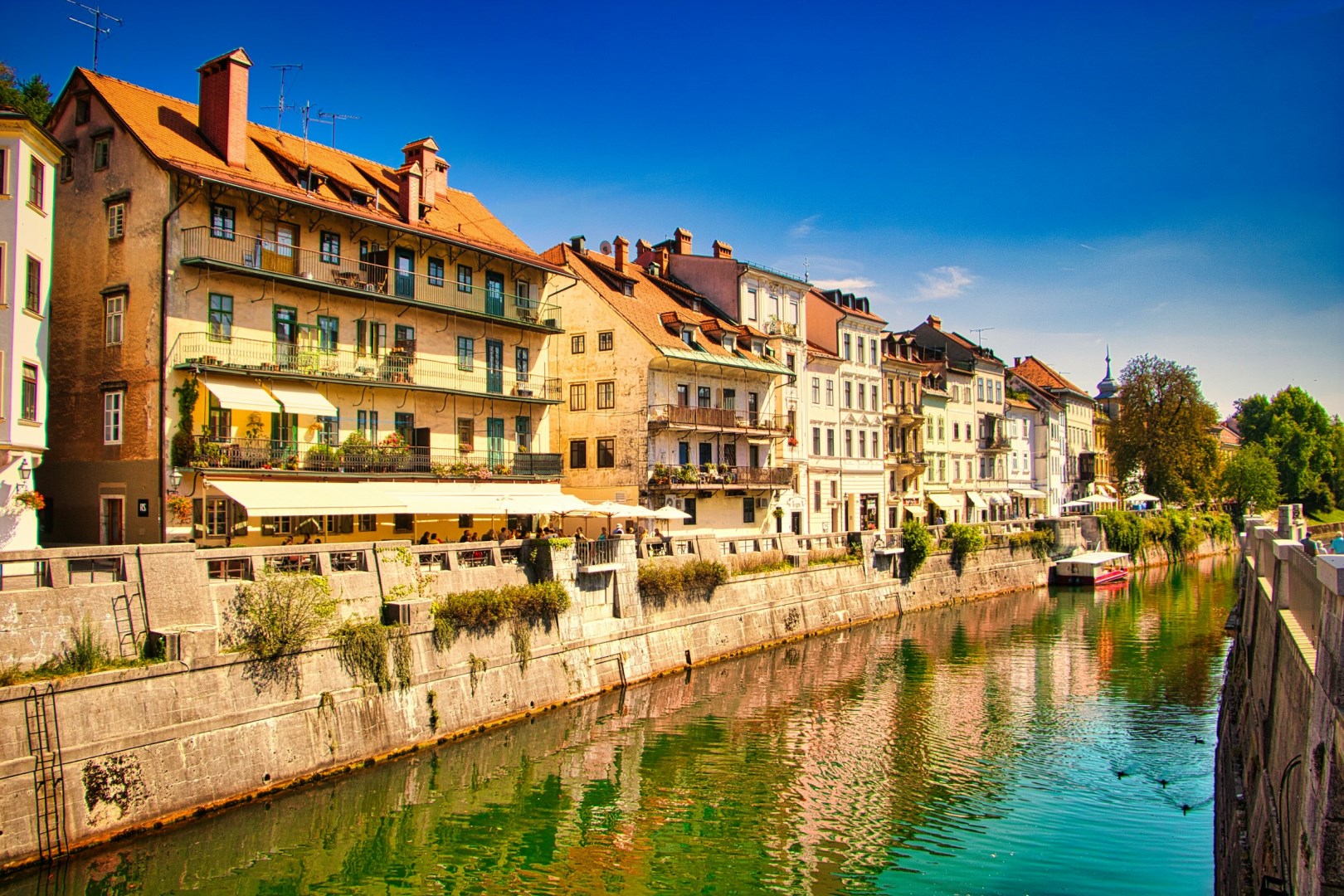
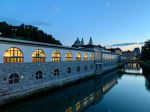
Ljubljana, Slovenia's charming capital, offers a delightful blend of historical allure and modern vibrancy. Nestled along the Ljubljanica River, this picturesque city invites visitors to explore its well-preserved medieval architecture and vibrant cultural scene. At the heart of Ljubljana is the iconic Ljubljana Castle, perched on a hilltop with stunning panoramic views of the city. This medieval fortress, dating back to the 11th century, houses several museums and hosts various cultural events. For more details, visit the Ljubljana Castle website.
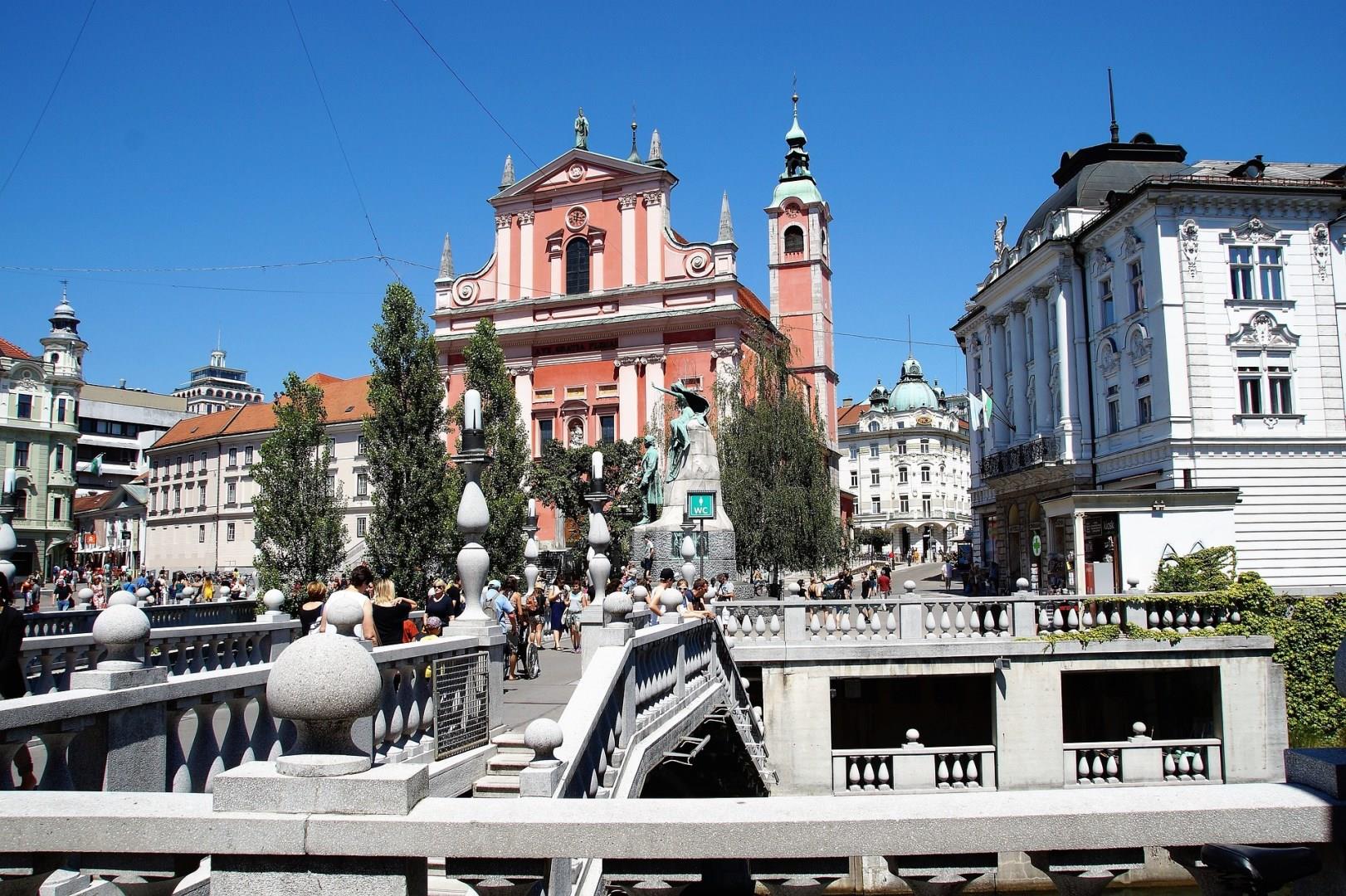
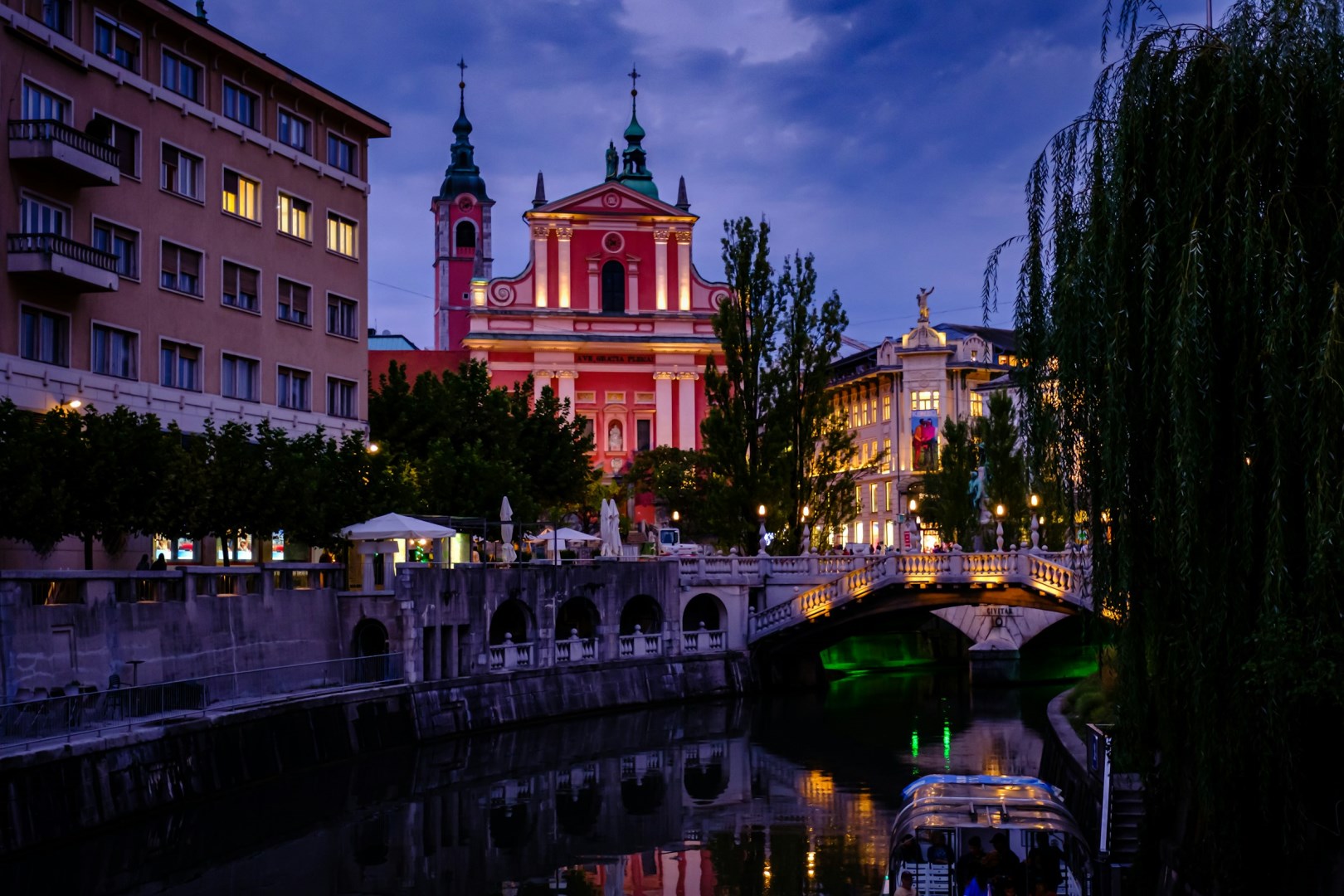
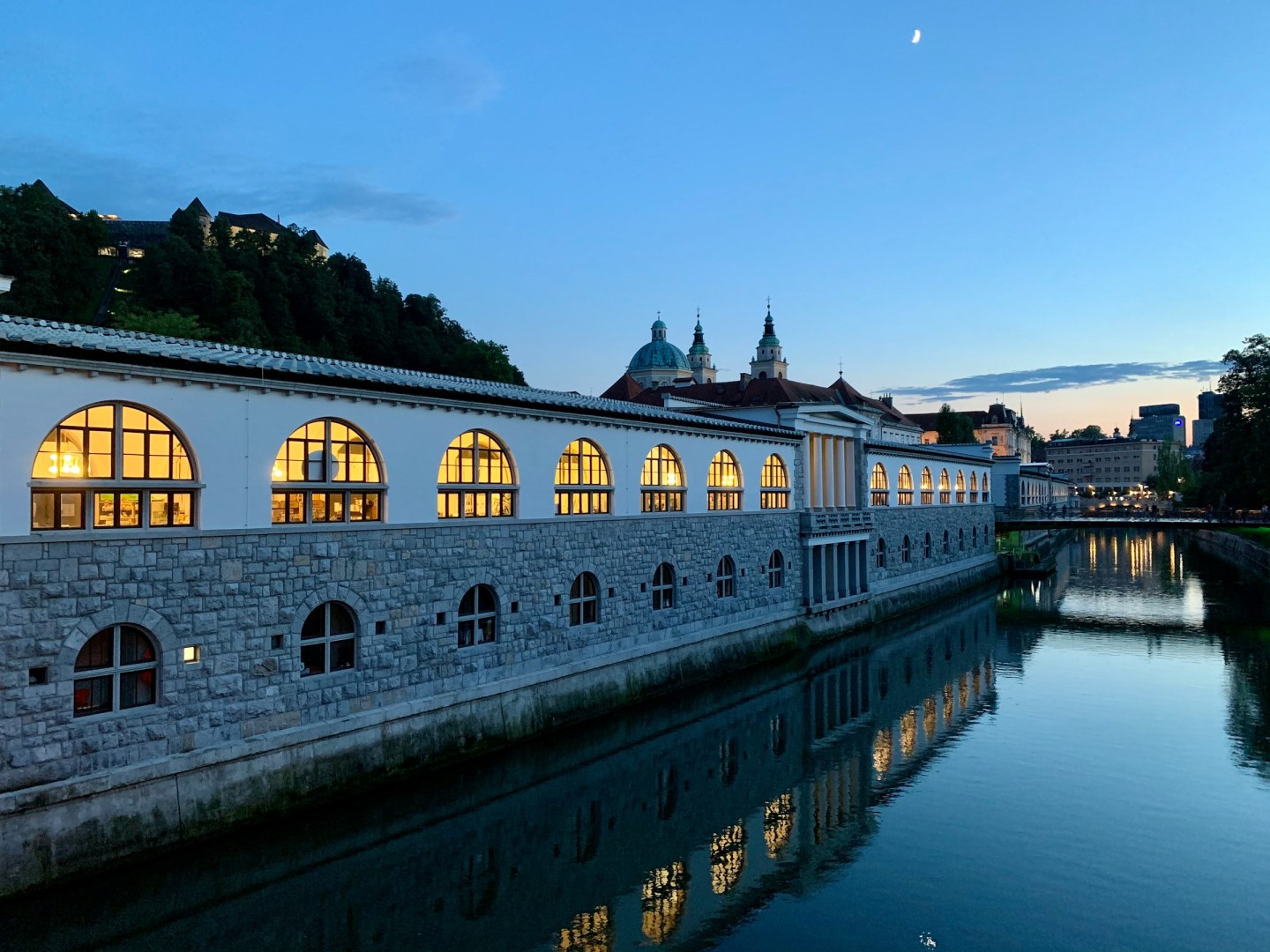
The city's center is renowned for its striking Art Nouveau architecture and charming bridges, including the famous Triple Bridge designed by architect Jože Plečnik. The lively atmosphere of Prešeren Square, named after Slovenia's greatest poet, is perfect for people-watching and soaking in the local ambiance. Adjacent to the square, you'll find the bustling Central Market, where local produce and artisanal goods are on offer. For a deeper dive into the architectural marvels of Ljubljana, check out Visit Ljubljana
Ljubljana's cultural offerings extend beyond architecture. The city's numerous museums, including the National Gallery and the Museum of Modern Art, showcase Slovenia's rich artistic heritage. Additionally, the Tivoli Park, Ljubljana's largest green space, provides a serene escape with its lush landscapes and scenic walking trails. The park's official page offers more insights into this beautiful retreat.
Fun Fact: Ljubljana was named the European Green Capital in 2016, reflecting its commitment to sustainability and eco-friendly practices. The city’s charming blend of green spaces and pedestrian-friendly streets makes it an excellent destination for those looking to explore in a relaxed and environmentally-conscious setting.