Lemnos
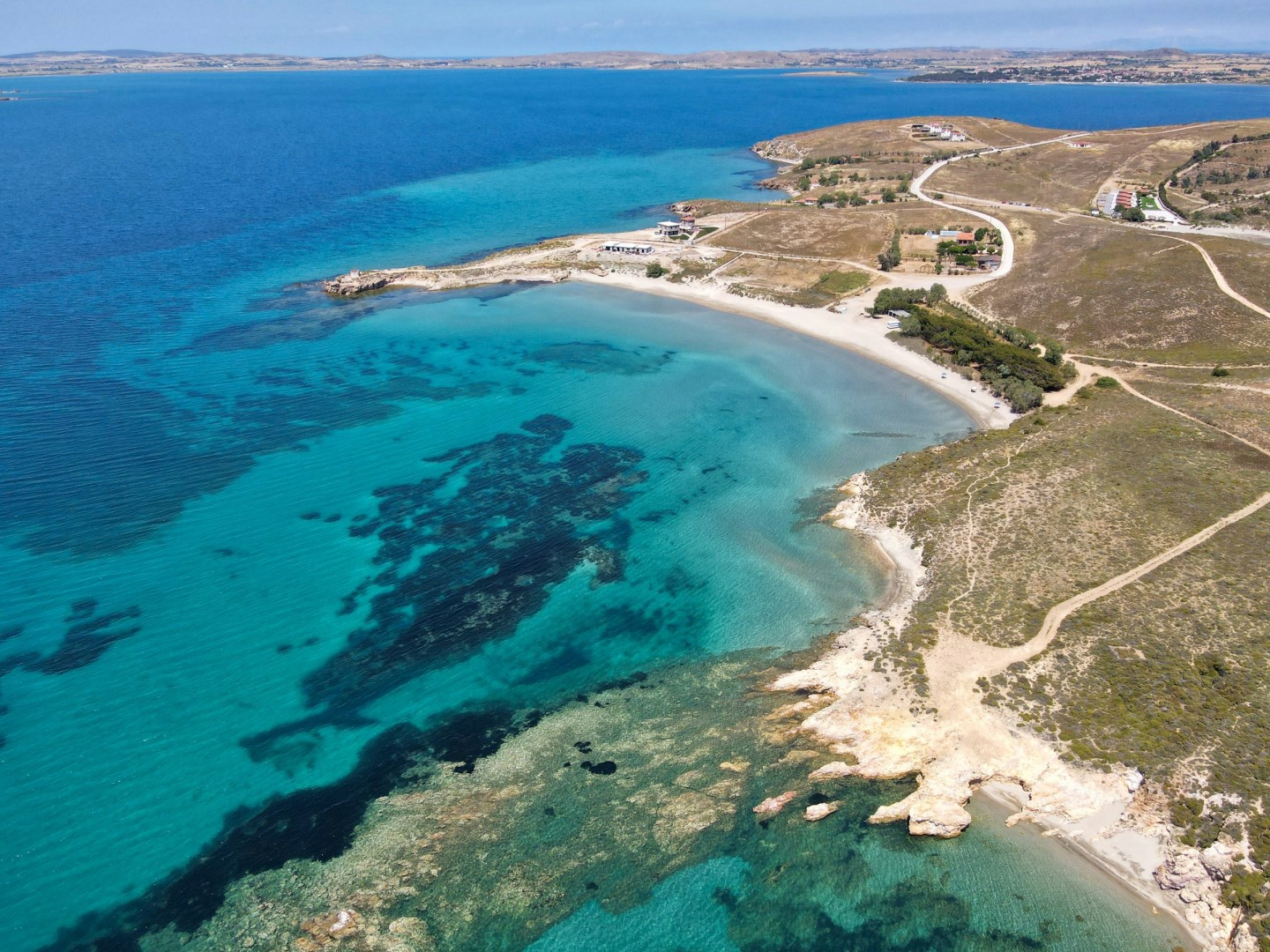
Also known as Limnos, Lemnos is the 8th-largest island of Greece, located in the Aegean Sea off the coast of Turkey. Its capital and main port is Myrina, a village stretched along two picturesque bays and overlooked by the ruins of an imposing Byzantine castle.

AlUla
AlUla is an oasis region in northwestern Saudi Arabia, surrounded by sandstone mountains, desert valleys, and cultivated palm groves. Its landscape has been shaped by the presence of water, with the AlUla oasis supporting date palms, citrus trees, and other crops within an otherwise arid setting. The area is particularly known for its combination of archaeological sites and unusual rock formations.
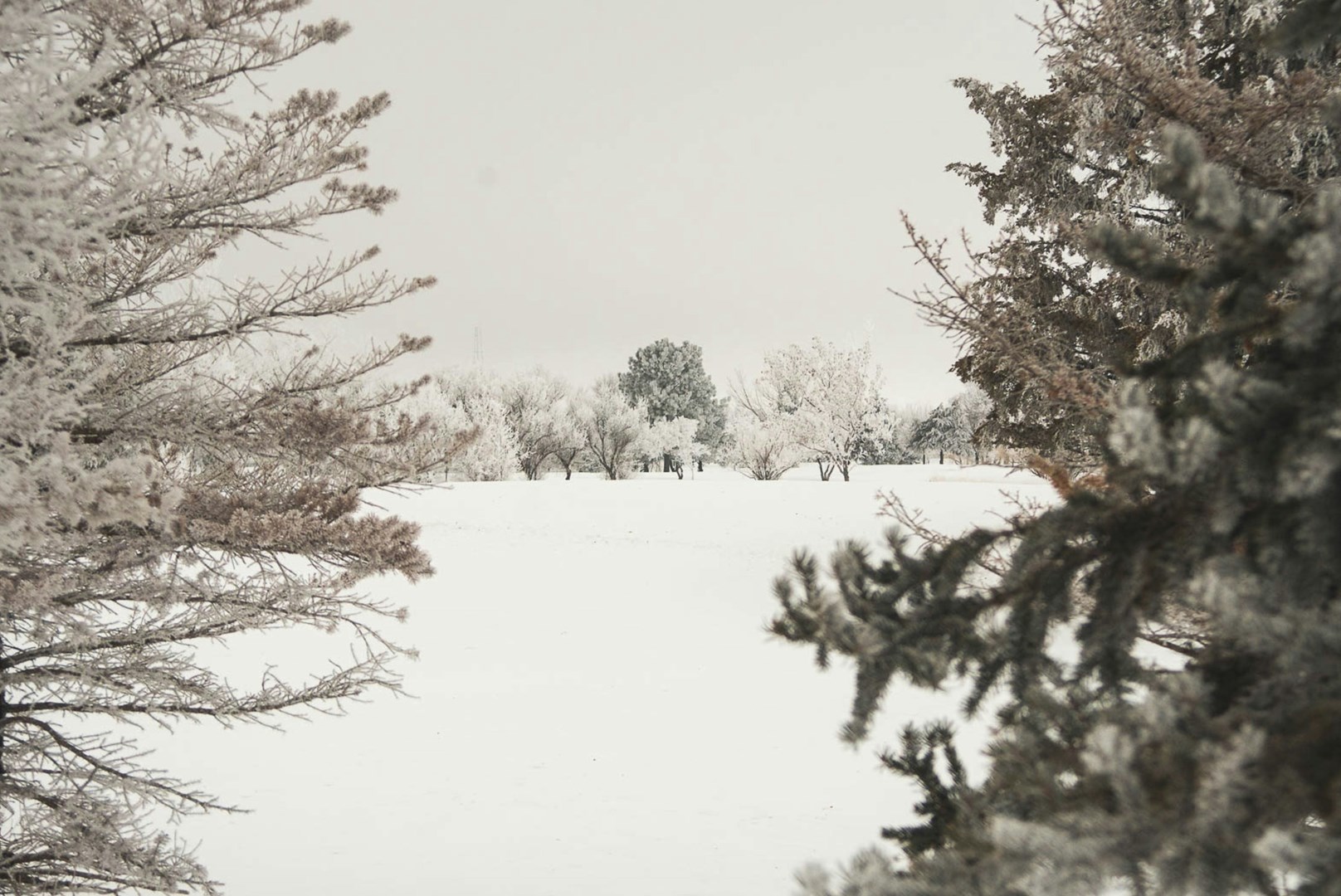
Aberdeen
Aberdeen is a city in northeastern South Dakota, United States, situated on the northern Great Plains near the James River. As the county seat of Brown County, it serves as a regional center for agriculture, education, healthcare, and commerce.

Martinique
Martinique, often called the "Island of Flowers", is a French Caribbean gem where striking landscapes and rich heritage meet. At its northern heart stands Mount Pelée, a powerful volcano that looms above lush rainforest valleys and waterfalls.

Chiang Mai
Chiang Mai, located in northern Thailand, is a city where ancient walls surround over 30 historic temples, and daily life continues just steps away from centuries-old rituals. Founded in 1296 as the capital of the Lanna Kingdom, the city still reflects its origins through distinctive architecture, moats, and cultural practices. Wat Phra Singh and Wat Chedi Luang are two of the most visited temples within the Old City, offering a chance to see traditional Lanna-style design.