Strahan
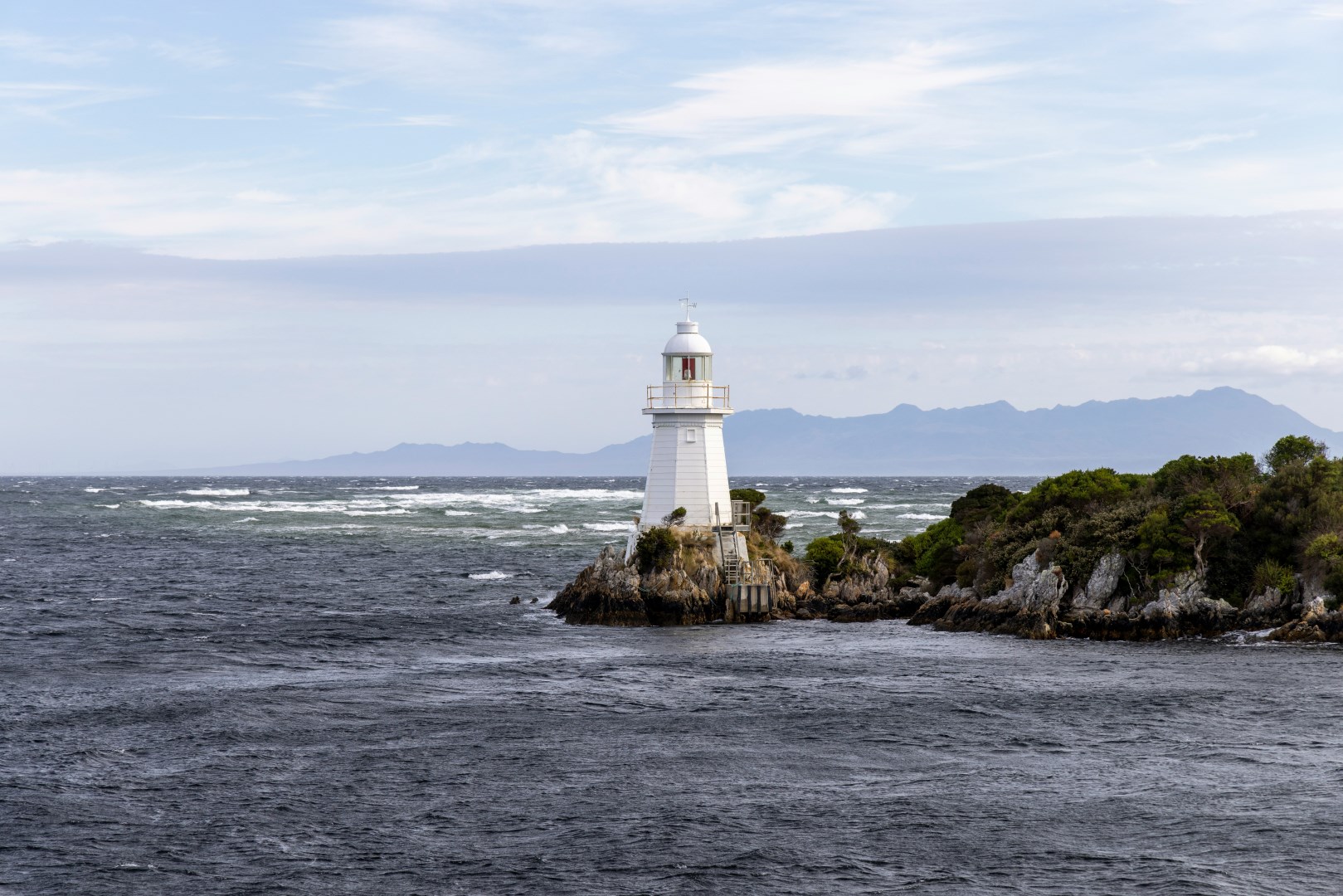
Set on the edge of a vast harbor on Tasmania’s wild west coast, Strahan feels like a place shaped by both sea and story. Once a busy port serving nearby mining settlements, it still carries echoes of ships, timber yards, and hardworking crews who relied on the sheltered waters of Macquarie Harbour. Today, that same harbor is the starting point for journeys into remote landscapes, with boats gliding toward places that were once feared as much as they were relied upon.
Smith Rock State Park
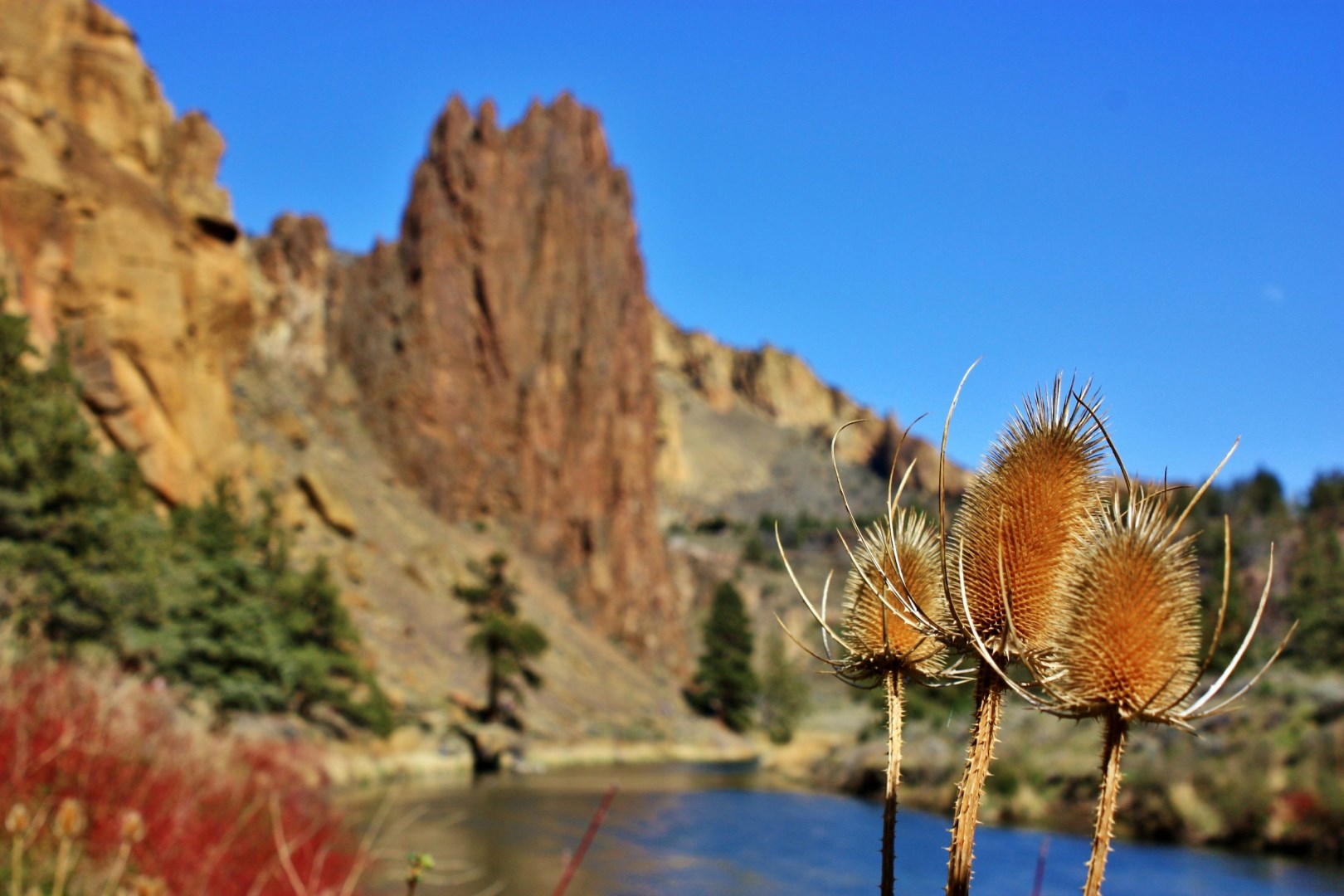
Smith Rock State Park is a high-desert landscape in central Oregon, where the Crooked River cuts through a canyon surrounded by towering cliffs of volcanic rock. Located near the community of Terrebonne, the park is known for its sheer rock walls, open grasslands, and rugged terrain.
Braga
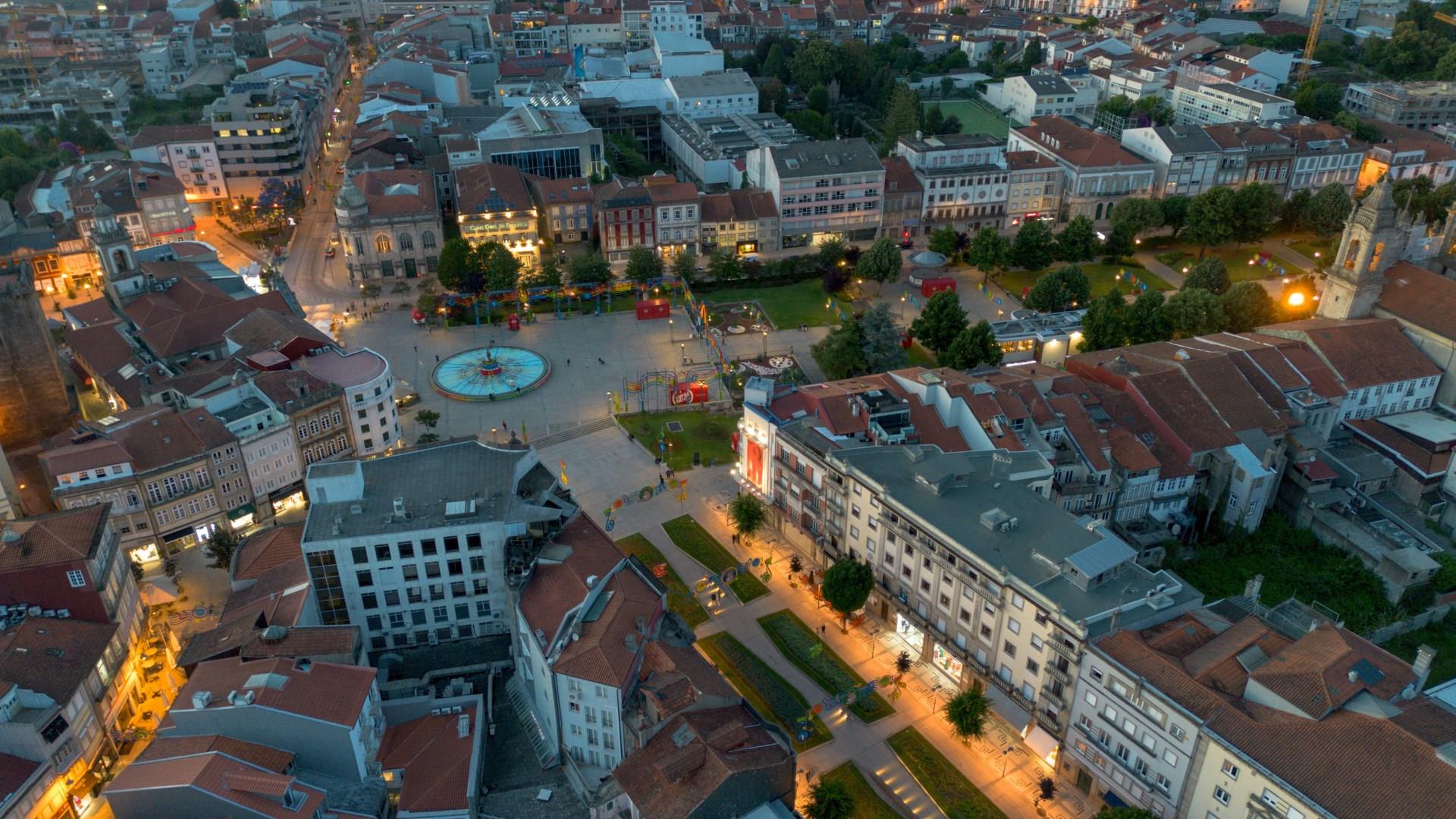
Braga, one of Portugal’s oldest and most vibrant cities, blends deep religious heritage with a youthful, energetic spirit. Founded over two millennia ago by the Romans as Bracara Augusta, the city has long been a center of faith and culture, earning it the nickname “the Rome of Portugal.”
Palm Desert
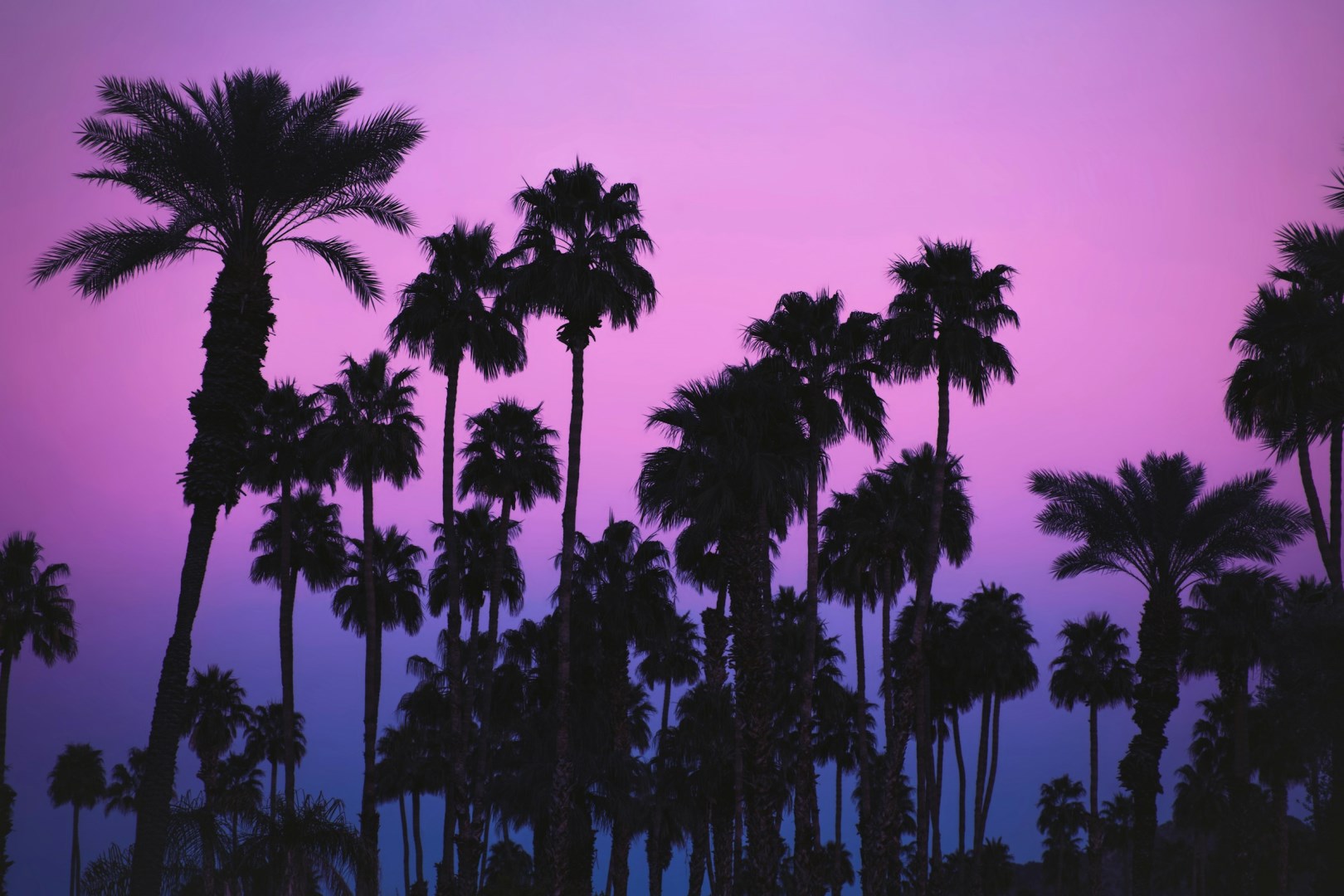
Palm Desert is a city in California’s Coachella Valley, set between the San Jacinto and Santa Rosa Mountains and the Little San Bernardino Mountains. Its landscape is characterized by desert plains, palm trees, rugged mountain slopes, and irrigated areas created around residential neighborhoods and golf courses. El Paseo forms the city’s best-known commercial district, with shops, galleries, restaurants, and public art along a landscaped boulevard.
Brisbane
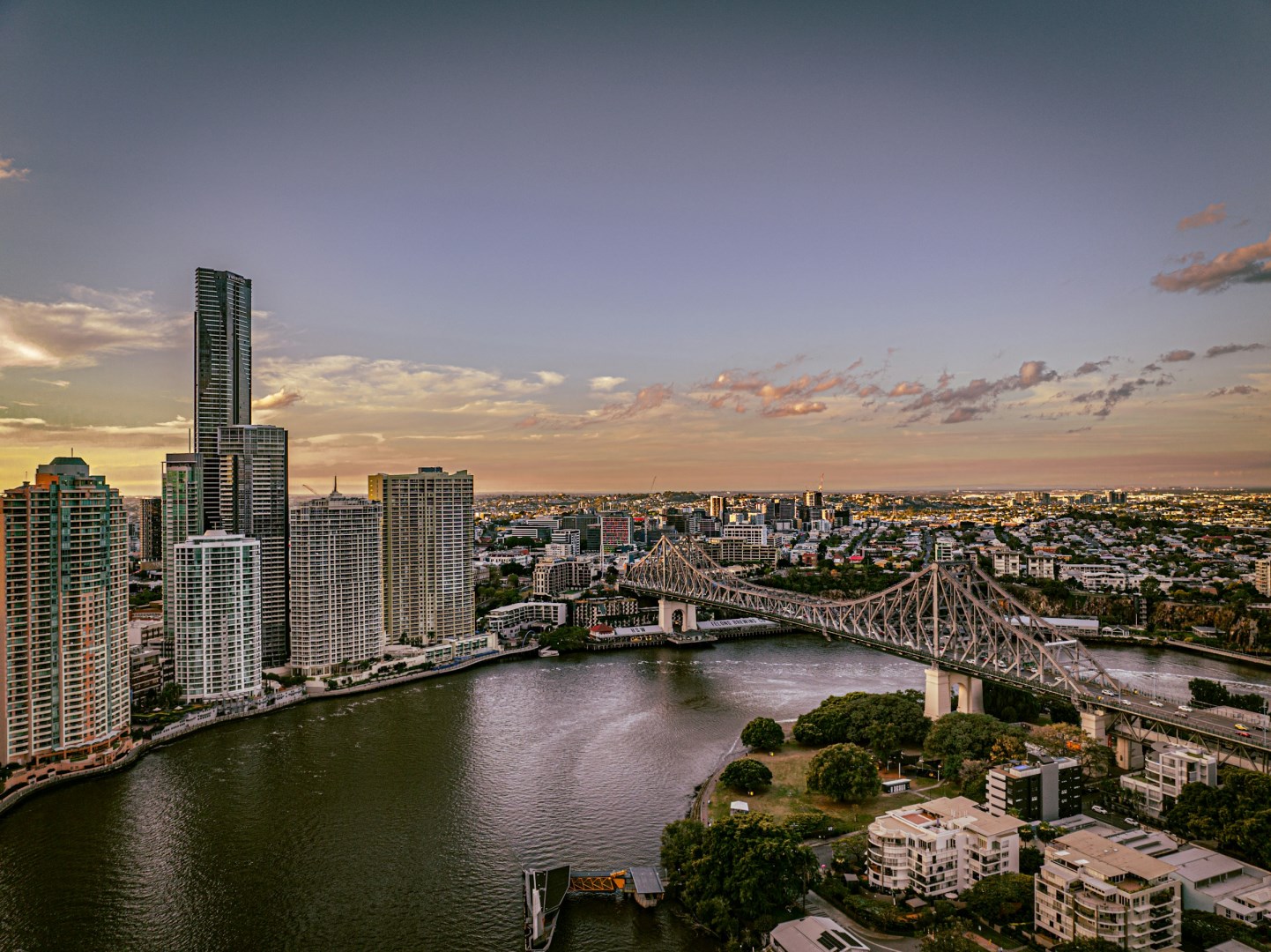
Culture, dining and nightlife are just a few of the reasons to find yourself in sunny Brisbane. This sprawling, constantly-evolving river city is for the young and the young at heart. Shop at the outdoor markets, where you'll find fashion, crafts and produce. Beaches are the order of the day here, too, with North Stradbroke Island and Moreton Island attracting hordes of sunbathers.