Mauritius
Mauritius, a jewel in the Indian Ocean, is known for its turquoise lagoons and coral reefs. The island is a haven for relaxation and adventure.
Granada
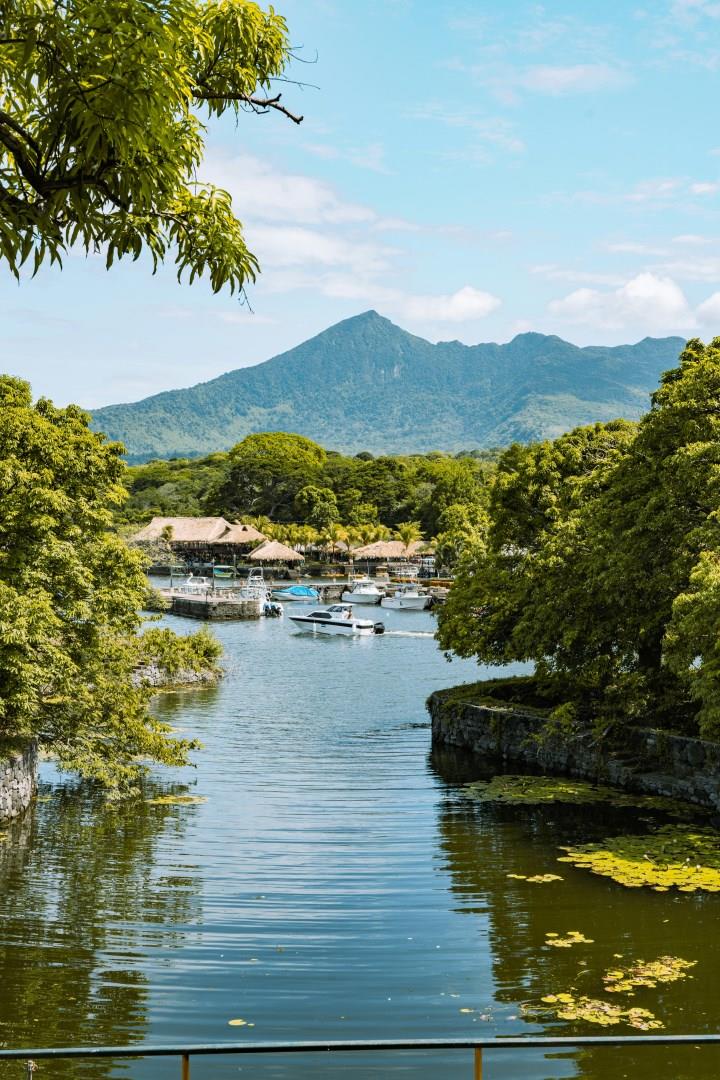
Granada, Nicaragua, founded in 1524, is one of the oldest European-established cities on the mainland of the Americas where visitors can explore cobblestone streets lined with brightly painted facades. The mustard-yellow Granada Cathedral dominates the central park and provides an easy reference point for those navigating the city on foot or by traditional horse-drawn carriage.
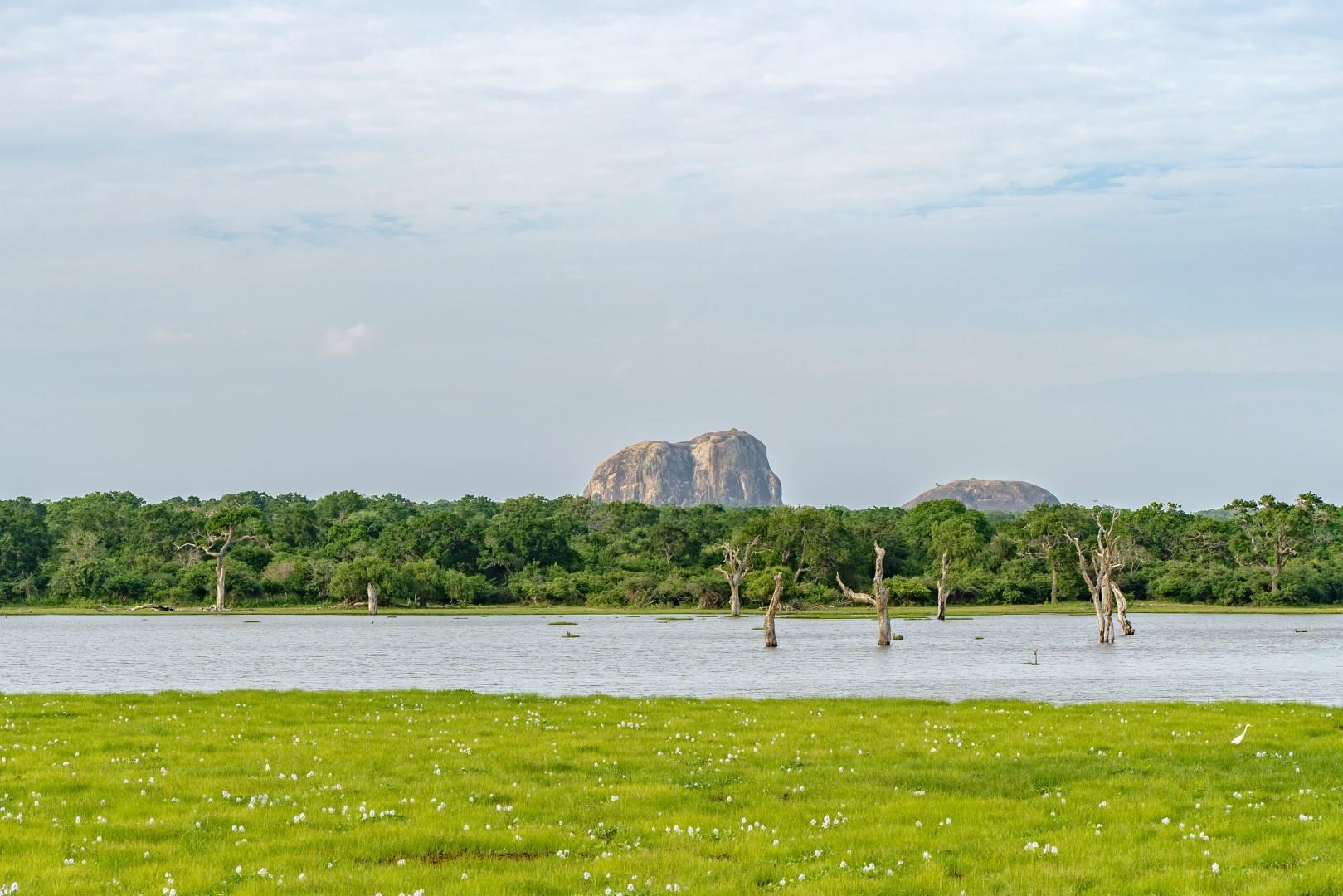
Yala National Park
Yala National Park sprawls across Sri Lanka’s southeast, where dry plains meet lagoons and the Indian Ocean’s shoreline. It is one of the country’s oldest protected areas, first set aside as a wildlife reserve in 1900 and later declared a national park in 1938, and today invites travelers to see life thrive in a wide range of landscapes, from scrubland to sandy beaches.
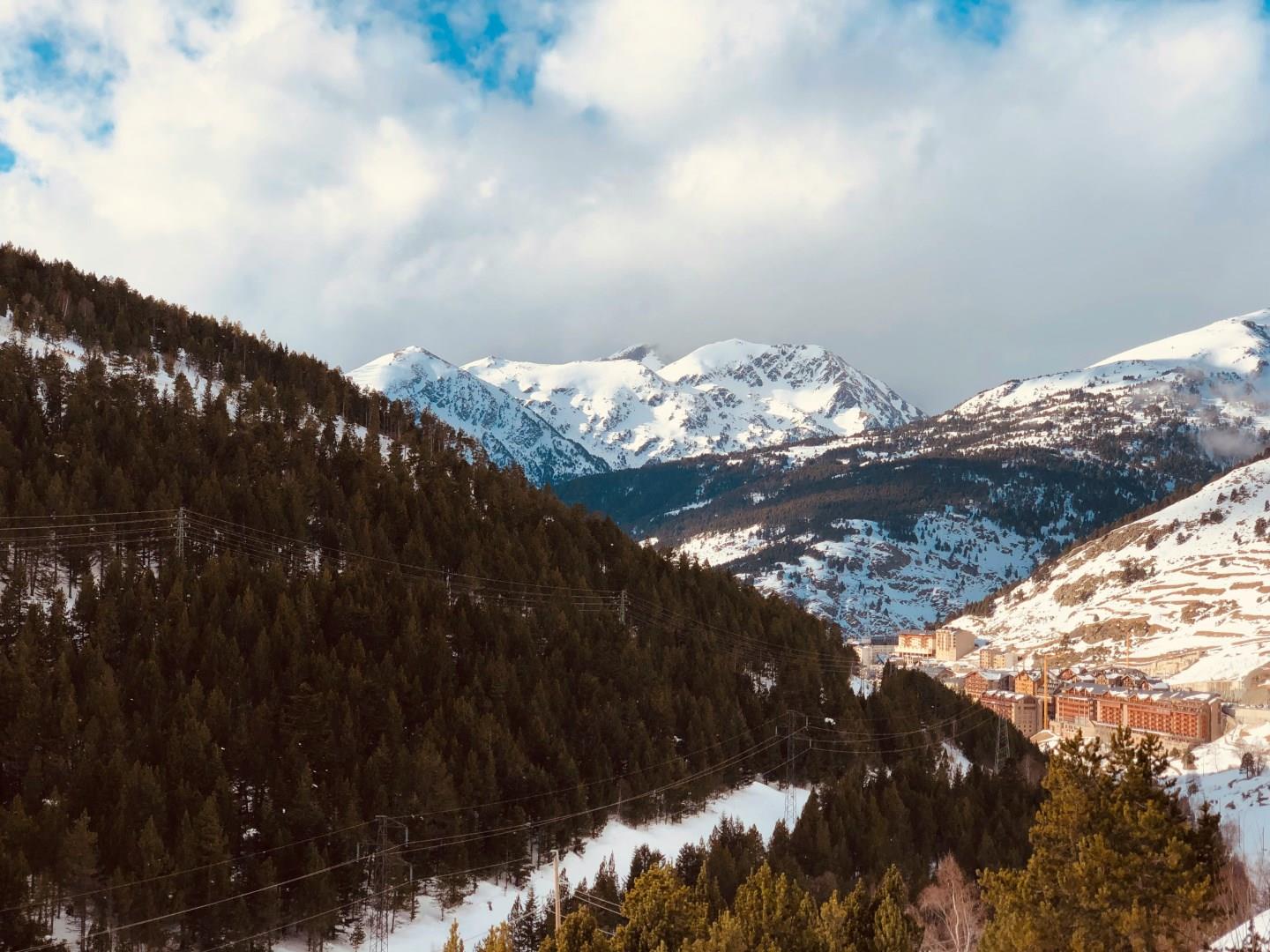
Soldeu
Nestled high in the Pyrenees, Soldeu is a mountain village in the principality of Andorra, best known for its access to Grandvalira, which is one of the largest ski areas in Southern Europe. At 1,800 meters above sea level, Soldeu has grown from a quiet farming village into a winter destination with over 200 kilometers of slopes. It hosted World Cup alpine ski races in 2019 and is scheduled to host the Finals again in 2029.
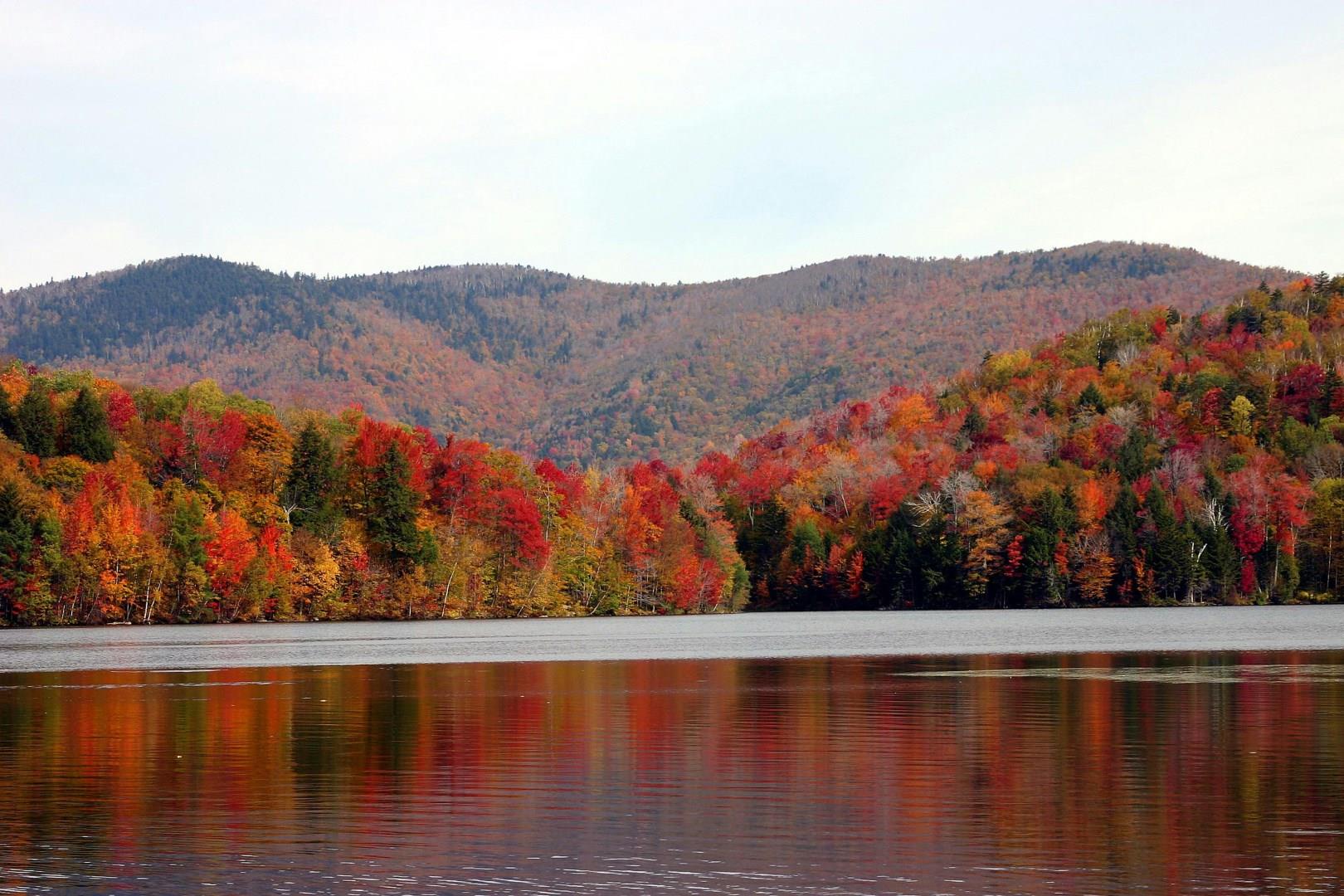
Killington
Killington, Vermont is best known for its ski resort, the largest in the eastern United States, but the town offers more than just winter slopes. Nicknamed “The Beast of the East,” Killington Resort spans six mountain peaks and includes over 1,500 acres of terrain. It was one of the first ski areas in the country to adopt snowmaking technology in the 1960s, and it continues to operate one of the longest ski seasons in North America, sometimes stretching from October into May.