Santa Cruz de La Palma
Santa Cruz de La Palma is the capital of the island of La Palma, one of the seven Canary Islands. Although often forgotten in favor of the similarly named Santa Cruz de Tenerife, it is a compact and colorful colonial town well worth a visit. Swimming, paragliding, and hiking and some of the most popular daytime activities, while stargazing is a favorite pastime after the sun goes down.
Santa Cruz de la Sierra
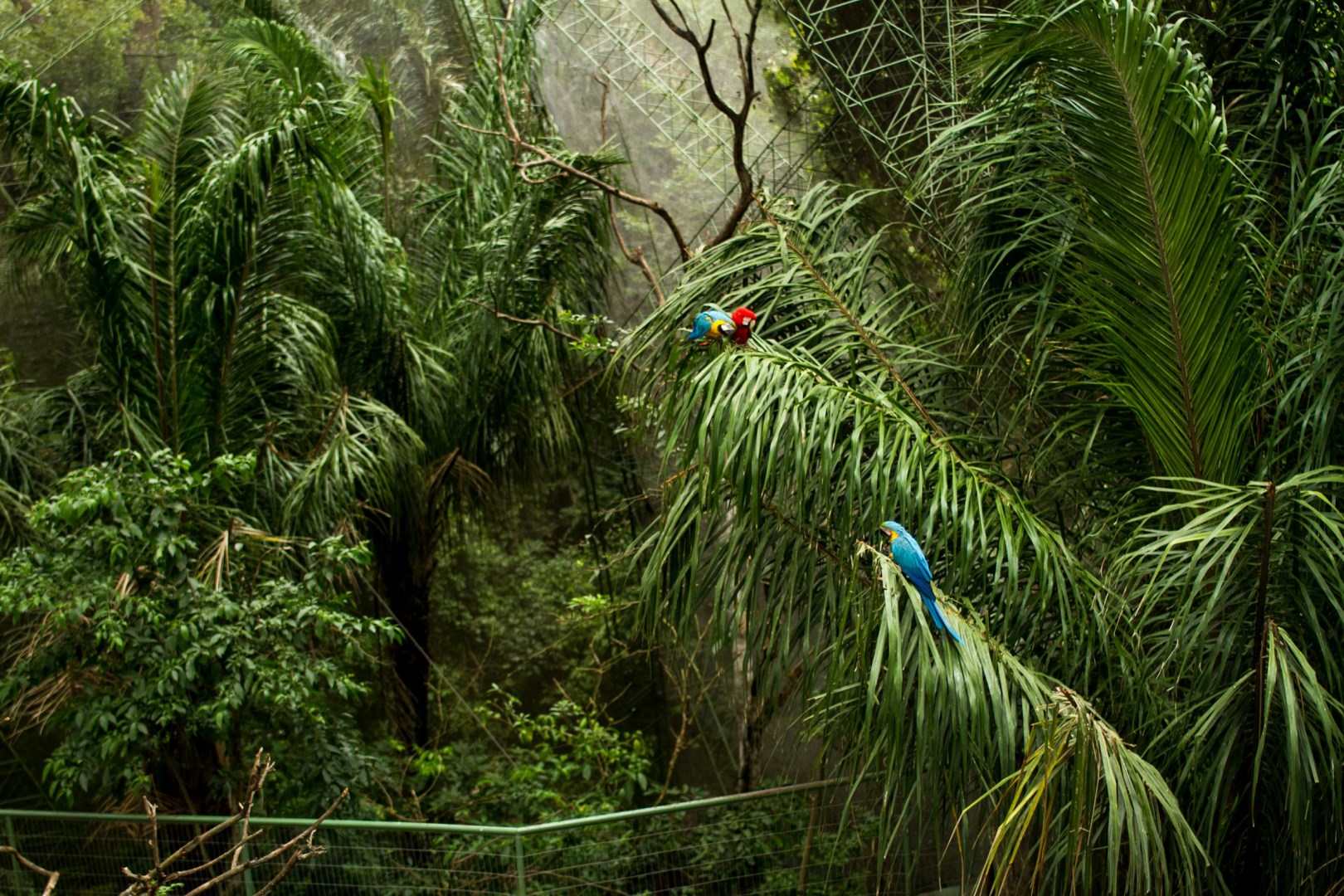
Santa Cruz is in stark contrast to La Paz. Climate is tropical and altitude is only 1,250 feet. It is on the eastern lowland side of the Andes mountain range and one of the gateways to Bolivia's jungle area. Trinidad is the other. Much of Bolivia's natural resources, including agricultural products, are found in this area. Although Santa Cruz has grown tremendously some parts of downtown still retain a look of an Old West frontier town. Carnival is an especially happy time to be in Santa C
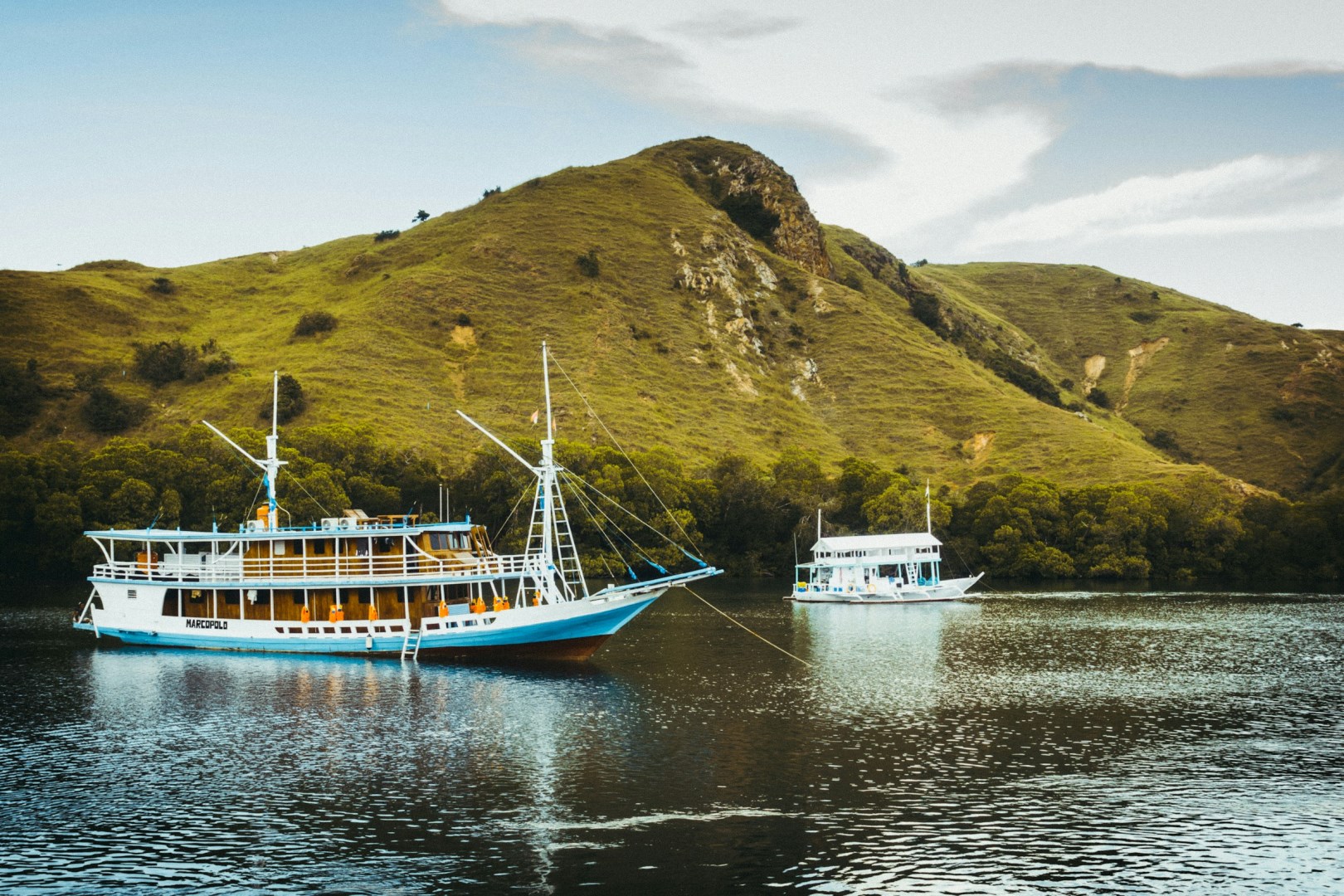
Komodo National Park
Komodo National Park is a natural wonder, home to the world’s largest lizards, breathtaking pink sand beaches, and colorful coral reefs. Trek through rugged landscapes to spot Komodo dragons in the wild or dive alongside graceful manta rays and colorful fish. With jagged hills rising from turquoise waters, the park offers an unforgettable adventure that feels truly otherworldly.

Donji Milanovac
Donji Milanovac is a gateway to the Iron Gates Gorge, one of the most stunning natural attractions in the region.

Cienfuegos
Cienfuegos, located on Cuba’s south coast along a sheltered bay, stands apart from many other Cuban cities due to its distinct European origins. Founded in 1819 by French settlers, the city developed with a carefully planned layout, wide avenues, and neoclassical architecture that earned it the nickname “La Perla del Sur.”