Ganvie
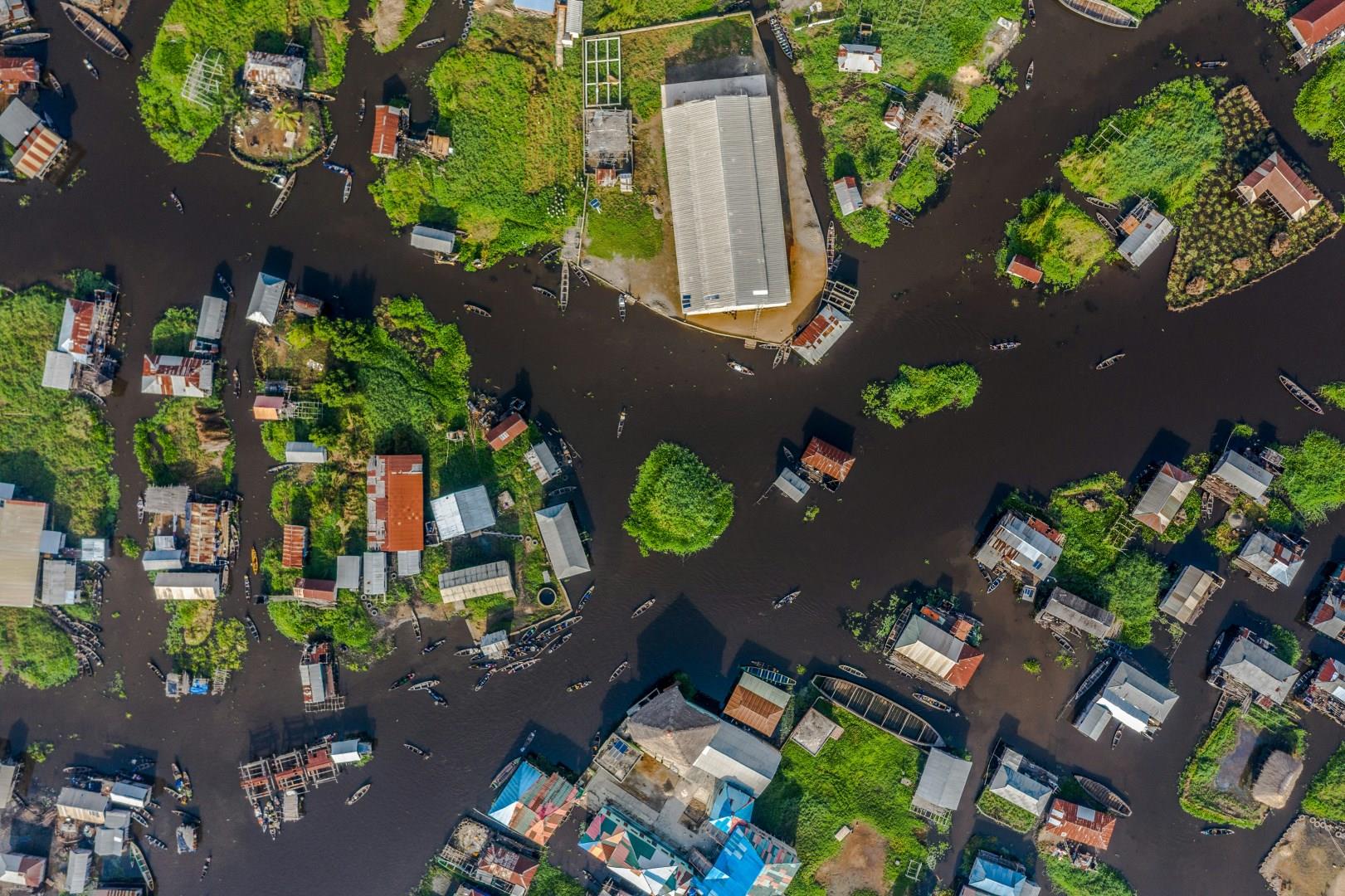
Ganvie, often called the "Venice of Africa," is a lake village located in the heart of Lake Nokoué in southern Benin. What makes Ganvie extraordinary is that the entire village sits on stilts above the water, with wooden homes, floating markets, and schools accessible only by boat. Visitors can glide through narrow canals in pirogues, experiencing firsthand a way of life shaped entirely by water.
Aguas Calientes
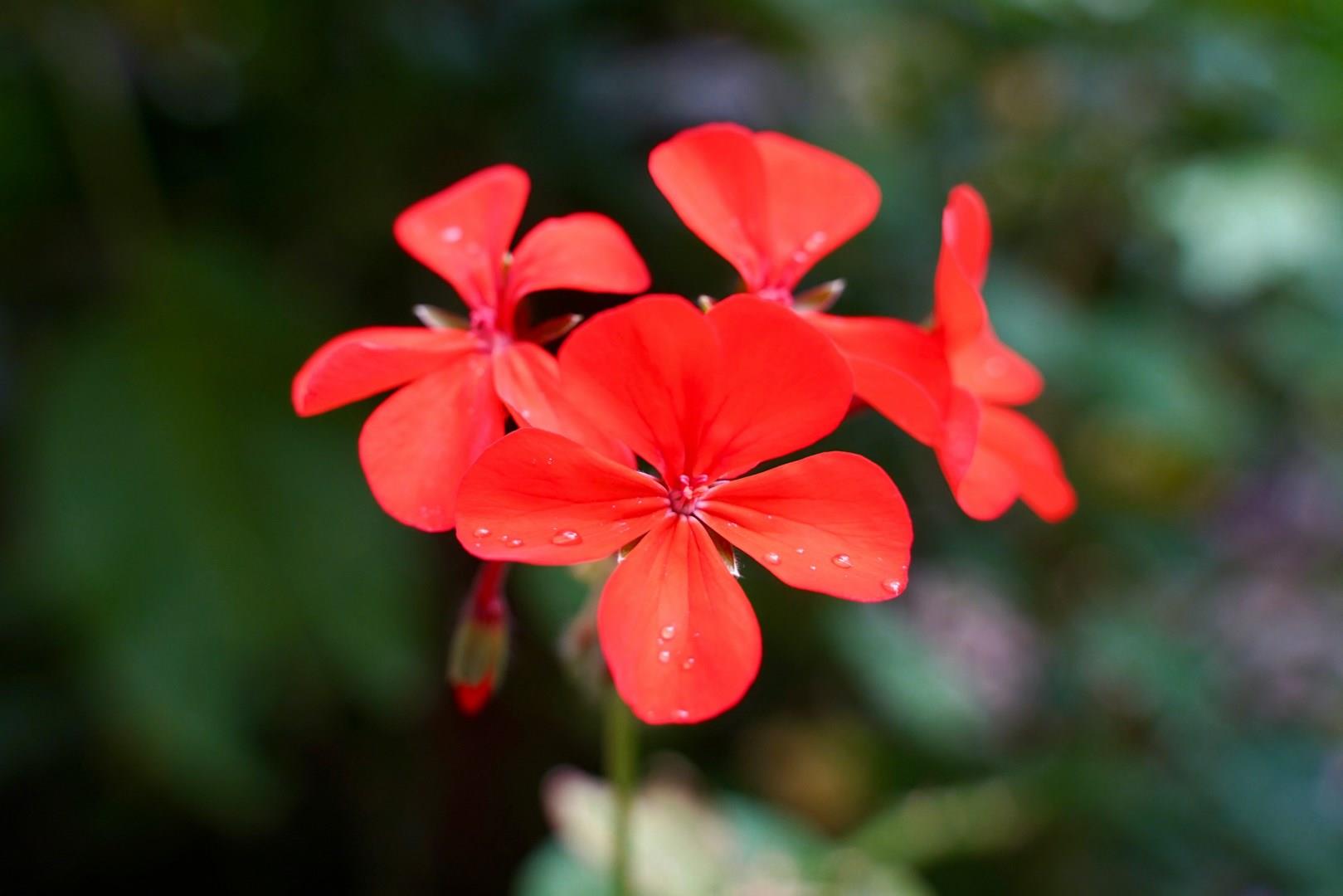
Aguas Calientes, officially called Machupicchu Pueblo, sits in a narrow valley below the ruins of Machu Picchu, shaped almost entirely by geography and access.
Madurai
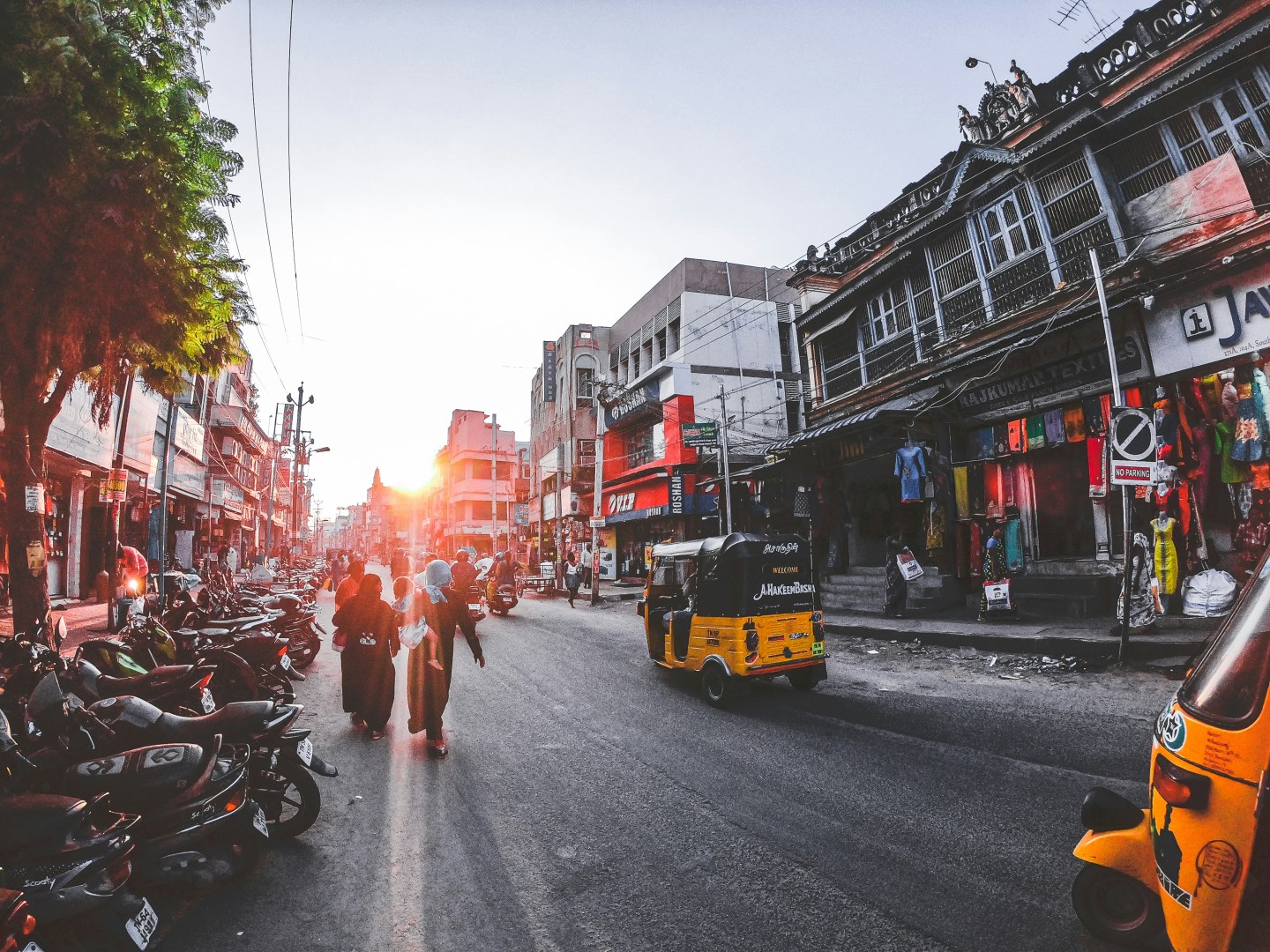
Madurai is a major city in the southern Indian state of Tamil Nadu, known for its long-standing role as a center of religion, trade, and learning. Set along the Vaigai River, it has grown into a busy urban area while retaining a strong connection to its temple-centered layout.
Lome
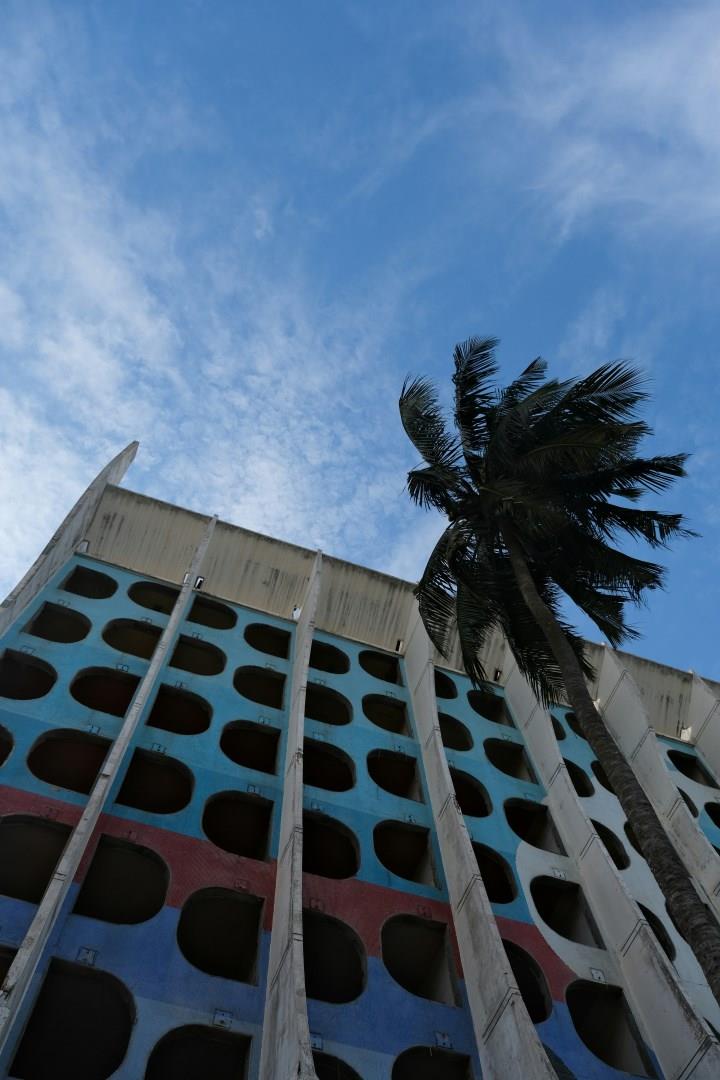
Lomé, the capital city of Togo, sits along the Gulf of Guinea and serves as both the political and cultural heart of the country. Lomé’s coastline features beaches where locals gather and where visitors can enjoy views of the Atlantic Ocean.
Langtang National Park
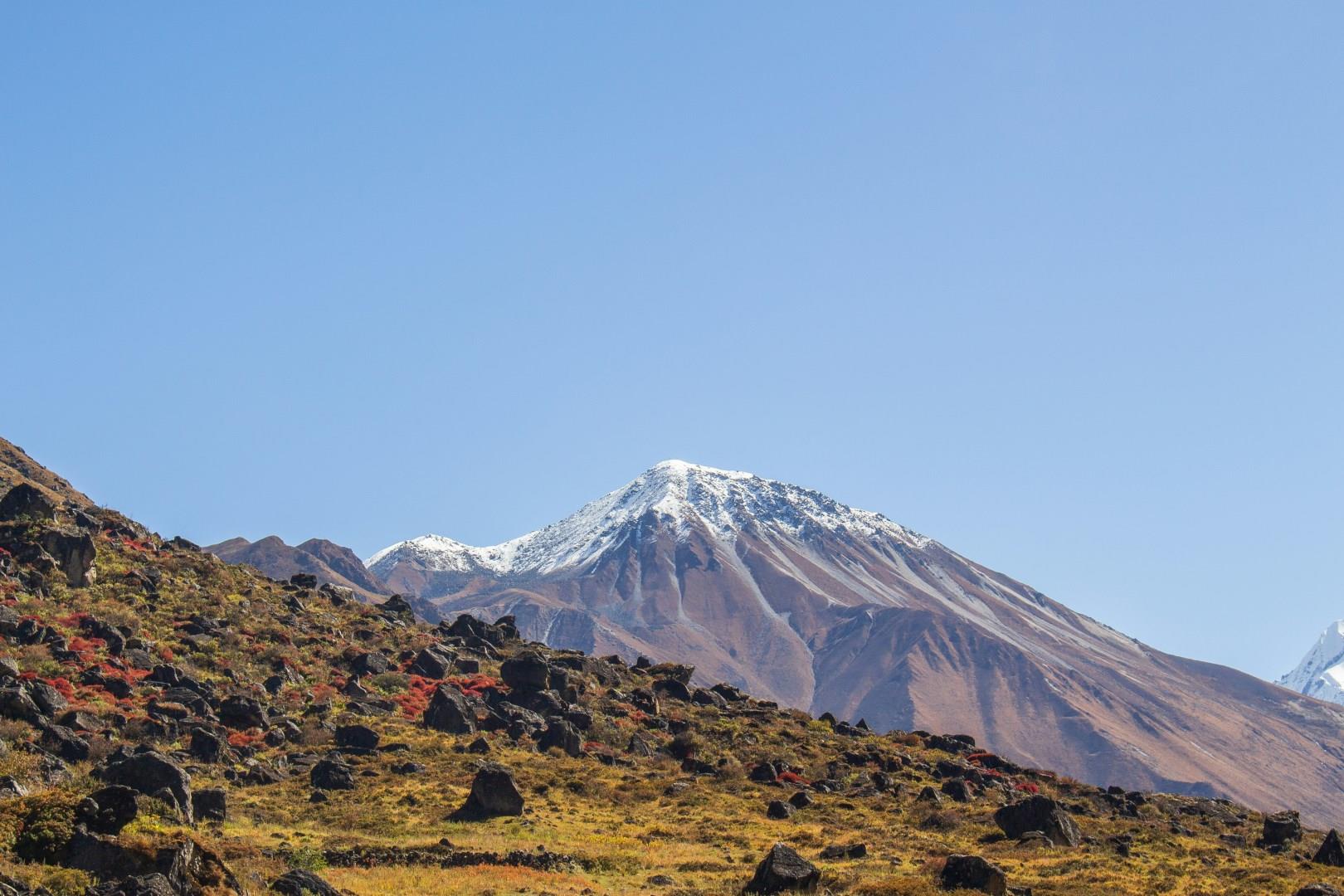
Langtang National Park lies just north of Kathmandu, yet it feels far removed from the city’s pace. As Nepal’s first Himalayan national park, it stretches from lush river valleys to high alpine ridges close to the Tibetan border. Snow-covered peaks such as Langtang Lirung rise above forests of oak, maple, and rhododendron, creating dramatic shifts in scenery over short distances.