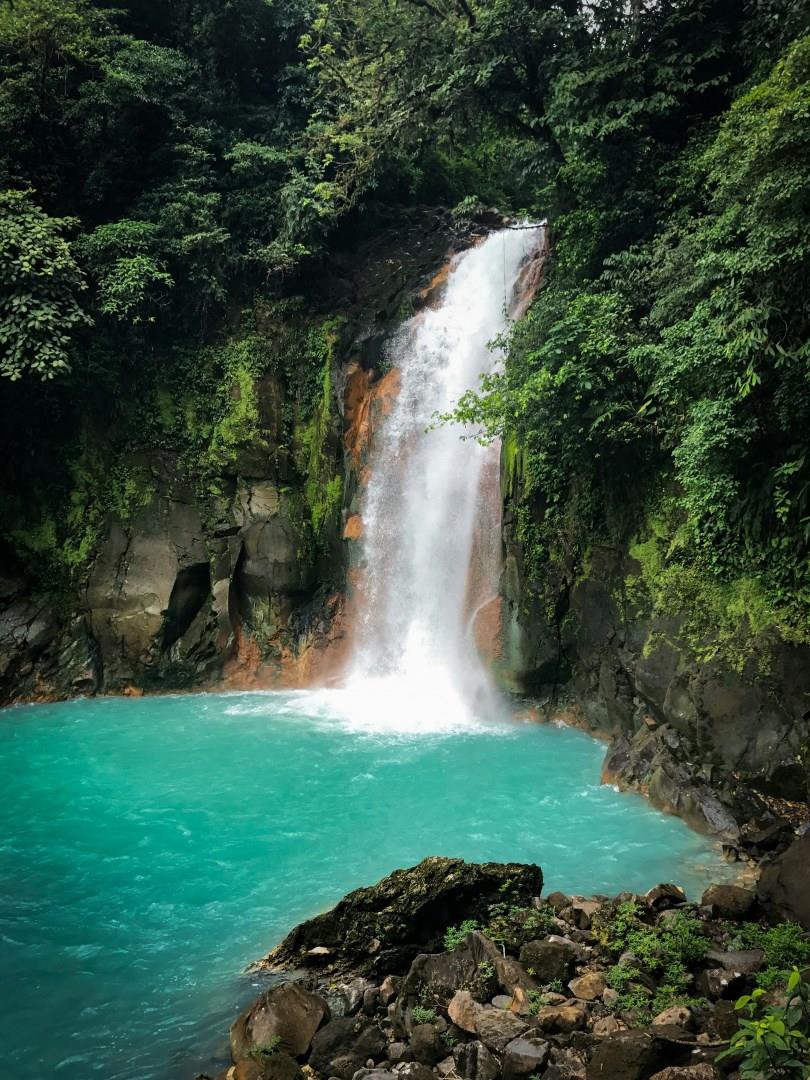
Celeste River
Hidden in the northern region of Costa Rica, the Celeste River (Río Celeste) winds through Tenorio Volcano National Park with a color so vivid it seems unreal. The river’s striking turquoise hue is caused by a natural chemical reaction between two mineral-rich streams, Quebrada Agria and Río Buena Vista, which merge at a point known as "El Teñidero." This one-of-a-kind phenomenon creates the illusion that the water has been dyed blue, even though no pigments are present.
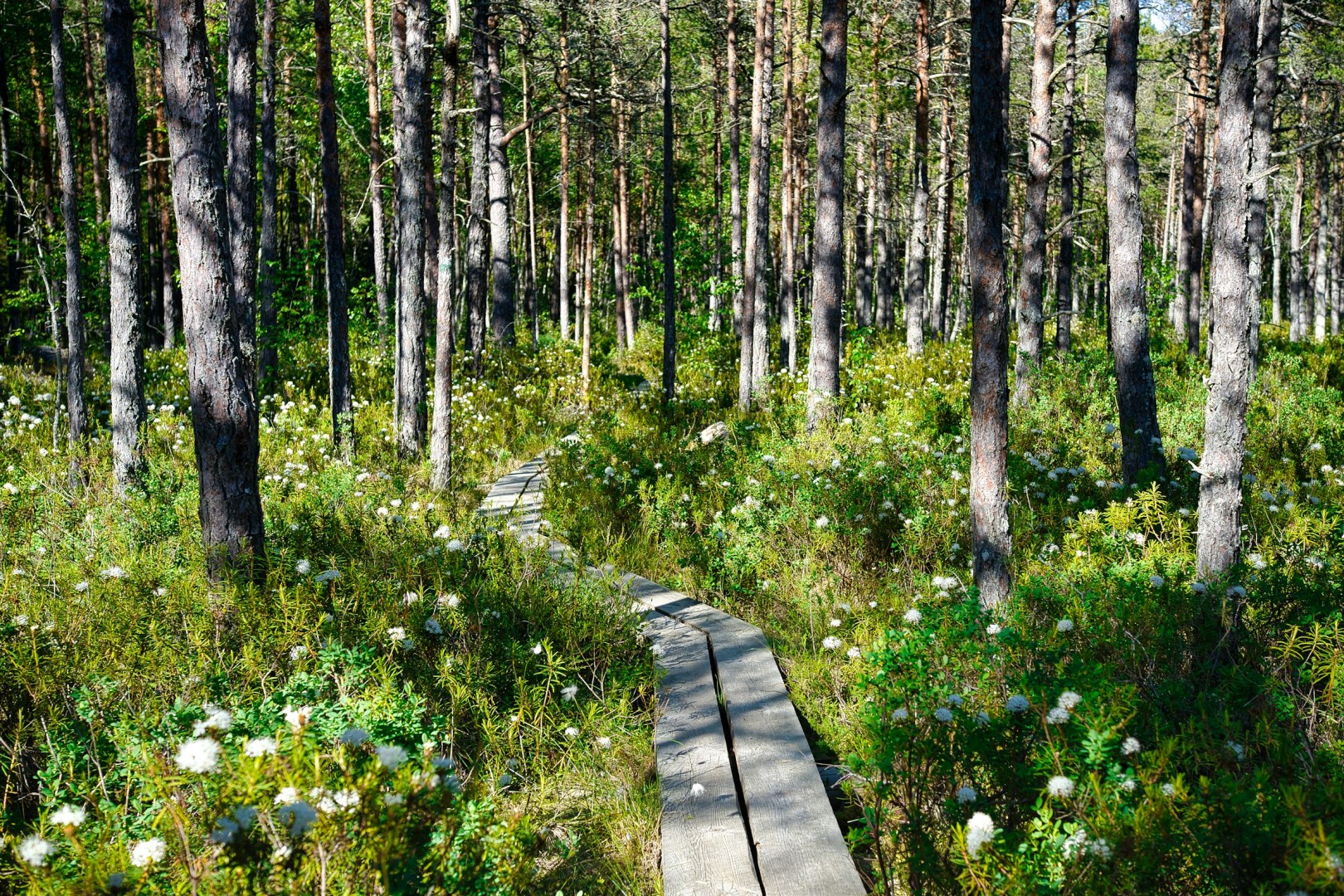
Lahemaa National Park
Lahemaa National Park is a large protected area on Estonia’s northern coast, facing the Gulf of Finland and combining forests, wetlands, rocky shores, sandy beaches, and small islands. It is Estonia’s oldest and largest national park, with landscapes that change noticeably between the coast and the inland forests. The park also protects cultural heritage, including traditional fishing villages, historic manor estates, and old farm landscapes.
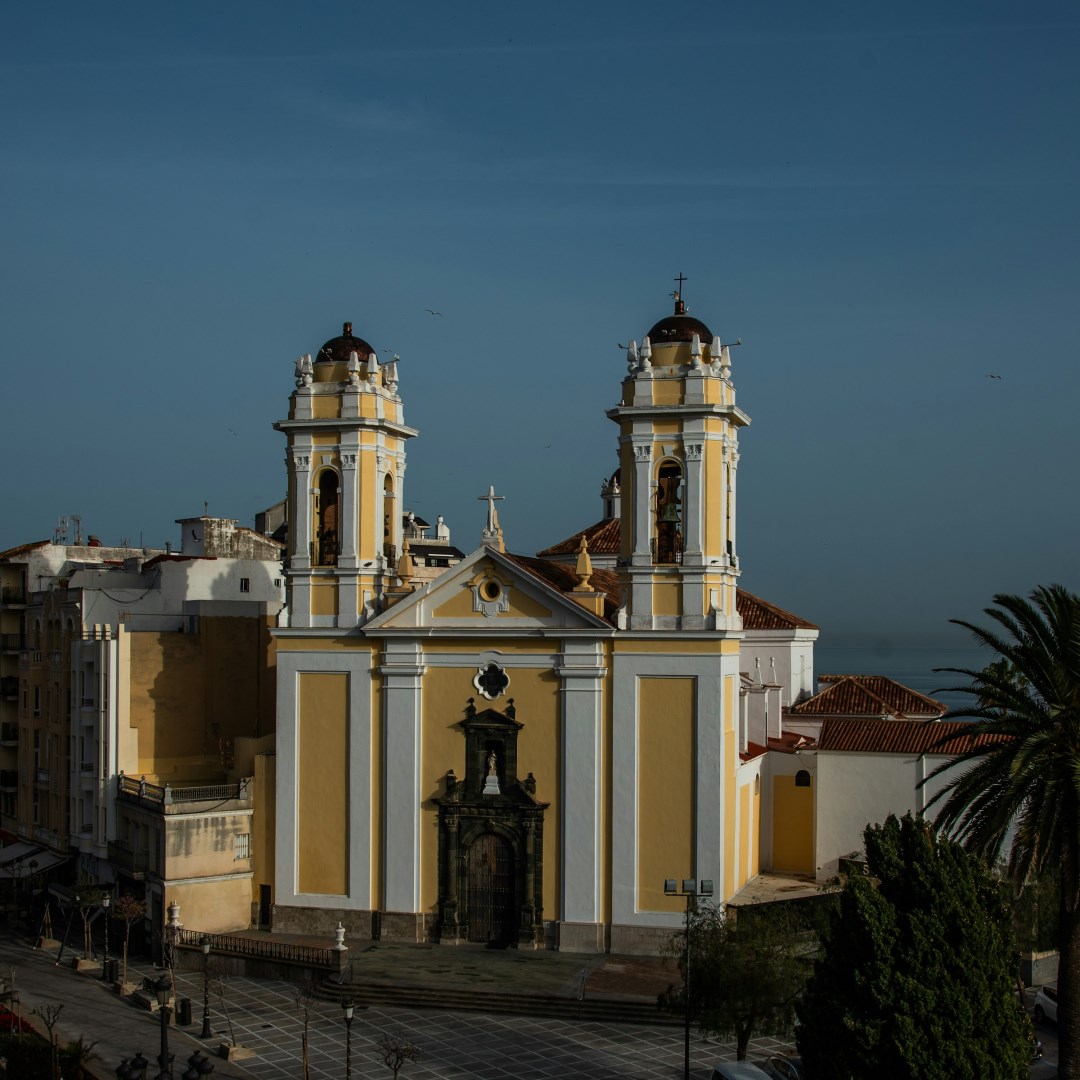
Ceuta
Ceuta is a Spanish autonomous city on the northern coast of Africa, bordered by Morocco and facing the Strait of Gibraltar.

Trinidad
Trinidad, Cuba, is a mesmerizing time capsule that transports visitors to another era with its cobblestone streets, pastel-colored colonial buildings, and horse-drawn carts. Founded in 1514 by Spanish conquistador Diego Velázquez de Cuéllar, this city, located in central Cuba, is one of the best-preserved colonial towns in the Caribbean. Trinidad's rich history and enchanting architecture make it an essential destination for anyone seeking an authentic Cuban experience.
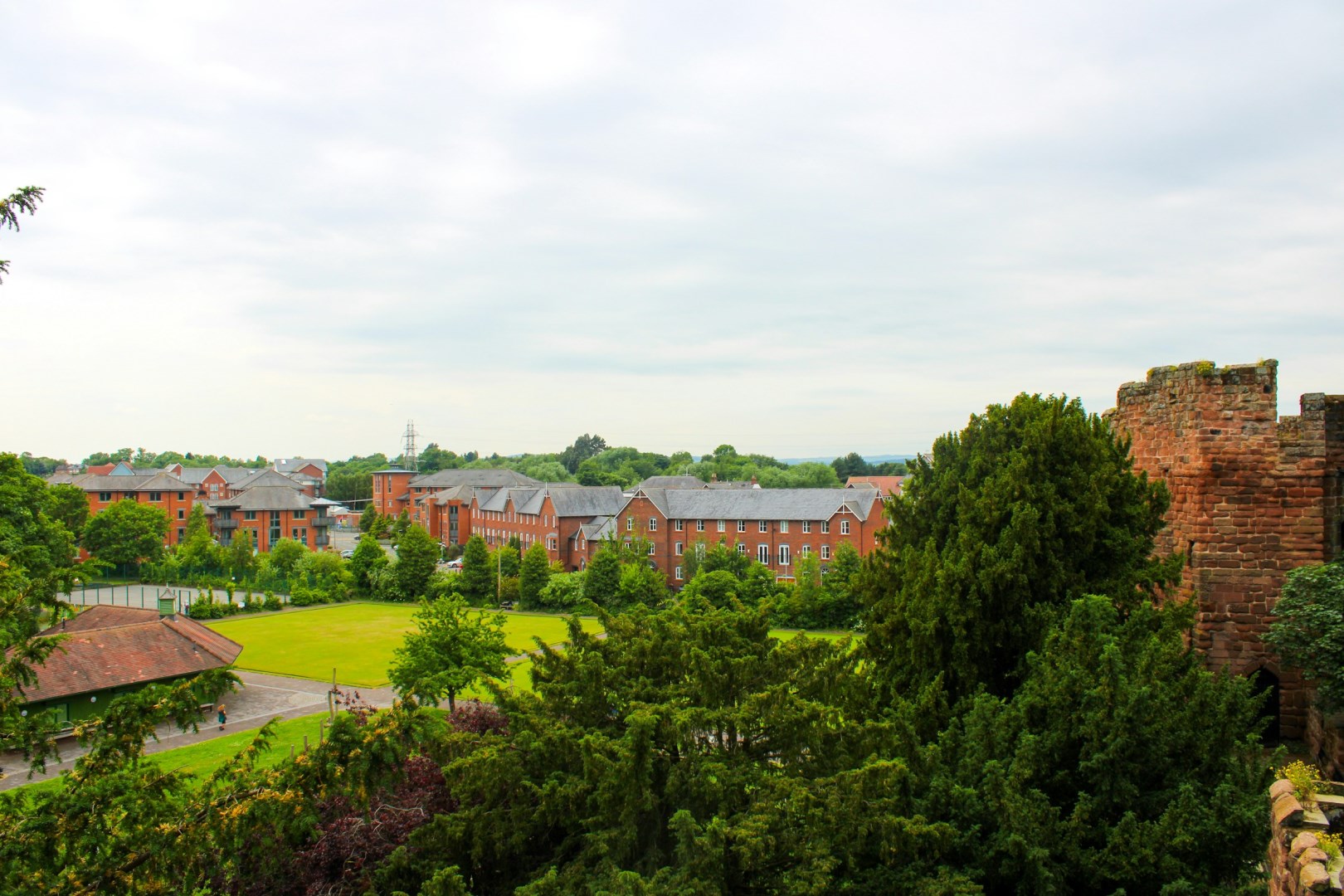
Chester
One of the few fully walled cities from Roman times, this city is located south of Liverpool. Interesting shops in the town center are on the second level.