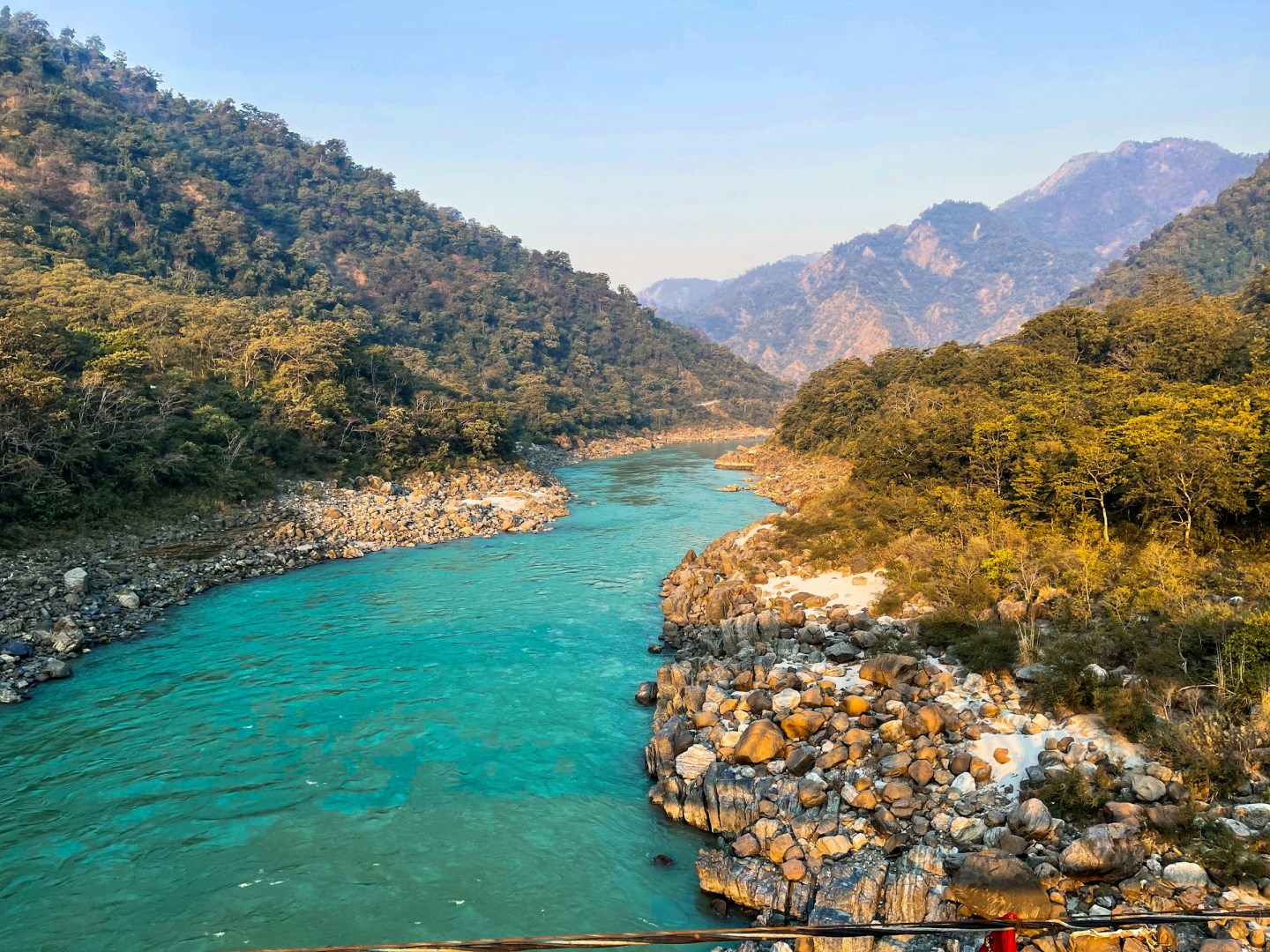
Ganges River
The River Ganges, flowing through India and Bangladesh, supports millions of people living in the river basin. In Hinduism, the river is considered the most sacred, and as a result it is in important element of many Hindu rituals and festivals.
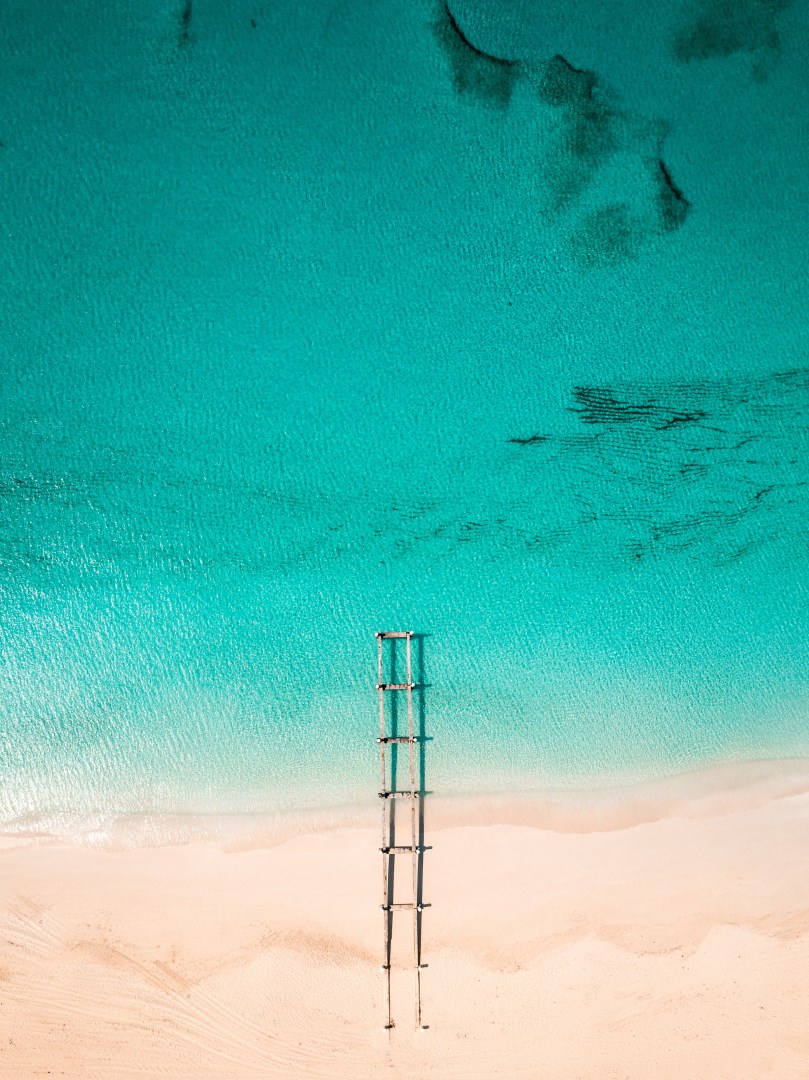
Grace Bay
Grace Bay is a coastal district on the northeast shore of Providenciales in the Turks and Caicos Islands, centered on the long shoreline of Grace Bay Beach. The area combines white sand, shallow turquoise water, low coastal vegetation, and the sheltered marine environment of Princess Alexandra National Park. Behind the beach are hotels, restaurants, shops, villas, and other visitor services, making Grace Bay the main tourism district on Providenciales.
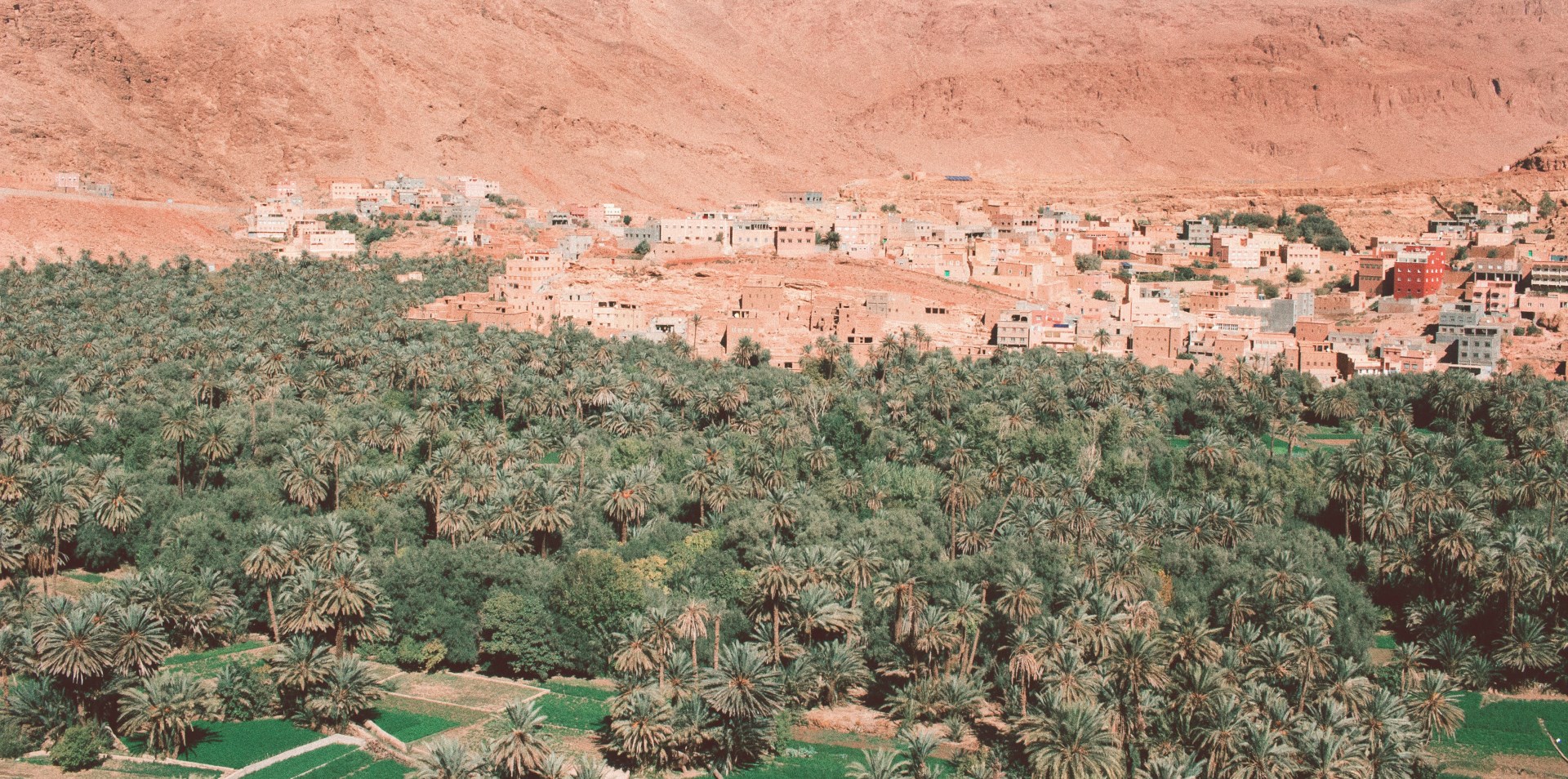
Boumalne Dades
At the edge of the High Atlas Mountains, Boumalne Dades stands as a gateway to one of Morocco’s most striking landscapes. The town stretches along a broad valley where the Dades River cuts through layers of red and ochre rock. This setting creates a dramatic backdrop that shifts in color throughout the day. Travelers often arrive here as a stopping point, but many stay longer after discovering the slower rhythm of village life and the easy access to nearby valleys and gorges.

Trapani
Trapani, located on the western coast of Sicily, Italy, is a captivating destination nestled between the Tyrrhenian Sea and the Strait of Sicily, providing stunning sea views and easy access to the Aegadian Islands. Known for its scenic harbor, Trapani has been a significant port since ancient times, serving as a key center for trade and culture as well as an ideal base for exploring the surrounding area.
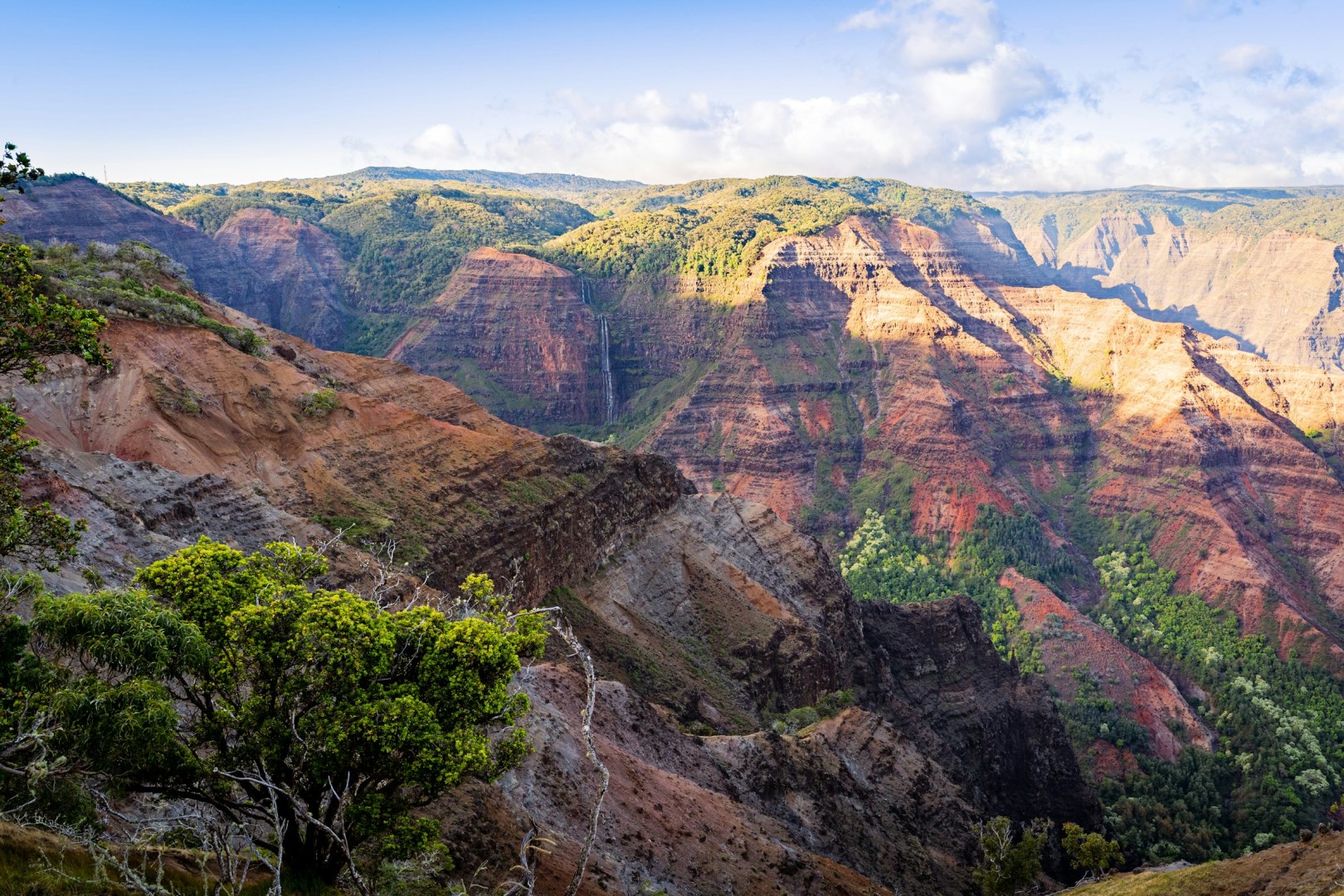
Waimea Canyon, Kauai
The Canyon valleys of the Waimea River and its tributary were once heavily populated, and the town was an early center of native government. It was here that Captain James Cook, English Navigator-Explorer, made his first landing in the Hawaiian Islands on January 20, 1778. Waimea developed as a provisioning port for whalers and sandalwood traders. A ruined Russian fort, built (1815) in a futile attempt to seize the isle, occupies a coastal bluff aboe the Waimea River. A rich sugar-plantation