Wyoming
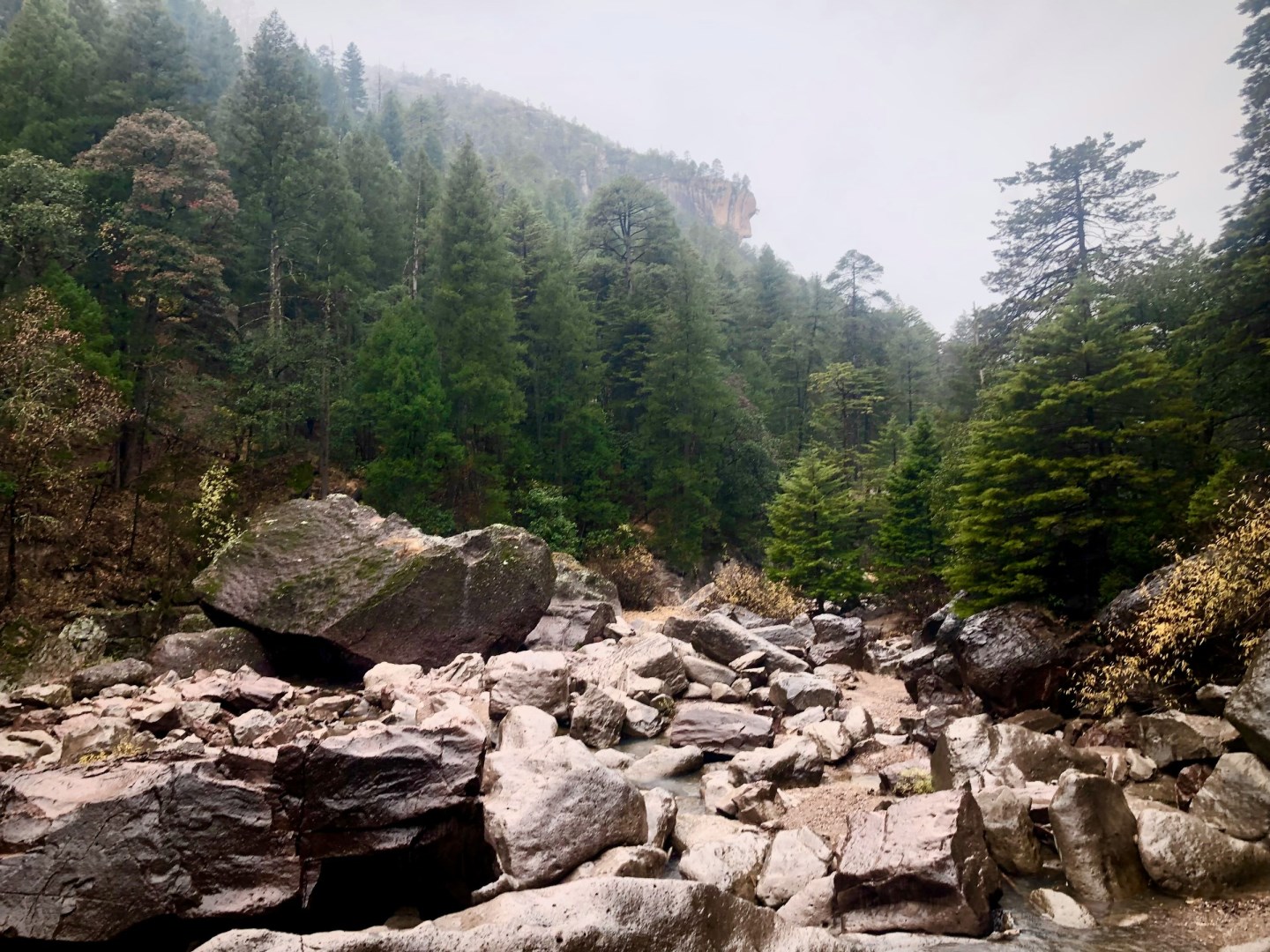
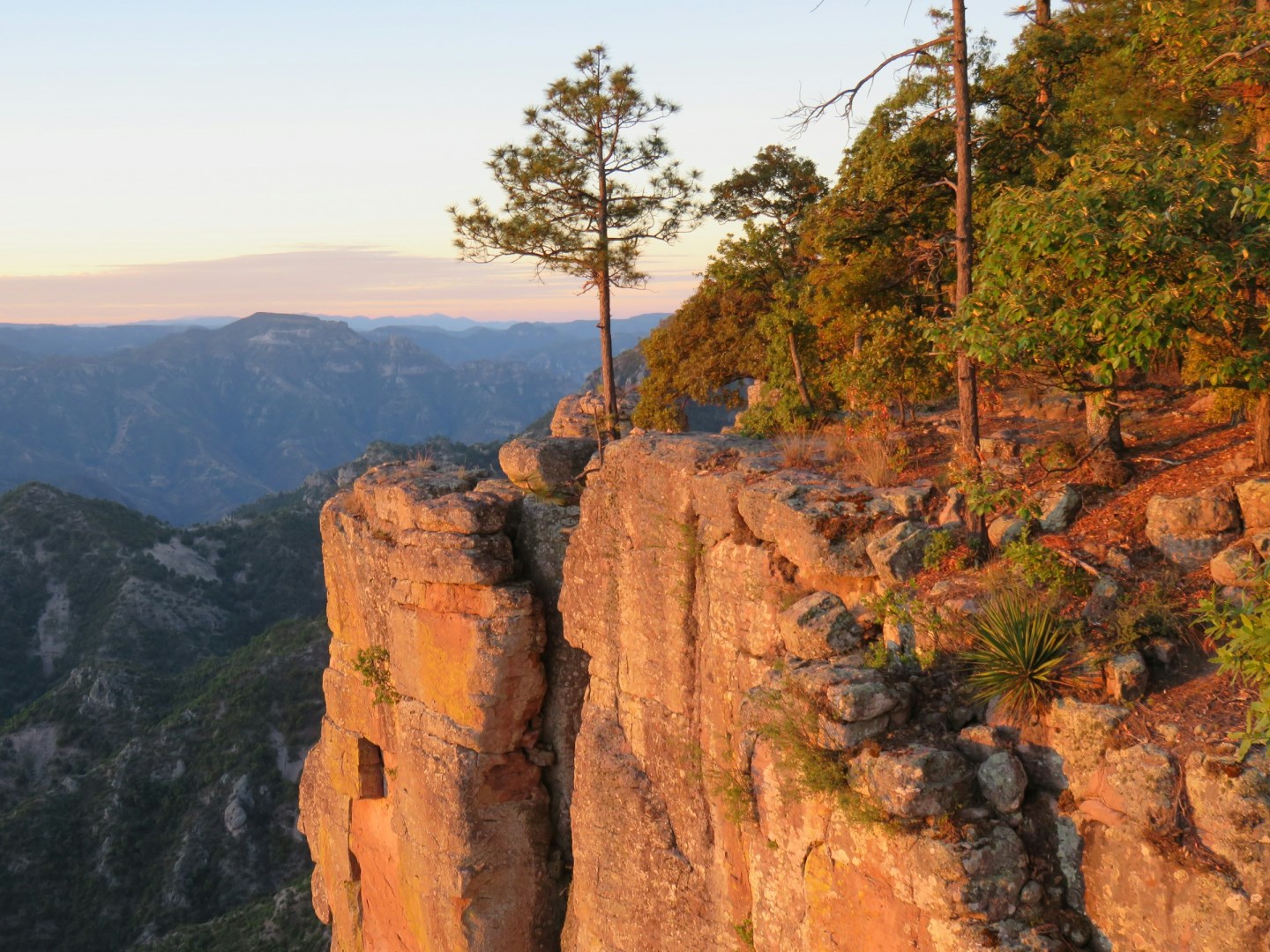
From Yellowstone National Park to the towering peaks of the Grand Tetons, Wyoming is home to some of the most dramatic and diverse landscapes in the country.
Ollantaytambo
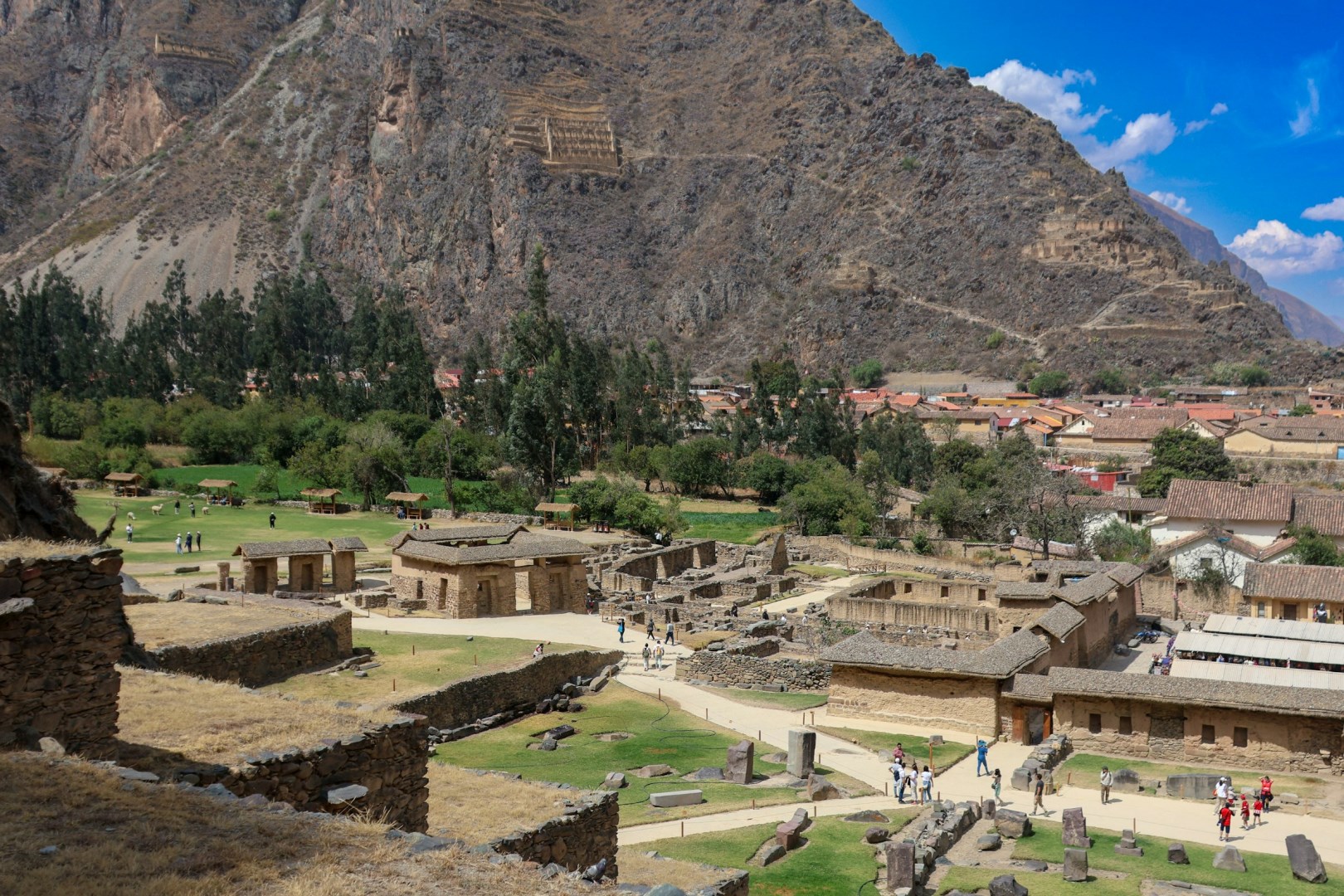
Most commonly reached via travel from Cusco, Ollantaytambo is an Incan archaeological site in the Sacred Valley of southern Peru. The town dates from the late 15th century and is home to some of the oldest continuously-occupied dwellings in South America.
Sífnos
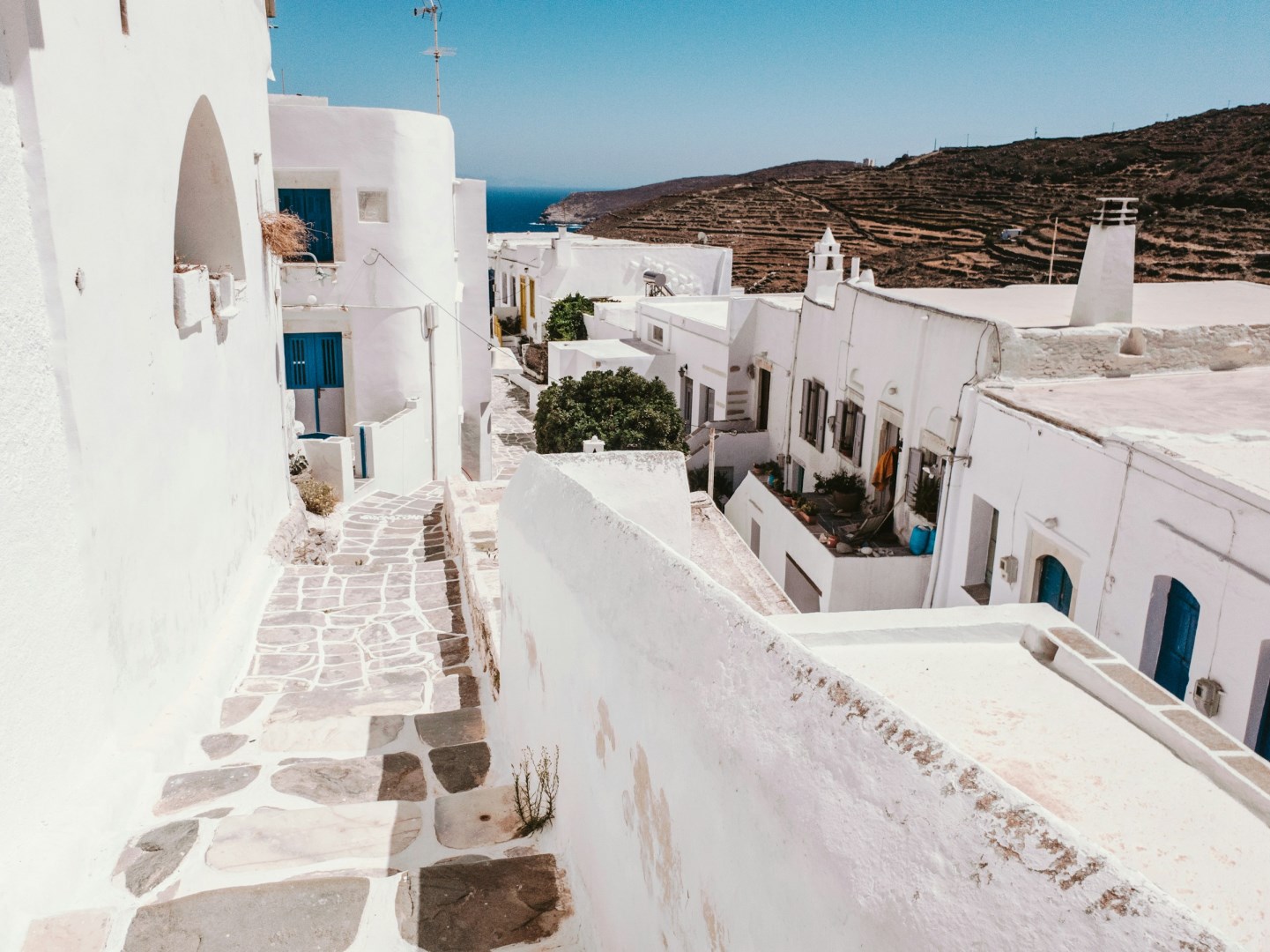
Sífnos is a Cycladic island in the southwestern Aegean, known for its whitewashed villages, stone-paved lanes, terraced hillsides, pottery workshops, and well-marked walking trails. Apollonia, the island’s main settlement, spreads across several hills at the center and serves as its cultural and social hub. Smaller villages such as Artemonas, Kastro, and Exambela retain traditional houses, churches, courtyards, and narrow alleys.

Kotka
Located on the southern coast of Finland at the delta of the Kymi river, the city of Kotka is a major Finnish sea port. Perhaps the best-known attraction of this multicultural and creative city is the country's largest urban maritime festival, an annual celebration that includes boating events, dance and music performances, and Finland's largest parade which marks the beginning of the city-wide event.

Malta
Malta is a Mediterranean gem known for its warm climate, stunning coastline and vibrant culture. Whether wandering through its historic cities, relaxing by the sea, or discovering its unique traditions, visitors will find endless reasons to explore this island nation.