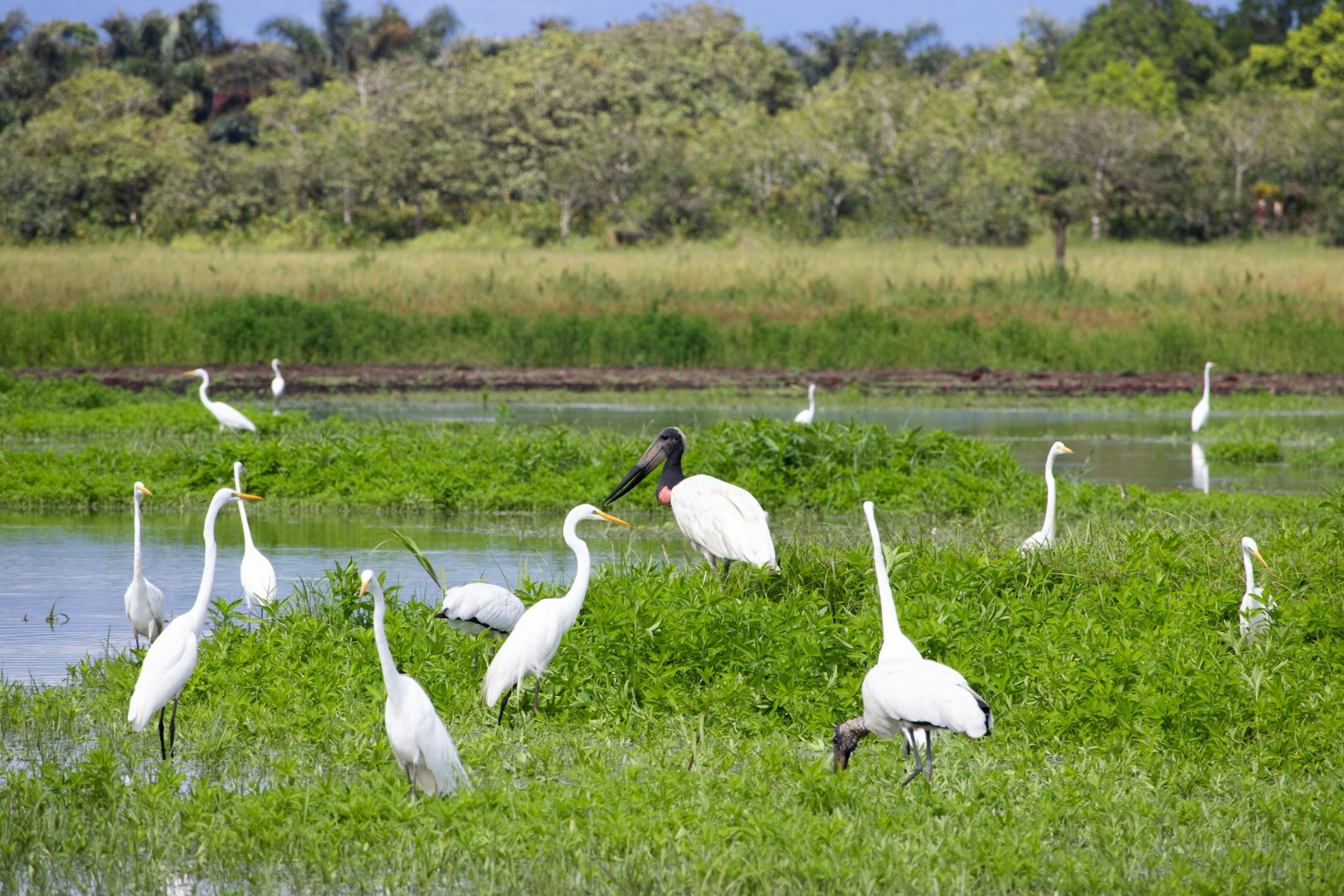
Caño Negro Wildlife Refuge is a wetland reserve in northern Costa Rica, in Alajuela Province near the Nicaraguan border. The protected area covers lowland forests, rivers, lagoons, marshes, and seasonal waterways within the basin of the Frío River. Its largest water body, Caño Negro Lagoon, is fed by freshwater rivers and changes considerably with seasonal rainfall.
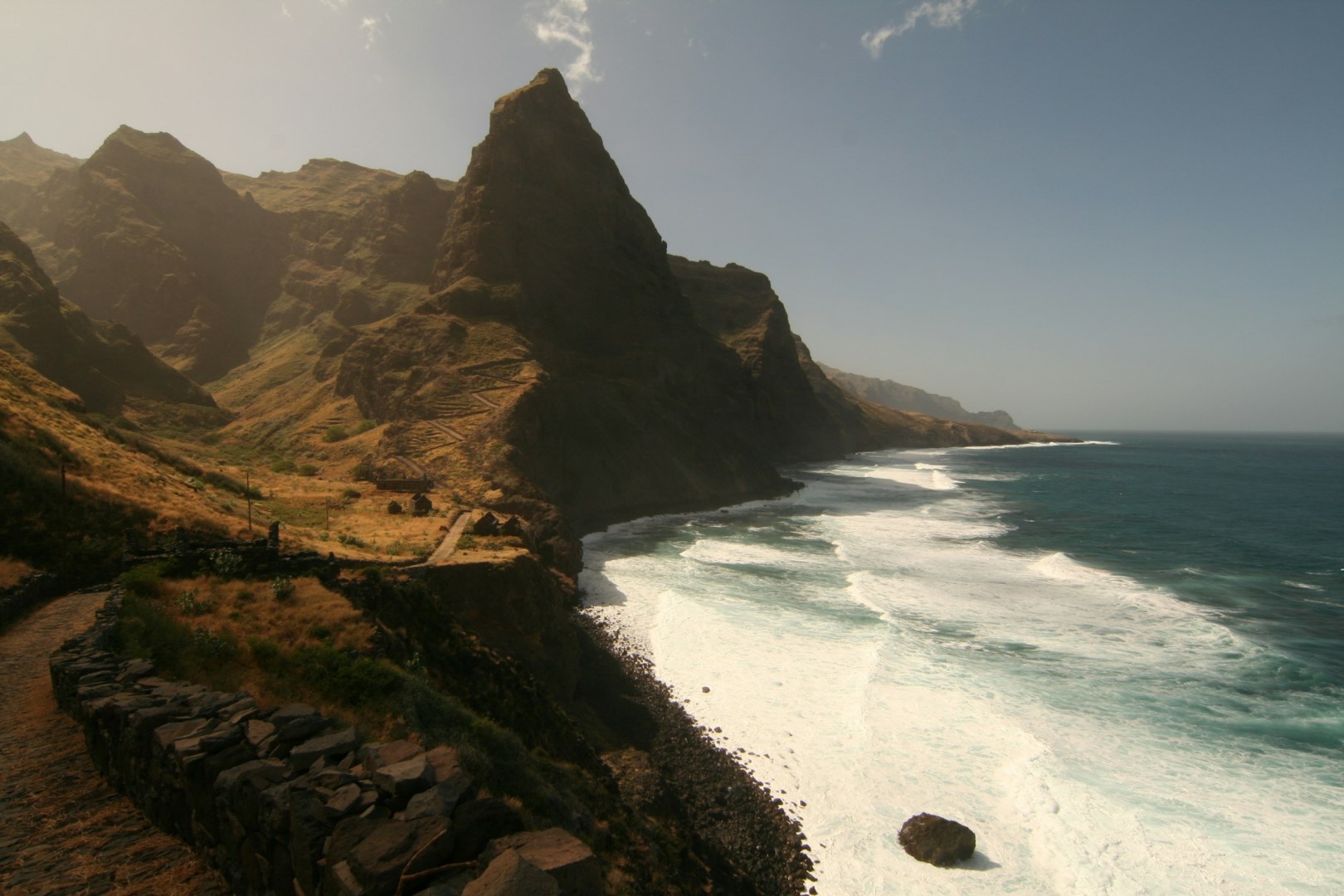
Ponta do Sol is a small coastal town on the northern shore of Santo Antão, one of Cabo Verde’s most mountainous islands. The settlement sits between steep valleys and the Atlantic Ocean, with colorful buildings clustered around narrow streets and a waterfront used by local fishermen. Its position makes it an important starting point for exploring Santo Antão’s rugged northern coast and inland valleys.
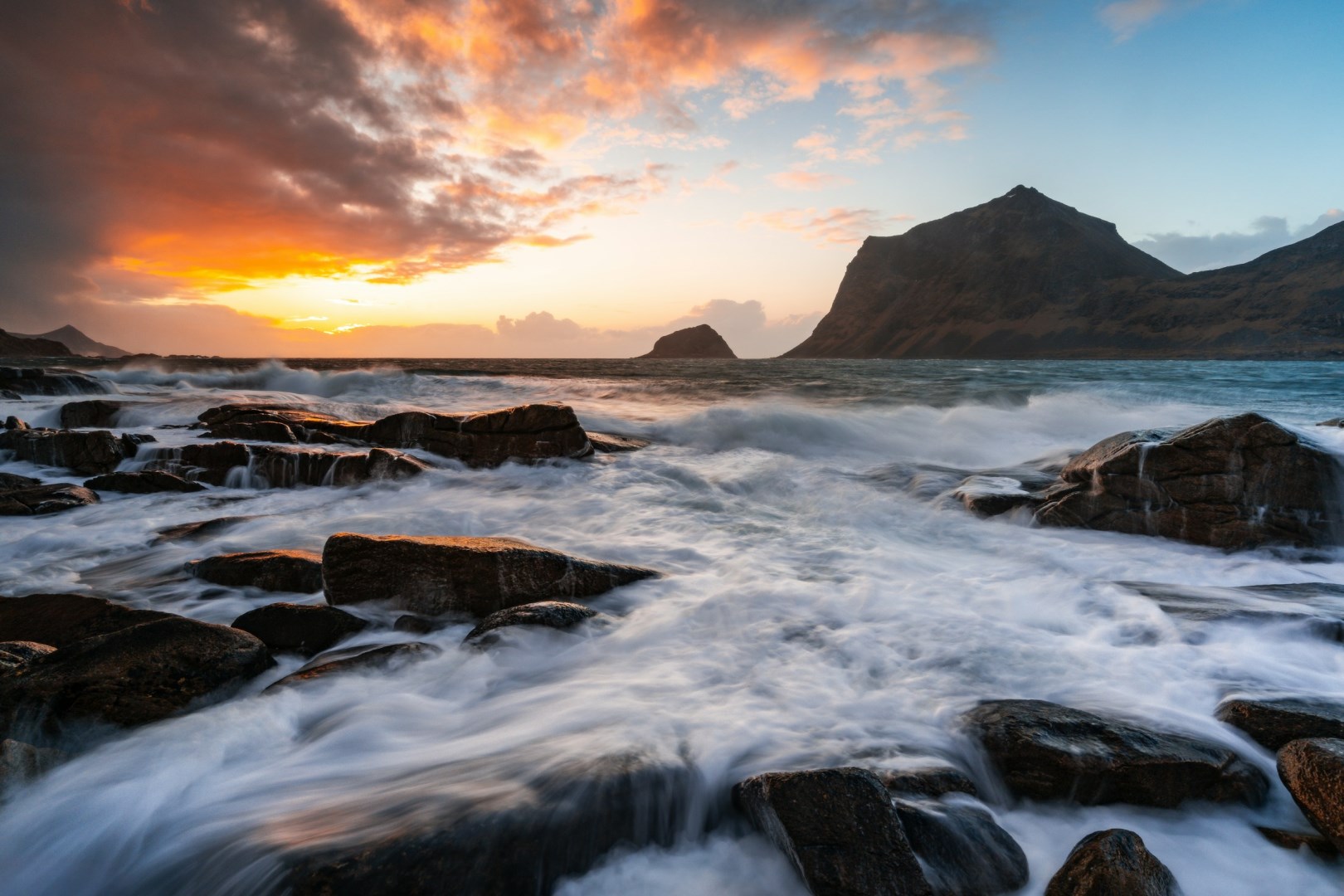
Leknes sits in the heart of Norway’s Lofoten Islands, a small town shaped more by geography than by long urban history. It developed as a regional hub for farming, fishing, and transport, serving surrounding villages spread across Vestvågøy. Rather than presenting a preserved past, Leknes reflects contemporary life in the north, practical and closely tied to seasonal rhythms.
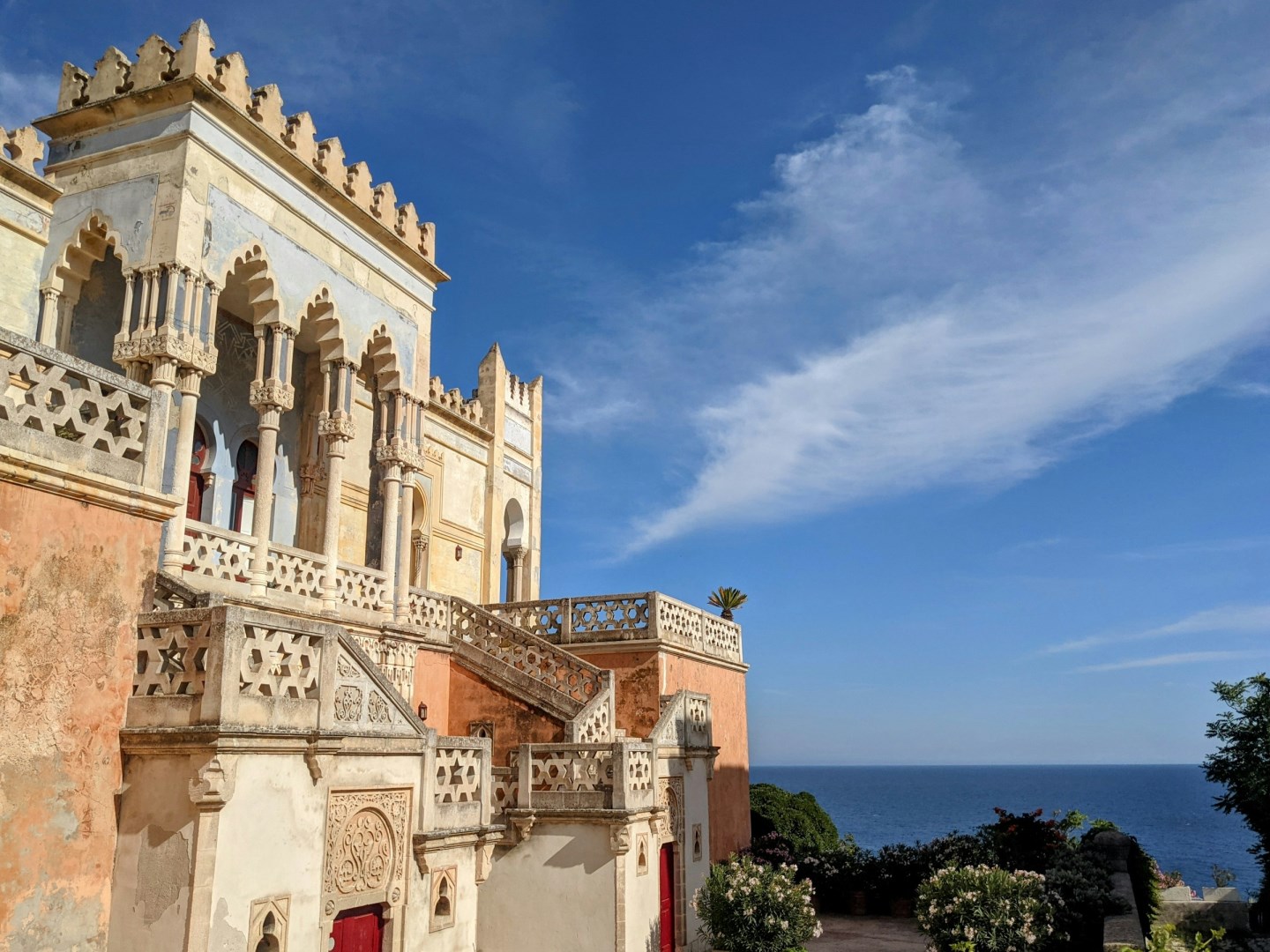
Lecce is a city in southern Puglia, at the center of the Salento peninsula, known for its historic buildings made from the region’s soft, honey-colored limestone. The old center contains elaborate churches, palaces, courtyards, and narrow streets, many decorated with carved columns, figures, floral motifs, and other details associated with Lecce Baroque. Piazza del Duomo and Piazza Sant’Oronzo form two of the city’s principal public spaces, while the Roman amphitheater remains visible at the hea
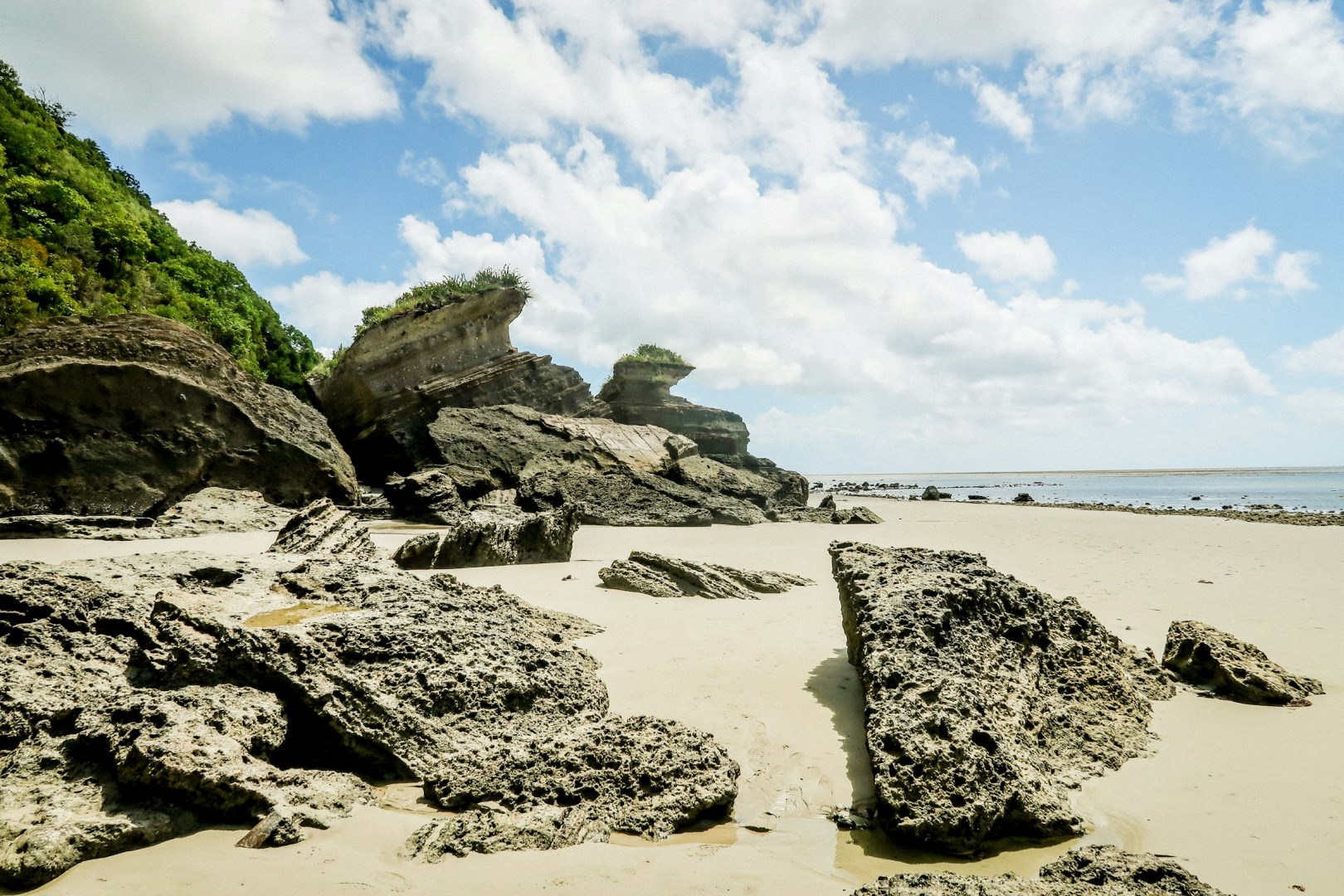
The southernmost island in the crescent-shaped Comoros archipelago. Encircled by a barrier reef, Mayotte is blessed with one of the world's perfect lagoons. In its lush forests, the fragrant yellow flowers of the ylang-ylang tree are picked to extract their perfumed oil. Against a backdrop of waterfalls and volcanic peaks on Mayotte, there is a feeling of rural tranquility.
Photo Credit: Photo by Michael Jerrard on Unsplash
Photo Credit: Photo by Dylan Shaw on Unsplash
Photo Credit: Photo by Marcela Baca on Unsplash
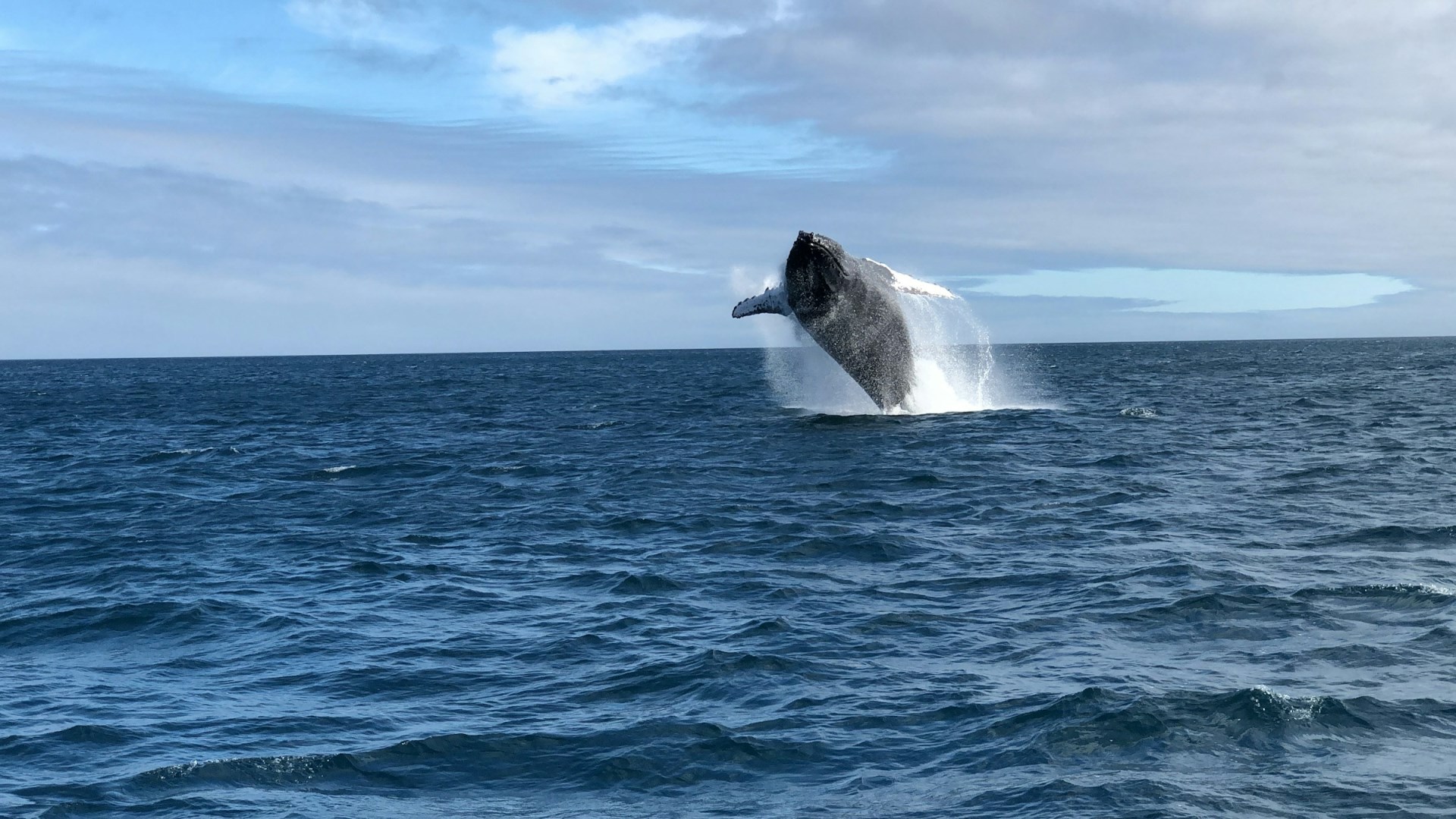
Whale
Photo Credit: Photo by Bryan Thompson on Unsplash
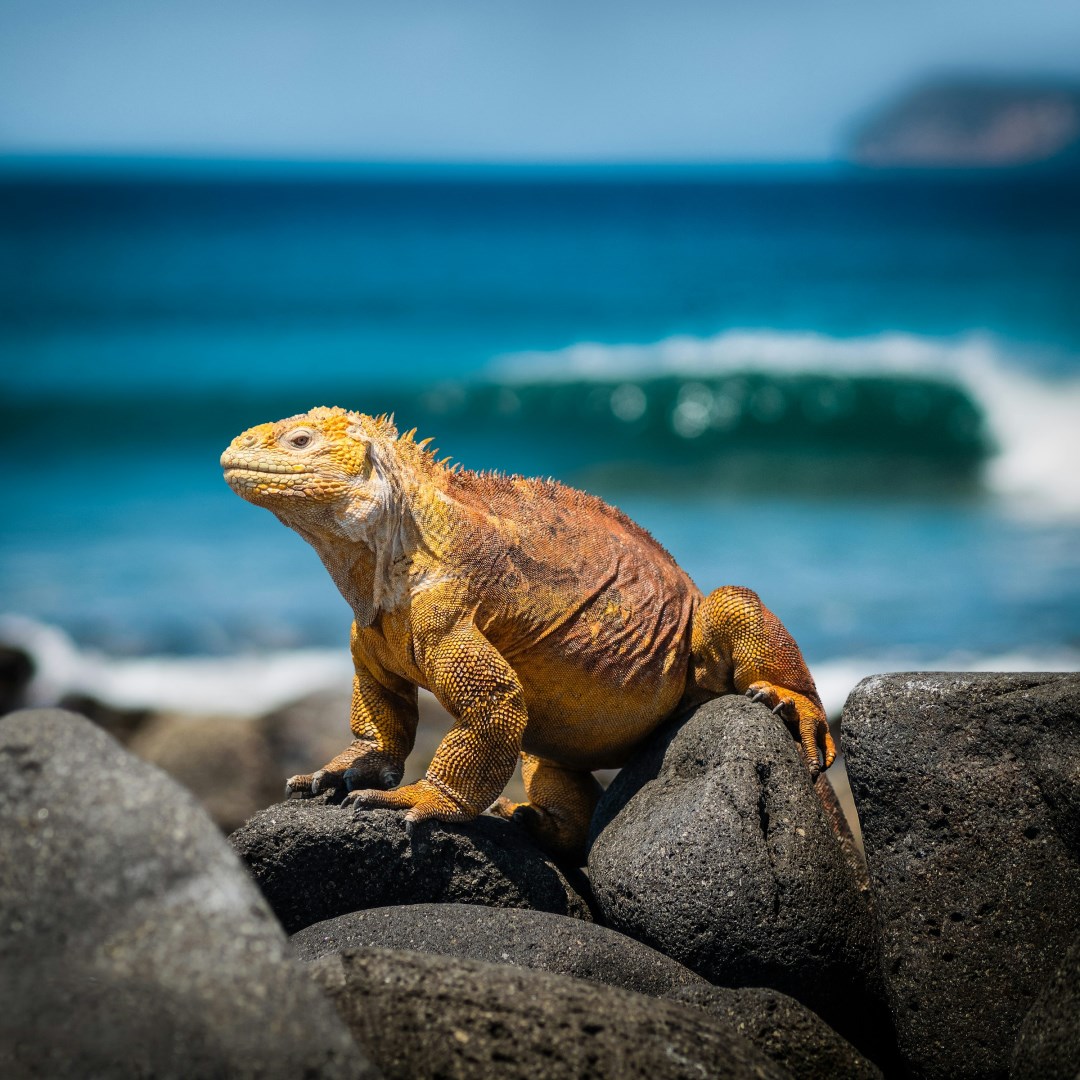
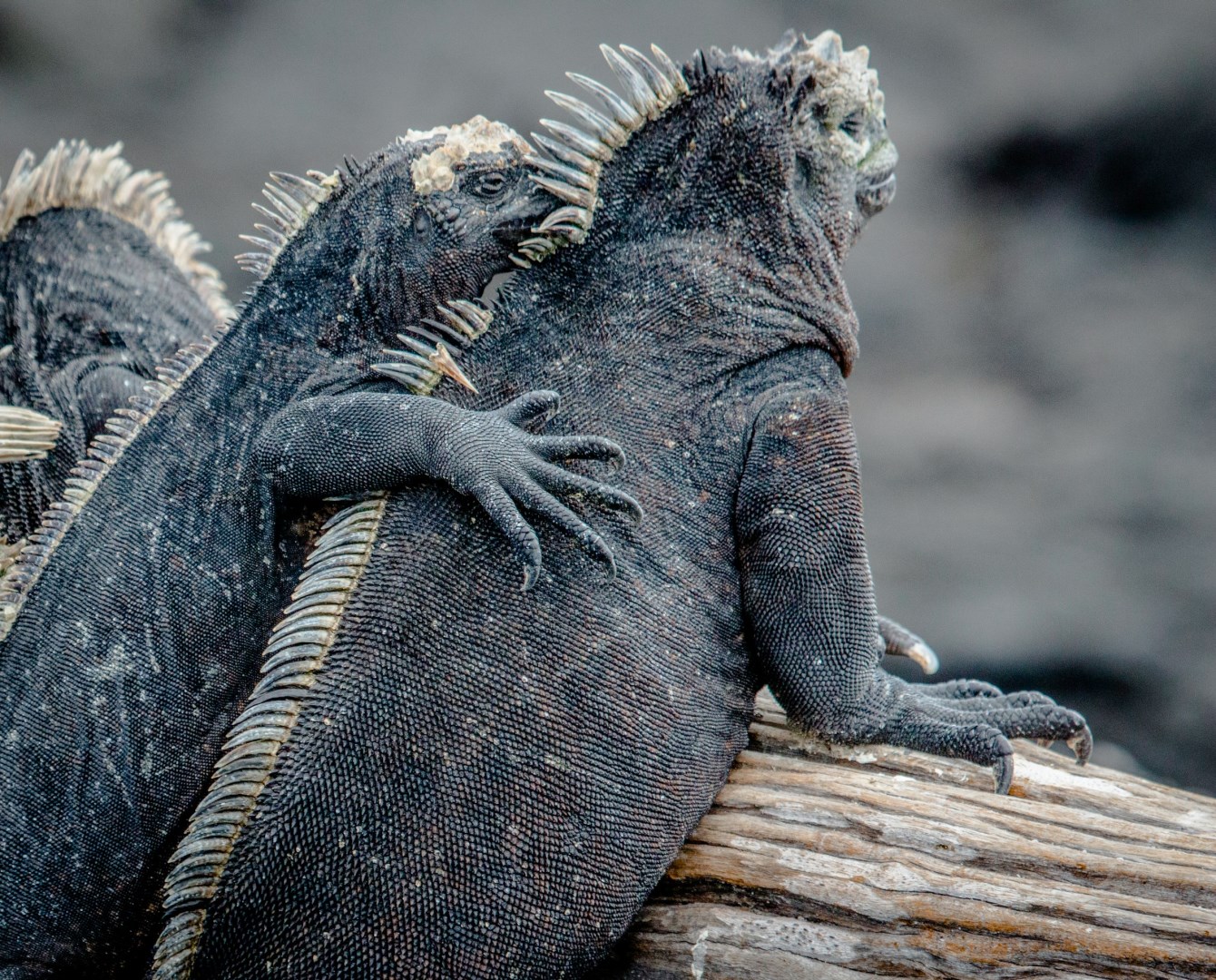
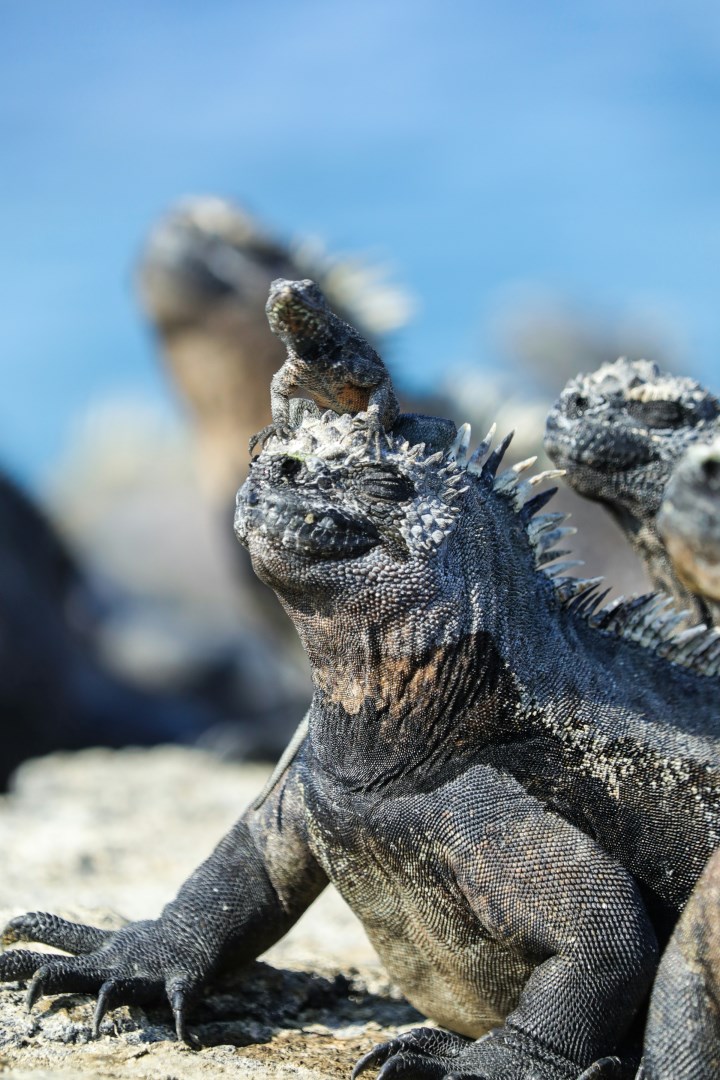
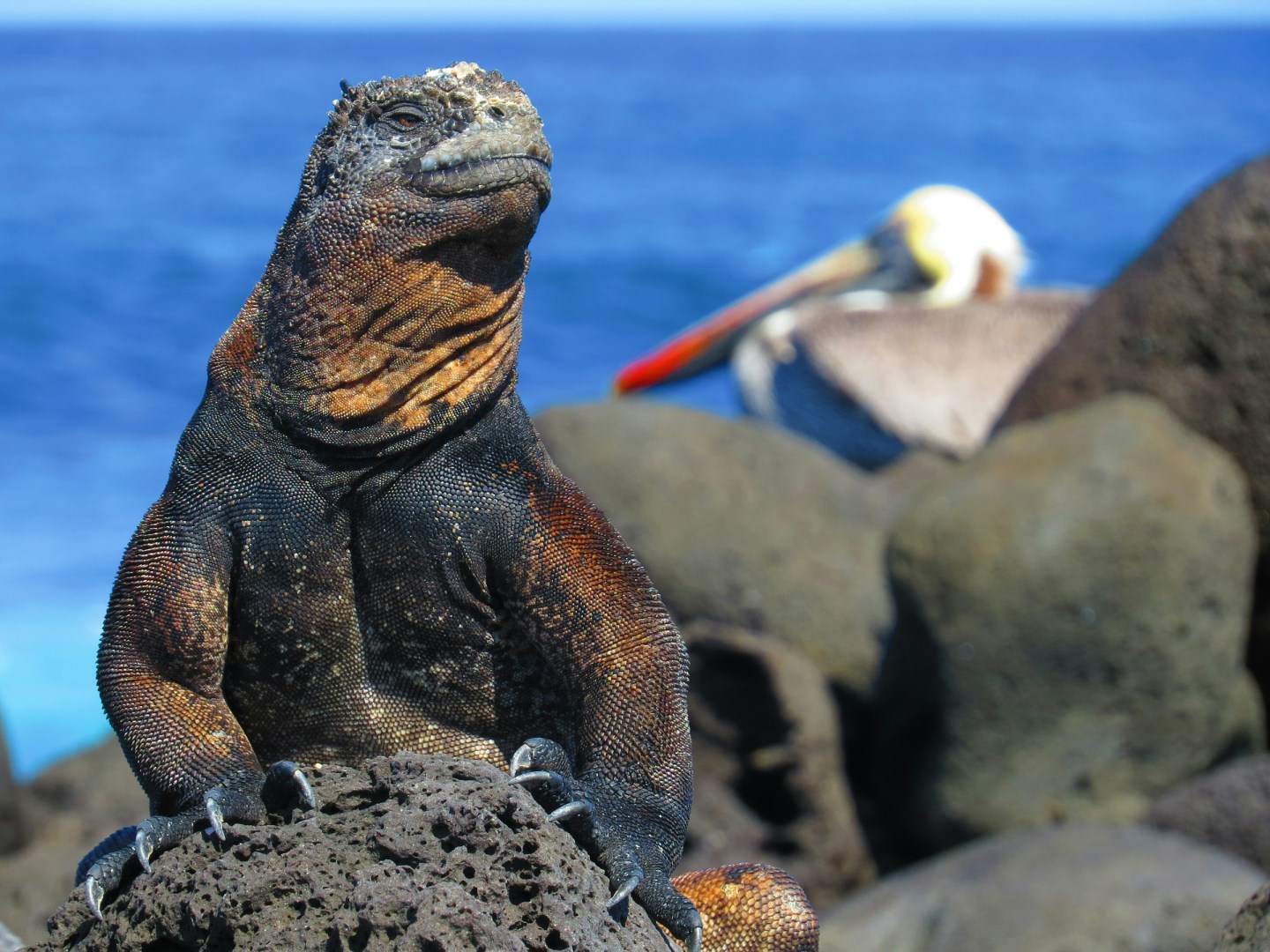
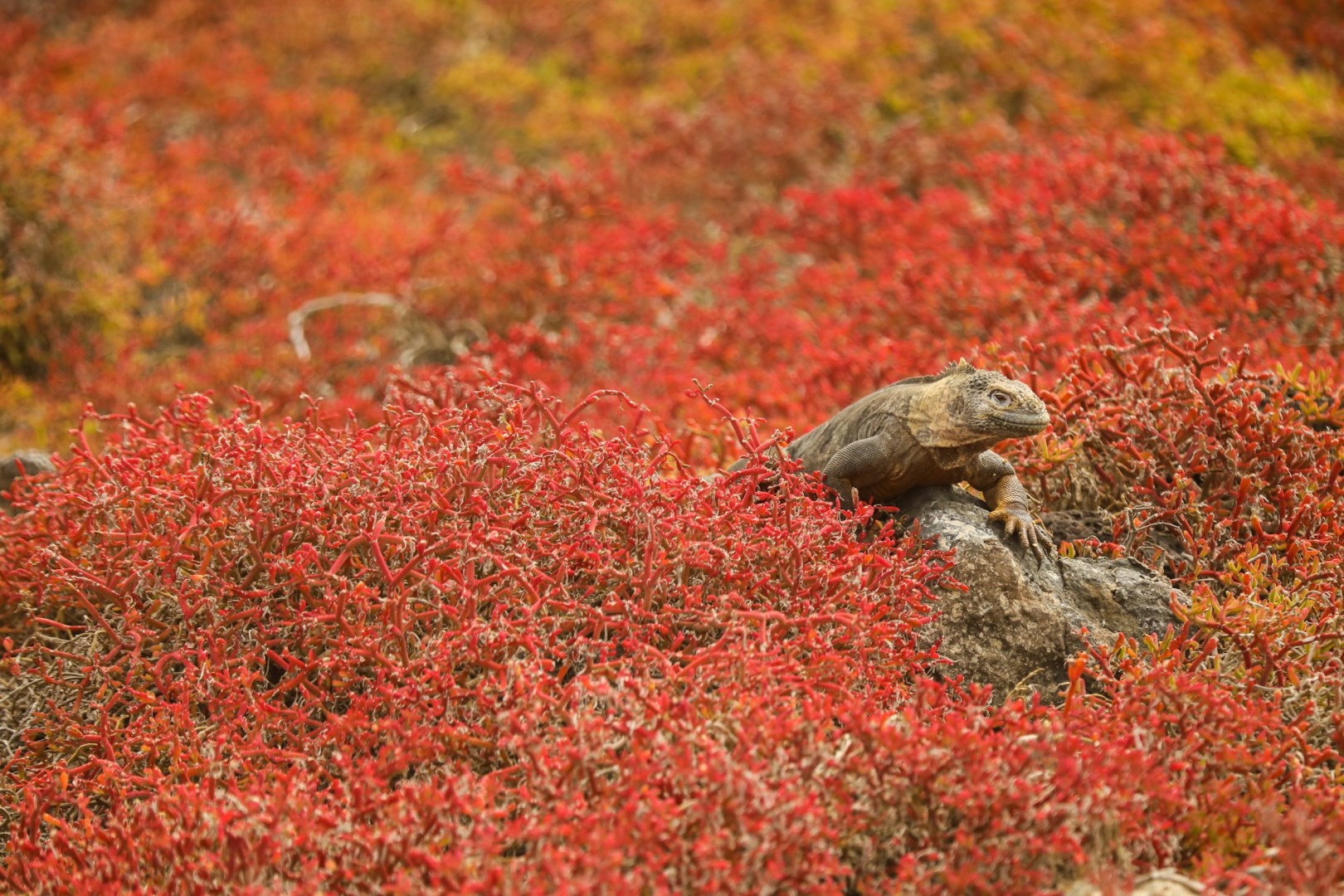
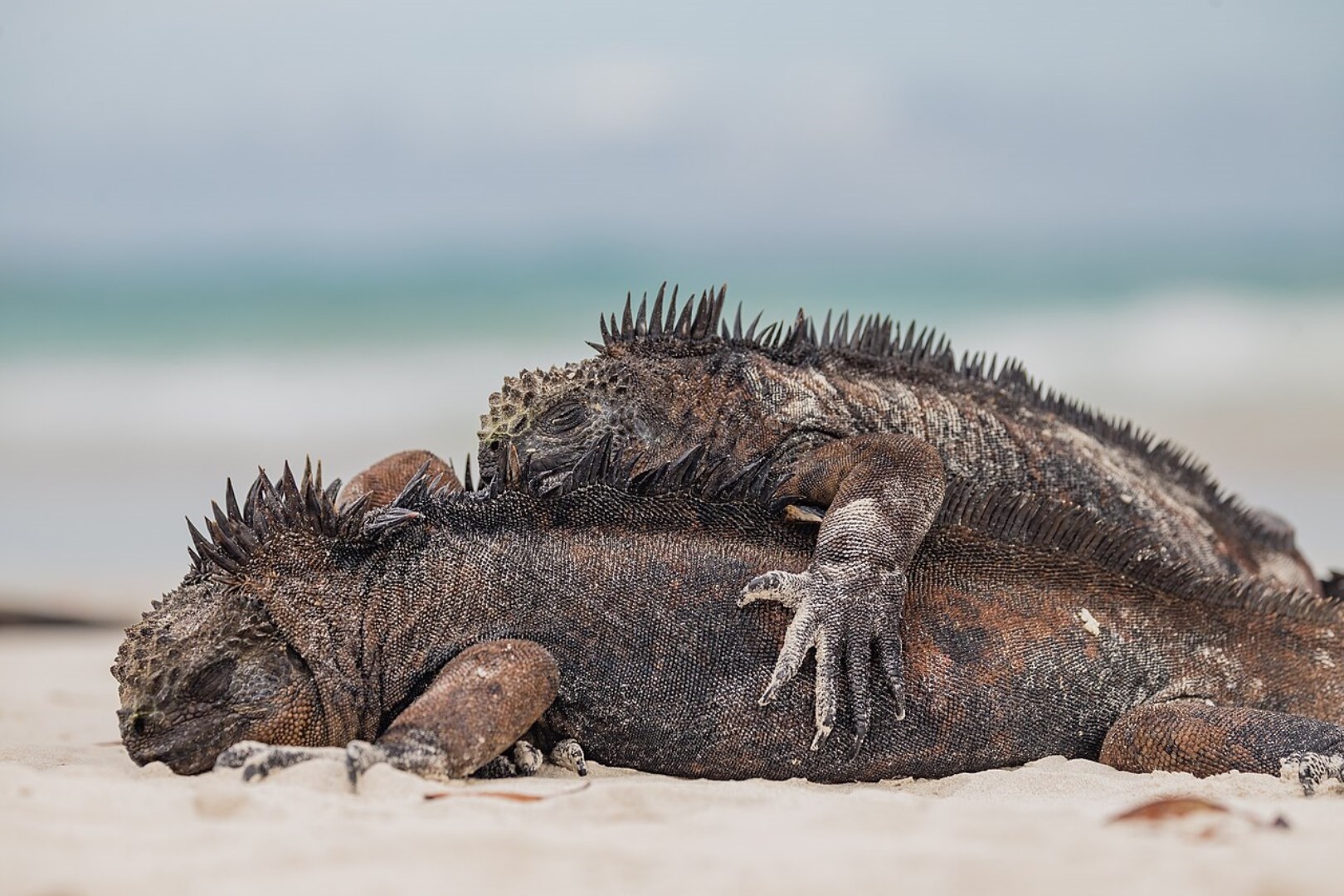
Iguana
Photo Credit: Photo by Dylan Shaw on Unsplash
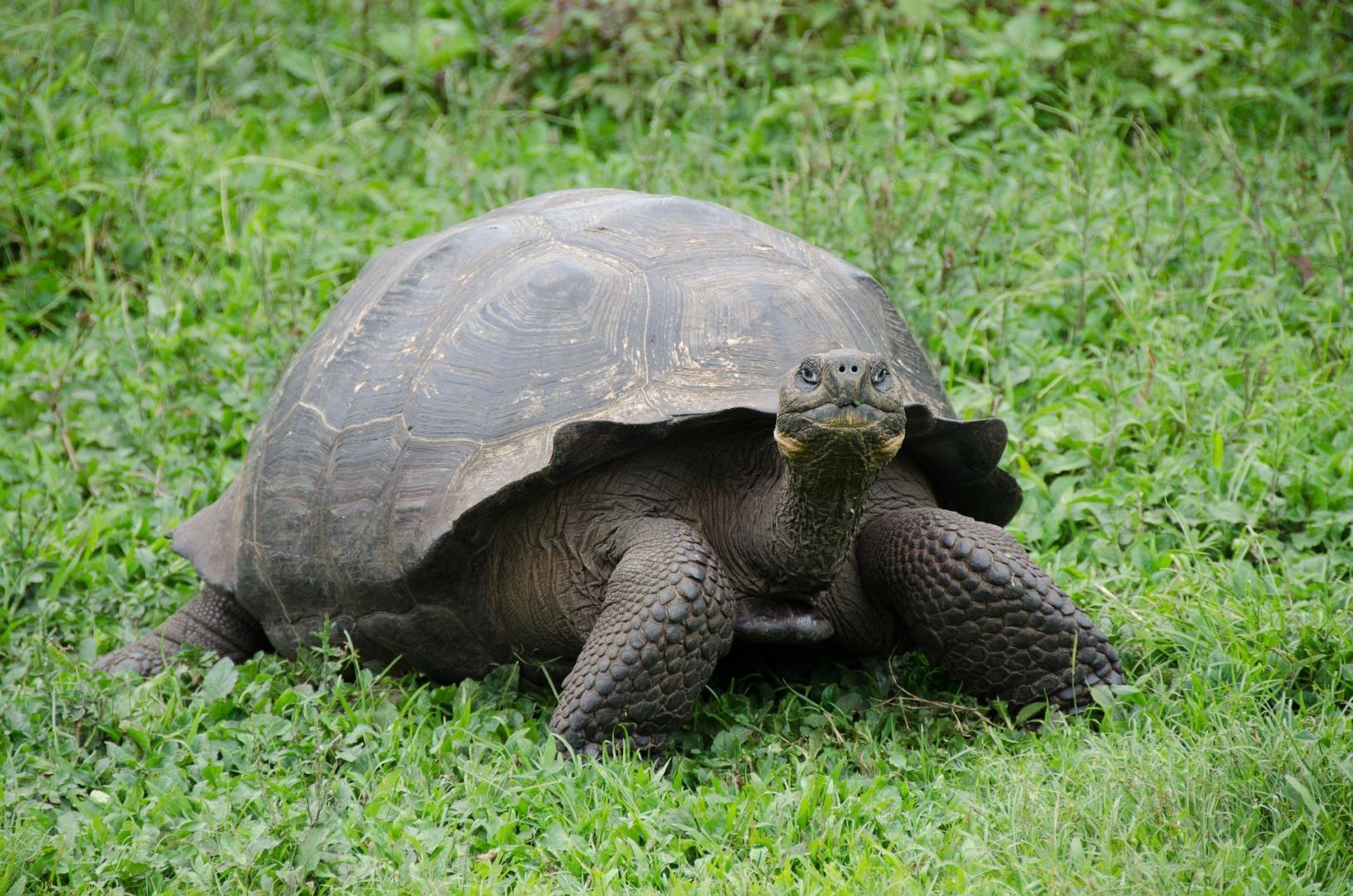
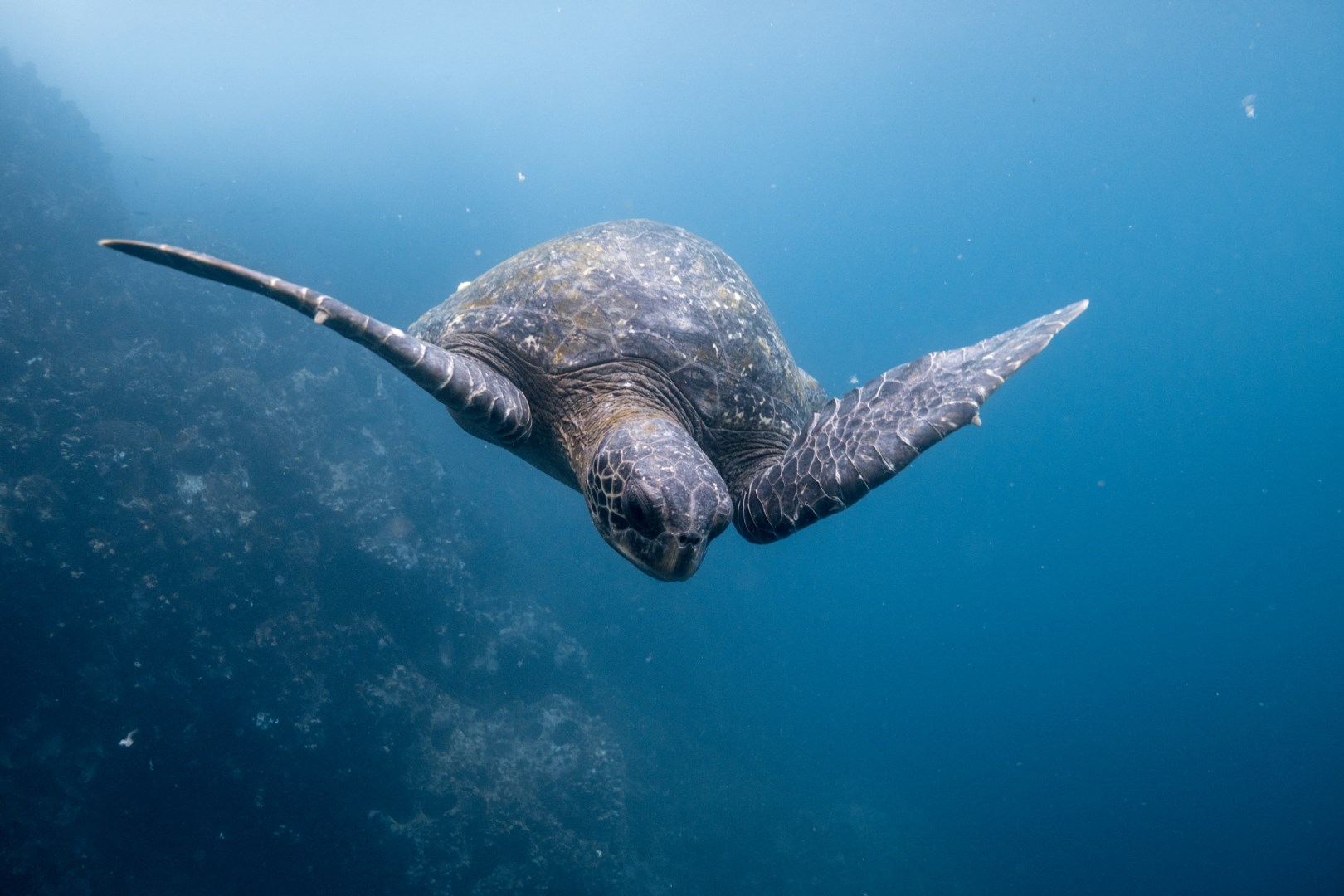
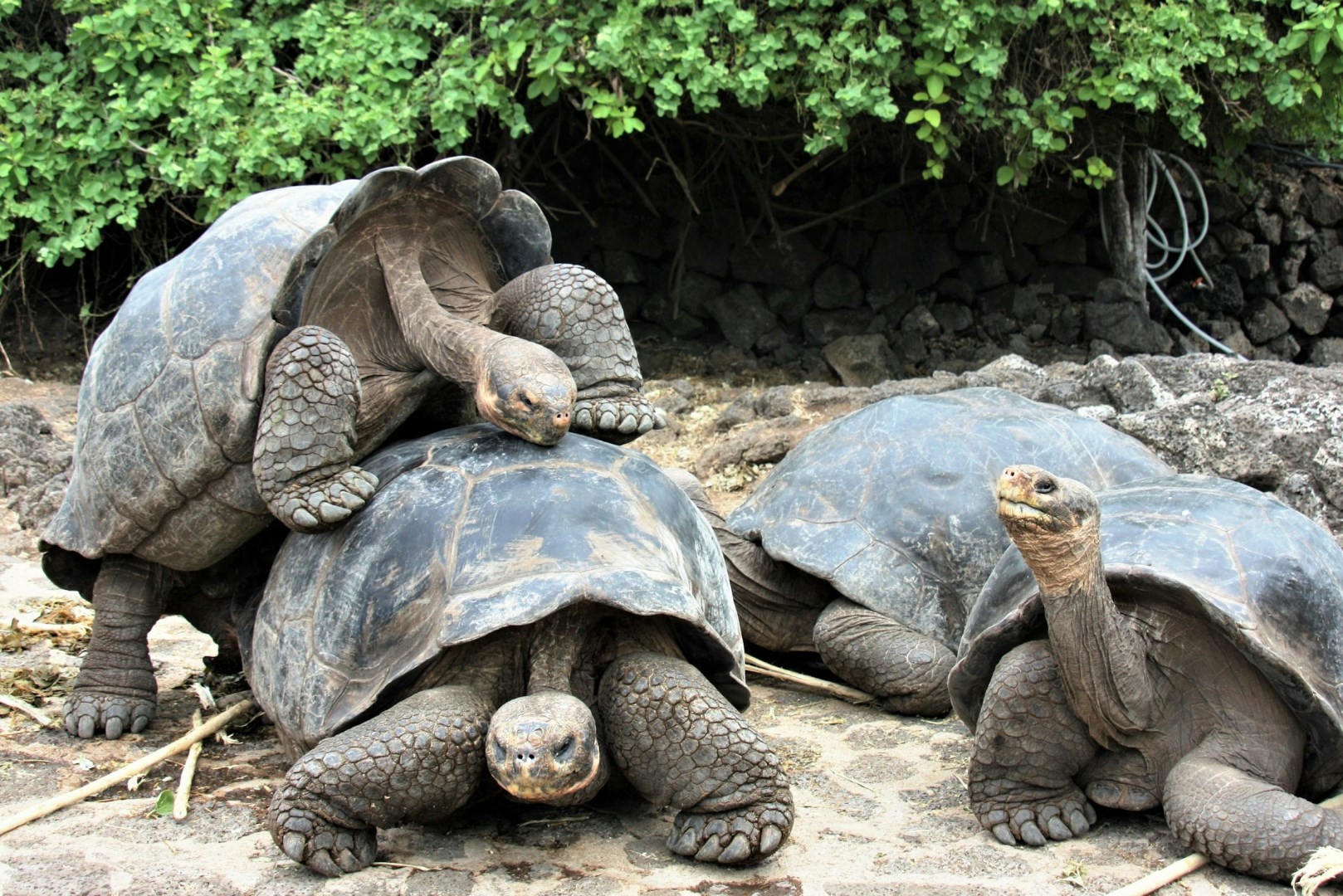
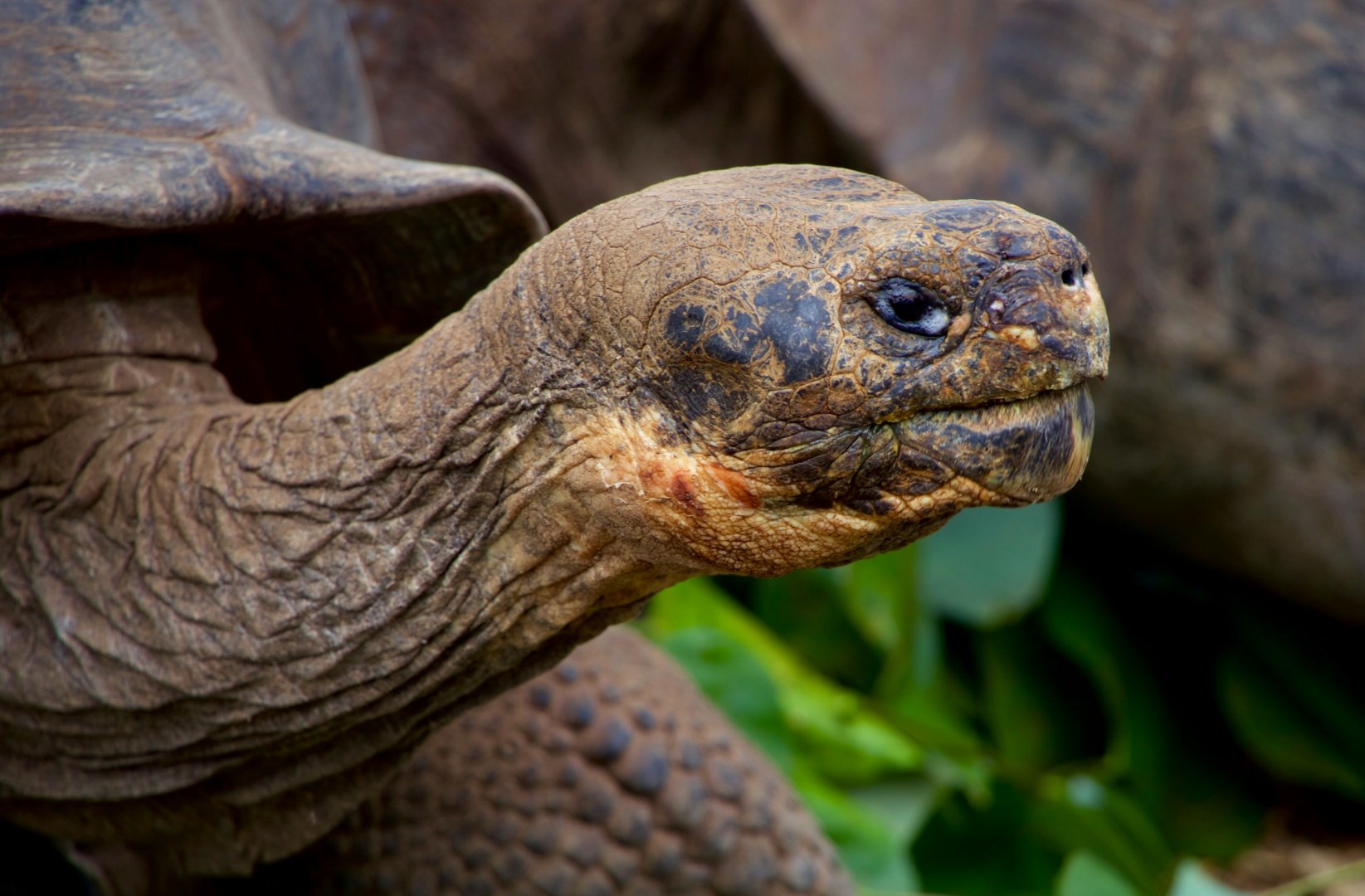
Galapagos Tortoise
Photo Credit: Photo by Magdalena Kula Manchee on Unsplash
Photo Credit: Photo by Heidi Bruce on Unsplash
Photo Credit: Photo by Sofia on Unsplash
Photo Credit: Photo by The Official CTBTO Photostream on Wikimedia
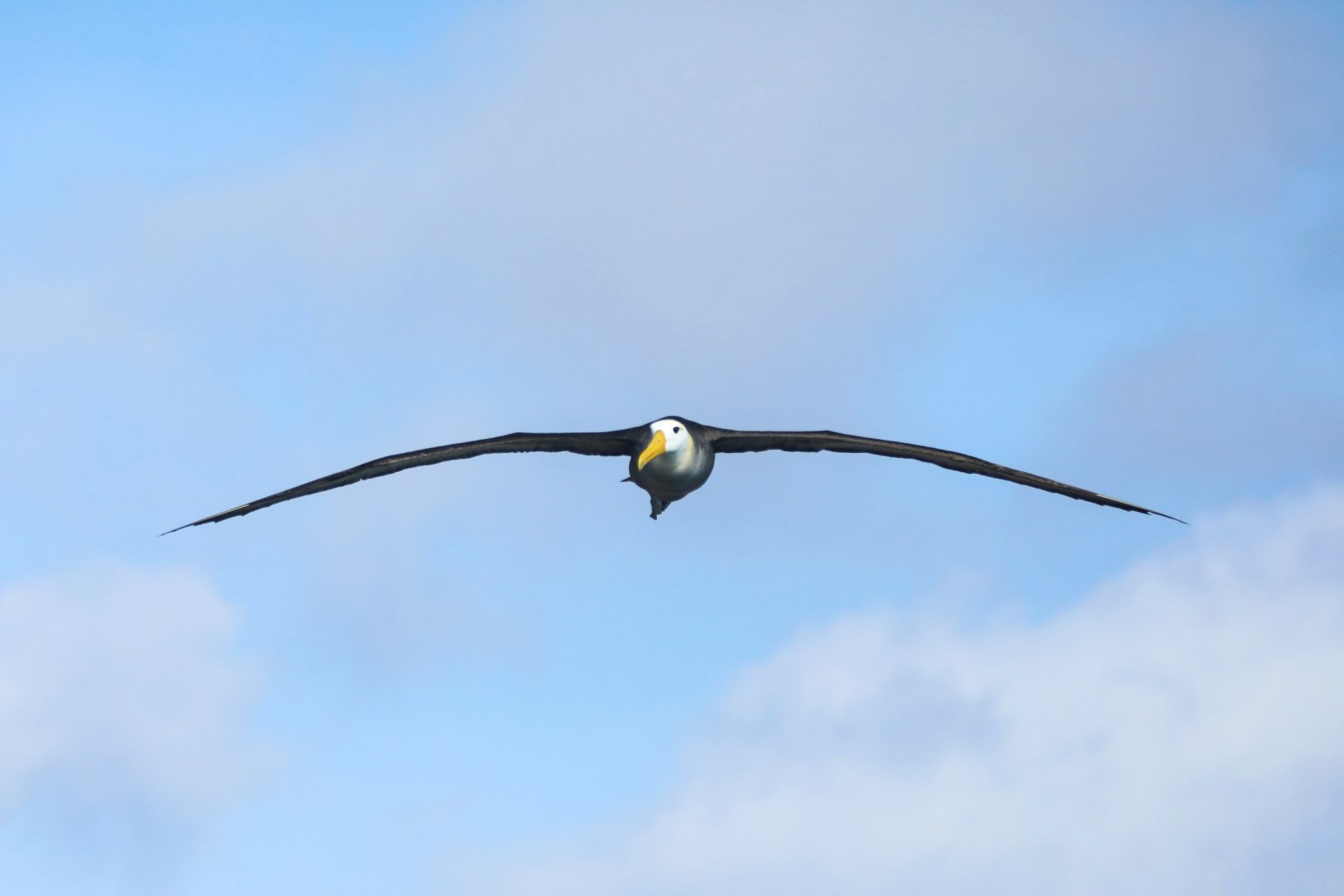
Albatross in flight
Photo Credit: Photo by Dylan Shaw on Unsplash
Photo Credit: Photo by Heidi Bruce on Unsplash
Photo Credit: Photo by Emma on Unsplash
Photo Credit: Photo by Claus Giering on Unsplash
Photo Credit: Photo by Sofia on Unsplash
Photo Credit: Photo by Mac Gaither on Unsplash
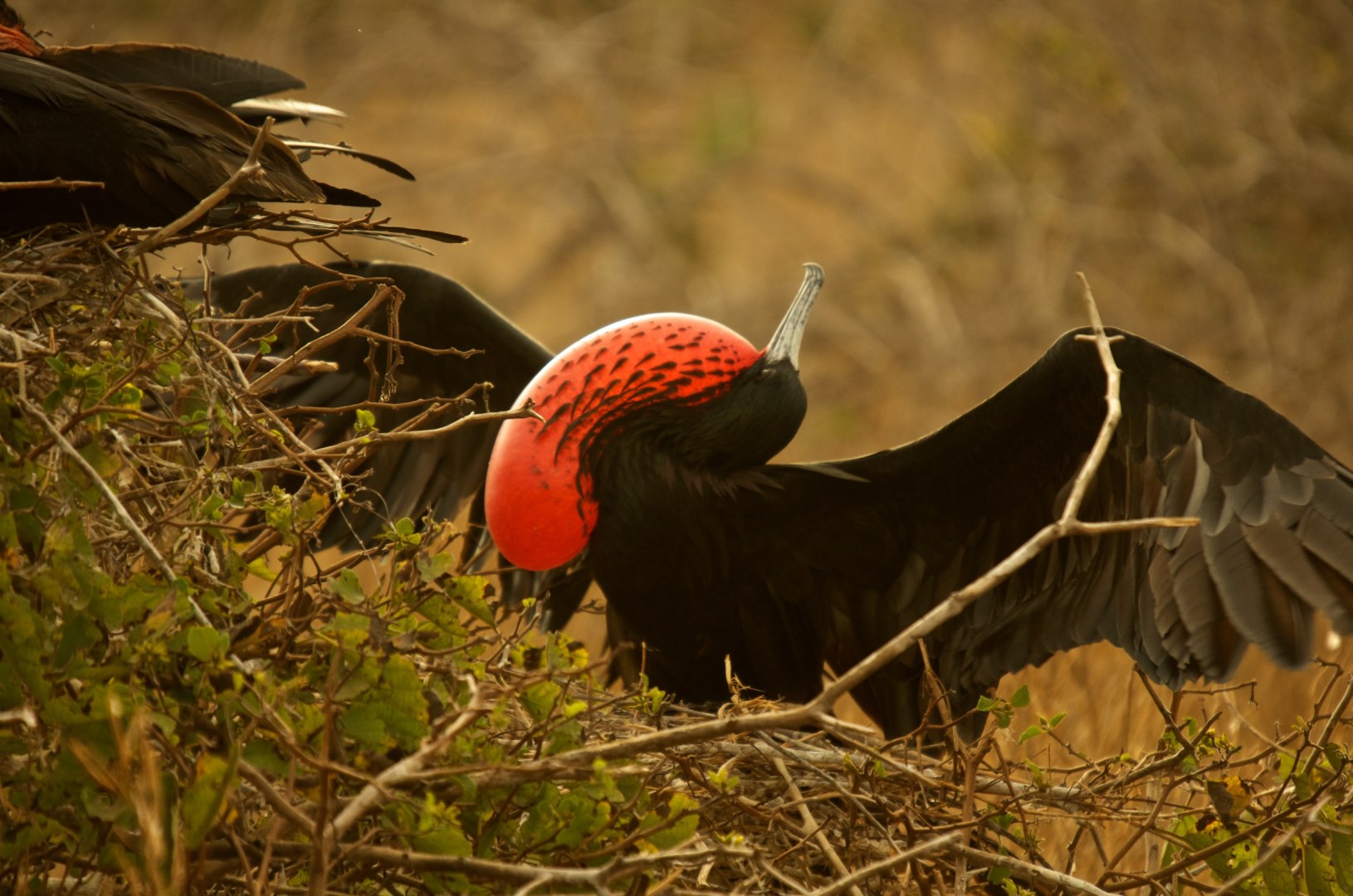
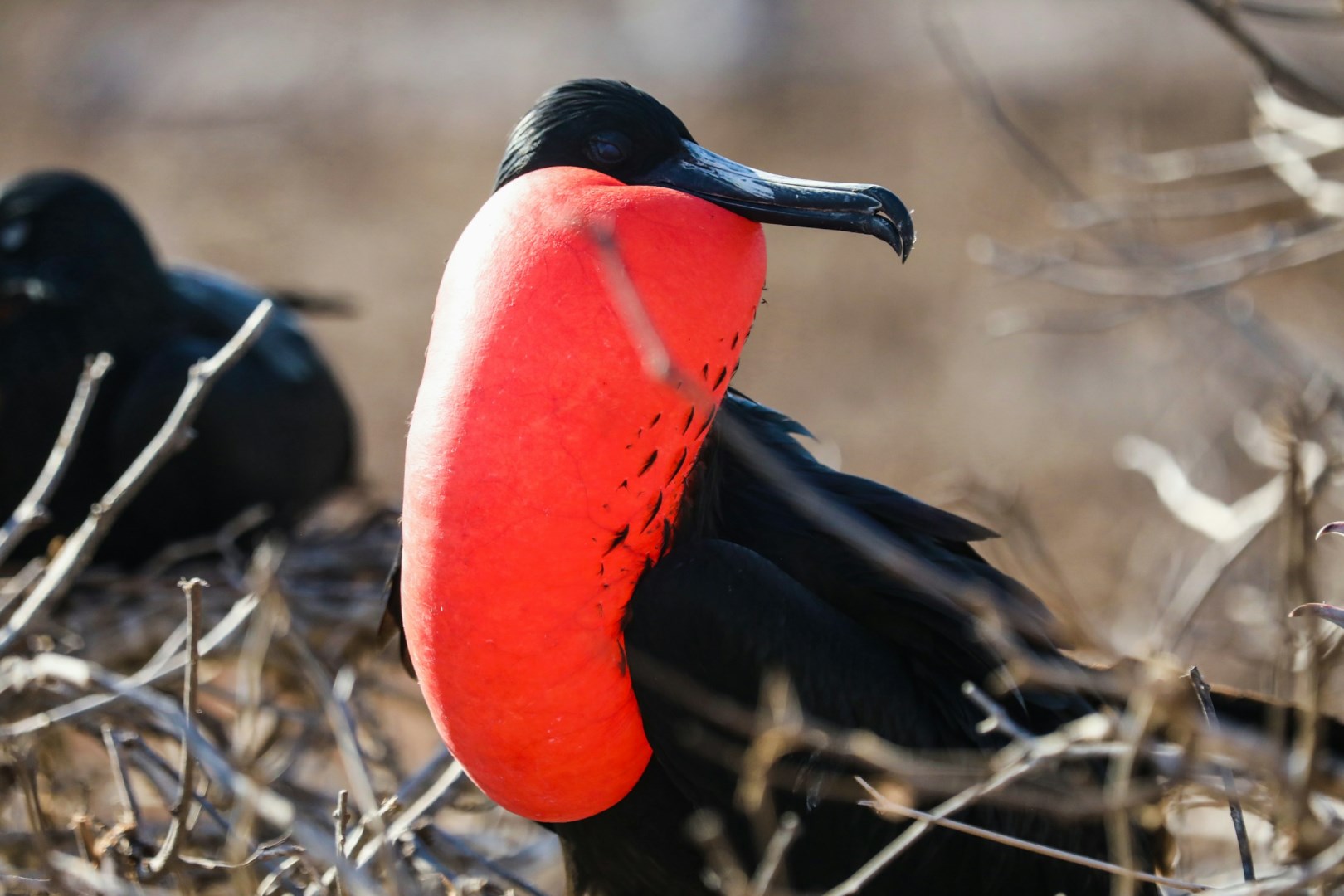
A male Magnificent Frigatebird
Photo Credit: Photo by Andrew Turneron Wikimedia
Photo Credit: Photo by Lieutenant Elizabeth Crapo, NOAA Corps. Wikimedia
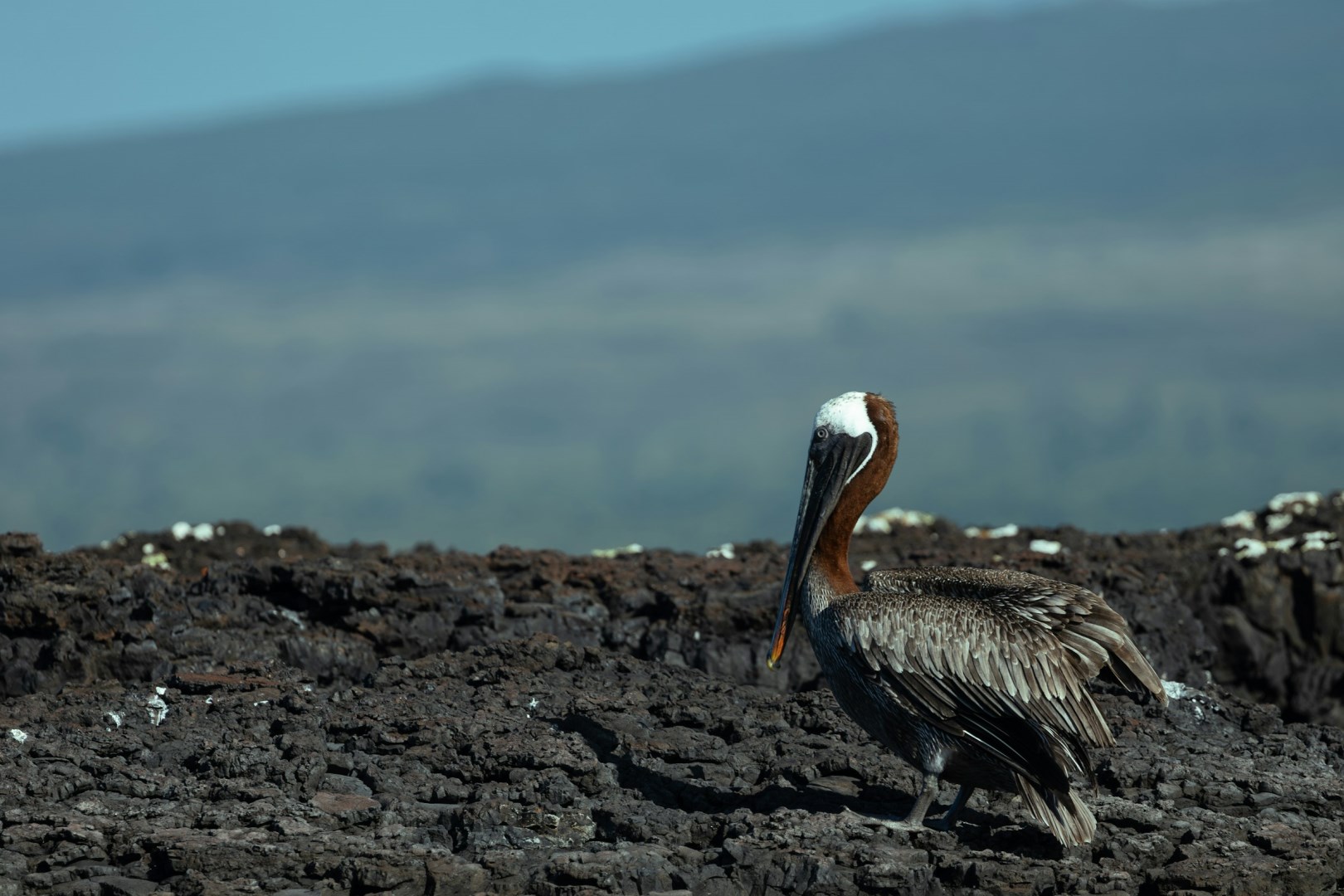
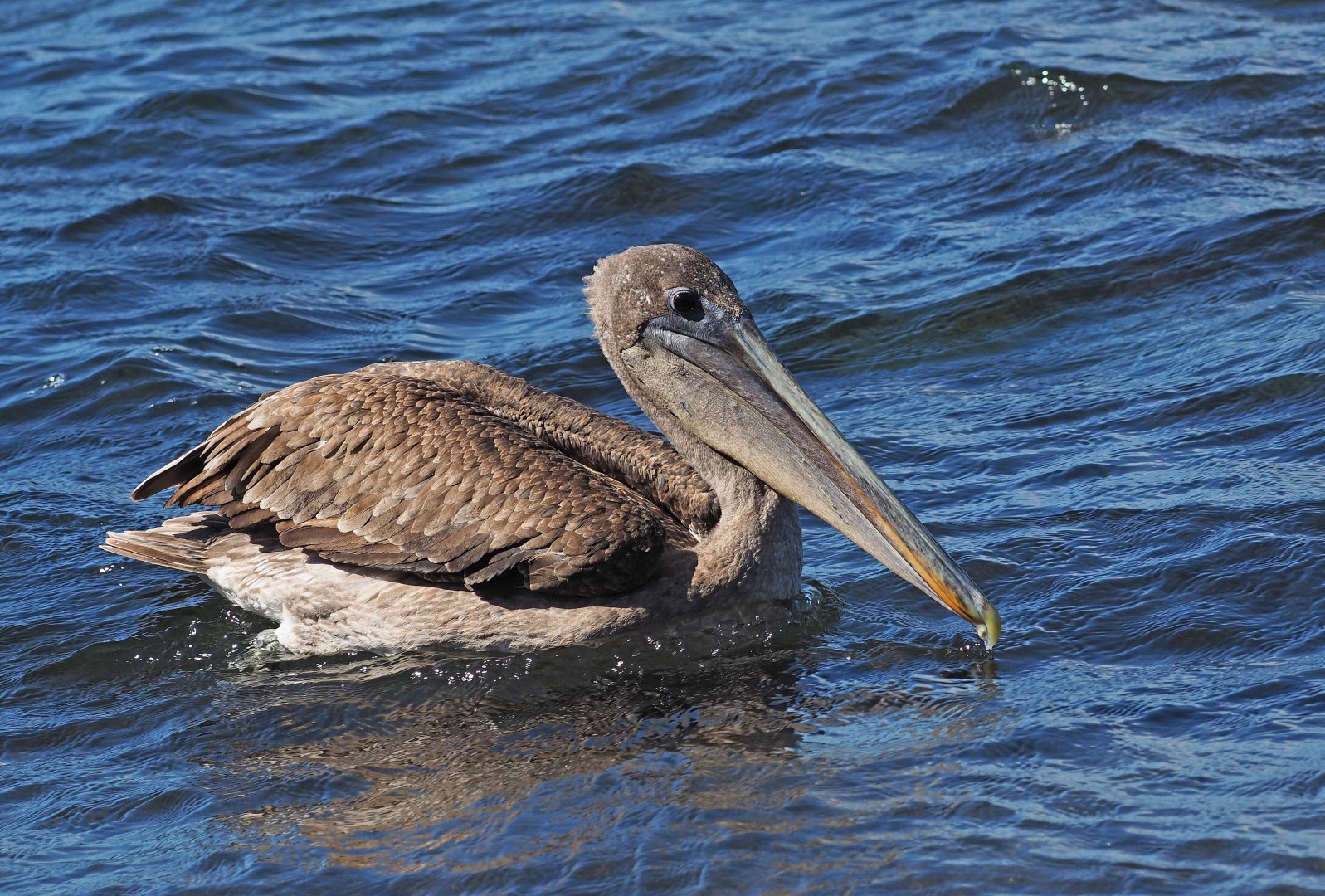
Galapagos Brown Pelican - Pelecanus occidentalis urinator
Photo Credit: Photo by Judy Gallagher from Wikimedia
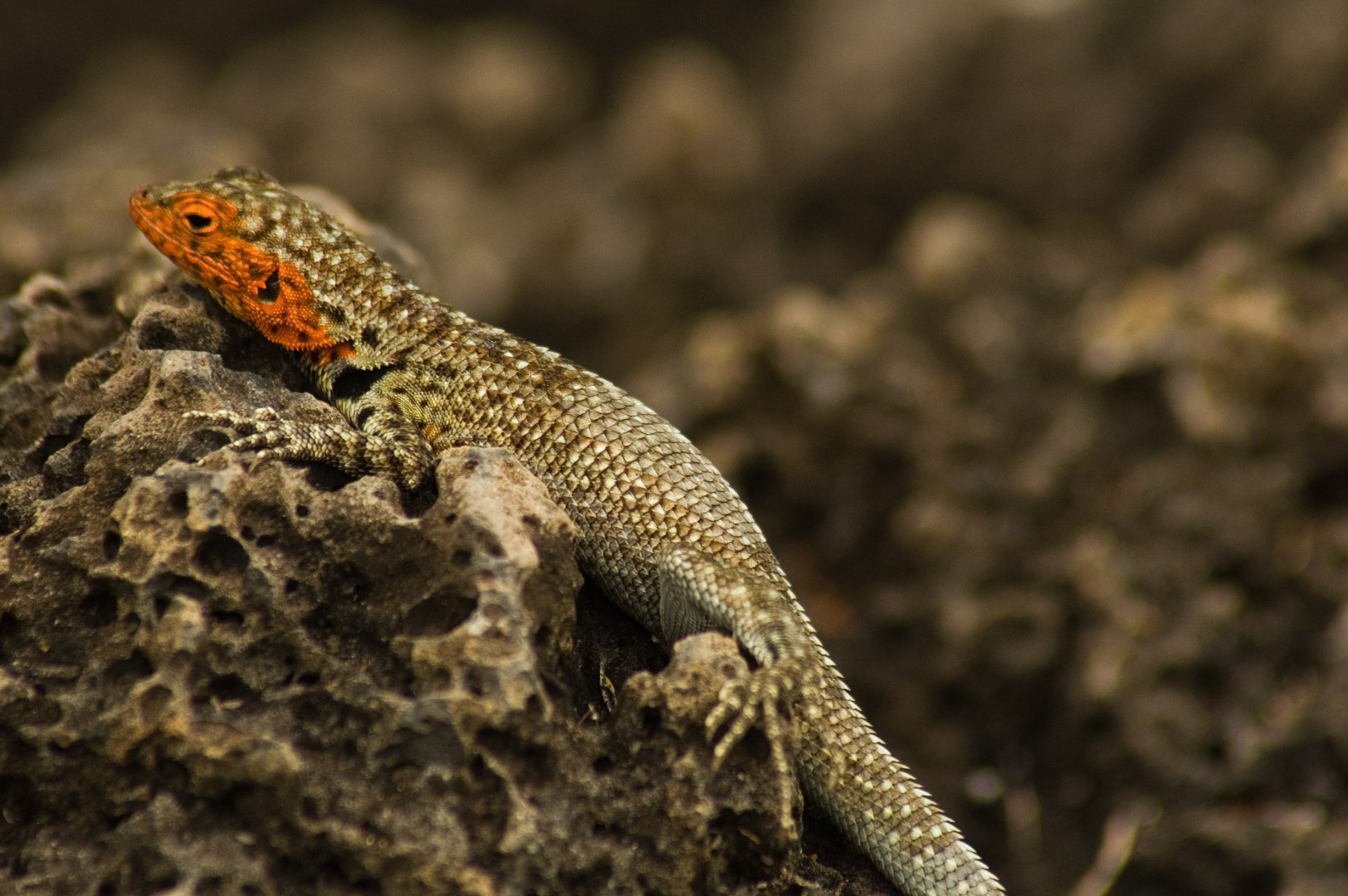
Galápagos lava lizard
Photo Credit: Photo by Peter Wilto from Wikimedia
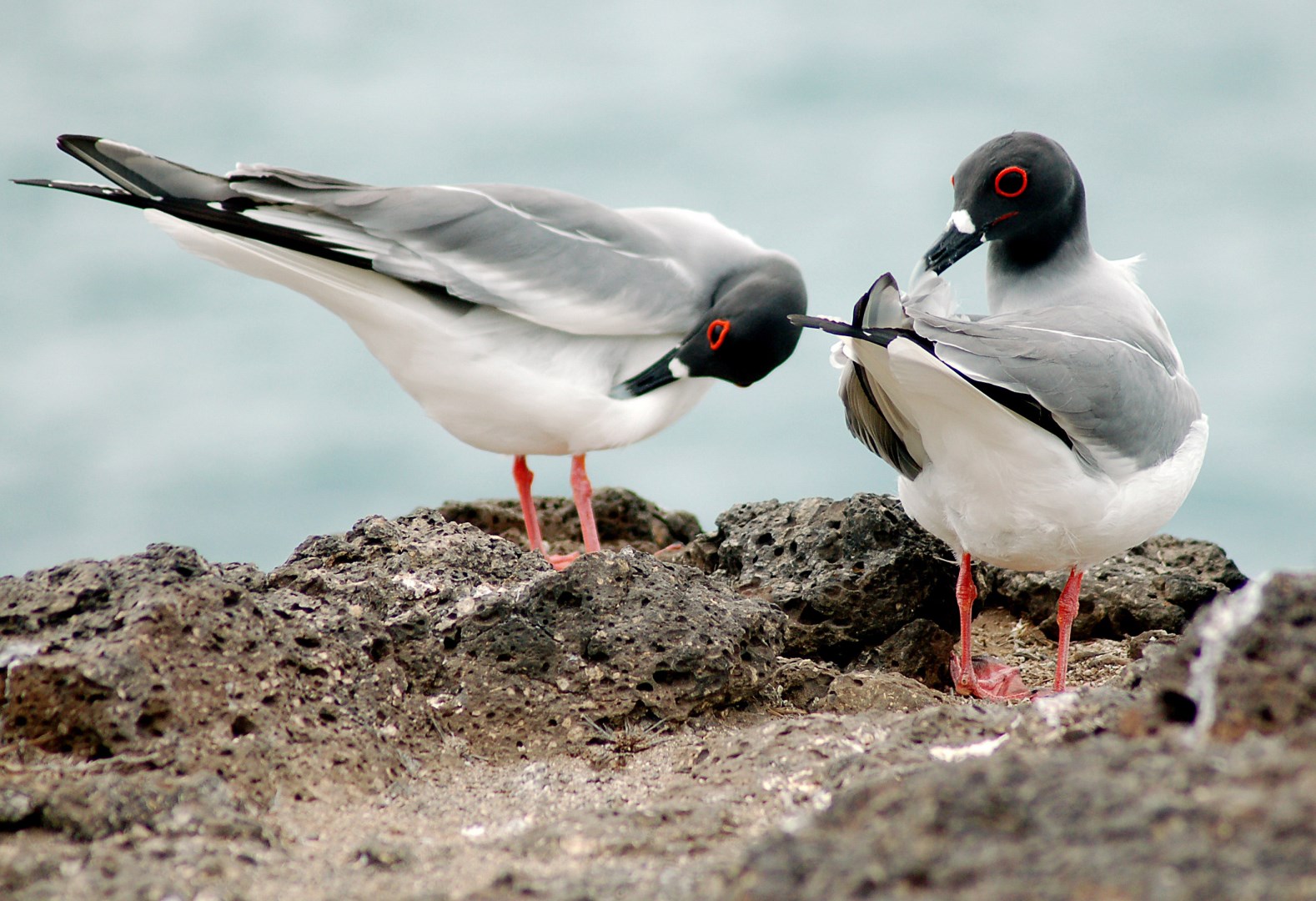
Swallow-tailed Gulls
Photo Credit: Photo by suecan1 from Wikimedia
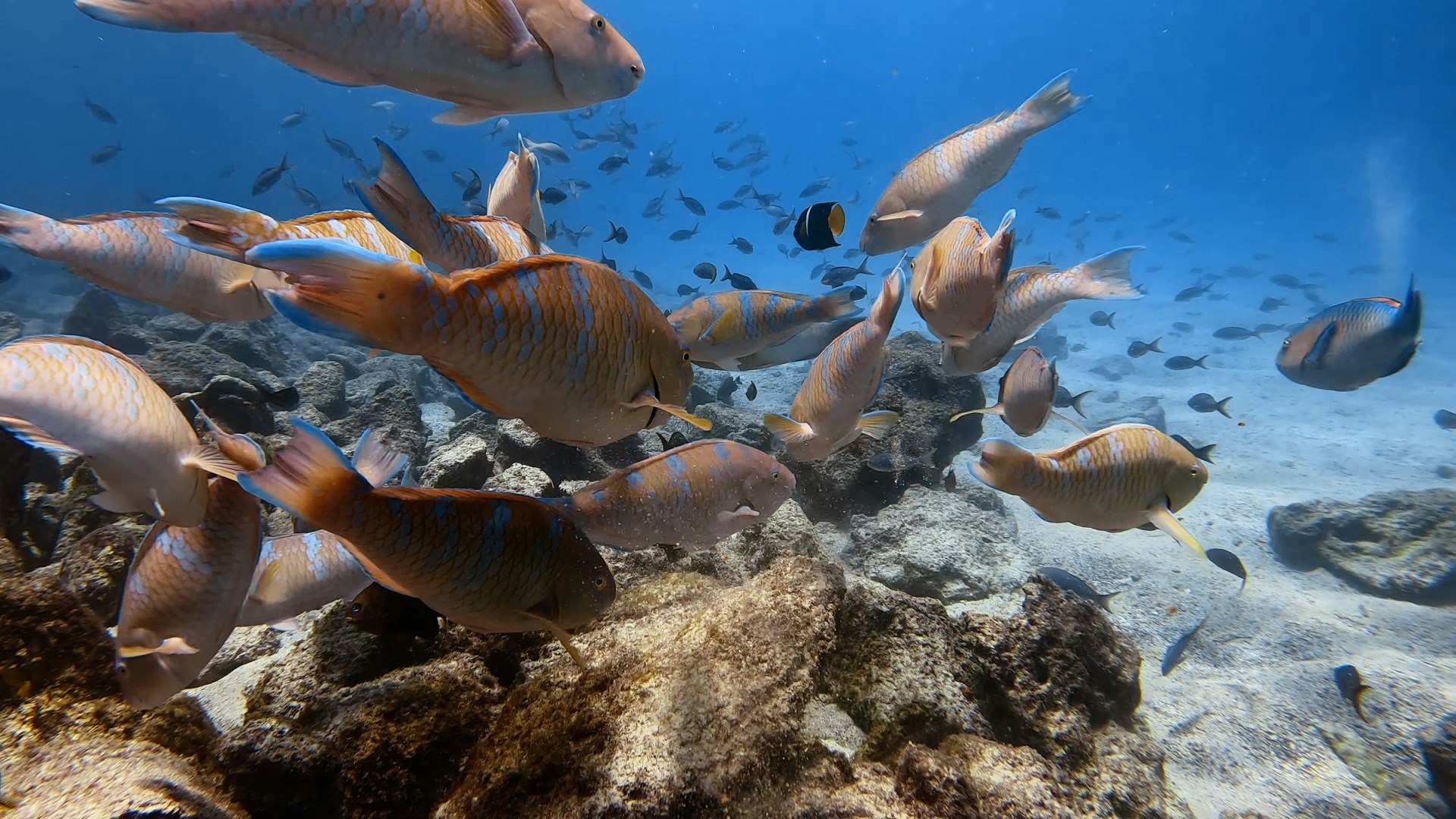
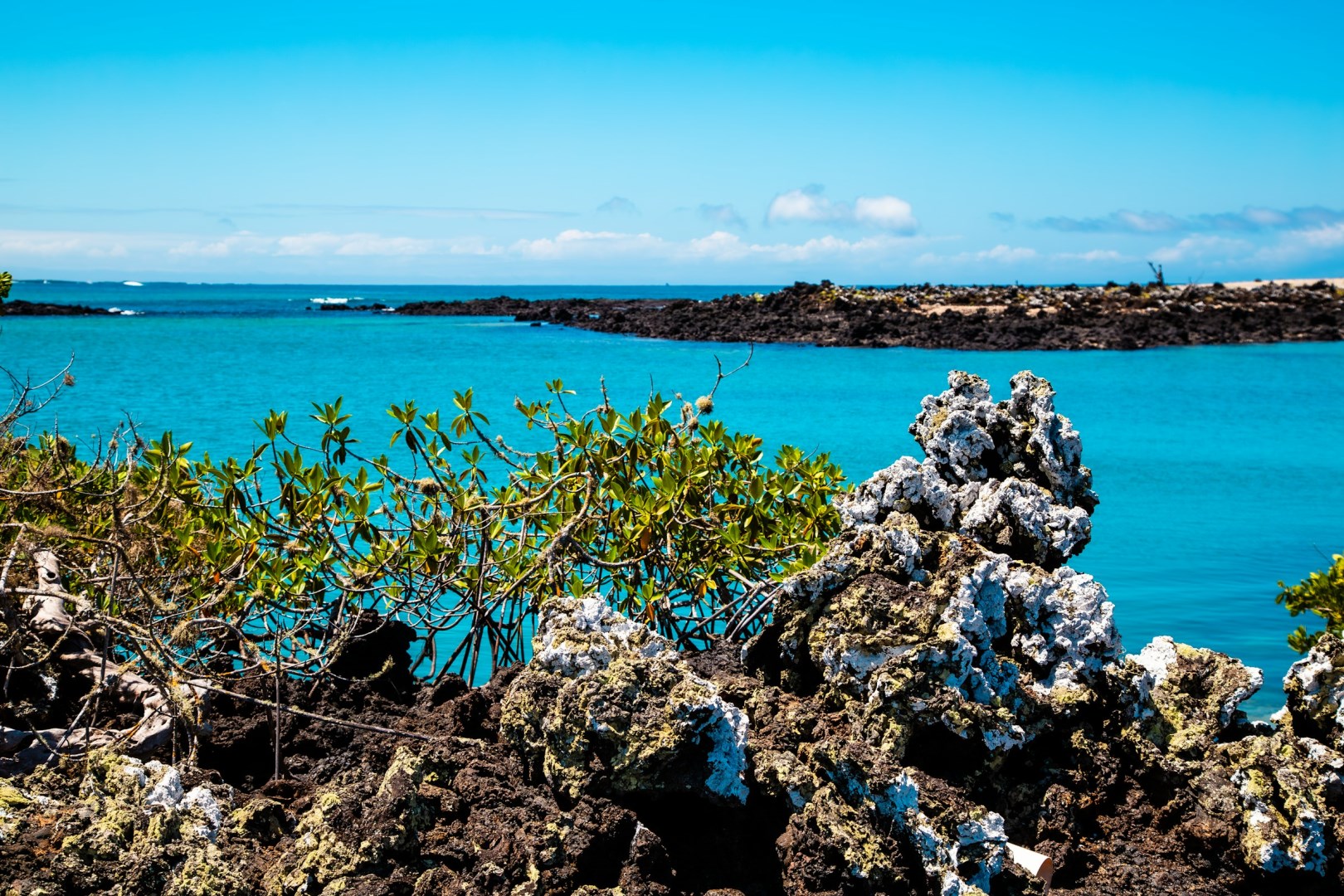
Off the coast of Ecuador, the iconic and biodiverse Galápagos Islands, made famous by Charles Darwin’s nineteenth-century research expeditions on HMS Beagle, beckon you. This glittering archipelago, surrounded by vivid turquoise waves, abounds with stunning beaches and spectacular wildlife, perfect for the adventurous traveler.
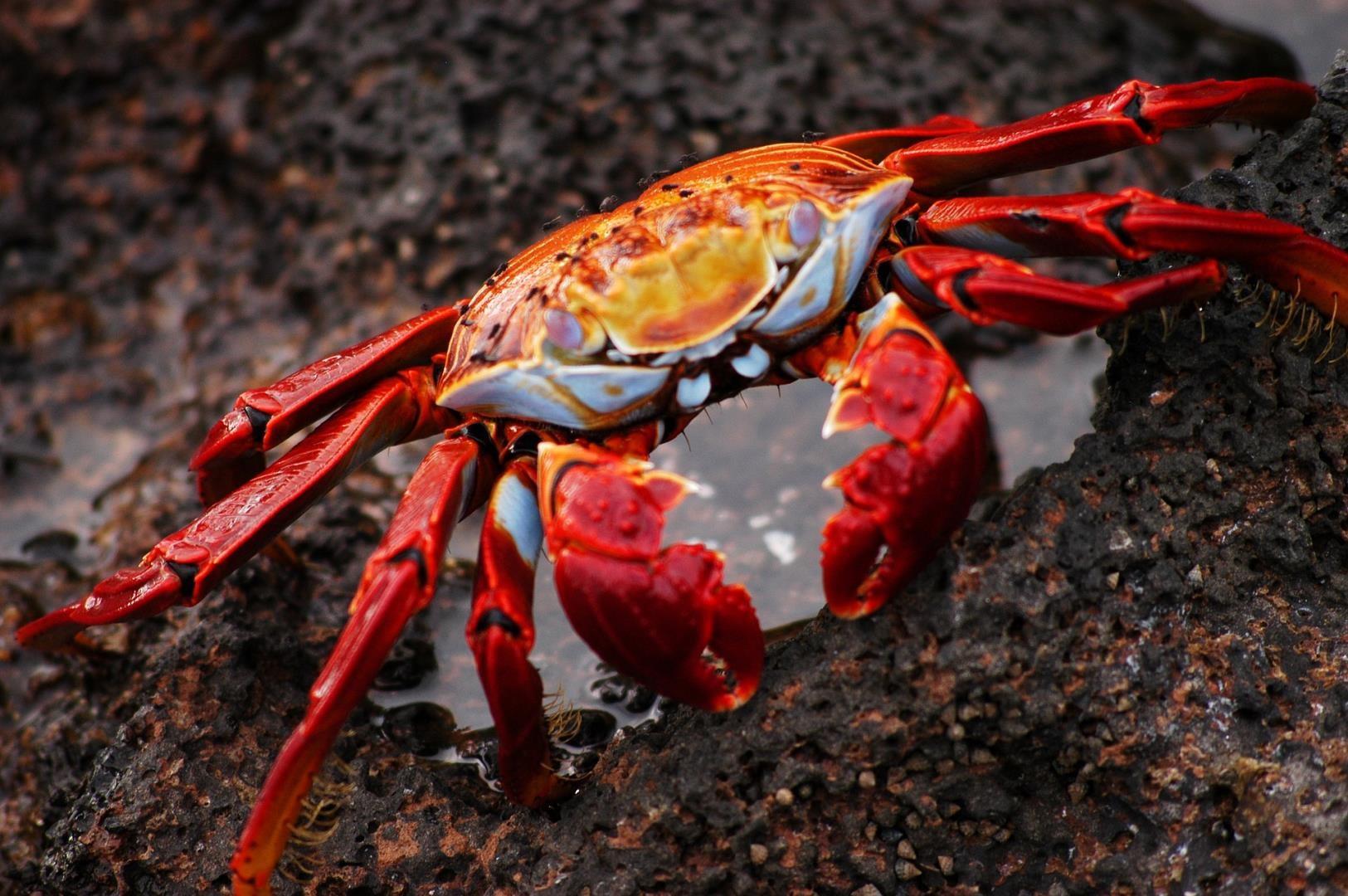
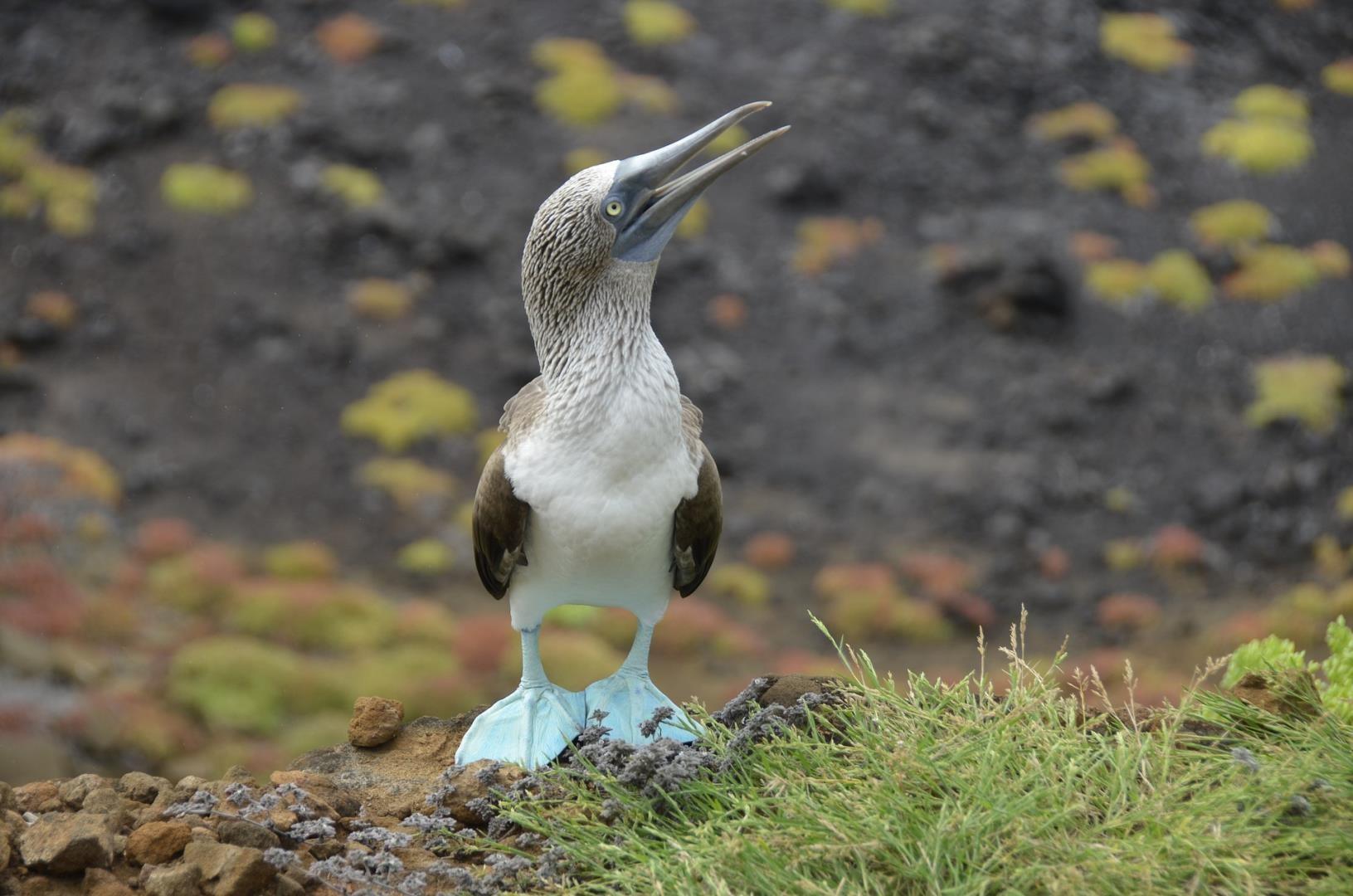
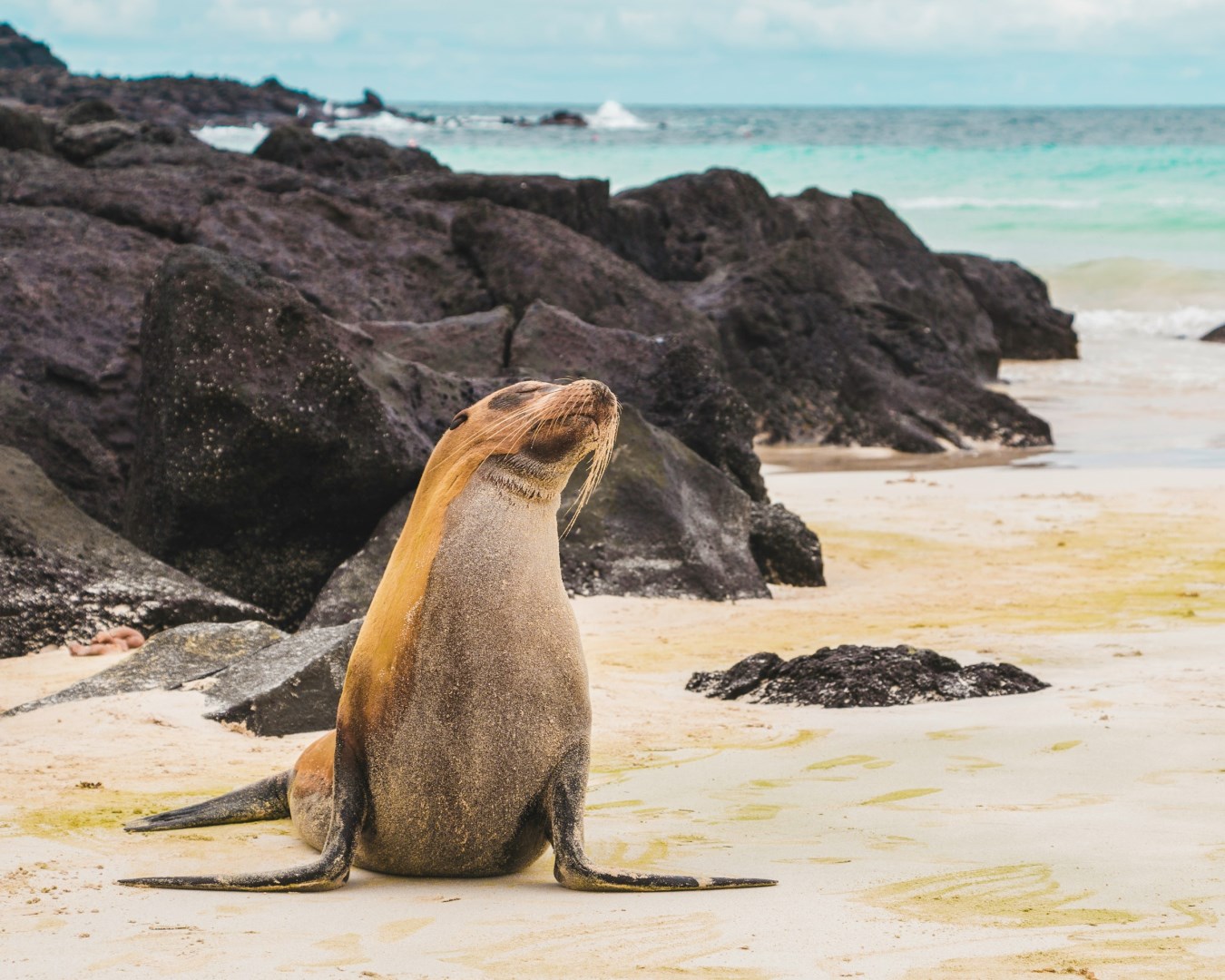
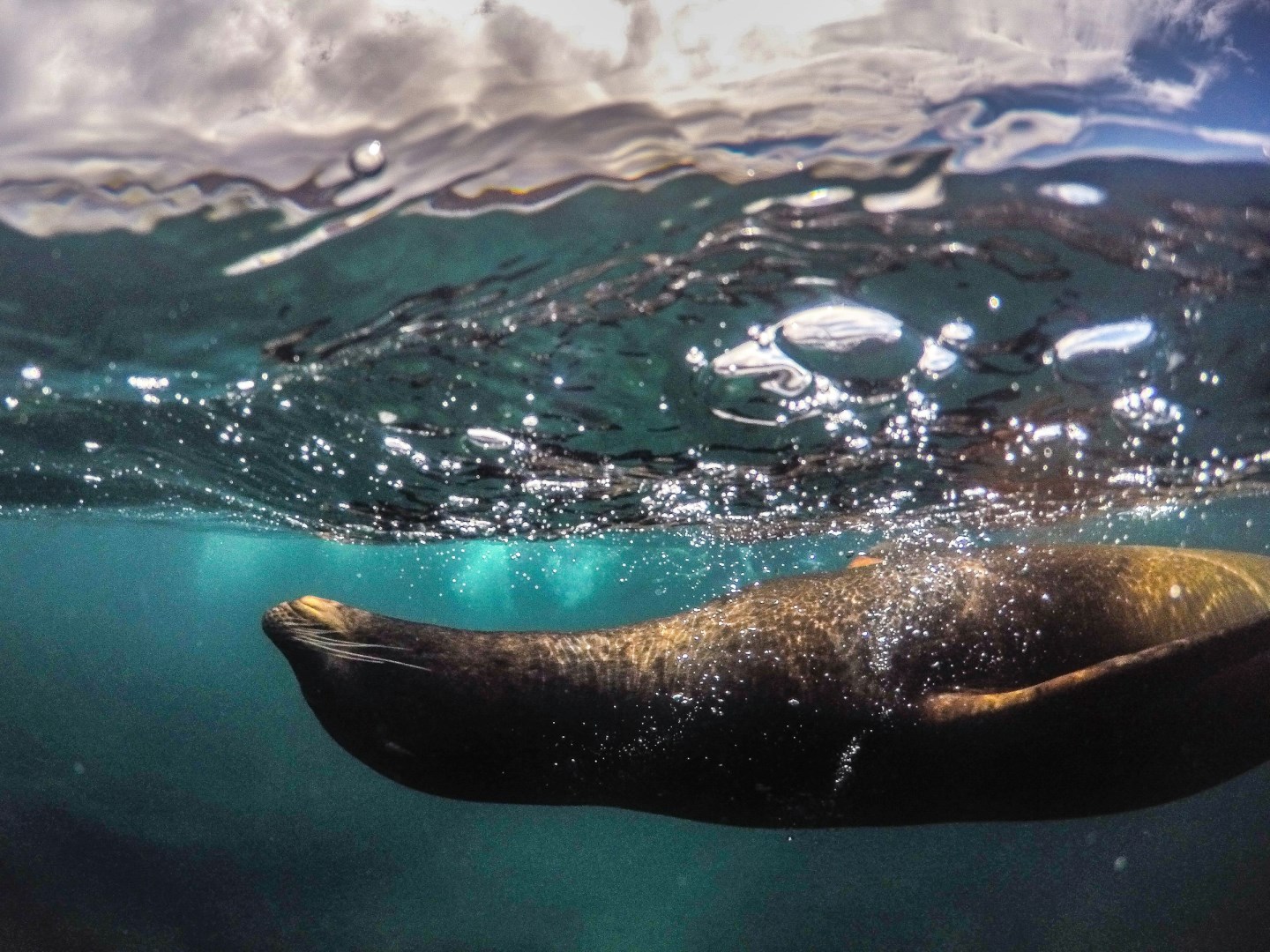
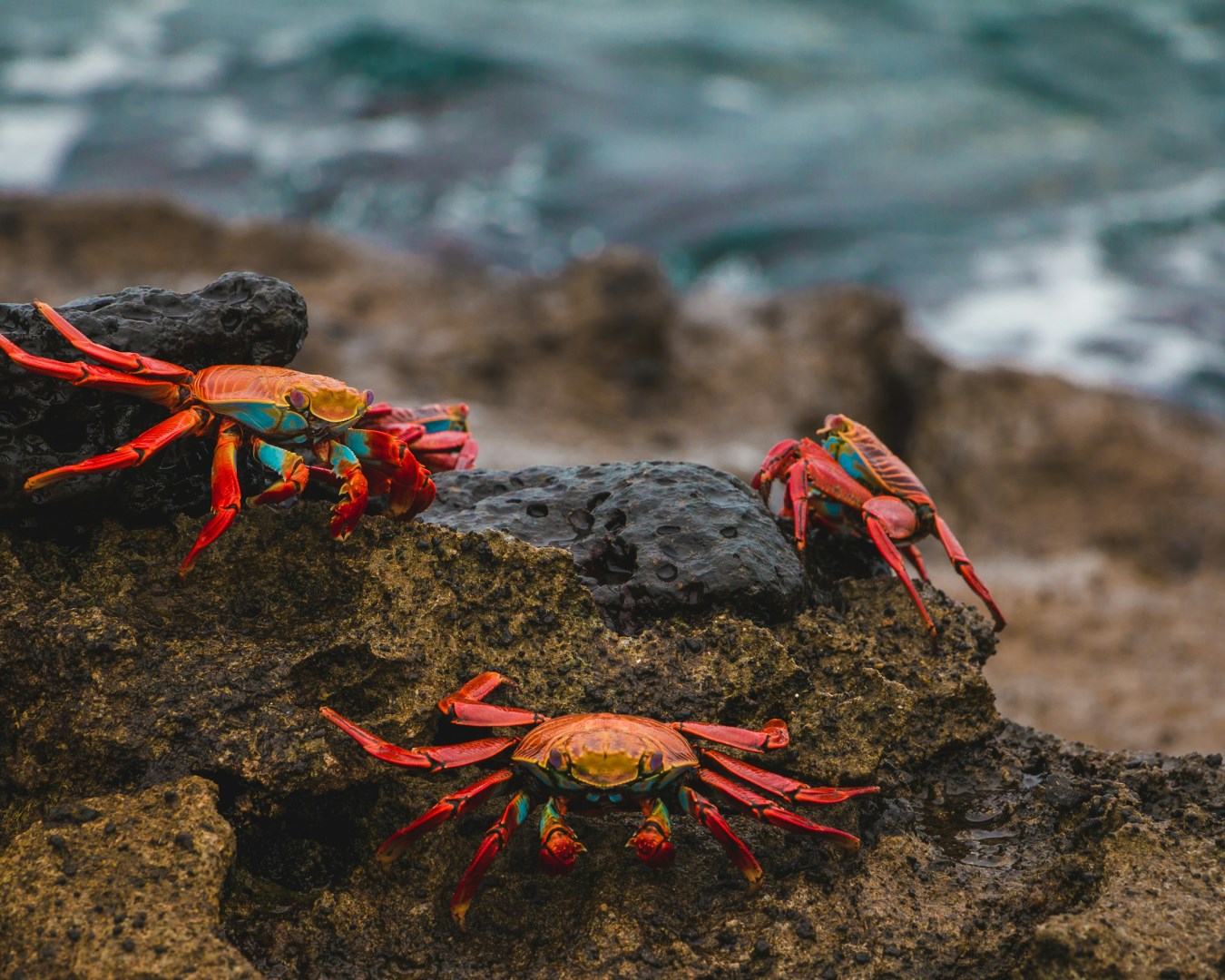
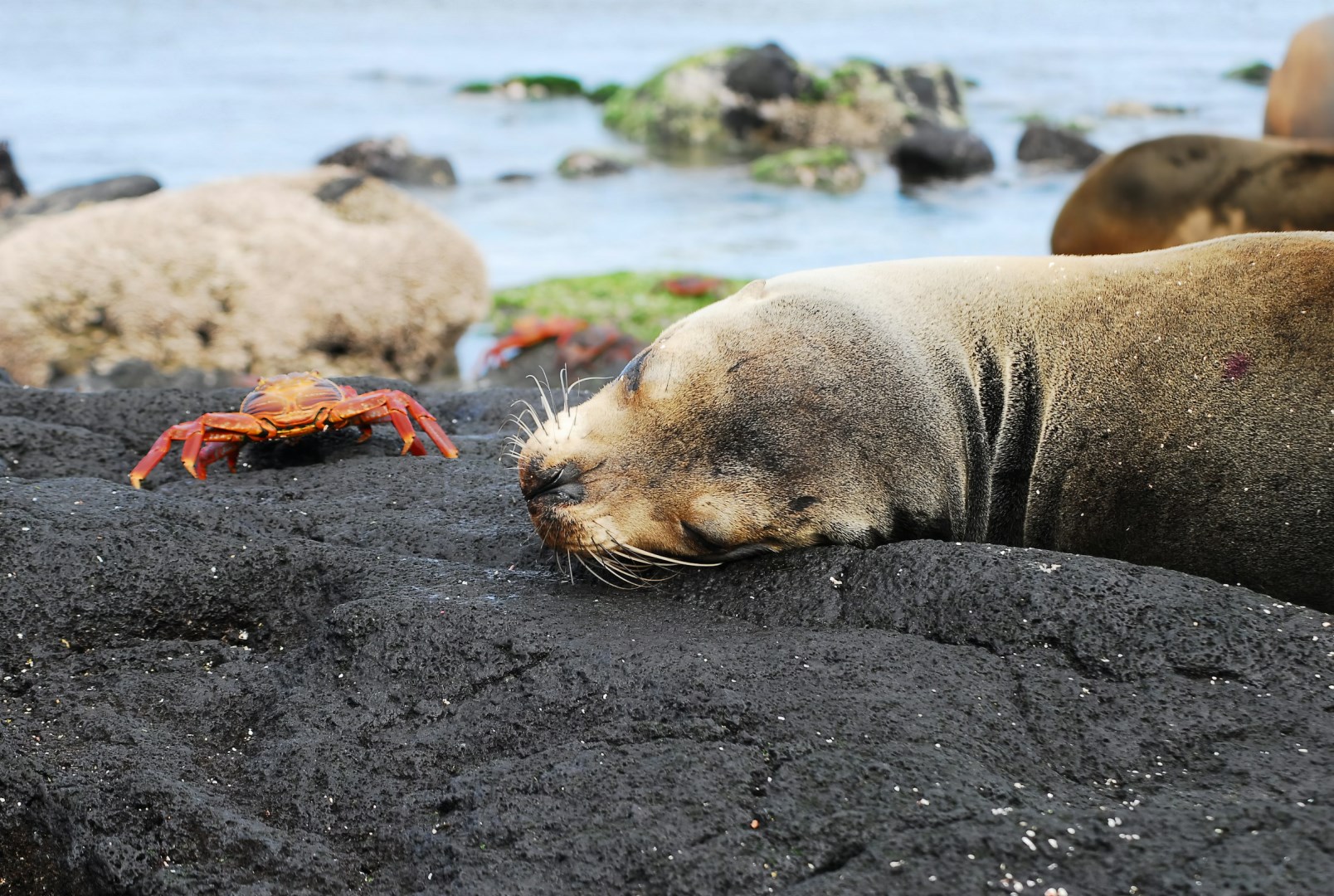
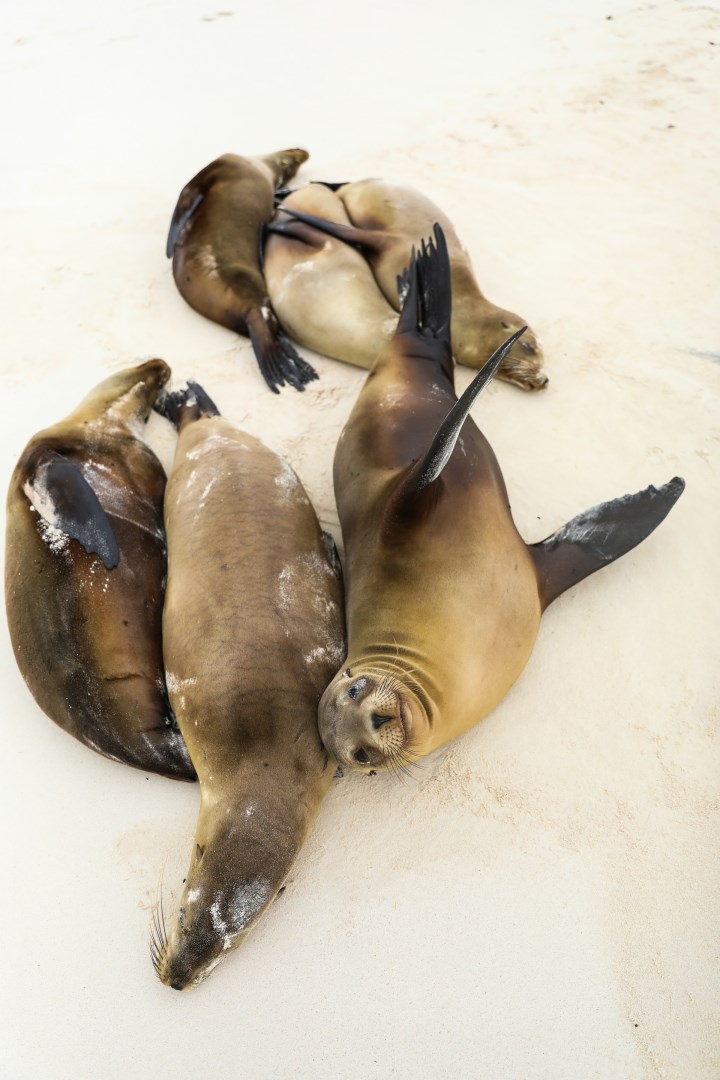
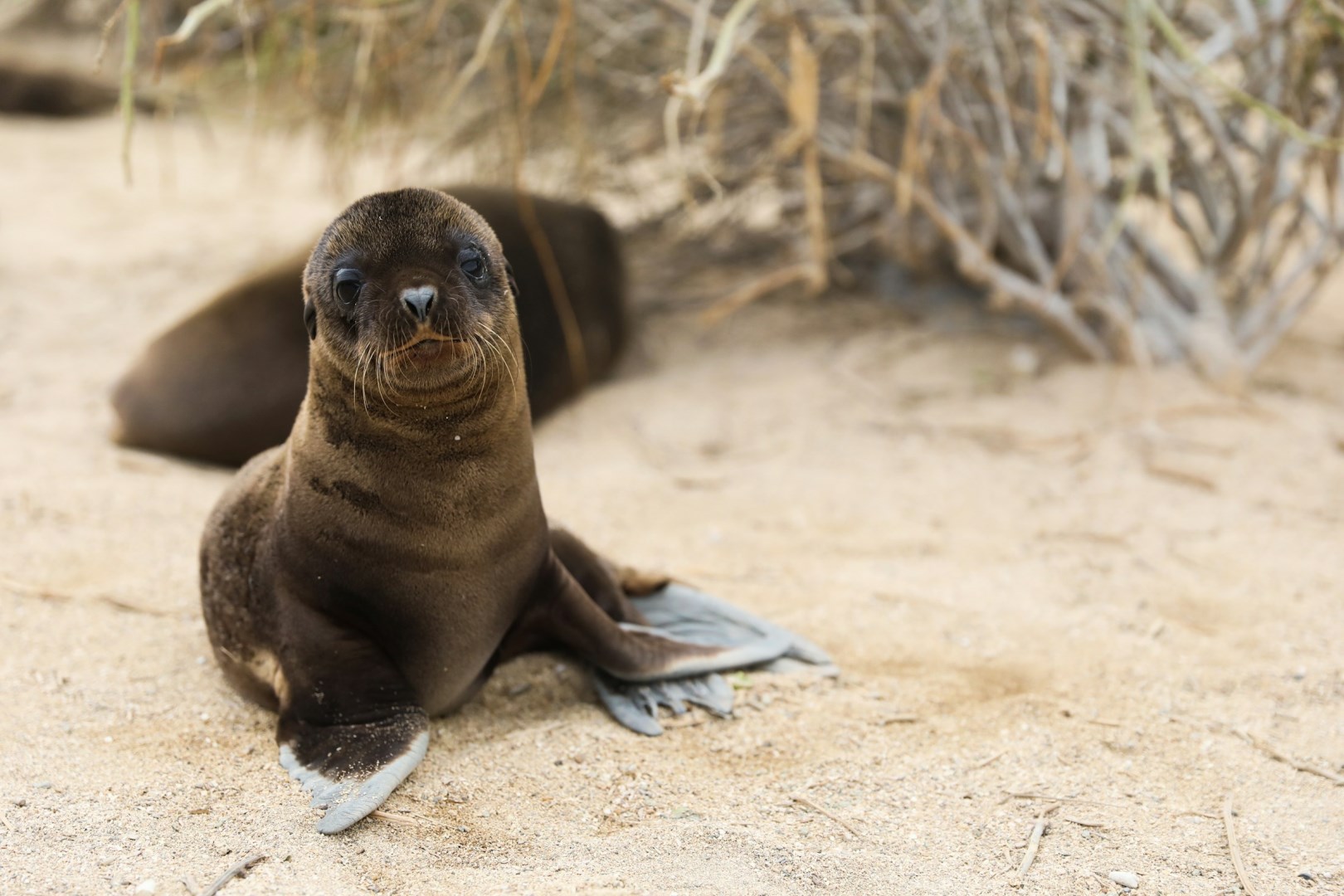
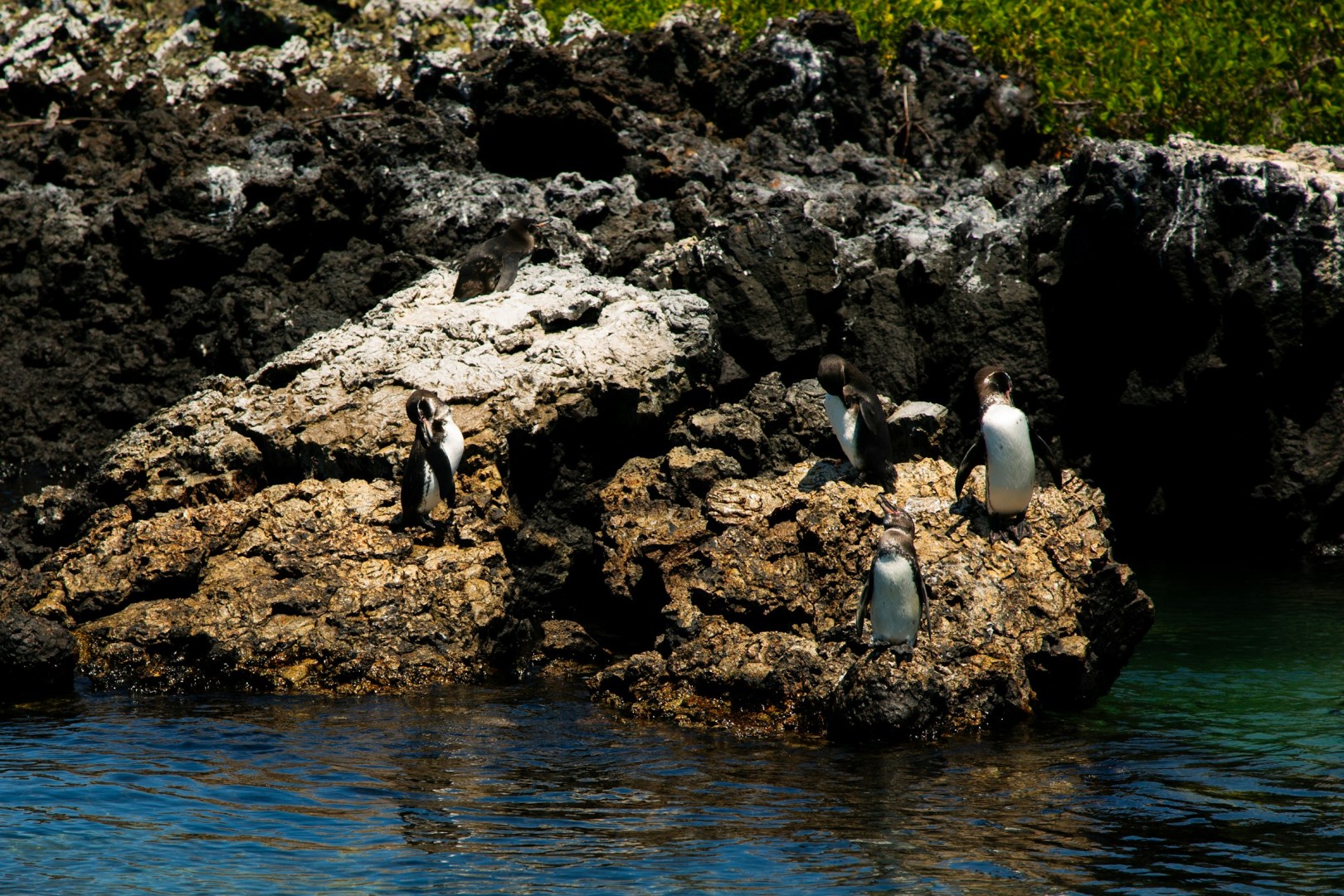
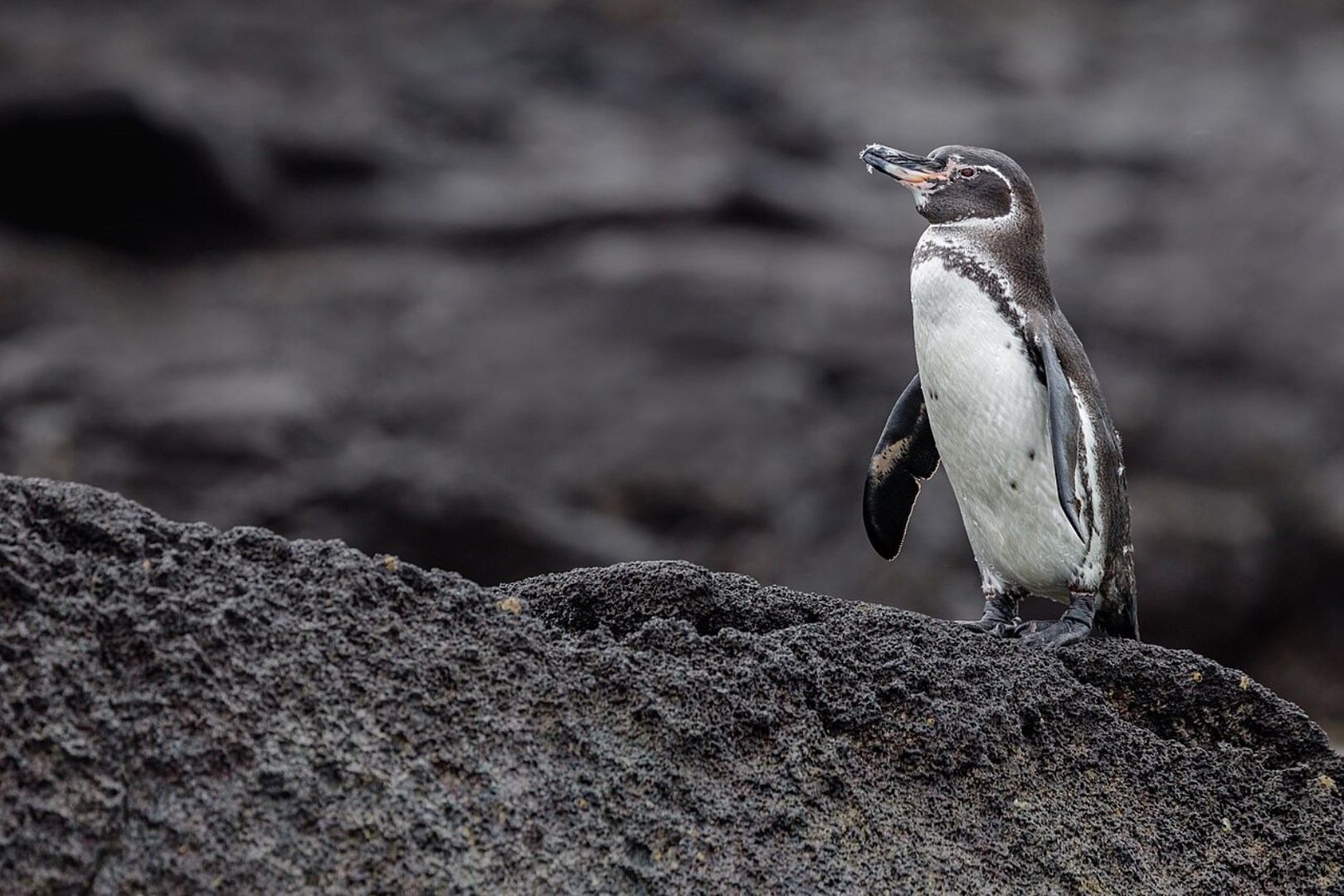
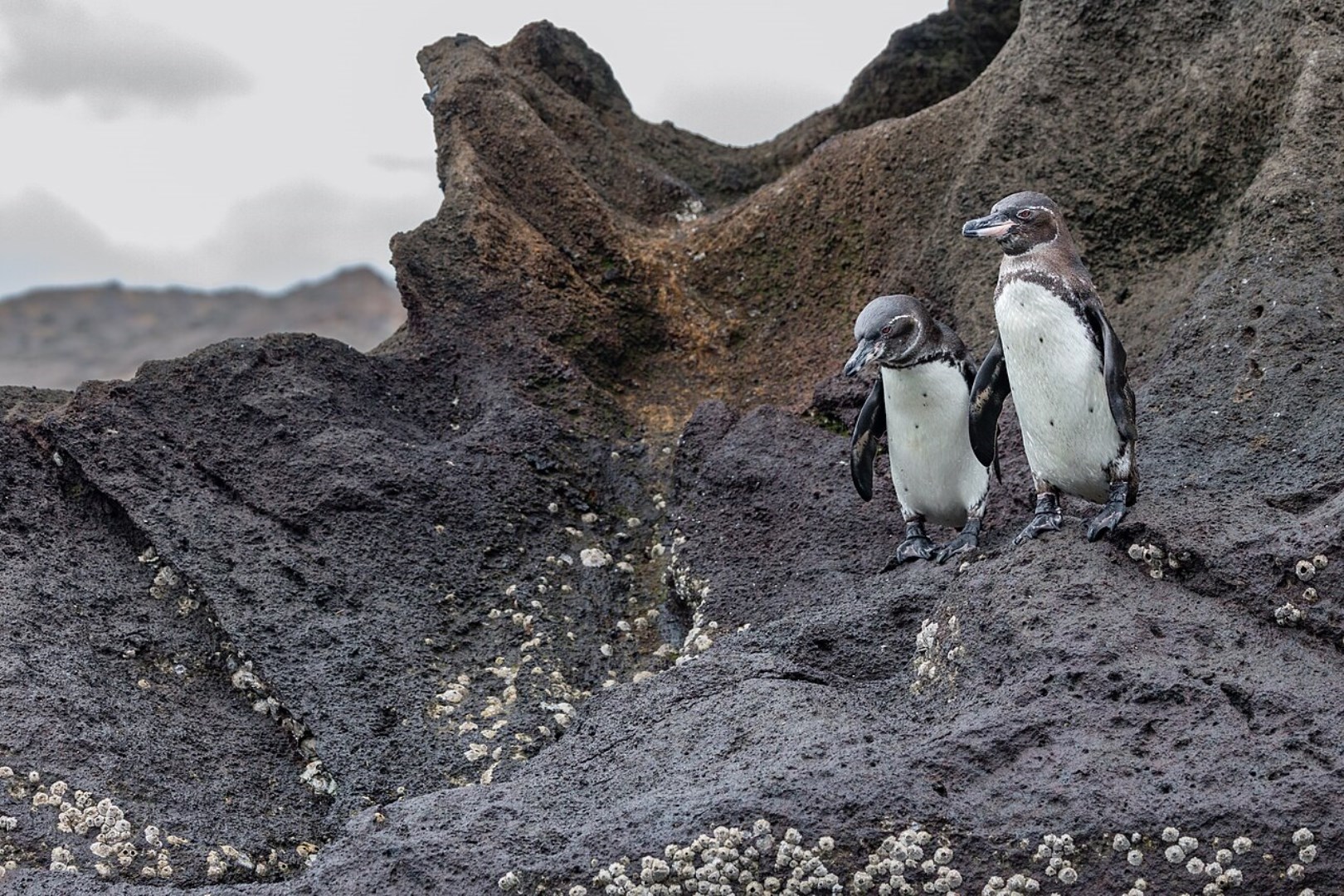
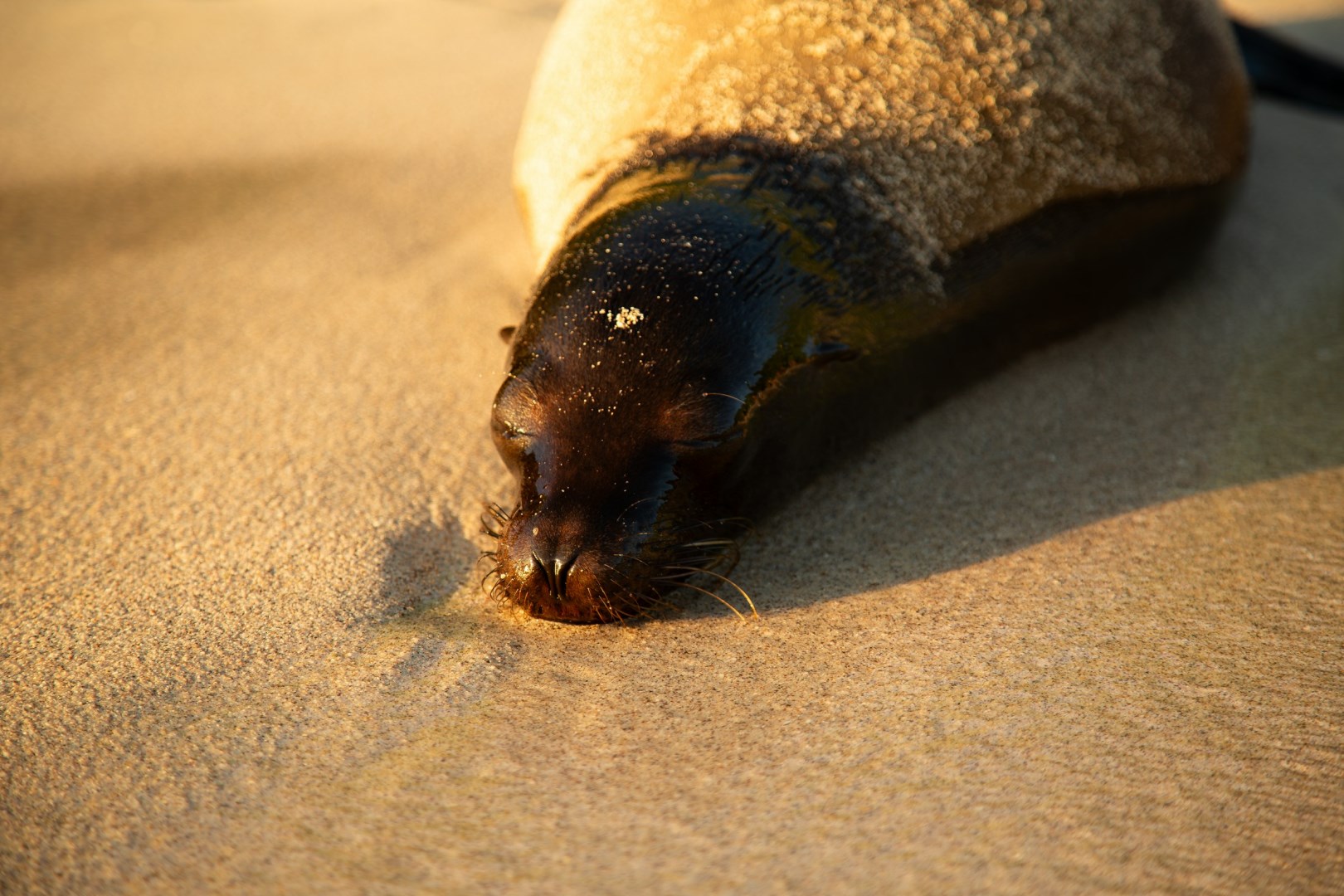
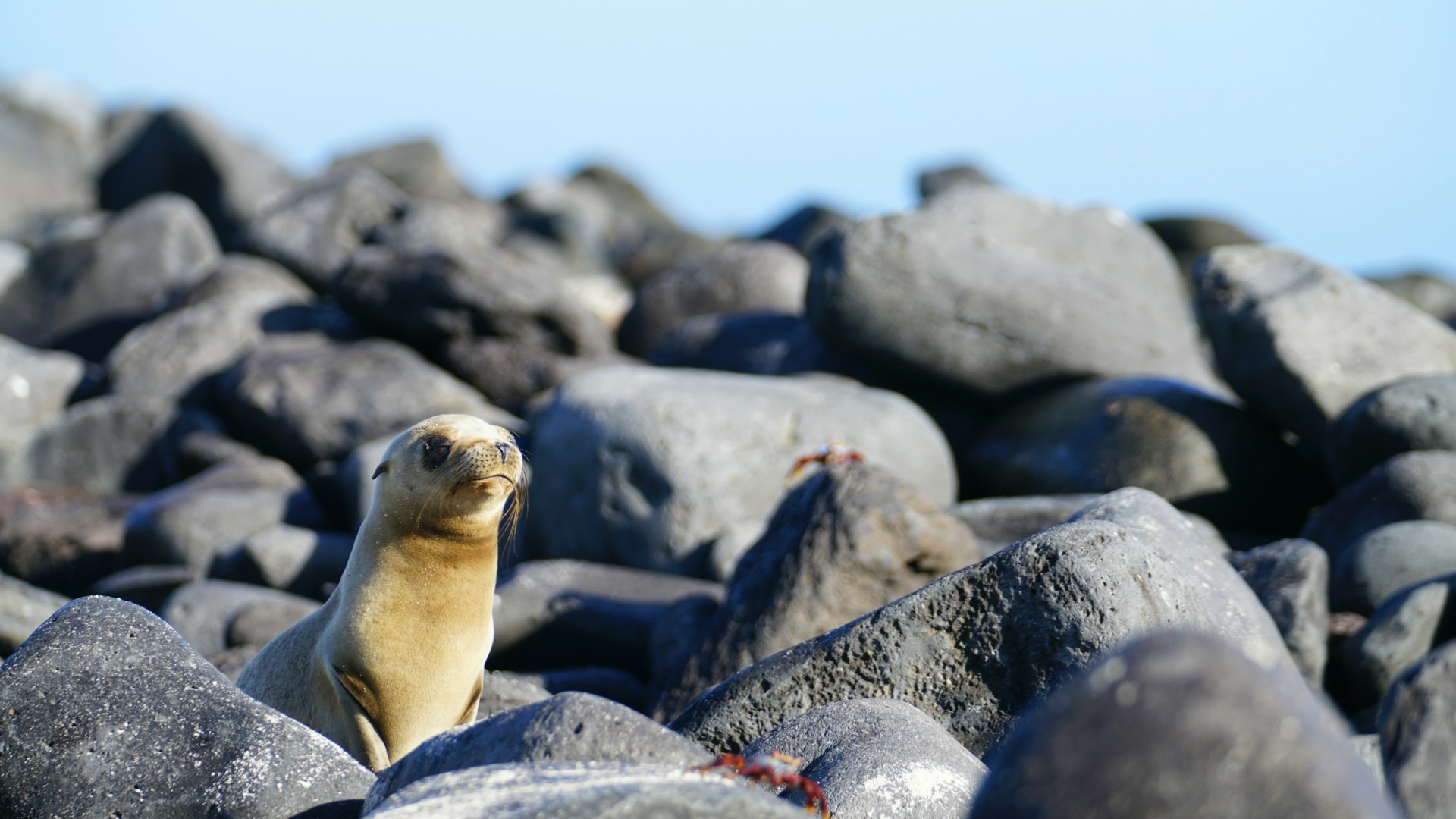
A popular destination for South American cruises, you’ll find plenty to see and do on each island. Sea lions, iguanas, blue-footed boobies, penguins, and the infamous Galápagos tortoises are just a few of the many indigenous wildlife that make these islands home. Favorite spots for animal watching include Tortuga Bay, Reserva El Chato (a tortoise reserve), and Parque Nacional Galápagos. Venture to San Cristóbal Island and Isabela Island for the archipelago’s best snorkeling or trek up the Sierra Negra volcano, the only Galápagos volcano accessible to hikers, for panoramic island views. Unwind in the island’s picturesque towns, including Puerto Ayora and Puerto Villamil, and be sure to sample authentic Ecuadorian cuisine and fresh seafood dishes.
Discover your next adventure in the Galápagos Islands!
Other Popular Destinations in Ecuador
Quito
Situated on the equator and nestled beneath an imposing volcano, the rugged, sprawling, and vibrant city of Quito offers adventure galore. A South American gem and Ecuador’s capital, Quito combines the best of its Incan and Spanish influences in fascinating cultural attractions, and the city’s surrounding natural beauty will surely astound you.
Guayaquil
Guayaquil, Ecuador, is a vibrant port city and a frequent starting point for cruises to the Galapagos Islands.