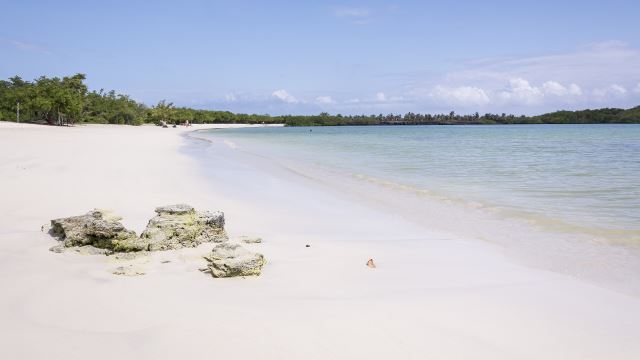
Andasibe-Mantadia National Park, located in the eastern highlands of Madagascar, offers a captivating journey into one of the world’s most unique rainforests. Famous for its rich biodiversity, this national park is home to the largest species of lemur, the indri, whose haunting calls echo through the dense canopy. Visitors to the park can explore lush tropical landscapes filled with rare plants, birds, and other endemic wildlife, making it a must-visit for nature lovers and adventurers alike.
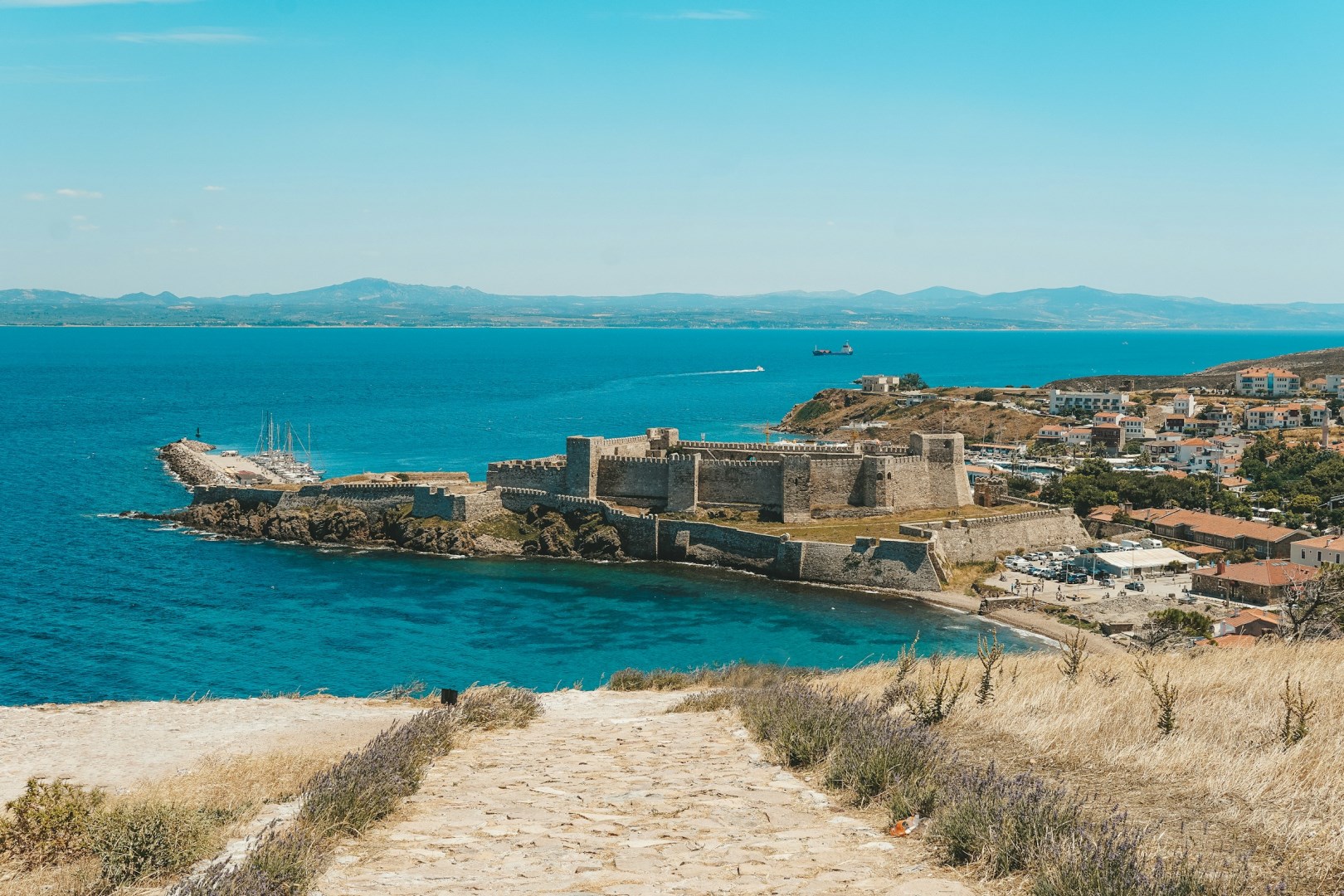
Bozcaada is a small Turkish island in the northeastern Aegean, off the coast of Çanakkale and near the entrance to the Dardanelles. Formerly known as Tenedos, it is Turkey’s third-largest island and is known for its whitewashed houses, narrow streets, vineyards, and windswept coastline. The harbor is dominated by Bozcaada Castle, while the old town extends behind the waterfront with cafés, shops, and traditional houses.

Morro Bay is a coastal city on California’s Central Coast, situated around a natural harbor between San Luis Obispo and the Pacific Ocean. Its most recognizable landmark is Morro Rock, a large volcanic plug rising at the entrance to the bay. The city’s waterfront includes fishing docks, marinas, beaches, and a working harbor, while wetlands and dunes surround parts of the shoreline.
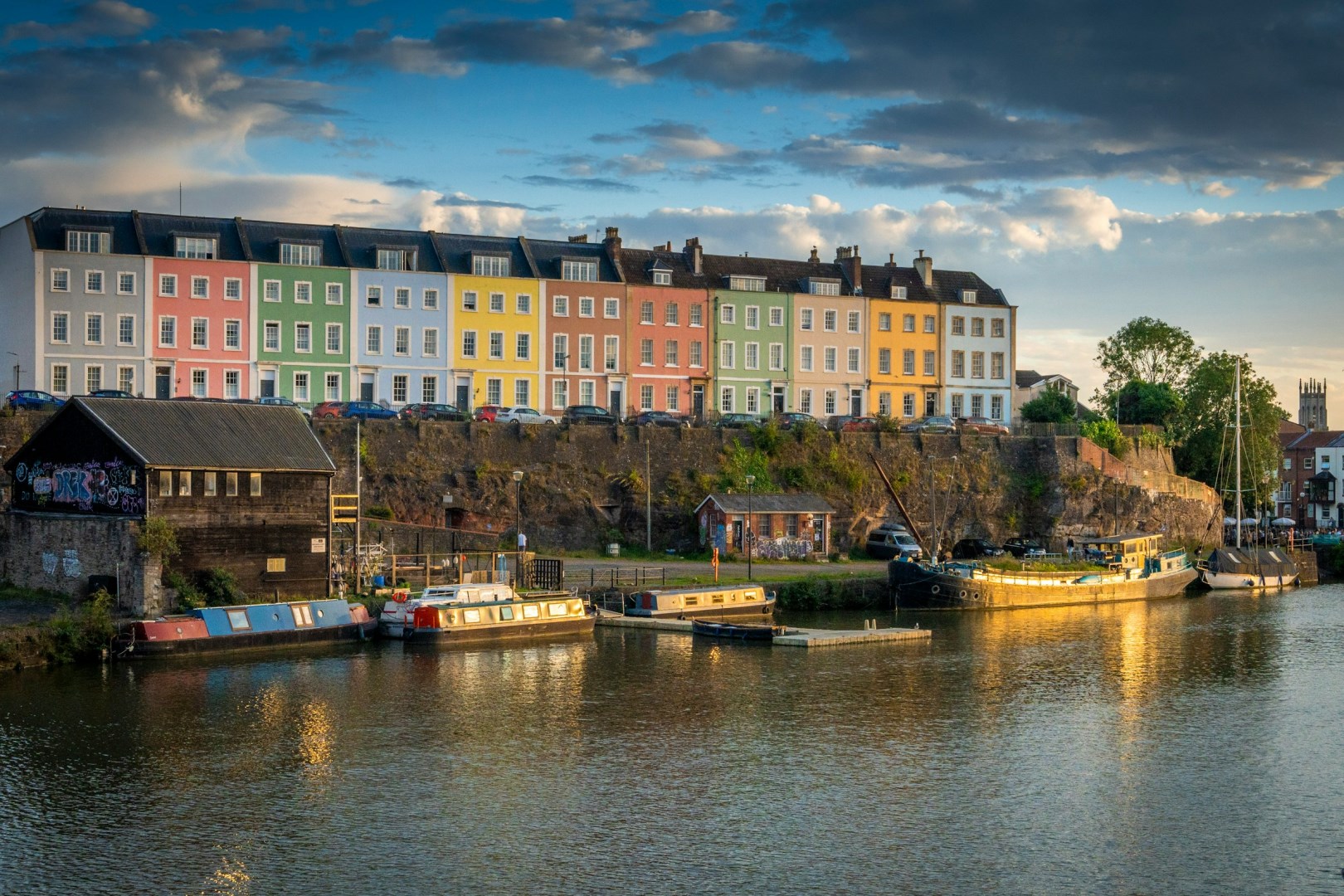
Bristol is a city in southwest England built around the River Avon, with a maritime history that has shaped its neighborhoods, architecture, and economy. The historic harbor occupies the center of the city, where former warehouses, quays, and docks have been adapted for museums, galleries, restaurants, and public spaces. Clifton Suspension Bridge spans the Avon Gorge and is one of Bristol’s most recognizable landmarks.
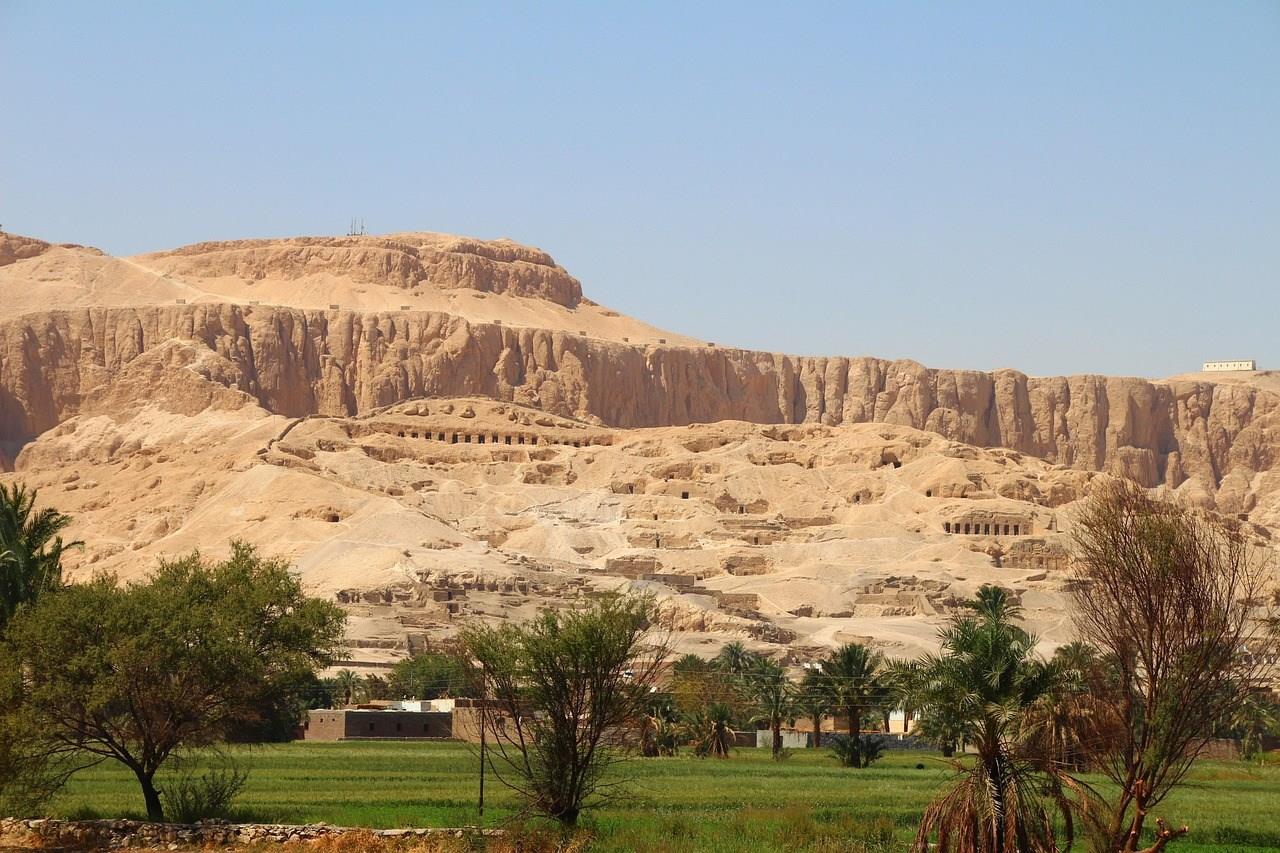
The Valley of the Kings and the Valley of the Queens, located on the west bank of the Nile near Luxor, Egypt, are two of the world’s most significant archaeological sites. For over 500 years during the New Kingdom (16th–11th centuries BCE), these valleys served as the burial grounds for pharaohs, queens, and high-ranking nobles.
Photo Credit: Photo by Michael Jerrard on Unsplash
Photo Credit: Photo by Dylan Shaw on Unsplash
Photo Credit: Photo by Marcela Baca on Unsplash
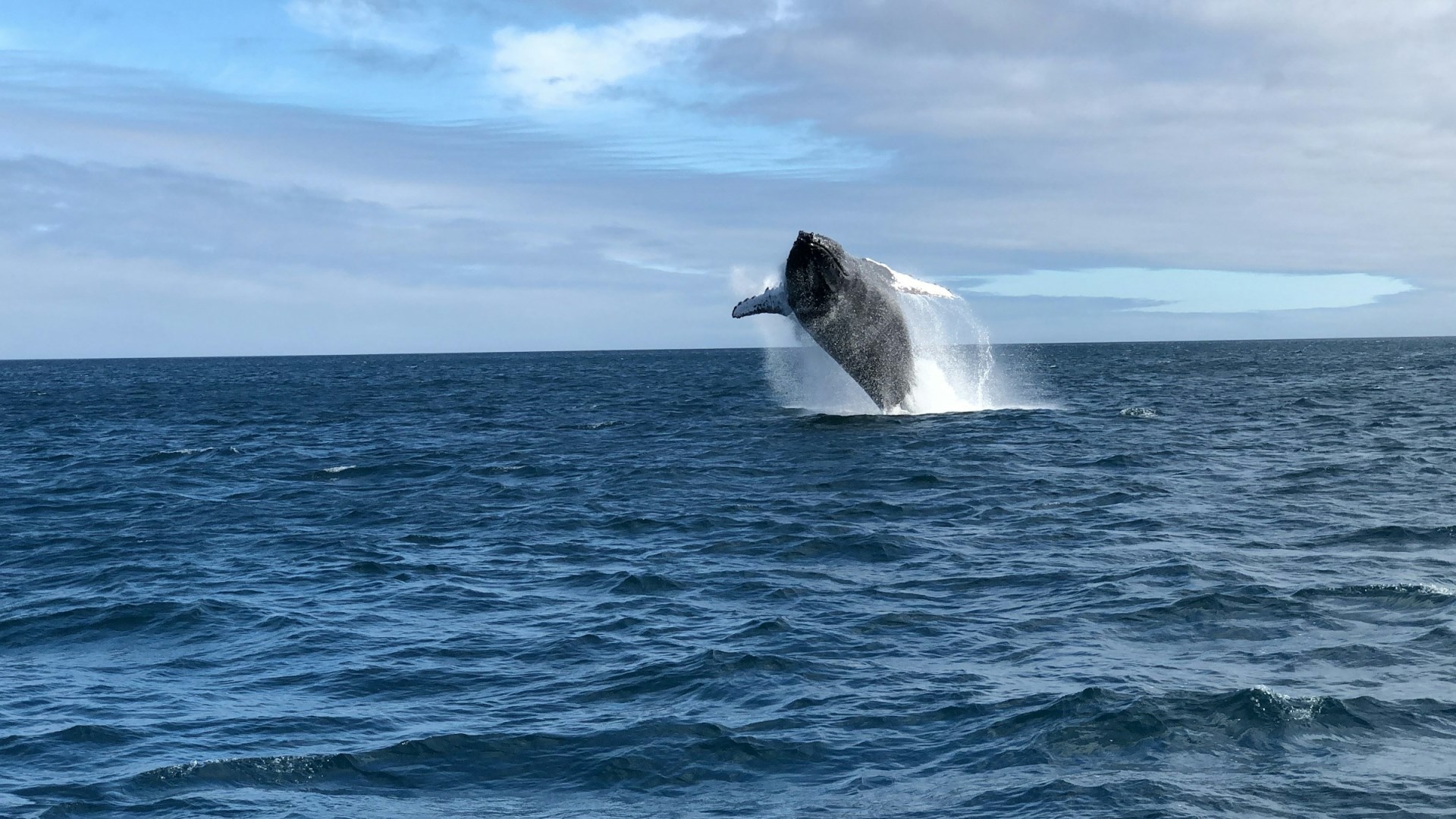
Whale
Photo Credit: Photo by Bryan Thompson on Unsplash
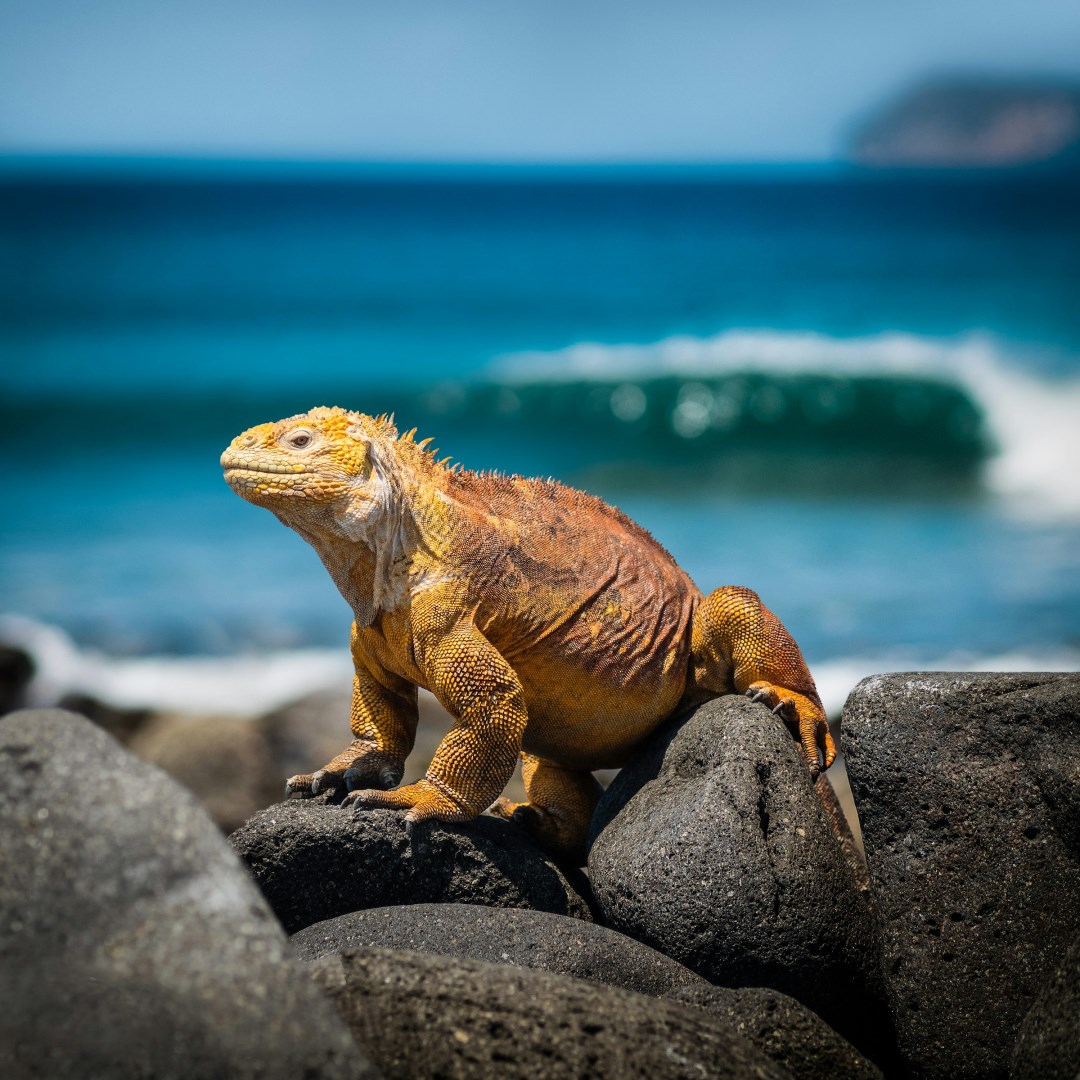
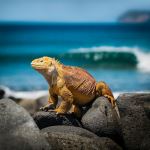
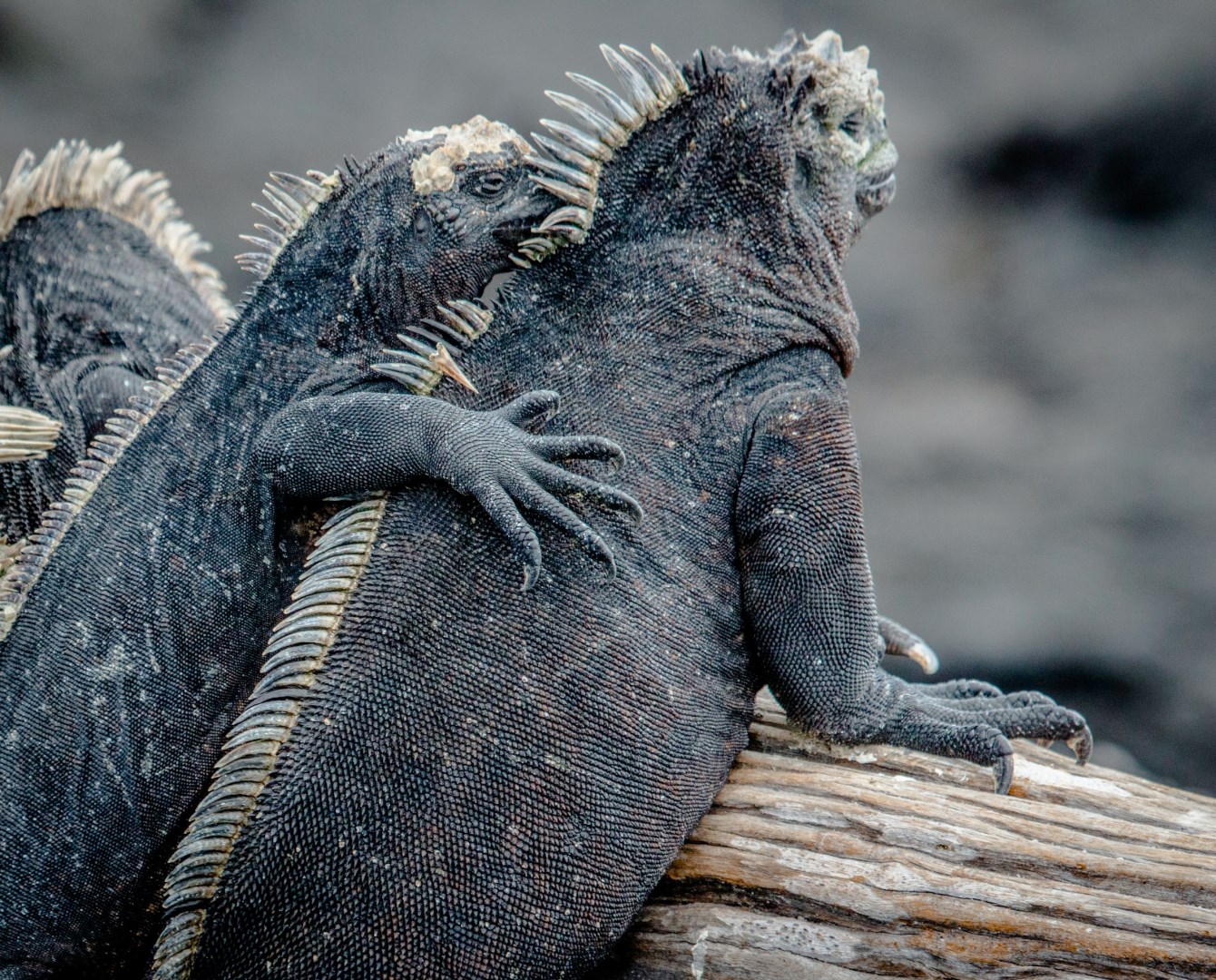
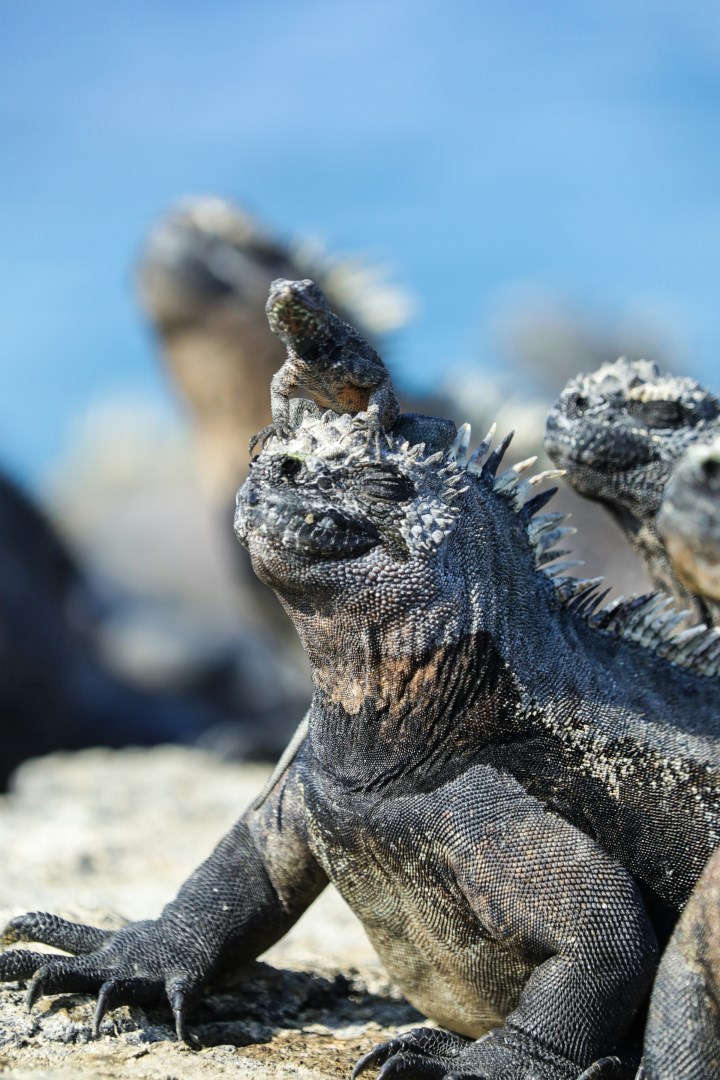
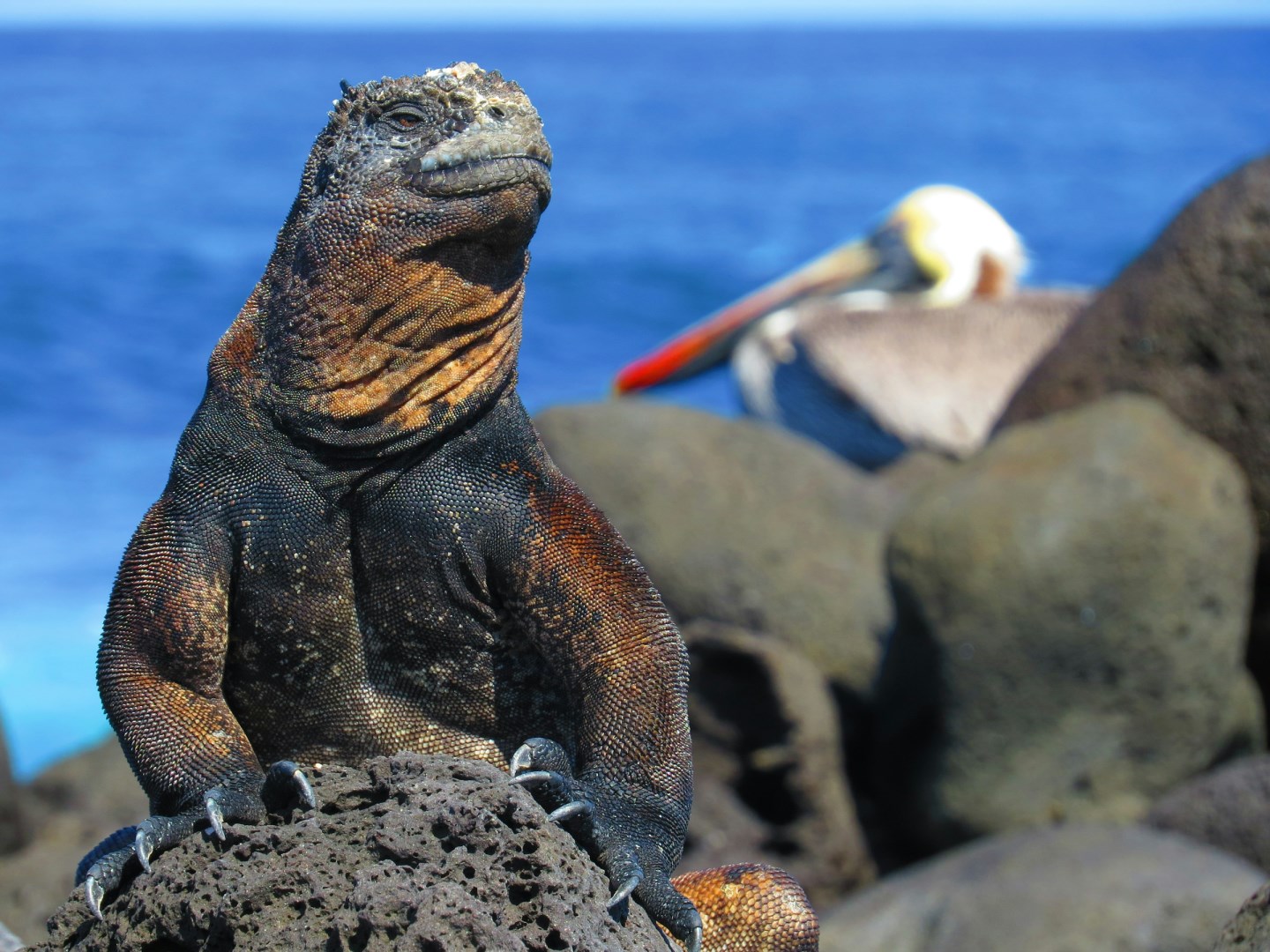
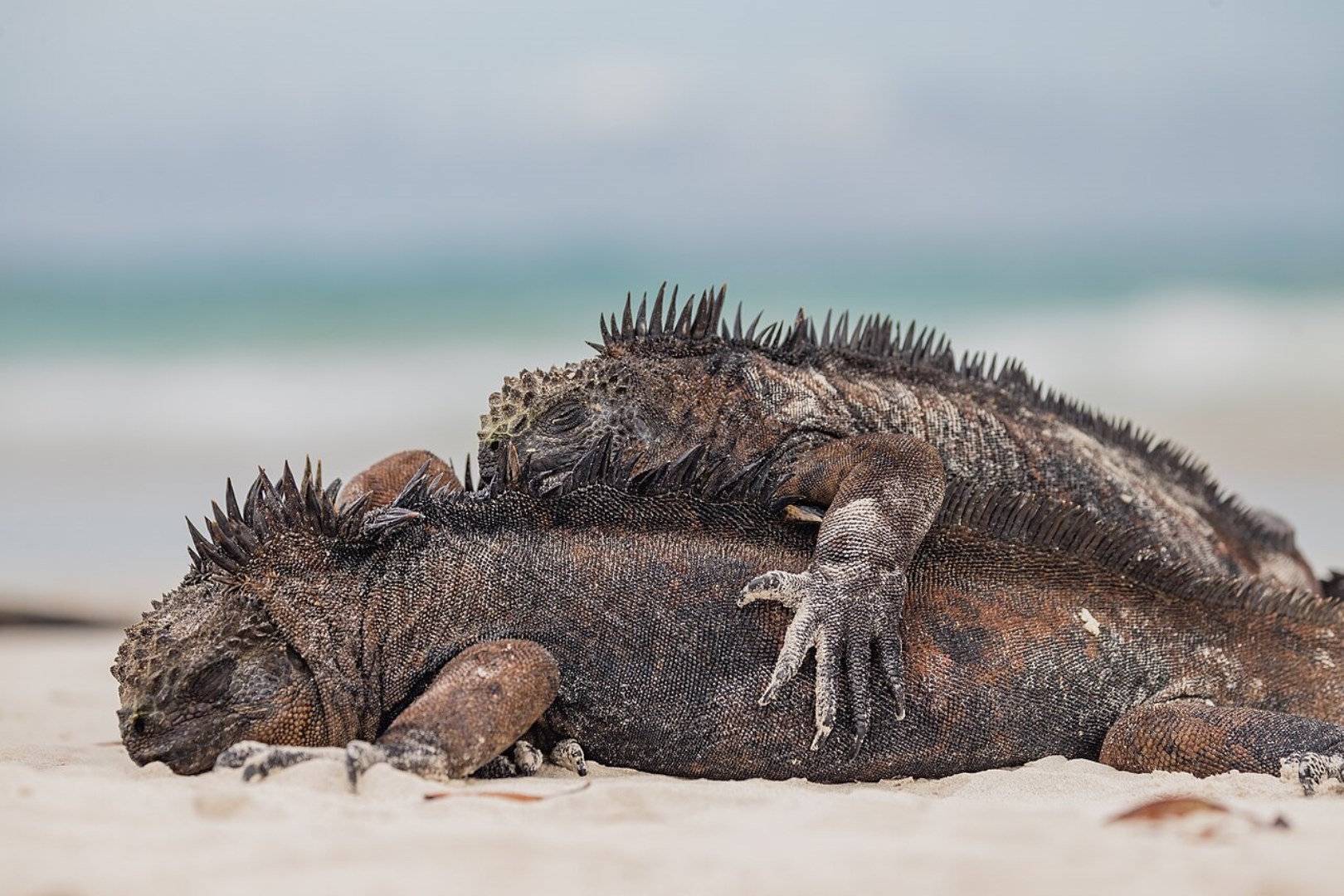
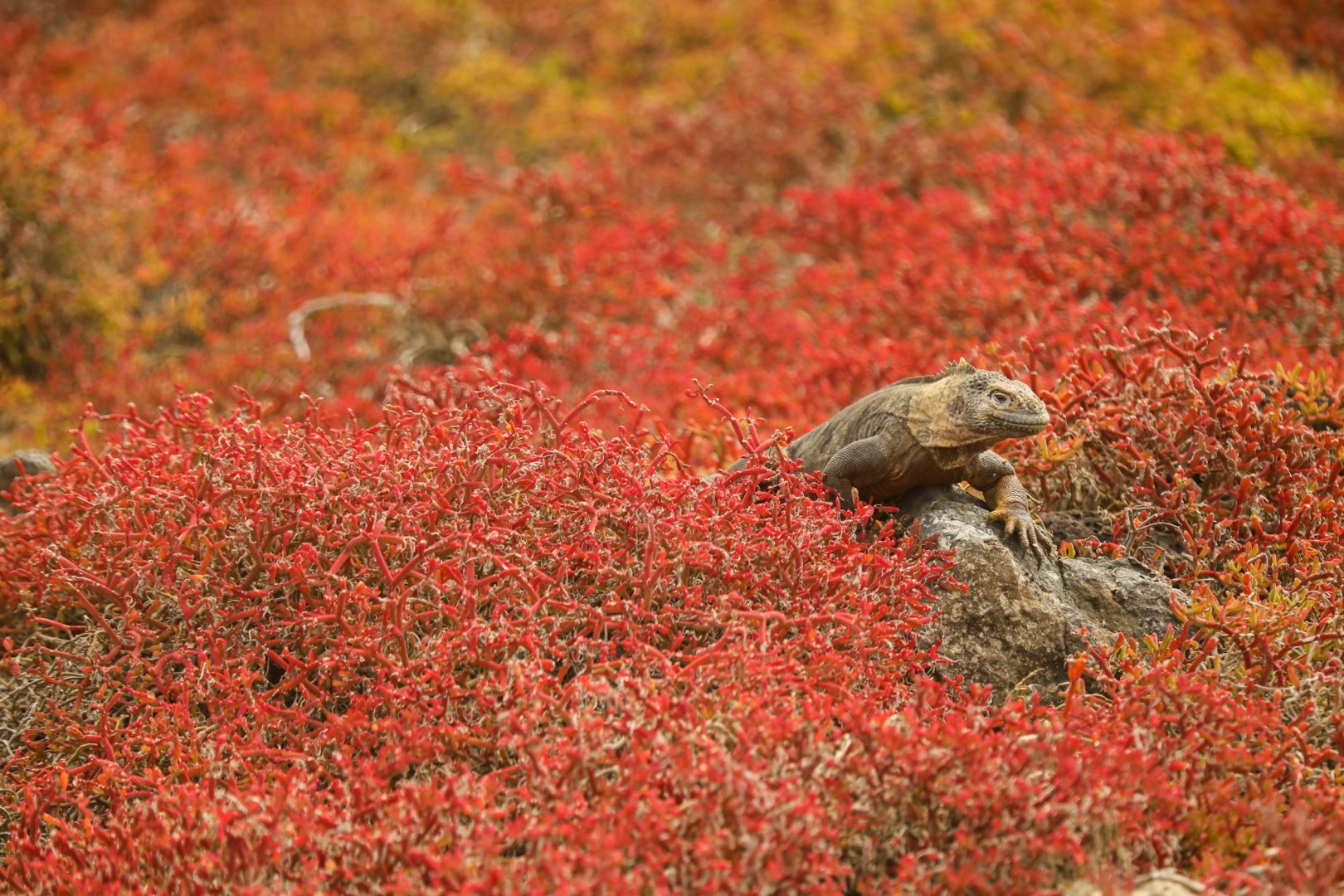
Iguana
Photo Credit: Photo by Dylan Shaw on Unsplash
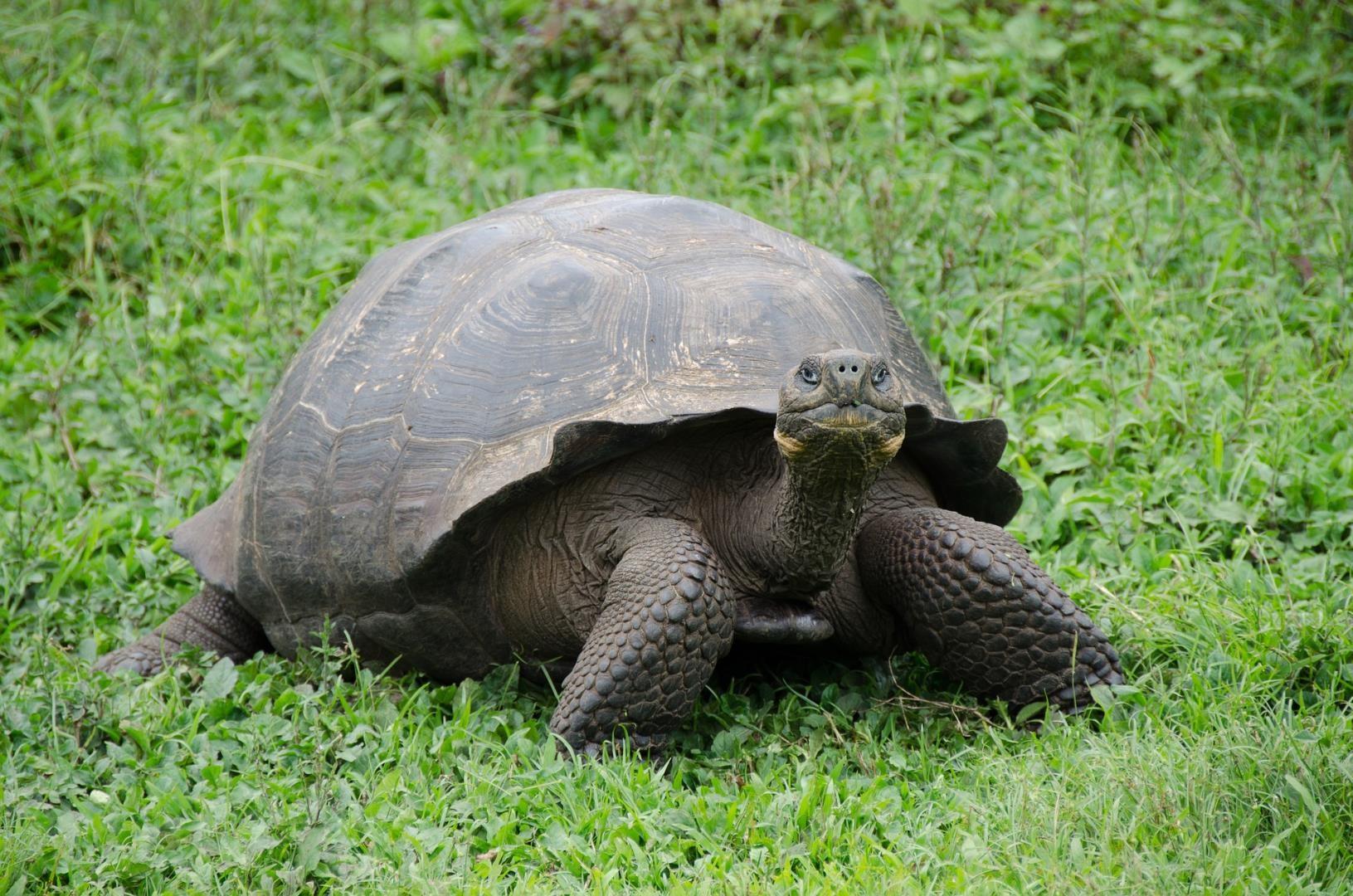
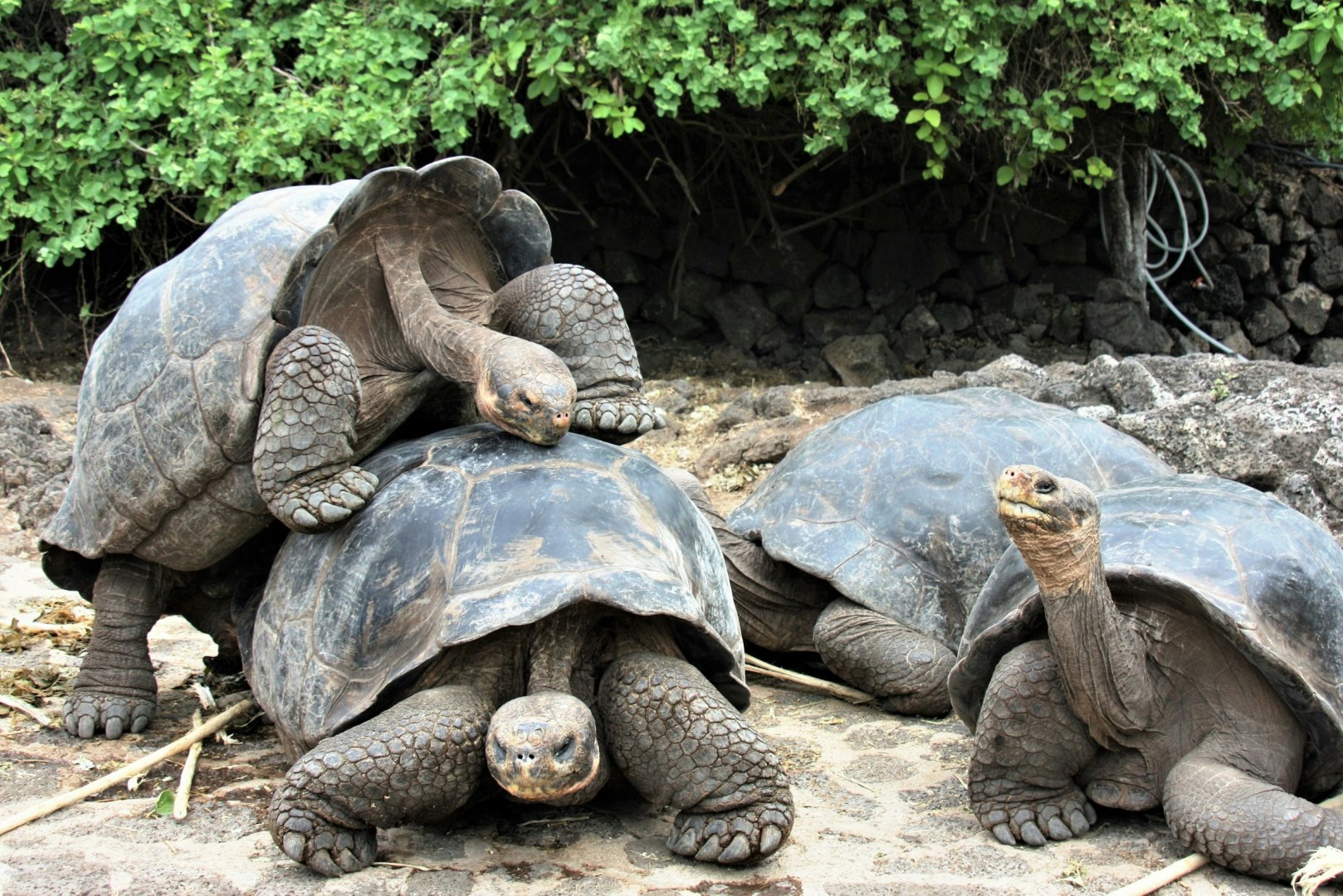
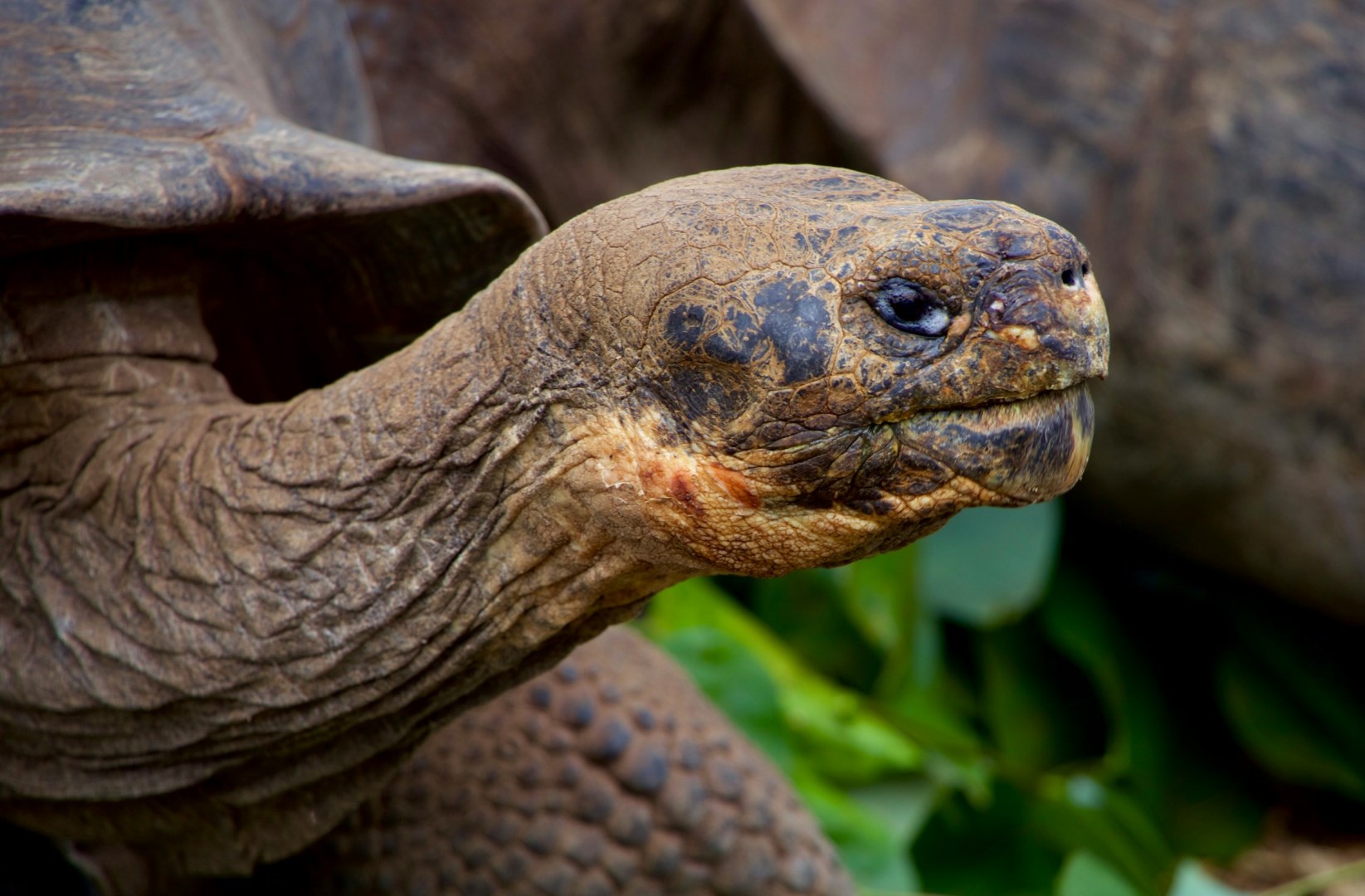
Galapagos Tortoise
Photo Credit: Photo by Magdalena Kula Manchee on Unsplash
Photo Credit: Photo by Heidi Bruce on Unsplash
Photo Credit: Photo by Sofia on Unsplash
Photo Credit: Photo by The Official CTBTO Photostream on Wikimedia
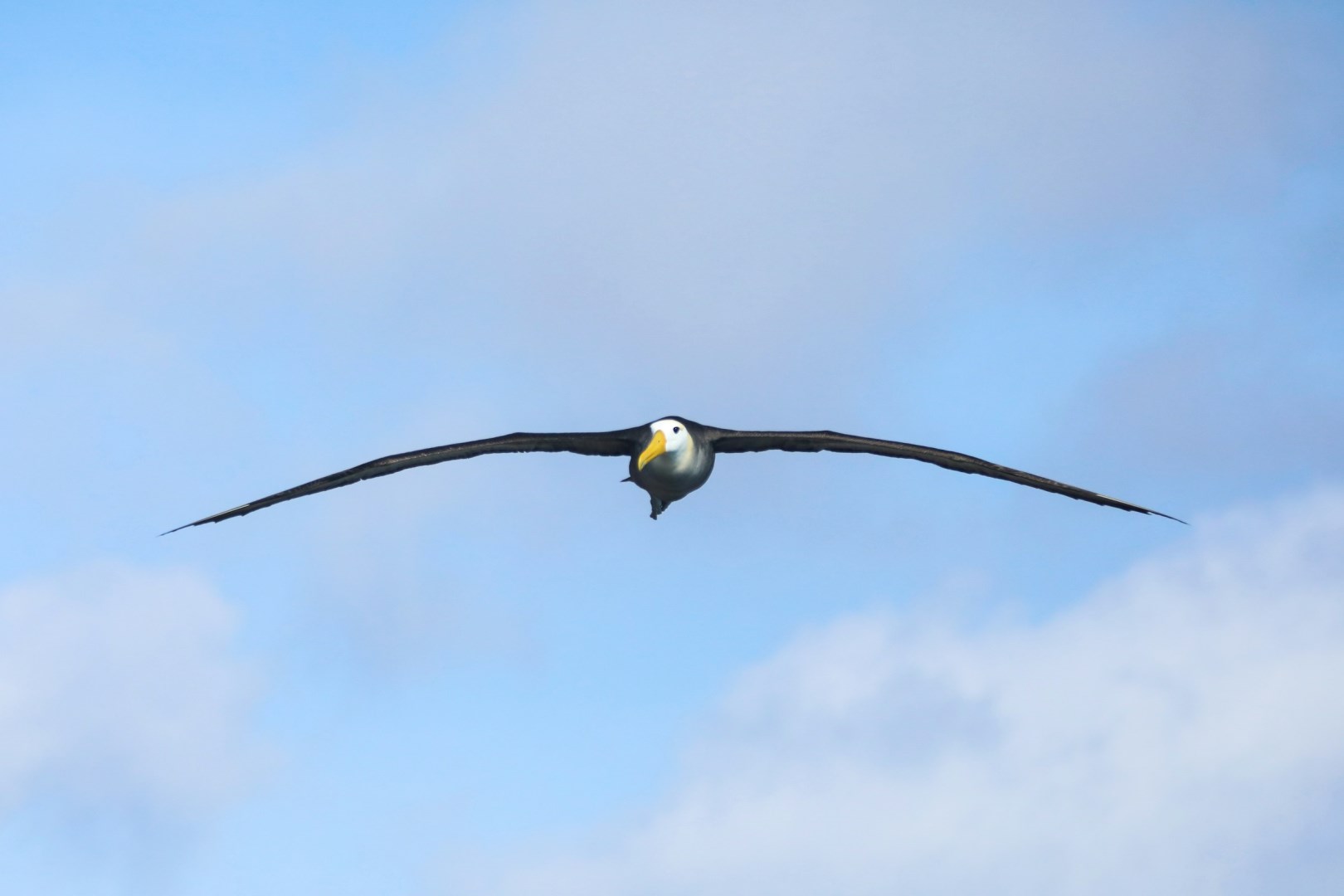
Albatross in flight
Photo Credit: Photo by Dylan Shaw on Unsplash
Photo Credit: Photo by Heidi Bruce on Unsplash
Photo Credit: Photo by Emma on Unsplash
Photo Credit: Photo by Claus Giering on Unsplash
Photo Credit: Photo by Sofia on Unsplash
Photo Credit: Photo by Mac Gaither on Unsplash
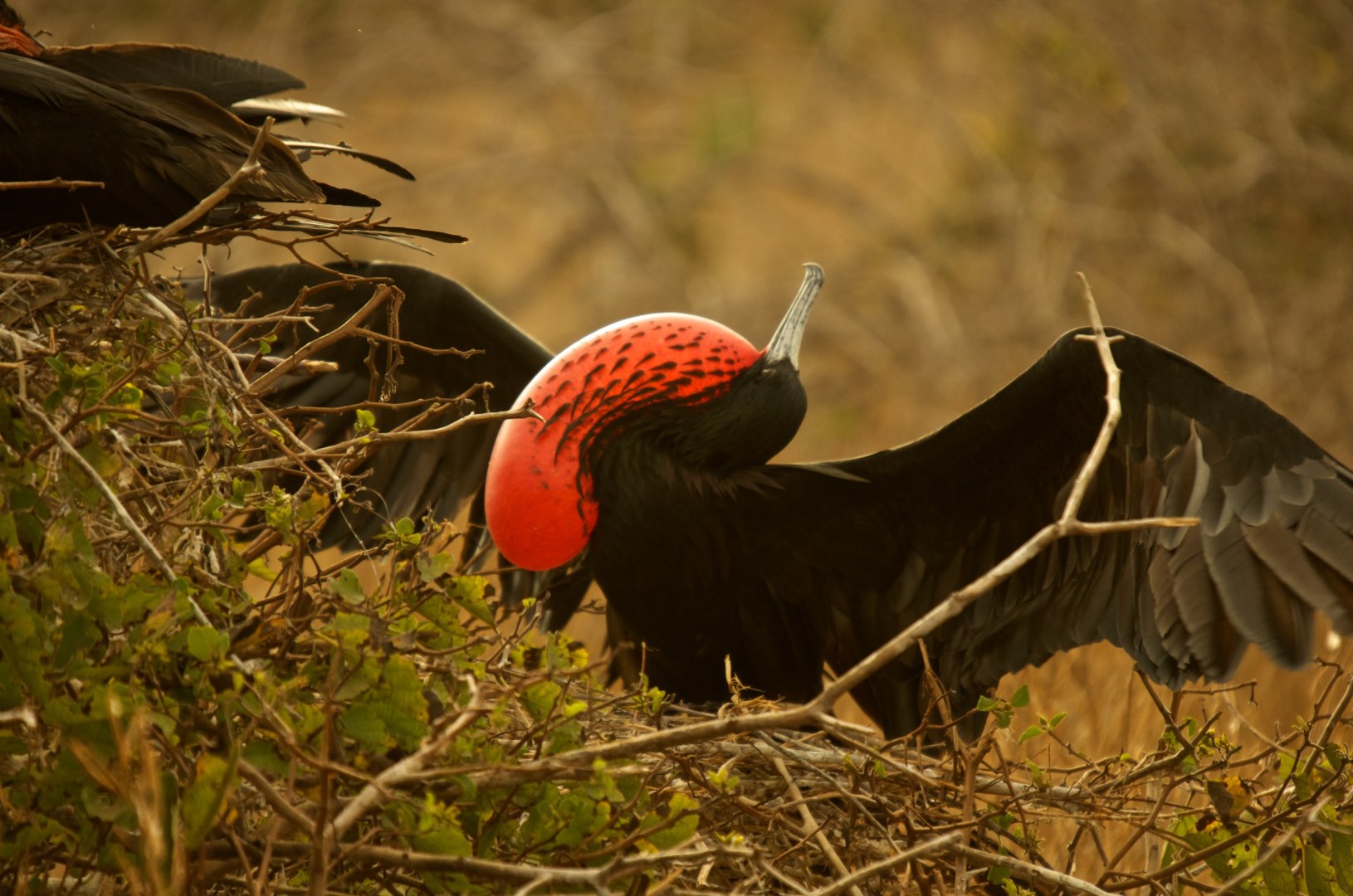
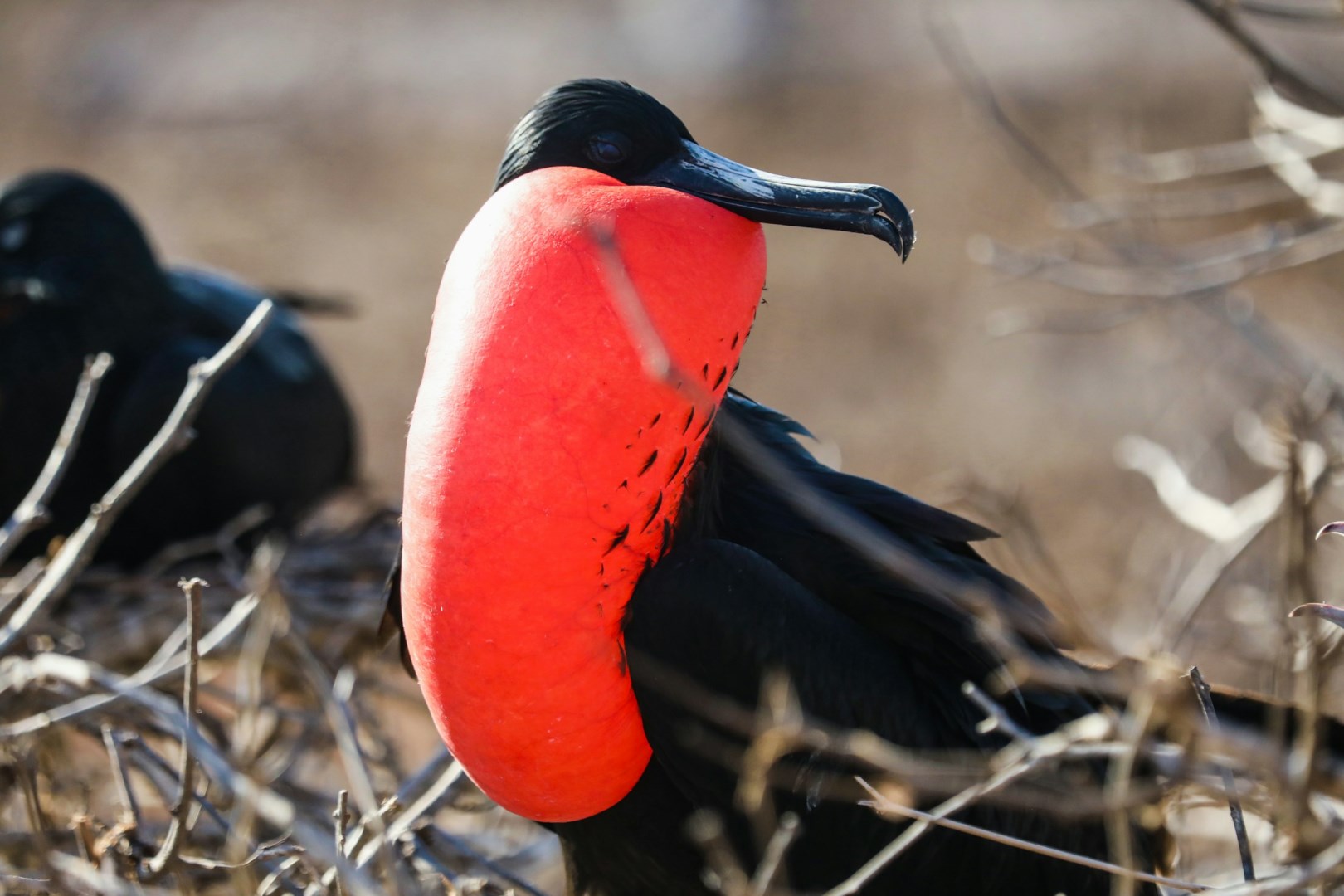
A male Magnificent Frigatebird
Photo Credit: Photo by Andrew Turneron Wikimedia
Photo Credit: Photo by Lieutenant Elizabeth Crapo, NOAA Corps. Wikimedia
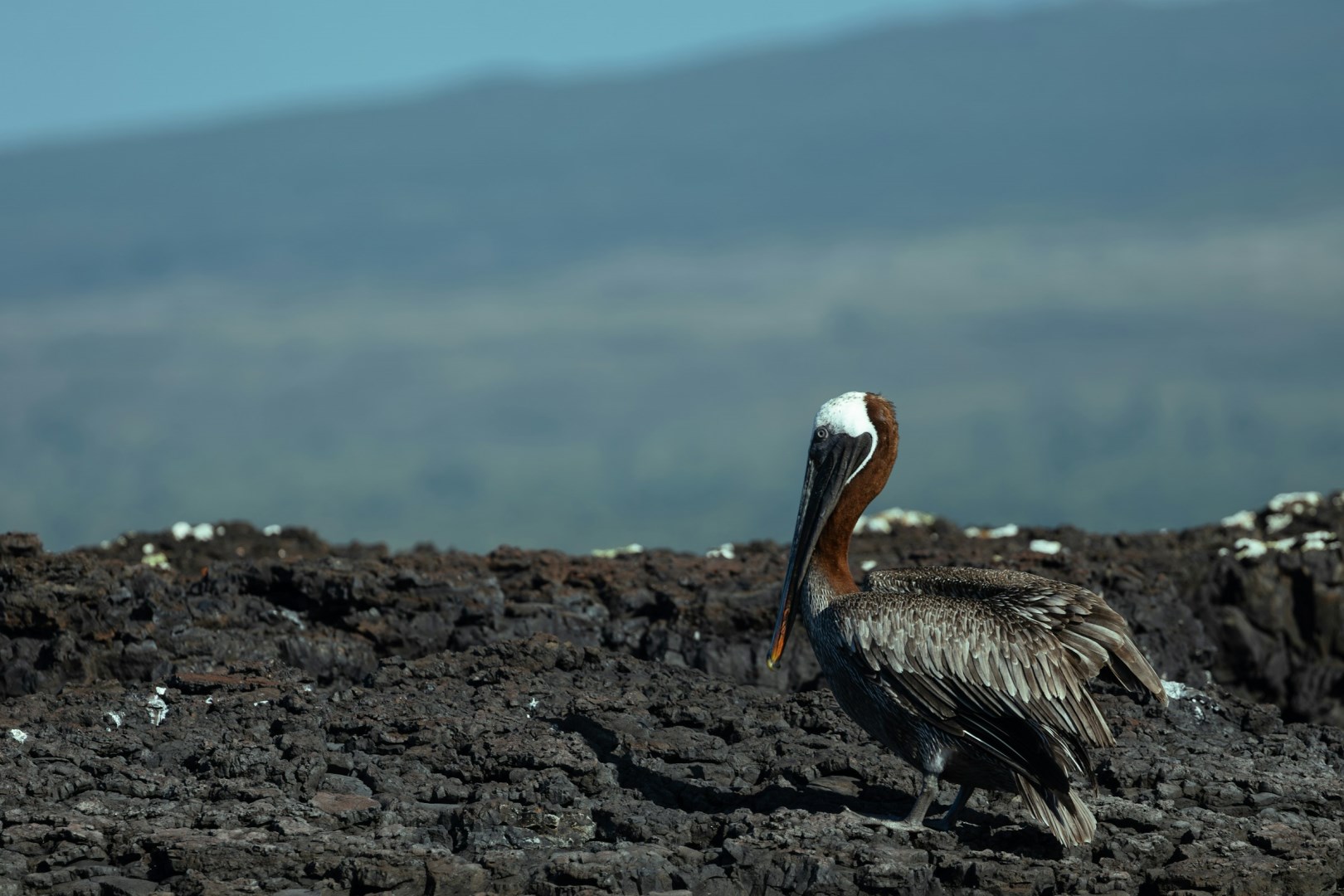
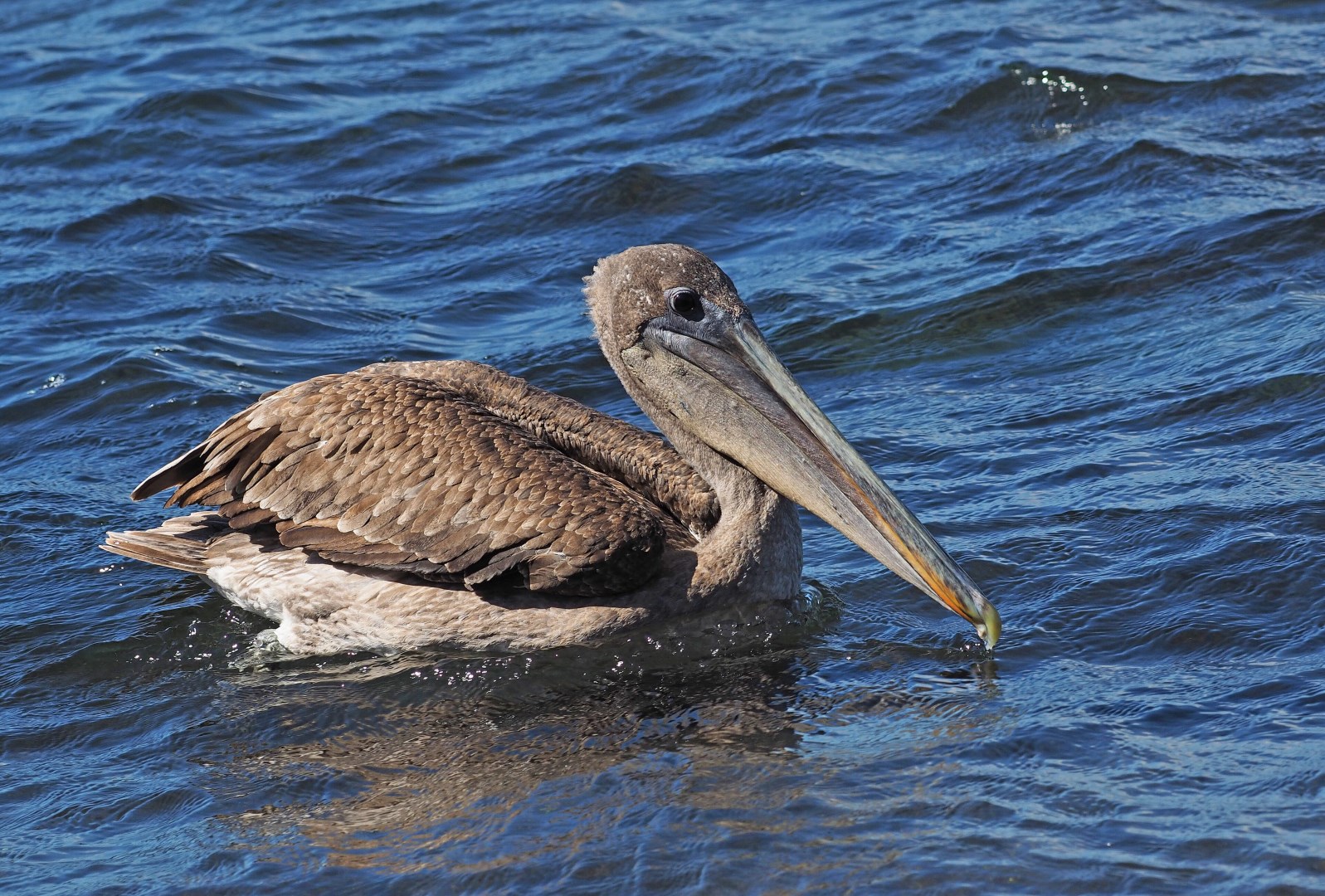
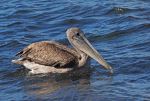
Galapagos Brown Pelican - Pelecanus occidentalis urinator
Photo Credit: Photo by Judy Gallagher from Wikimedia
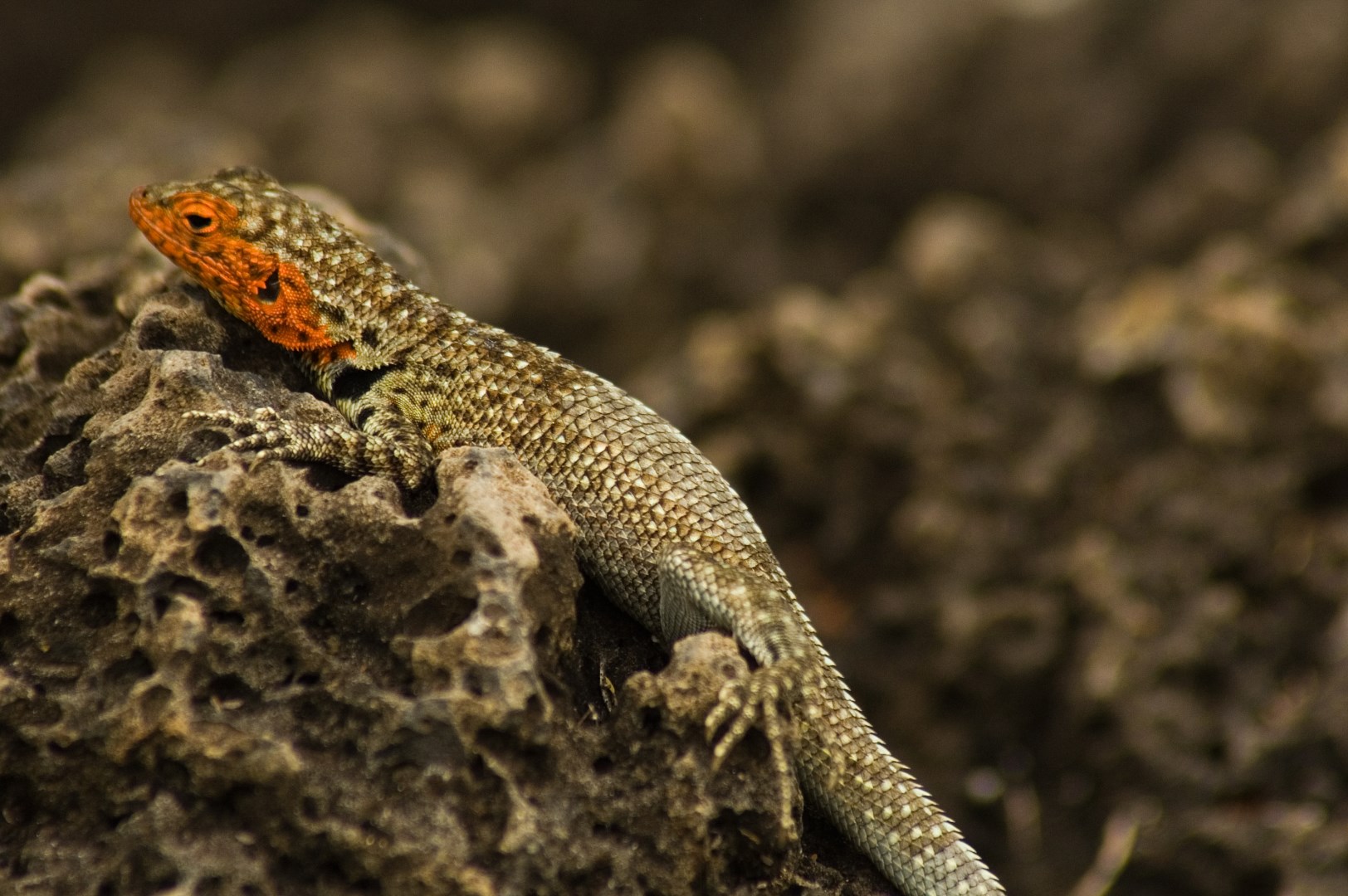
Galápagos lava lizard
Photo Credit: Photo by Peter Wilto from Wikimedia
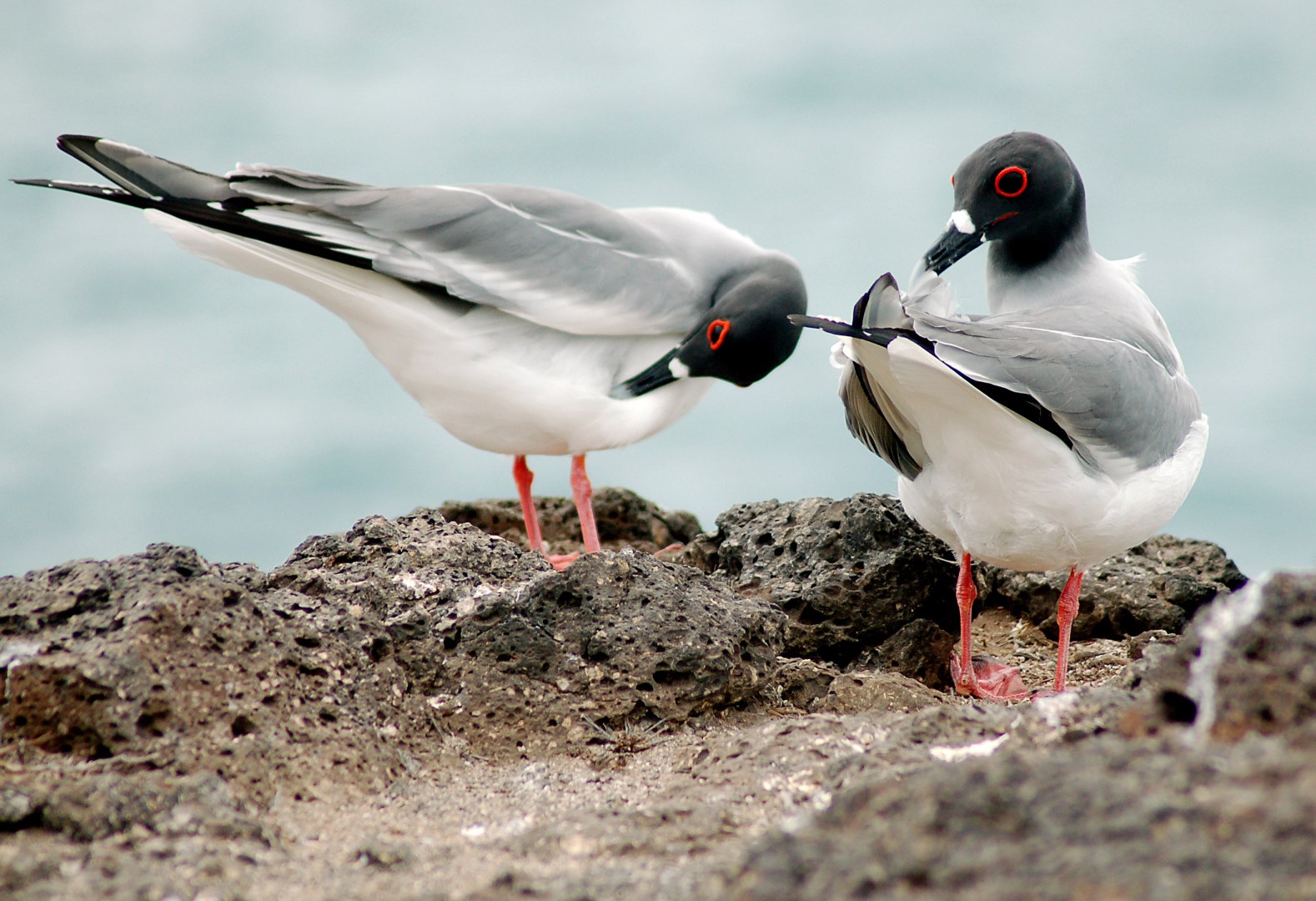
Swallow-tailed Gulls
Photo Credit: Photo by suecan1 from Wikimedia
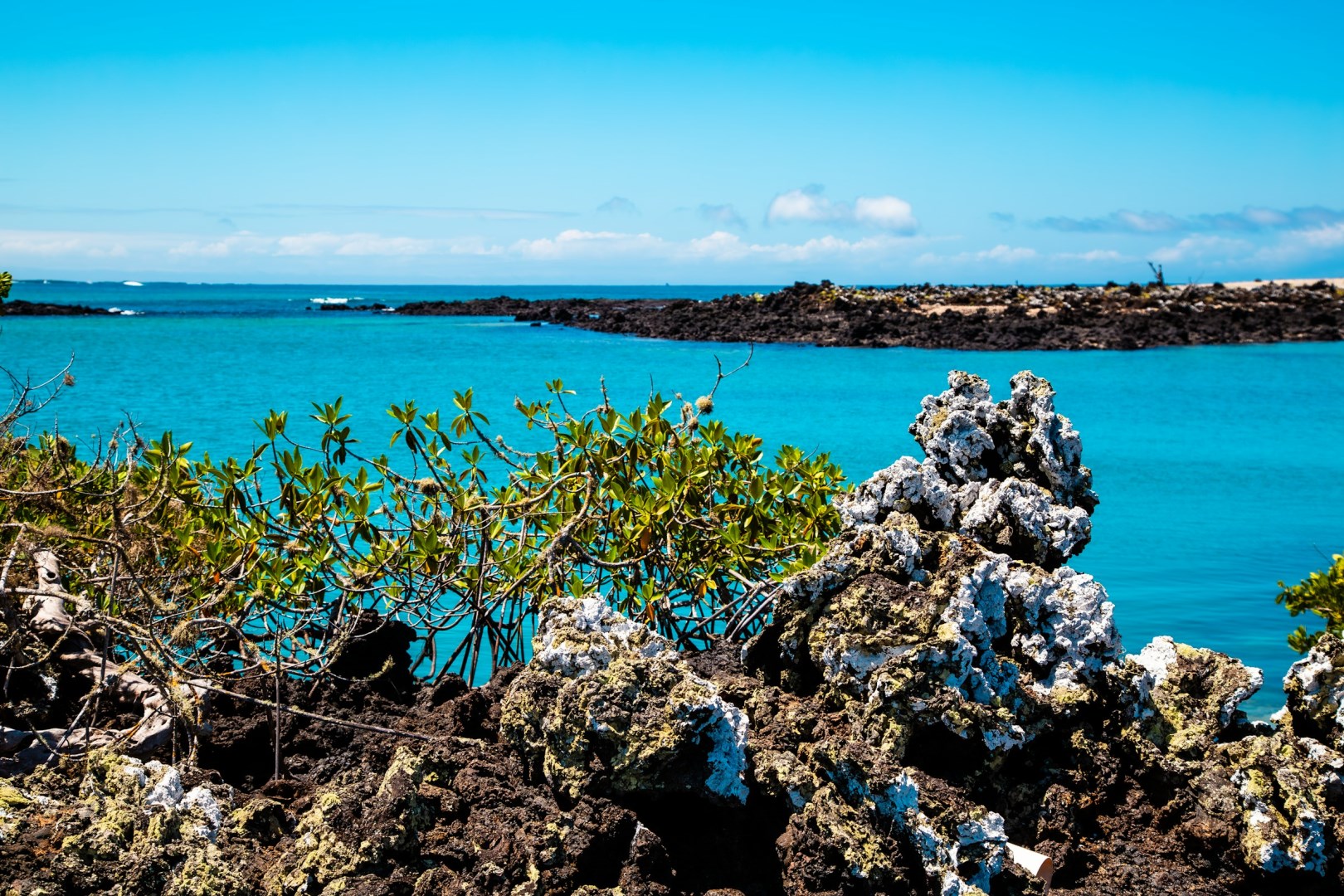
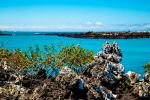
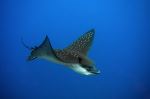
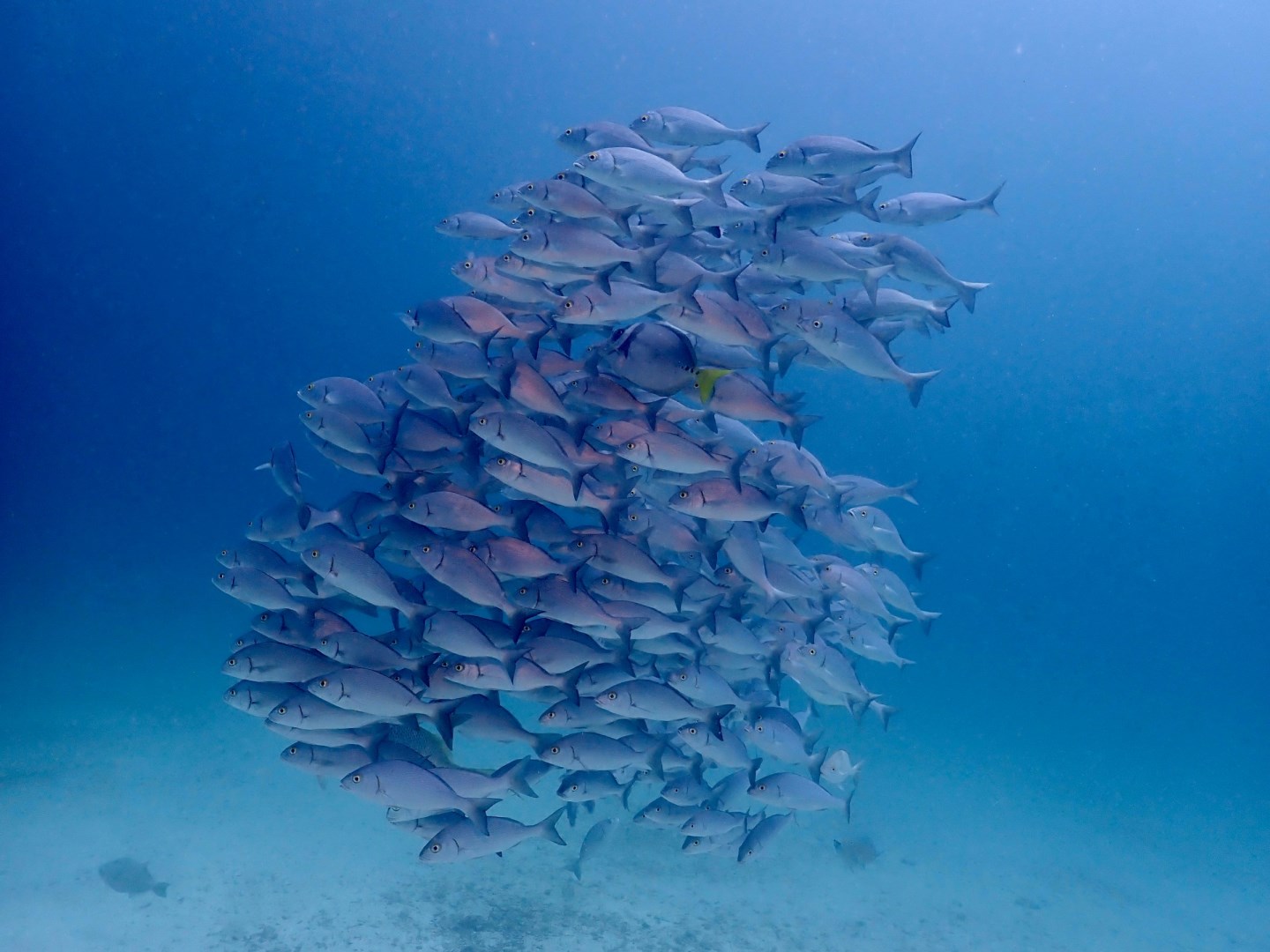
Off the coast of Ecuador, the iconic and biodiverse Galápagos Islands, made famous by Charles Darwin’s nineteenth-century research expeditions on HMS Beagle, beckon you. This glittering archipelago, surrounded by vivid turquoise waves, abounds with stunning beaches and spectacular wildlife, perfect for the adventurous traveler.
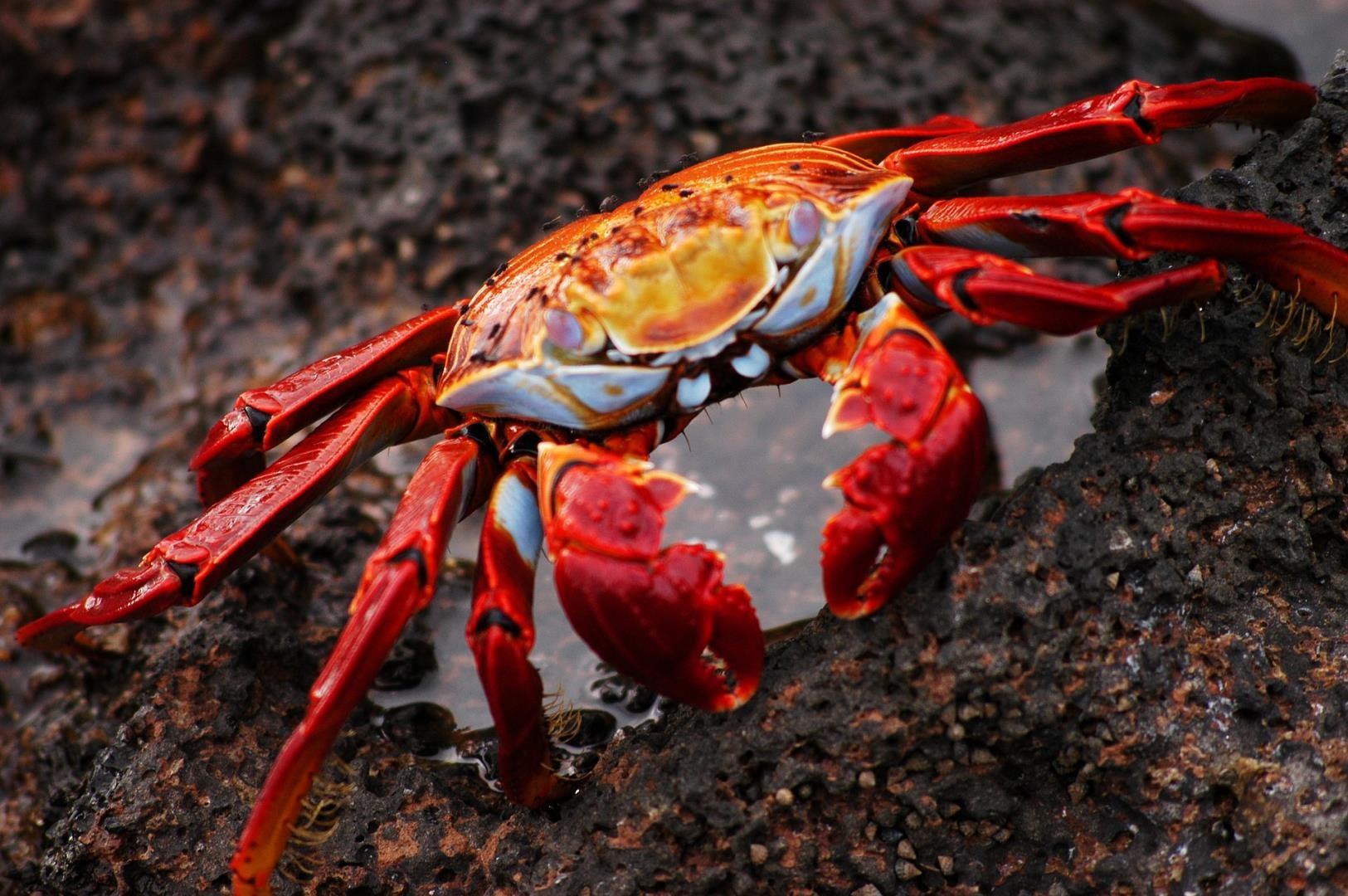
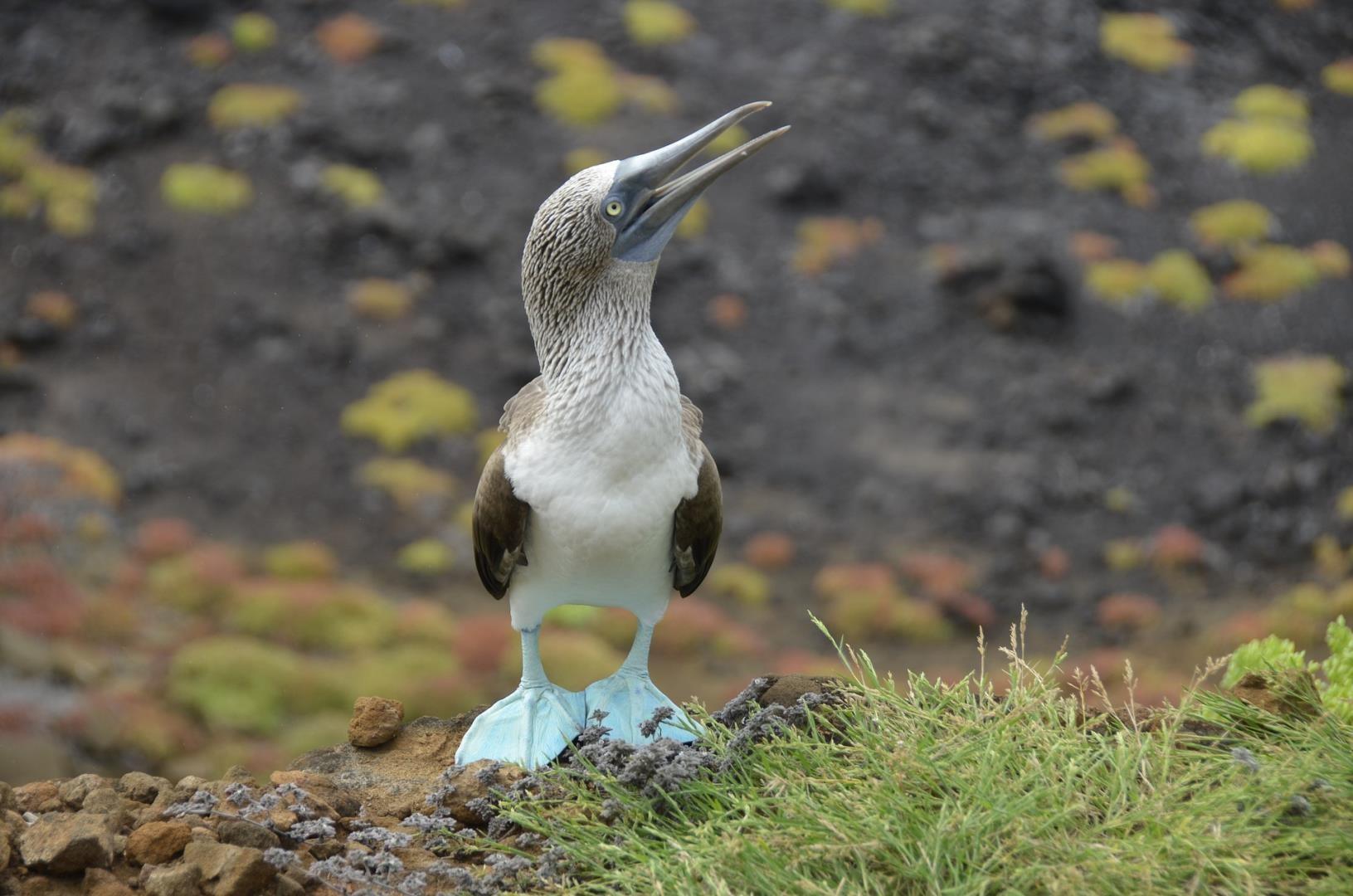
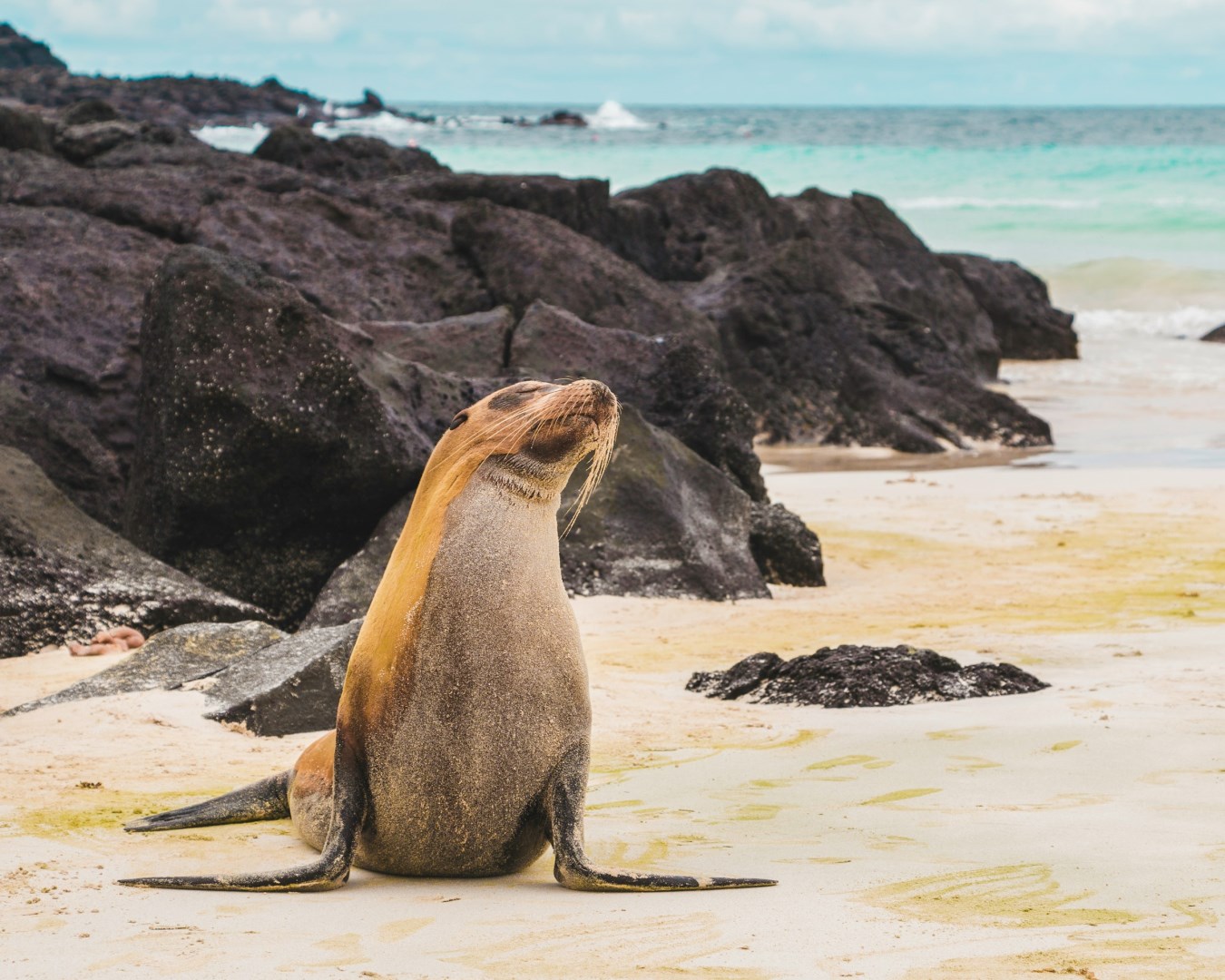
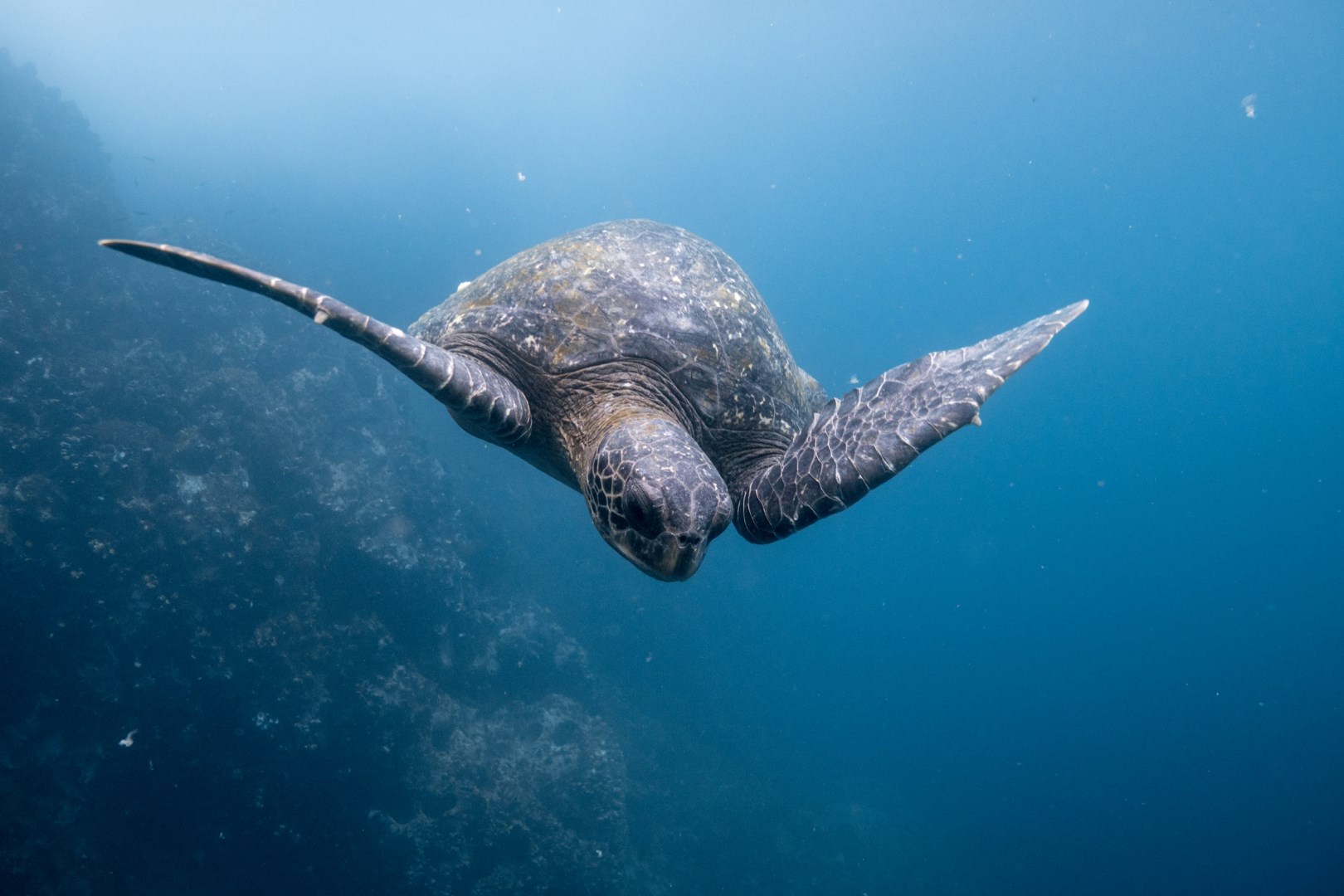
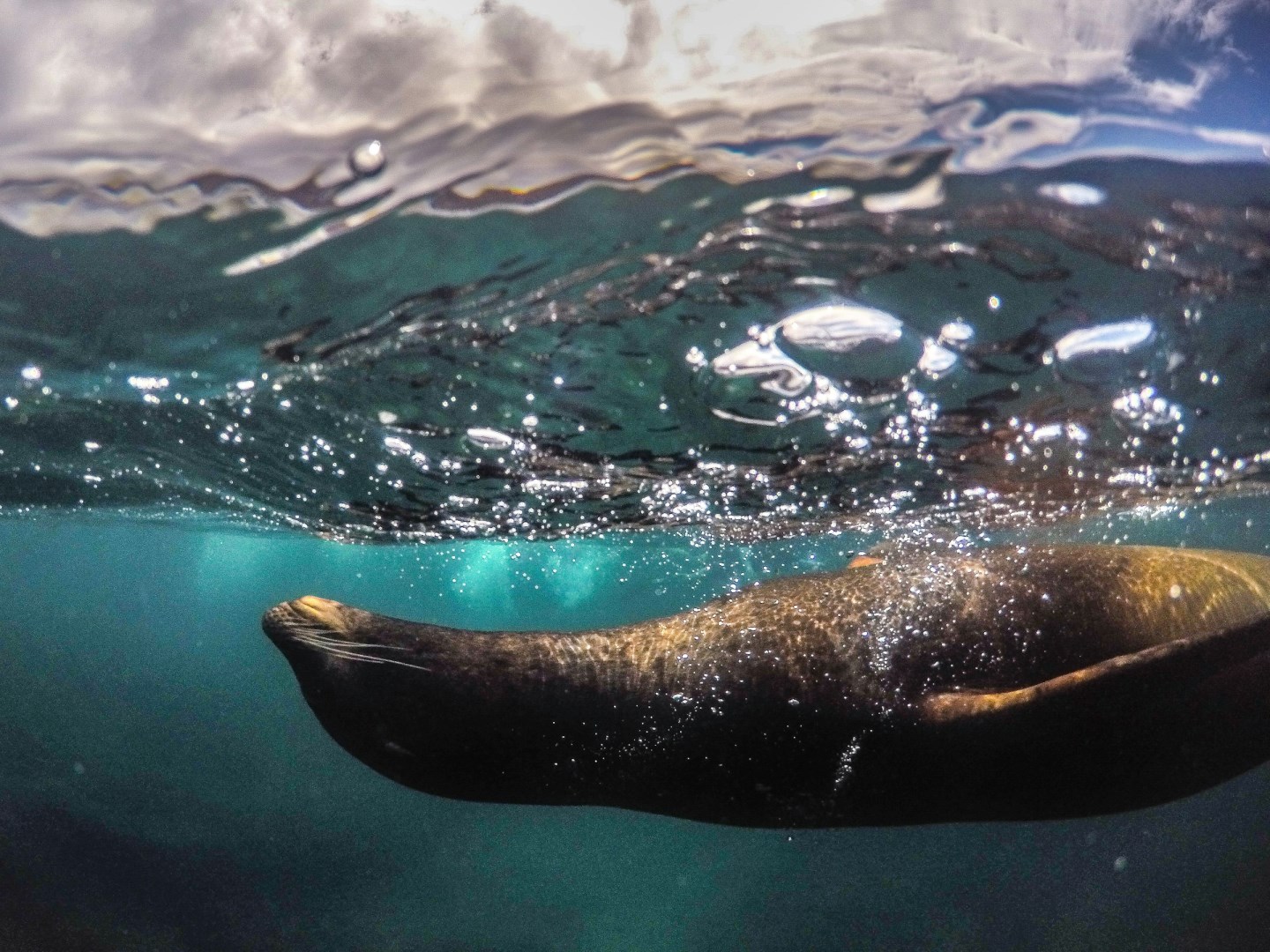
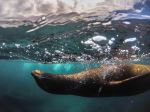
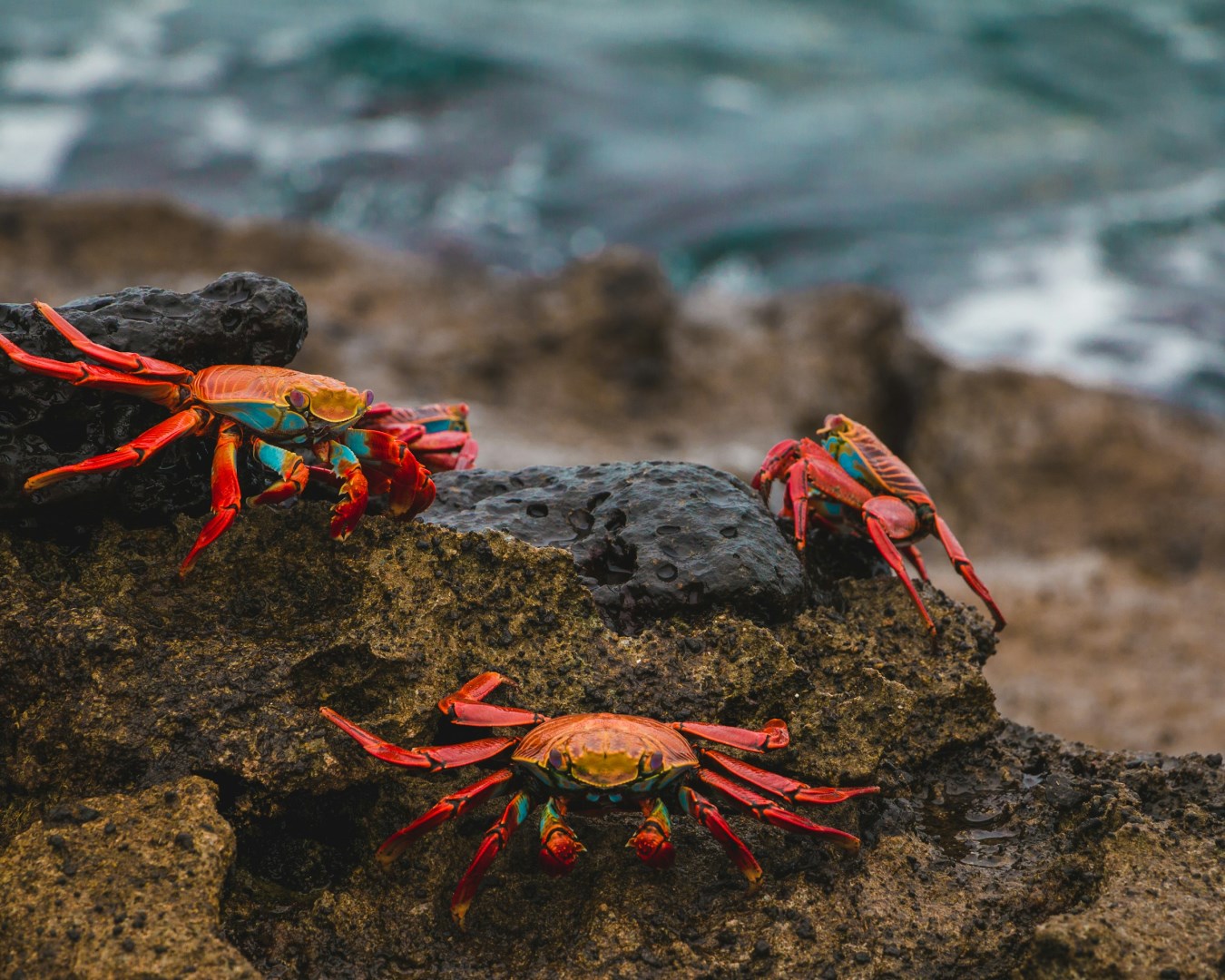
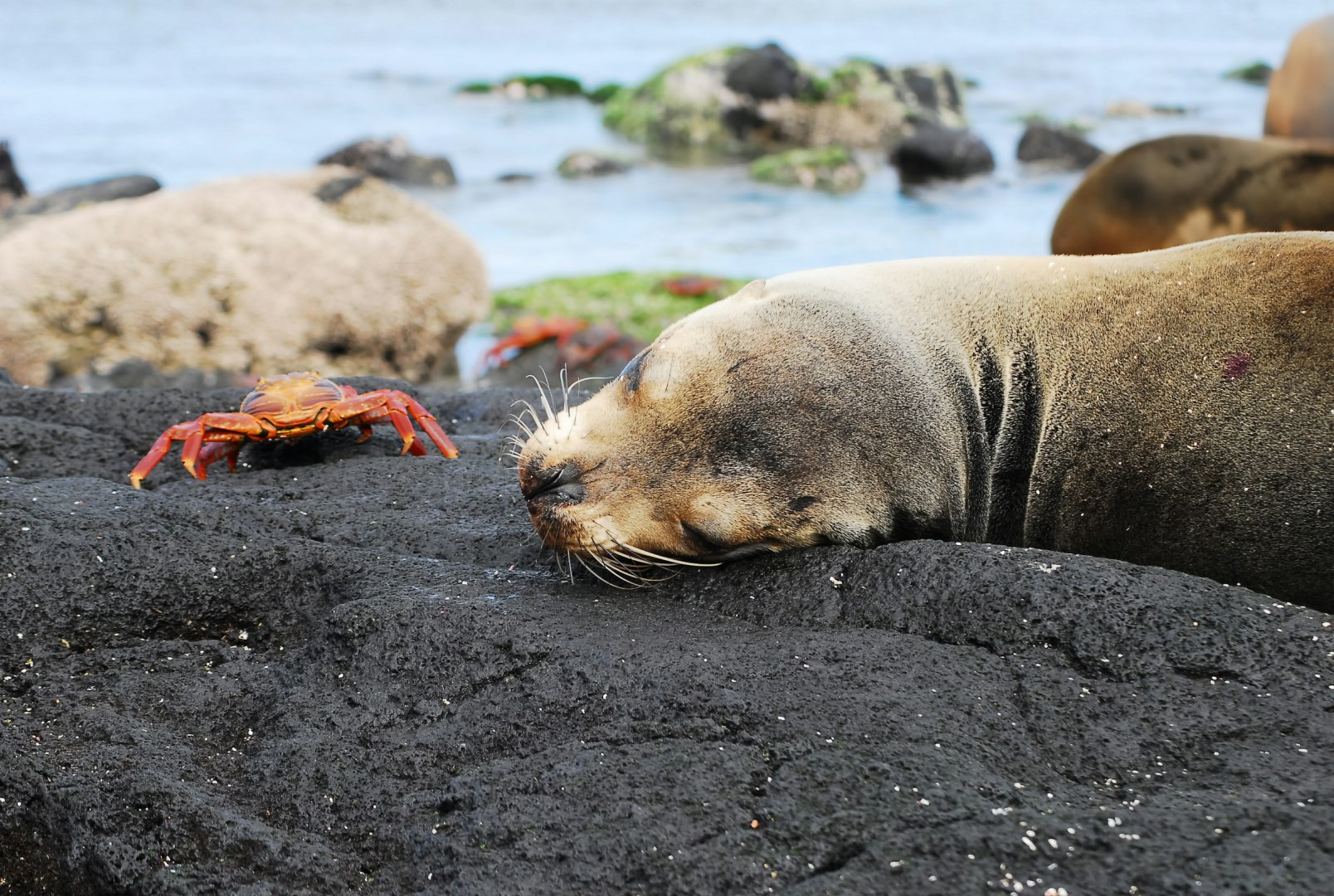
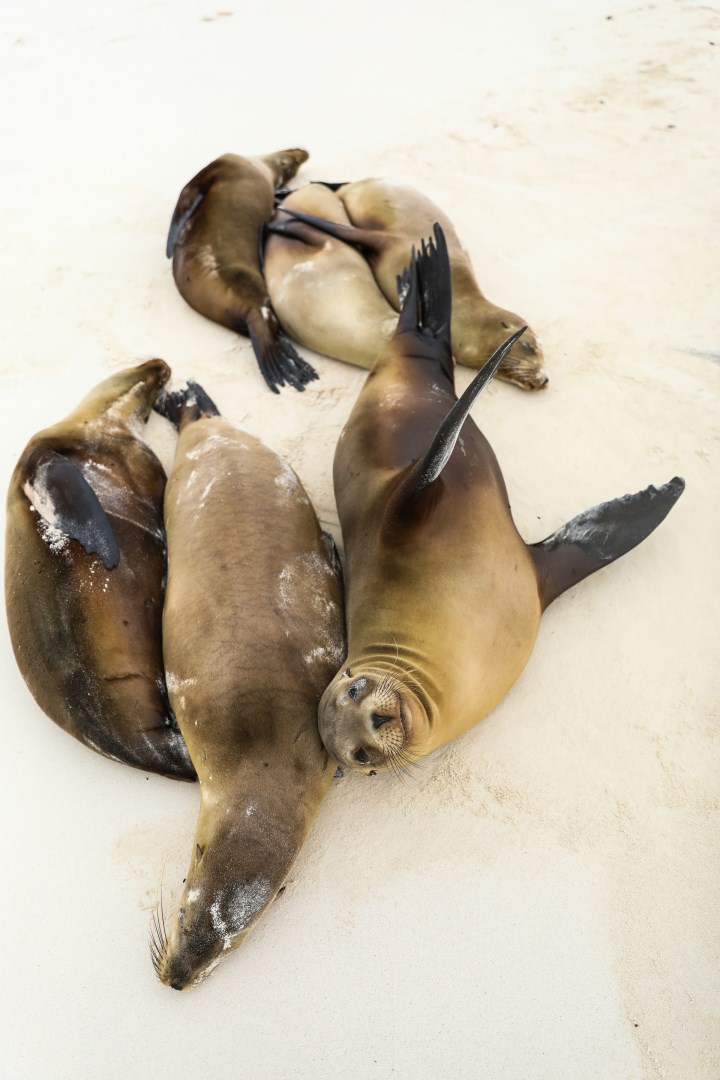
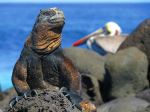
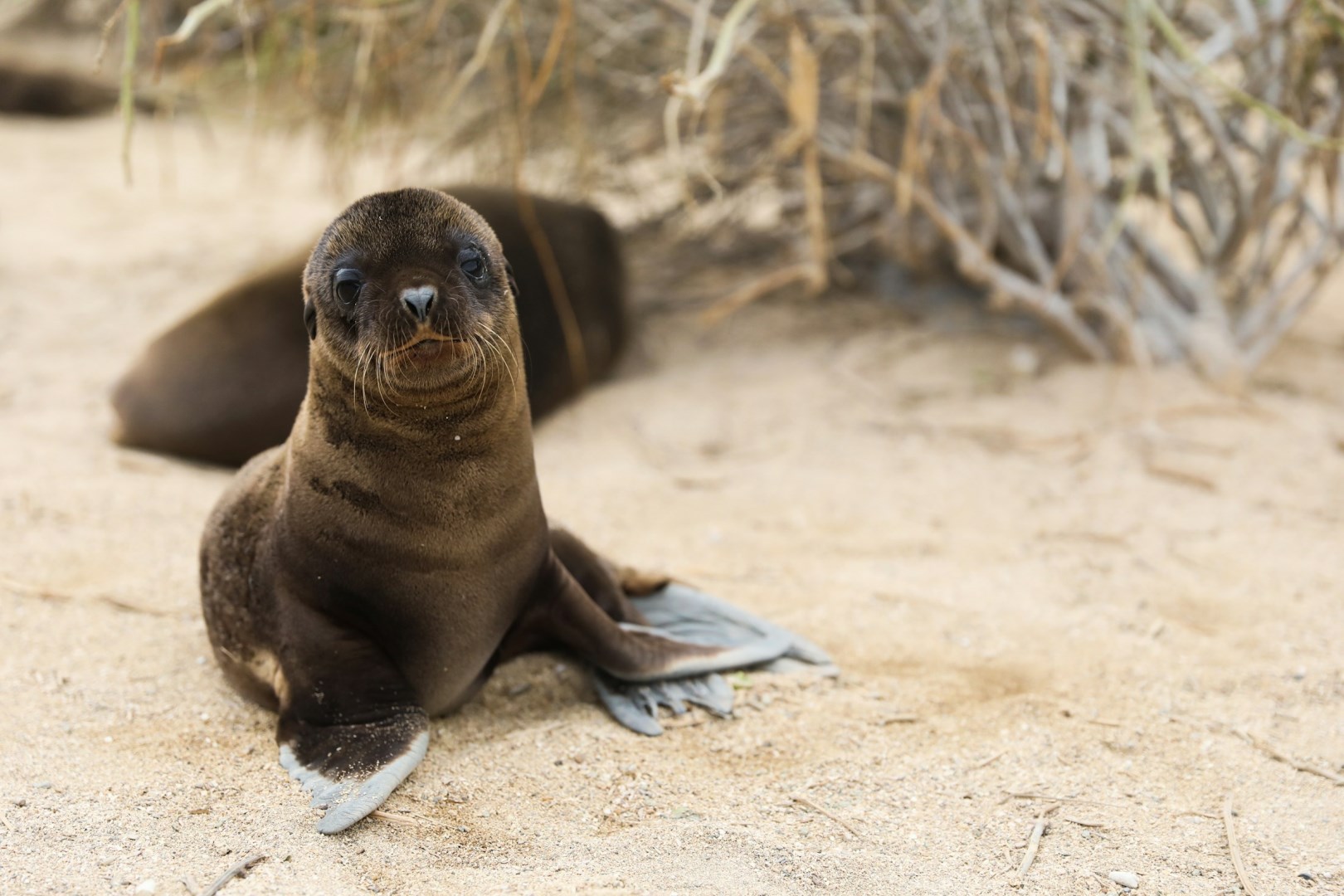
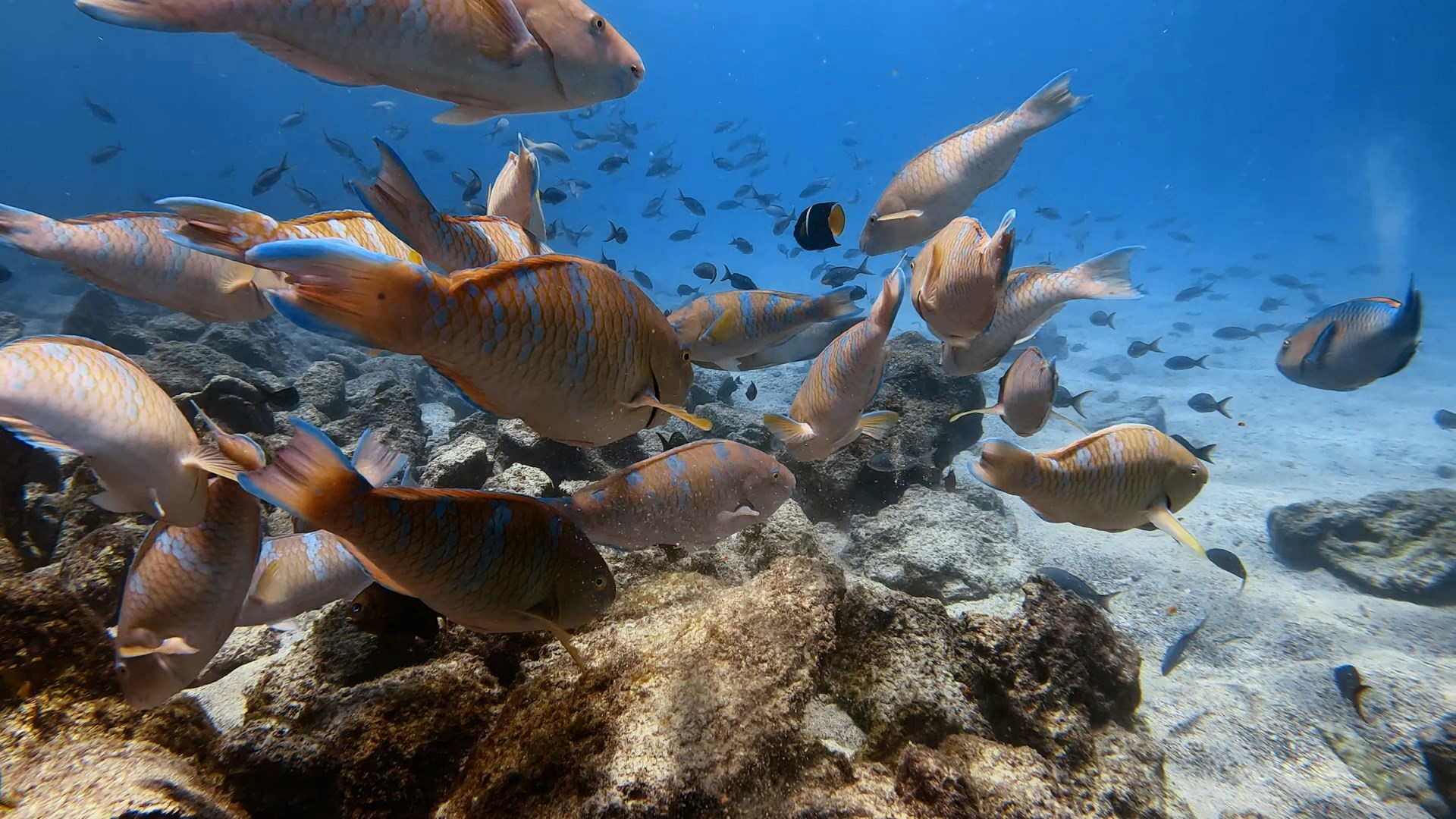
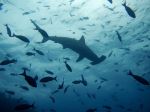
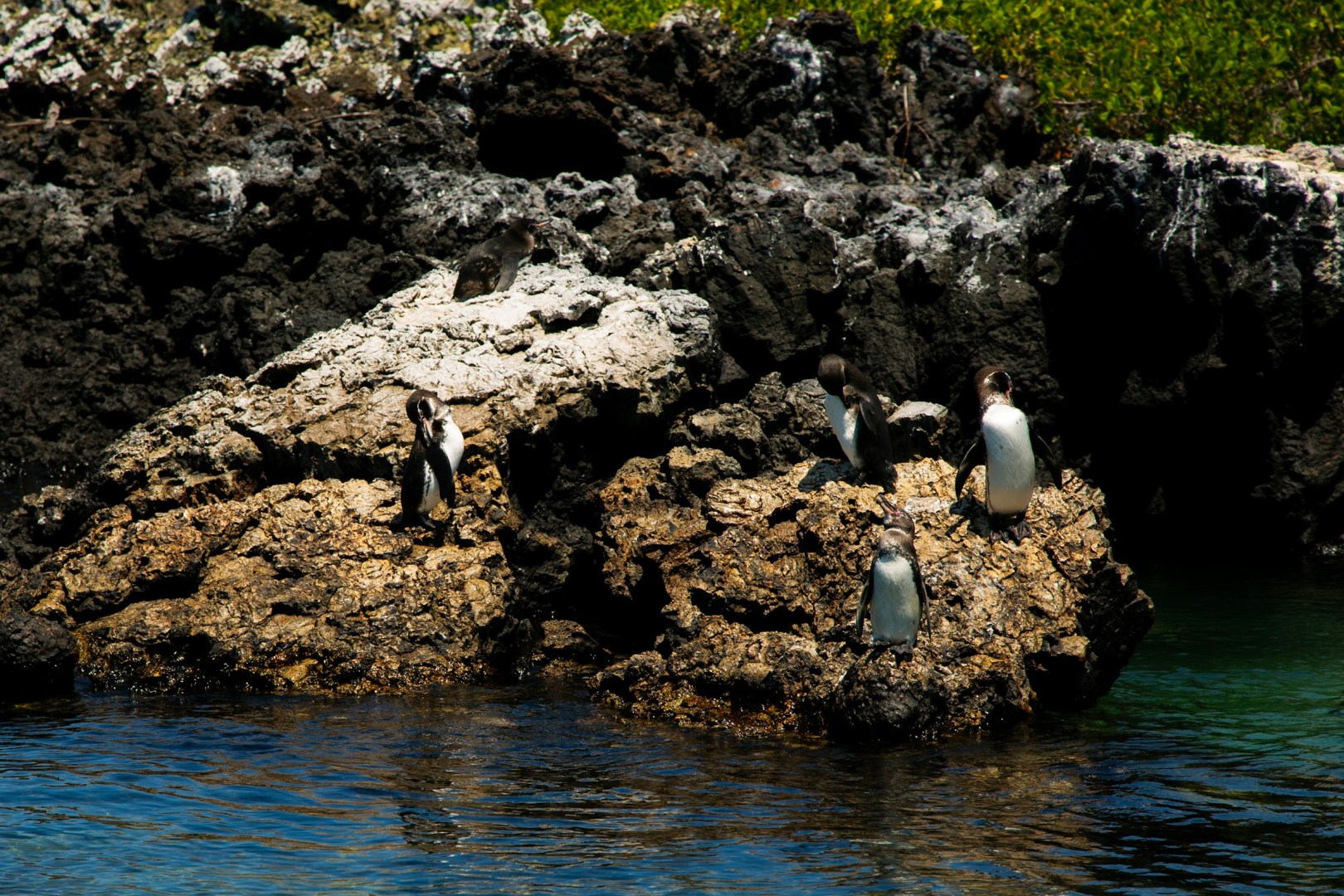
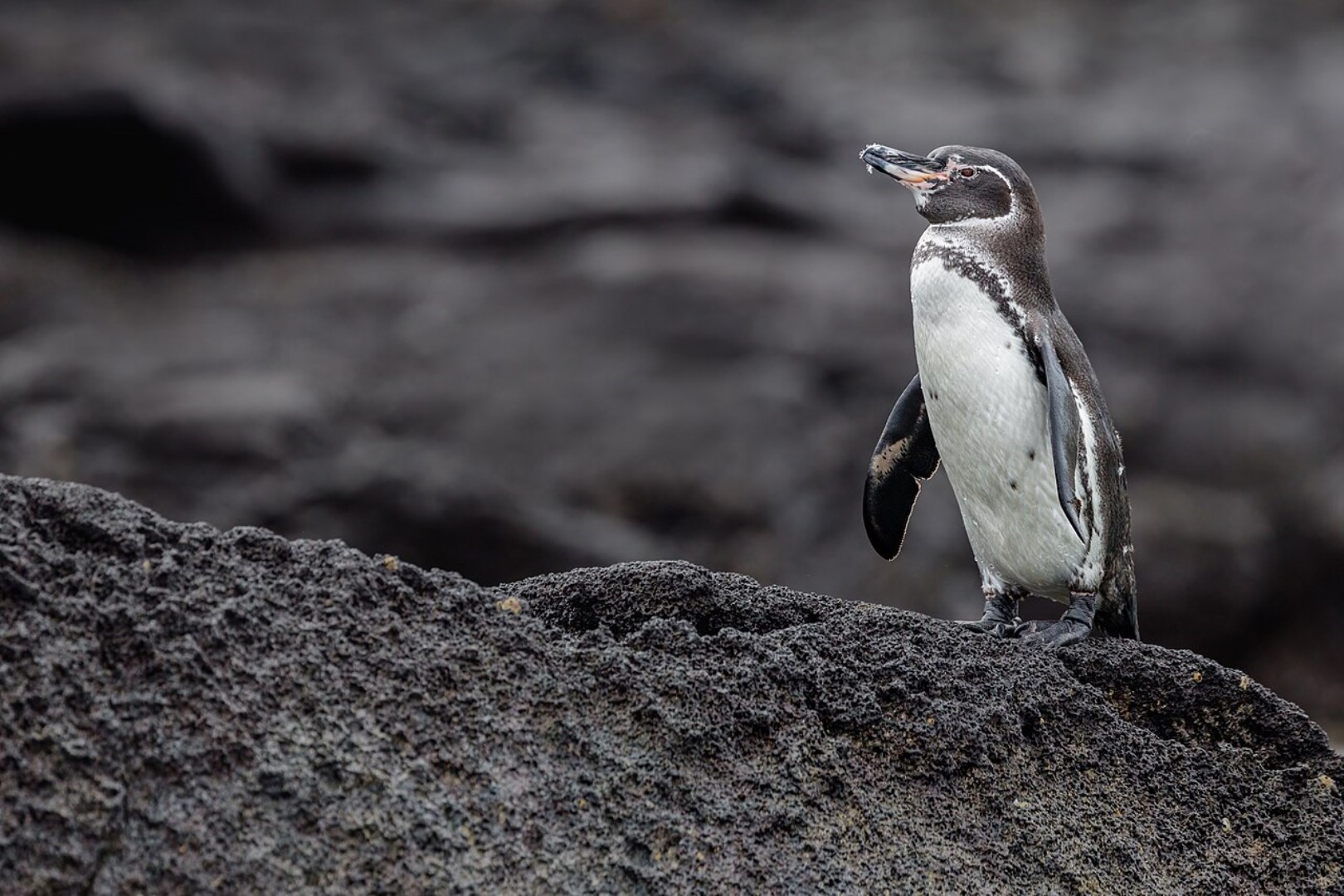
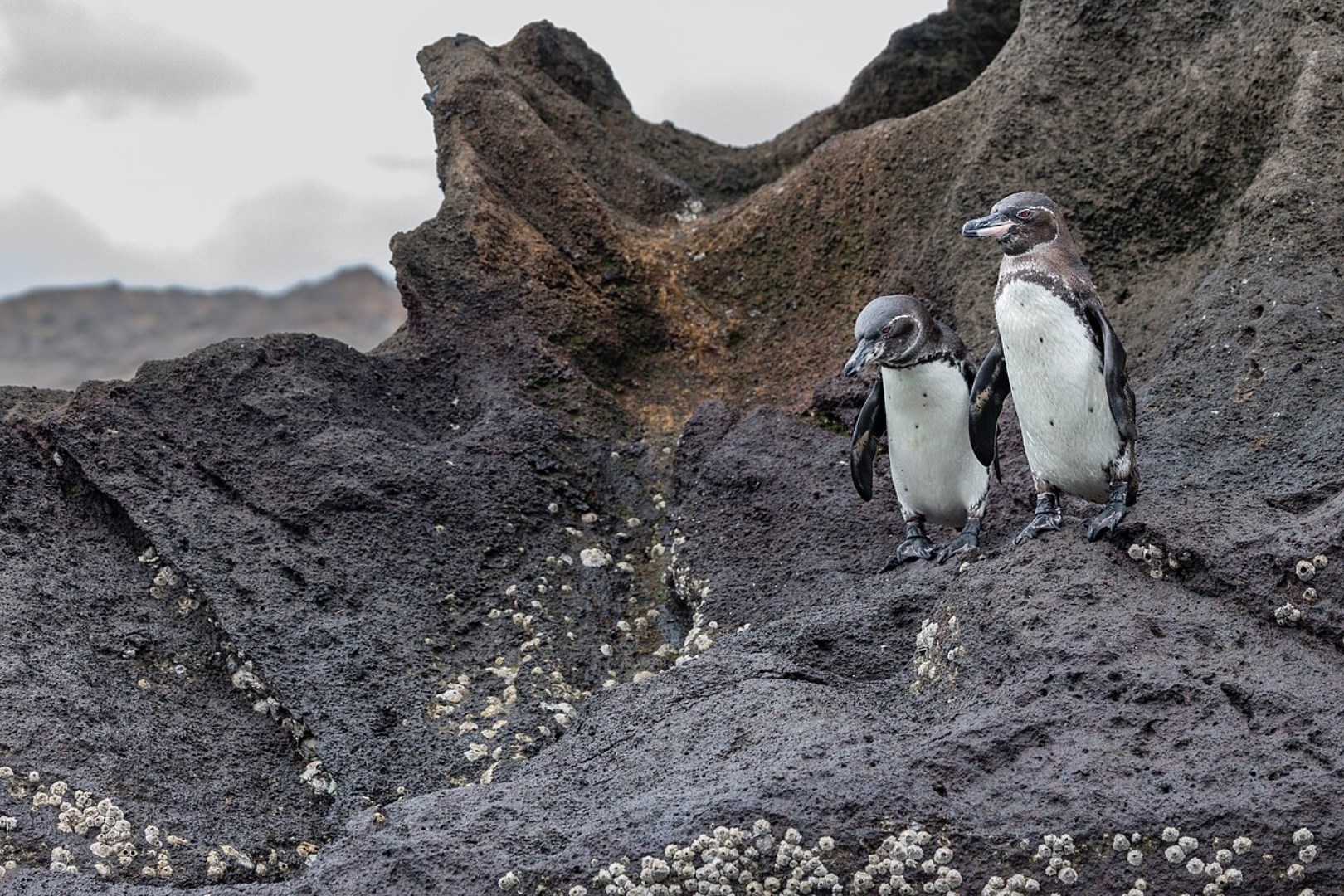
A popular destination for South American cruises, you’ll find plenty to see and do on each island. Sea lions, iguanas, blue-footed boobies, penguins, and the infamous Galápagos tortoises are just a few of the many indigenous wildlife that make these islands home. Favorite spots for animal watching include Tortuga Bay, Reserva El Chato (a tortoise reserve), and Parque Nacional Galápagos. Venture to San Cristóbal Island and Isabela Island for the archipelago’s best snorkeling or trek up the Sierra Negra volcano, the only Galápagos volcano accessible to hikers, for panoramic island views. Unwind in the island’s picturesque towns, including Puerto Ayora and Puerto Villamil, and be sure to sample authentic Ecuadorian cuisine and fresh seafood dishes.
Discover your next adventure in the Galápagos Islands!
Other Popular Destinations in Ecuador
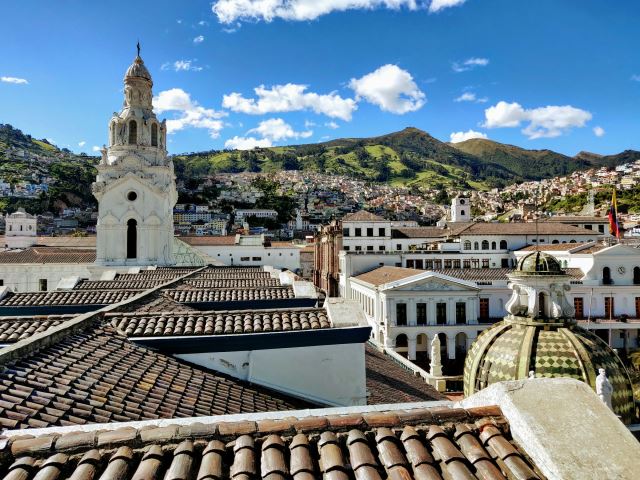
Quito
Situated on the equator and nestled beneath an imposing volcano, the rugged, sprawling, and vibrant city of Quito offers adventure galore. A South American gem and Ecuador’s capital, Quito combines the best of its Incan and Spanish influences in fascinating cultural attractions, and the city’s surrounding natural beauty will surely astound you.
Santa Cruz Island
Santa Cruz Island is the beating heart of the Galápagos and is home to the largest town in the archipelago, Puerto Ayora, and a key access point for travelers exploring this unique region. But beyond its small port and shops, the island reveals a surprising range of ecosystems, from black lava shores to lush highlands where giant tortoises roam freely.