Palm Beach
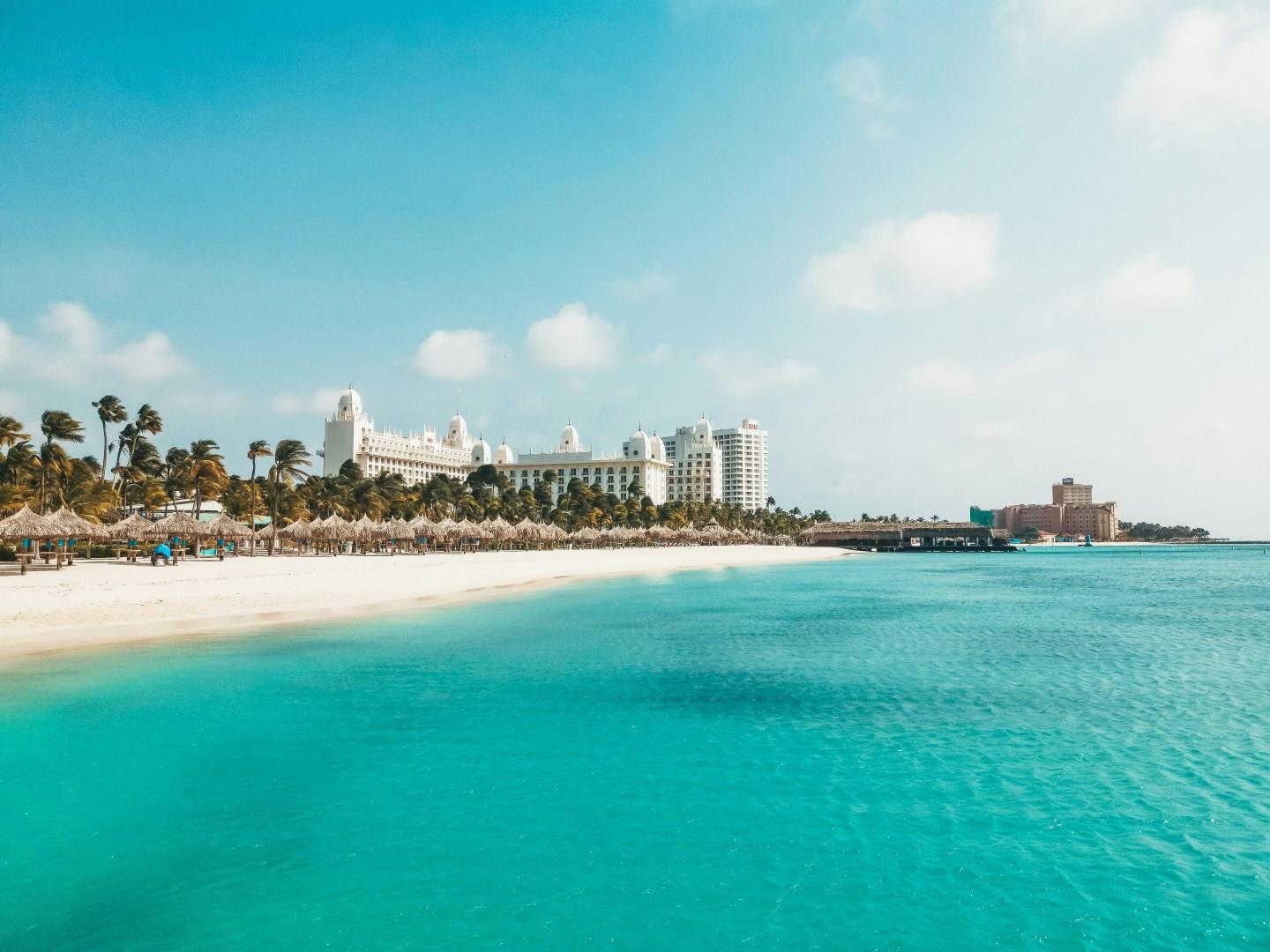
Palm Beach, located on Aruba’s northwest coast, is the island’s most famous stretch of sand: a two-mile ribbon of soft white shore lined with turquoise waters and a lively resort scene.
Vienna
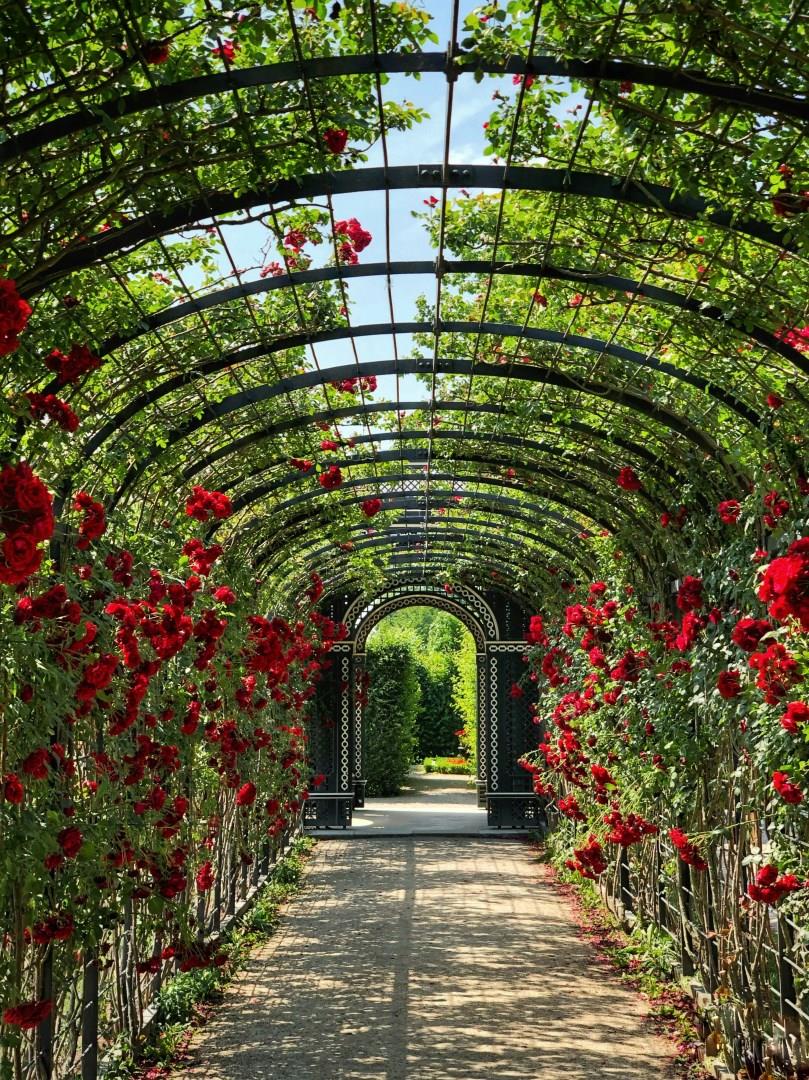
Vienna has a long memory. Once the capital of the Habsburg Empire, the city still carries signs of its imperial past in its palaces, concert halls, and wide boulevards. Visitors can walk through the Hofburg complex, where emperors once ruled, or tour the opulent rooms of Schönbrunn Palace, which features 1,441 rooms and a maze in its gardens. But Vienna’s many historic buildings now house contemporary art museums, cafés, and institutions that reflect the city’s modern identity.

Monte Carlo
Located just off the southern coast of France, Monte Carlo beckons you with glittering pebble beaches, old-world charm, and stunning architecture.

Šiaulia
Šiauliai, often referred to as the "City of the Sun" due to its high number of sunny days, is a vibrant gem in northern Lithuania. The city's most iconic landmark is the Hill of Crosses, a profound site of pilgrimage adorned with thousands of crosses placed by visitors over the decades. This unique and moving monument, which has been recognized by UNESCO for its cultural significance, symbolizes the resilience and spirit of the Lithuanian people.

Gjógv
Nestled in the stunning landscape of Eysturoy in the Faroe Islands, Gjógv is a picturesque village that feels like a scene straight out of a fairy tale. Known for its dramatic cliffs and tranquil surroundings, Gjógv is named after the natural gorge that cuts into its coastline. The gorge, stretching 200 meters inland, serves as a natural harbor and has long been a lifeline for the village's fishing industry.