

La Goulette
La Goulette, a charming port town just north of Tunis, is a delightful destination for travelers seeking a blend of history, culture, and seaside relaxation. Known for its vibrant atmosphere, La Goulette offers visitors a chance to explore its bustling markets, enjoy fresh seafood at local restaurants, and relax on its beautiful beaches.
Mendoza
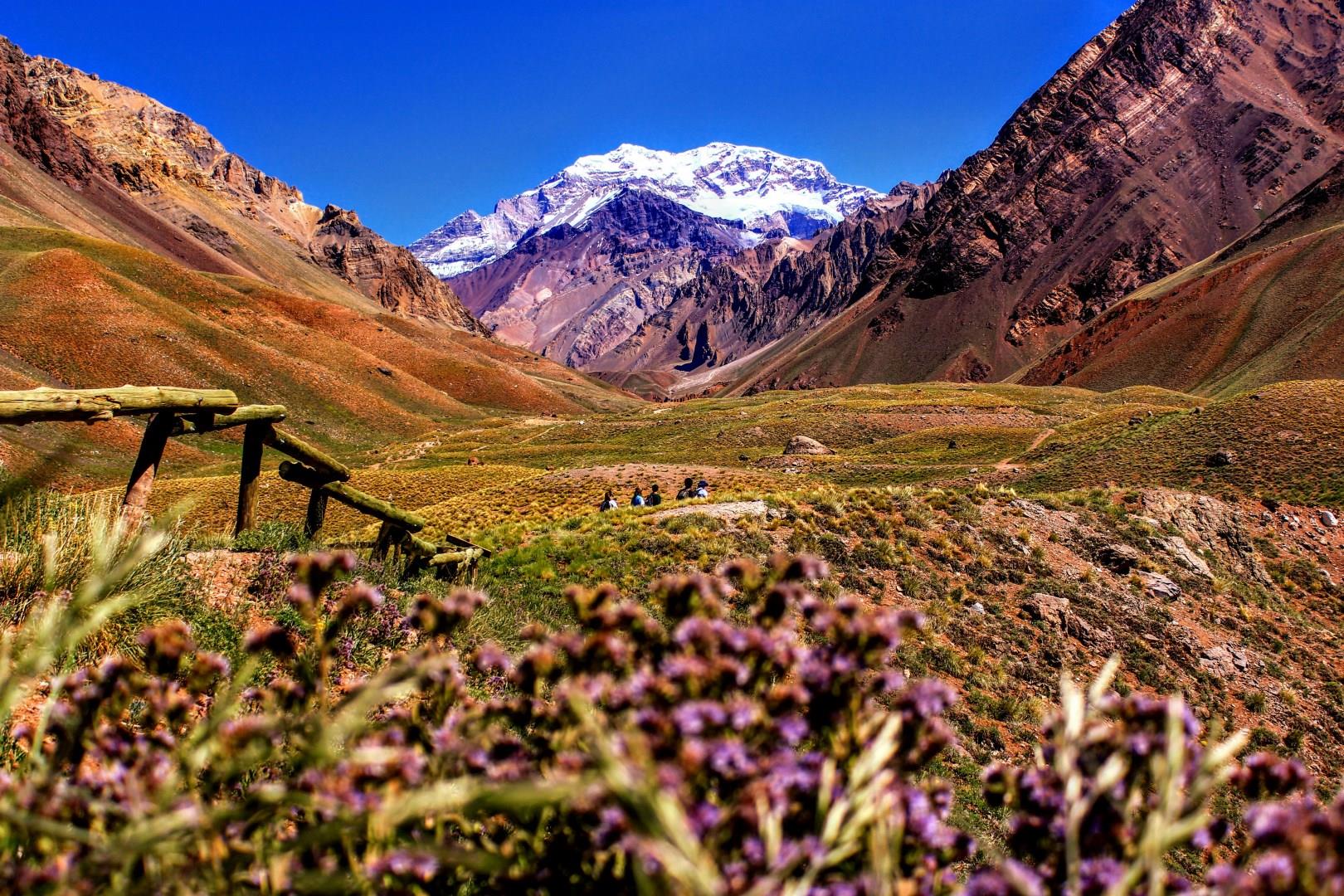
Mendoza sits at the base of the Andes in western Argentina, where sun-drenched plains meet snow-capped peaks.
Lobesa - Metsina
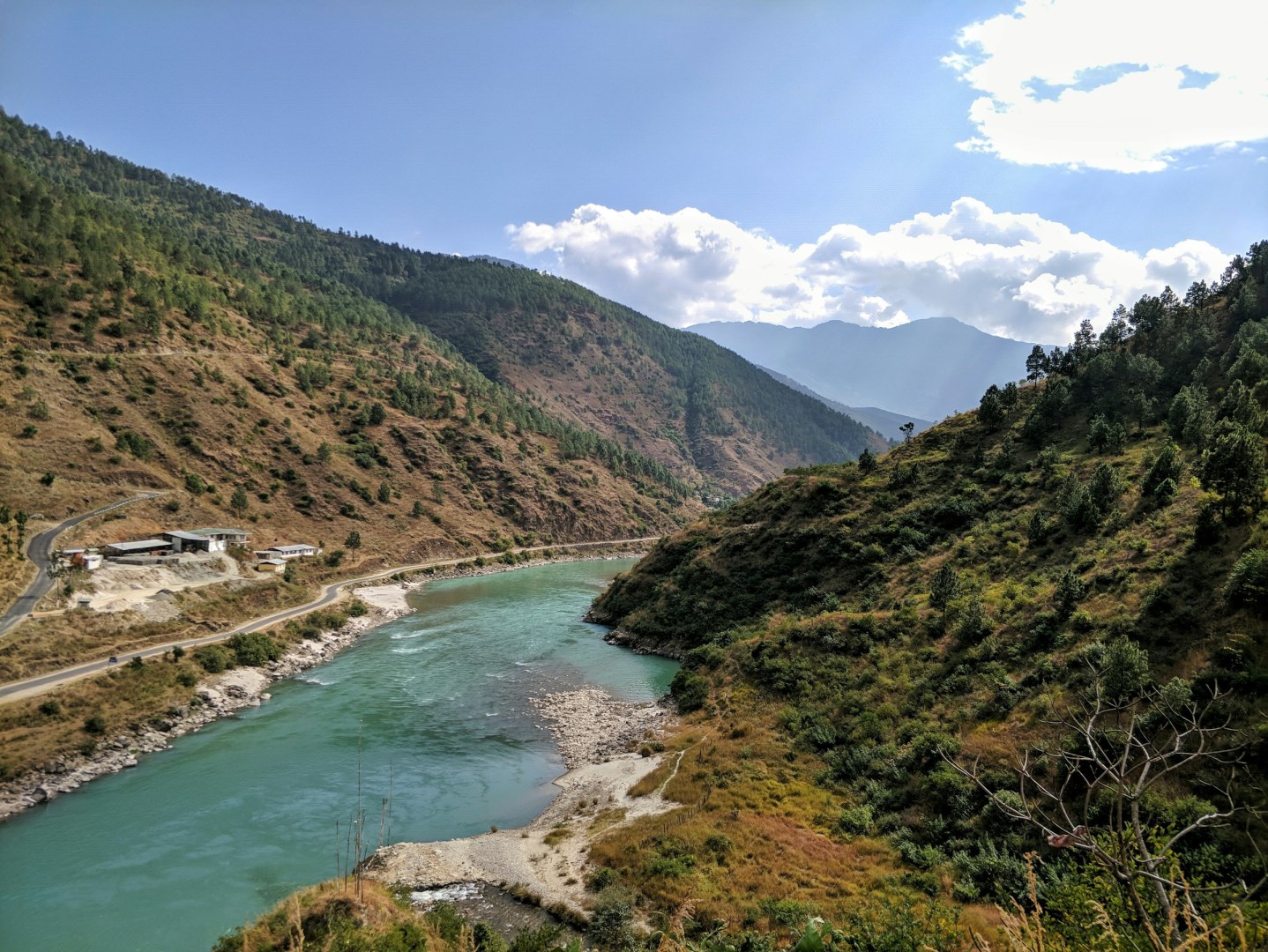
Lobesa–Metsina is a rural area in Punakha District, western Bhutan, set within the warm and fertile Punakha Valley. The settlements lie among rice paddies, mustard fields, orchards, and forested hills, with the Punatsangchhu River shaping the wider valley landscape. Lobesa is located along the main road linking Punakha and Wangdue Phodrang and provides access to villages and agricultural areas surrounding the valley. The region has a distinctly rural character, with traditional Bhutanese houses,

Lombok
Lombok offers an experience that blends adventure, relaxation, and cultural discovery. Whether trekking volcanic peaks, lounging on secluded shores, or immersing in local traditions, visitors will find a destination that remains true to its natural and cultural roots.
Wailua, Kauai
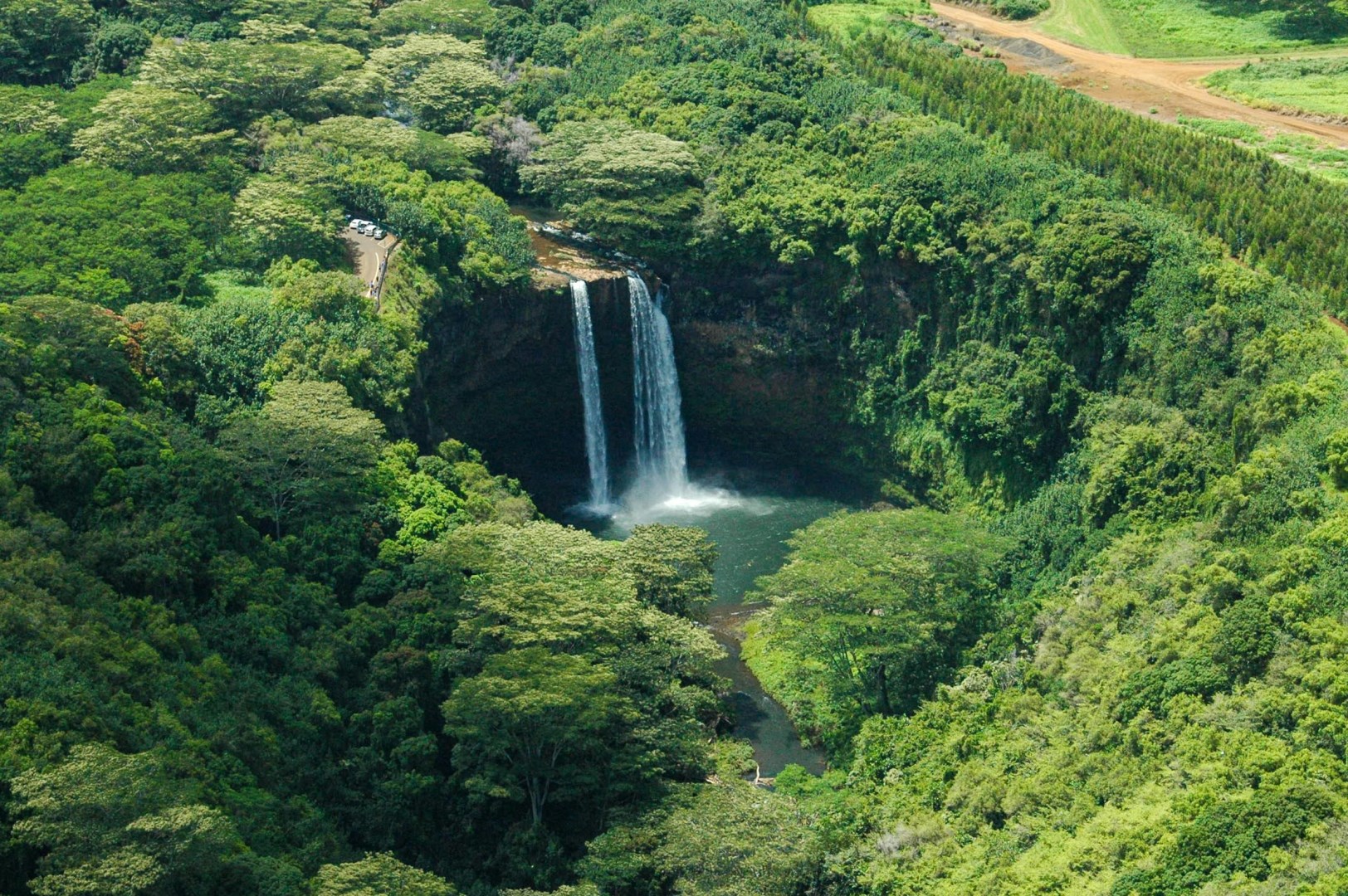
Wailua is a community on the eastern side of Kauaʻi, Hawaiʻi, where the Wailua River reaches the Pacific Ocean. The area includes beaches, river valleys, coconut groves, and forested foothills, with the dramatic peaks of the island’s interior rising nearby. Wailua is one of the main population centers on Kauaʻi and lies between the towns of Kapaʻa and Līhuʻe. Its location provides access to both the island’s eastern coastline and the Wailua River, making it an important base for exploring waterf


