

Kimberley
Whether trekking through rugged landscapes, cruising through river gorges, or learning about one of the world’s oldest cultures, the Kimberley offers a truly unique experience. It's a destination unlike any other, where nature and history come together in one of Australia’s most extraordinary regions.

Panama City
Panama City, the vibrant capital of Panama, is a city where modernity meets history in a striking blend. As you stroll through its lively streets, the futuristic skyline is crowned by the awe-inspiring Panama Canal, an engineering marvel that has shaped global trade for over a century. The canal's Miraflores Locks Visitor Center offers an up-close look at the massive ships navigating through this critical waterway, complete with panoramic views.
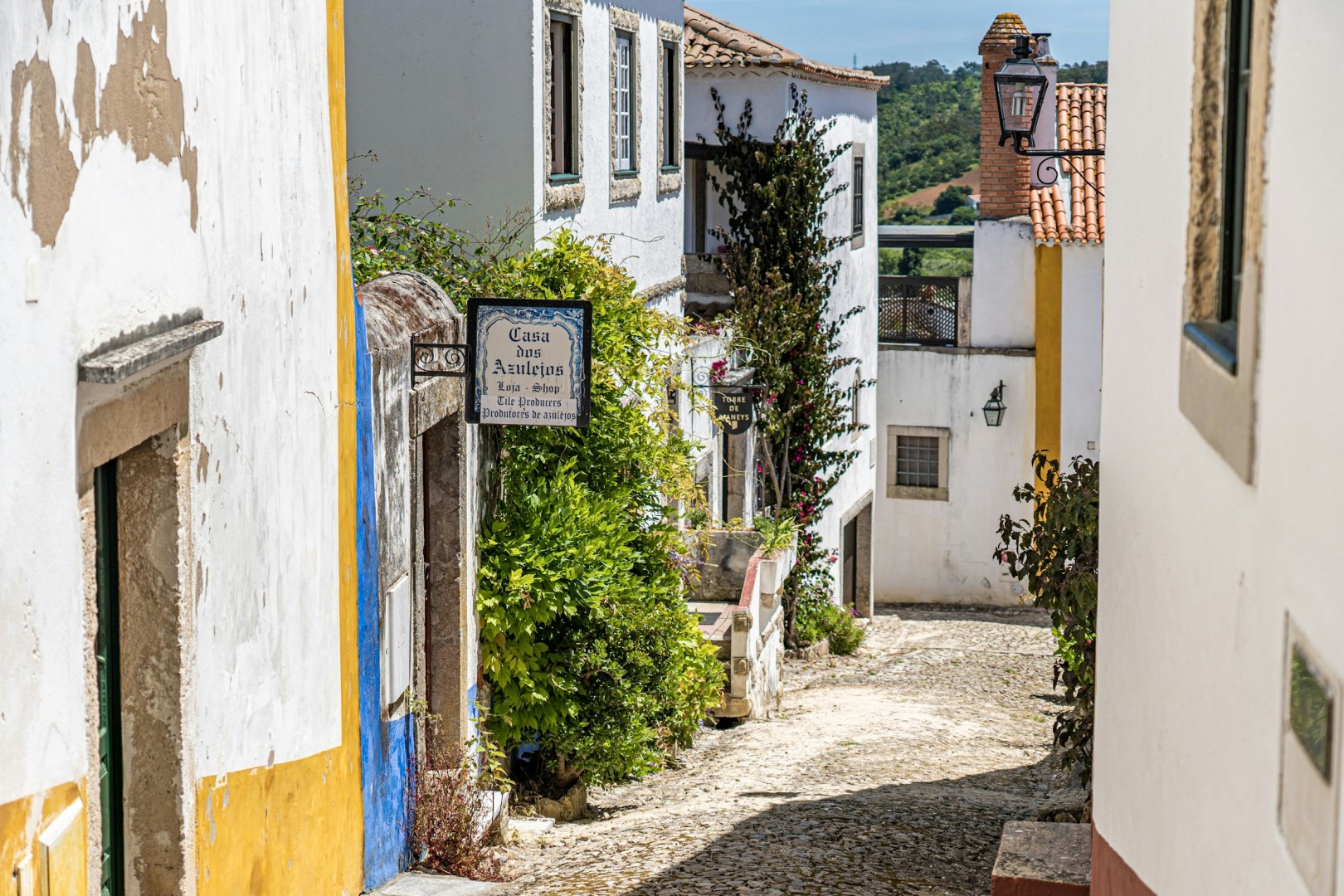
Óbidos
An enchanting, medieval walled town with tiny whitewashed houses and balconies brimming with flowers.
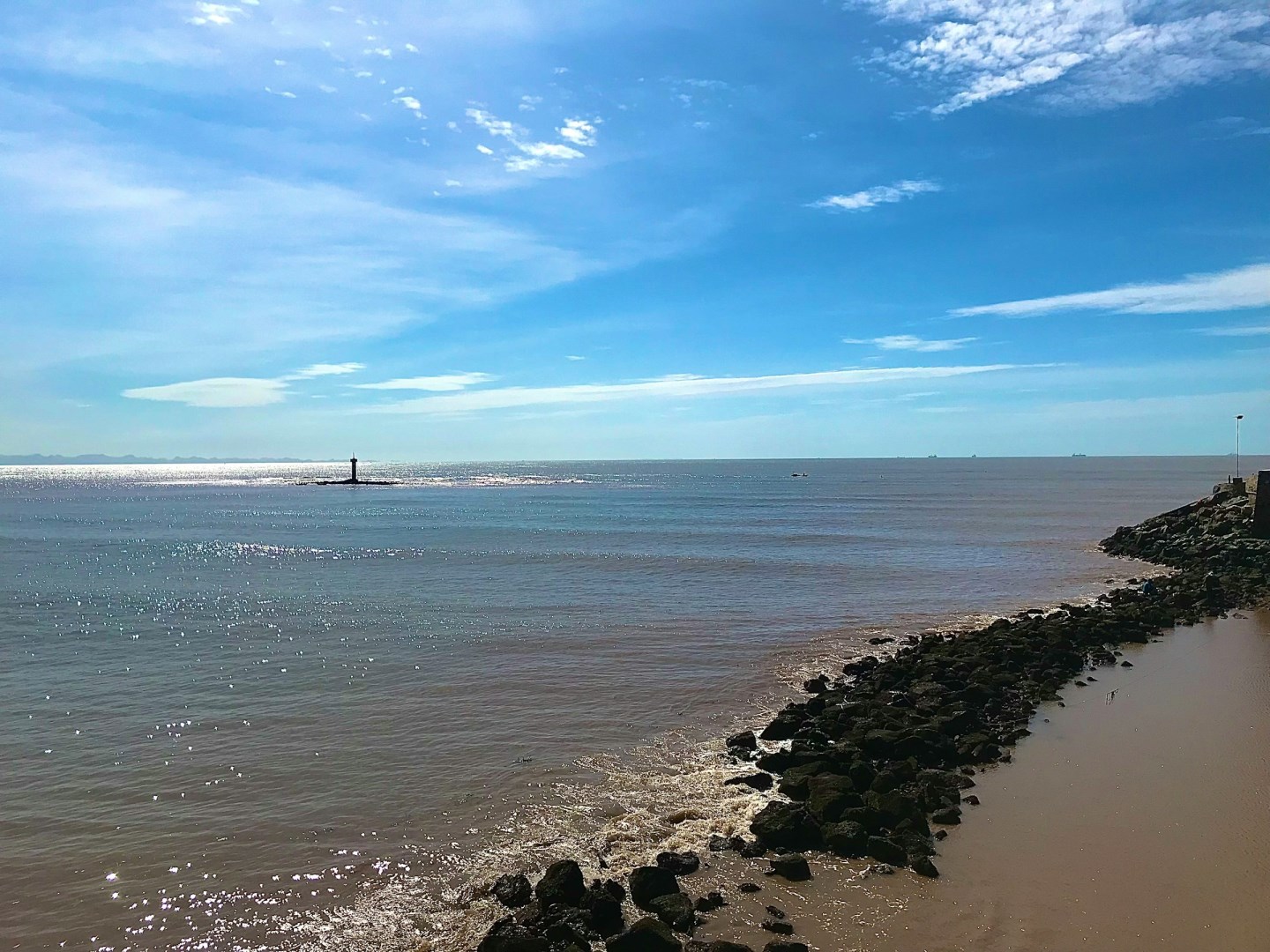
Haiphong
An exotic world, shimmering in lacquer light, lies just beyond the harbor. This Haiphong, gateway to the Vietnamese capital of Hanoi. Have a cyclo take you to town in the morning, just as markets come alive. You can also see the Du Hang Pagoda, a fine example of the country's traditional architecture, and the Hang Kenh House, famed for its intricate wood carvings.

Wales
Wales is a country where centuries-old castles rise above green valleys and coastlines are marked by rugged cliffs and quiet coves. Its capital, Cardiff, combines modern architecture with historical landmarks like Cardiff Castle, which has Roman origins and a Victorian Gothic interior. Just outside the city, St Fagans National Museum of History offers a walk-through experience of Welsh life over the past 500 years, with original buildings relocated from across the country.


