
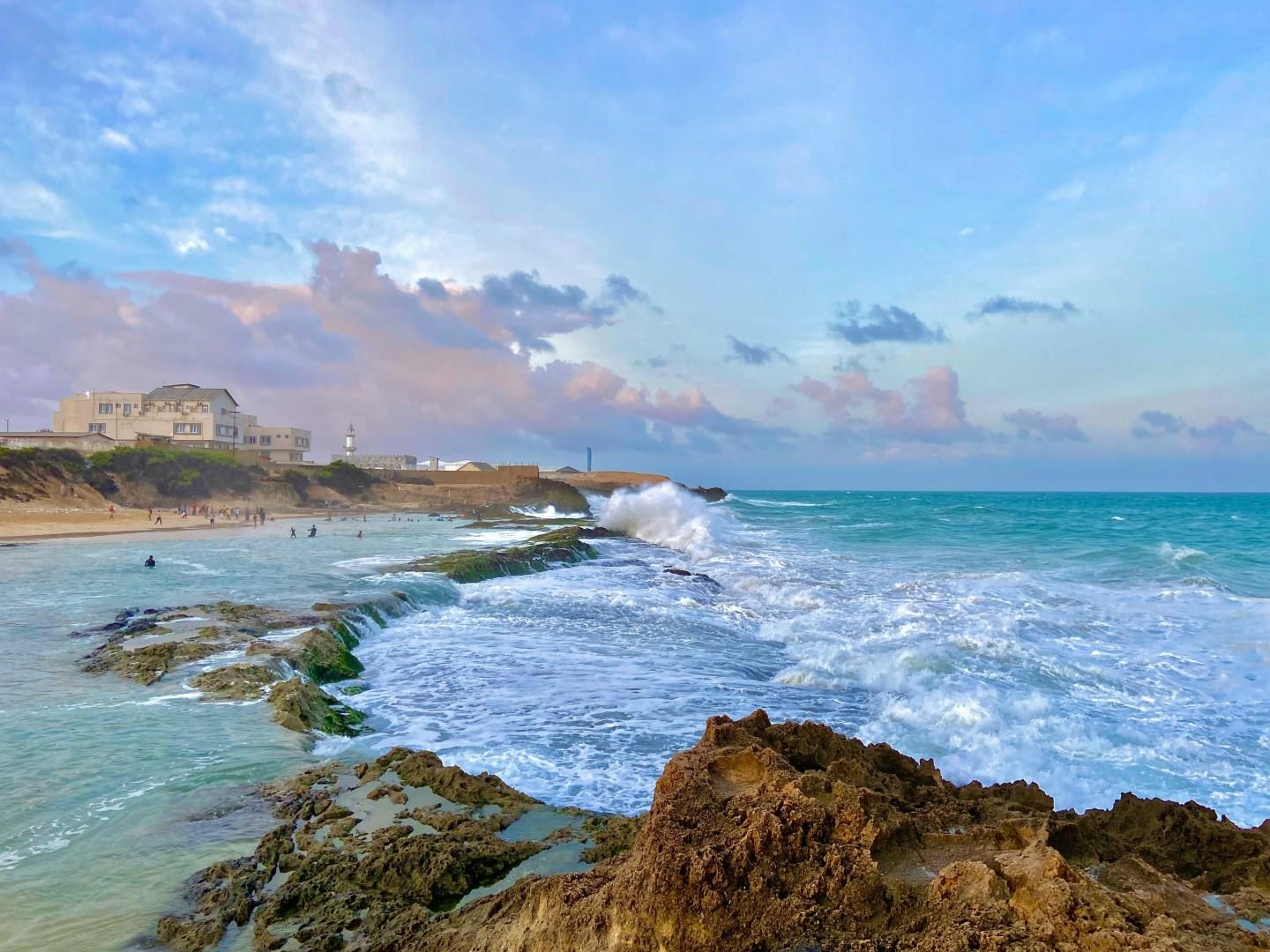
Somalia
Somalia, located on the Horn of Africa, is a land defined by its coastline, culture, and long history as a crossroads of trade. With the Indian Ocean and Gulf of Aden shaping much of its identity, Somalia has one of the longest coastlines in Africa, stretching over 1,800 miles.
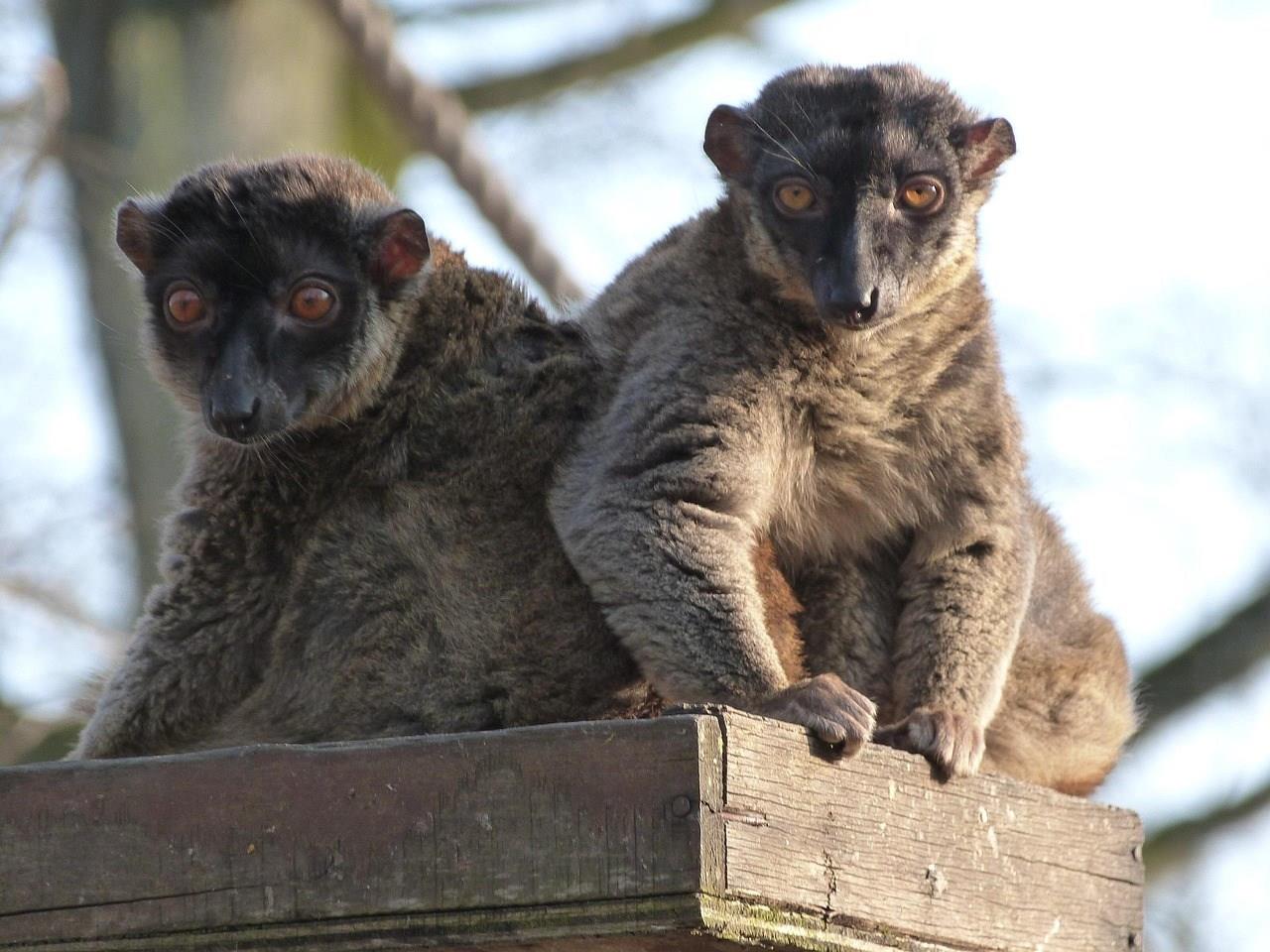
Mayotte
Mayotte, a French overseas department nestled in the Mozambique Channel between Madagascar and mainland Africa, offers travelers a window into a lesser-known island culture shaped by Swahili, Malagasy, and French influences. Unlike its neighbors in the Comoros archipelago, Mayotte remains part of France, giving it a unique blend of European infrastructure and Indian Ocean traditions.
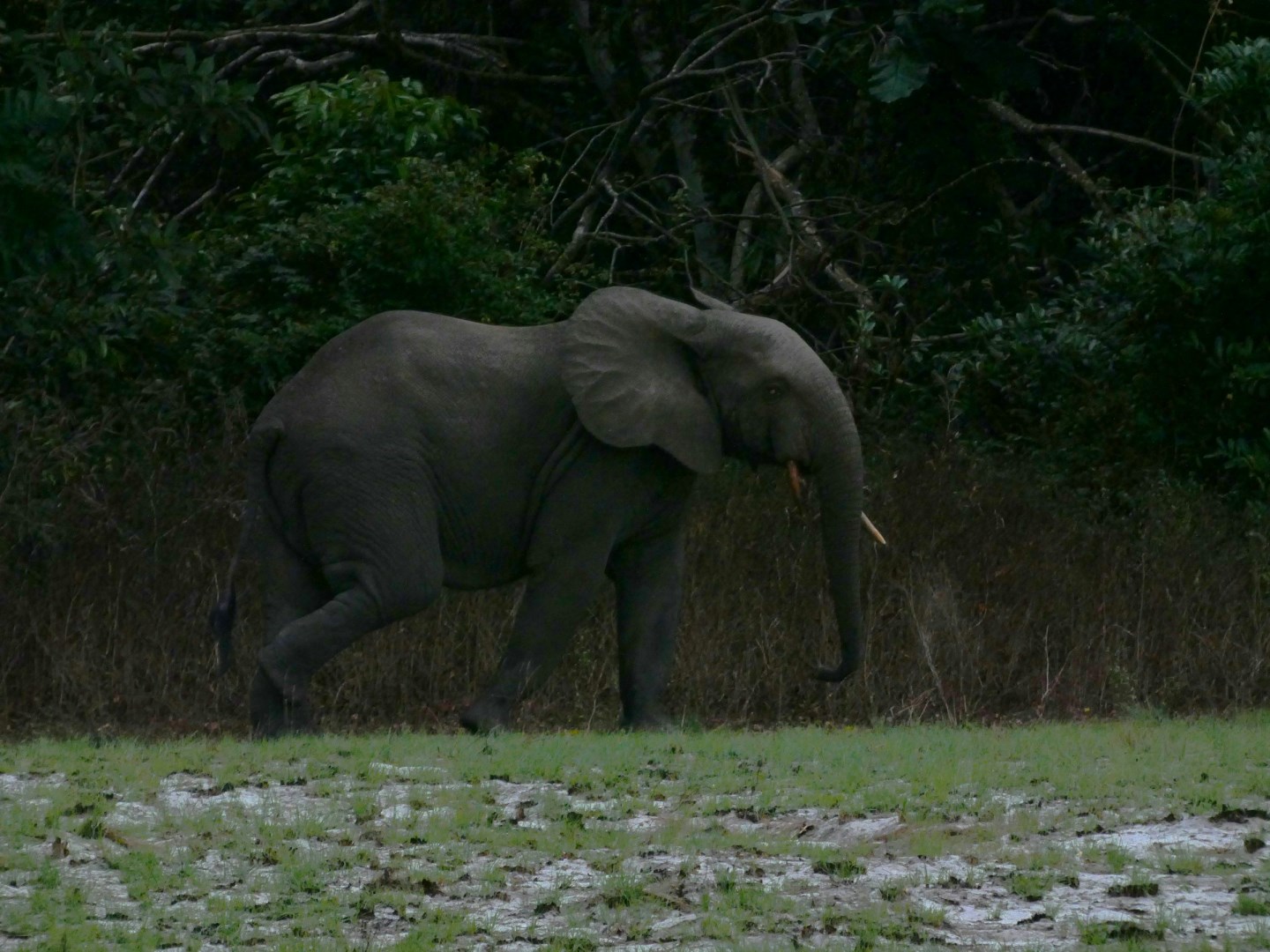
Pongara National Park
Pongara National Park protects a broad coastal landscape on the southern side of Gabon’s Komo Estuary, across the water from Libreville. Covering more than 96,000 hectares, the park includes Atlantic beaches, mangrove forests, tidal mudflats, lagoons, freshwater swamps, riverine forest and grassy savanna.
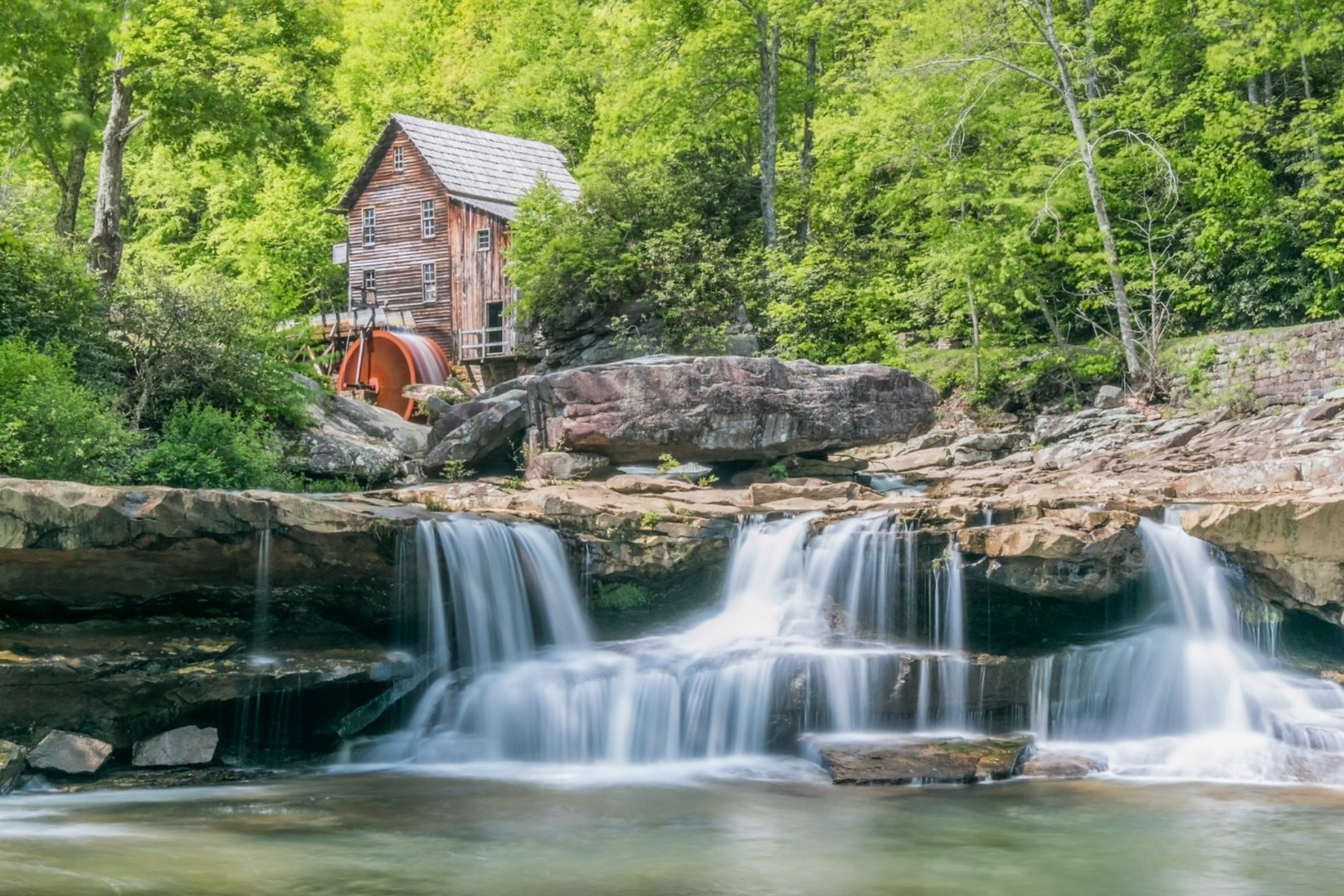
West Virginia
West Virginia offers a travel experience shaped by mountain traditions, surprising culinary finds, and deep historical roots. Today, towns like Harpers Ferry preserve that legacy. Perched at the confluence of the Potomac and Shenandoah rivers, Harpers Ferry feels like a living museum with 19th-century buildings, historical reenactments, and trails that lead directly into the Appalachian Mountains.
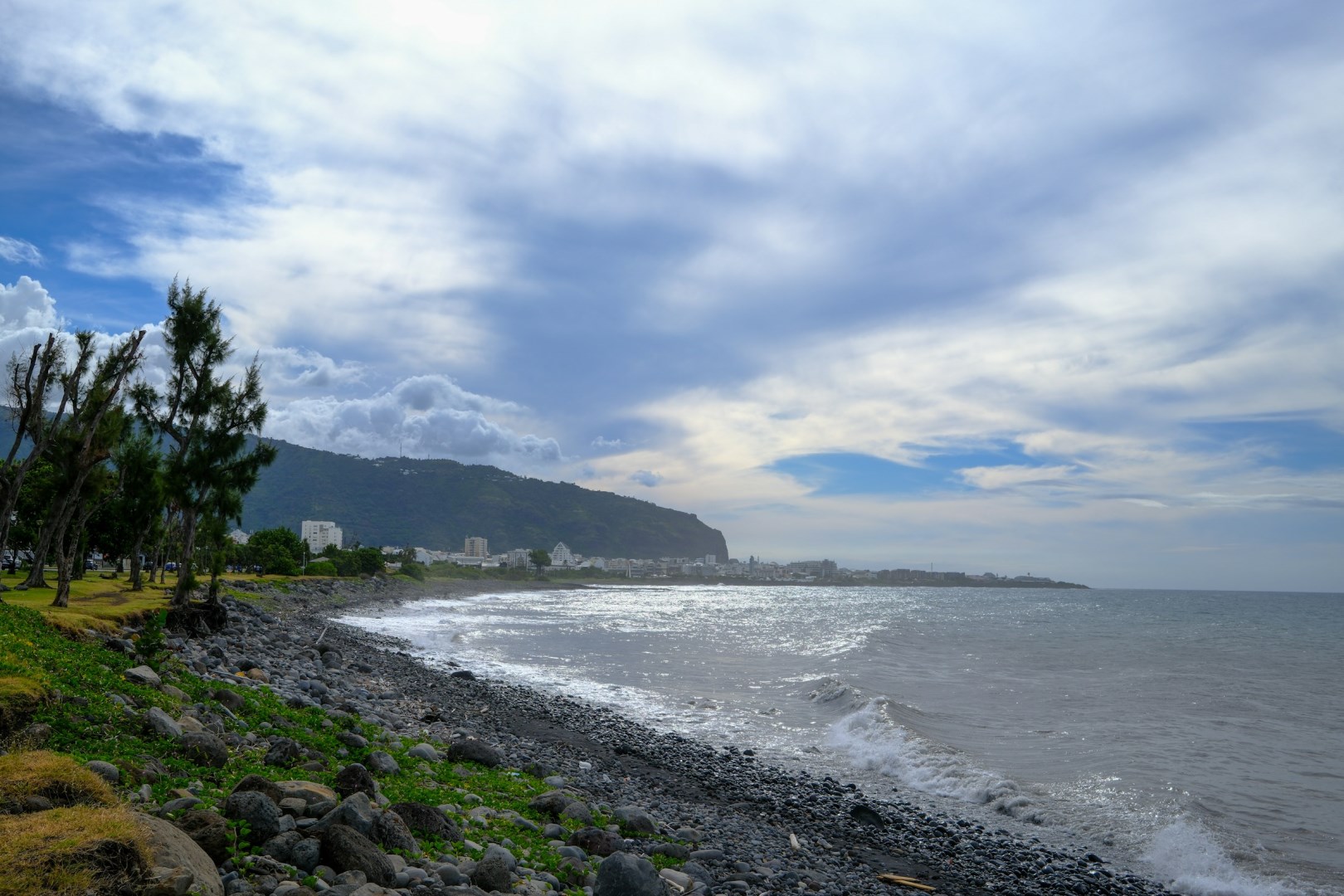
Saint-Denis
Saint-Denis is the capital and largest city of Réunion, a French island in the southwestern Indian Ocean.


