Hiroshima
Hiroshima, a city on Japan’s Honshu Island, is a place where history and resilience intertwine to create a destination that is both deeply moving and inspiring. Beyond its historical significance, Hiroshima offers visitors a vibrant cultural scene.

Ho Chi Minh City
Ho Chi Minh City, Vietnam’s largest metropolis, is a dynamic hub where history, culture, and commerce intersect. Formerly known as Saigon, the city reflects layers of its past, from French colonial architecture to markets and historic districts that capture the energy of daily life.

Pilsen
Pilsen, located in the western part of the Czech Republic, is renowned for its rich history and vibrant cultural scene. The city is best known as the birthplace of Pilsner beer, a name synonymous with the iconic pale lager that has become a global standard.
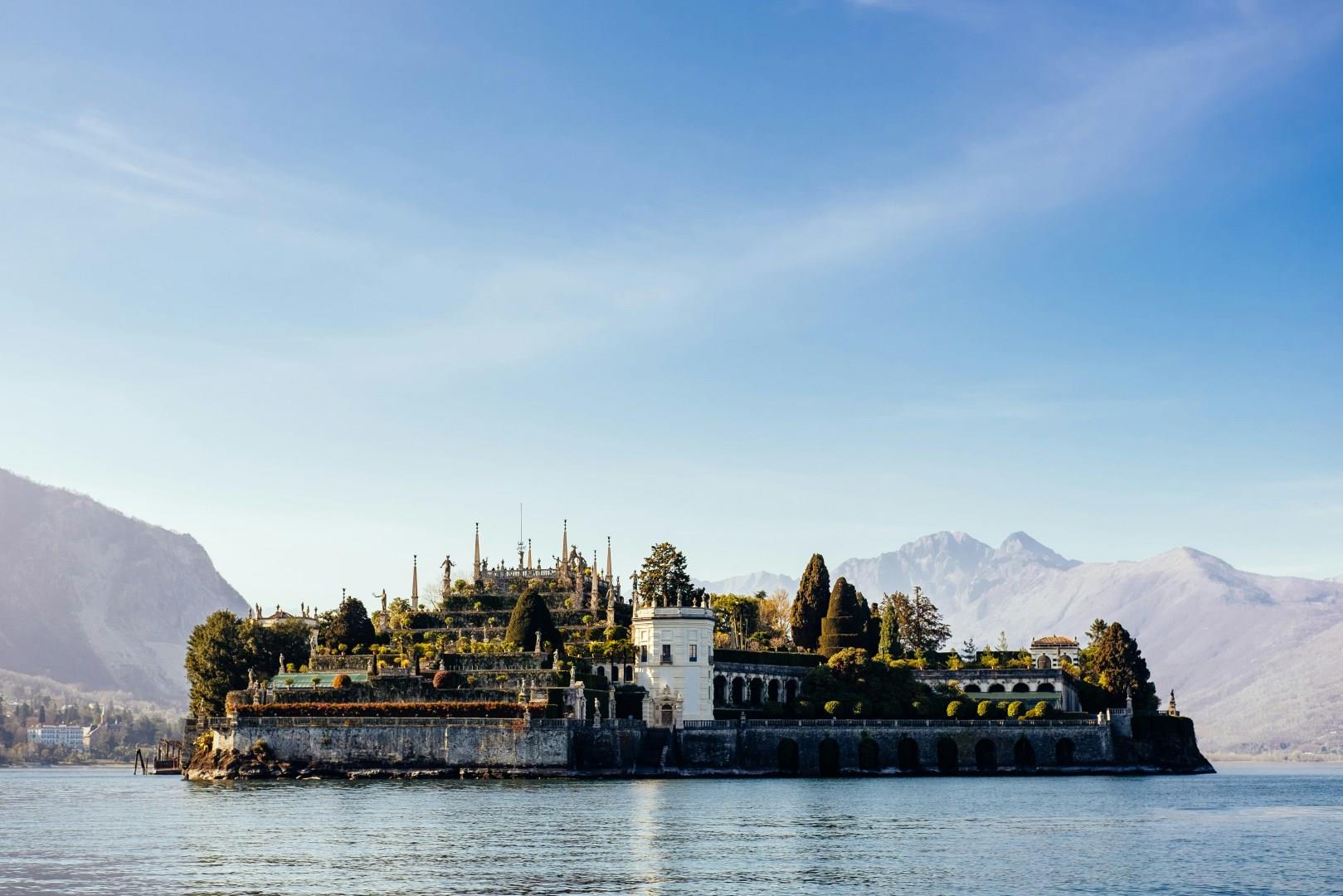
Lake Maggiore
Lake Maggiore, straddling the border of northern Italy and southern Switzerland, is the second-largest lake in Italy and one of the most scenically diverse. Surrounded by Alpine peaks and dotted with elegant towns, the lake has attracted visitors for centuries, including literary figures like Stendhal and Ernest Hemingway. The western shore is home to the Borromean Islands, a group of three small islands known for palaces, terraced gardens, and white peacocks that roam freely across the lawns.

Saguenay
Nestled in the heart of Quebec, Saguenay is a city that invites travelers to experience the perfect blend of natural beauty and vibrant culture. Set along the picturesque Saguenay River, this city is a gateway to the Saguenay Fjord, one of the longest fjords in the world, where steep cliffs rise dramatically from the deep waters.