

Stanley
Stanley, the charming capital of the Falkland Islands, offers an enchanting glimpse into life at the edge of the world. Located on East Falkland, this quaint town is known for its picturesque harbor and colorful Victorian architecture. The town's rich maritime history is evident at the Falkland Islands Museum, which displays fascinating exhibits about the islands' past.
Palau
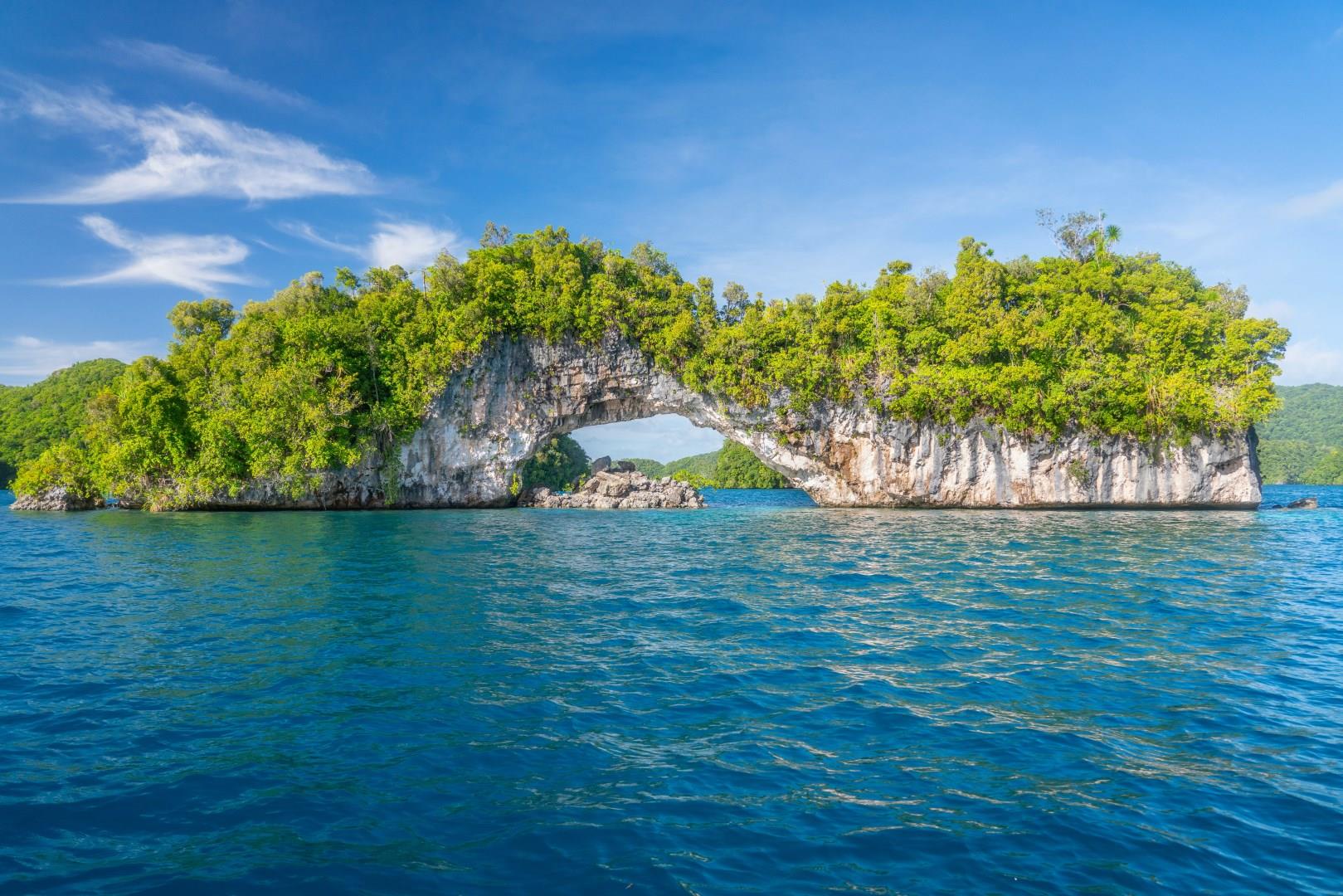
Palau, a Pacific island nation made up of over 500 islands, offers a one-of-a-kind experience for travelers who want to discover something both ancient and alive. Located between the Philippines and Guam, this small country is known for its otherworldly seascapes, but its appeal runs far deeper than its turquoise waters.

Juneau
Juneau's majestic sprawl and abundance of nature set it apart from most capital cities in America. Tourists arrive via air or water, many coming in on cruise ships.
Baja California
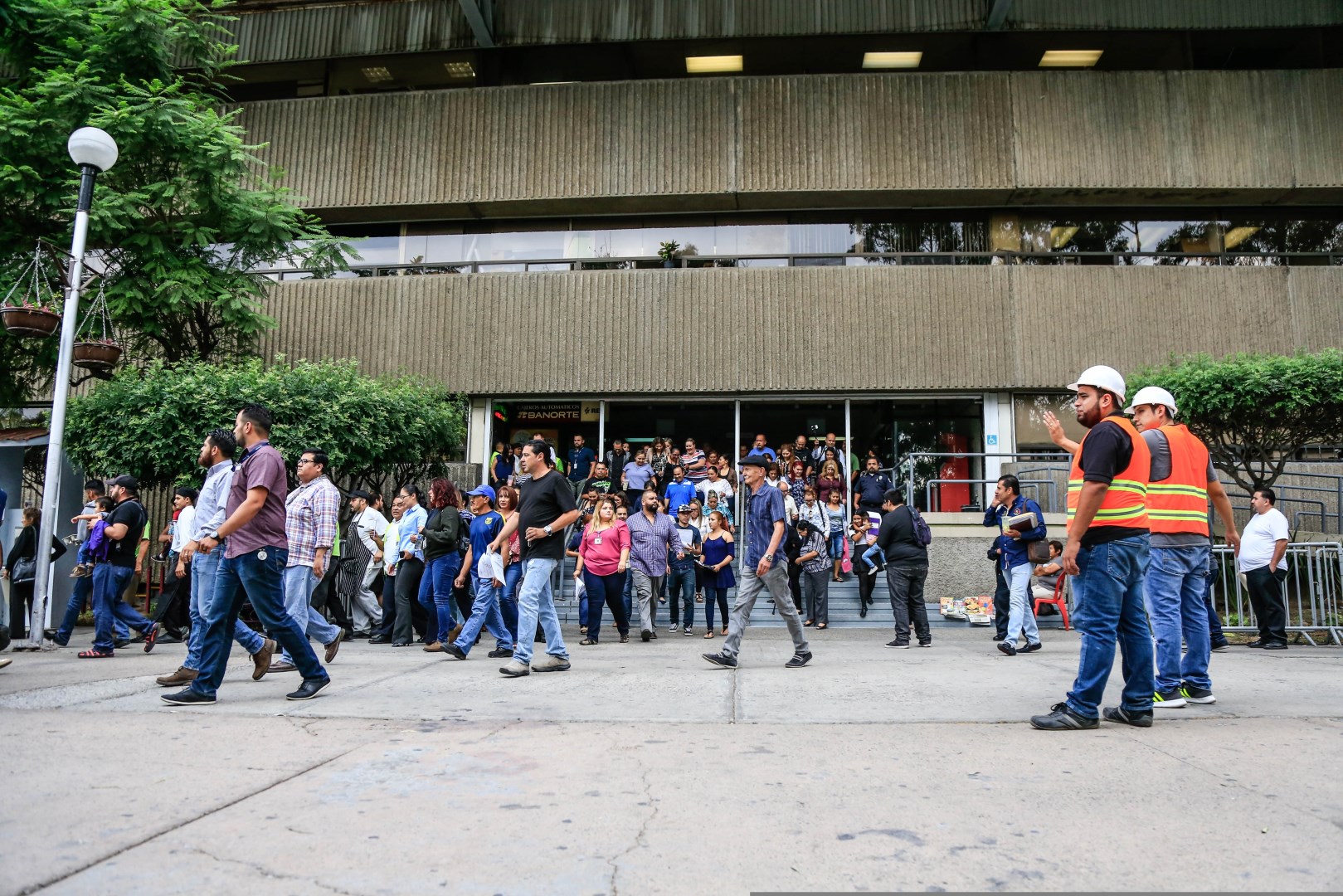
Nestled between the Pacific Ocean and the Sea of Cortez, Baja California is a haven for travelers seeking stunning natural landscapes, vibrant culture, and adventure.
Minnesota
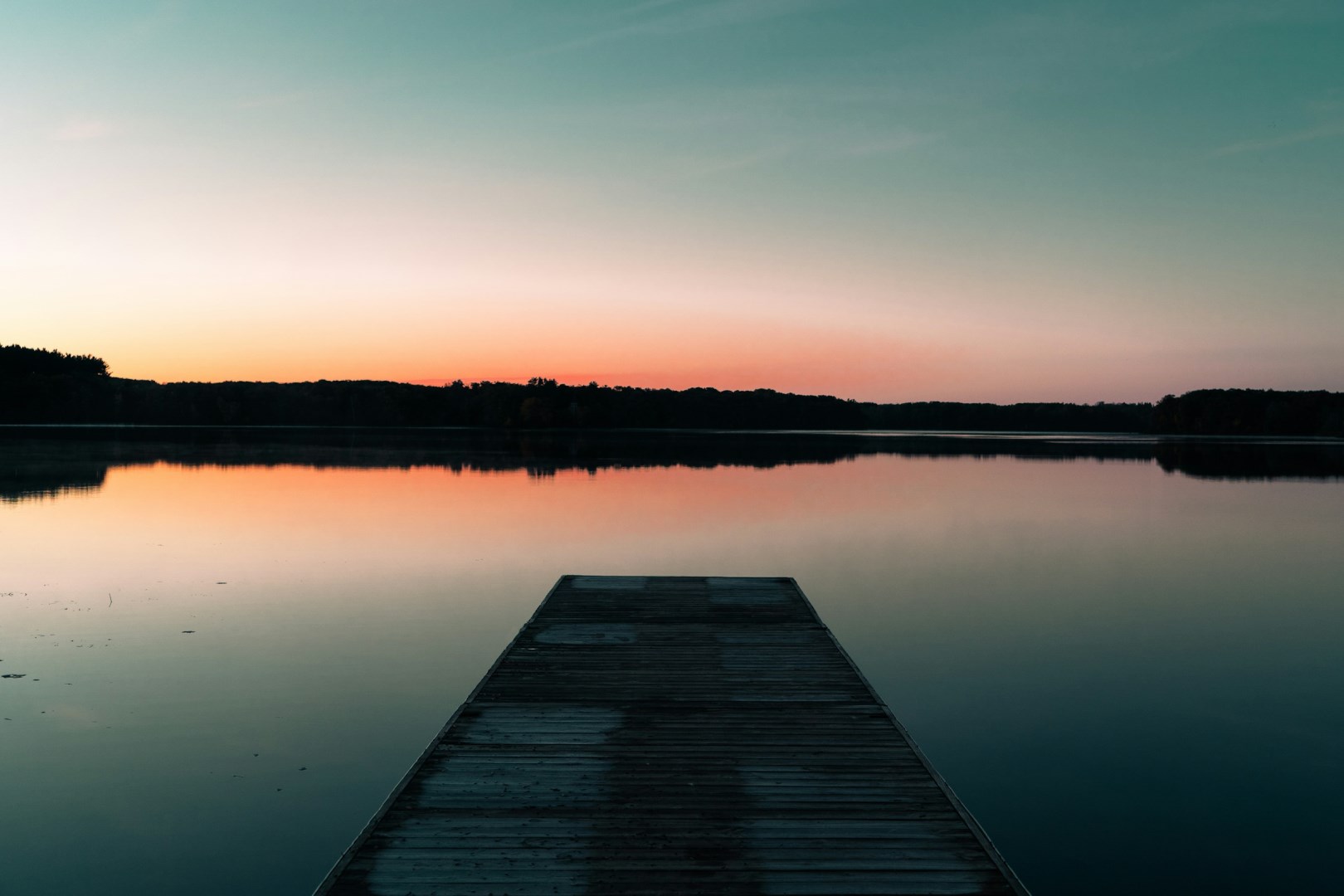
Minnesota, often known as the "Land of 10,000 Lakes," offers an array of natural and cultural attractions that make it a must-visit destination. In Minneapolis, the largest city, you'll find a vibrant arts scene complemented by the picturesque beauty of the Chain of Lakes. The Minneapolis Institute of Arts houses a diverse collection ranging from ancient to contemporary works, while the Walker Art Center's Sculpture Garden showcases iconic pieces like the Spoonbridge and Cherry.


