Whether uncovering its past, enjoying its culinary delights, or simply soaking in the peaceful atmosphere, the picturesque Dutch city of Middelburg leaves a lasting impression on all who visit.
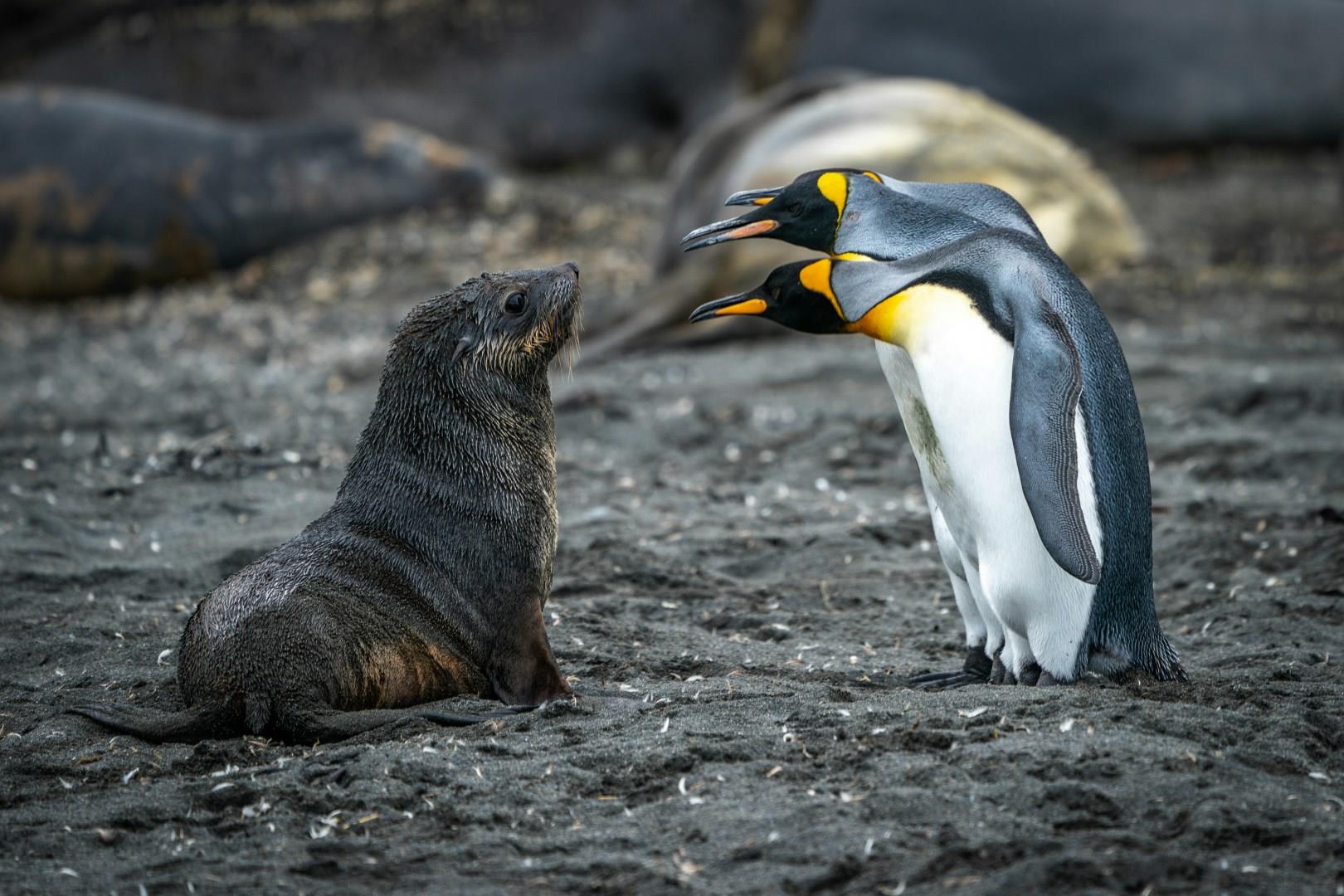
The South Sandwich Islands are among the most remote places on Earth, a chain of volcanic peaks rising from the Southern Ocean, over 1,300 kilometers southeast of South Georgia. With no permanent residents, no ports, and no infrastructure, these islands remain untouched by tourism in the conventional sense. What they offer instead is a rare glimpse into one of the planet’s most extreme and least disturbed environments.
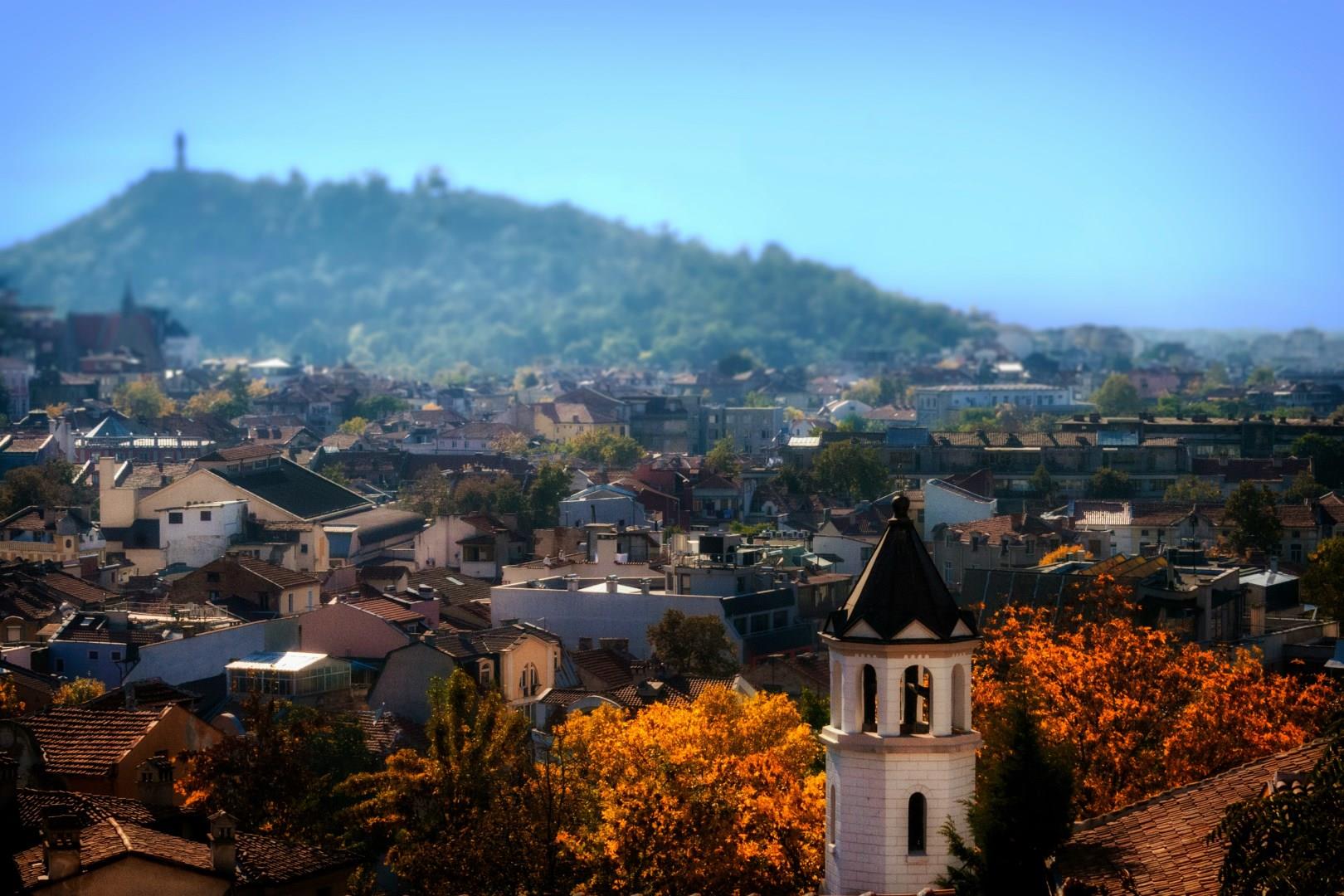
Plovdiv, one of the oldest continuously inhabited cities in Europe, carries over 8,000 years of history layered into its streets. The Roman Theater, still in use today, was discovered by accident in the 1970s and now hosts operas and concerts overlooking the Rhodope Mountains. Nearby, visitors can walk the remains of a Roman stadium buried beneath the main pedestrian street, where modern shops and cafés stand above ancient foundations.
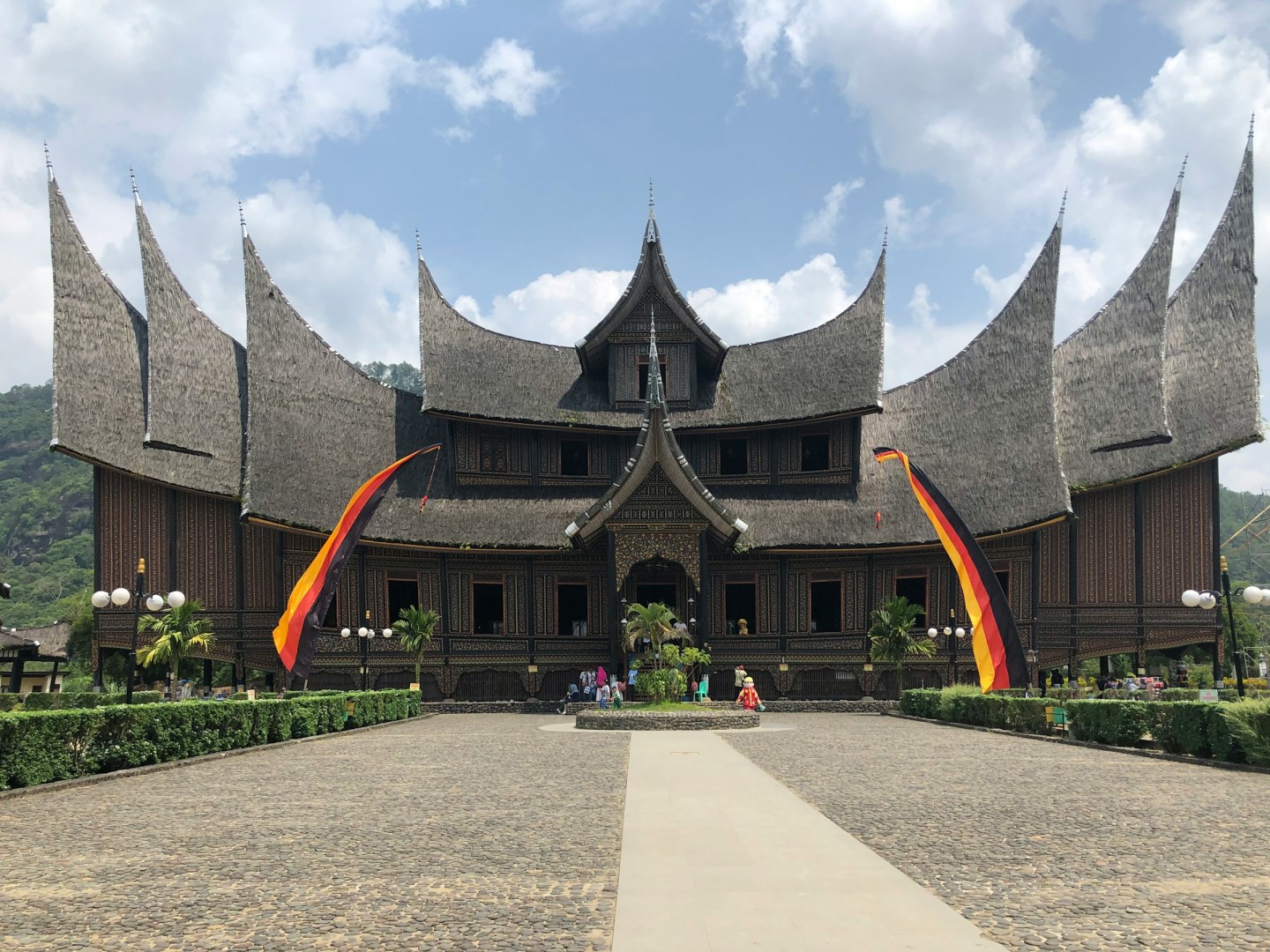
Padang is the third largest city and the capital of West Sumatra. It is the biggest seaport along its west coast, and is a center of business and government. The terrain of the city is mostly flat, and the name Padang actually means "plain." But if you venture outside of the city limits, the scenery is quite lovely going towards the neighboring city of Solok.
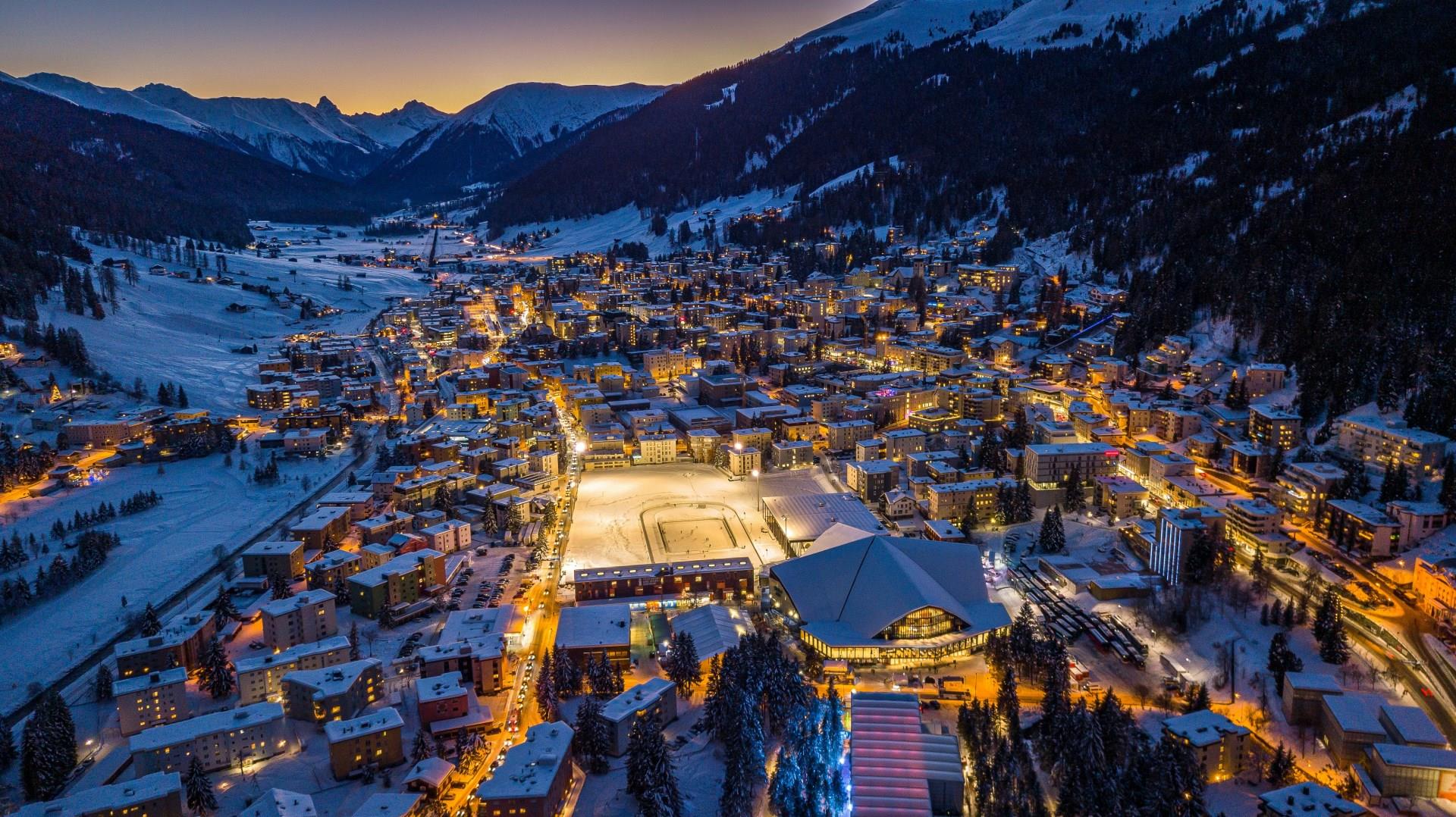
Davos, located in the Swiss canton of Graubünden, is the highest town in Europe at 1,560 meters above sea level and known for its alpine sports and outdoor activities. In winter, it offers over 300 kilometers of ski slopes shared with neighboring Klosters, along with cross-country trails and Europe’s largest natural ice rink. In summer, the same mountains transform into hiking and mountain biking routes, including the panoramic Jakobshorn and Parsenn areas.
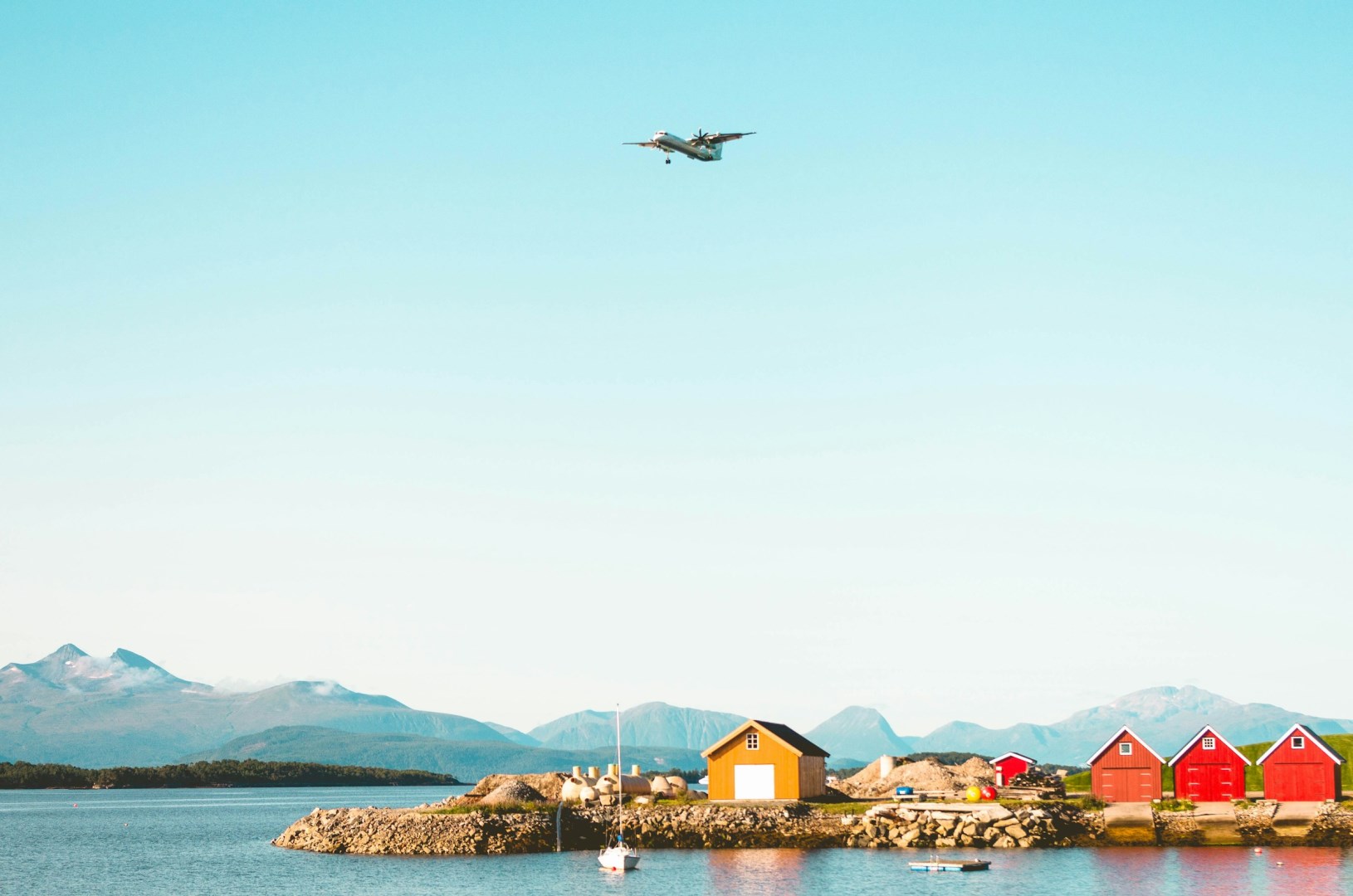
Nestled along the fjord-studded coastline of Norway, Molde is renowned for its breathtaking natural beauty and rich cultural heritage. Often called the "City of Roses" for its flourishing gardens and floral displays, Molde offers visitors a stunning panorama of 222 mountain peaks visible from its scenic viewpoints, including the renowned Varden Viewpoint. This spot provides an unparalleled vista of the surrounding fjords and peaks, making it a must-see for any nature enthusiast.
Molde is also a gateway to the Atlantic Road, one of Norway's most scenic drives, which connects the mainland to a series of islands and offers stunning views of the turbulent ocean and picturesque landscapes. This engineering marvel is celebrated for its dramatic coastal scenery and is ideal for both leisurely drives and adventurous road trips. For those interested in maritime history, the Romsdal Museum offers a glimpse into the region’s past with exhibits on traditional Norwegian life and culture.
In addition to its natural and historical attractions, Molde boasts a vibrant cultural scene. The Molde International Jazz Festival is one of Norway’s largest jazz festivals and attracts musicians and visitors from around the globe every summer. The city also hosts a variety of events and activities year-round, including local markets and festivals that celebrate its rich heritage and artistic community.
Fun Fact: Molde is famous for its annual Molde Panorama, a 5-kilometer panoramic hike that offers spectacular views of the city and surrounding landscapes, making it a popular route for both locals and visitors seeking to immerse themselves in the region's natural splendor.
Other Popular Destinations in Norway
Bergen
Charming Bergen will sweep you away with its picturesque architecture and breathtaking natural beauty. Nestled between stunningly verdant mountains and the winding fjords of the North Sea, this scenic town will delight you at every turn.
Trondheim
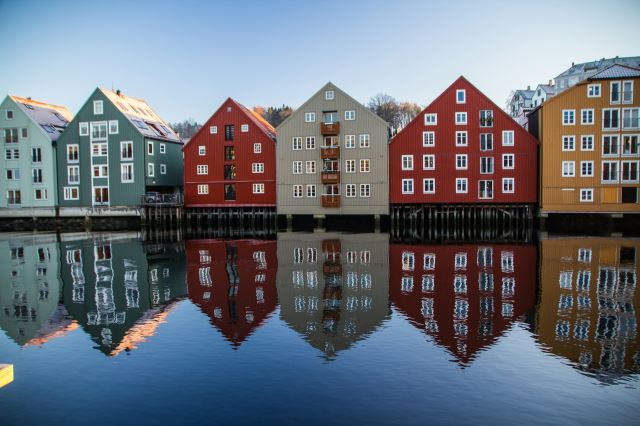
Nestled along the Trondheim Fjord in central Norway, Trondheim offers a captivating blend of rich history and vibrant modern life. As Norway’s first capital, Trondheim boasts a legacy that includes the striking Nidaros Cathedral, an iconic landmark whose construction began in the 11th century.