Azerbaijan
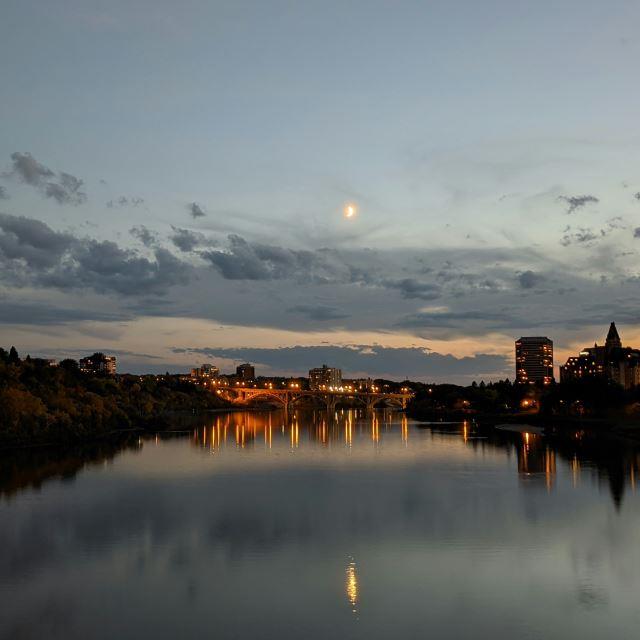
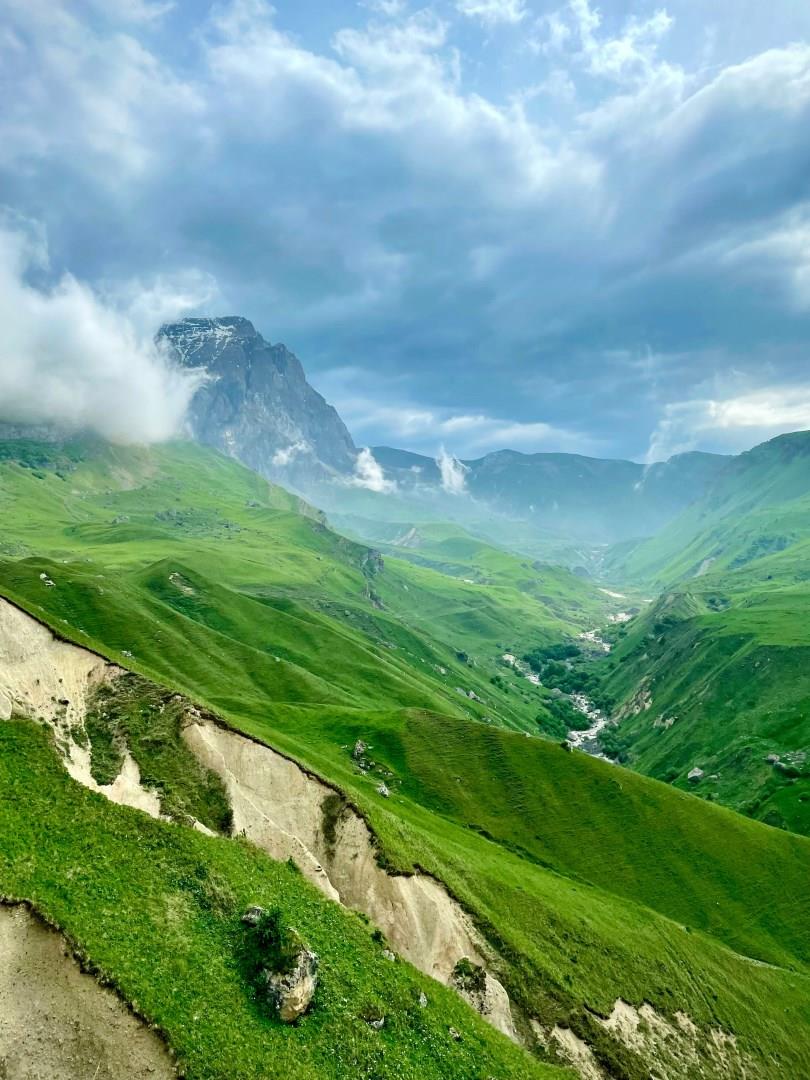
Azerbaijan, often called the “Land of Fire,” sits at the crossroads of Europe and Asia along the Caspian Sea. Its capital, Baku, blends futuristic architecture with centuries-old history.
Taita Hills
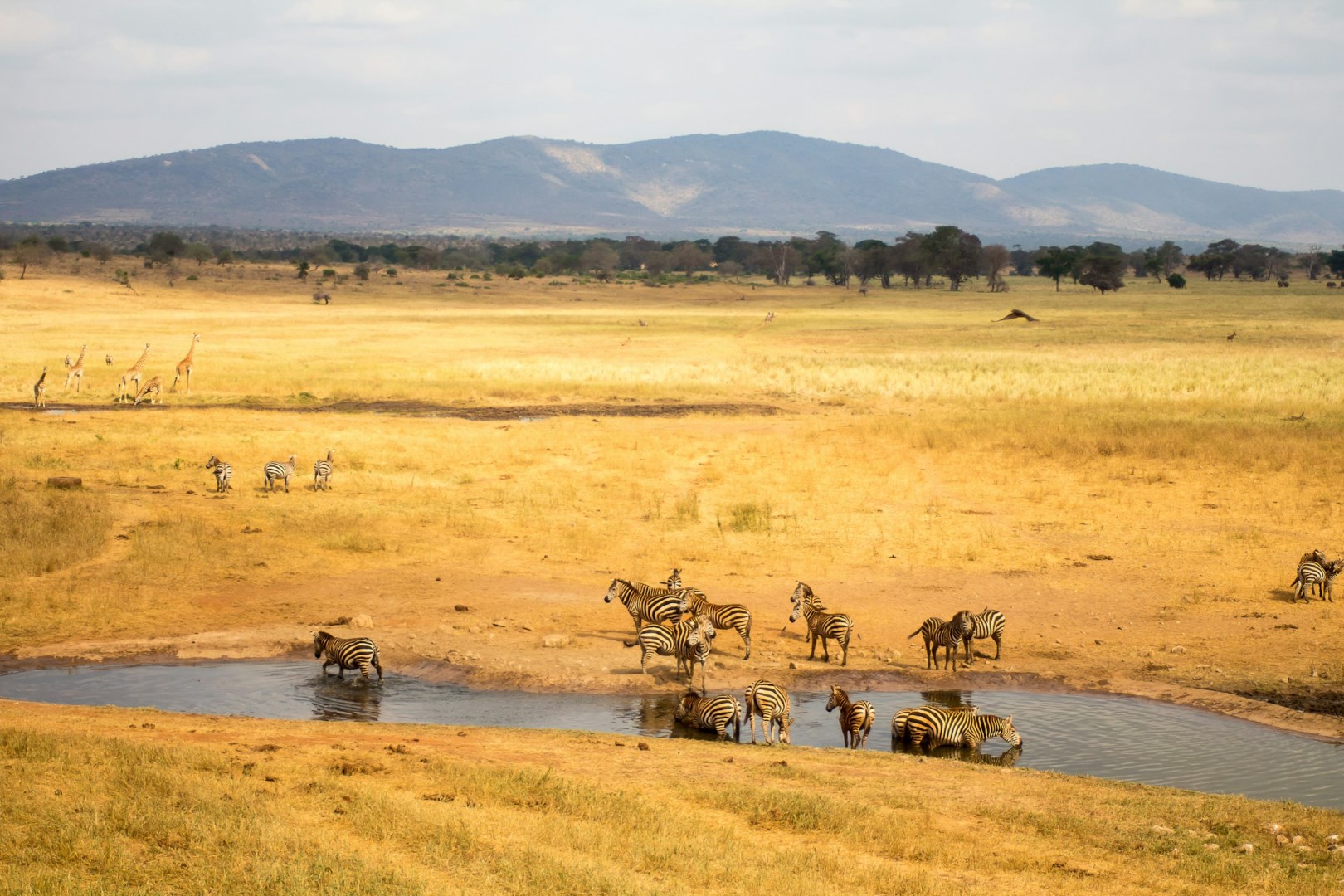
Taita Hills rise above the dry plains of southeastern Kenya in Taita-Taveta County, forming a mountainous landscape between the Tsavo plains and the coastal region. The hills are part of the northern Eastern Arc Mountains and include steep slopes, cultivated valleys, and remaining patches of indigenous forest. Their cooler and wetter conditions contrast with the surrounding semi-arid lowlands, creating a range of habitats within a relatively small area.
Akwidaa
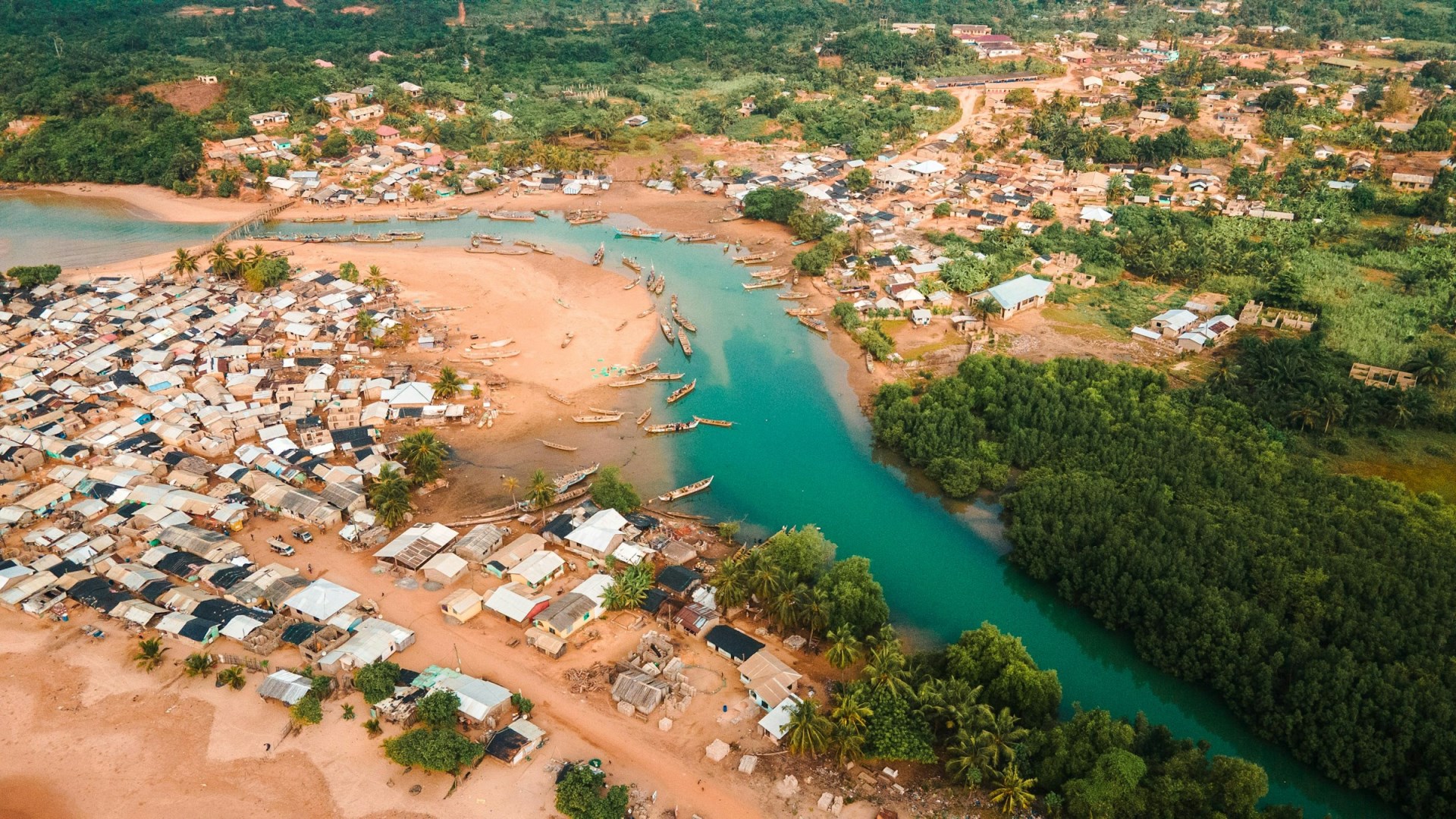
Akwidaa is a small coastal settlement in Ghana’s Western Region, located where the Atlantic Ocean meets a landscape of sandy beaches, lagoons, wetlands, and tropical vegetation. The village lies near the mouth of the Tano River and close to Cape Three Points, Ghana’s westernmost coastal area. Its surroundings remain relatively rural, with fishing and small-scale farming forming important parts of local life.
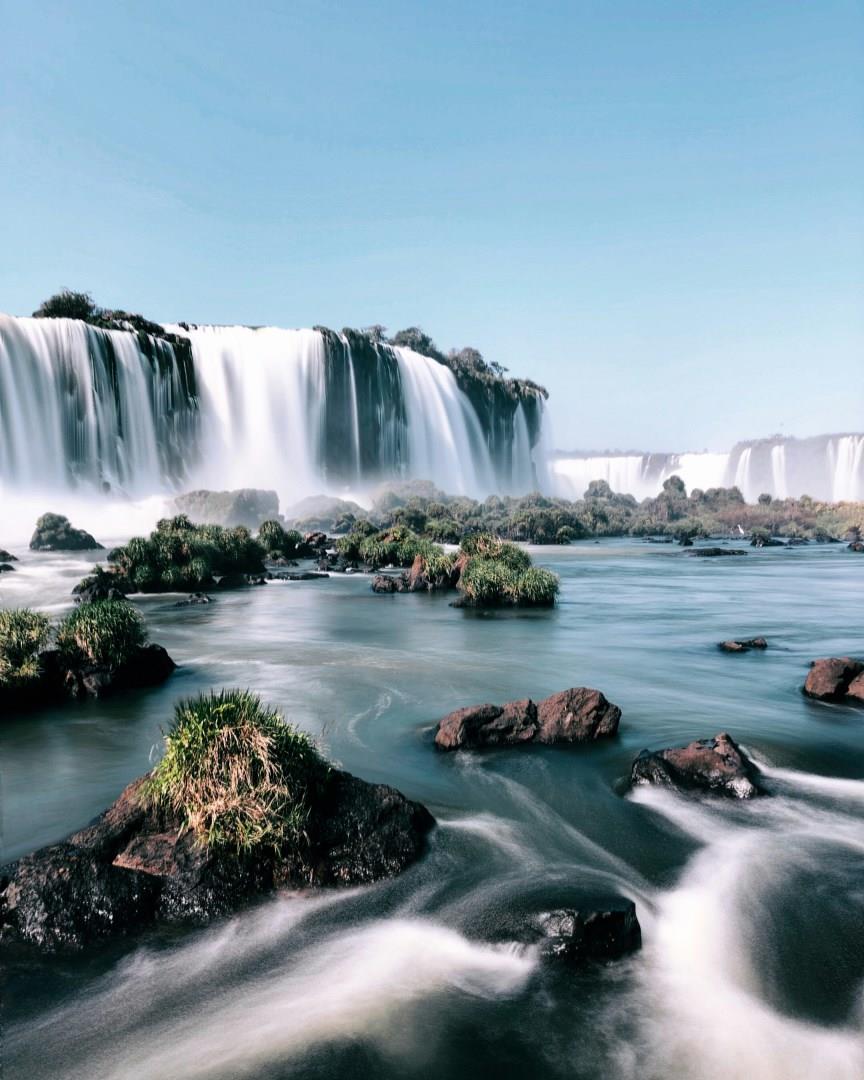
Foz do Iguaçu
Set at the meeting point of Brazil and Argentina, Foz do Iguaçu is defined by the sheer scale of the Iguaçu Falls. Nearly 275 individual waterfalls stretch across close to three kilometers, sending mist into the air and sound echoing through the surrounding forest. Visitors follow raised walkways that bring them face to face with this moving wall of water, culminating at the dramatic Devil’s Throat, a deep, curved drop where the river seems to vanish into the earth.

Washington
Washington State offers travelers a dynamic mix of landscapes, cultures, and experiences shaped by volcanoes, forests, coastline, and innovation. Seattle, the state’s largest city, is home to the iconic Space Needle, buzzing Pike Place Market, and holds deep roots in music history. Visitors can stand on the original floor of the first Starbucks, explore interactive exhibits at the Museum of Pop Culture, or catch a ferry from the city’s waterfront for a scenic ride across Puget Sound.