La Rioja
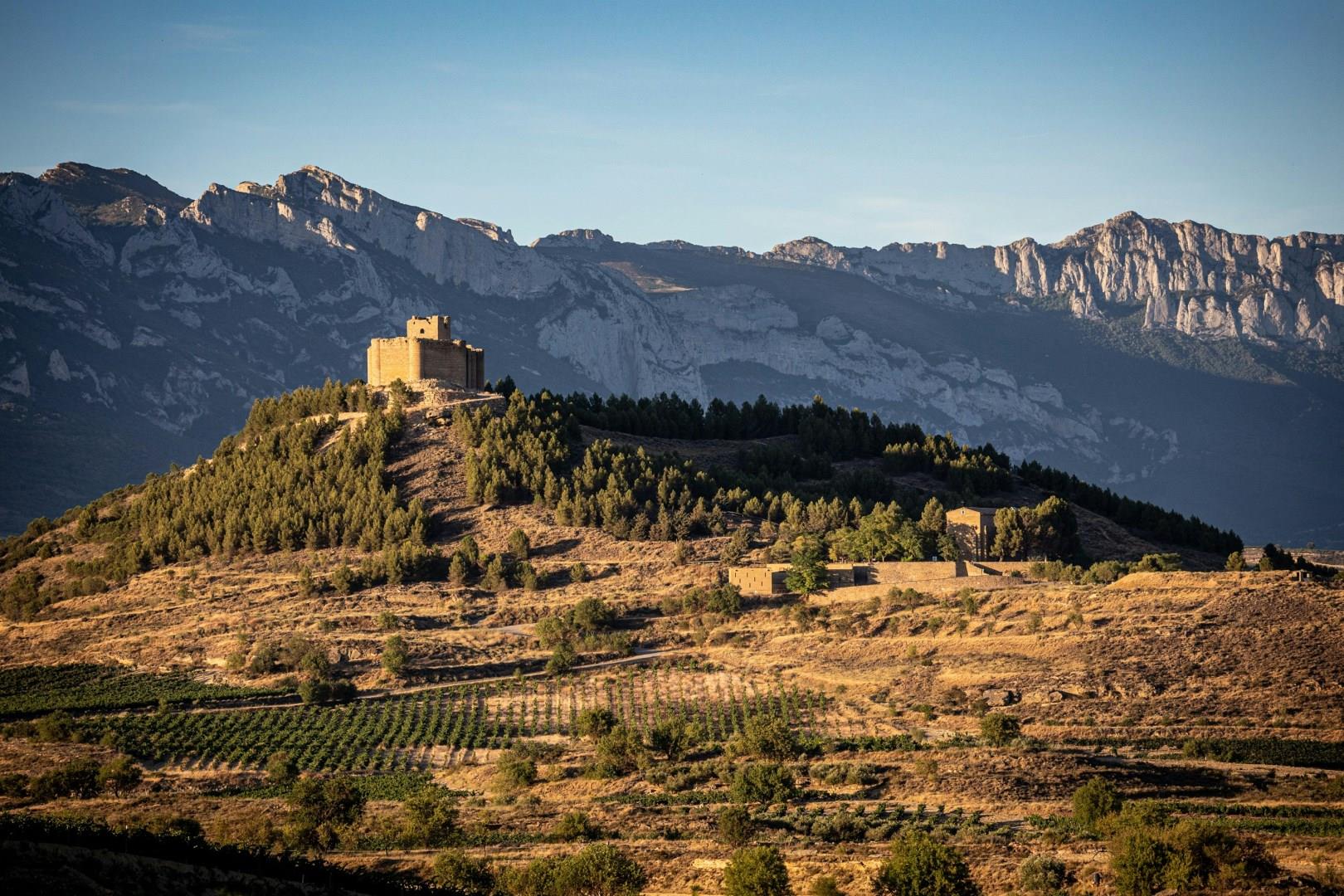
La Rioja, located in northern Spain, is best known for its wine, but the region offers much more than vineyard views. Its capital, Logroño, sits along the Camino de Santiago and has welcomed travelers for centuries. The city’s historic center is compact and lively, with narrow streets lined by centuries-old churches, pintxo bars, and quiet plazas.

Dingle
Nestled along the picturesque southwest coast of Ireland, the charming town of Dingle offers a quintessential Irish experience with its stunning landscapes and rich cultural heritage. The town is renowned for its vibrant harbor and traditional pubs, where visitors can enjoy lively music sessions and savor local seafood dishes. The Dingle Peninsula, with its rugged cliffs and scenic drives, is a highlight for nature enthusiasts and those seeking breathtaking vistas.

Ogunquit
Ogunquit is a beautiful place by the sea. Offering quaint New England flavor of the Village Center, Ogunquit is a bustling holiday haven to visitors from all over the world. Ogunquit today remains a tranquil, small village that continues to offer almost everything to almost everyone as perhaps nowhere else in the country can.
Curieuse Island
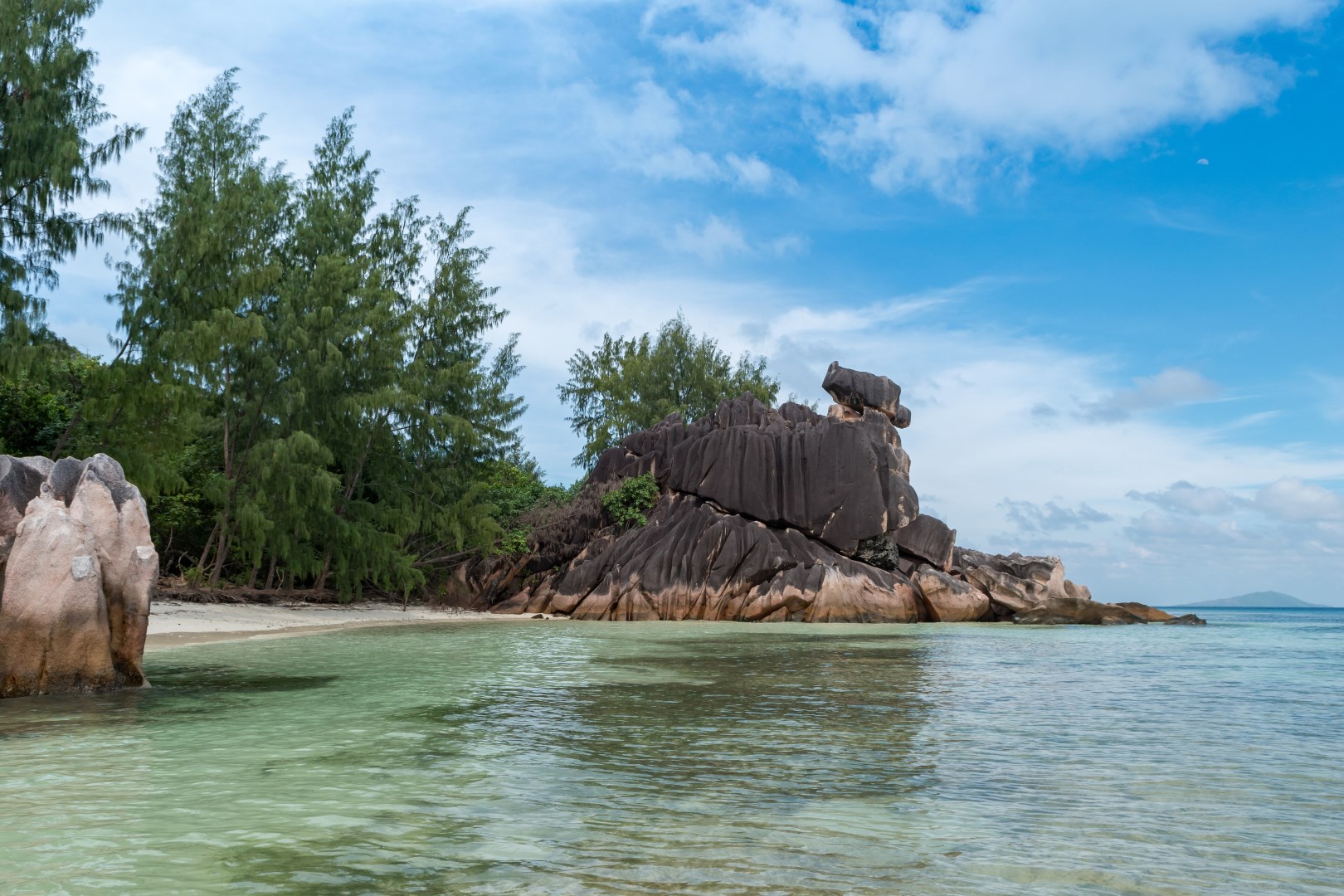
Curieuse Island, nestled in the Seychelles’ Indian Ocean, offers a captivating blend of natural beauty and rich history. Located just off the coast of Praslin Island, this 2.9 square kilometer island is renowned for its protected marine and terrestrial ecosystems.

Symi
Symi, a charming island in the Dodecanese, Greece, offers a picturesque escape with its striking neoclassical architecture and vibrant Mediterranean colors. The town of Symi, a designated protected cultural heritage site, is renowned for its beautifully preserved pastel-colored mansions that line the harbor.