Whitsunday Island
The Whitsunday Islands sit in the heart of Australia’s Great Barrier Reef, where more than 70 islands rise from wide blue seas and offer an invitation to explore. Whitsunday Island itself is the largest of this group, known internationally for its ribbon of white silica sand stretching over seven kilometers at Whitehaven Beach. This sand feels cool underfoot even in warm sunshine because it’s made of nearly pure silica carried there by ancient ocean currents.
San Pedro Sula
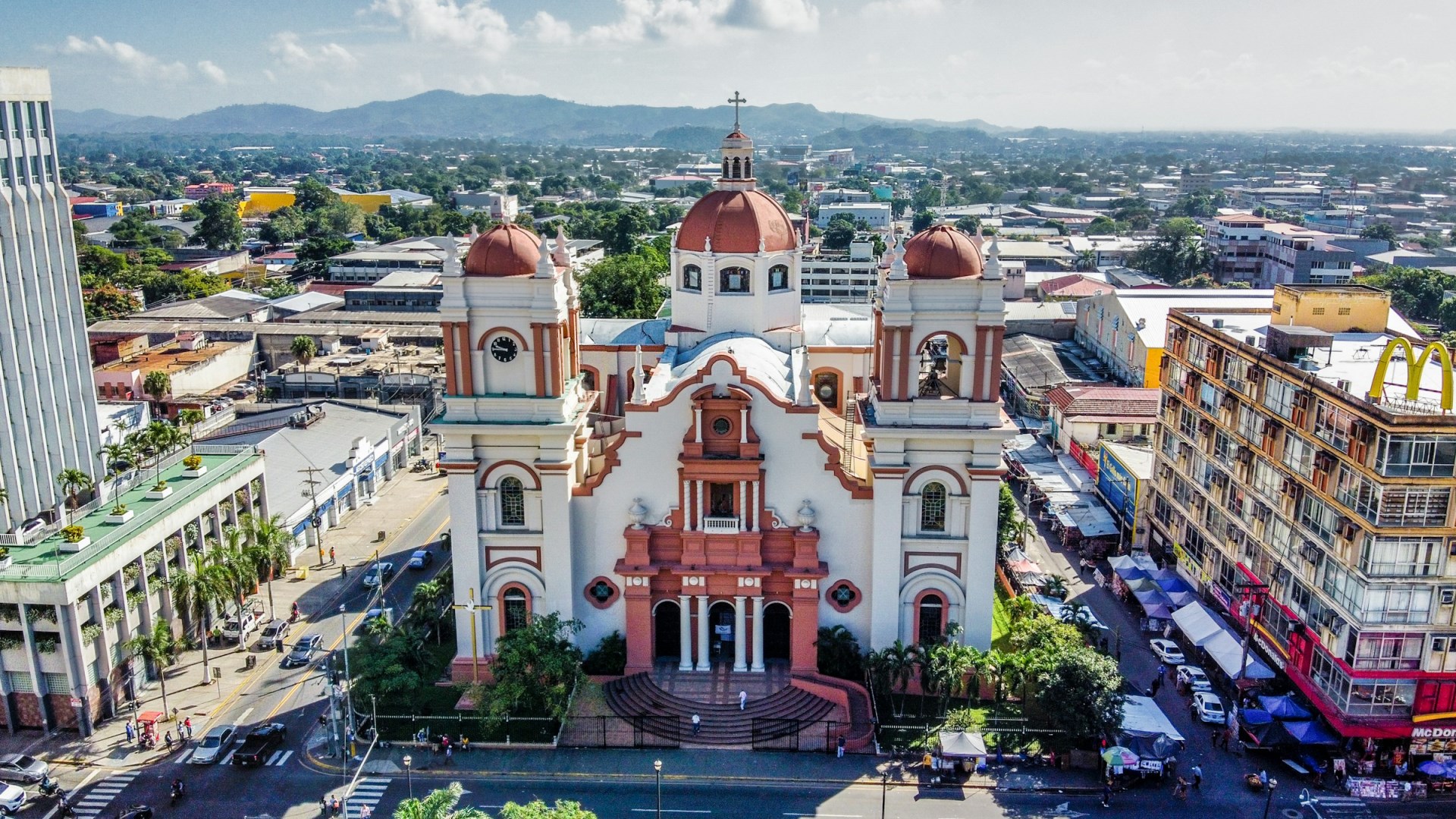
While San Pedro Sula is the oldest city in Honduras, it doesn't show its age. Flat, with a tropical climate,the city prospers both as a commercial center and as a getaway to the Copan ruins and the Bay Islands. There is also a popular artisan market where you can buy silkscreen prints, primitive paintings, pottery, hammocks and wood sculptures.
Sagres
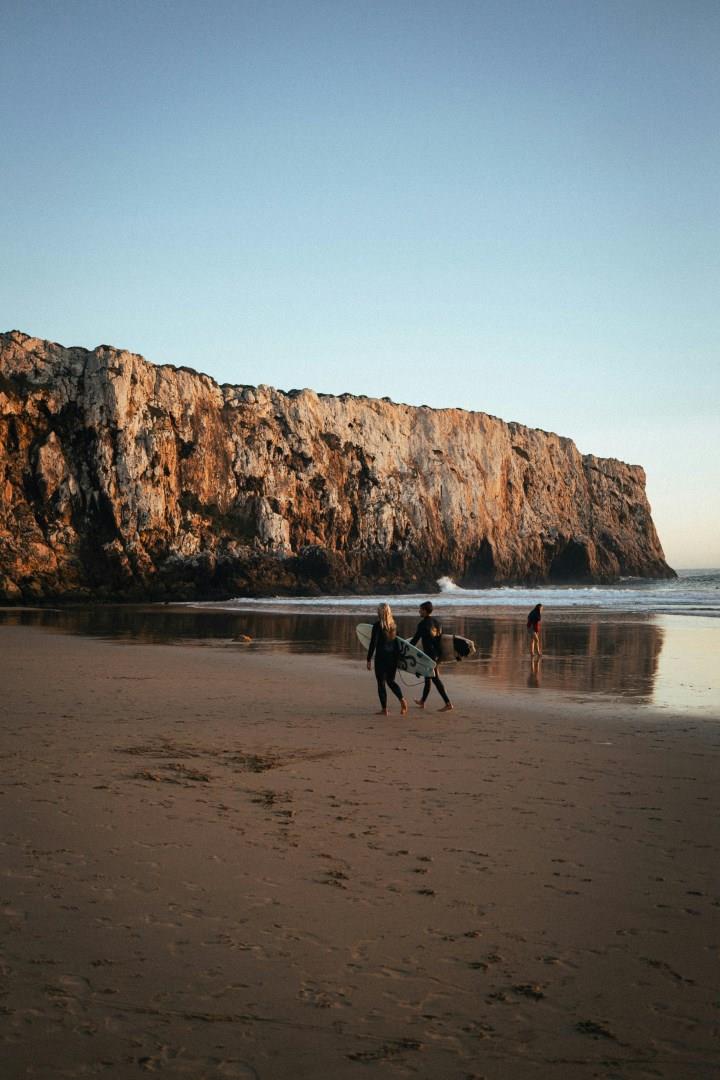
Sagres sits at the southwestern edge of continental Europe in Portugal’s Algarve region, where the Atlantic’s wide horizon meets rugged cliffs and open skies. For centuries this point was linked to maritime adventure and visitors can still feel that sense of discovery in the air. Here, people like Prince Henry the Navigator gathered cartographers, shipbuilders and astronomers in the 1400s to push beyond maps of the known world and shape the early Age of Discovery from Sagres’ dramatic headlands.

French Guiana
French Guiana, tucked between Brazil and Suriname on the northeast coast of South America, offers an unexpected blend of Amazonian wilderness, colonial intrigue, and French flair. As an overseas department of France, it uses the euro, speaks French, and has croissants alongside cassava bread at breakfast. Yet just beyond the cafés of Cayenne, vast rainforest stretches for hundreds of kilometers, home to rare wildlife, remote rivers, and Indigenous communities.
Plymouth
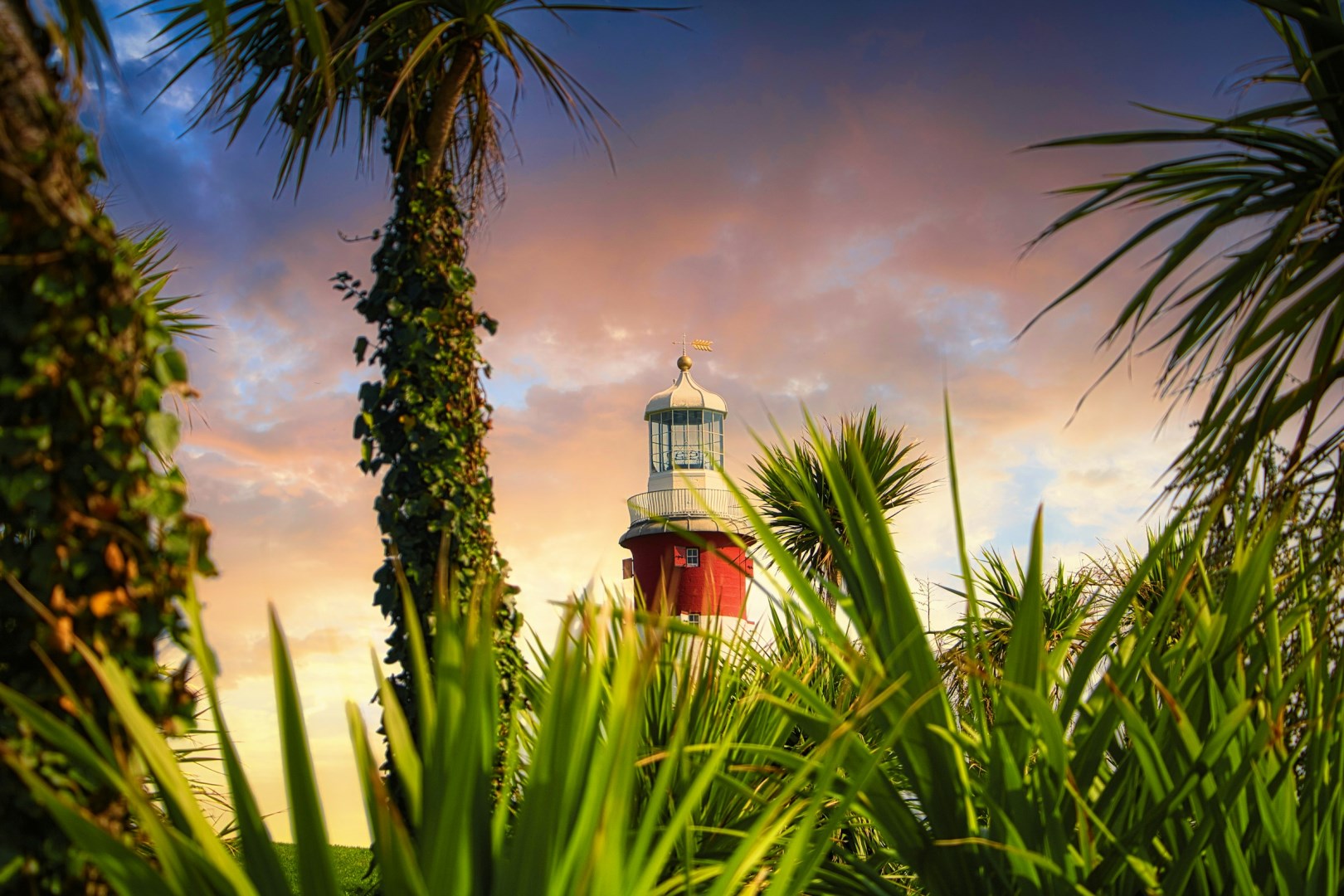
Plymouth sits on England’s southwest coast, where the River Plym meets the sea, forming a wide natural harbor that has shaped the city’s identity for generations. The waterfront remains central to daily life, with views stretching across Plymouth Sound and boats moving in and out of the marina. Visitors often begin along the historic Barbican, an area of narrow streets and old buildings that survived past conflicts and now house independent shops, galleries, and small cafés.