Colca Canyon
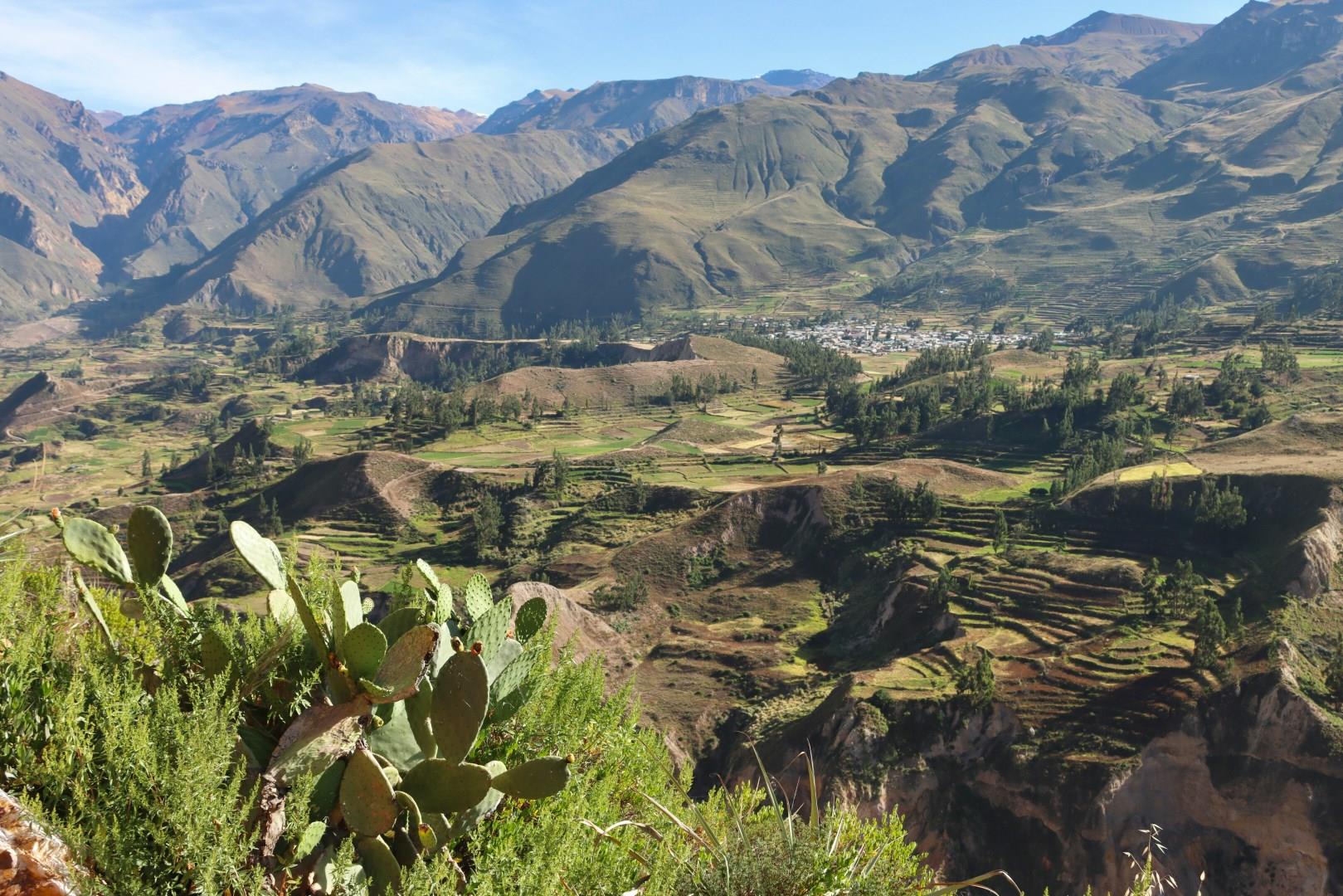
Colca Canyon, located in southern Peru’s Arequipa region, is one of the deepest canyons in the world, twice as deep as the Grand Canyon in some areas. What makes it stand out even more is how human settlements have coexisted with the landscape for centuries. Along its walls, pre-Inca agricultural terraces still hold crops like corn and quinoa. One of the main draws of the canyon is the opportunity to see Andean condors in flight.
New London
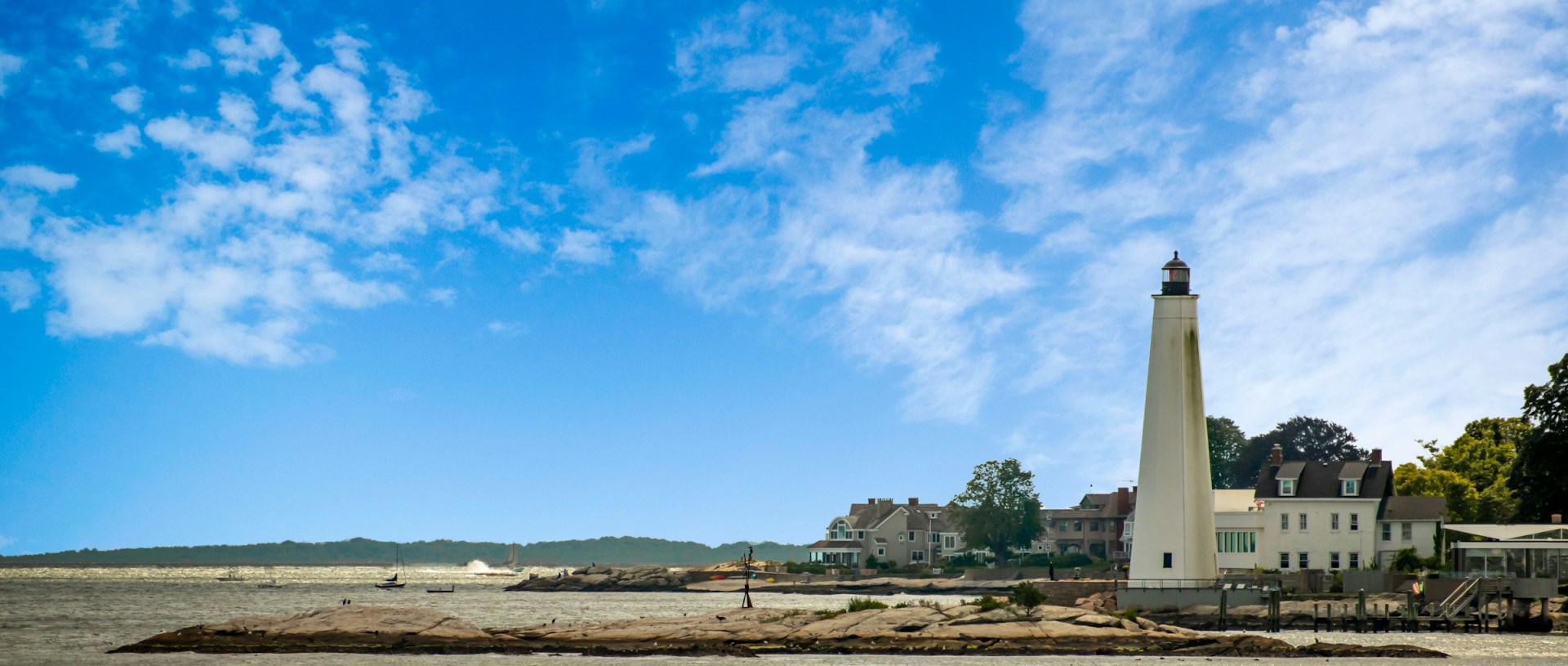
New London, city, New London County, southeastern Connecticut, on the Thames River near its mouth on Long Island Sound; incorporated as a city 1784.
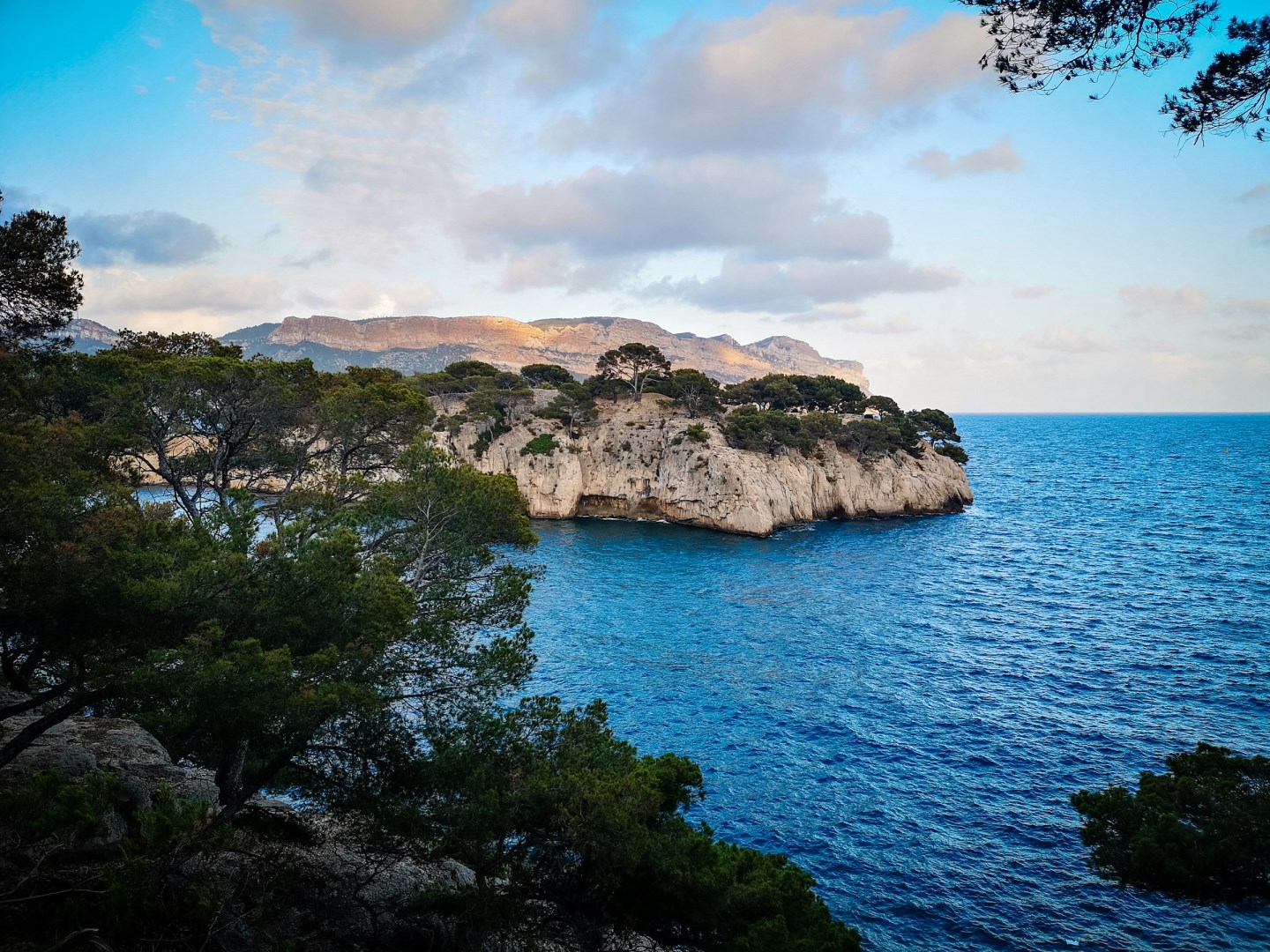
Calanques National Park
This stunning National Park is located on the Mediterranean coast in southern France. Calanques National Park should definitely be on your wish list!

St. Lawrence River
From its natural wonders to its historic charm, the St. Lawrence River invites visitors to explore its endless possibilities. Whether by land or water, this iconic river promises a journey filled with discovery and unforgettable moments.

Xi'an
Xi’an, located in central China’s Shaanxi Province, served as the starting point of the ancient Silk Road and was the capital of 13 imperial dynasties. Its long history is most famously represented by the Terracotta Army, an underground army of life-sized warriors discovered in 1974. Each figure has distinct facial features, hairstyles, and armor, designed to protect Emperor Qin Shi Huang in the afterlife.