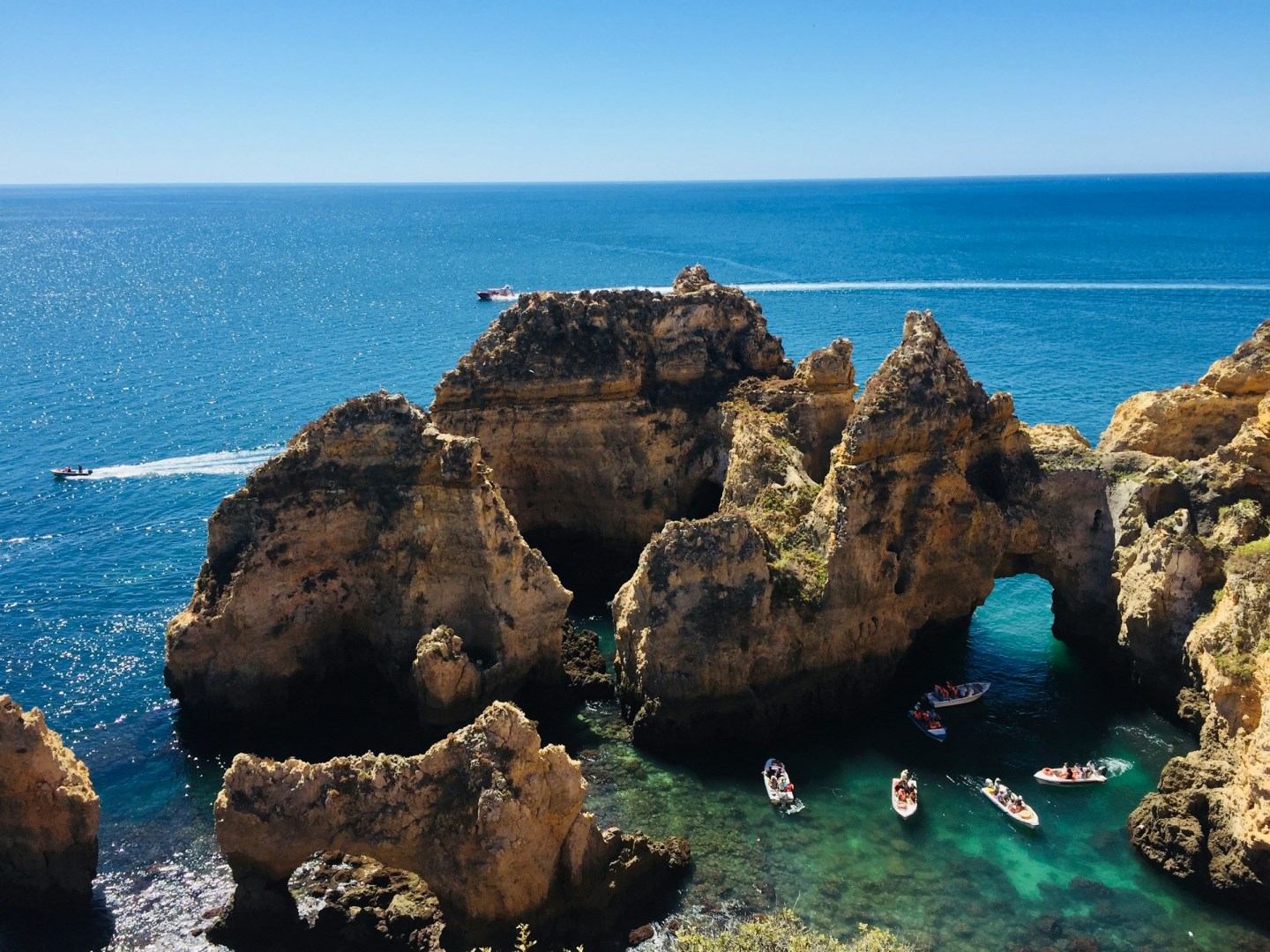
Lagos
Lagos sits on the southern edge of Portugal’s Algarve where a lively old port town meets wide Atlantic skies. Just a short stroll from the heart of town, the coast drops away into a spectacle at Ponta da Piedade, where golden sandstone cliffs rise out of the Atlantic and have been shaped into stacks, natural arches and grottoes over millennia. At the top, the Ponta da Piedade Lighthouse watches over this dramatic shoreline and offers a great backdrop for photos as the sun sets into the ocean.
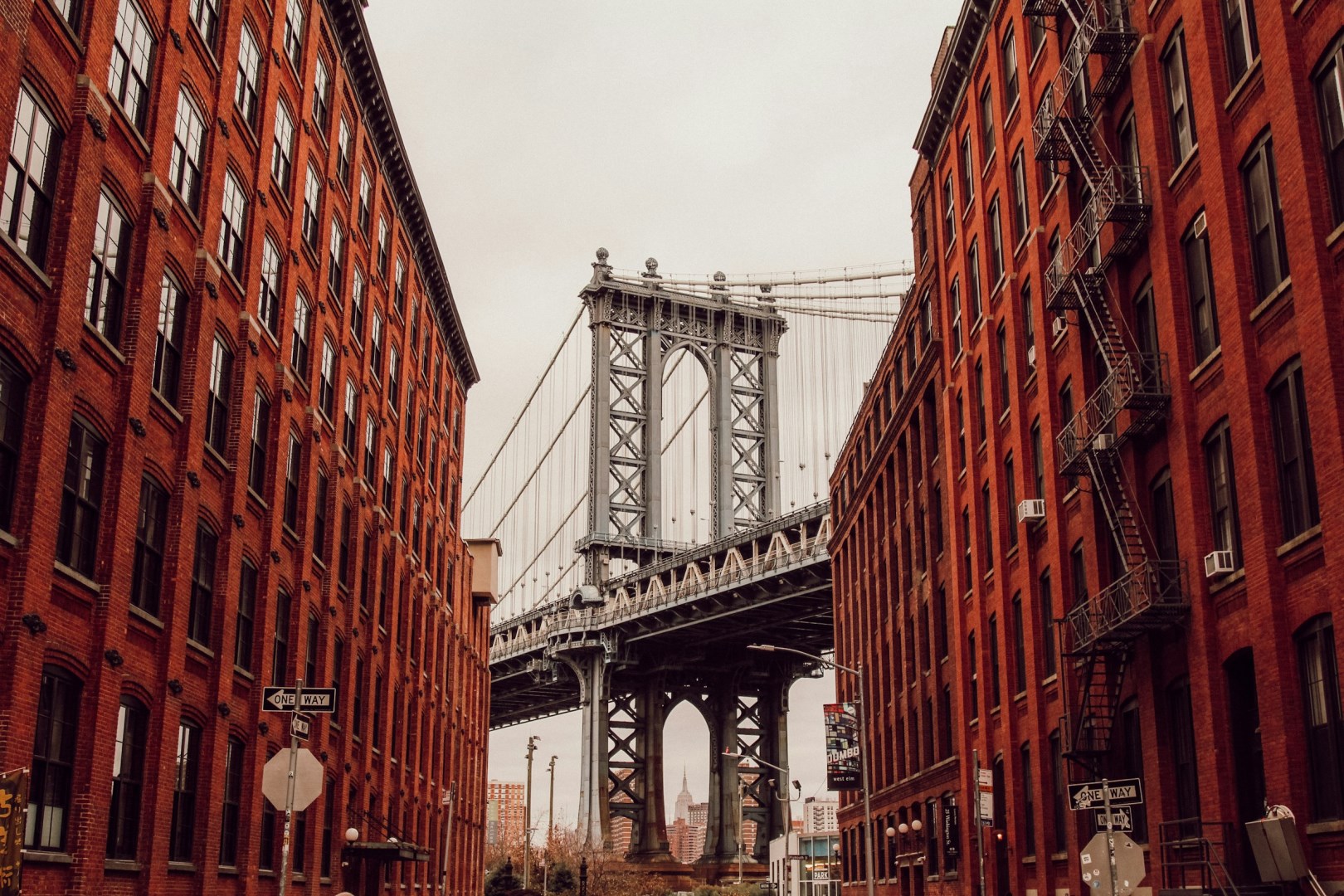
Brooklyn
Brooklyn is New York City’s largest borough by population and occupies the western end of Long Island, with a long waterfront facing Manhattan, New York Harbor, and the East River. Its neighborhoods range from the historic streets of Brooklyn Heights and Cobble Hill to the row houses of Park Slope, the industrial waterfront of Red Hook, and the busy commercial districts of Flatbush and Sunset Park. Brooklyn is also known for its parks, beaches, cultural institutions, and independent businesses.

Penang
A dynamic island escape, Penang, Malaysia, is chock-full of exciting attractions, beautiful beaches, and stunning architecture. Head to the George Town neighborhood, a UNESCO World Heritage Site, to explore the island's best colonial architecture and historical landmarks, including the Penang Town Hall, Fort Cornwallis, and Queen Victoria Memorial Clock Tower.
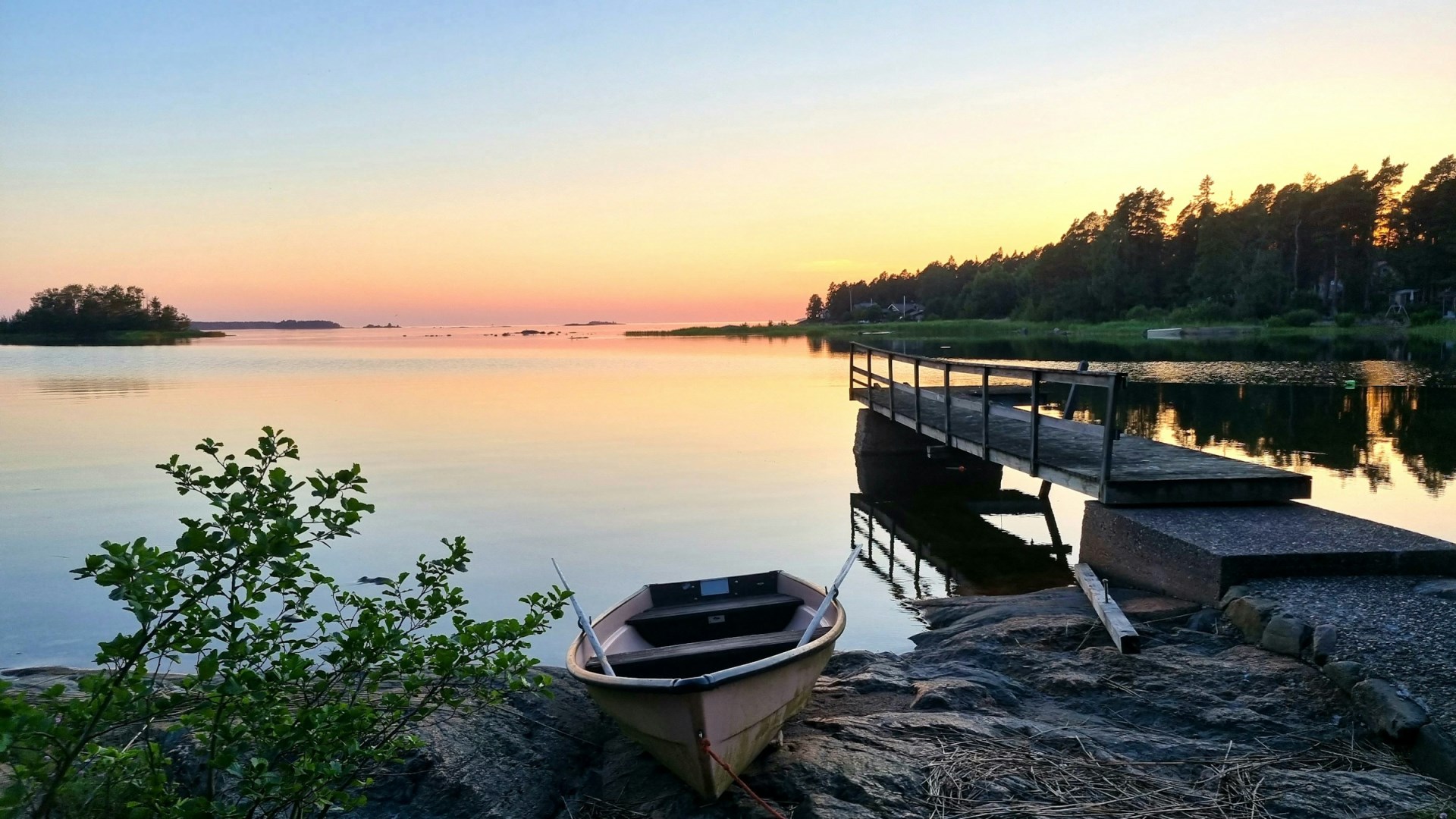
Rauma
Rauma is a historic coastal town in western Finland, located on the Gulf of Bothnia and known for its well-preserved wooden Old Rauma district. Narrow lanes, colorful timber houses, small courtyards, and irregular street patterns give the historic center a distinctive appearance. Outside the old town, Rauma remains an important port and industrial center, while the surrounding coast contains islands, rocky shores, and forested landscapes.
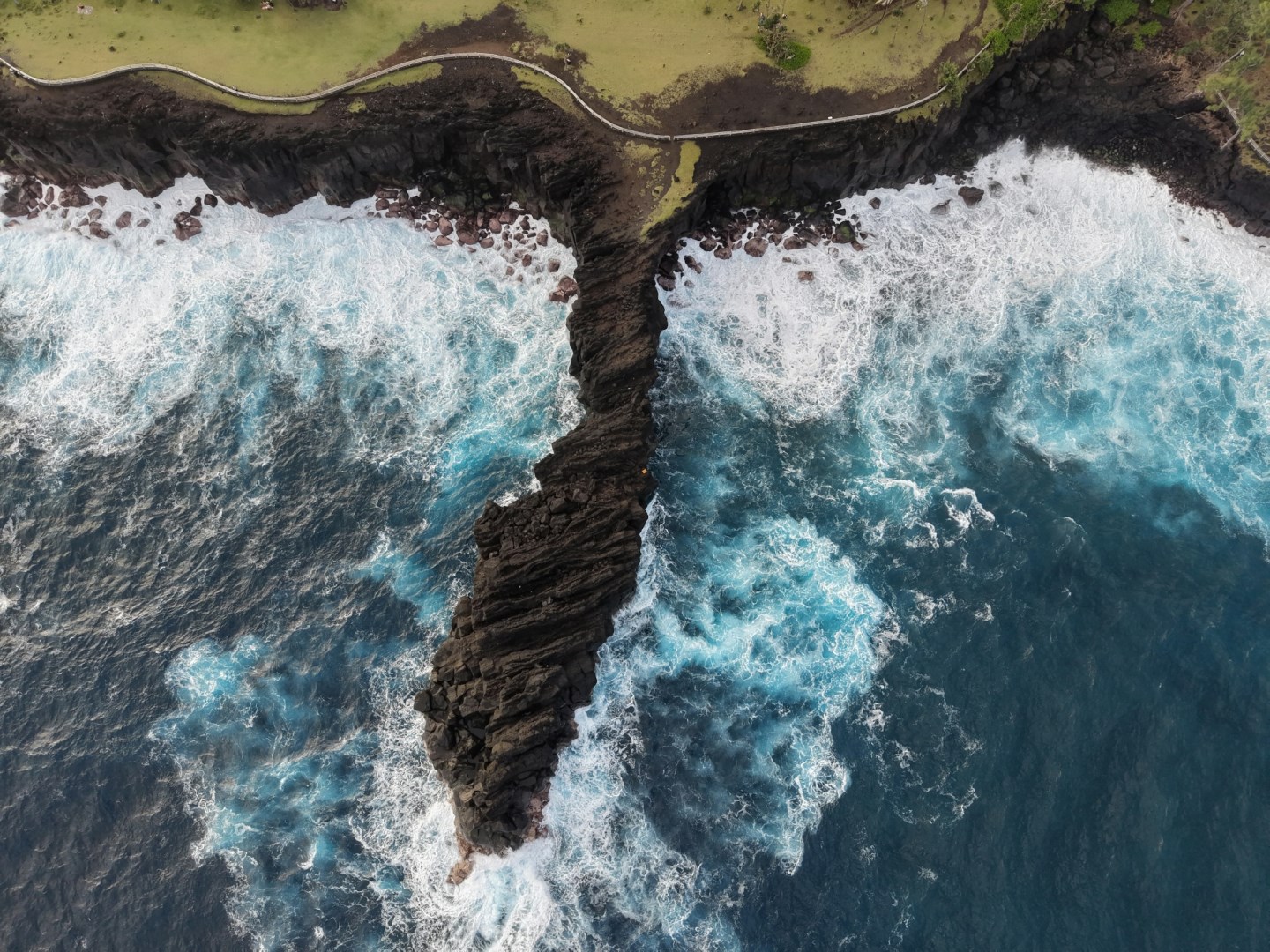
Saint Philippe
Saint-Philippe is a commune on the southeastern coast of Réunion, a French island in the southwestern Indian Ocean. Situated between Saint-Joseph and Sainte-Rose, it lies along the lower slopes of Piton de la Fournaise, one of the world’s most active volcanoes.