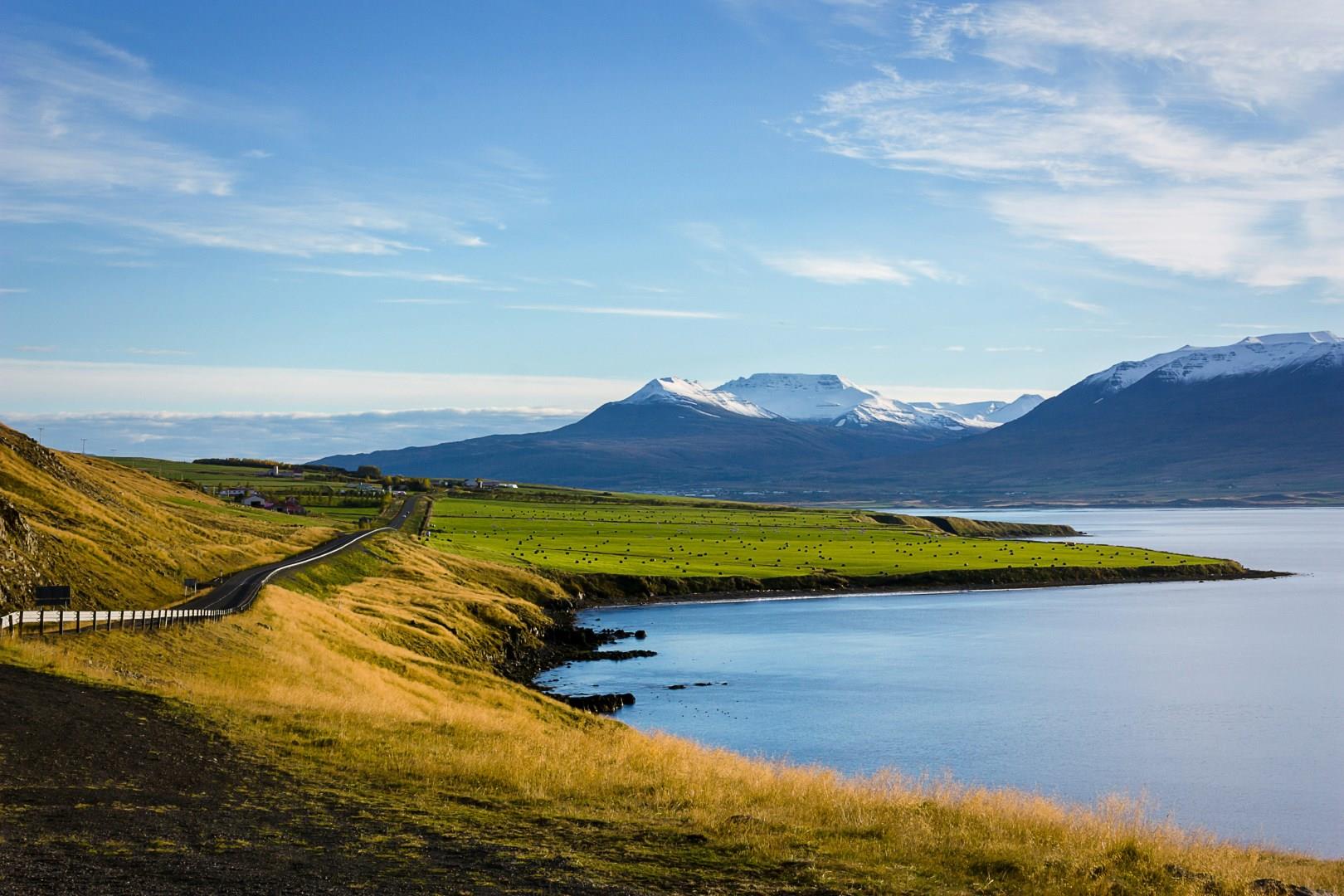
Akureyri
Akureyri, often referred to as the capital of North Iceland, offers travelers a distinct experience shaped by its Arctic location and rich local culture. Nestled at the base of Eyjafjörður fjord, the town has served as a trading center since the 1600s and continues to thrive with a mix of fishing, arts, and tourism. Within a few hours’ drive, visitors can reach the geothermal fields of Hverir, the volcanic craters at Lake Mývatn, and the powerful Goðafoss waterfall.
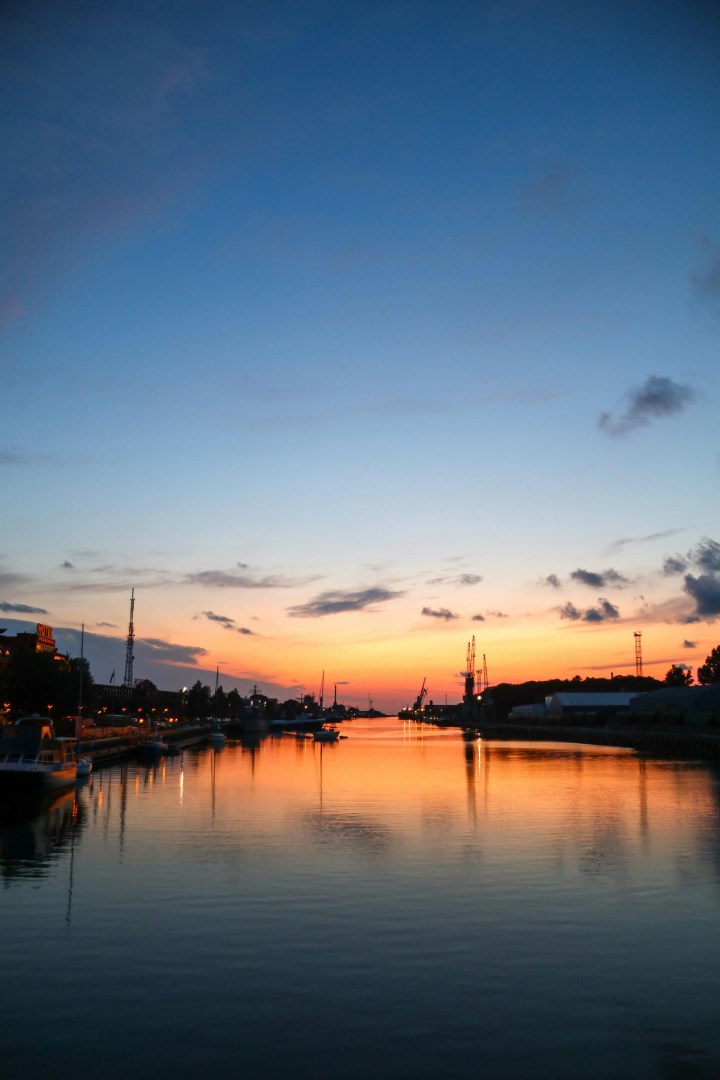
Liepāja
Liepāja is a coastal city in western Latvia, positioned between the Baltic Sea and Lake Liepāja. Its identity has long been shaped by the sea, port activity, industry, and music, while the city center contains a notable collection of wooden and Art Nouveau buildings. A broad sandy beach stretches along the coast, separated from the urban area by the large Seaside Park.
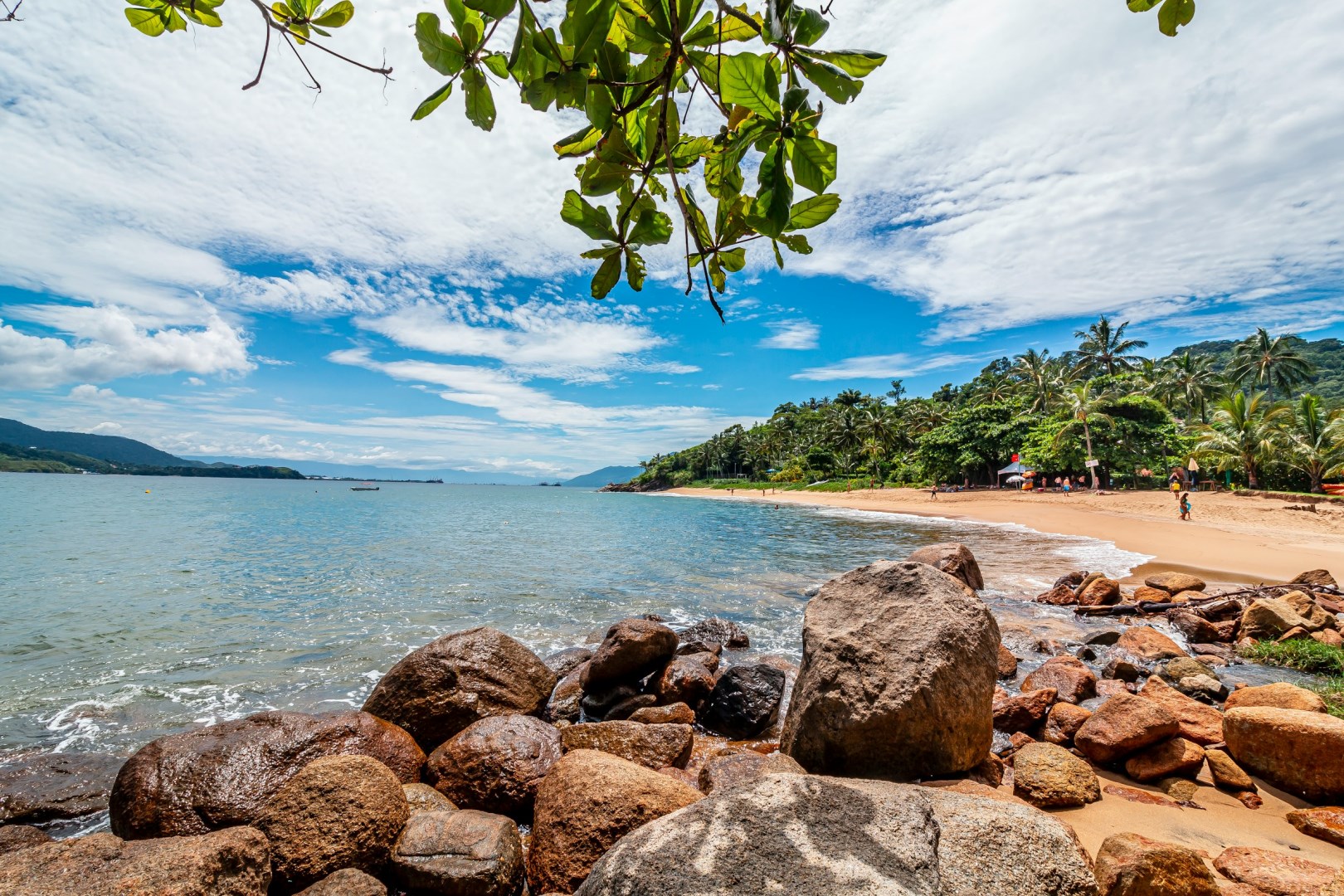
Ilhabela
Ilhabela is an archipelago municipality on the northern coast of São Paulo, separated from the mainland by the São Sebastião Channel. Its main island combines a developed coastal area with extensive Atlantic Forest, while smaller islands and islets form part of the same municipality. The town is known for sailing, beaches, waterfalls, and maritime activities, and it holds the official title of National Capital of Sailing.
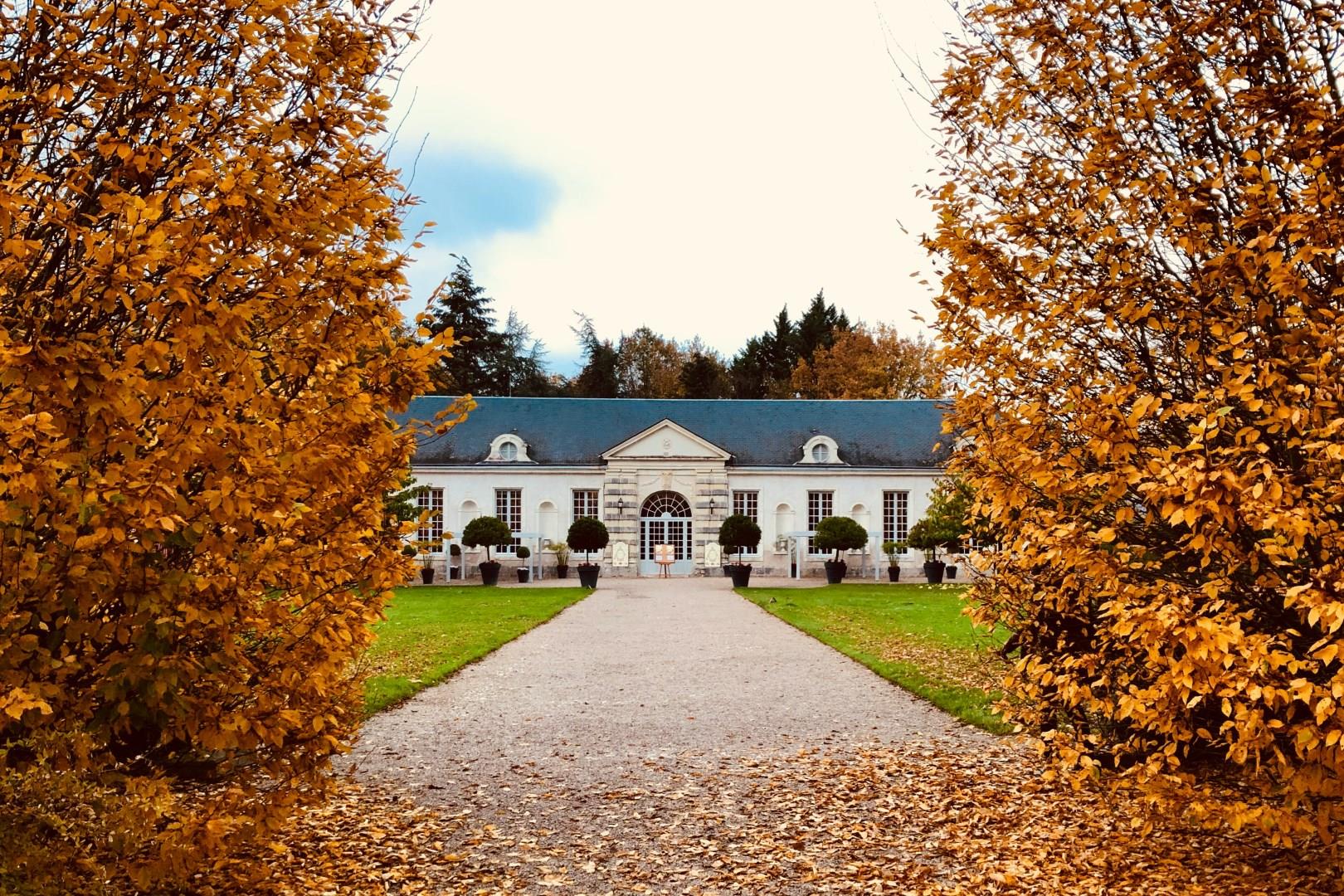
Loire Valley
The Loire Valley stretches along the gentle curves of France’s longest river, a place where riverside towns, historic estates and vineyards have shaped daily life for centuries. This long stretch of landscape was recognized as a UNESCO World Heritage Site because of its remarkable cultural landscape, which includes towns like Tours, Blois, Amboise and Saumur and a tapestry of castles standing beside the river banks.
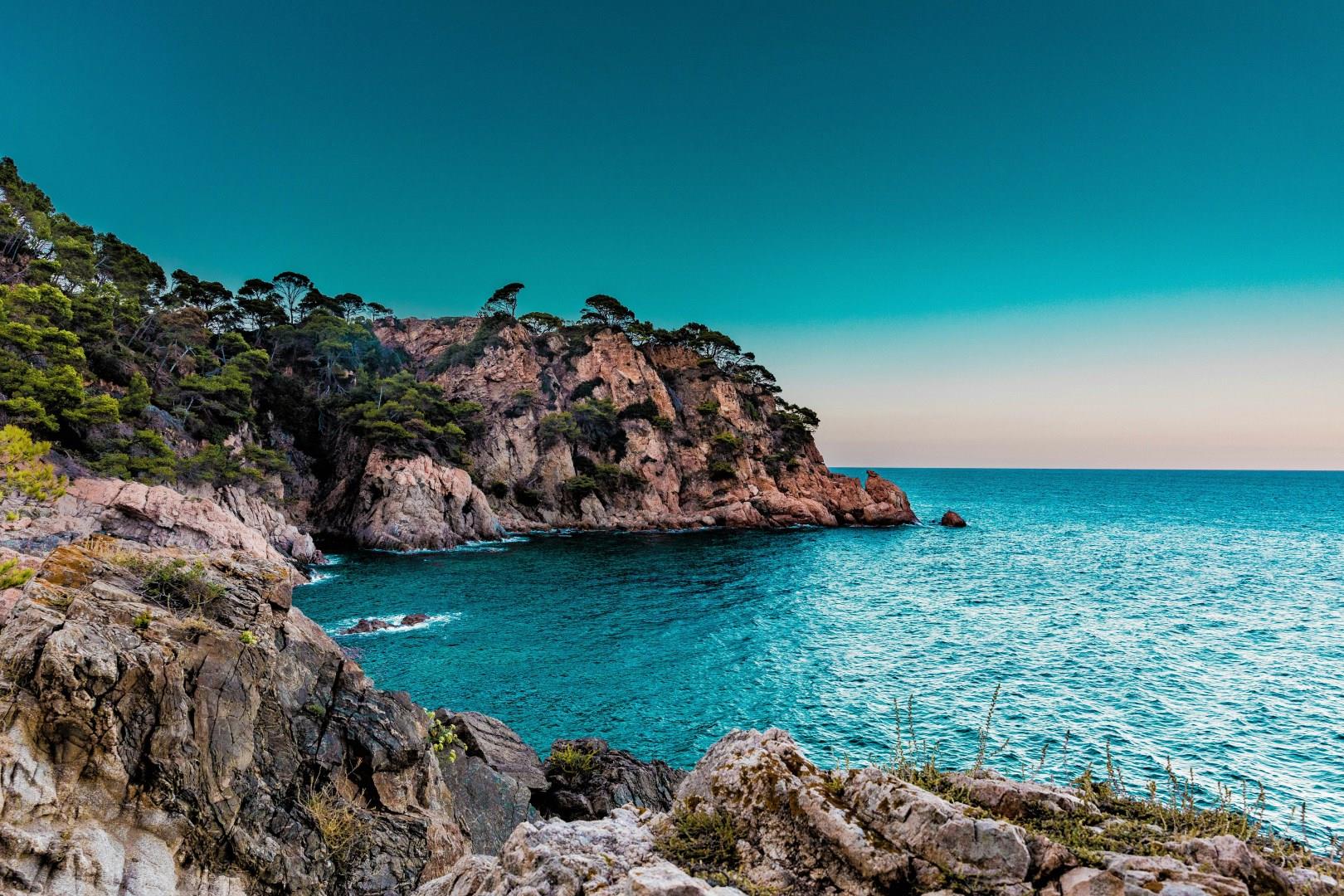
Marbella
Marbella, located between the Mediterranean Sea and the Sierra Blanca mountains, is often associated with its luxury resorts and famous marina, Puerto Banús. But beyond the polished storefronts and designer yachts, the city has a layered past. Its old town, known as Casco Antiguo, is a well-preserved network of narrow streets built during Moorish rule, with whitewashed buildings, flower-filled balconies, and hidden plazas like Plaza de los Naranjos, which dates back to the 15th century.