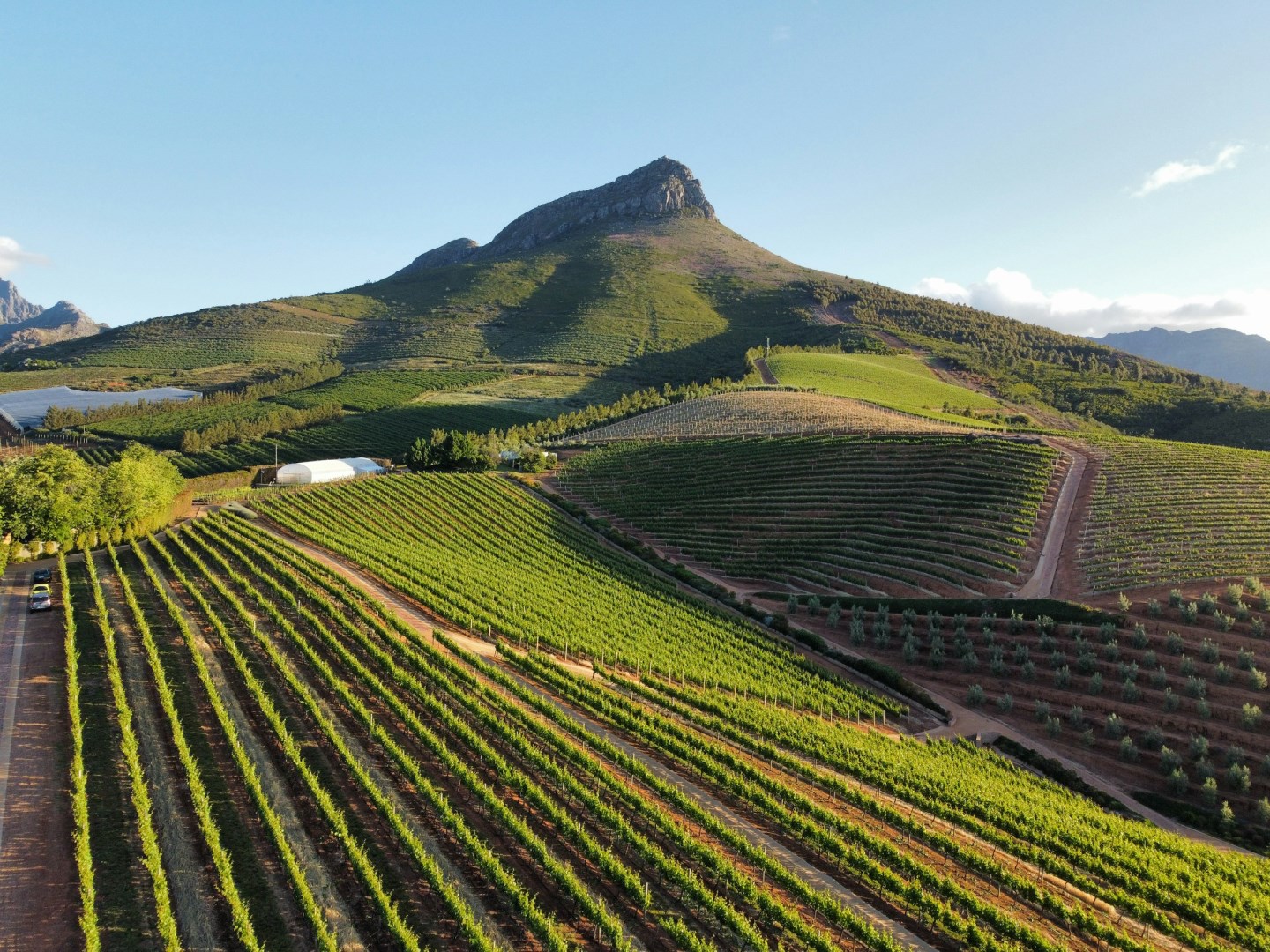
Stellenbosch
Stellenbosch, a charming town in South Africa’s Western Cape, is a haven for wine lovers and history enthusiasts alike. Established in 1679, Stellenbosch boasts well-preserved Cape Dutch architecture and a vibrant cultural scene. Its tree-lined streets are dotted with historical buildings, boutique shops, and artisanal cafes. A visit to the Stellenbosch Village Museum offers a glimpse into the town’s rich heritage, showcasing restored buildings from the 18th and 19th centuries.

K’gari
Fraser Island, or K’gari as it is known to its Traditional Owners, the Butchulla people, is a gem off the coast of Queensland, Australia. The world's largest sand island, stretching over 120 kilometers, is a place where nature dazzles and adventure beckons. Renowned for its unique ecosystems, Fraser Island offers a diverse landscape of lush rainforests growing on sand, crystal-clear freshwater lakes, and expansive sand dunes.
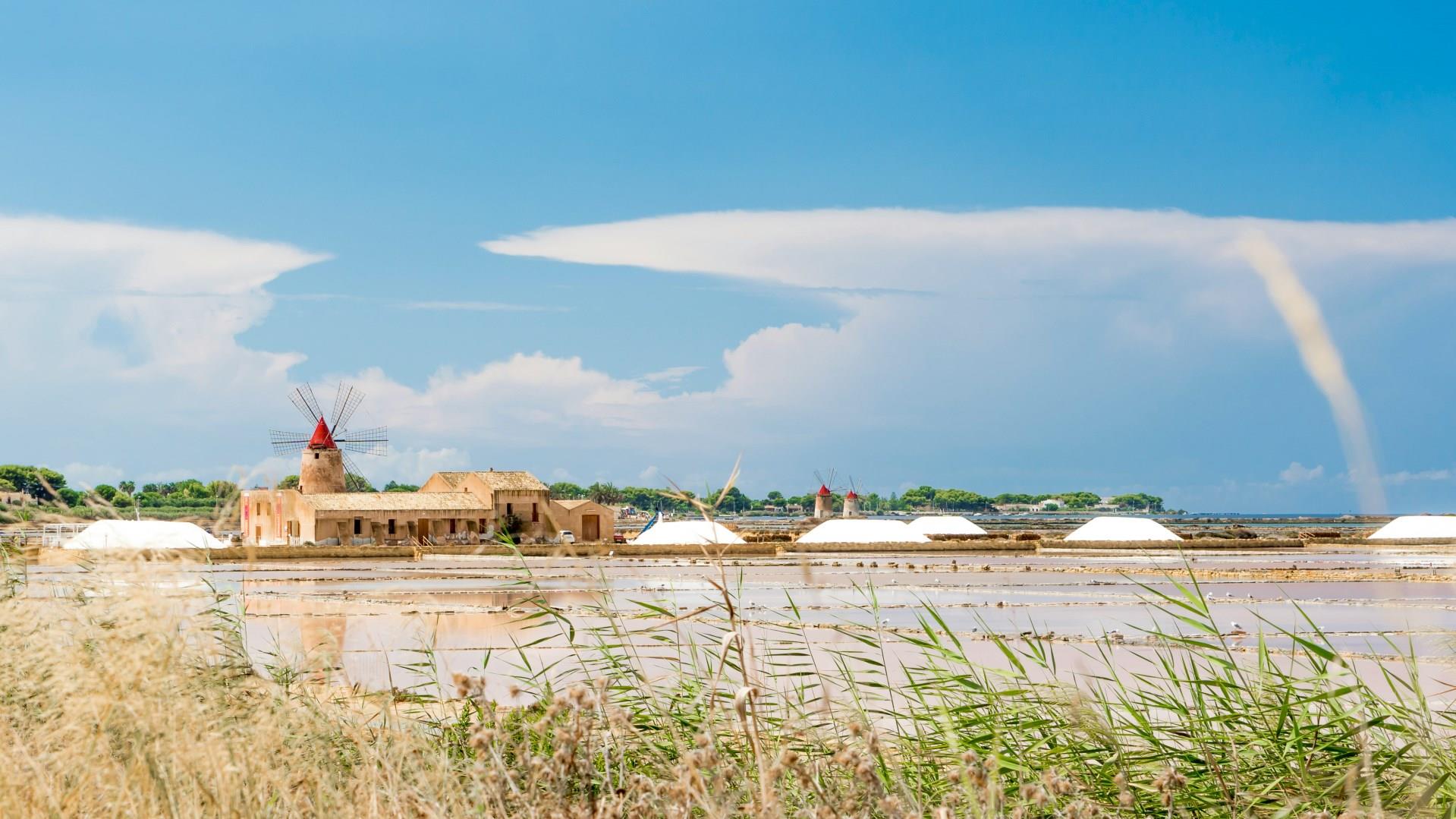
Marsala Sicily
Marsala is a coastal city in western Sicily with a long history shaped by trade, conquest, and winemaking. Founded by the Phoenicians in the 4th century BCE, it later passed through Roman, Arab, Norman, and Spanish hands, each leaving traces in the city’s layout and culture.
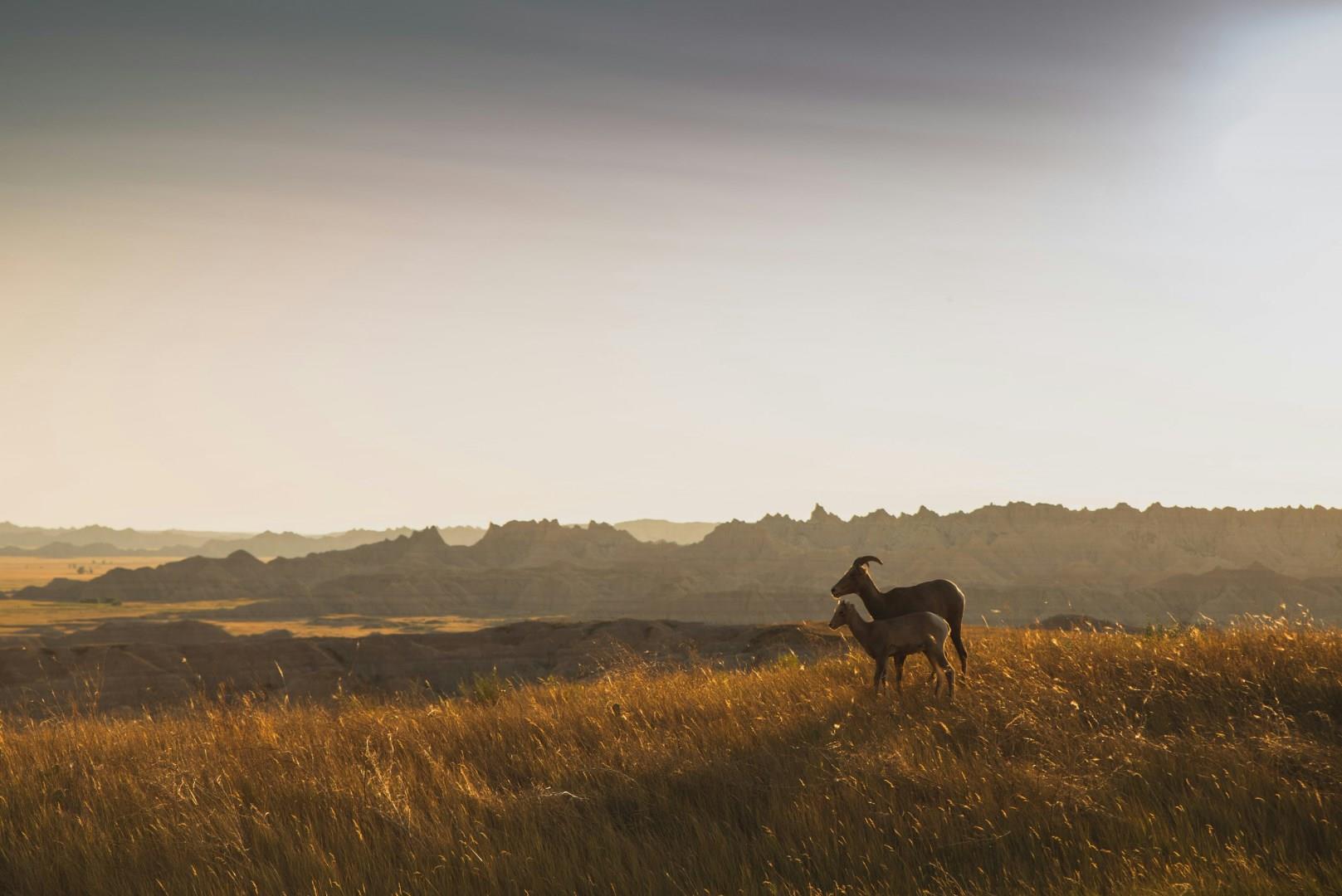
Badlands National Park
Badlands National Park stretches across southwestern South Dakota, where layered rock formations and sharply eroded spires reveal nearly 75 million years of geological history. The park’s banded cliffs and pinnacles were shaped by wind and water, exposing ancient seabeds and fossil-rich layers that have made the area one of North America’s most important paleontological sites.
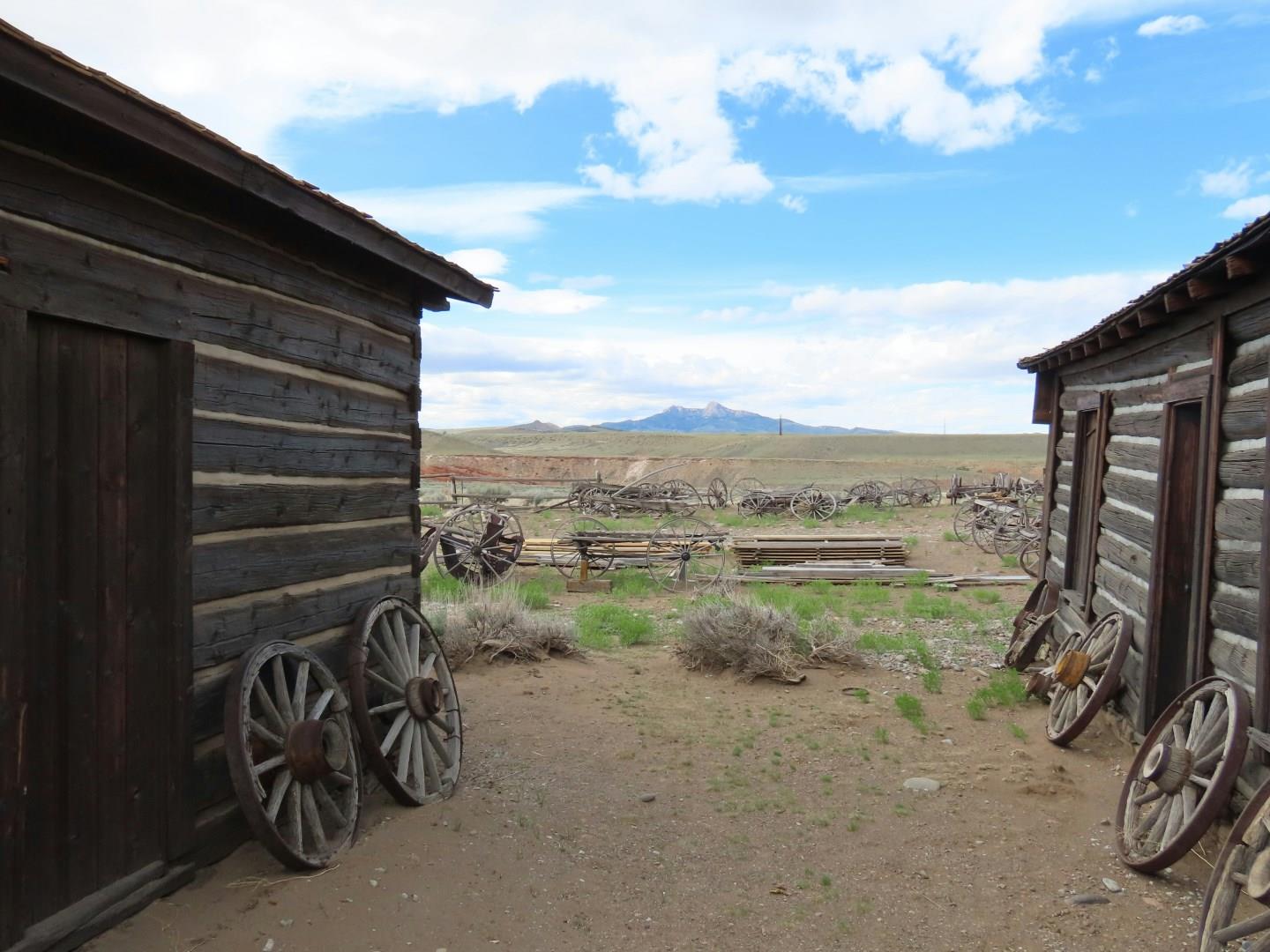
Cody
Cody, Wyoming, is a gateway to the American West, known for its connection to the legendary Buffalo Bill Cody and the pioneering spirit of the region.