Copacabana
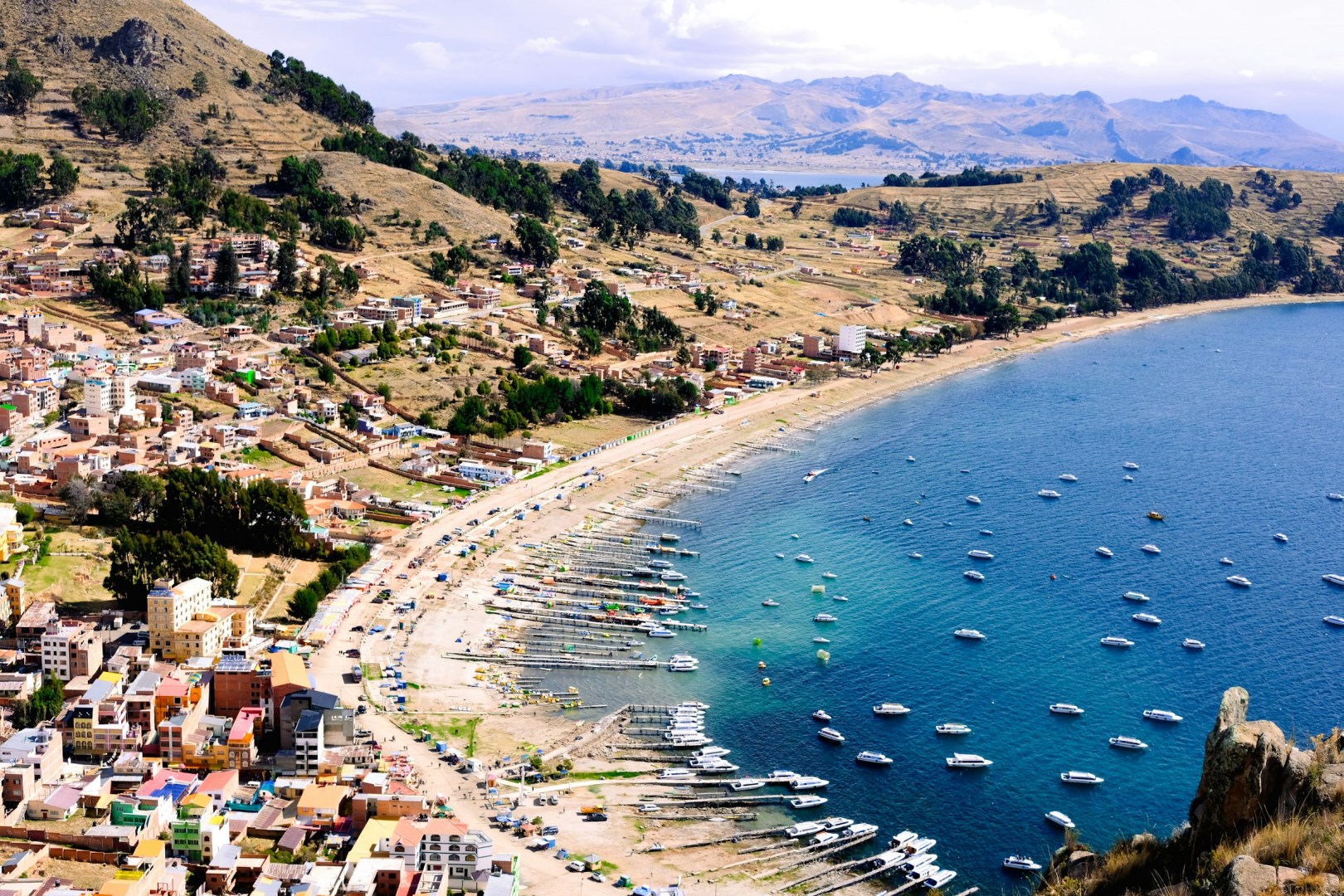
Copacabana is a lakeside town in western Bolivia, situated on the shores of Lake Titicaca near the Peruvian border. Its setting between the lake and the surrounding hills gives it a distinctive highland landscape, with views extending across the deep blue waters toward the distant mountains. Copacabana is one of Bolivia’s main gateways to Lake Titicaca and serves as a starting point for boat trips to Isla del Sol and nearby islands.
Douiret
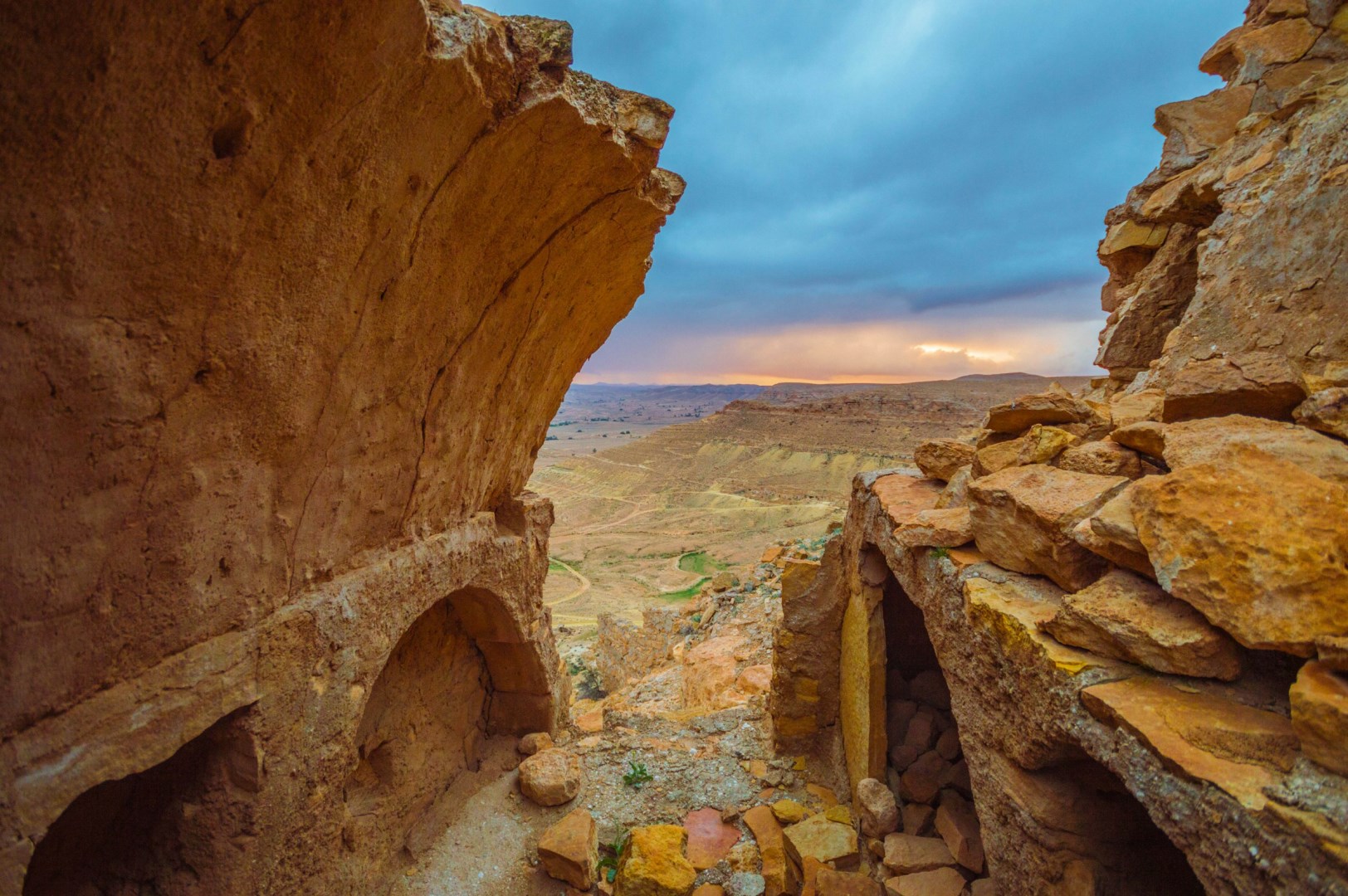
Douiret is a historic Berber village in southern Tunisia, set high among the rocky mountains and desert plateaus of the Tataouine region. The settlement is built along a steep mountain ridge, where old stone structures and partially abandoned homes blend into the surrounding rock. Douiret is best known for its traditional ksar, a fortified complex that once provided communal storage for agricultural harvests.

Inca Trail
The Inca Trail is a historic mountain route in Peru’s Cusco Region that leads through the Andes to Machu Picchu. The best-known route begins near Piscacucho, follows a network of stone paths through high valleys and mountain passes, and ends at Intipunku, or the Sun Gate, overlooking the archaeological site.
Aegina
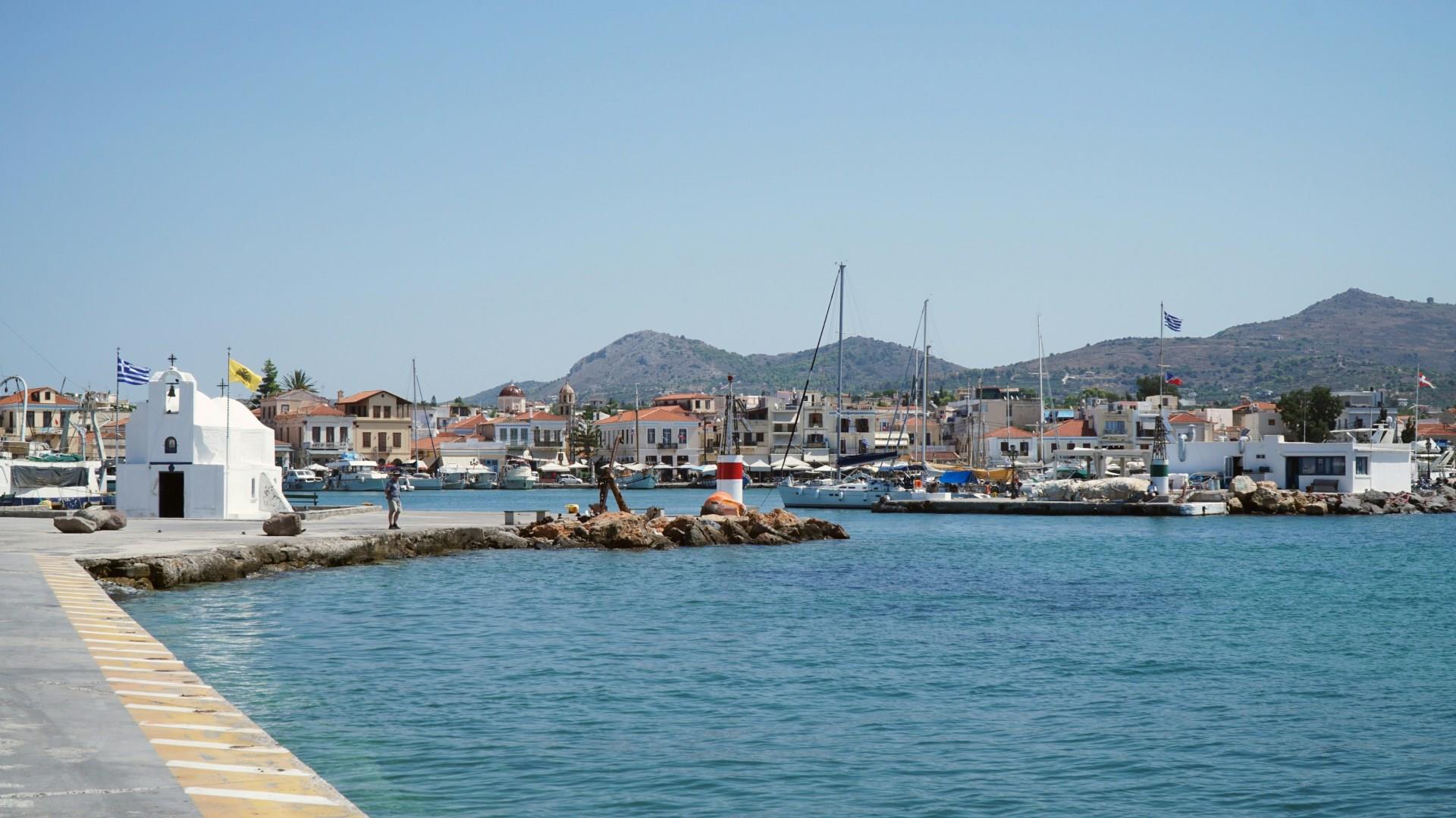
Aegina, one of the Saronic Islands of Greece, is a short ferry ride from Athens yet feels far removed from the capital’s energy. Known since antiquity as a thriving maritime and cultural center, the island still preserves echoes of its past in archaeological sites and traditional villages.
Matobo National Park
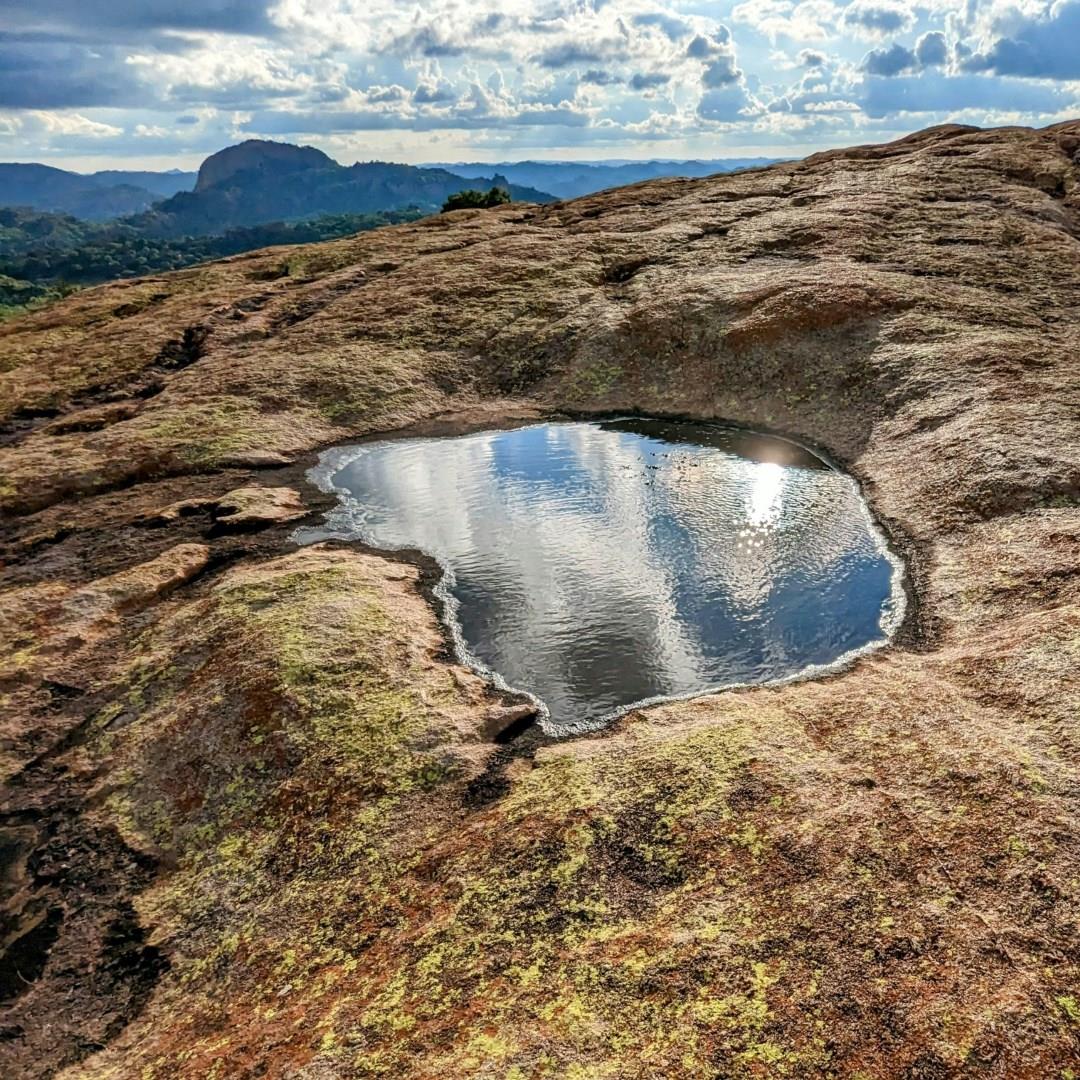
Matobo National Park sits in the rolling hills of southern Zimbabwe stands as one of the country’s most remarkable landscapes. Its granite domes, balancing rocks and wooded valleys have formed over more than two billion years, creating a setting that feels both ancient and alive. As a UNESCO World Heritage cultural site, the park preserves a landscape that has shaped human life here for millennia, drawing travelers to explore its unusual terrain and storied past.