Pretoria
Pretoria, one of South Africa’s three capital cities, serves as the administrative capital and is renowned for its stately architecture, tree-lined avenues, and historical significance. Established in the mid-19th century, it reflects a blend of colonial Dutch, British, and Afrikaner influences.

Vientiane
Vientiane, the capital of Laos, lies along the banks of the Mekong River and blends a relaxed urban pace with rich cultural heritage. The city’s streets are lined with French colonial buildings, Buddhist temples, and local markets, reflecting its history as both a trading hub and a spiritual center.
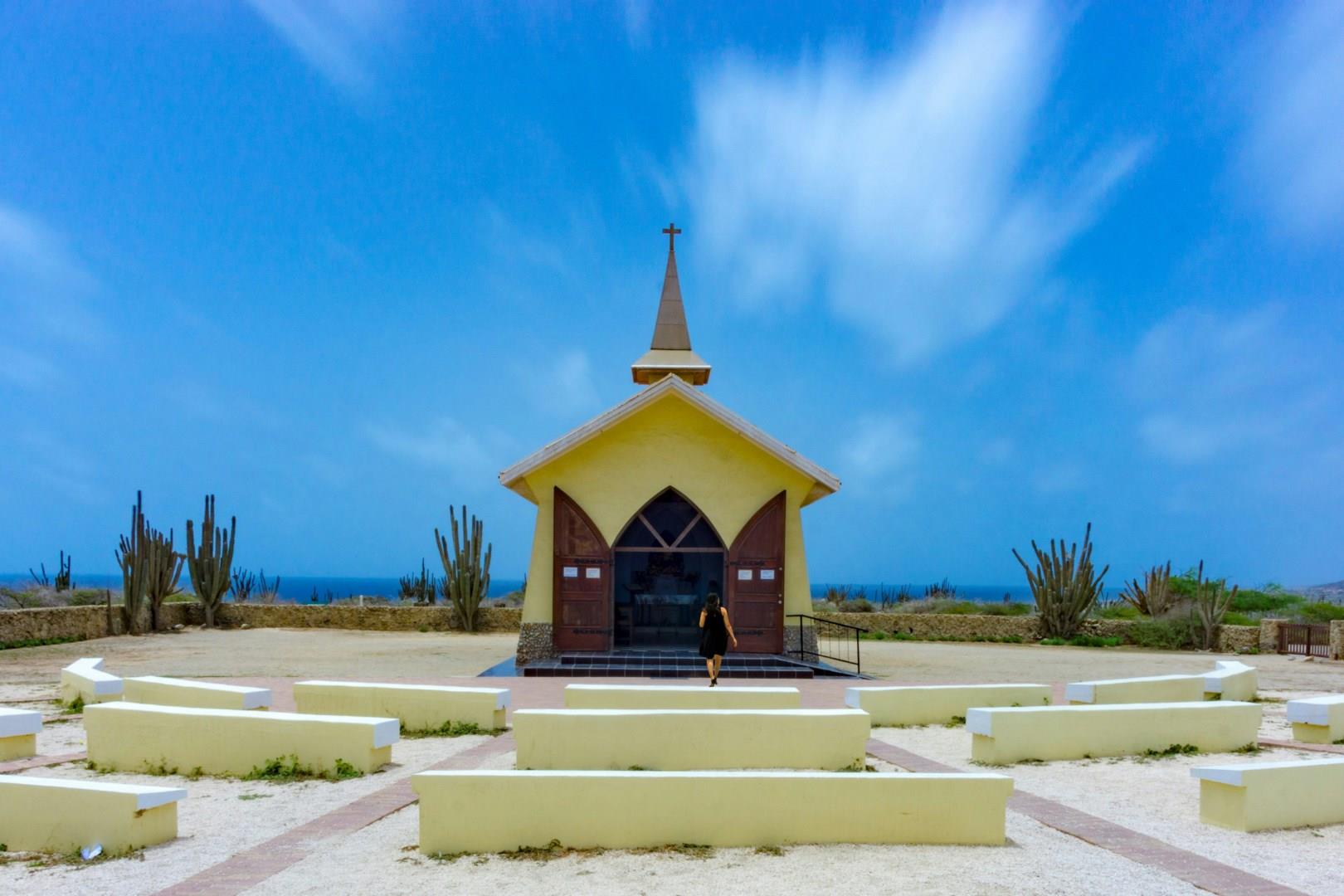
Noord
Noord, located on the northern tip of Aruba, is where much of the island’s lively tourism scene comes to life. This district is home to the famous Palm Beach, a two-mile stretch of soft sand lined with high-rise resorts, chic beach clubs, and a vibrant mix of restaurants and nightlife.
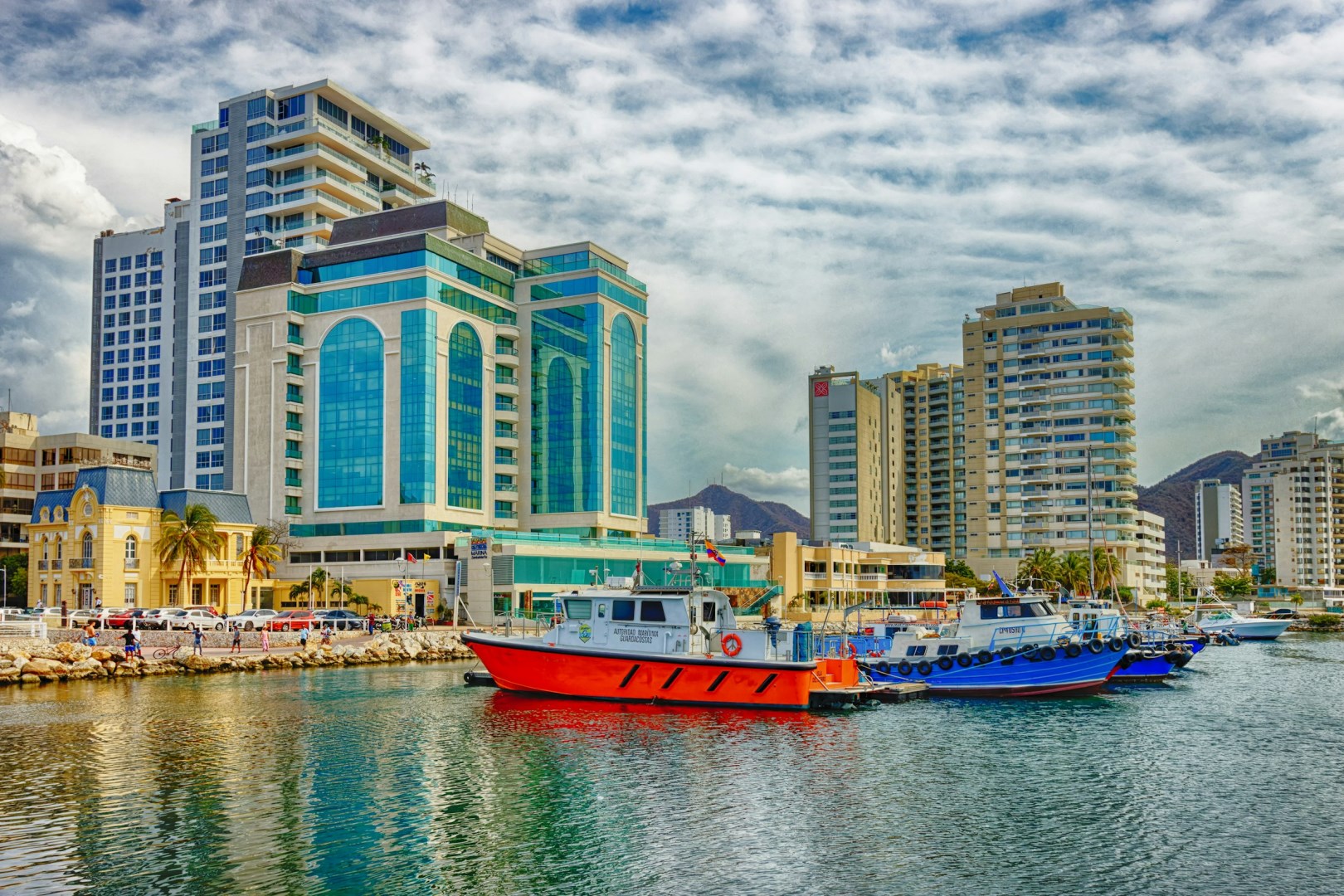
Santa Marta
Santa Marta, located on Colombia’s northern Caribbean coast, is one of the country’s oldest cities, founded in 1525. It has long served as a gateway between the coast and the Sierra Nevada de Santa Marta, the world’s highest coastal mountain range.
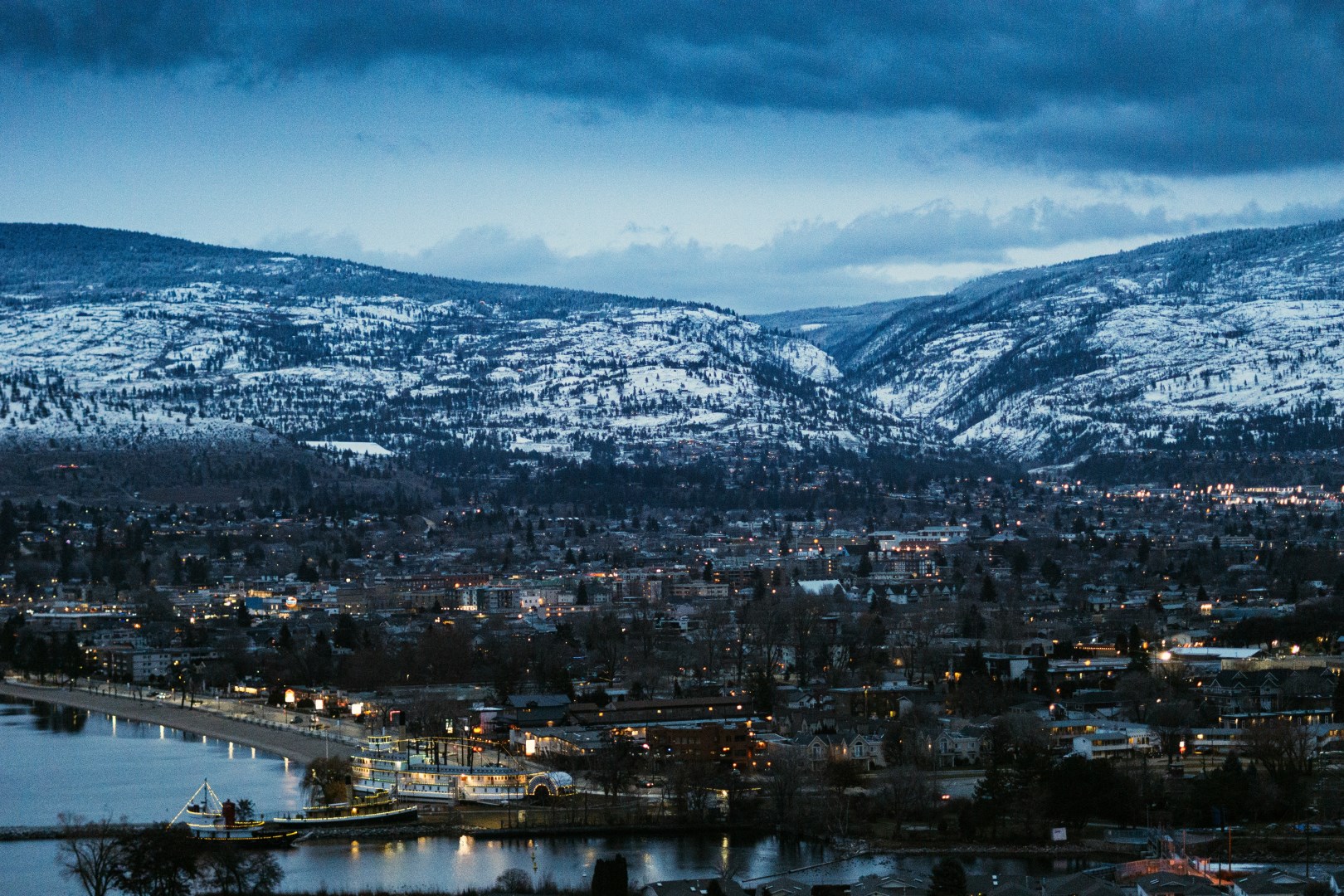
Penticton
Penticton is a city in British Columbia’s Okanagan Valley, located between Okanagan Lake and Skaha Lake. The city is known for its warm summers, long lakefronts, and strong connection to wine production and outdoor recreation.