
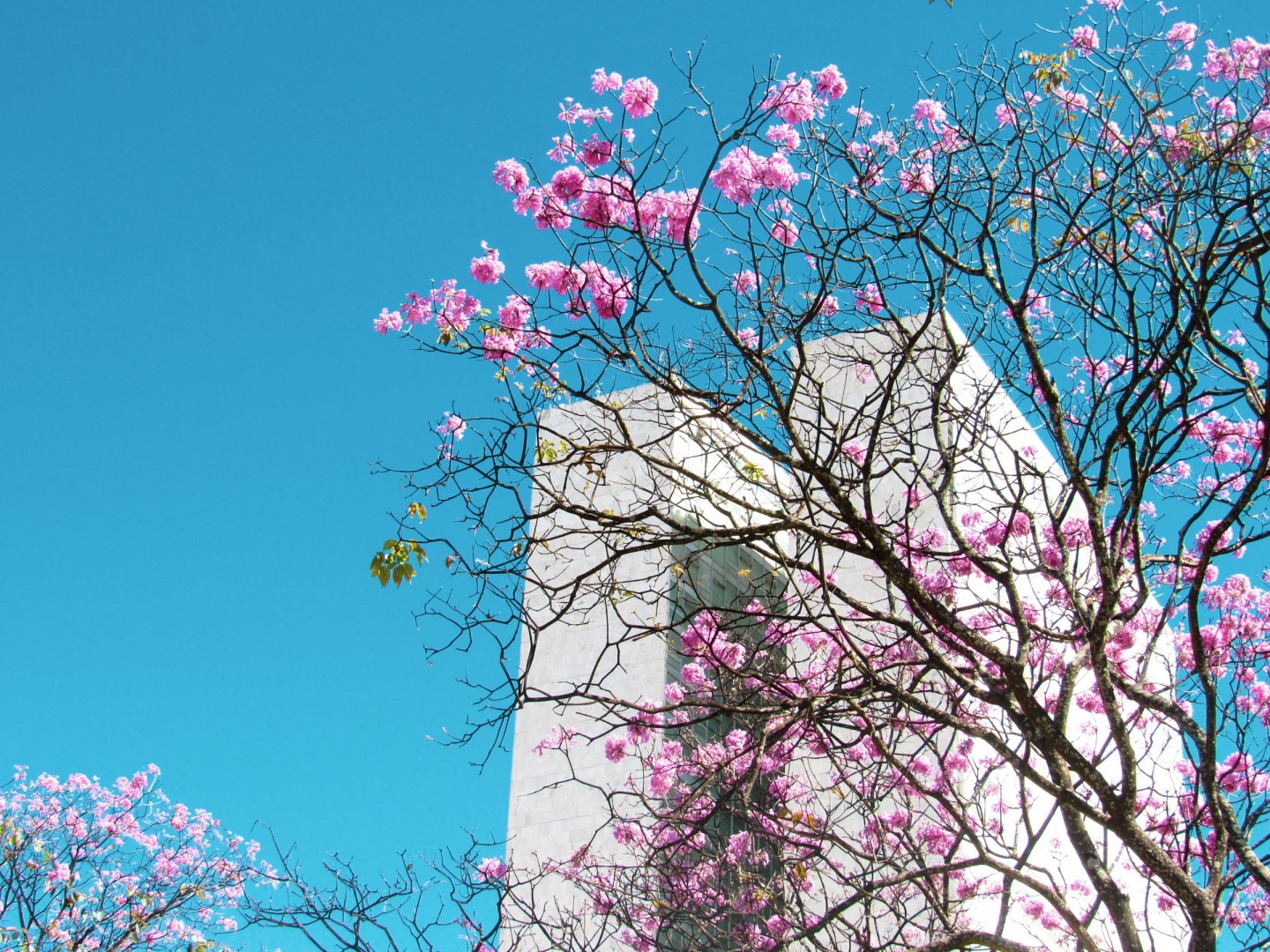
Brasília
Brasília may be a World Heritage Site, but it is only of interest to town planning and architecture students, and those keen to witness the folly of man on a metropolitan scale. It must have looked good on paper, and still looks good in photos, but in the flesh, forget it. Designed by architect Oscar Niemeyer, urban planner Lucio Costa, and landscape architect Burle Marx, the city was built in an incredible three years between 1957 and 1960.
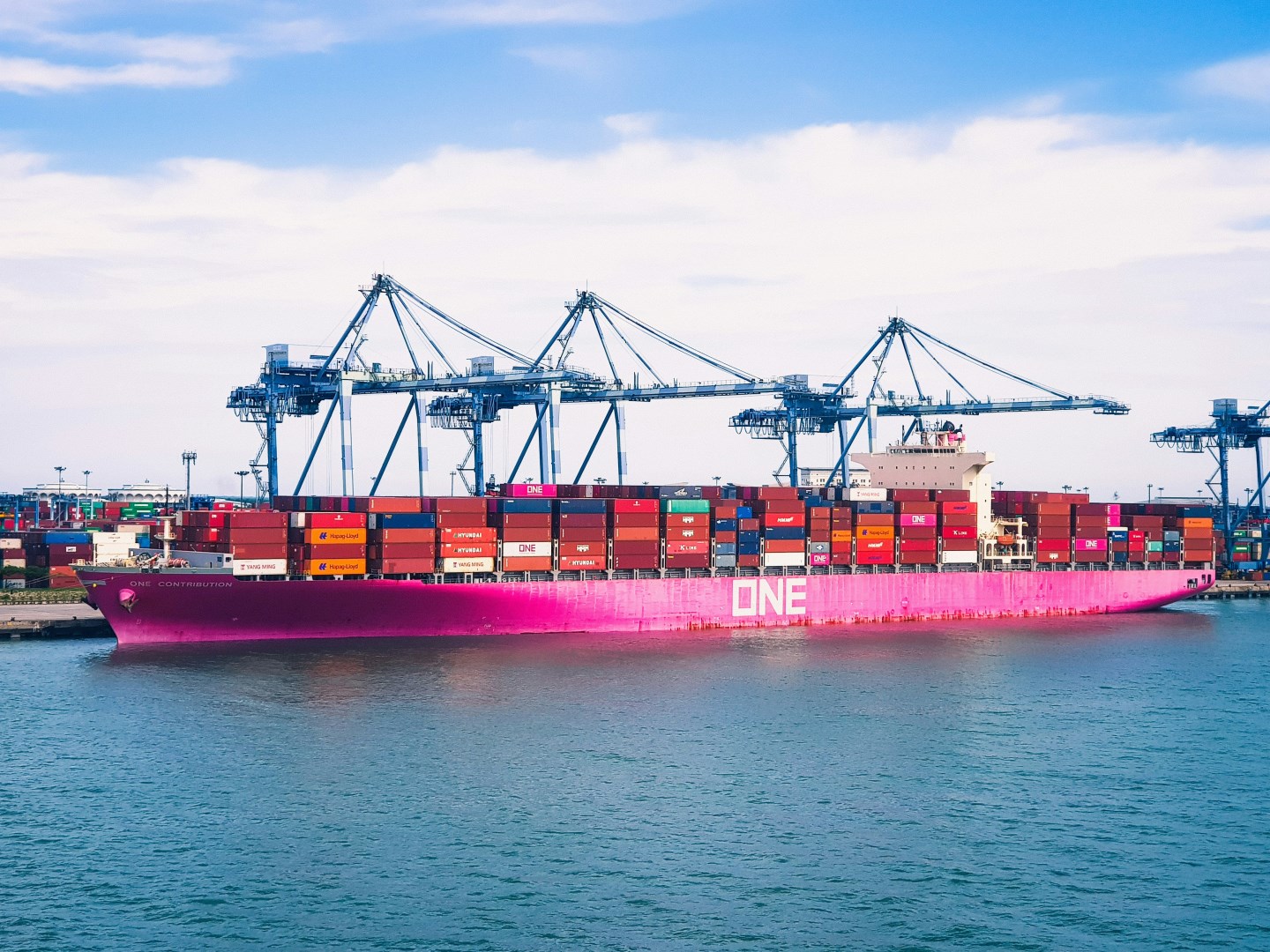
Port Kelang
Port Klang, Malaysia’s bustling port city, is a gateway to both vibrant urban life and serene coastal escapes.
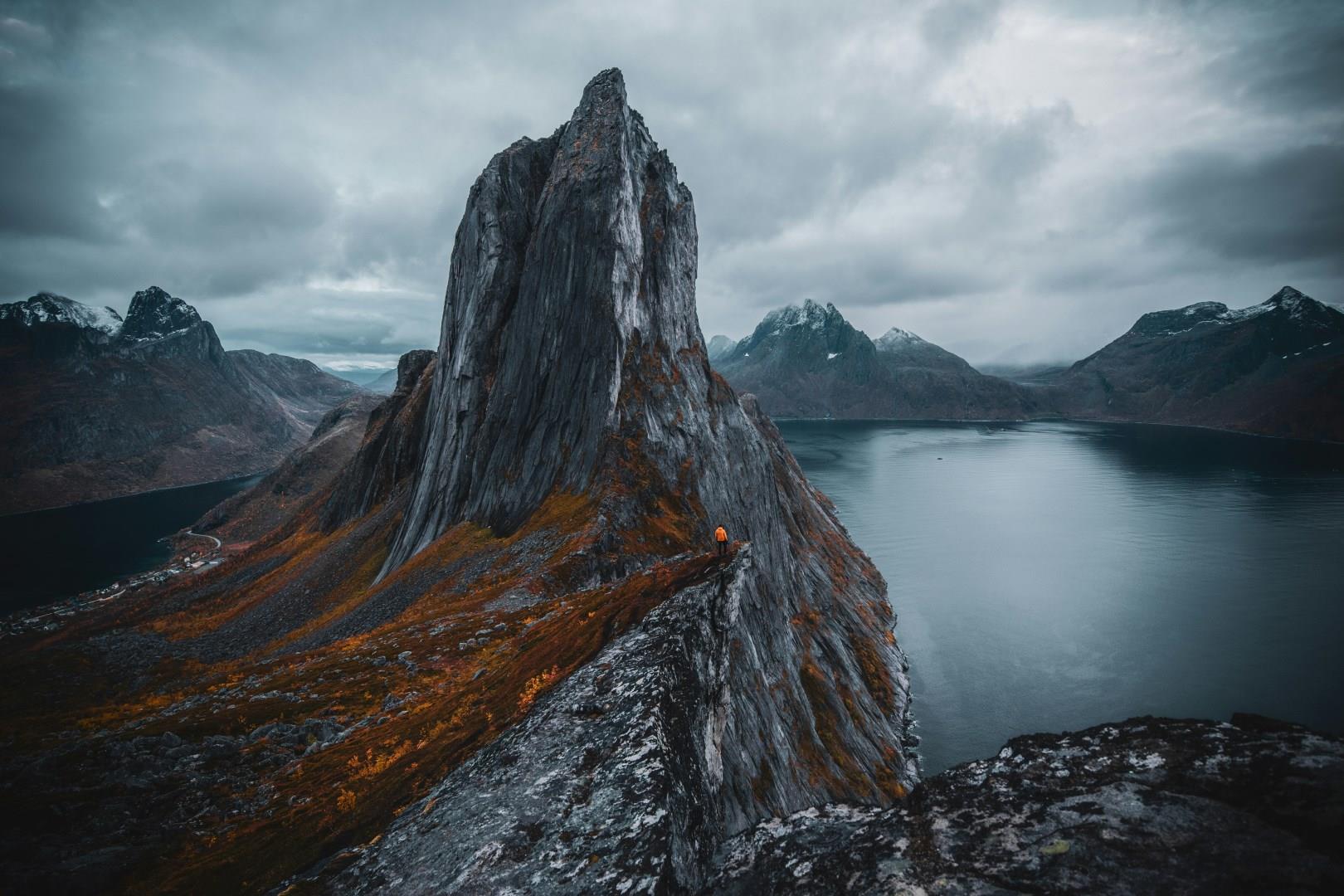
Senja
Senja is Norway’s second-largest island, located well above the Arctic Circle and often described as a condensed version of the country’s most dramatic landscapes.

Pécs
Pécs, Hungary, is a city that seamlessly blends history, culture, and a vibrant modern atmosphere. Nestled at the foot of the Mecsek Mountains in southern Hungary, Pécs boasts a rich heritage that dates back over 2,000 years. Visitors are often captivated by the city’s unique blend of Roman, Ottoman, and Hungarian influences.
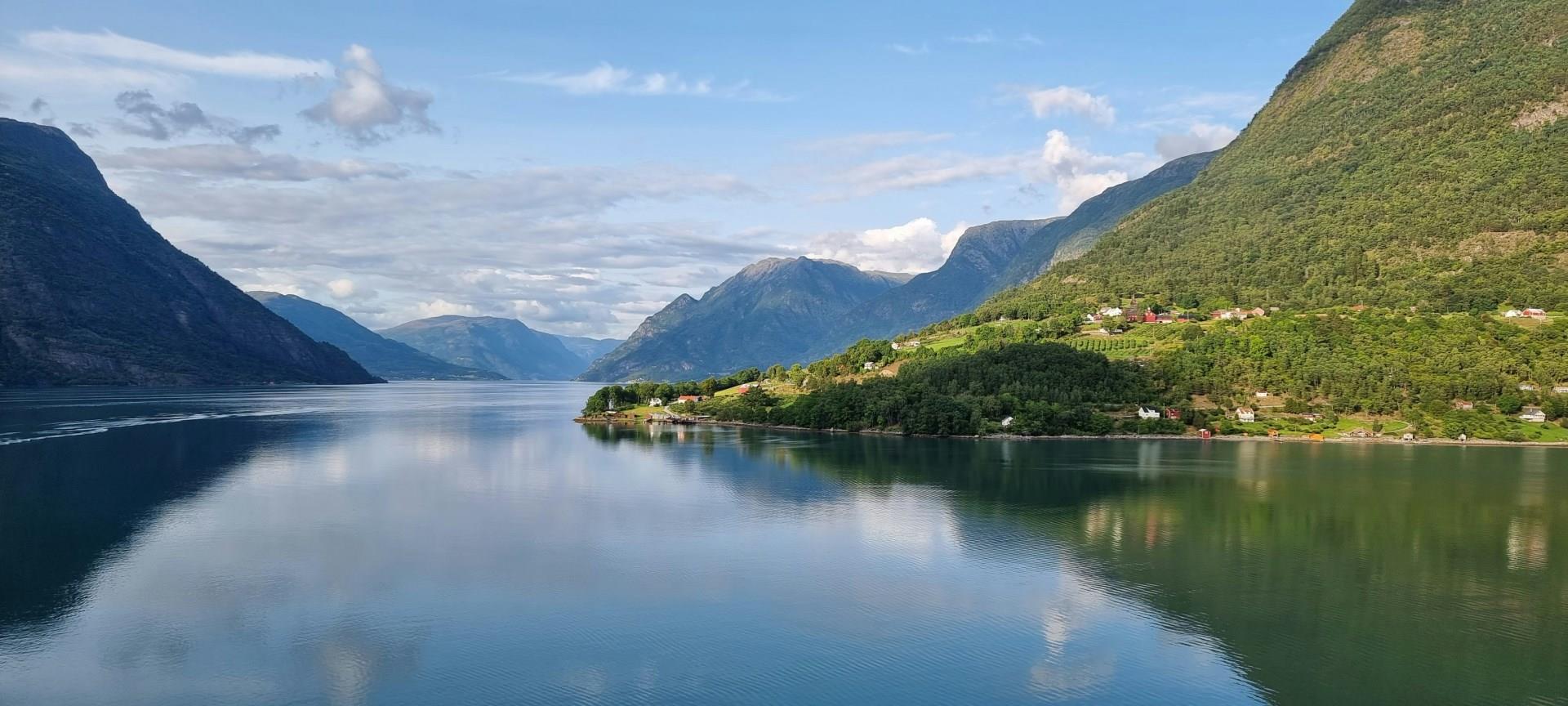
Skjolden
With its dramatic fjord setting, access to hiking trails, and cultural significance, Skjolden is a destination that showcases Norway’s wild beauty. Whether embarking on an outdoor adventure or simply enjoying the beautiful landscapes, visitors will find plenty to experience.


