Karakul Lake
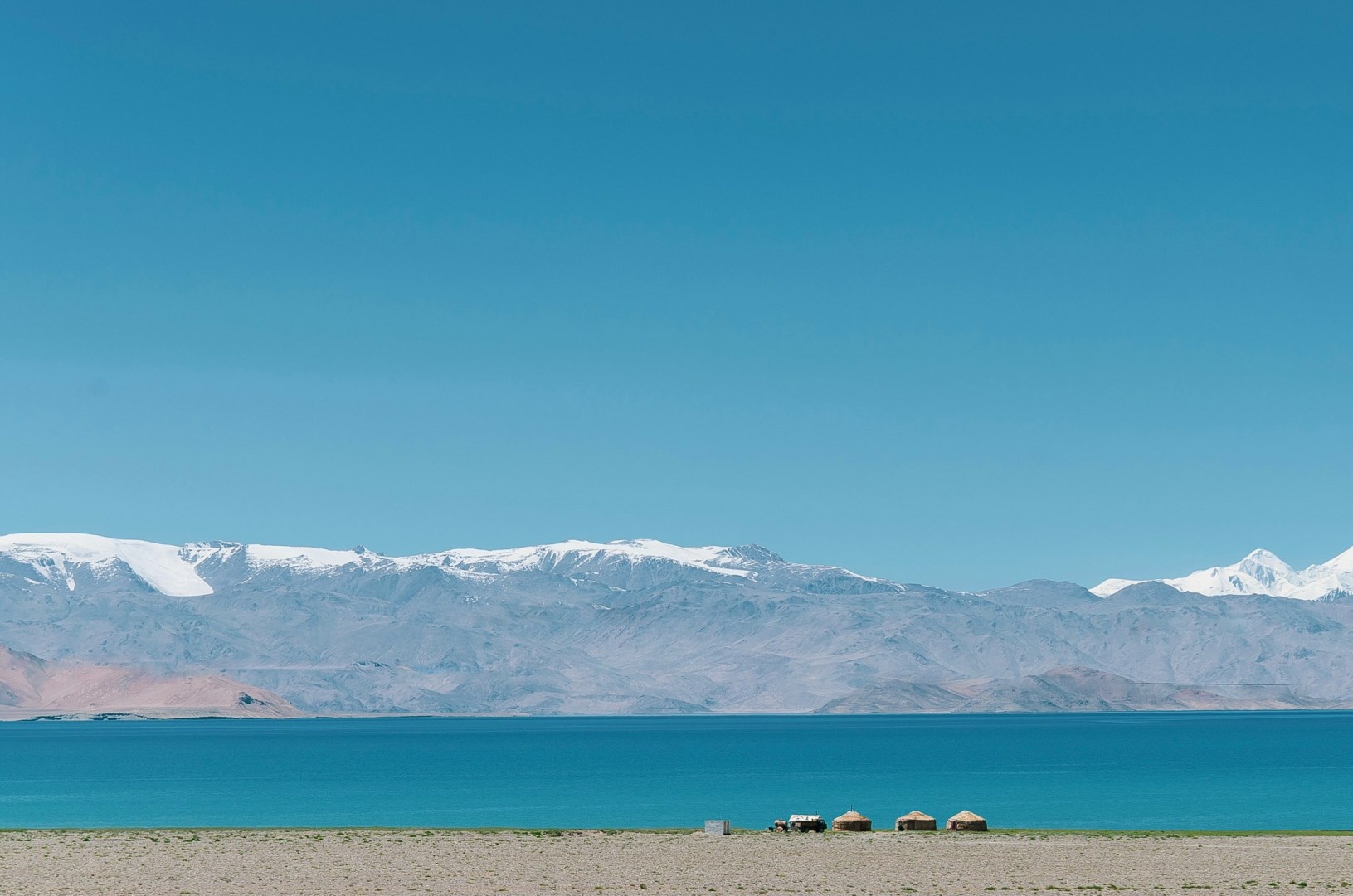
Karakul Lake is a high-altitude lake in eastern Tajikistan, situated in the Pamir Mountains near the village of Karakul. The lake lies at roughly 3,900 meters above sea level within a broad, treeless landscape of rocky plains and high mountain ranges. Its name means “Black Lake” in Turkic, although its water can appear deep blue, green, or turquoise depending on the light. Karakul is the largest lake by surface area in the Pamirs and is part of the wider Tajik National Park.
Windsor
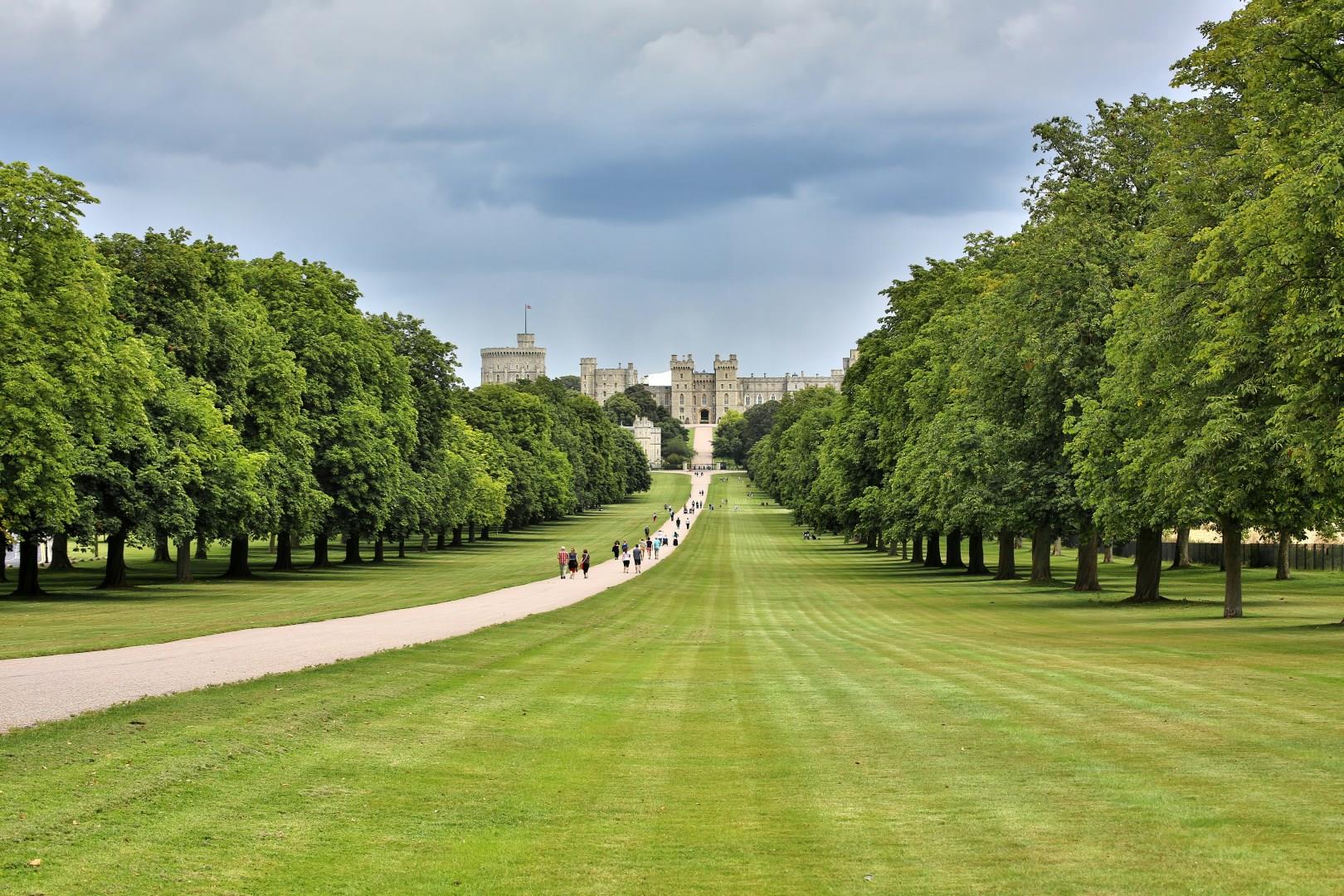
Windsor sits along a bend in the River Thames, its identity shaped by nearly a thousand years of royal presence. Windsor Castle, the world’s oldest continuously inhabited royal residence, dominates the town and anchors its historical significance, but the surrounding streets and parks reveal a place that has long supported court life, trade, and everyday routines alongside ceremony.
Chennai
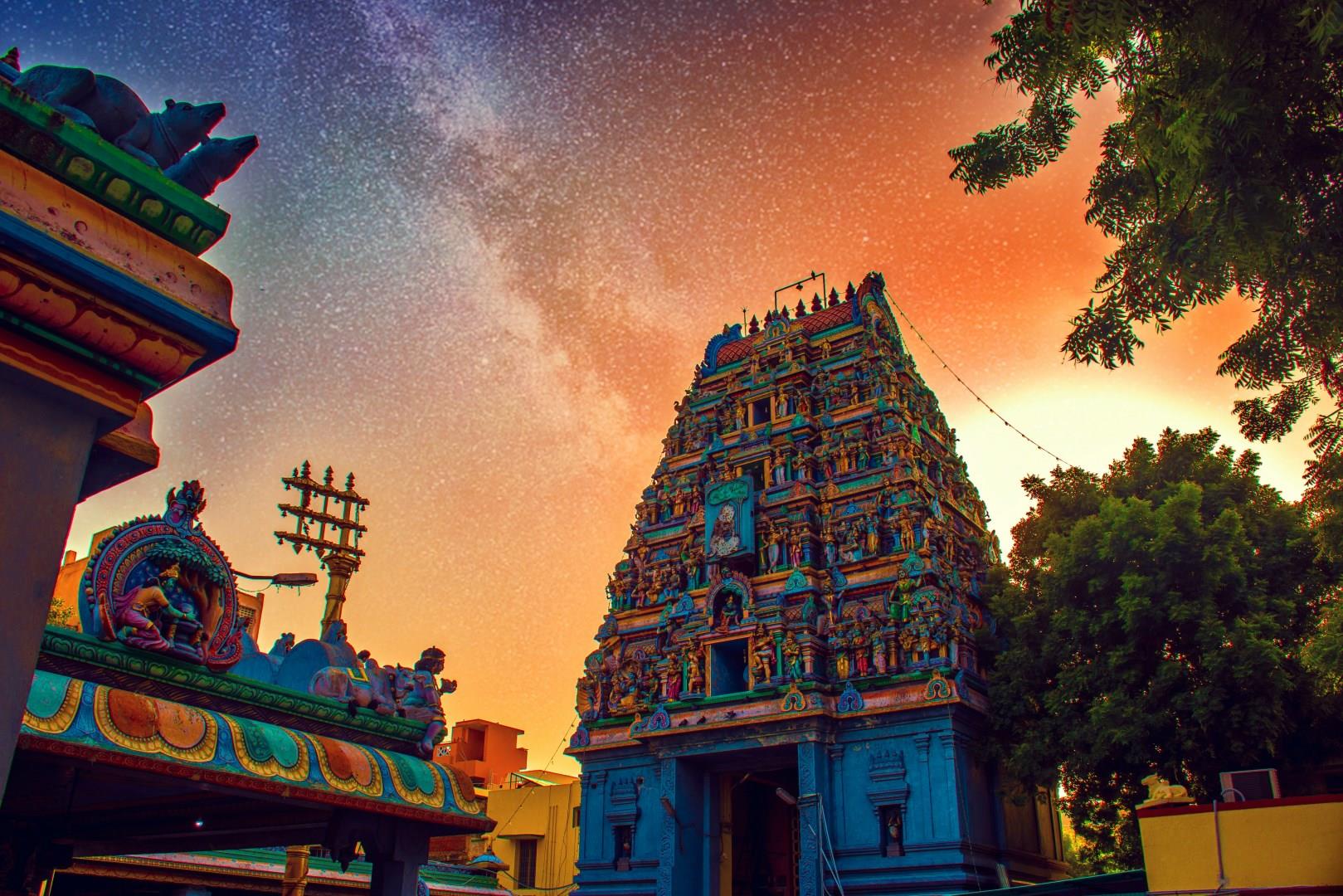
Chennai, the capital of Tamil Nadu, is one of India’s oldest continuously inhabited cities, where ancient temples stand alongside colonial-era architecture and modern skyscrapers. Originally known as Madras, the city grew around Fort St. George, built by the British East India Company in 1644. One of Chennai’s most well-known features is Marina Beach, which stretches for over 13 kilometers and is among the longest urban beaches in the world.
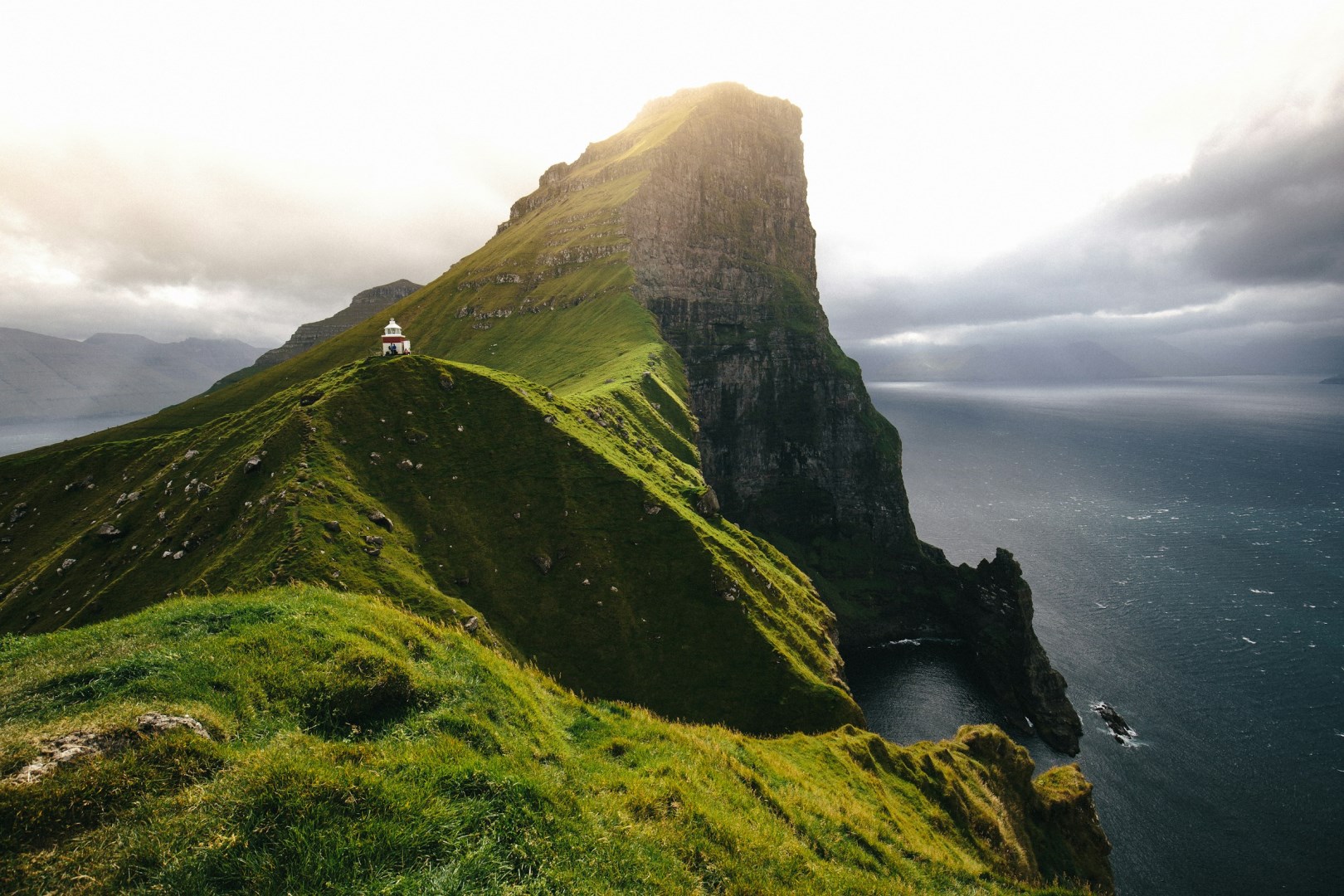
Kalsoy
Kalsoy is a narrow, mountainous island in the northern Faroe Islands, known for its steep eastern cliffs, deep valleys, and small settlements along the western side. The island is reached by ferry from Klaksvík, and its road passes through several short tunnels as it connects the villages of Húsar, Mikladalur, and Trøllanes. Much of Kalsoy remains open pasture and rugged mountain terrain, with the sea visible from almost every part of the island.
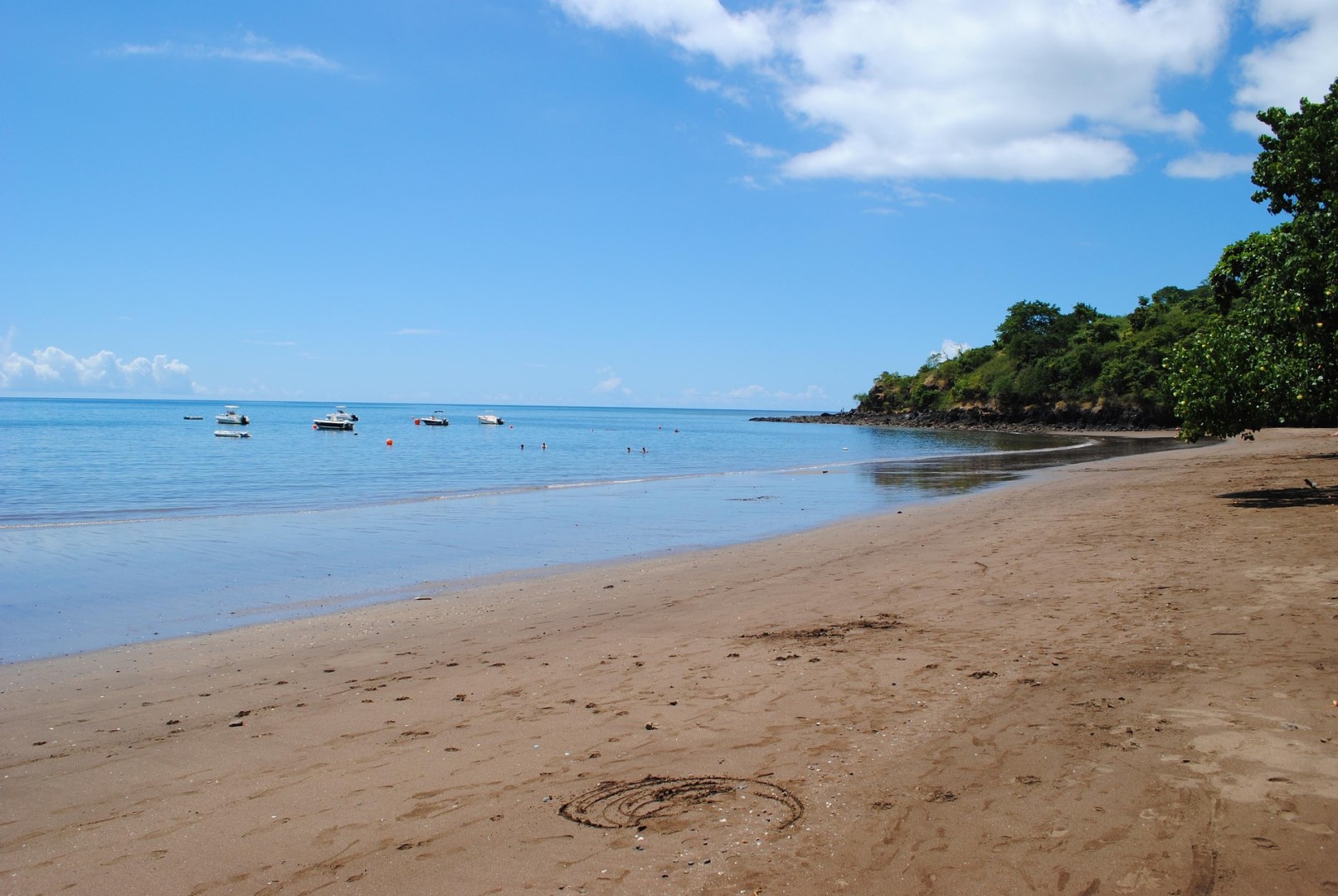
Trévani
Trévani is a coastal village on the northern side of Mayotte’s Grande-Terre, facing the island’s large lagoon. It is part of the commune of Koungou and is known for its waterfront setting, tropical vegetation, and access to the sea. The village sits near a sheltered bay where the coast curves around shallow lagoon waters, creating a landscape closely connected to fishing and marine activities.