Cannon Beach
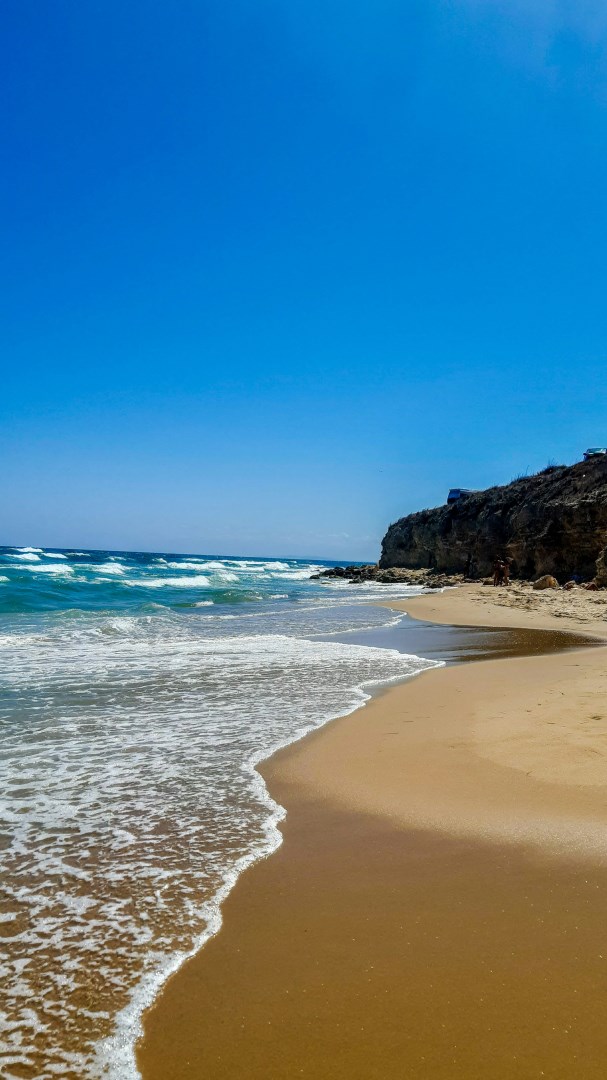
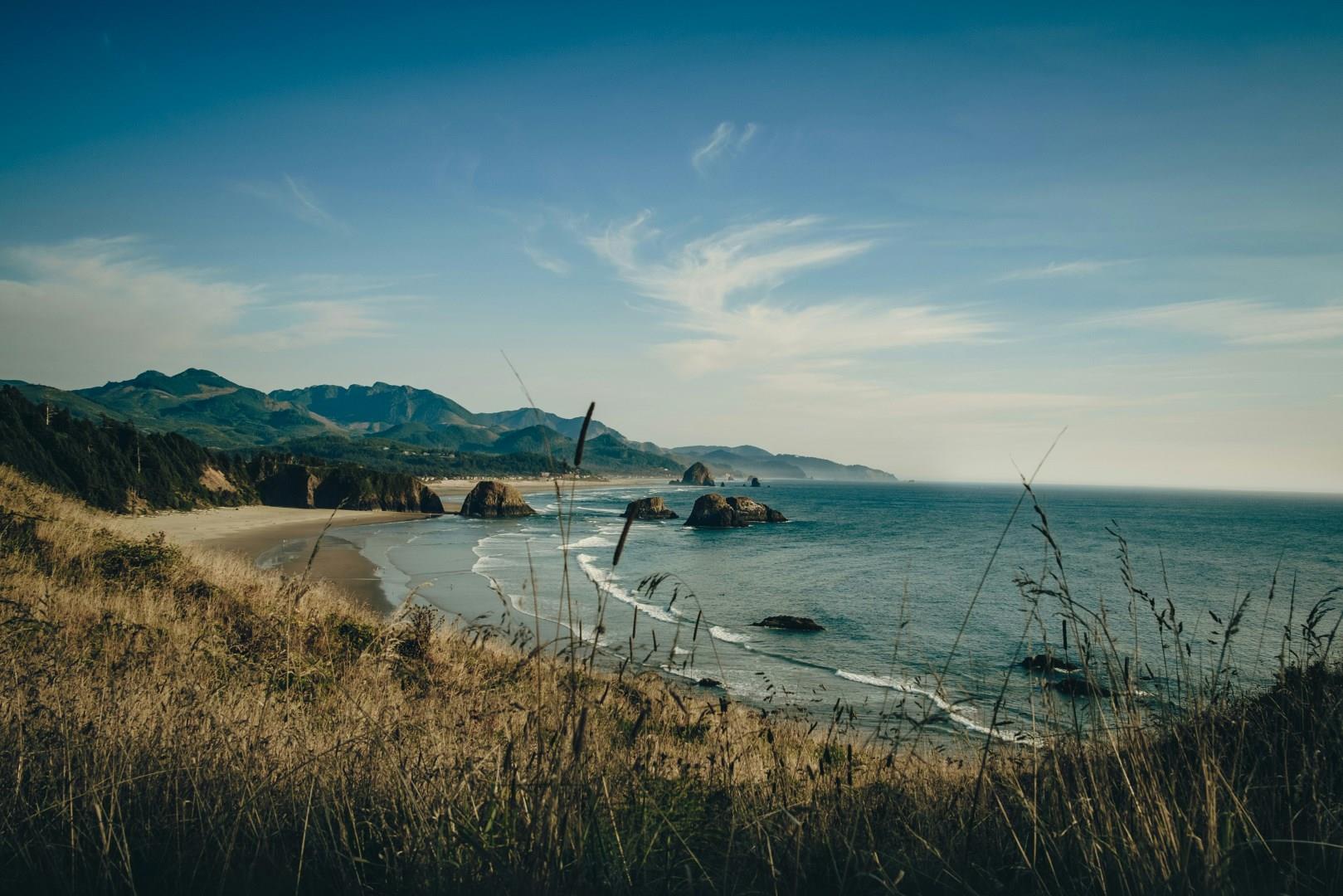
Cannon Beach, Oregon, offers an enchanting coastal escape along the Pacific Ocean. Known for its iconic Haystack Rock, a towering sea stack that rises 235 feet above the sand, this charming town is a visual feast for visitors. This natural landmark, surrounded by tide pools, is a prime spot for bird watching and marine life observation. The beach's scenic beauty, combined with its dramatic rock formations and golden sands, makes it a must-visit for nature enthusiasts and photographers alike.
Lübeck
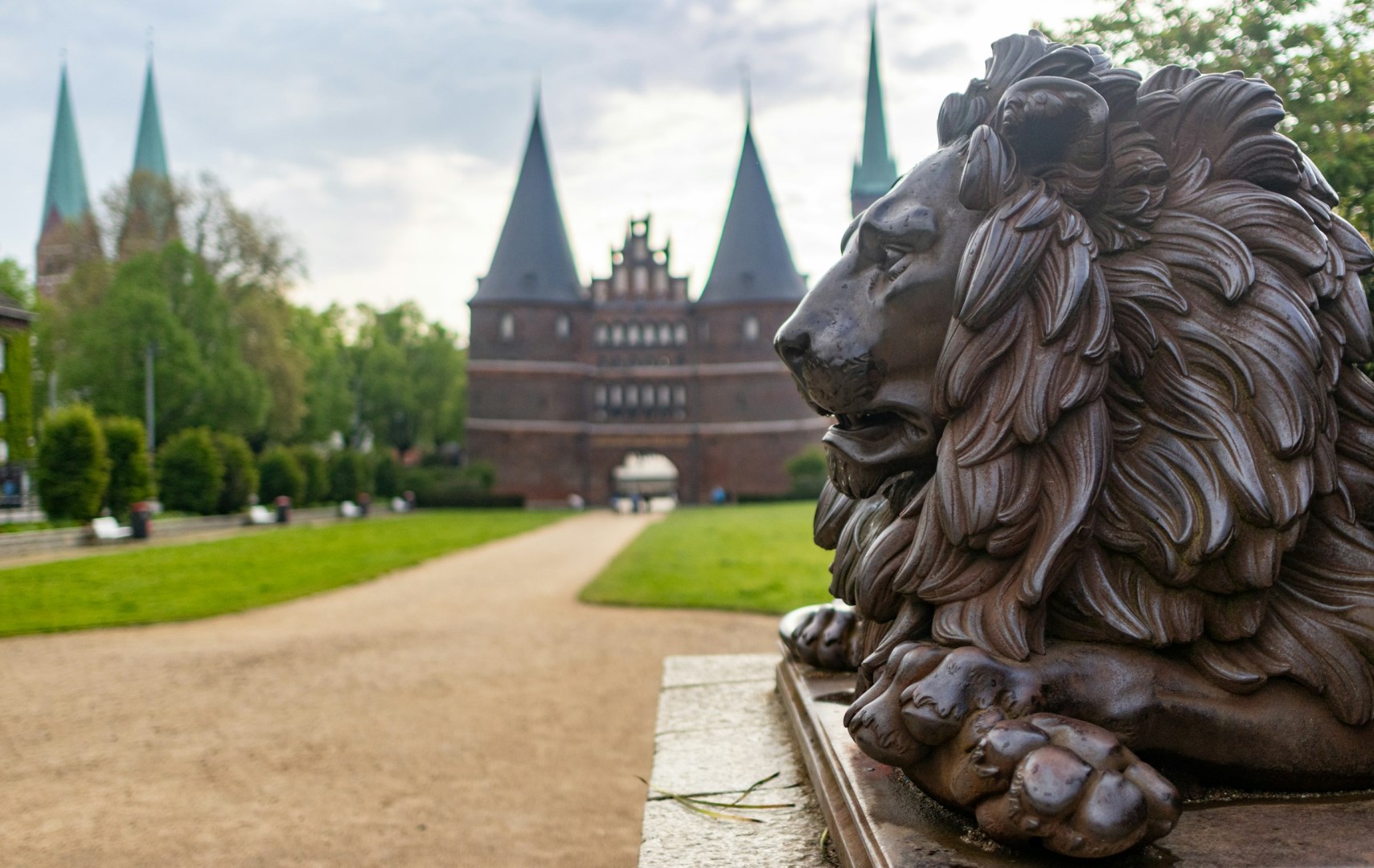
Behind this imposing entrance you'll find the former "Queen of the Hanseatic League", today a UNESCO cultural heritage site. In 1987 the entire Old Town was distinguished with this status: a work of art comprising over 1,000 buildings ranging from Romanesque to modern styles that have been designated as protected historic monuments. They include the City Hall, Gothic brick churches, the Buddenbrook House, magnificent merchants' houses, the medieval Holy Ghost Hospital, and looming brick gabled h

Brussels
Brussels, the vibrant capital of Belgium, offers a perfect blend of medieval charm and modern sophistication. At its heart lies the iconic Grand Place, a UNESCO World Heritage Site known for its stunning Gothic and Baroque guildhalls.

Cusco
Cusco once served as the heart of the Inca Empire, and that legacy still shapes every corner of the city even as it serves as a gateway to Machu Picchu. Outside the historic center, the ruins of Sacsayhuamán overlook the city from a nearby hilltop. This ceremonial complex is best known for its massive zigzag stone walls, some weighing over 100 tons. During the Inti Raymi festival in June, thousands gather here to reenact ancient Andean rituals.

Punta Arenas
A favorite stop on South American and Antarctic cruises, Punta Arenas lies within the spectacular system of fjords that dot the coast of Chile. La Cruz Hill affords commanding views of the Straits of Magellan. Visit Punta Arenas for fascinating museums, quaint restaurants filled with fresh Chilean eats, and ample opportunity to watch local penguins!