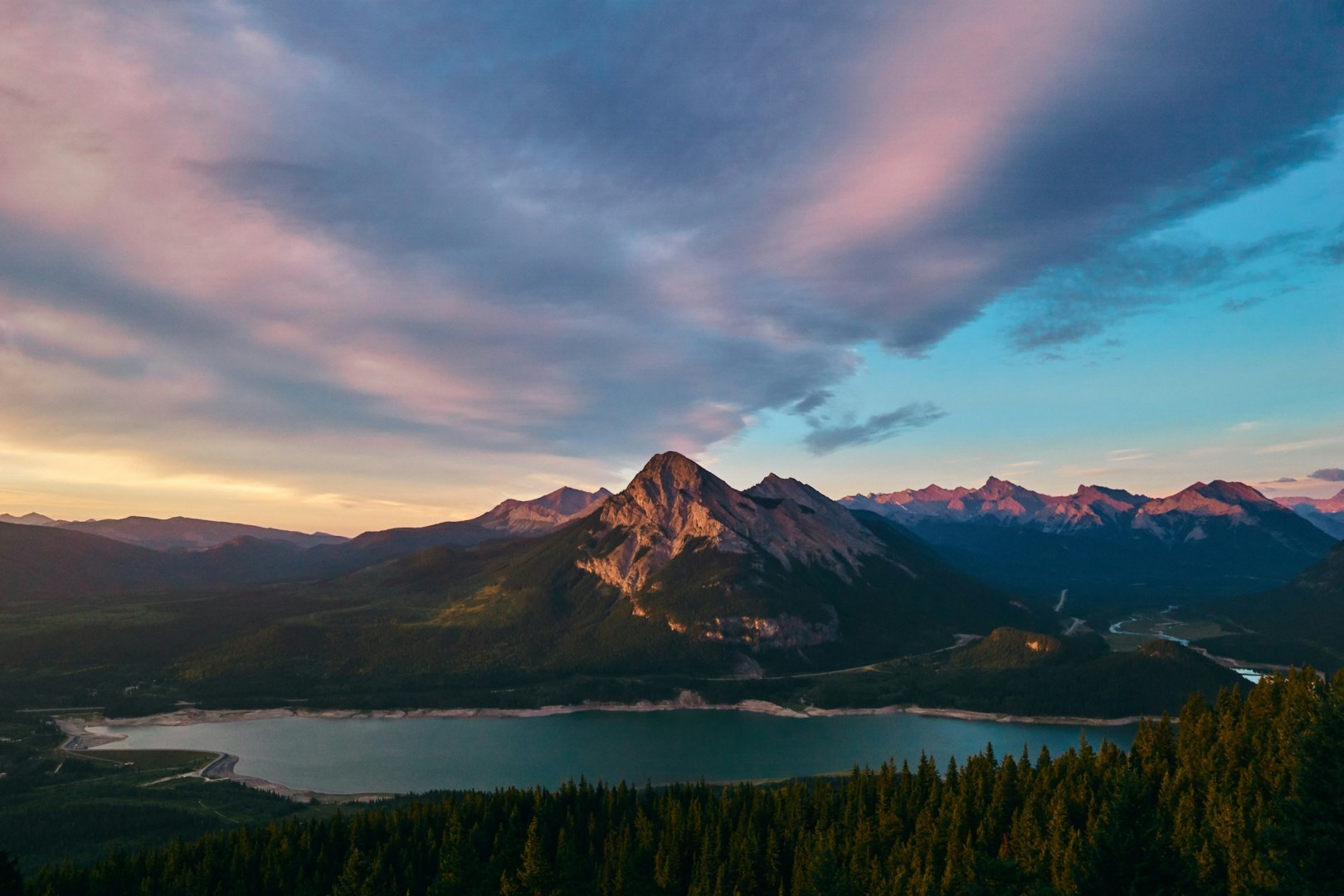
Kananaskis, located in the foothills and front ranges of the Canadian Rockies in Alberta, is a vast region celebrated for its rugged mountains, alpine lakes, and outdoor recreation opportunities. Unlike nearby Banff or Jasper, Kananaskis is less developed and offers a quieter, more wilderness-focused experience while still being easily accessible from Calgary.
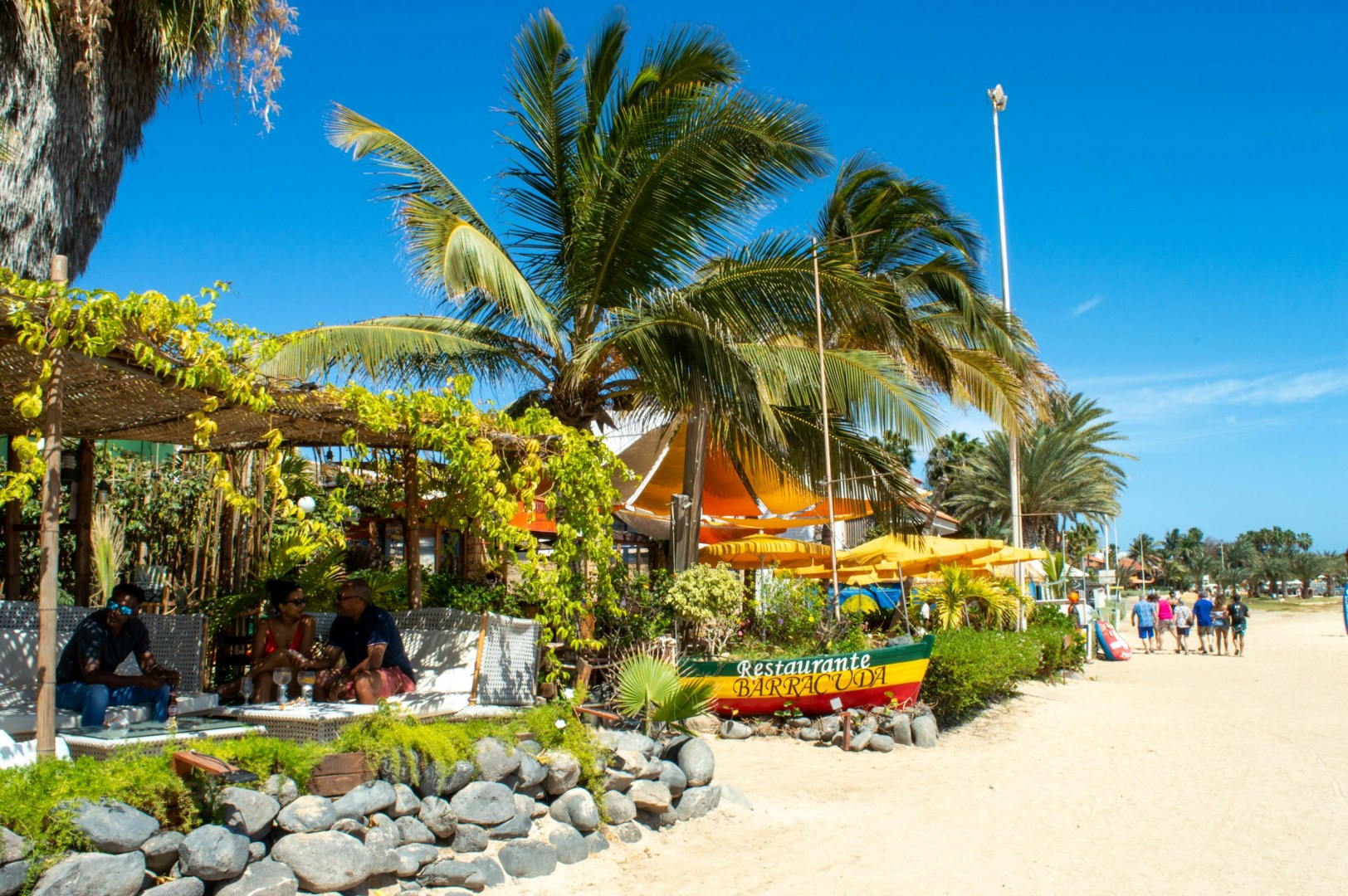
Santa Maria is the main coastal town on Sal, one of Cabo Verde’s eastern islands, and is closely connected with the island’s fishing and salt-producing heritage. The town developed beside a long sandy beach on the southern coast, with low buildings, narrow streets, small shops, restaurants, and a busy waterfront forming its center.
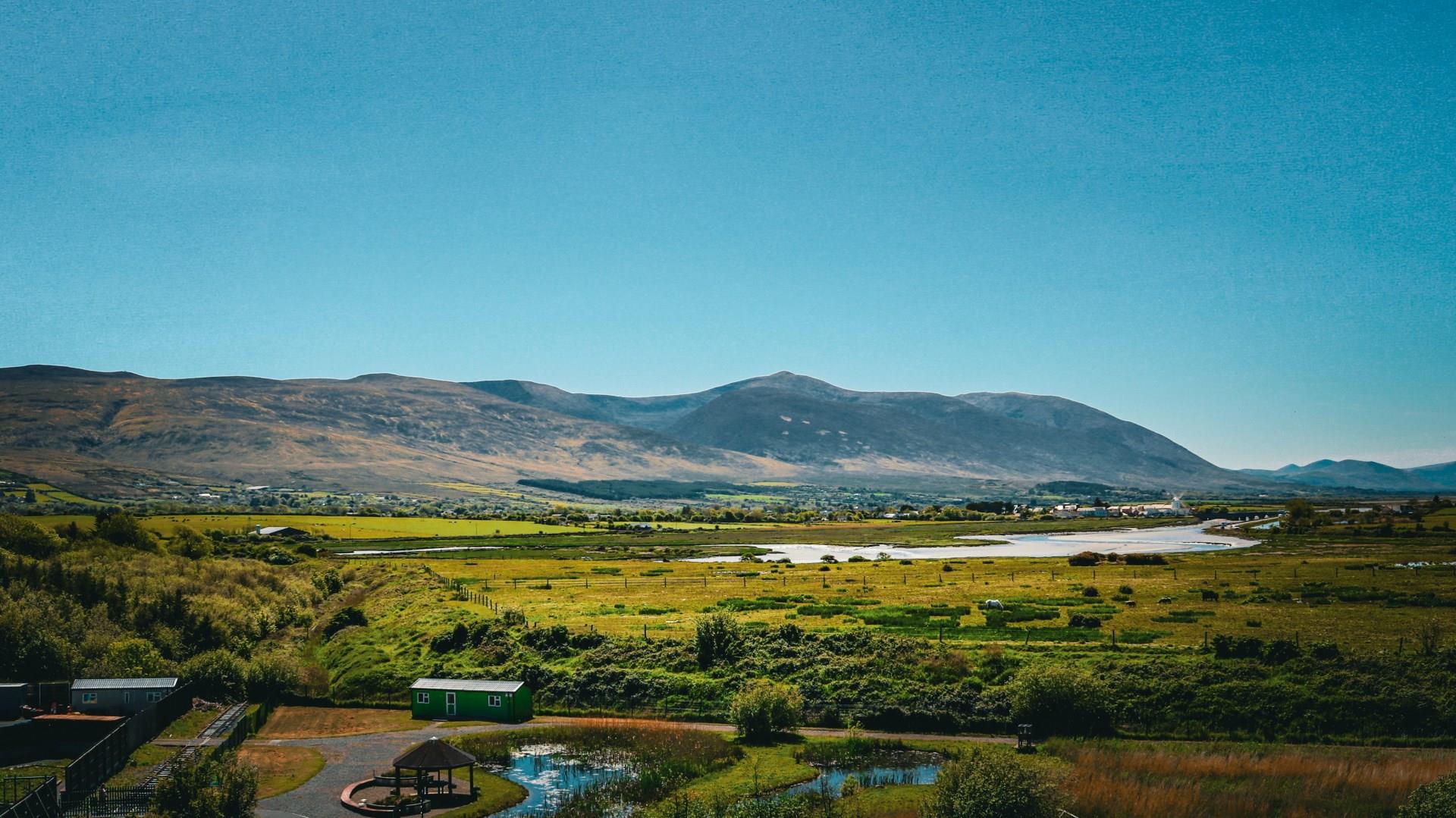
Luján de Cuyo is a municipality in Mendoza Province, Argentina, located southwest of the city of Mendoza at the edge of the Andes. The area is closely associated with vineyards, irrigation channels, mountain foothills, and districts such as Chacras de Coria, Vistalba, Agrelo, and Cacheuta.
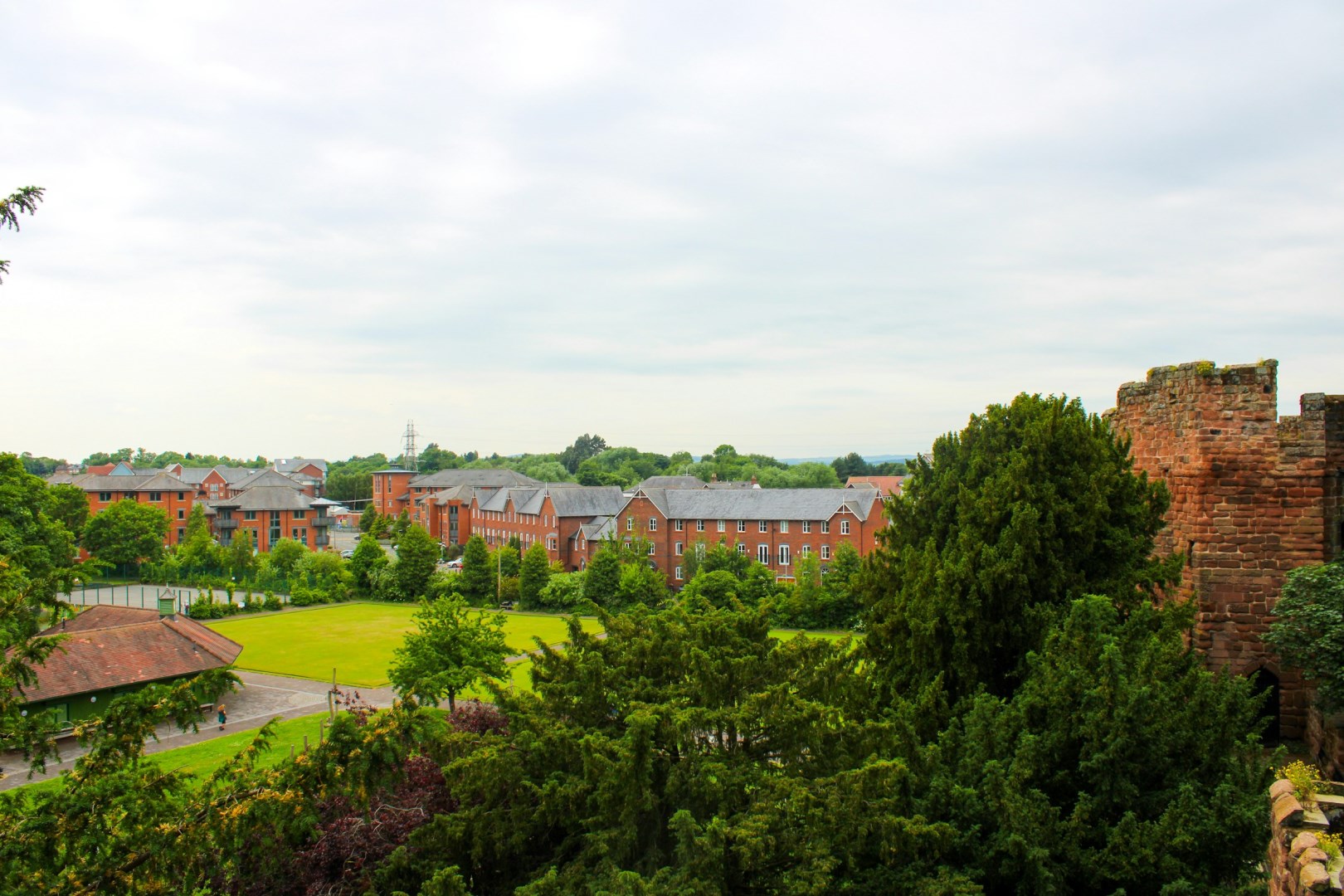
One of the few fully walled cities from Roman times, this city is located south of Liverpool. Interesting shops in the town center are on the second level.
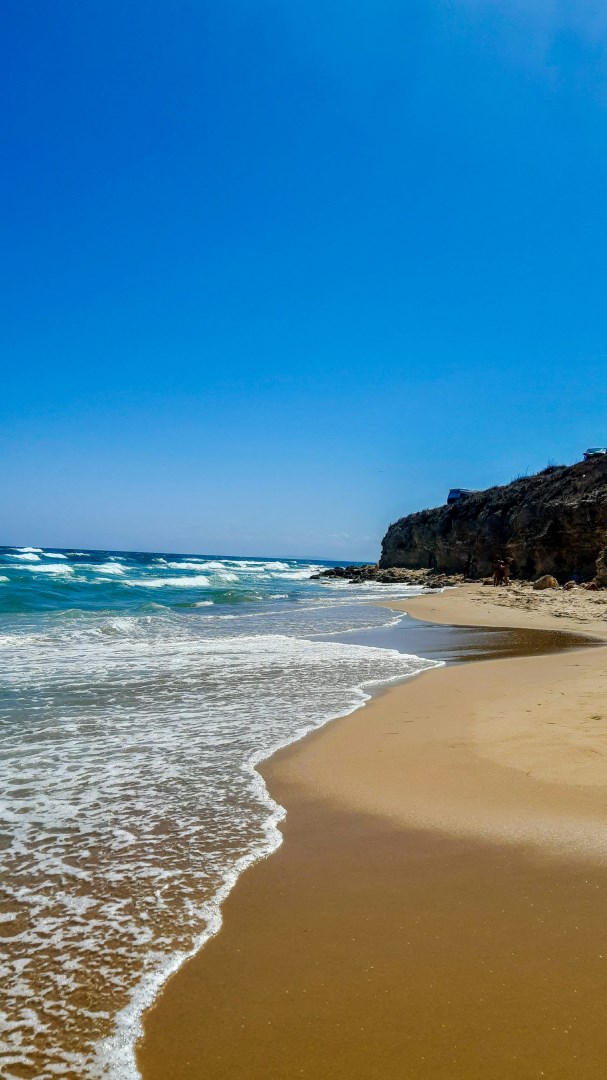
Photo Credit: Photo by Valery Balabanov on Unsplash
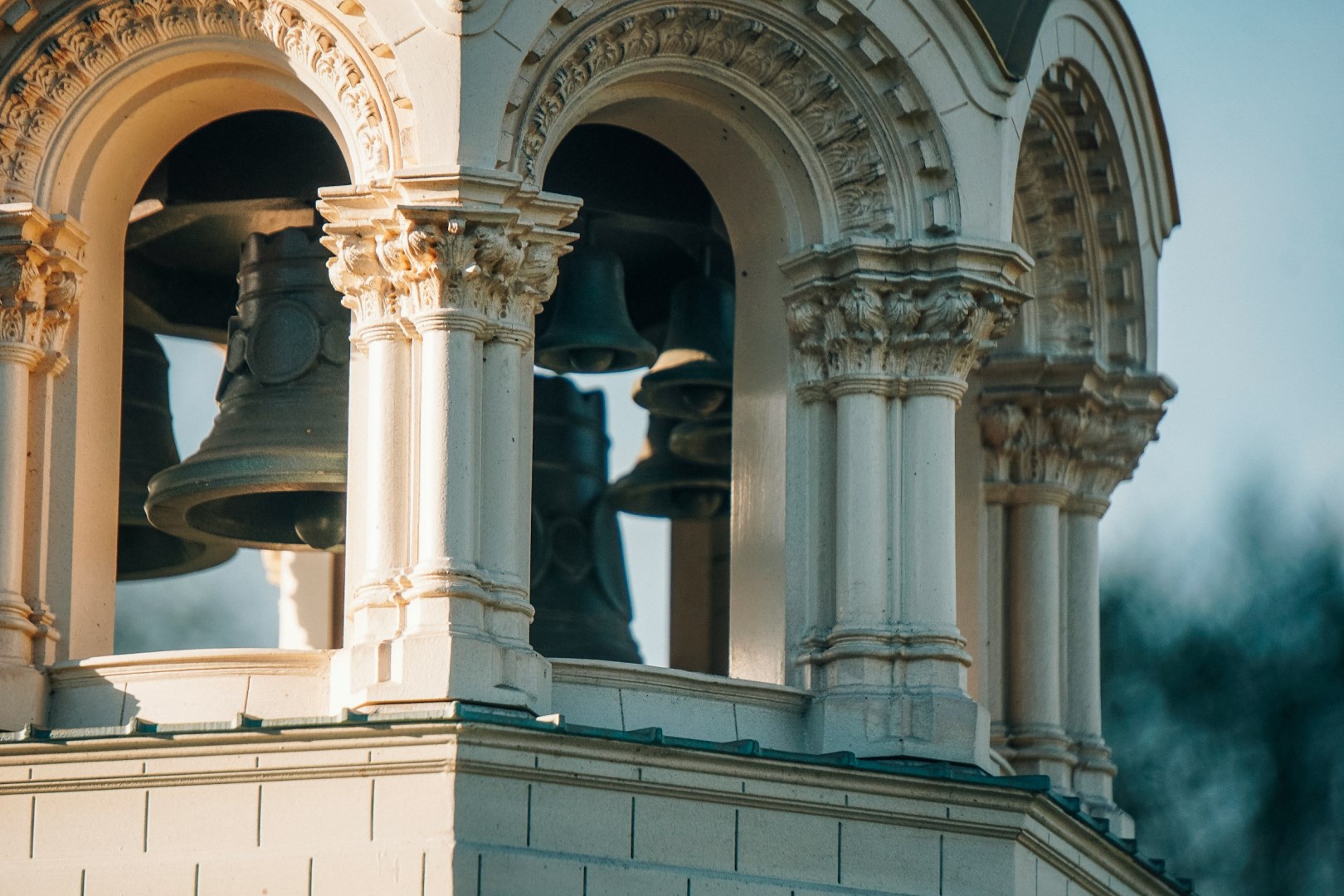
Photo Credit: Photo by Luba Ertel on Unsplash
Photo Credit: Photo by Monica Garniga on Unsplash
Photo Credit: Photo by Valery Balabanov on Unsplash
Veliki Preslav
Photo Credit: Photo by Ekaterina Nikolova on Unsplash
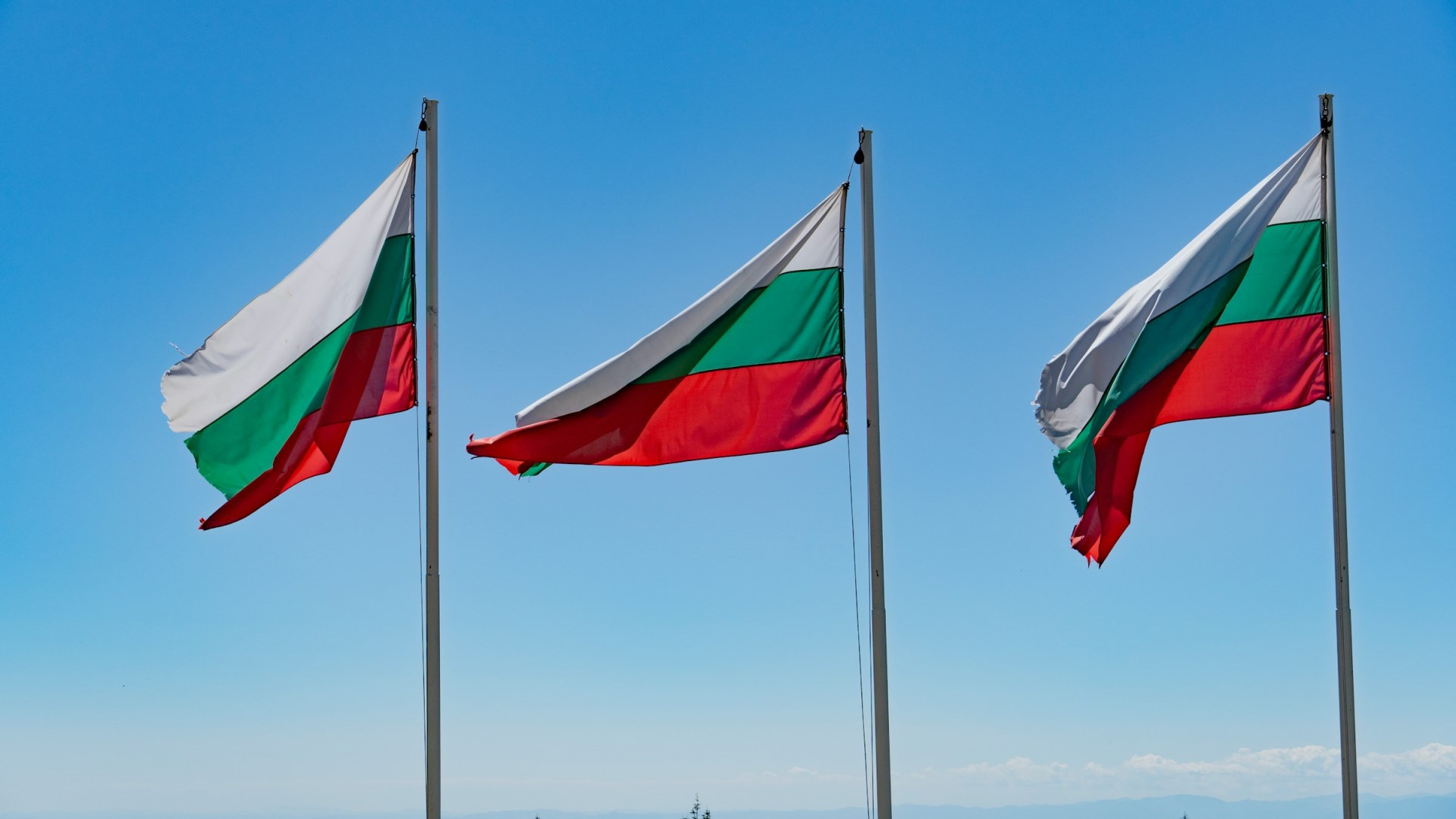
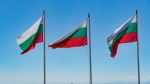
Bulgaria is a republic in southeastern Europe. The capital and largest city is Sofiya. Bulgarian culture has been influenced successively by Byzantine, Greek, Russian, and Western cultures.
Large libraries in Sofiya include the Central Library of the Bulgarian Academy of Sciences, the library of the University of Sofiya, and the Cyril and Methodius National Library. The Ivan Vazov National Library is located in Plovdiv.
The country has more than 200 museums. In Sofiya are botanical and zoological museums and gardens; the National Archaeological Museum, with a collection of old coins and finds from many ancient burial mounds; and the National Ethnographical Museum. Other museums in the country are devoted to history, science, and the revolutionary movement.
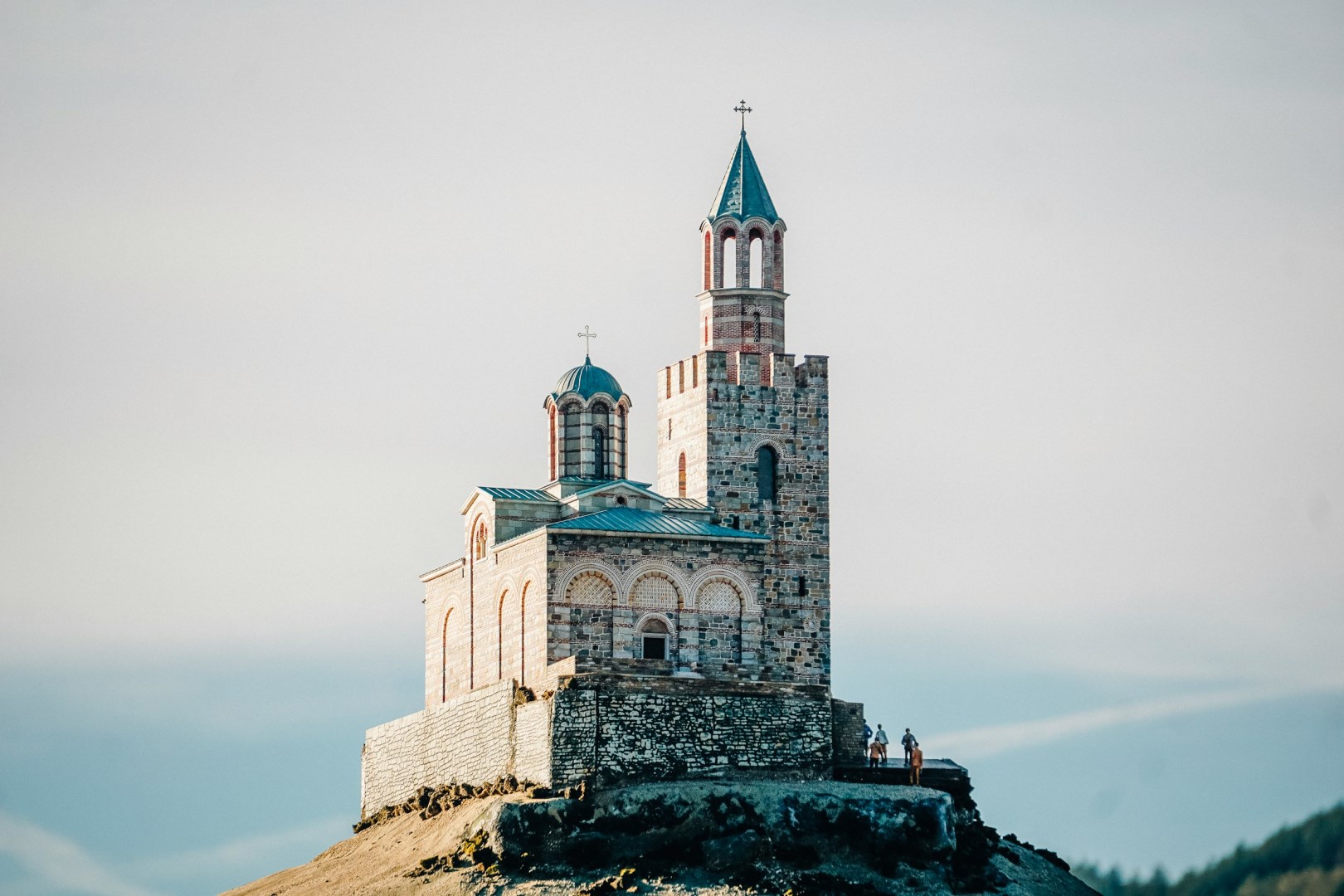
Bulgarian handicrafts include rich folk embroideries and ornaments. Some of the best sculpture, wood carving, etchings, and painting are based on traditional culture and native subjects. The chief architectural monuments of Bulgaria are medieval churches and monasteries. The chief native musical instruments are the gaida (bagpipe) and the kaval (a wooden shepherd's flute). The characteristic folk dances are variations of the hora, a round chain dance, and the ruchenitsa, a lively dance of two couples. Modern Bulgarian orchestral and operatic compositions have occasionally gained recognition in other countries.
Most of Bulgaria has a harsh continental climate, with cold winters and hot summers. The average annual temperature is about 12.8° C (about 55° F).
Popular Destinations in Bulgaria
Vidin
Nestled on the banks of the Danube River, Vidin, Bulgaria, is a city where history and scenic beauty converge. This ancient city, known for its well-preserved medieval fortress, the Baba Vida Castle, offers a unique glimpse into Bulgaria's past. The fortress, dating back to the 10th century, stands as one of the best-preserved medieval fortifications in the country.
Rousse
Rousse, Bulgaria, often referred to as "Little Vienna," sits gracefully on the banks of the Danube River. Known for its rich history, stunning architecture, and vibrant culture, Rousse offers a glimpse into Bulgaria's past while embracing the future. The city's central square, Svoboda (Freedom) Square, is a great starting point for exploring.