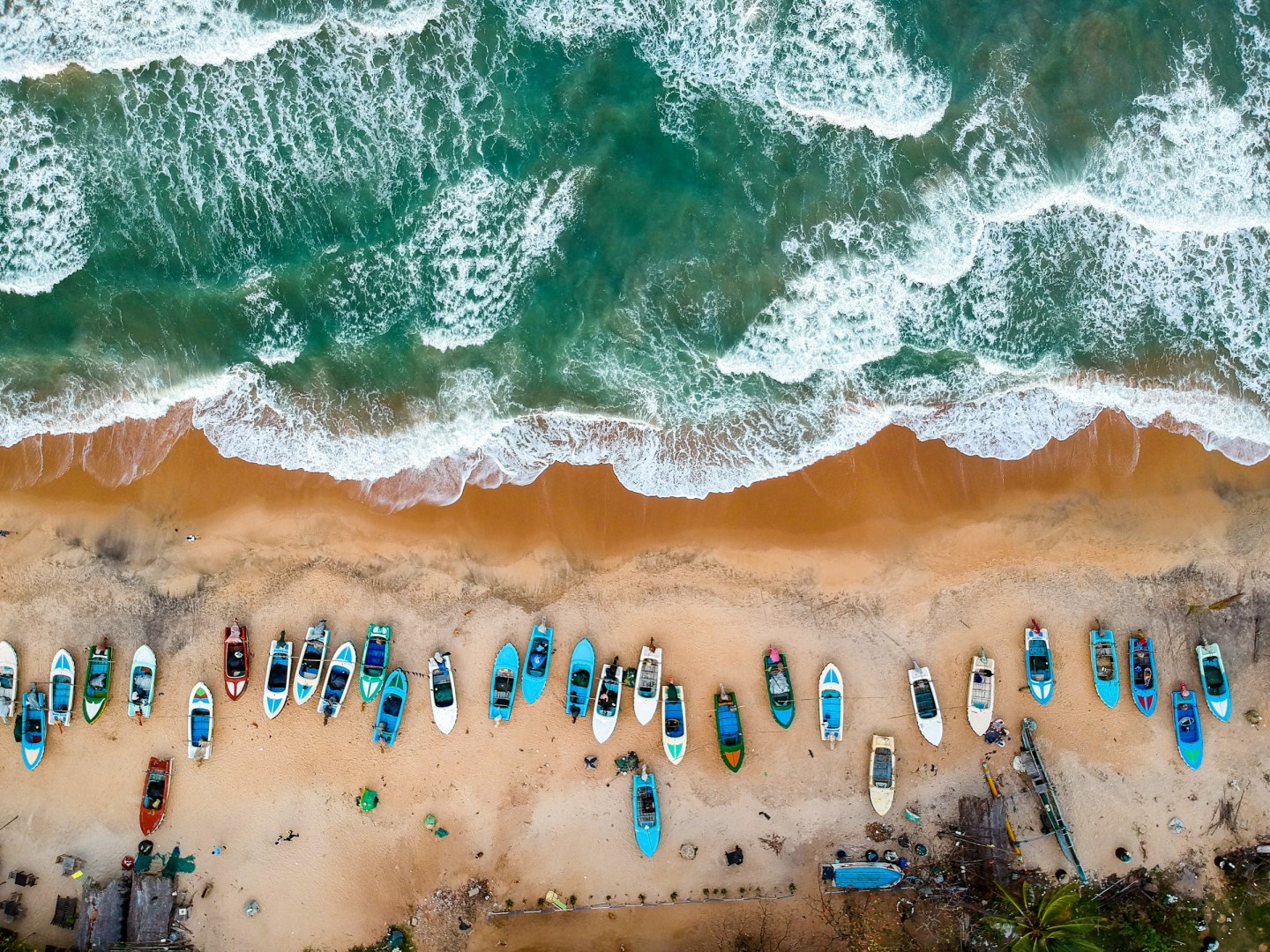
Arugam Bay Beach
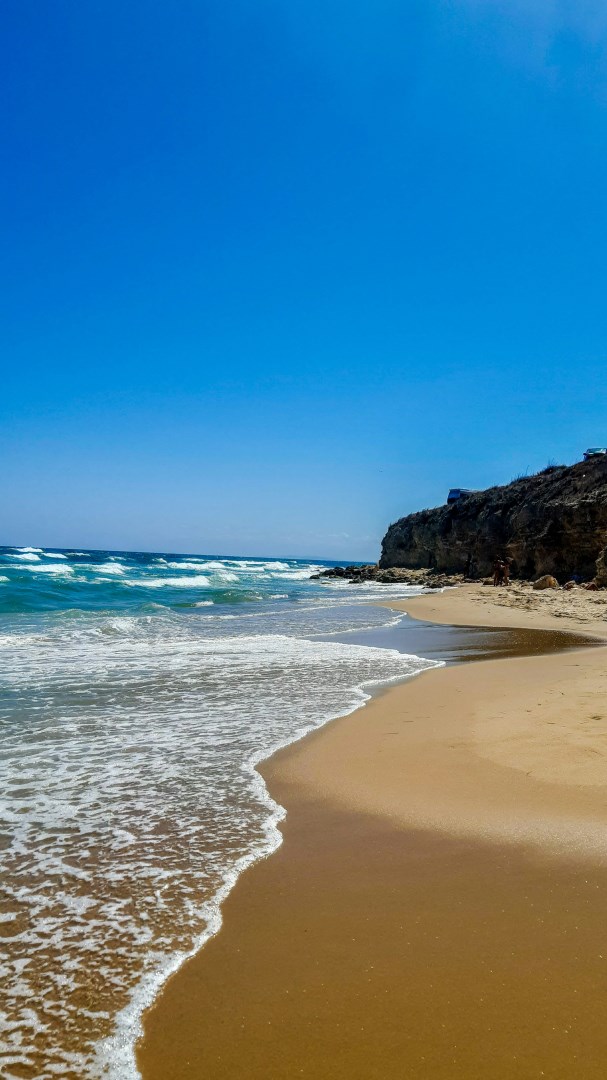
Arugam Bay Beach is a coastal destination on Sri Lanka’s eastern shore, near the town of Pottuvil. Its wide sandy beach curves around a sheltered bay, with low vegetation, lagoons, and wetlands extending inland. Arugam Bay is best known for surfing, particularly for its long right-hand waves and the main break commonly called Main Point. The coastline has a more relaxed, low-rise character than many of Sri Lanka’s developed beach areas, with small hotels, cafés, surf schools, and guesthouses spr
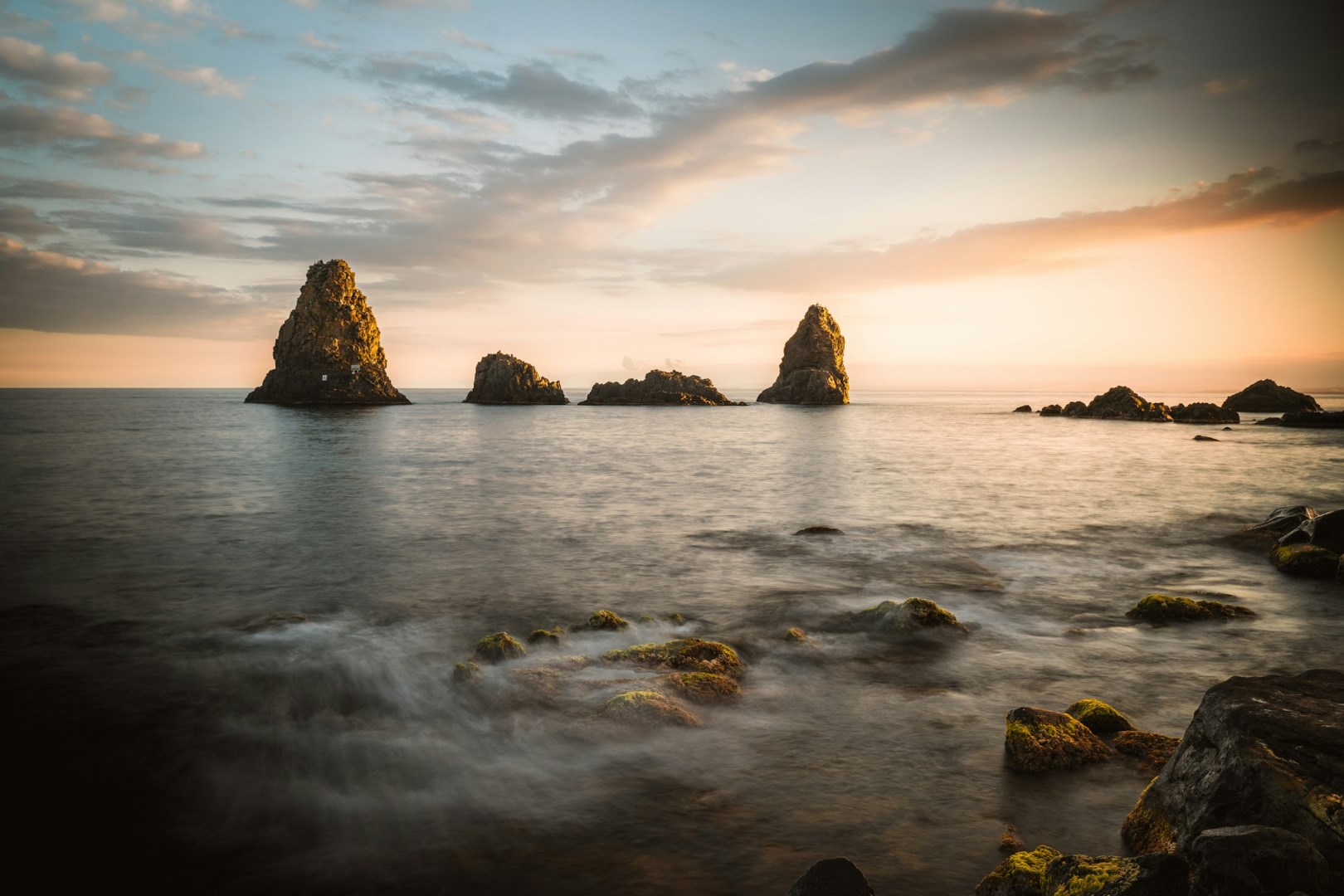
Aci Trezza
Aci Trezza is a small fishing village on Sicily’s eastern coast, just north of Catania, overlooking the Ionian Sea along the Riviera dei Ciclopi. Its waterfront is defined by dark basalt rocks, small fishing boats, and the Faraglioni dei Ciclopi, a group of sea stacks rising offshore. The rocks were formed by ancient volcanic activity connected with the geological history of Mount Etna.

Raiatea
Raiatea's laid-back atmosphere and warm hospitality make it a wonderful place to unwind and soak in the peaceful rhythms of Polynesian life.

Prizren
Prizren, nestled in the picturesque valley of the Sharr Mountains in Kosovo, is a city where history and culture converge in a remarkably scenic setting. Known for its well-preserved Ottoman architecture, Prizren offers a rich tapestry of historical sites, including the iconic Sinan Pasha Mosque and the ancient Kaljaja Fortress, which overlooks the city from its commanding hilltop.
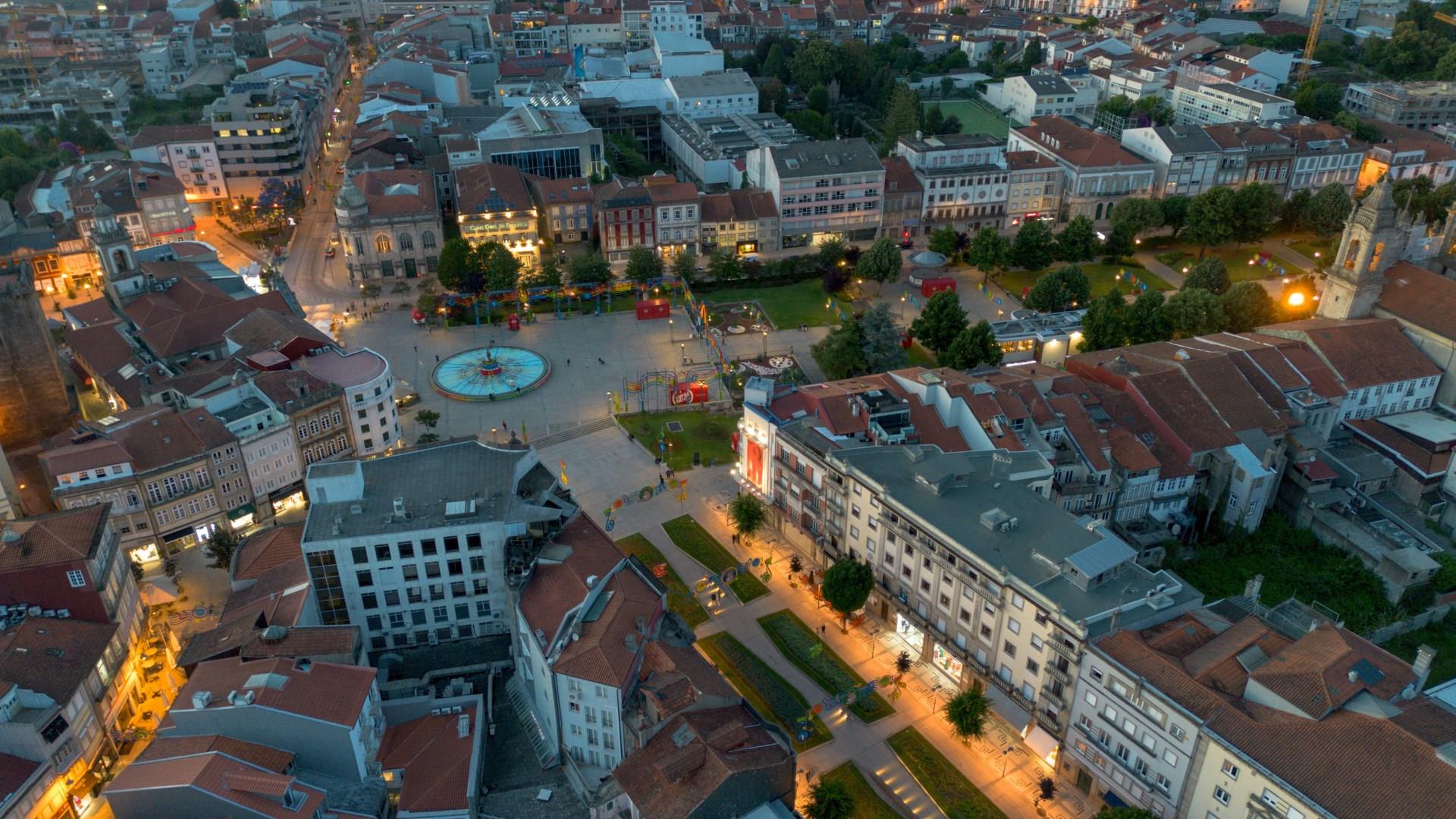
Braga
Braga, one of Portugal’s oldest and most vibrant cities, blends deep religious heritage with a youthful, energetic spirit. Founded over two millennia ago by the Romans as Bracara Augusta, the city has long been a center of faith and culture, earning it the nickname “the Rome of Portugal.”