Liechtenstein
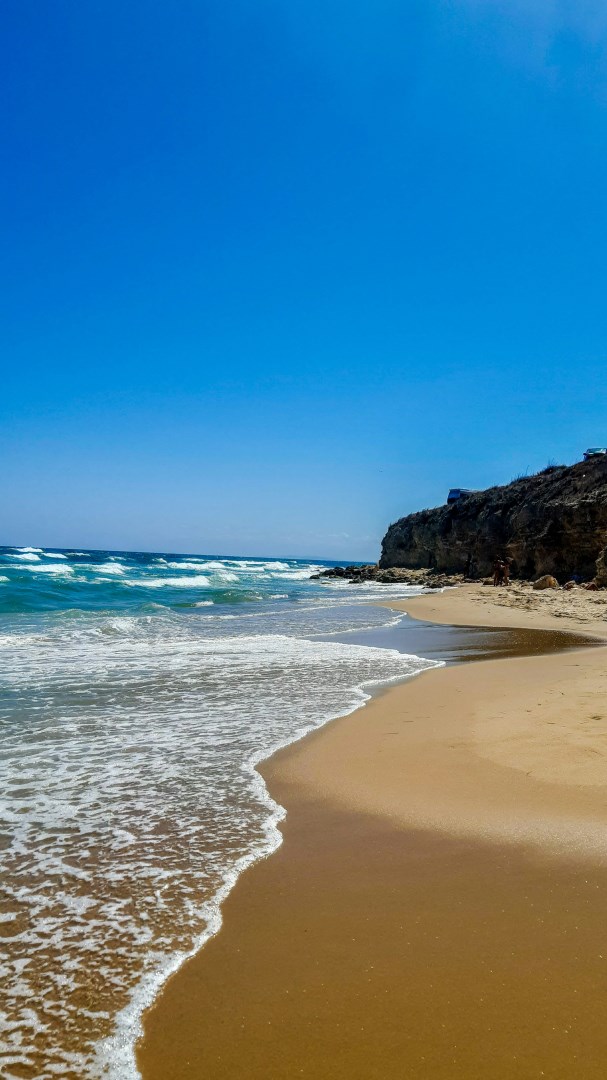
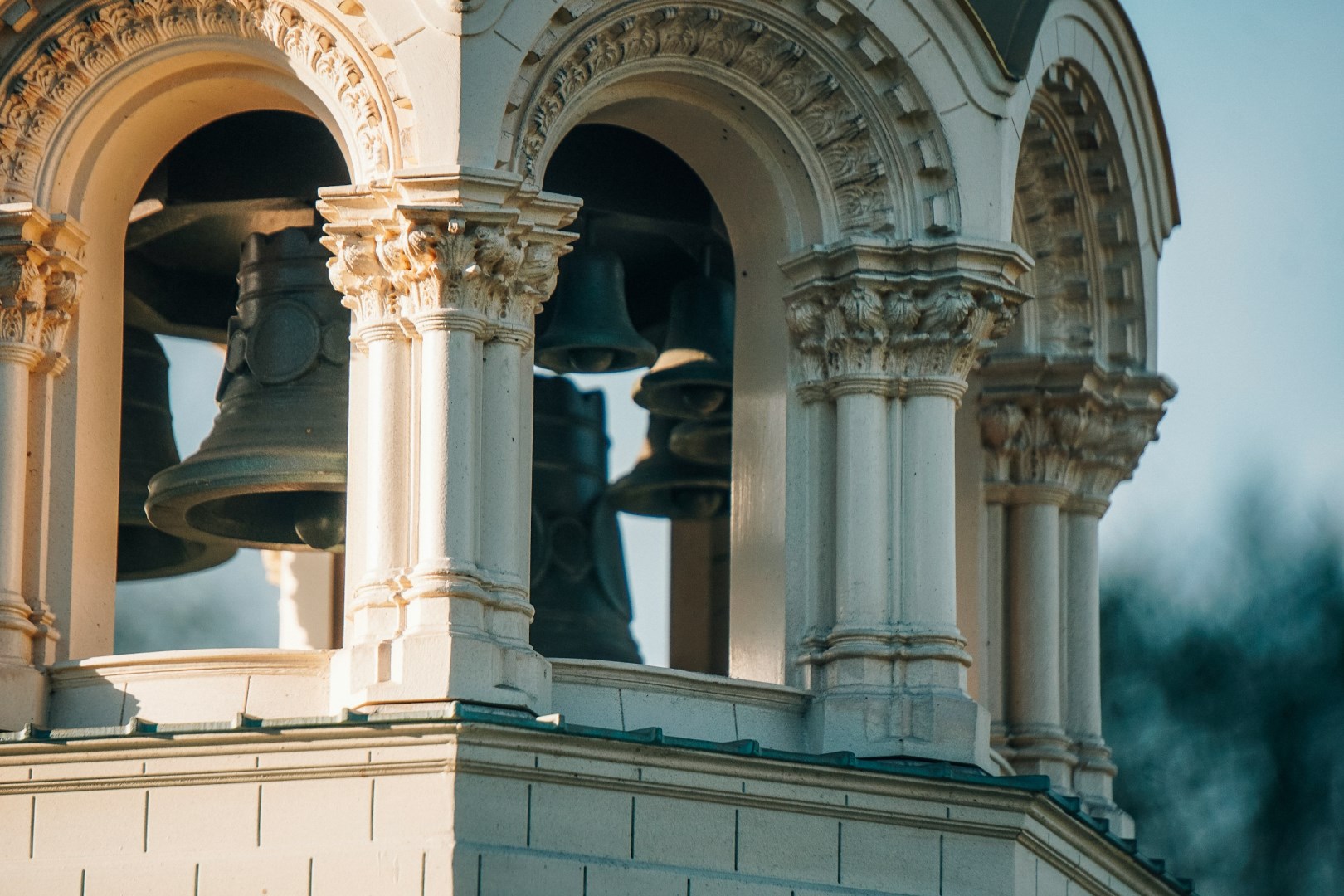
Liechtenstein is located in central Europe and is one of the smallest independent states in the world.

Lombok
Lombok offers an experience that blends adventure, relaxation, and cultural discovery. Whether trekking volcanic peaks, lounging on secluded shores, or immersing in local traditions, visitors will find a destination that remains true to its natural and cultural roots.
Taos
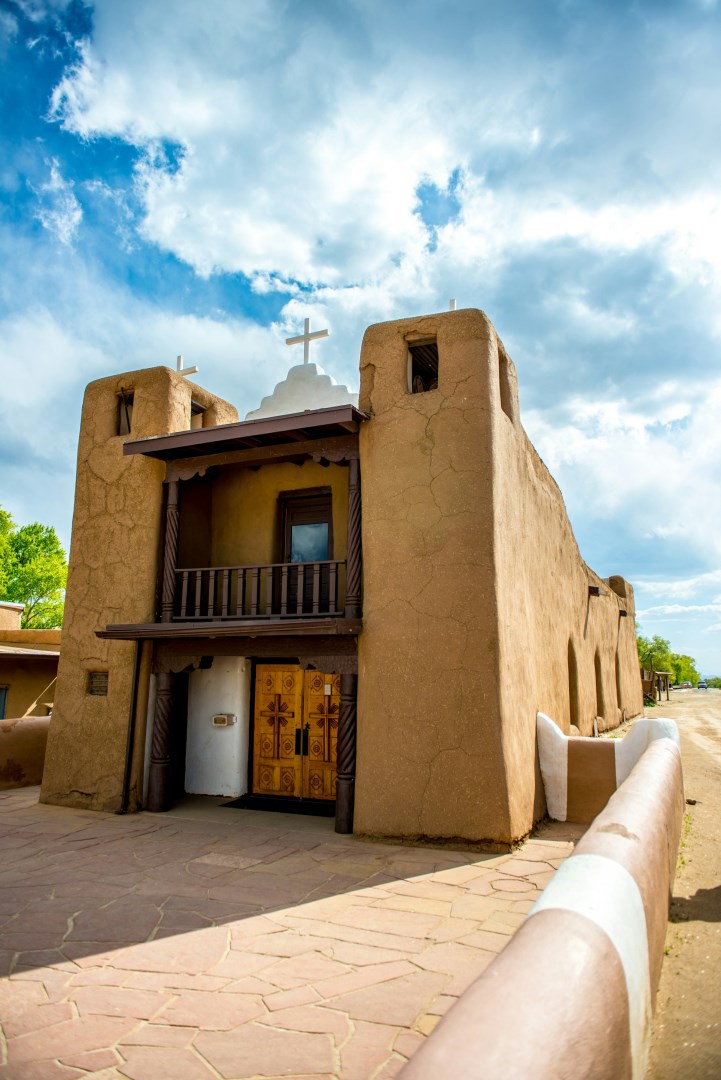
Taos, located in northern New Mexico, is a town renowned for its rich blend of Native American, Spanish, and Anglo cultures, dramatic landscapes, and artistic legacy. Nestled in the Sangre de Cristo Mountains, it has been a center for centuries of human settlement, from the Taos Pueblo, one of the oldest continuously inhabited communities in North America, to Spanish colonial missions and trading posts.
Orkney Island
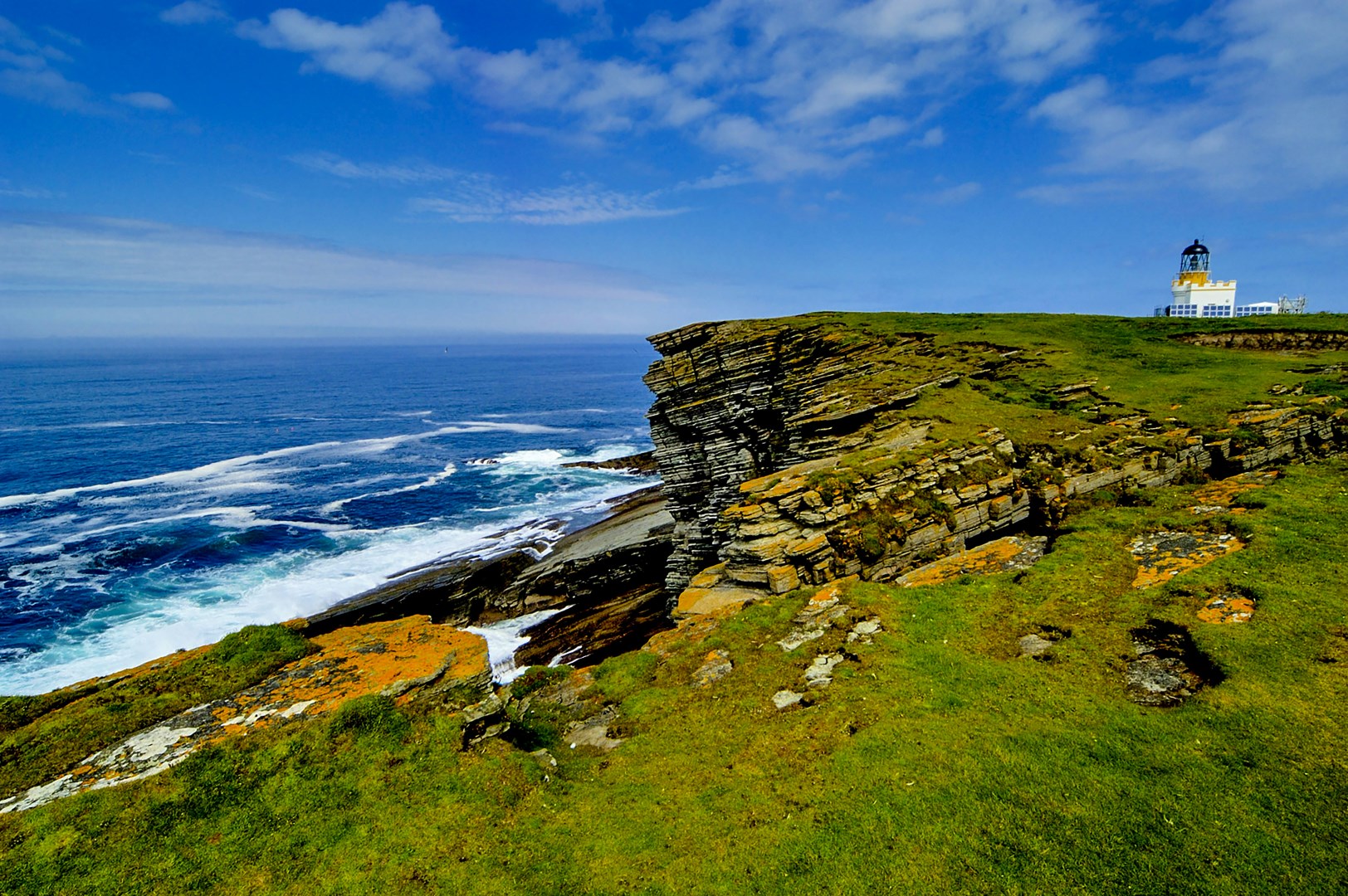
The Orkney Islands sit just off the northern coast of Scotland. This group of around seventy islands offers wide horizons, quiet roads, and coastlines shaped by wind and waves where visitors often arrive expecting rugged scenery and leave talking about the sense of space from the long beaches to the steep cliffs and sea stacks rising straight from the water. One striking example is the Old Man of Hoy, a tall sea stack that draws photographers and climbers alike.
Kranjska Gora
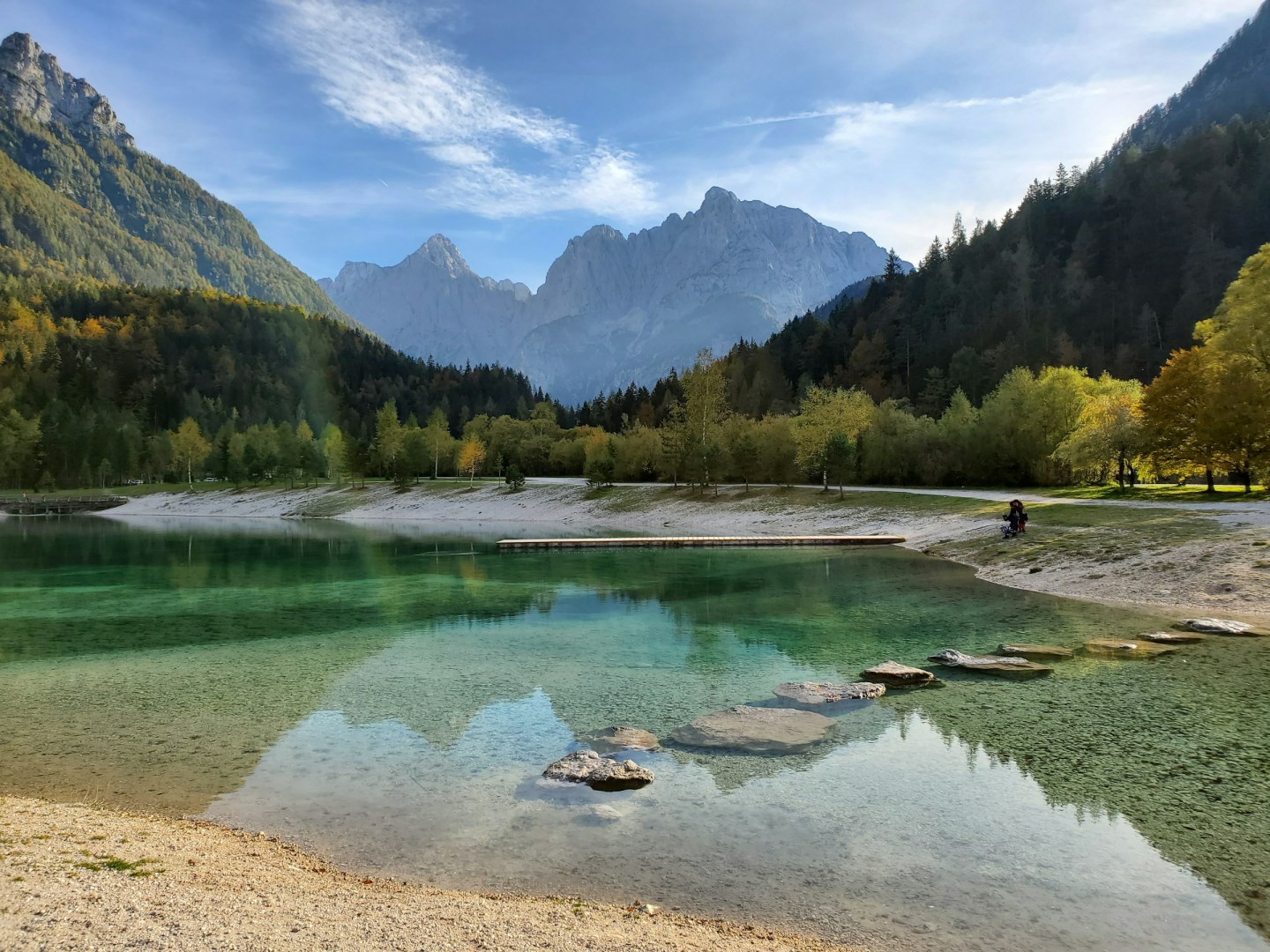
Nestled in the Julian Alps of Slovenia, Kranjska Gora is a charming alpine town known for its stunning landscapes and outdoor activities. This picturesque destination offers a gateway to breathtaking natural beauty, from the snow-capped peaks of the Julian Alps to the lush, green valleys that surround the town.