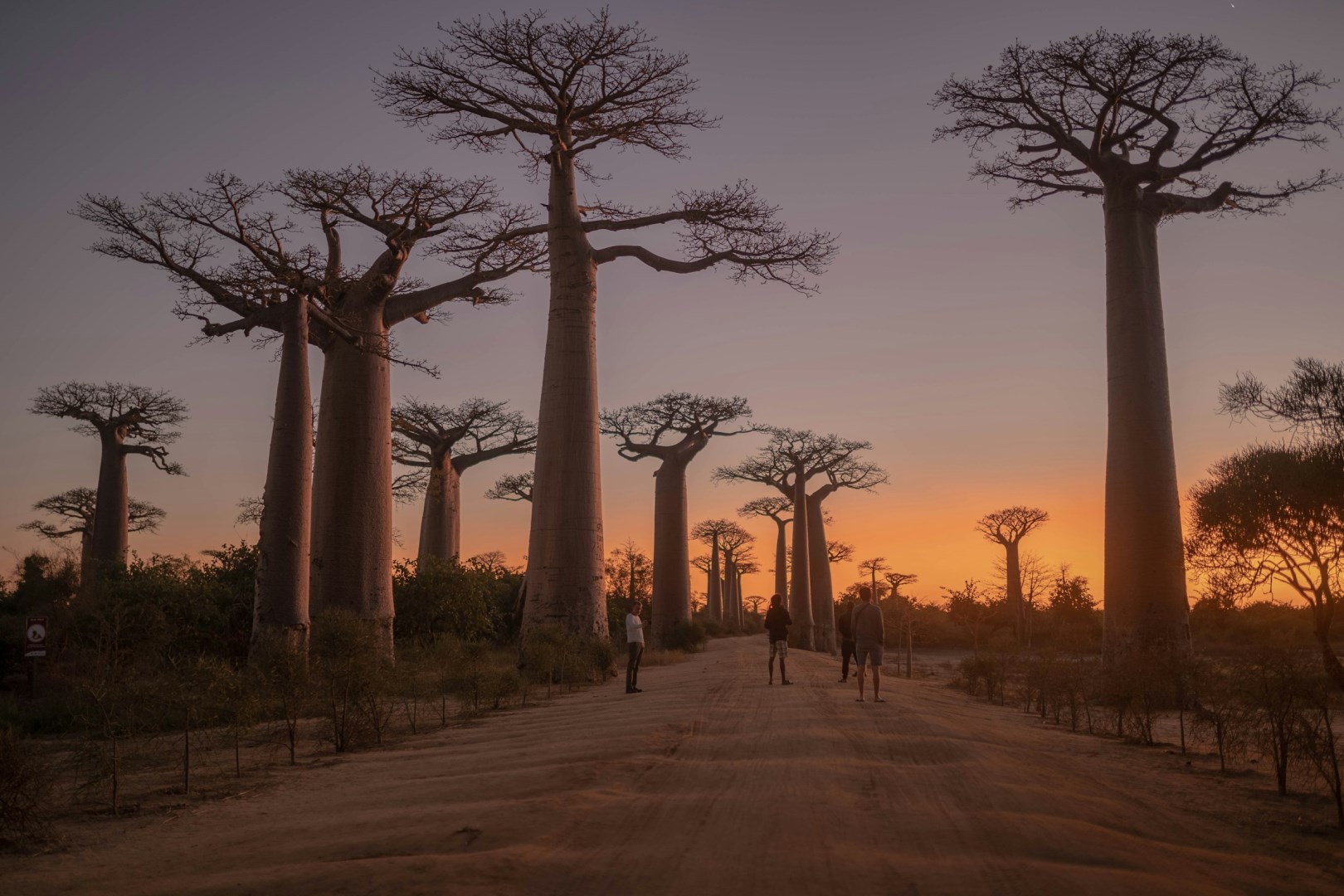
The Avenue of the Baobabs is a famous landscape in western Madagascar, located near Morondava in the Menabe region. A group of tall Grandidier's baobabs lines a dirt road across a broad, dry plain, creating one of the country's most recognizable natural scenes. These trees are endemic to Madagascar and can reach great heights, with thick trunks adapted to storing water during the dry season.
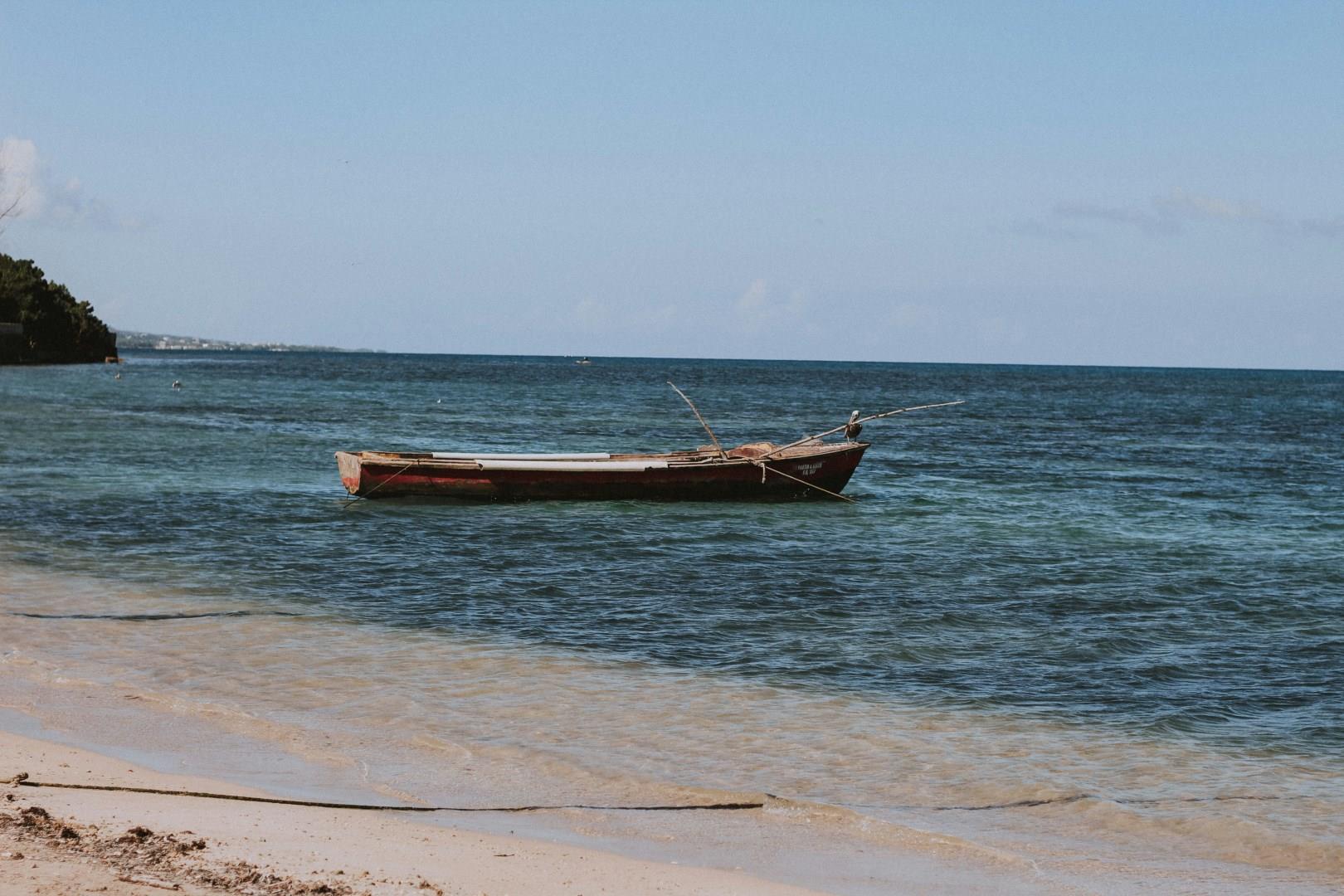
Falmouth, a charming port town on Jamaica’s north coast, offers a delightful mix of history, culture, and natural beauty. Founded in the 18th century, Falmouth is renowned for its well-preserved Georgian architecture, a testament to its once-thriving sugar trade.
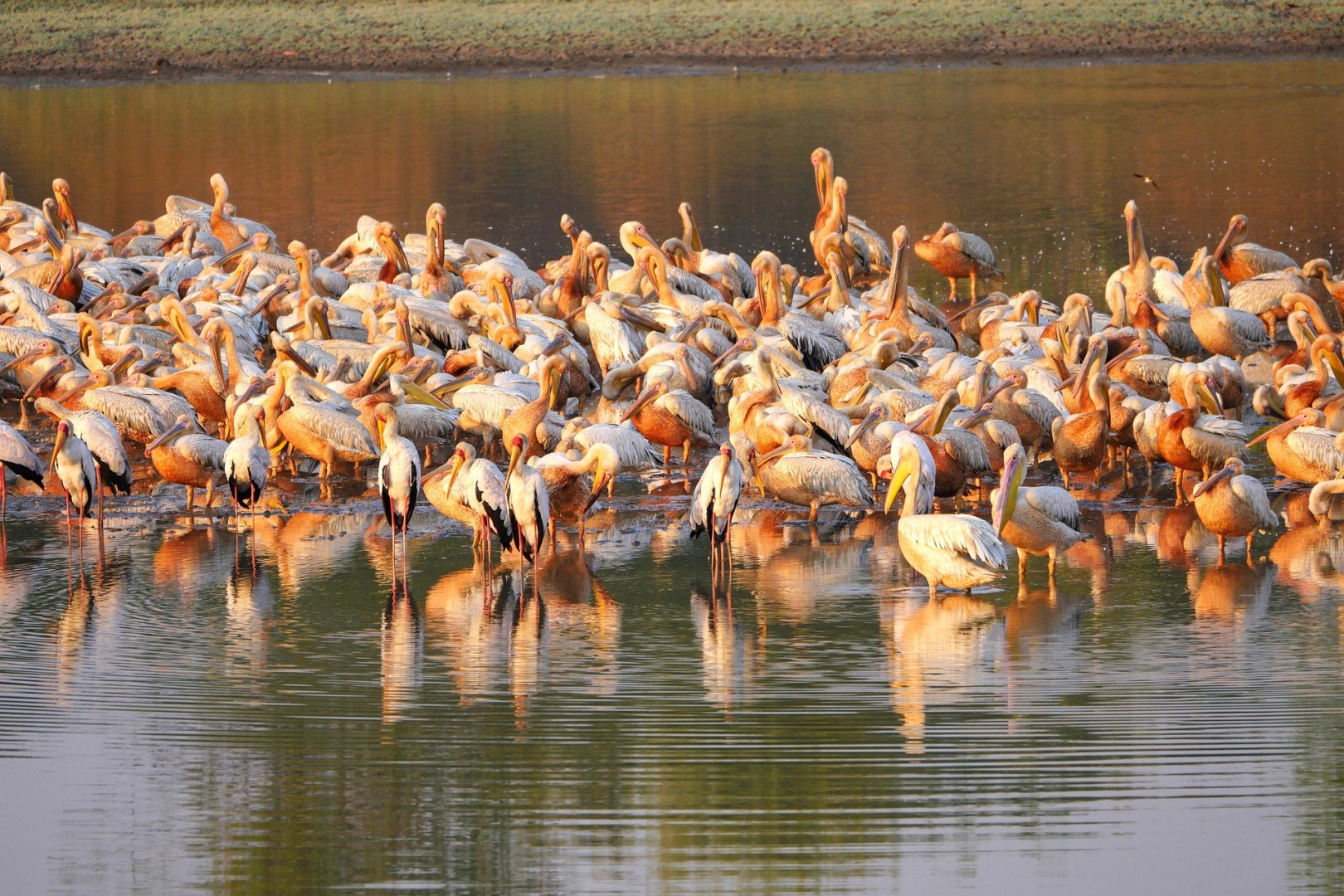
Lower Zambezi National Park is a protected area in eastern Zambia, lying along the northern bank of the Zambezi River opposite Zimbabwe’s Mana Pools. The park covers a broad area of woodland, open grassland, riverine forest, lagoons, and seasonal floodplains. The Zambezi is central to the landscape, providing water for wildlife and shaping habitats along the park’s southern boundary.
Banff, nestled in the heart of the Canadian Rockies, is one of Canada’s most celebrated mountain towns and a gateway to Banff National Park, a UNESCO World Heritage Site.
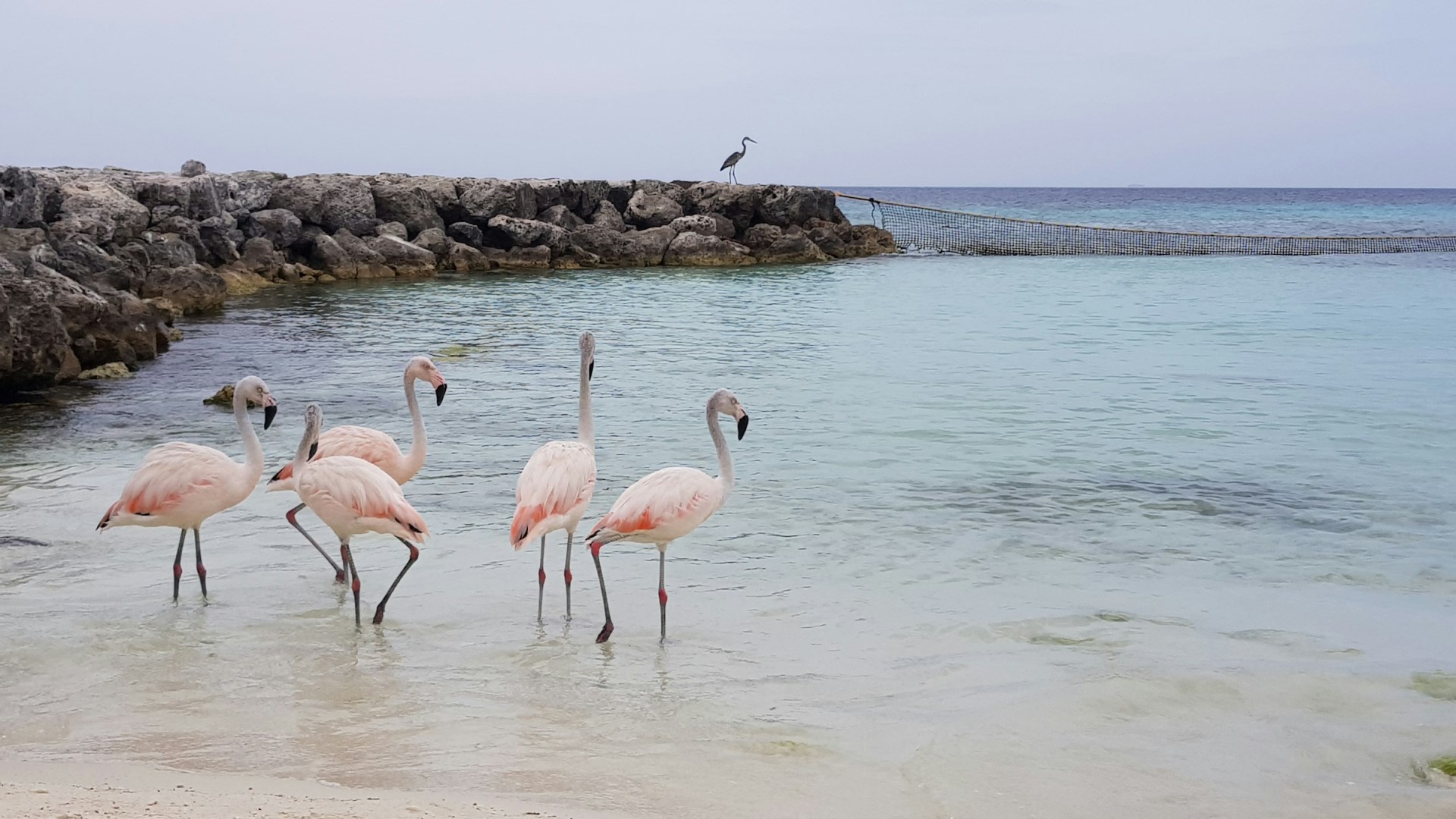
Palm Island is a small private resort island just off Aruba's southern coast, reached by a short ferry ride from the mainland near the fishing community of De Palm Island. The island is surrounded by the warm Caribbean Sea and features sandy beaches, shallow lagoons, coral reefs, and landscaped areas.
Photo Credit: Photo by Valery Balabanov on Unsplash
Photo Credit: Photo by Luba Ertel on Unsplash
Photo Credit: Photo by Monica Garniga on Unsplash
Photo Credit: Photo by Valery Balabanov on Unsplash
Veliki Preslav
Photo Credit: Photo by Ekaterina Nikolova on Unsplash
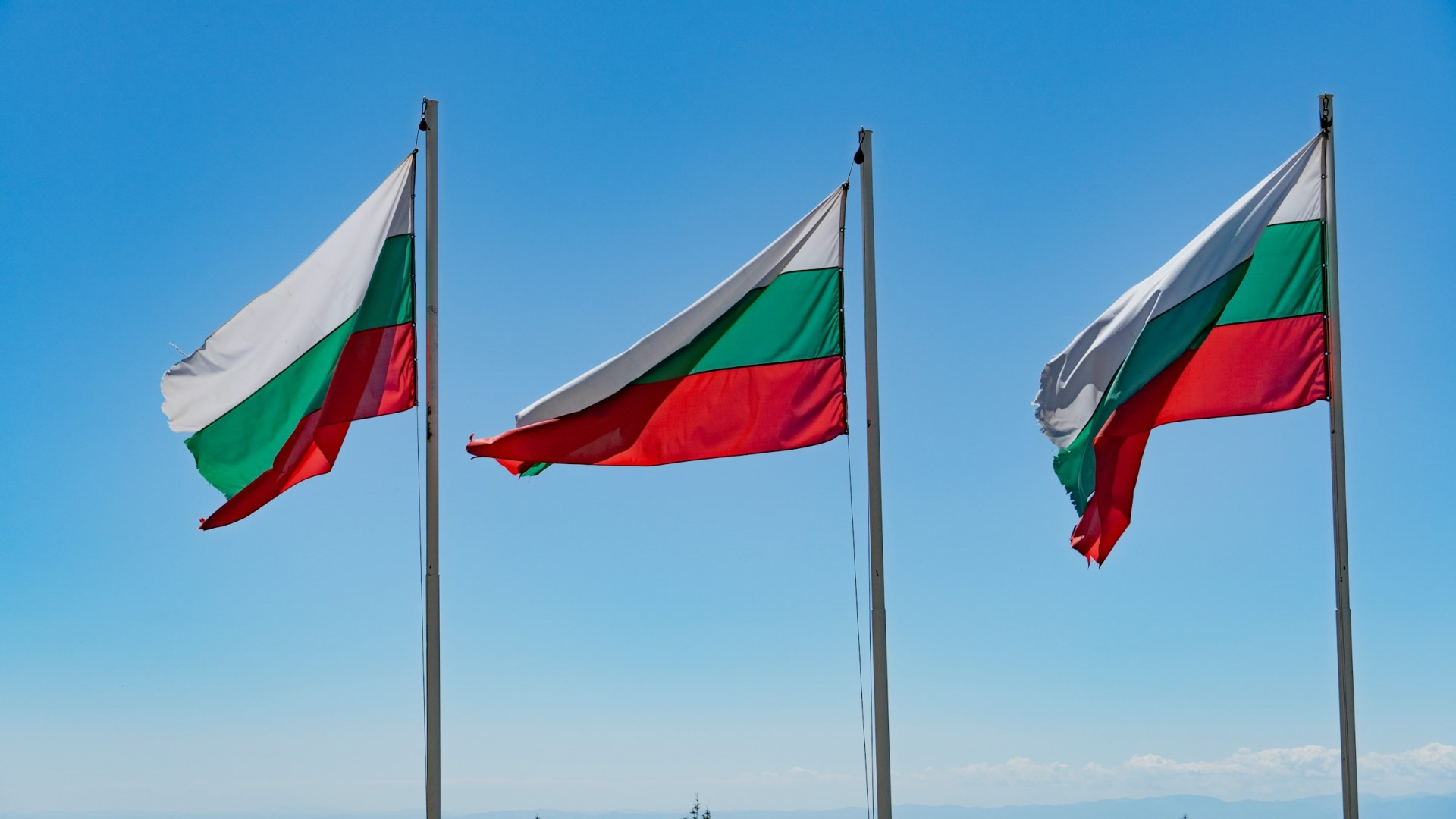
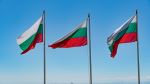
Bulgaria is a republic in southeastern Europe. The capital and largest city is Sofiya. Bulgarian culture has been influenced successively by Byzantine, Greek, Russian, and Western cultures.
Large libraries in Sofiya include the Central Library of the Bulgarian Academy of Sciences, the library of the University of Sofiya, and the Cyril and Methodius National Library. The Ivan Vazov National Library is located in Plovdiv.
The country has more than 200 museums. In Sofiya are botanical and zoological museums and gardens; the National Archaeological Museum, with a collection of old coins and finds from many ancient burial mounds; and the National Ethnographical Museum. Other museums in the country are devoted to history, science, and the revolutionary movement.
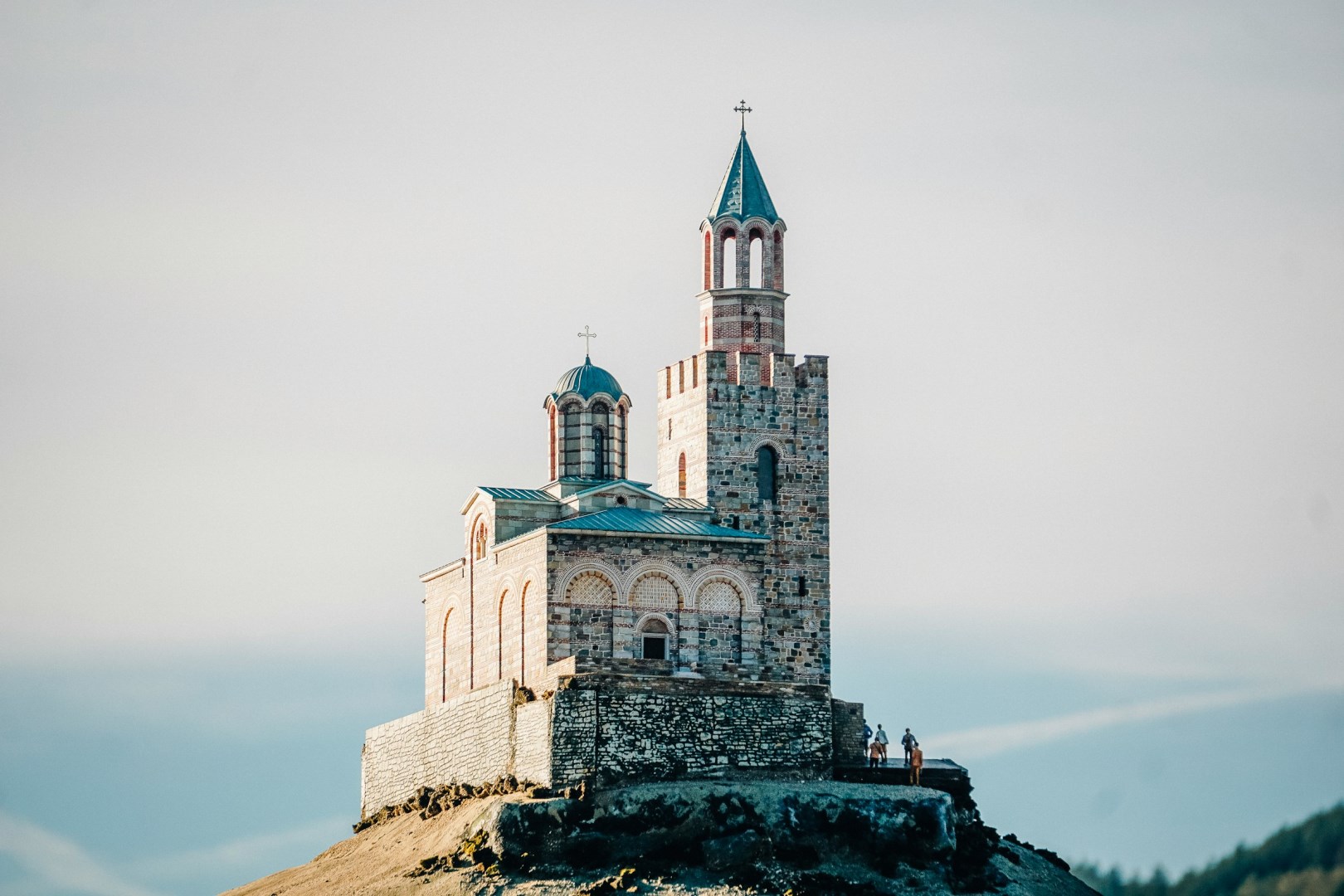
Bulgarian handicrafts include rich folk embroideries and ornaments. Some of the best sculpture, wood carving, etchings, and painting are based on traditional culture and native subjects. The chief architectural monuments of Bulgaria are medieval churches and monasteries. The chief native musical instruments are the gaida (bagpipe) and the kaval (a wooden shepherd's flute). The characteristic folk dances are variations of the hora, a round chain dance, and the ruchenitsa, a lively dance of two couples. Modern Bulgarian orchestral and operatic compositions have occasionally gained recognition in other countries.
Most of Bulgaria has a harsh continental climate, with cold winters and hot summers. The average annual temperature is about 12.8° C (about 55° F).
Popular Destinations in Bulgaria
Vidin
Nestled on the banks of the Danube River, Vidin, Bulgaria, is a city where history and scenic beauty converge. This ancient city, known for its well-preserved medieval fortress, the Baba Vida Castle, offers a unique glimpse into Bulgaria's past. The fortress, dating back to the 10th century, stands as one of the best-preserved medieval fortifications in the country.
Rousse
Rousse, Bulgaria, often referred to as "Little Vienna," sits gracefully on the banks of the Danube River. Known for its rich history, stunning architecture, and vibrant culture, Rousse offers a glimpse into Bulgaria's past while embracing the future. The city's central square, Svoboda (Freedom) Square, is a great starting point for exploring.