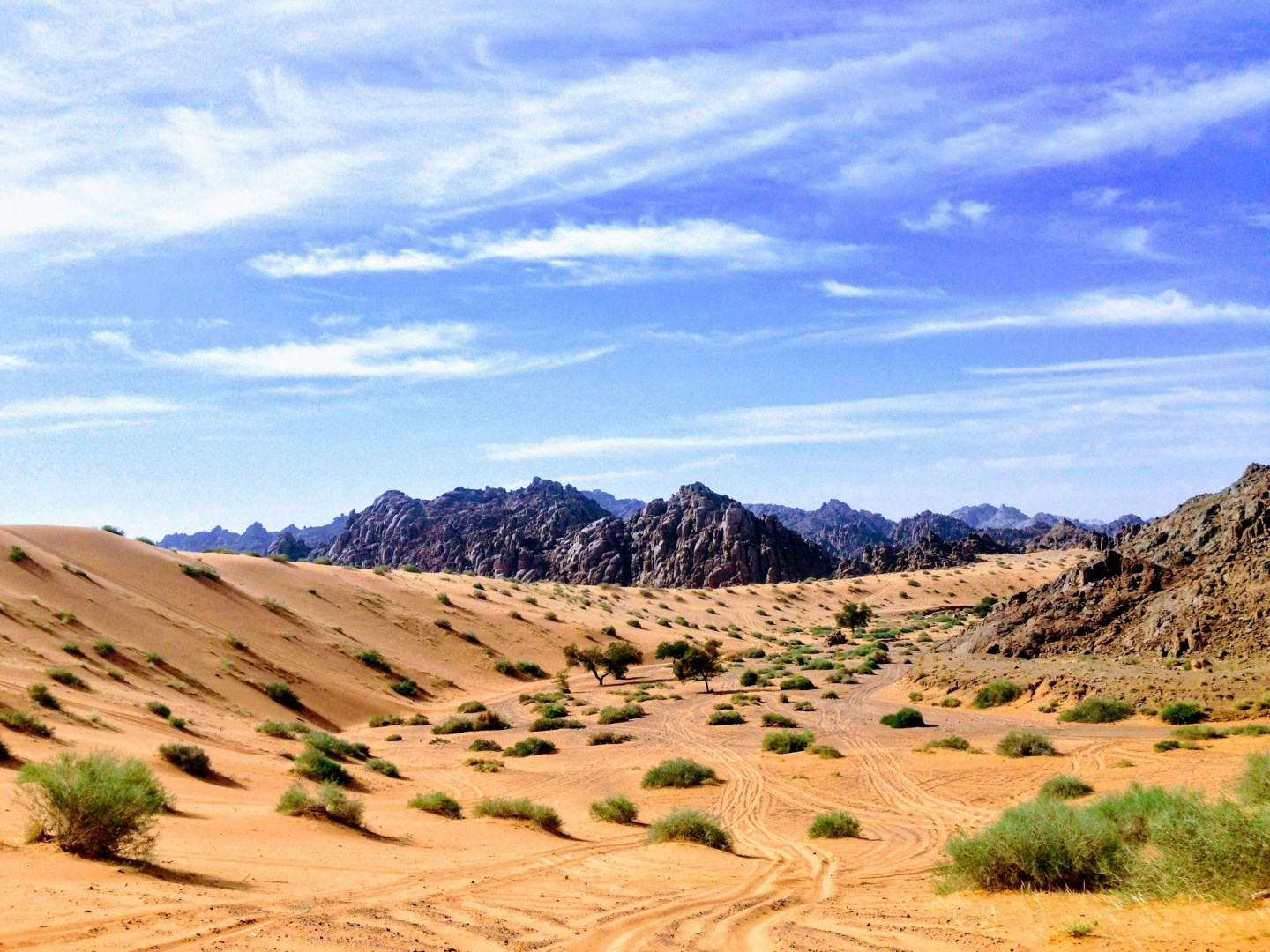
Ha'il is a city in north-central Saudi Arabia and the capital of Ha'il Province, located near the western edge of the vast An Nafud desert. The city lies in an oasis region where groundwater supports palm groves and agriculture, creating a cultivated landscape between surrounding desert and mountains.
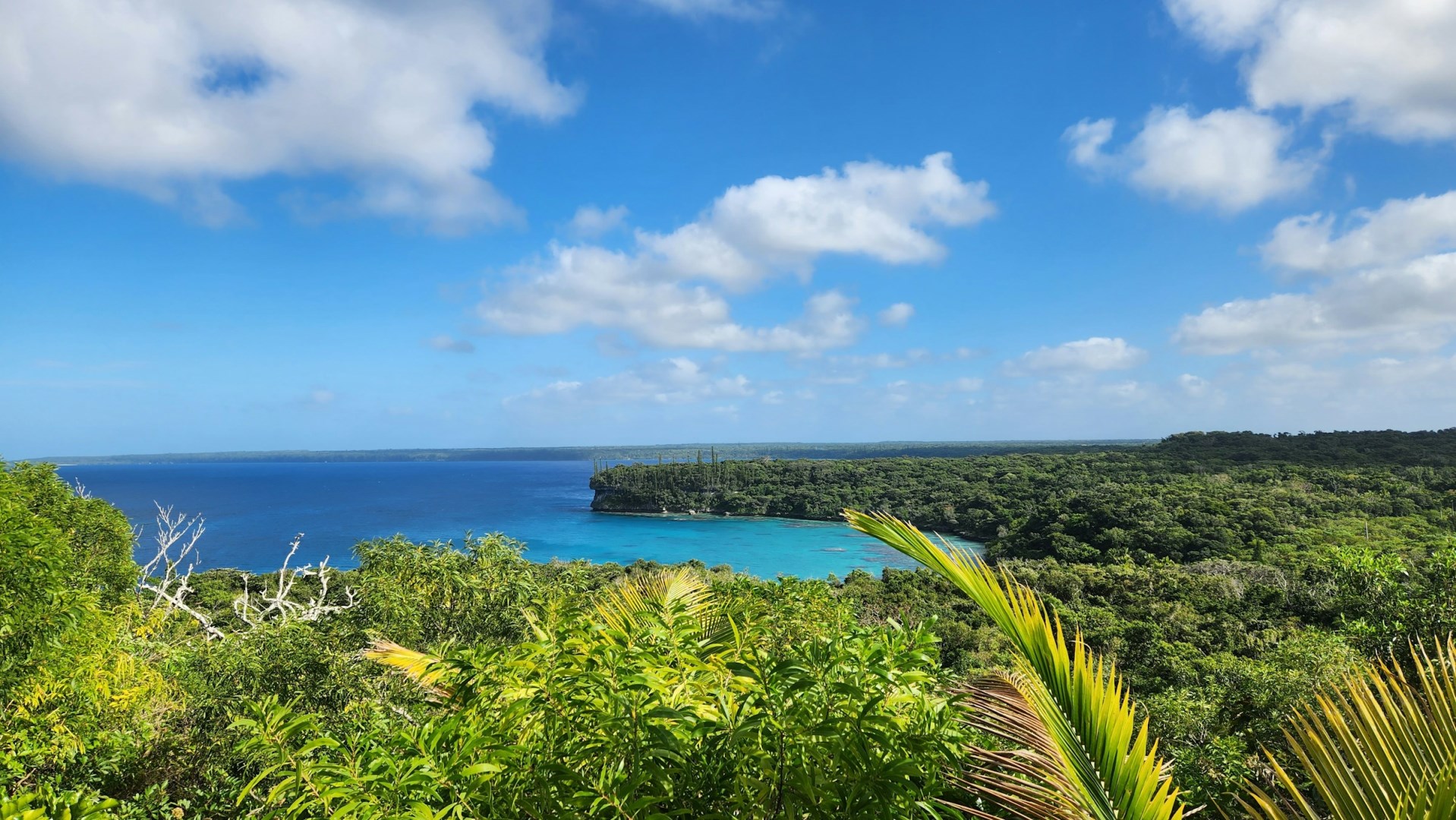
Lifou is the largest of the Loyalty Islands of New Caledonia and is known for its raised coral landscape, clear lagoons, and forested interior. Unlike Grande Terre, Lifou has no high mountain range, but its limestone plateau reaches enough elevation to create cliffs, caves, and elevated coastal viewpoints.
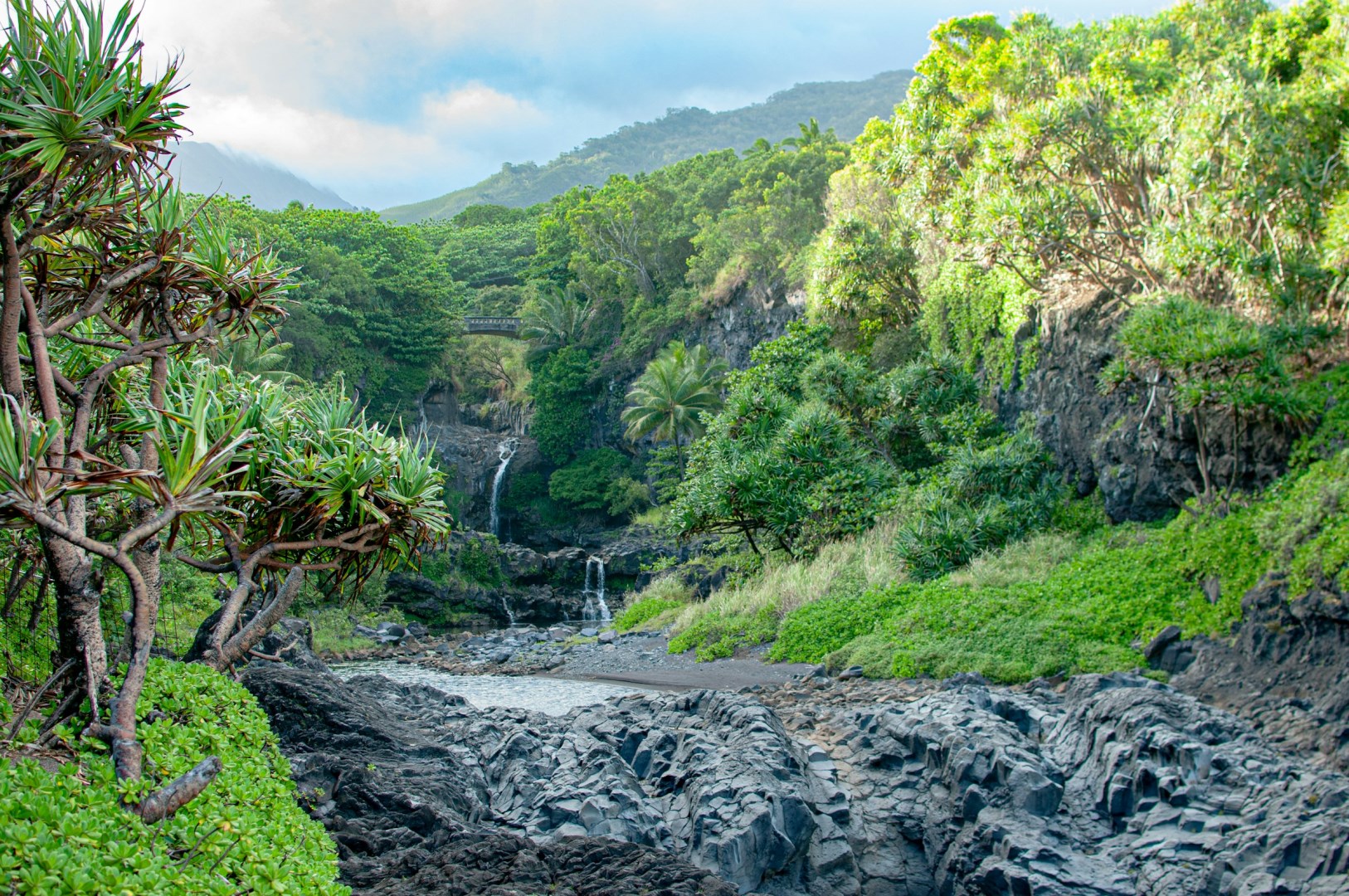
Maui, both second youngest and second largest of the Hawaiian Islands, is home to the world's largest dormant volcano, Haleakala, meaning "House of the Sun." Last erupting about 200 years ago, it makes up the eastern end of the island. Maui was formed by volcanic activity from Haleakala on the east and the West Maui Mountains to the west. The connecting isthmus between the two spots was formed from joining lava from both and gives Maui its nickname, the Valley Isle.
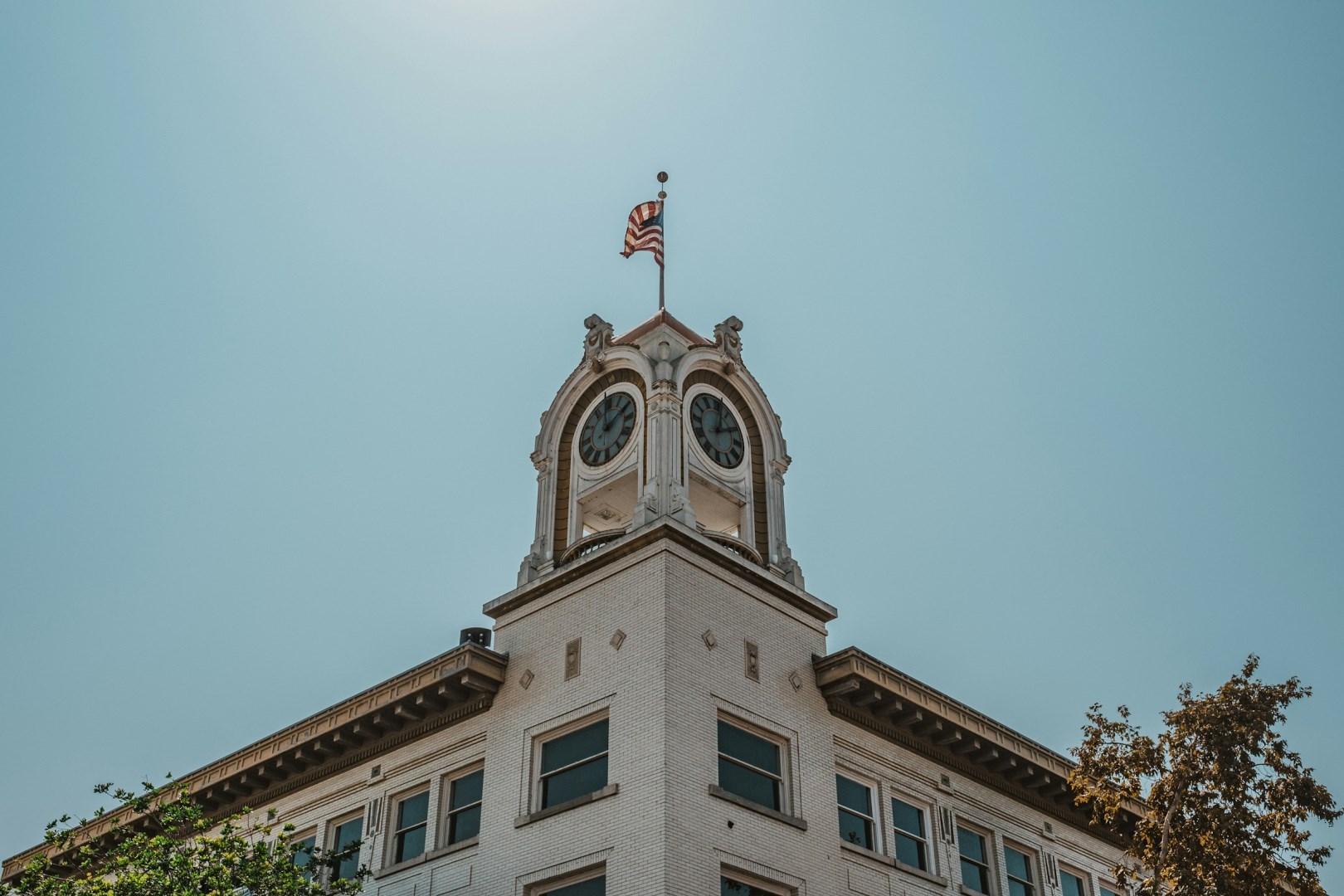
Santa Ana is the county seat of Orange County and one of the largest cities in the region, located inland from the Pacific coast in Southern California. Its identity is closely tied to a historic downtown, long-established residential neighborhoods, and a strong Mexican American cultural presence. Fourth Street and Main Street form the traditional center of the city, while areas such as the East End and Floral Park add distinct architectural and neighborhood character.
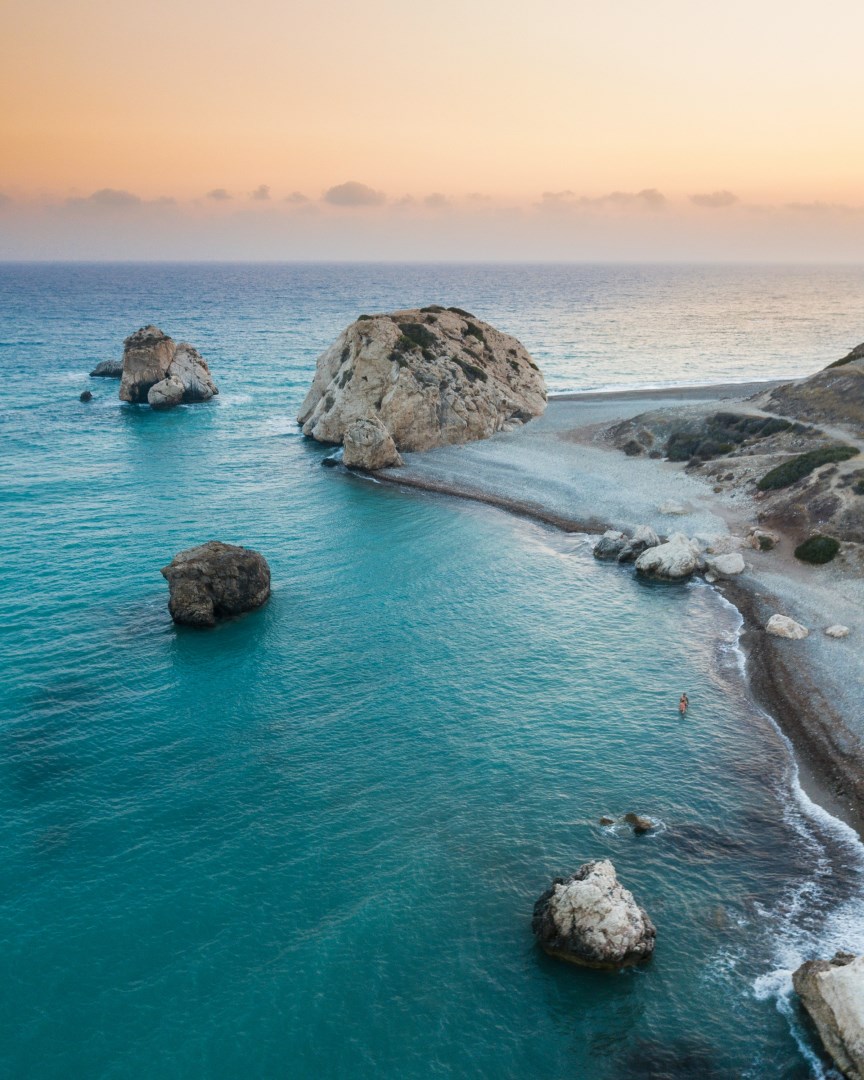
Kouklia is a village in the Pafos district of southwestern Cyprus, located inland from the coast on the site of ancient Palaipafos, or Old Pafos. The village is surrounded by cultivated fields, orchards, and low hills, with the Mediterranean coast nearby. Its main distinction is its connection with the ancient Sanctuary of Aphrodite, one of the most important archaeological sites associated with the goddess in the ancient Greek world.
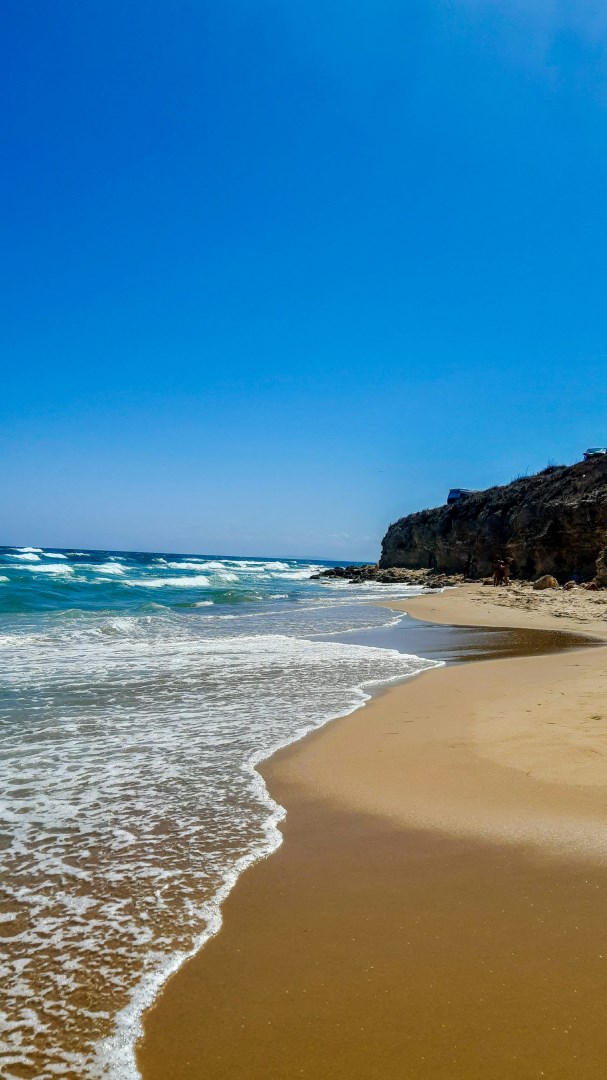
Photo Credit: Photo by Valery Balabanov on Unsplash
Photo Credit: Photo by Luba Ertel on Unsplash
Photo Credit: Photo by Monica Garniga on Unsplash
Photo Credit: Photo by Valery Balabanov on Unsplash
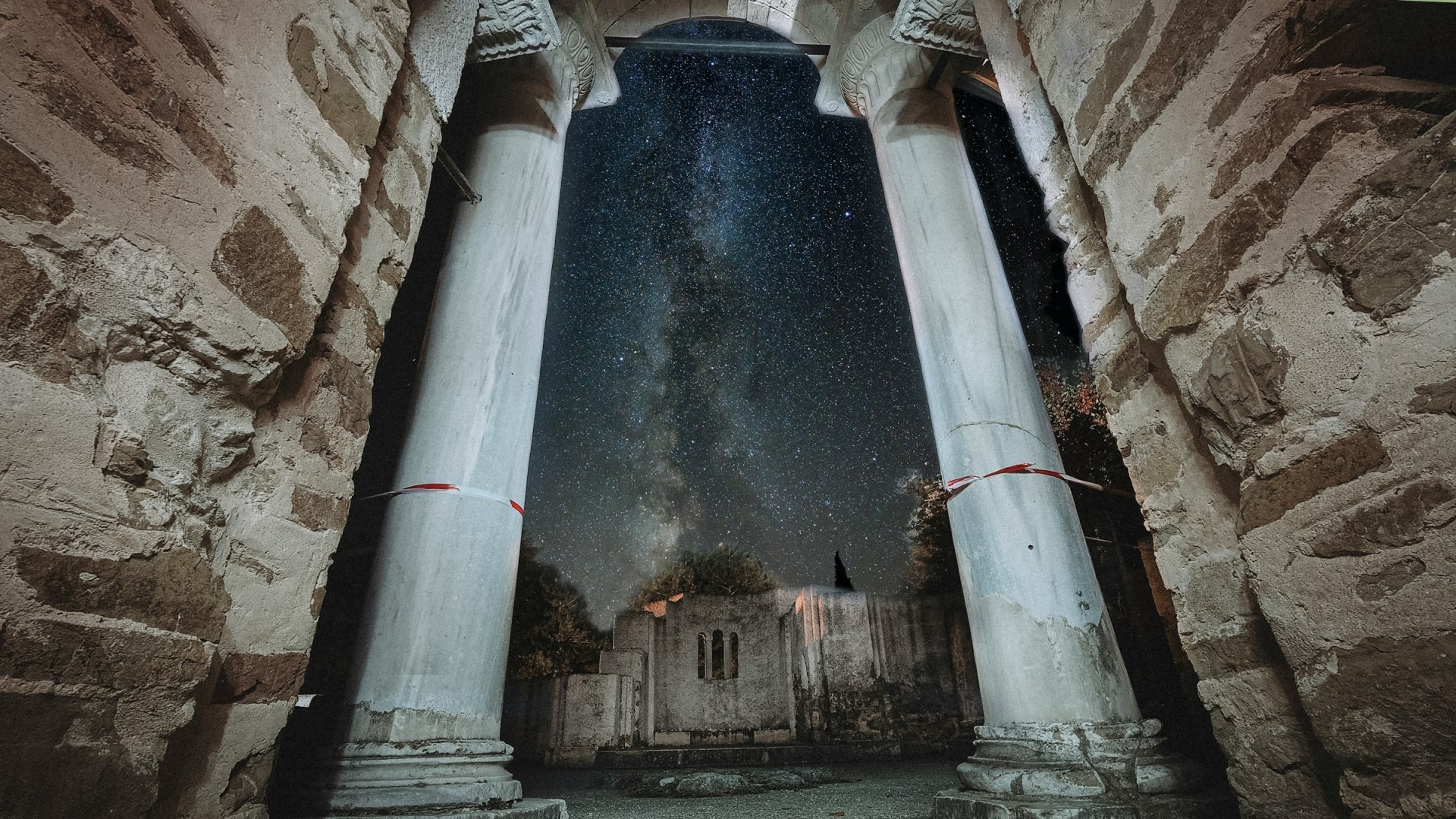
Veliki Preslav
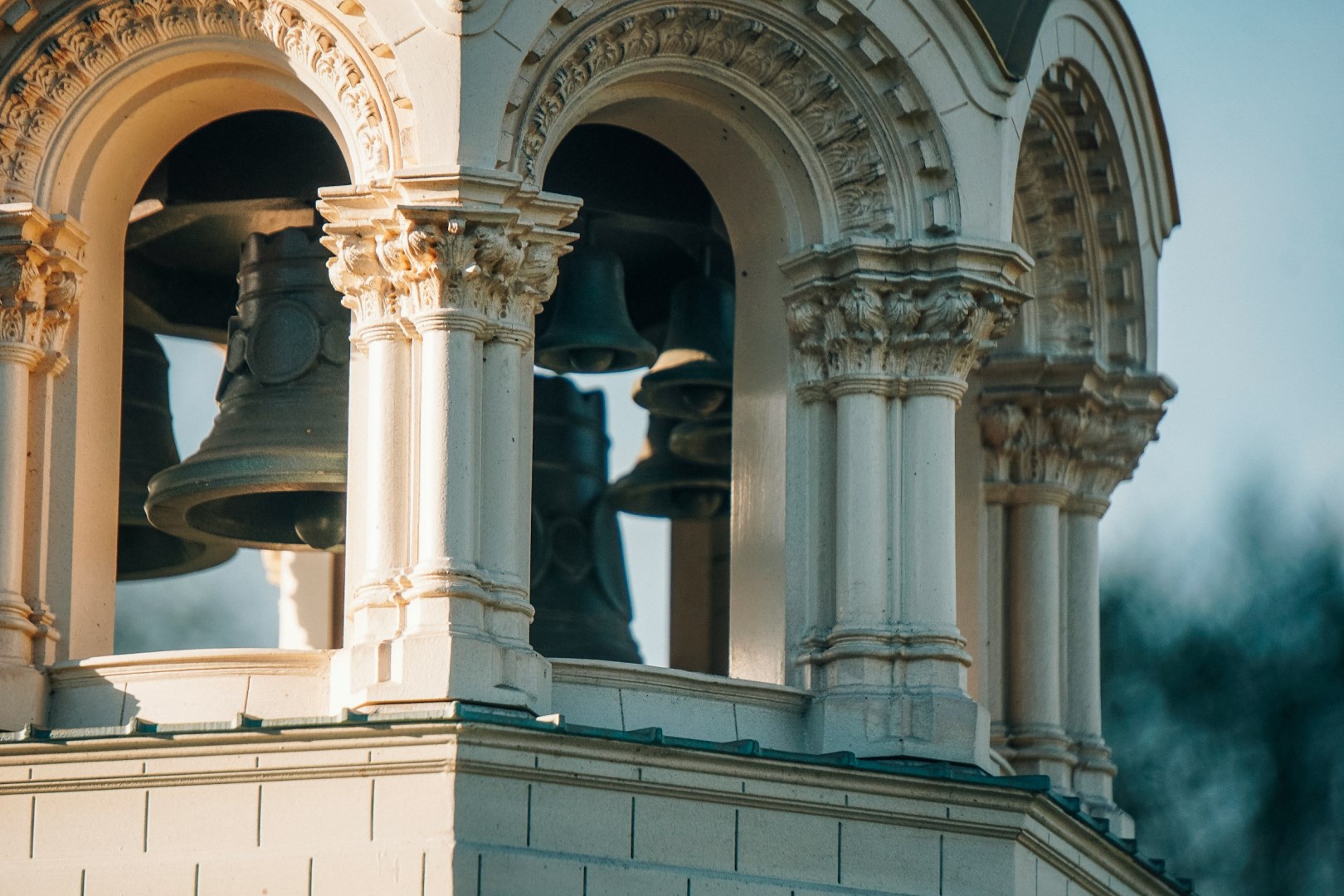
Photo Credit: Photo by Ekaterina Nikolova on Unsplash
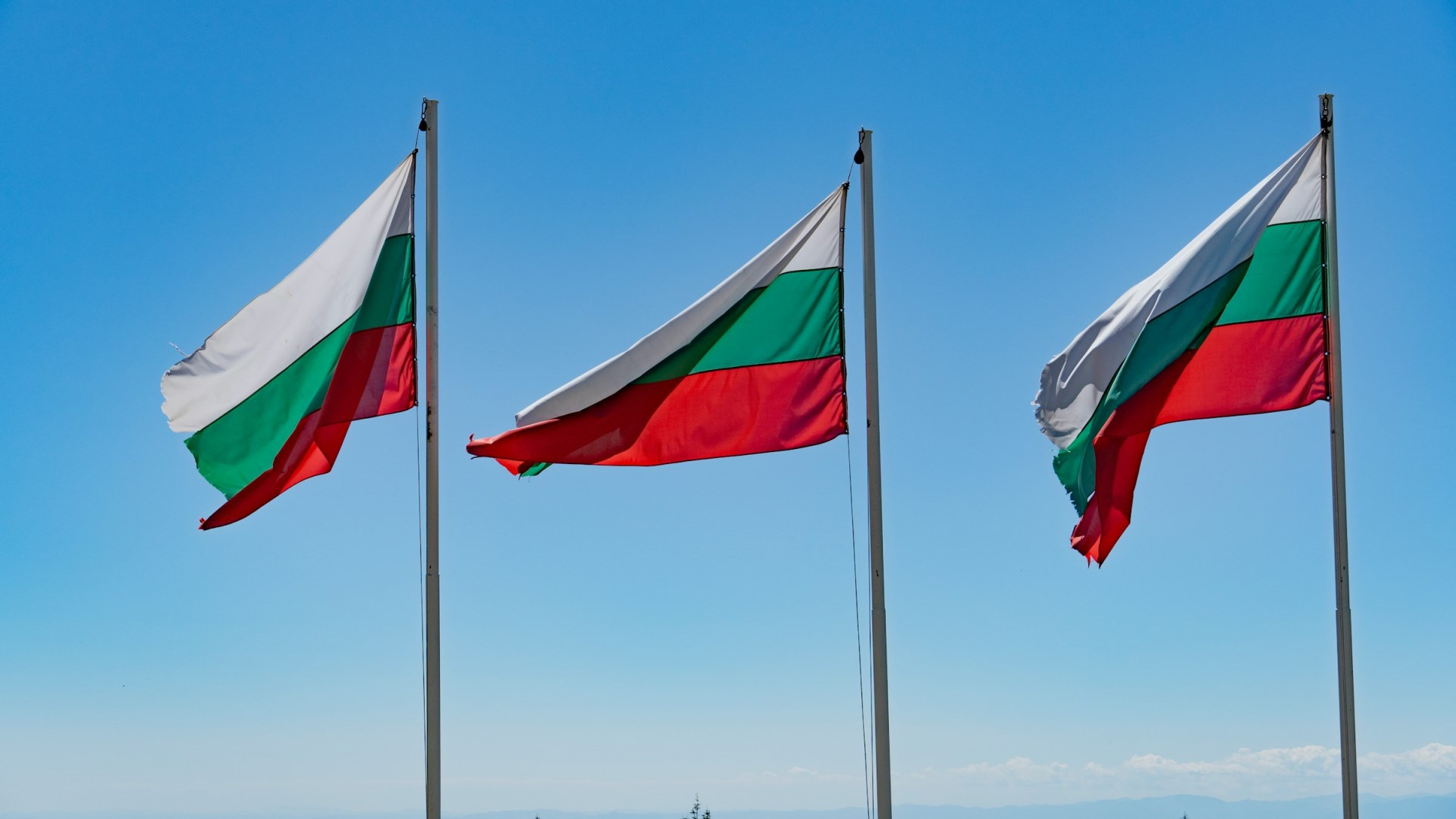
Bulgaria is a republic in southeastern Europe. The capital and largest city is Sofiya. Bulgarian culture has been influenced successively by Byzantine, Greek, Russian, and Western cultures.
Large libraries in Sofiya include the Central Library of the Bulgarian Academy of Sciences, the library of the University of Sofiya, and the Cyril and Methodius National Library. The Ivan Vazov National Library is located in Plovdiv.
The country has more than 200 museums. In Sofiya are botanical and zoological museums and gardens; the National Archaeological Museum, with a collection of old coins and finds from many ancient burial mounds; and the National Ethnographical Museum. Other museums in the country are devoted to history, science, and the revolutionary movement.
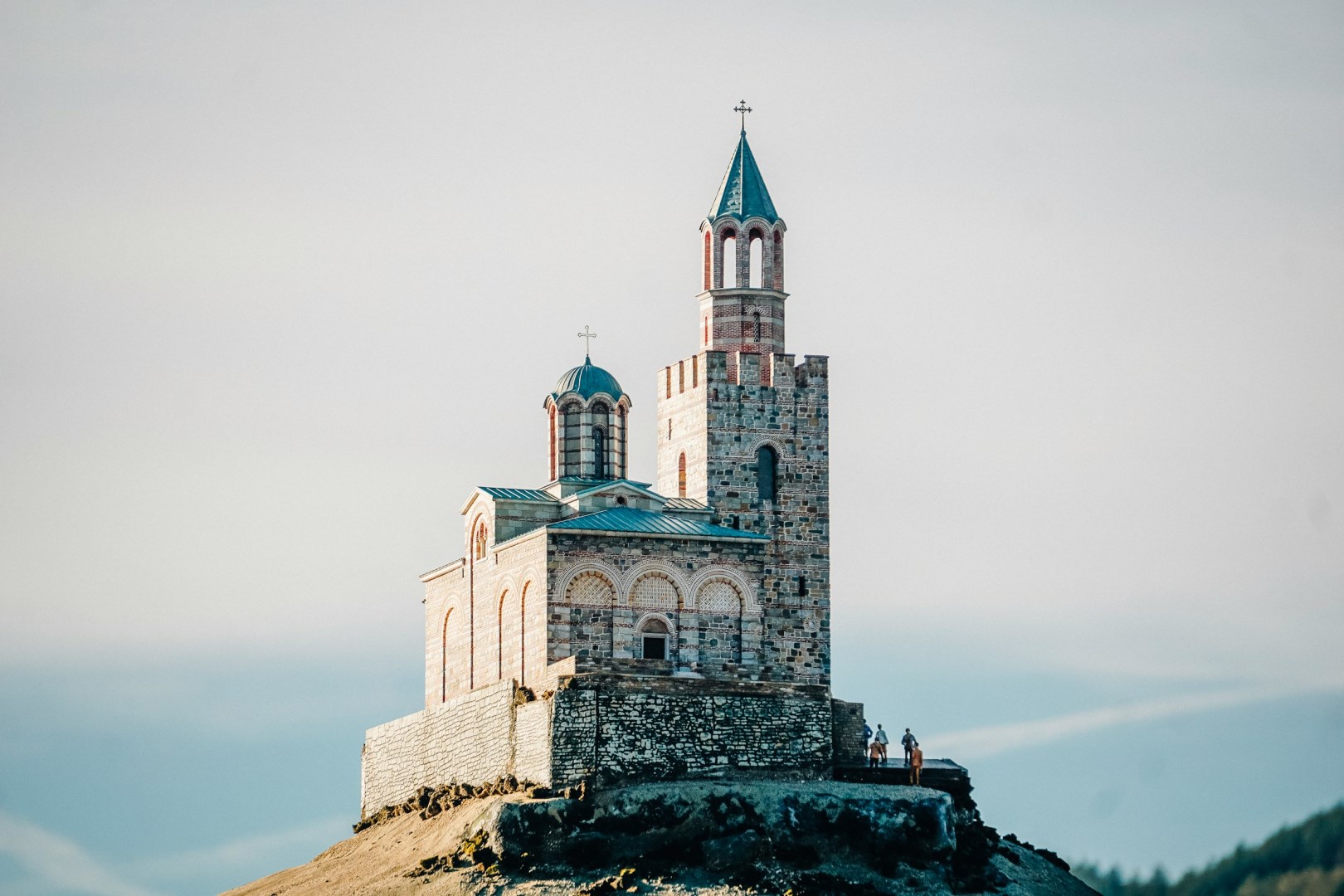
Bulgarian handicrafts include rich folk embroideries and ornaments. Some of the best sculpture, wood carving, etchings, and painting are based on traditional culture and native subjects. The chief architectural monuments of Bulgaria are medieval churches and monasteries. The chief native musical instruments are the gaida (bagpipe) and the kaval (a wooden shepherd's flute). The characteristic folk dances are variations of the hora, a round chain dance, and the ruchenitsa, a lively dance of two couples. Modern Bulgarian orchestral and operatic compositions have occasionally gained recognition in other countries.
Most of Bulgaria has a harsh continental climate, with cold winters and hot summers. The average annual temperature is about 12.8° C (about 55° F).
Popular Destinations in Bulgaria
Vidin
Nestled on the banks of the Danube River, Vidin, Bulgaria, is a city where history and scenic beauty converge. This ancient city, known for its well-preserved medieval fortress, the Baba Vida Castle, offers a unique glimpse into Bulgaria's past. The fortress, dating back to the 10th century, stands as one of the best-preserved medieval fortifications in the country.
Rousse
Rousse, Bulgaria, often referred to as "Little Vienna," sits gracefully on the banks of the Danube River. Known for its rich history, stunning architecture, and vibrant culture, Rousse offers a glimpse into Bulgaria's past while embracing the future. The city's central square, Svoboda (Freedom) Square, is a great starting point for exploring.