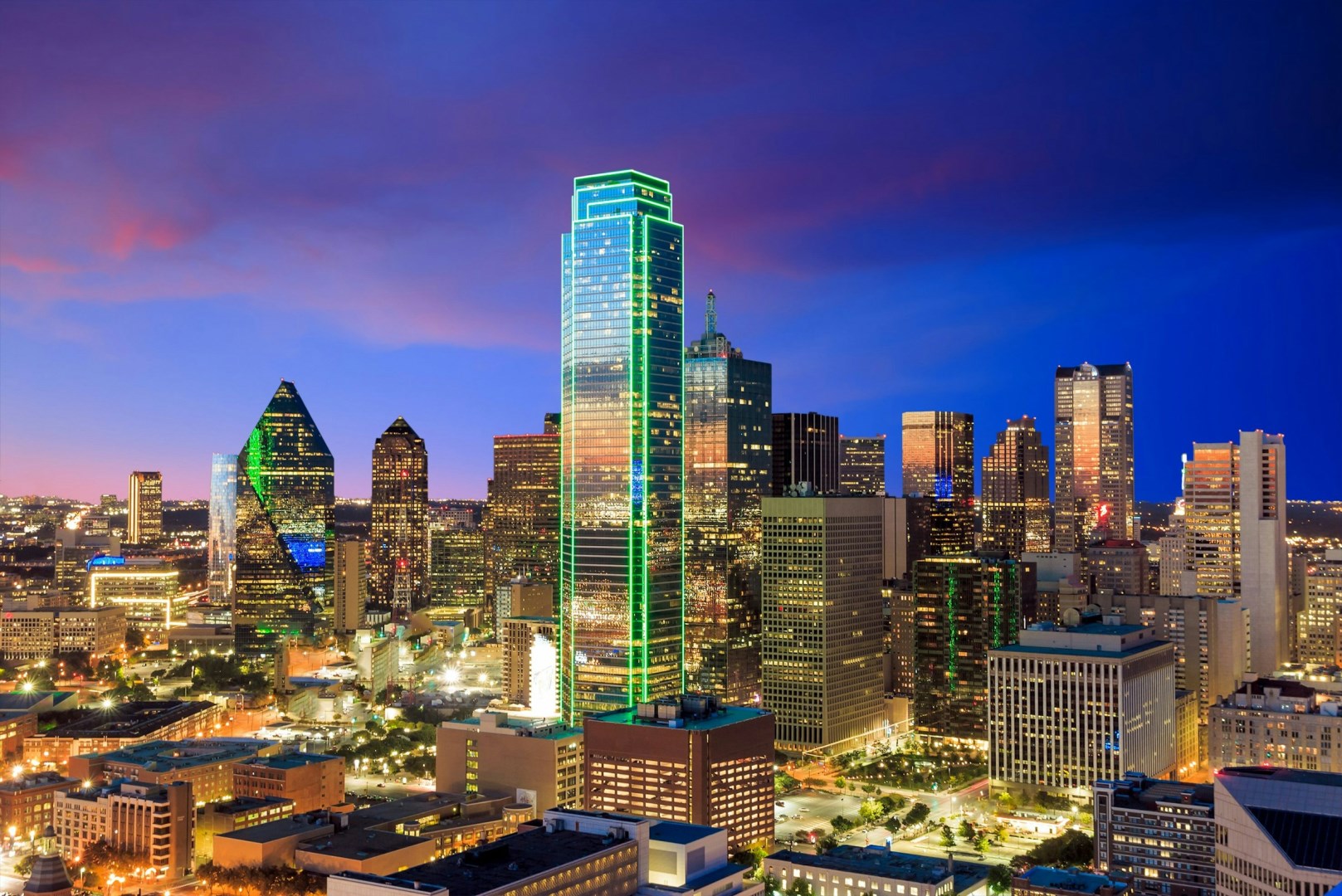
Dallas
Dallas is a major city in North Texas, situated within the broad prairie and wooded creek landscapes of the Trinity River region. Its urban area includes a dense downtown, established residential neighborhoods, modern business districts, and extensive parks and trails. The city is part of the larger Dallas-Fort Worth metropolitan area and has developed as a major center for business, transportation, technology, arts, and culture.

Dresden
Dresden, the capital of Saxony, is a city where history, culture, and beauty seamlessly intertwine. Known as the "Florence on the Elbe," Dresden boasts a stunning array of baroque and rococo architecture that captivates visitors from around the world. Dresden hosts the world's oldest Christmas market, the Striezelmarkt, dating back to 1434.
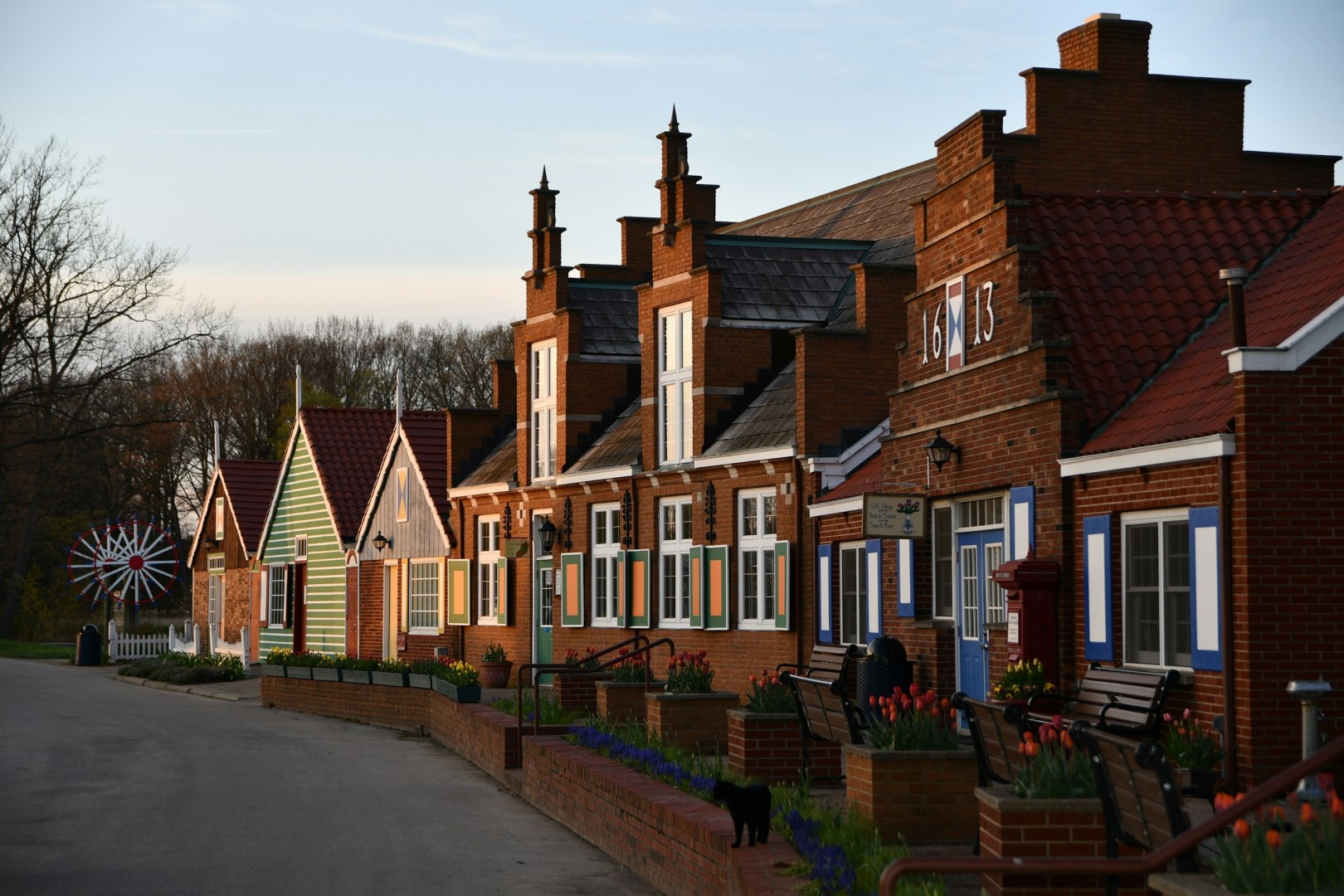
Holland
Holland, Michigan is home to the often photographed "Big Red Lighthouse", standing guard over the channel connecting this lake to Lake Michigan. The beachfront Holland State Park is home to a wide variety of deer and migratory birds. Don't miss Windmill Island!
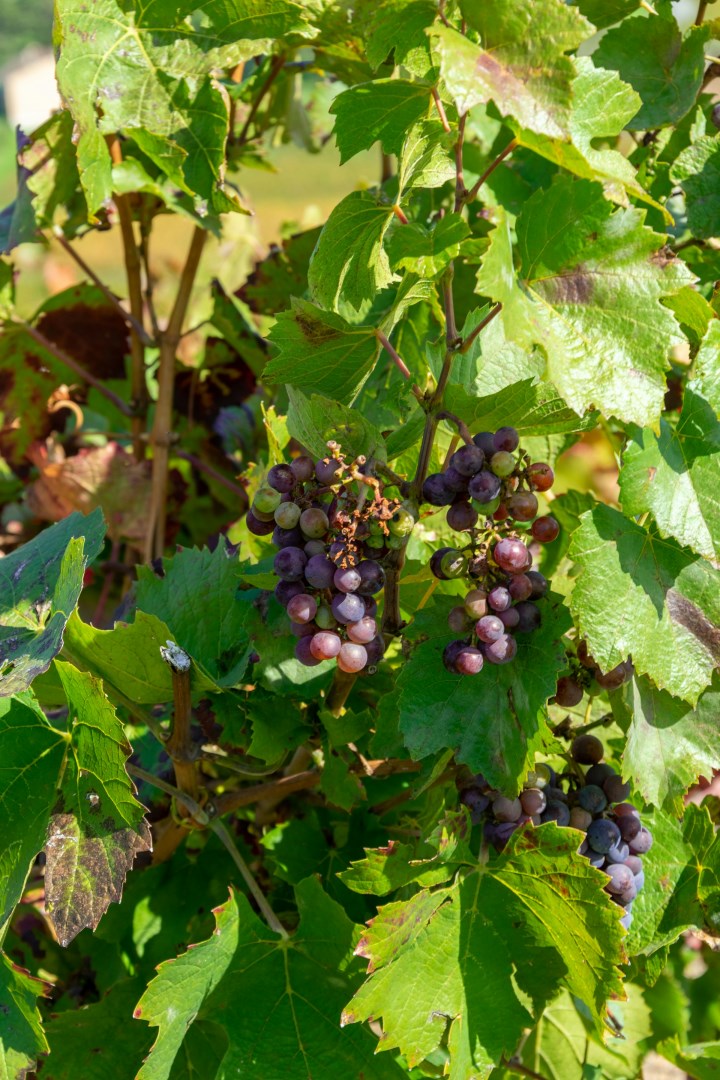
Beaujolais
Located just to the north of Lyon, Beaujolais is mainly known for it's winemaking. Beaujolais is written with an 's' because there are 12 of them. Beaujolais Nouveau is the most famous ambassador of the Beaujolais region. But it is simply one of an entire range. The different Beaujolais wines are produced by more than 4 000 vine-growers.
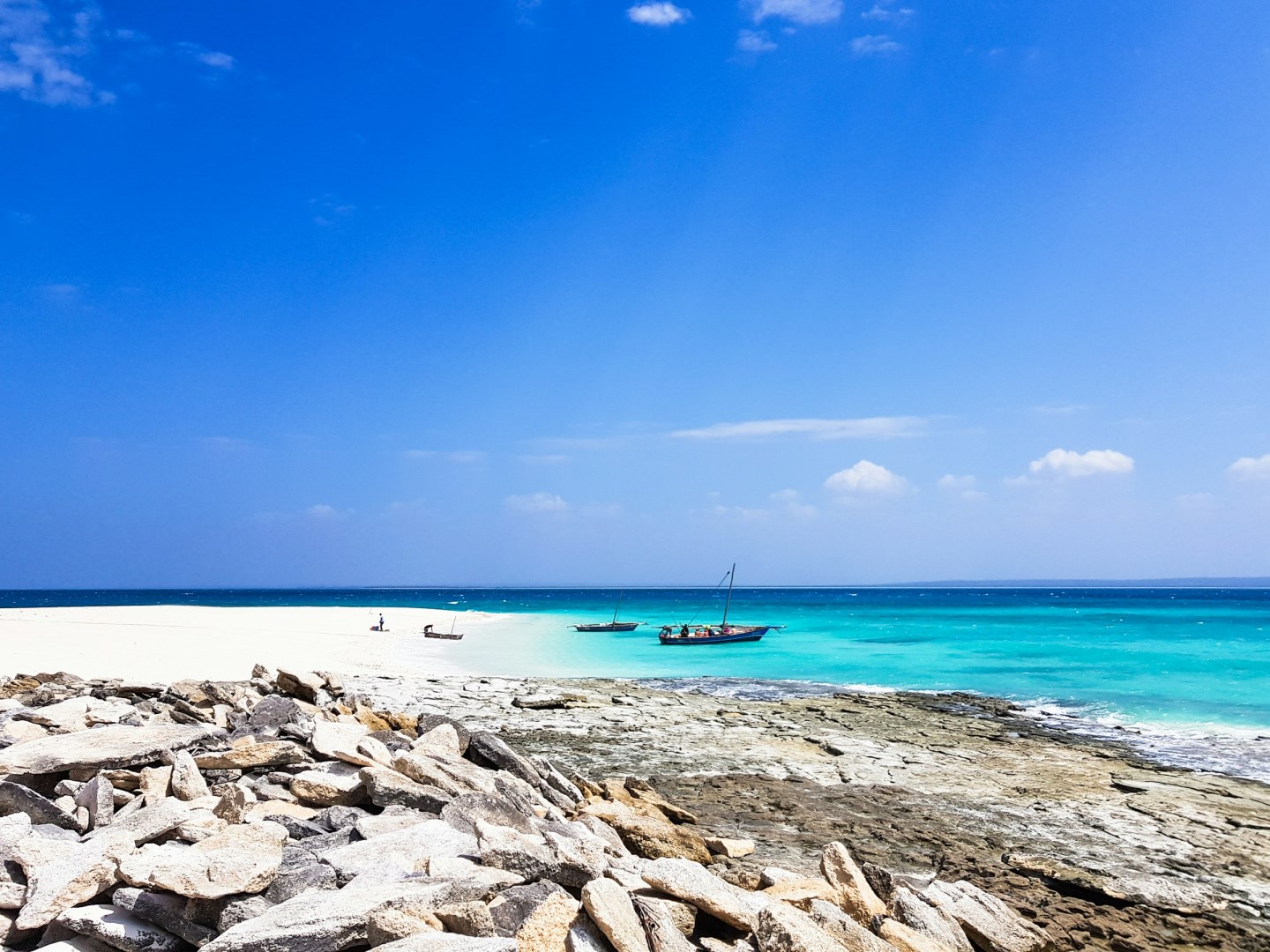
Rolas Island
Rolas Island is a small coastal island in Mozambique, set in the Indian Ocean and shaped by the sandy shores, warm waters and tropical conditions characteristic of the country’s long eastern coastline.