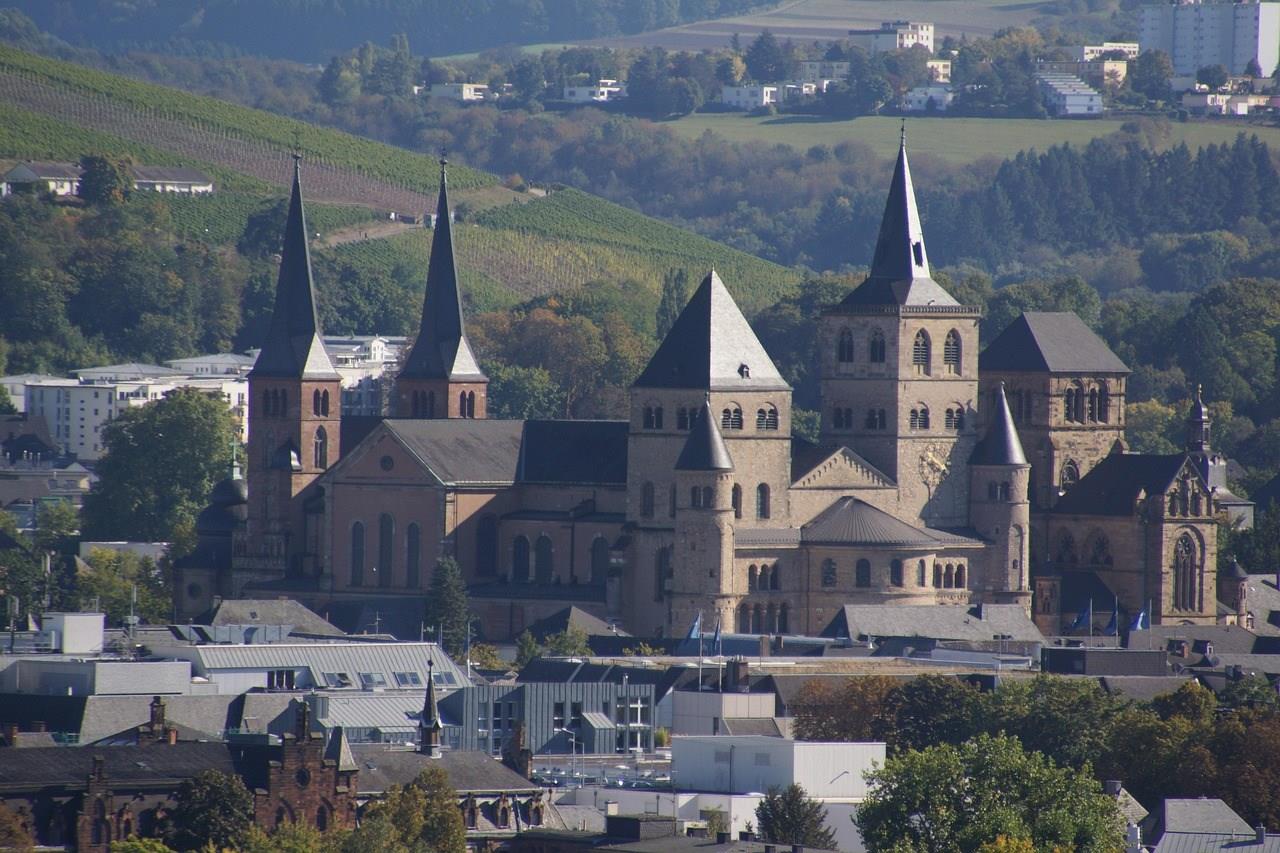
Trier
Trier, Germany’s oldest city, is a living museum nestled in the Moselle Valley, where Roman ruins rise beside medieval churches and bustling market squares. Founded by the Romans in 16 BCE, Trier was once known as “Roma Secunda,” the second Rome, and still boasts the largest collection of Roman architecture north of the Alps. The Trier Cathedral (Dom St. Peter), which is a UNESCO World Heritage Site, is the oldest church in Germany and houses a relic said to be the Holy Robe of Christ.
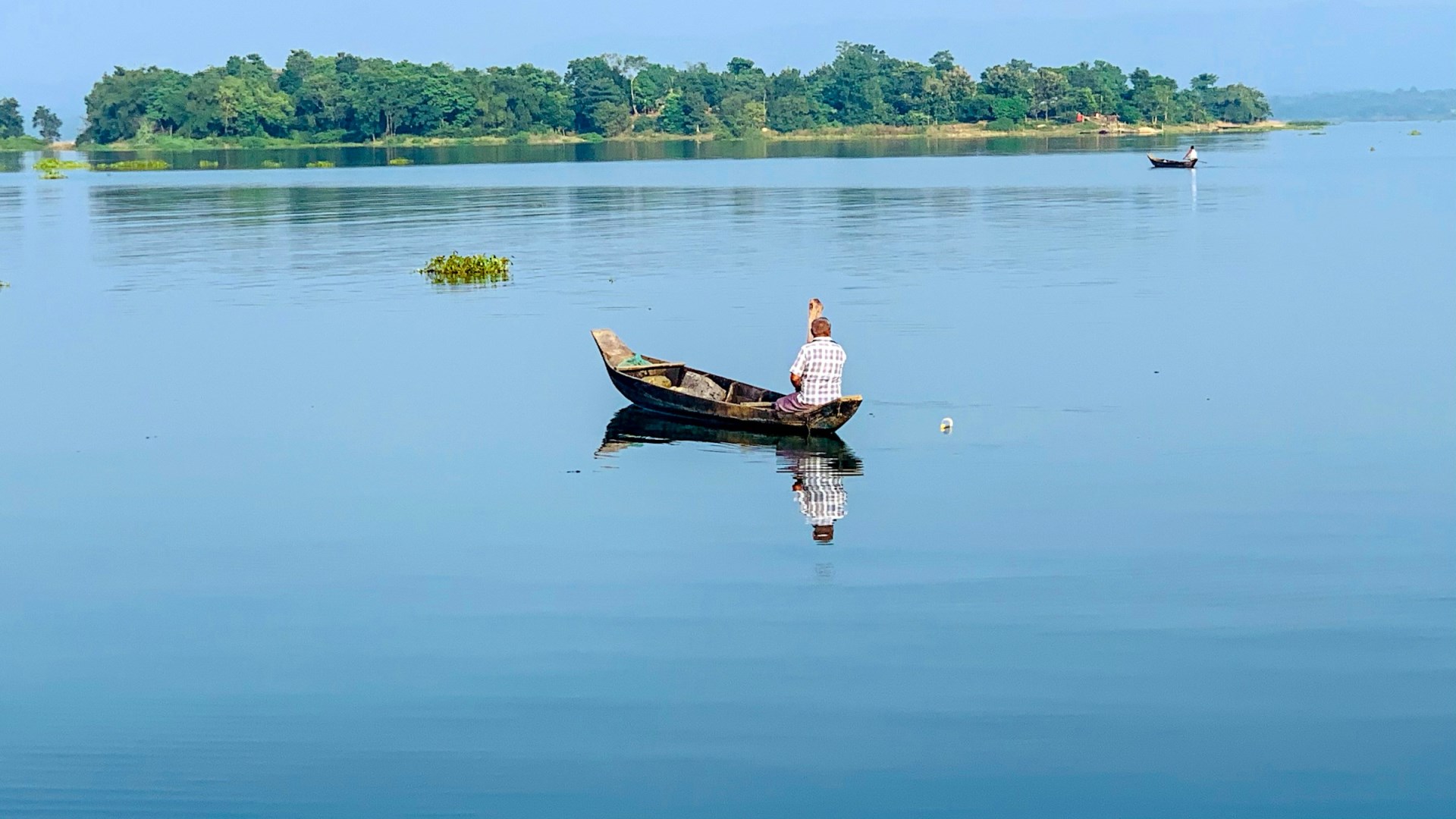
Chittagong
Chittagong, officially known as Chattogram, is a major port city in southeastern Bangladesh, located near the Bay of Bengal and the mouth of the Karnaphuli River. It is an important commercial center, with the Port of Chattogram serving as the country's principal seaport.

Valdez
Located just north of Chugach National Forest and nestled in an inlet of Prince William Sound, charming Valdez is a small Alaskan city known for its proximity to stunning glaciers, canyons, forests, and natural wildlife. Highlights include Valdez Glacier Lake, Keystone Canyon, and the Valdez Museum. The region's untouched natural beauty will astound you on your next Alaskan cruise!
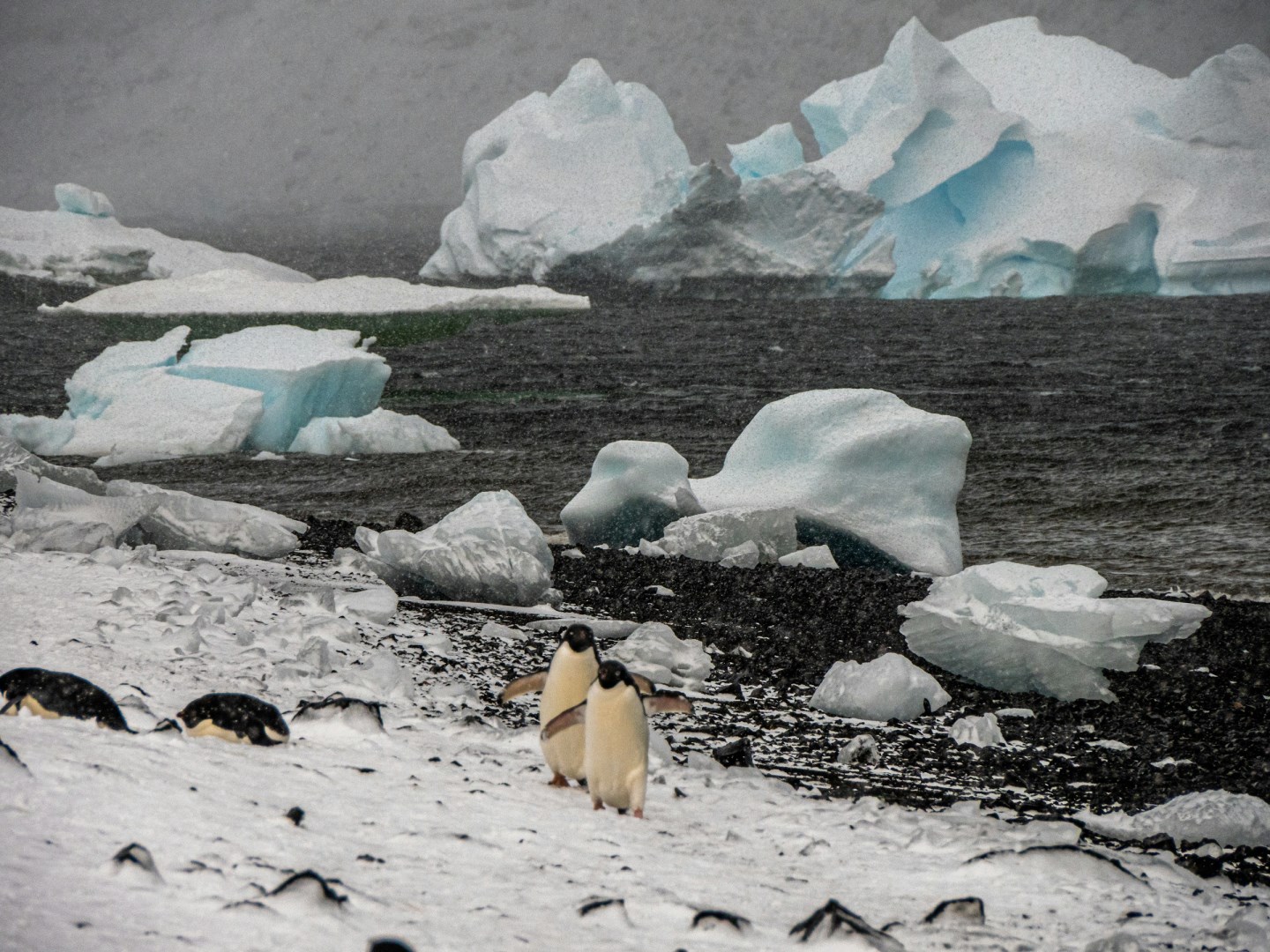
South Orkney Islands
The South Orkney Islands, lying in the icy waters of the Southern Ocean northeast of the Antarctic Peninsula, are a remote and rarely visited corner of the world. This small archipelago, claimed by both the United Kingdom and Argentina, is largely uninhabited except for a few research stations.
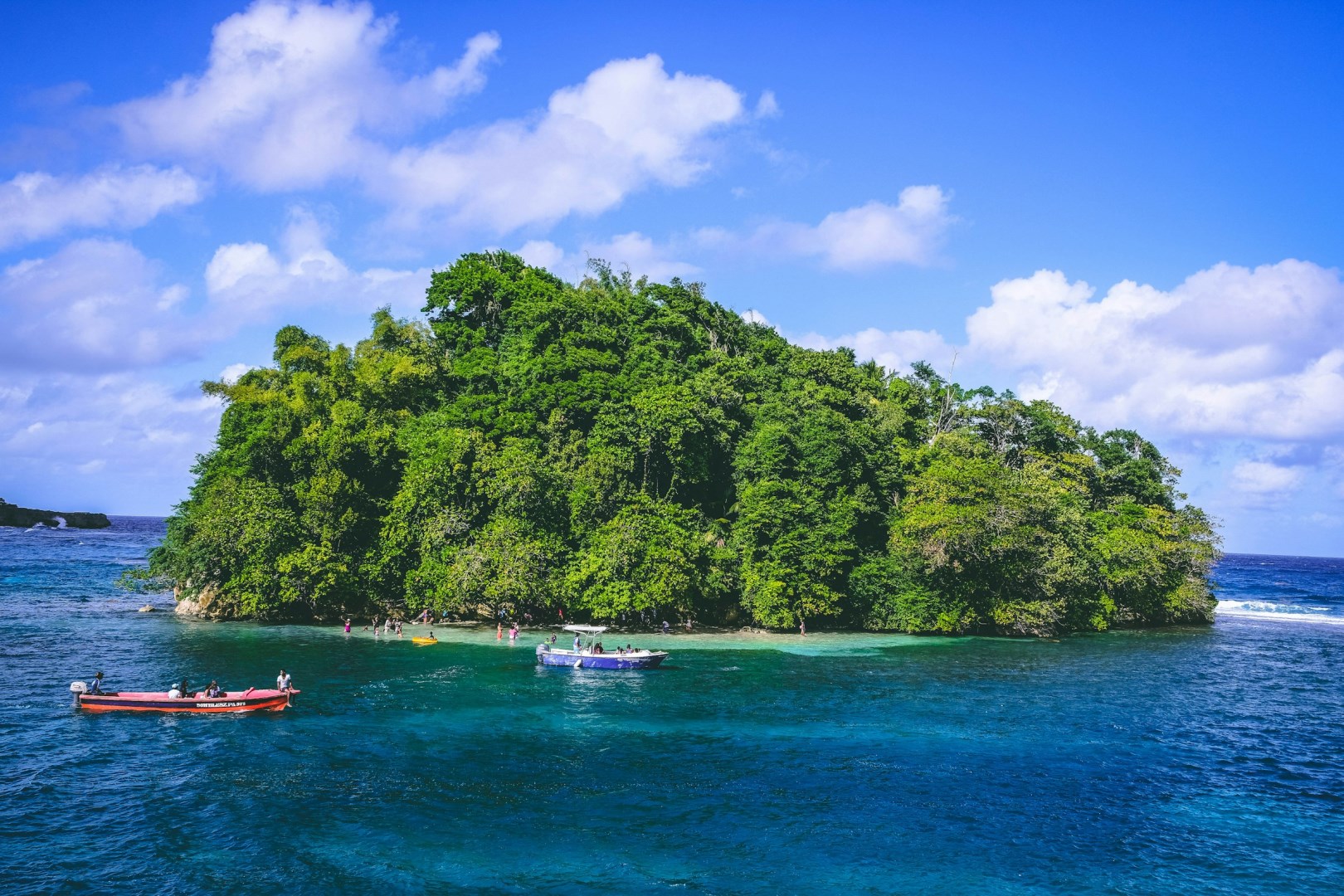
Port Antonio
Port Antonio is a coastal town in northeastern Jamaica, serving as the capital of Portland Parish and sitting between the Caribbean Sea and the foothills of the Blue Mountains. The town is surrounded by steep green hills, rivers, bays, and tropical vegetation, with the natural harbour formed by Navy Island and the mainland providing a sheltered setting.