Tairona National Park
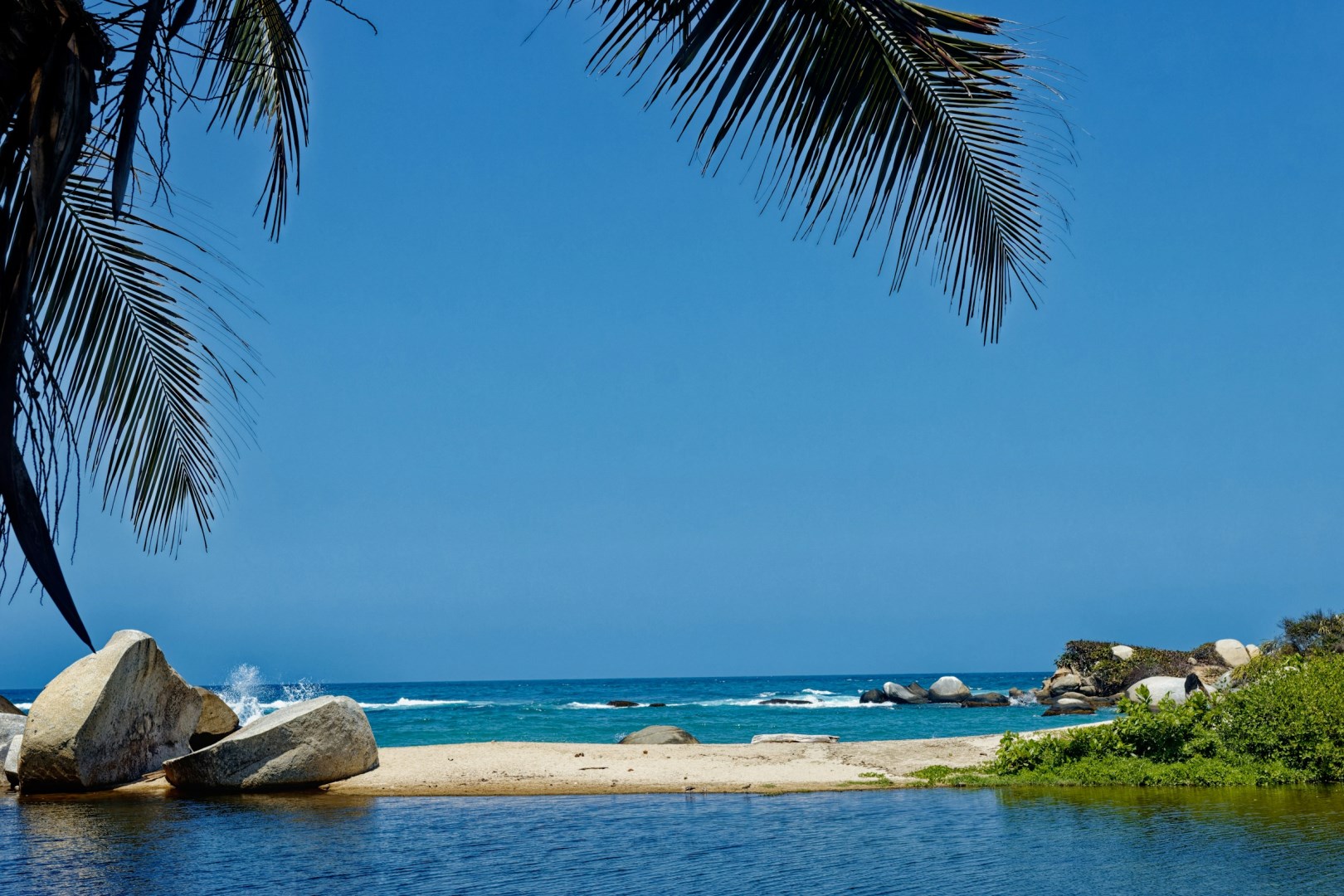
Tayrona National Natural Park, located on Colombia’s northern Caribbean coast, is where the Sierra Nevada mountains plunge into the sea, creating a landscape of wild beaches, dense rainforest, and ancient archaeological sites. Just an hour from Santa Marta, this protected area stretches over 150 square kilometers of land and marine territory. Its coastline is dotted with hidden coves, palm-fringed bays, and massive boulders sculpted by wind and time.

Australia & New Zealand
Australia and New Zealand each have their own identities, shaped by indigenous heritage, colonial history, and vibrant contemporary cultures. Visitors can travel between the two in just a few hours, yet find themselves in entirely different worlds.
Linköping
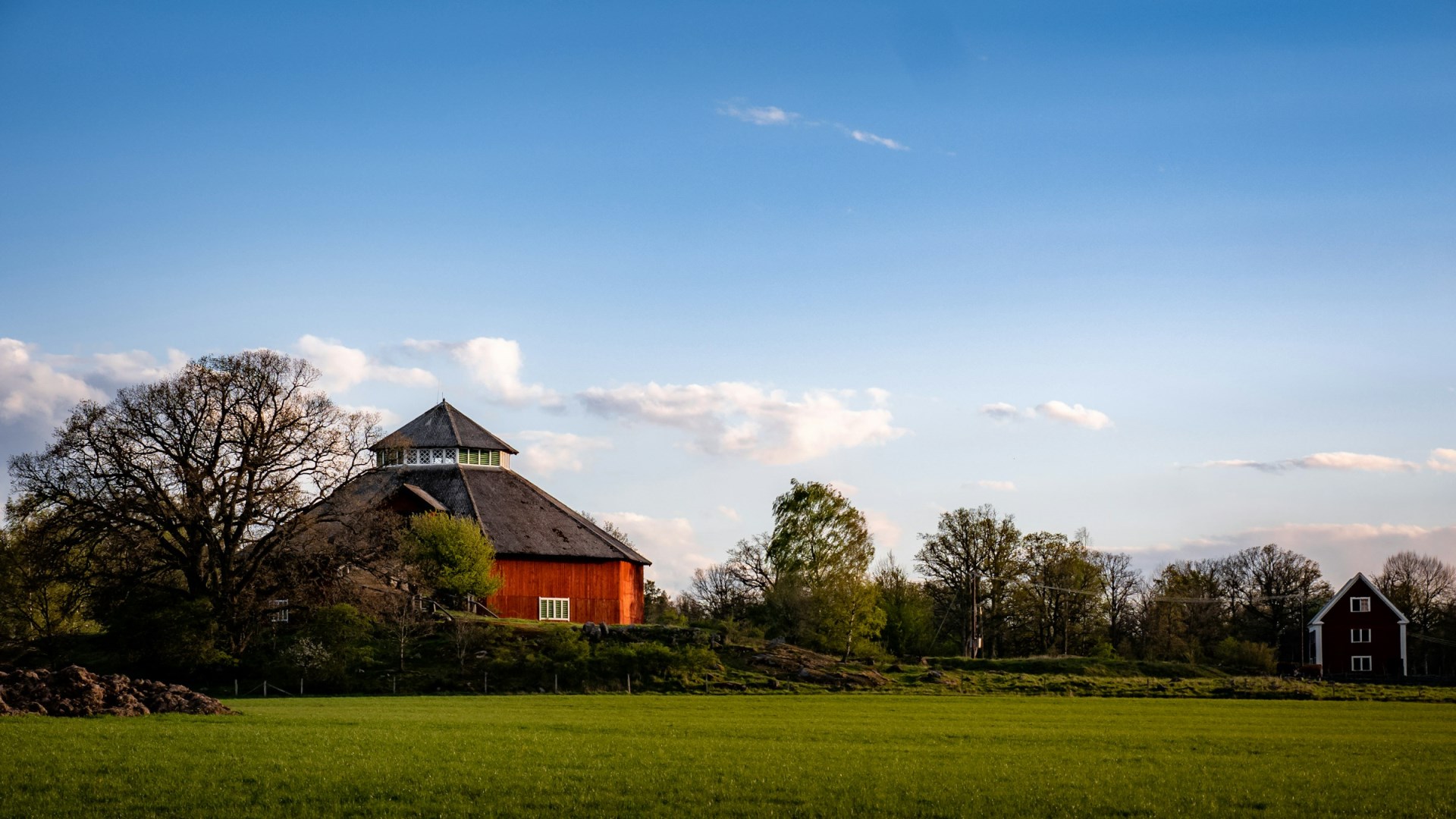
Even though Linköping has developed into an industrial center and is Sweden's fifth-largest city, it maintains a small-town atmosphere. Old Linköping is the restored town center with preserved buildings from the 18th and 19th centuries. The tower of the impressive Linköping Cathedral, which took nearly 300 years to complete, can be seen from a distance of more than 10 kilometers.
Bandhavgarh National Park
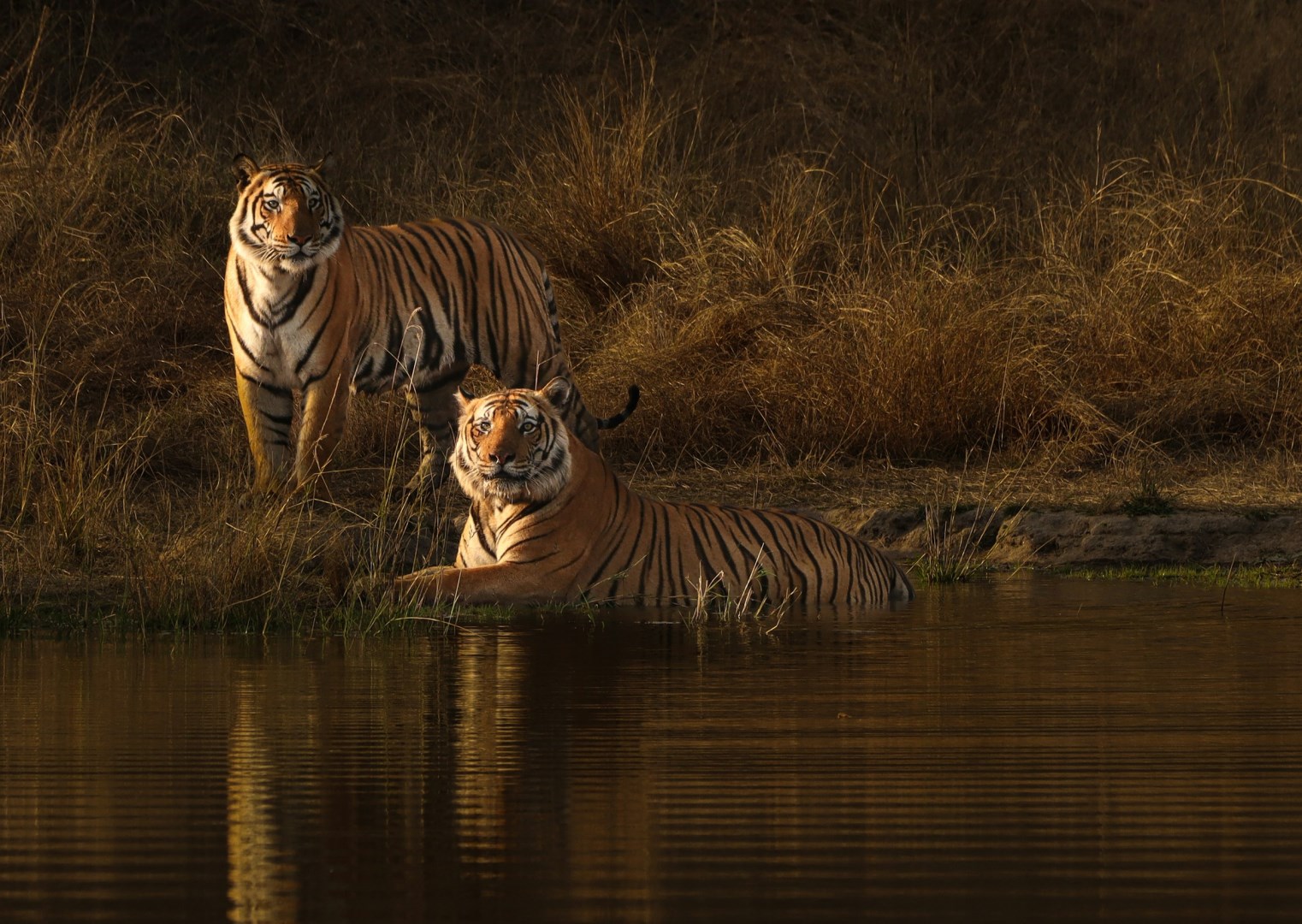
Bandhavgarh National Park is a protected wildlife area in Madhya Pradesh, set among the hills and valleys of the eastern Satpura range. It is part of the larger Bandhavgarh Tiger Reserve and is best known for its population of Bengal tigers. The landscape includes sal forests, mixed woodland, grasslands, meadows, marshes, and rocky hills, creating varied habitats for wildlife. The reserve also contains streams and seasonal water sources that support animals through the dry months. Its combinatio
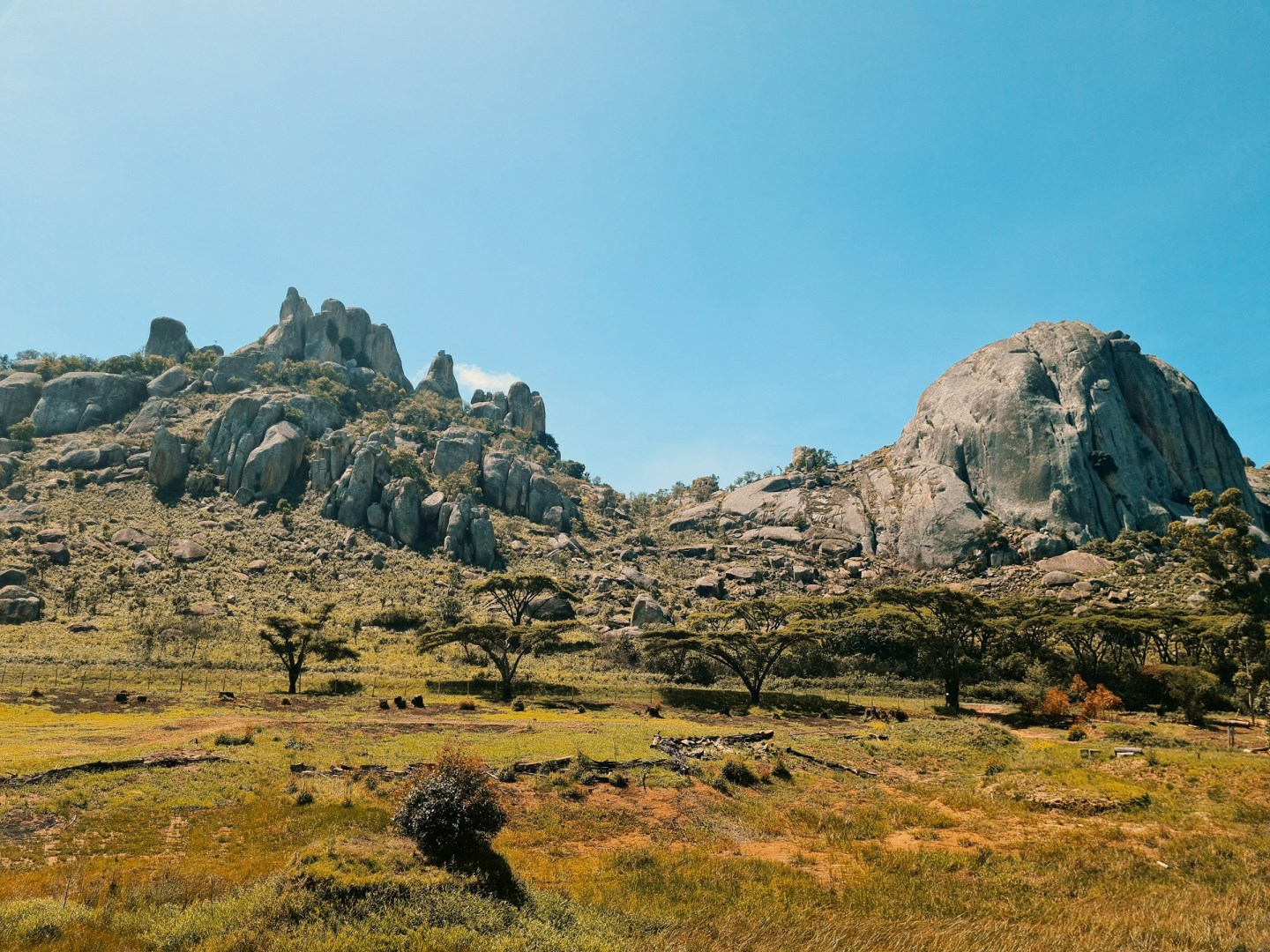
Nyanga
Nyanga is a highland destination in northeastern Zimbabwe, set within the rolling landscapes of the Eastern Highlands. The area is centered on Nyanga National Park, where open grasslands, mountain slopes, rocky outcrops, streams, and patches of woodland create a cooler environment than much of the country.