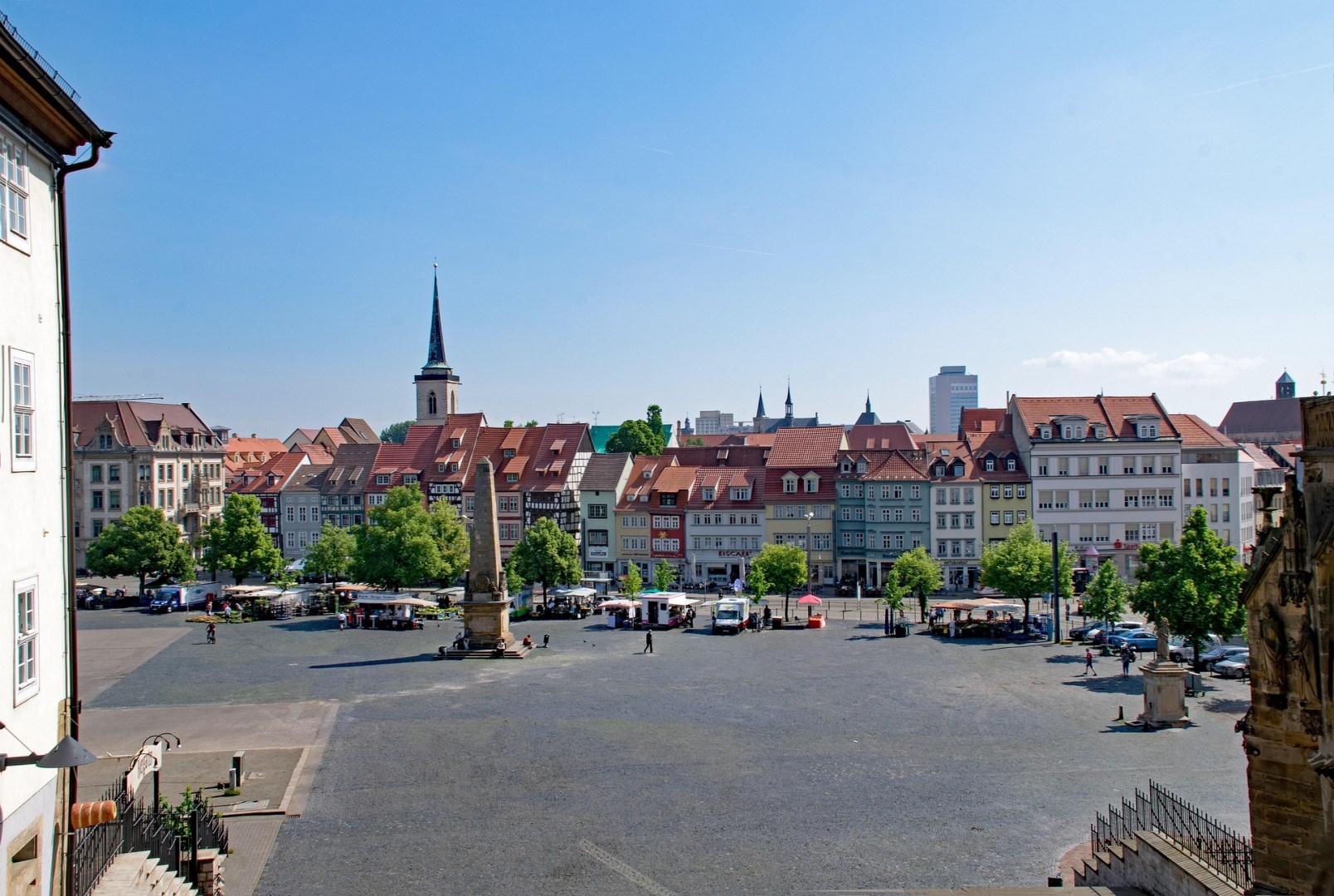
The skyline of Erfurt is shaped by dozens of churches, monasteries, and convents thrusting their pointed steeples upward to the sky. In the Middle Ages, Erfurt was known as "Thuringian Rome" because of its religious orders. The impressive twin churches on the Domberg (Cathedral Hill), the Roman Catholic St. Mary's Cathedral (14th century) and the Roman Catholic Parish church St. Severus with a flight of 70 outdoor steps leading from the Cathedral Square up the hill to the churches.
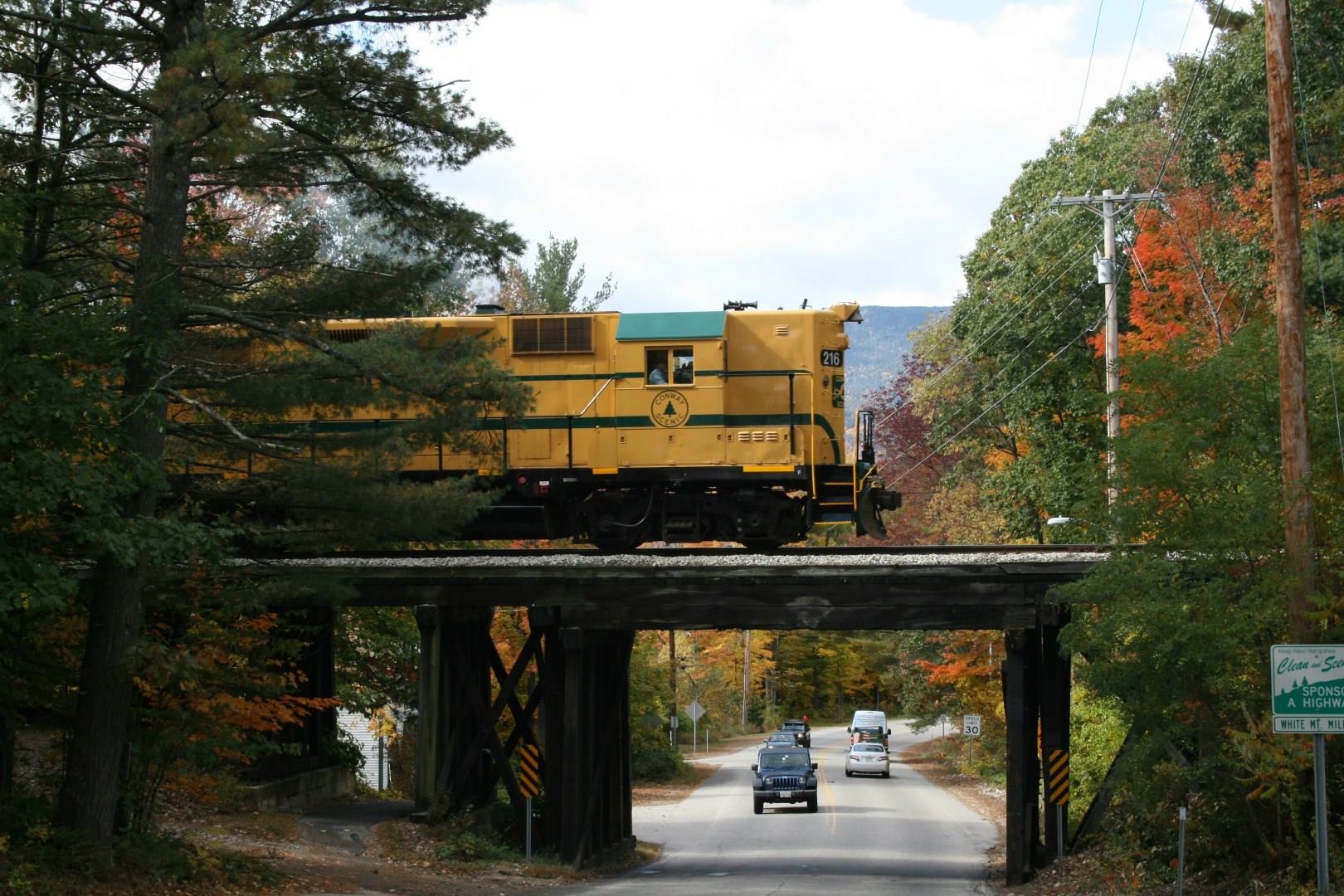
North Conway, located in New Hampshire’s Mount Washington Valley, has drawn visitors since the mid-19th century, when artists from the White Mountain School began painting its dramatic landscapes. Today, the area still offers scenic appeal, anchored by the towering presence of Mount Washington, the tallest peak in the northeastern U.S. Historic photographs and lithographs of North Conway hang in galleries downtown, showing just how little the iconic views have changed in over 150 years.
Paro, Bhutan, is a serene valley town that offers a gateway to the mystical charm of the Land of the Thunder Dragon. Nestled amidst verdant hills and bisected by the glistening Paro Chhu river, Paro is home to some of Bhutan’s most iconic landmarks and cultural treasures. At the heart of this picturesque valley stands the majestic Paro Dzong, or Rinpung Dzong, a fortress-monastery with a history dating back to the 17th century.
Bequia, the largest of the Grenadines, is a hidden gem in the Caribbean Sea that captivates visitors with its unspoiled beauty and warm, welcoming atmosphere. Often described as the "island in the clouds," Bequia (pronounced "Bek-way") offers a tranquil escape where turquoise waters meet lush green hills. The island's charm lies in its simplicity—no sprawling resorts or crowded beaches, just a peaceful haven where time seems to stand still.
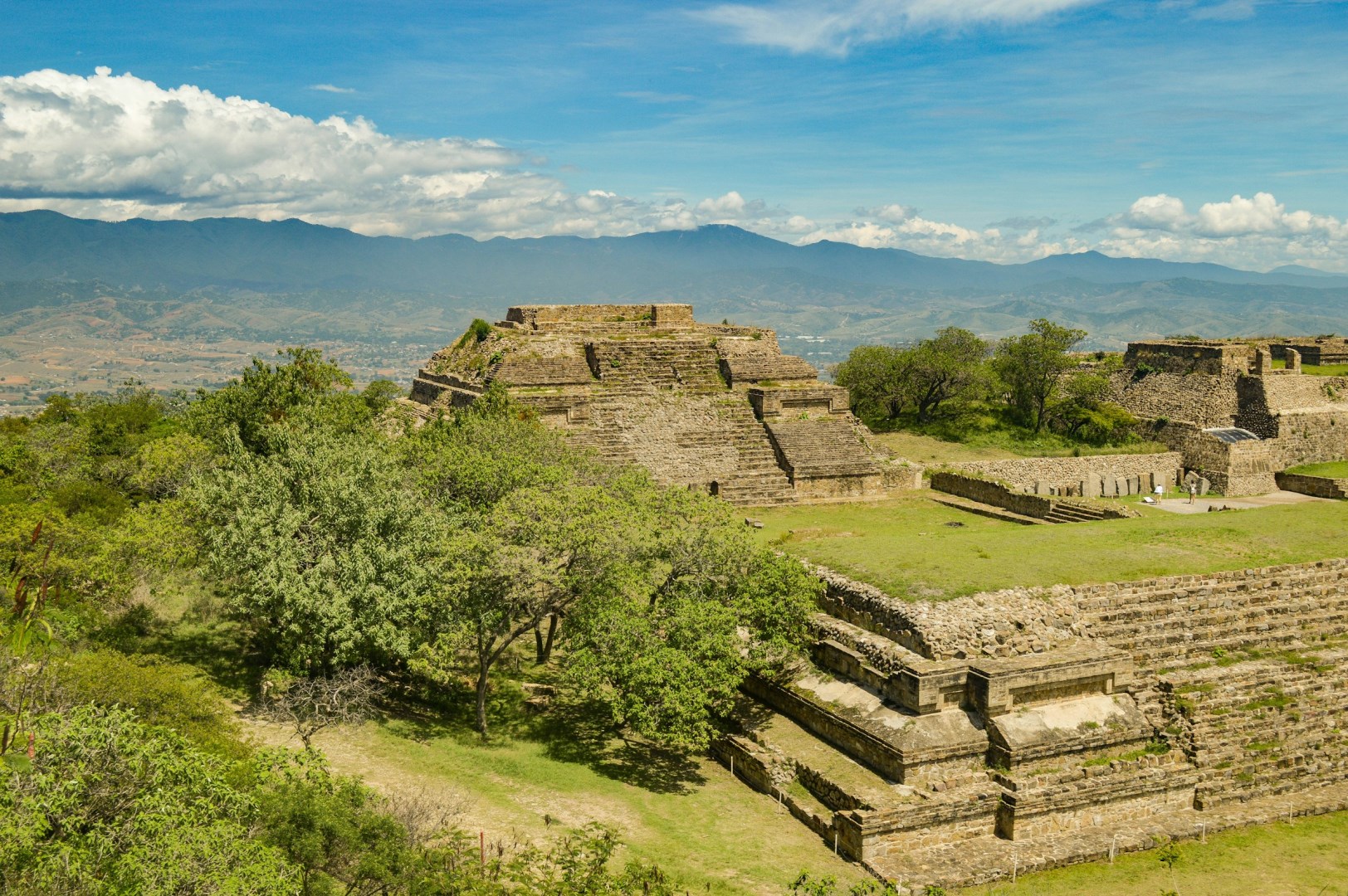
Over a hilltop flattened into a plateau, Monte Albán, the oldest city in mesoamerica, raise it's sacred architecture; holy harmony that eludes elementary symmetry and gives birth to amazing combination of masse and spaces revealing the enormous forces of a spirit whose an coincides with the idea of a perfect universe.
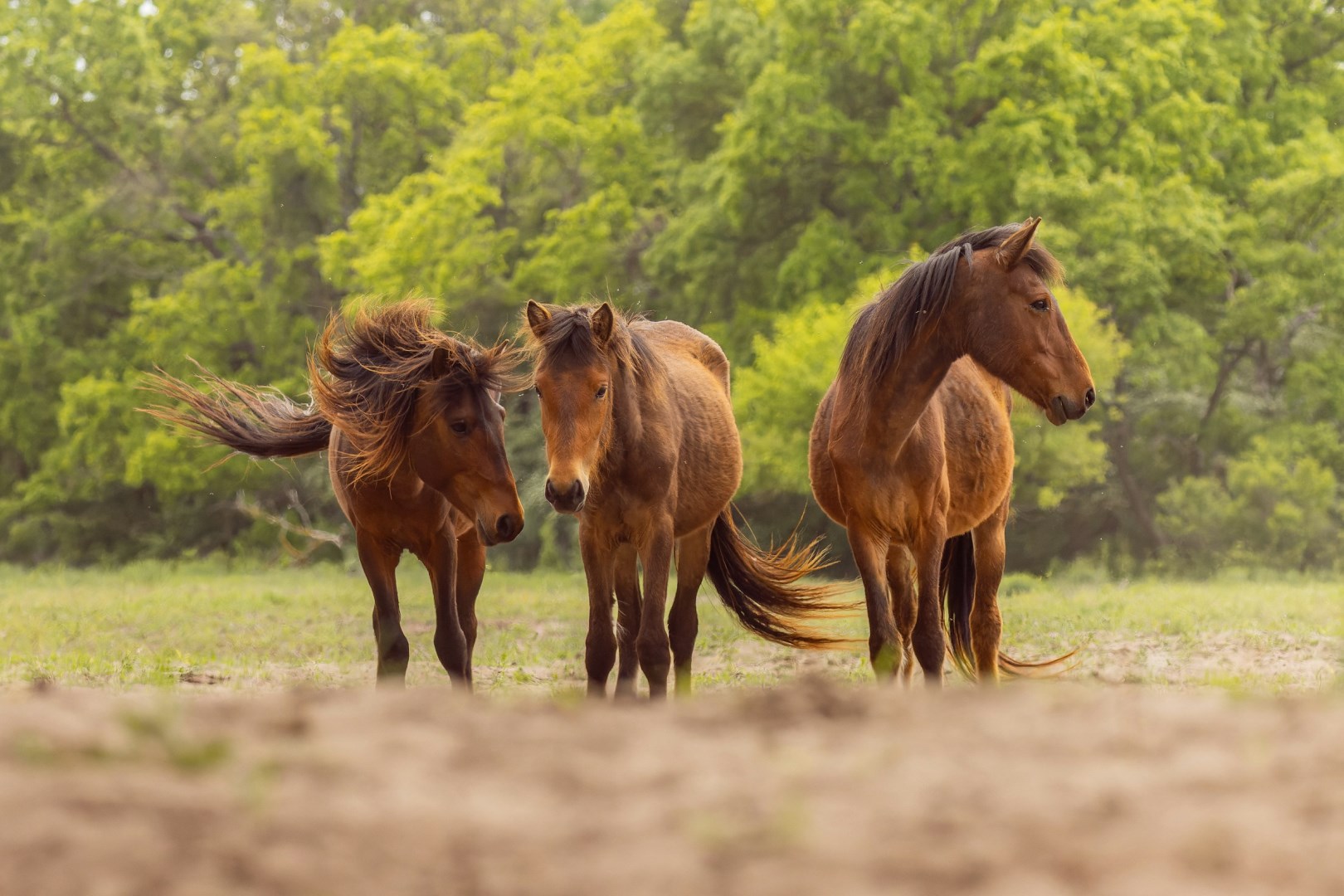
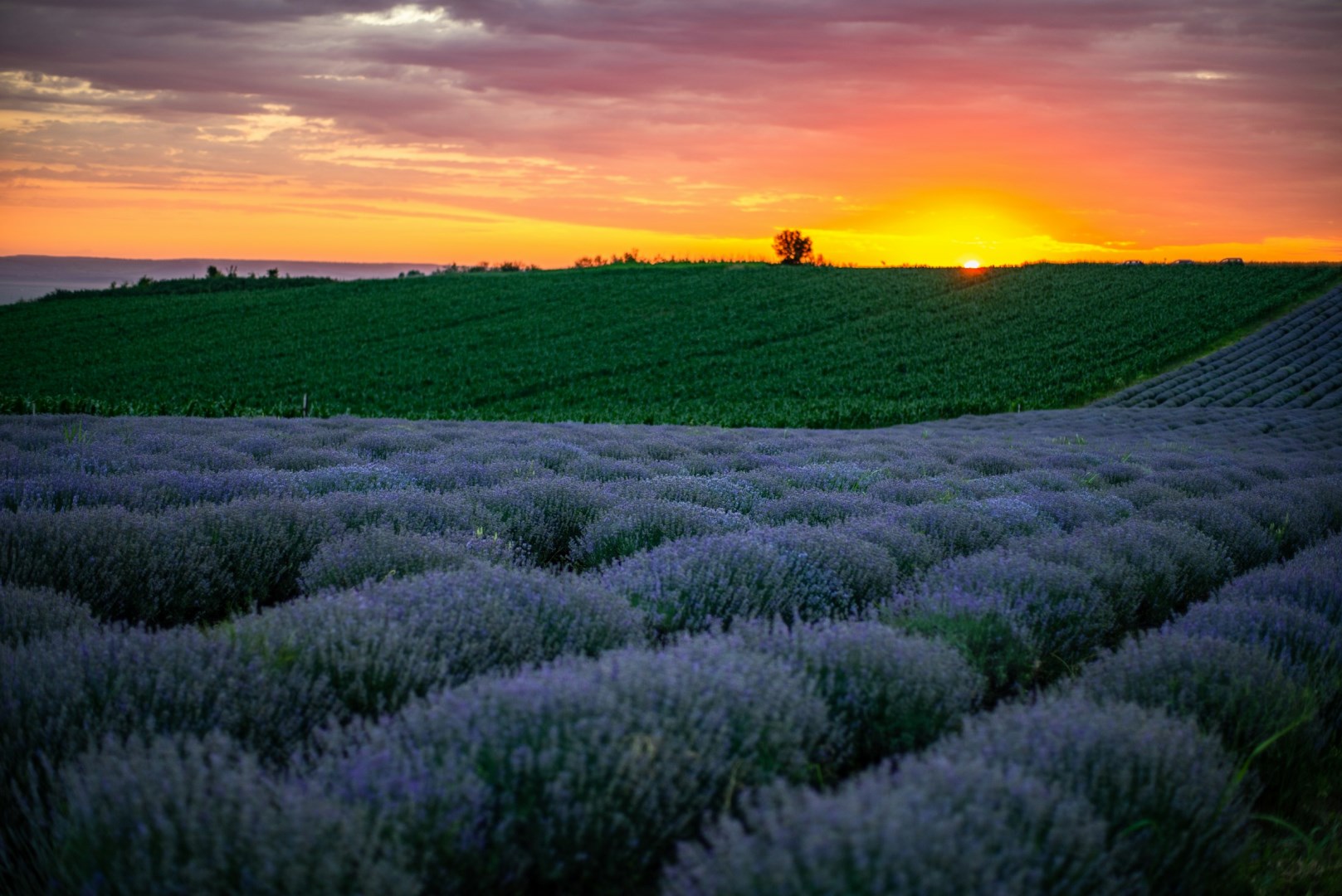
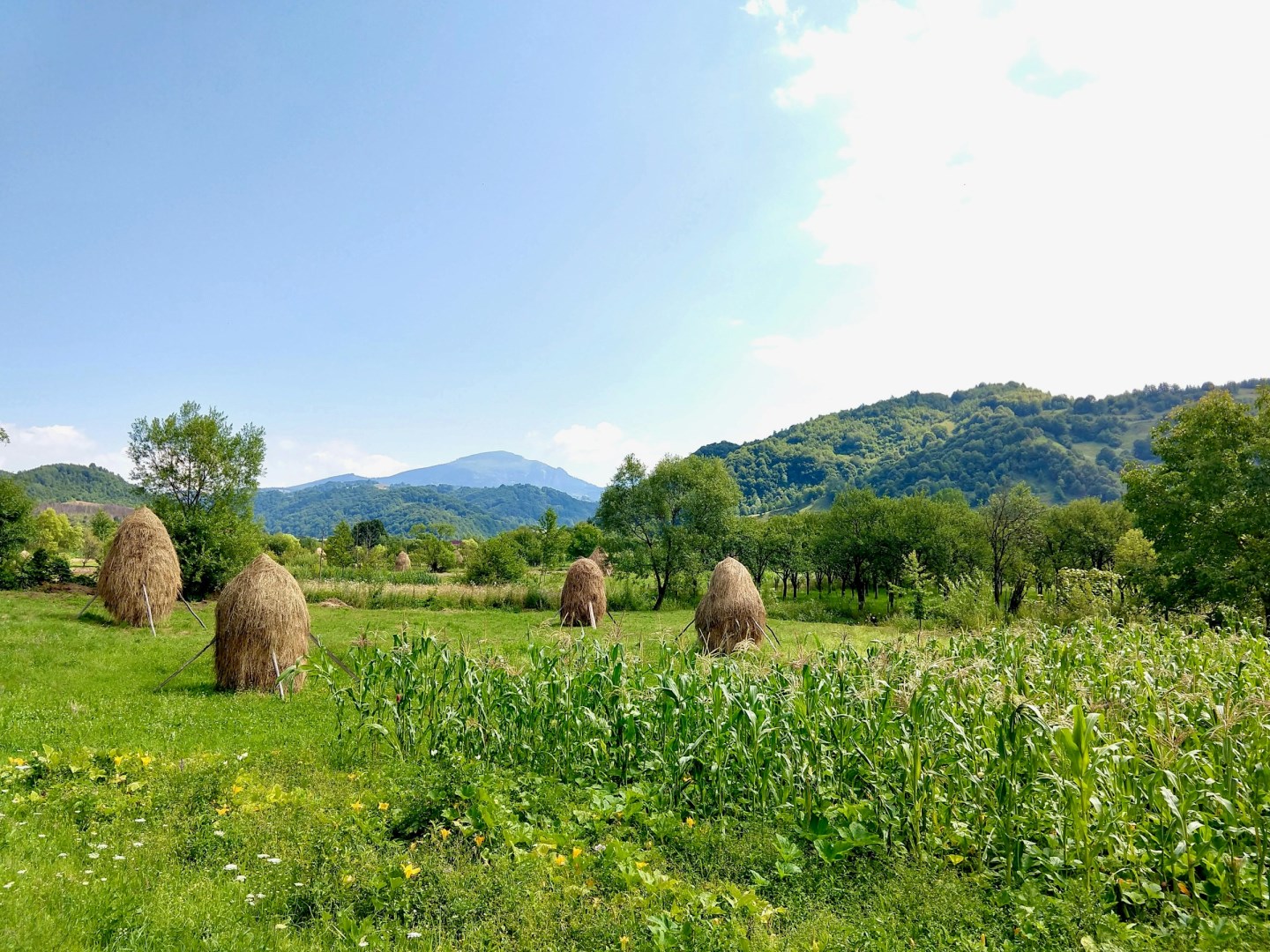
Photo Credit: Photo by Florentina Tilvic on Unsplash
Photo Credit: Photo by Ghenadie Cebanu on Unsplash
Photo Credit: Photo by Gloria Cretu on Unsplash
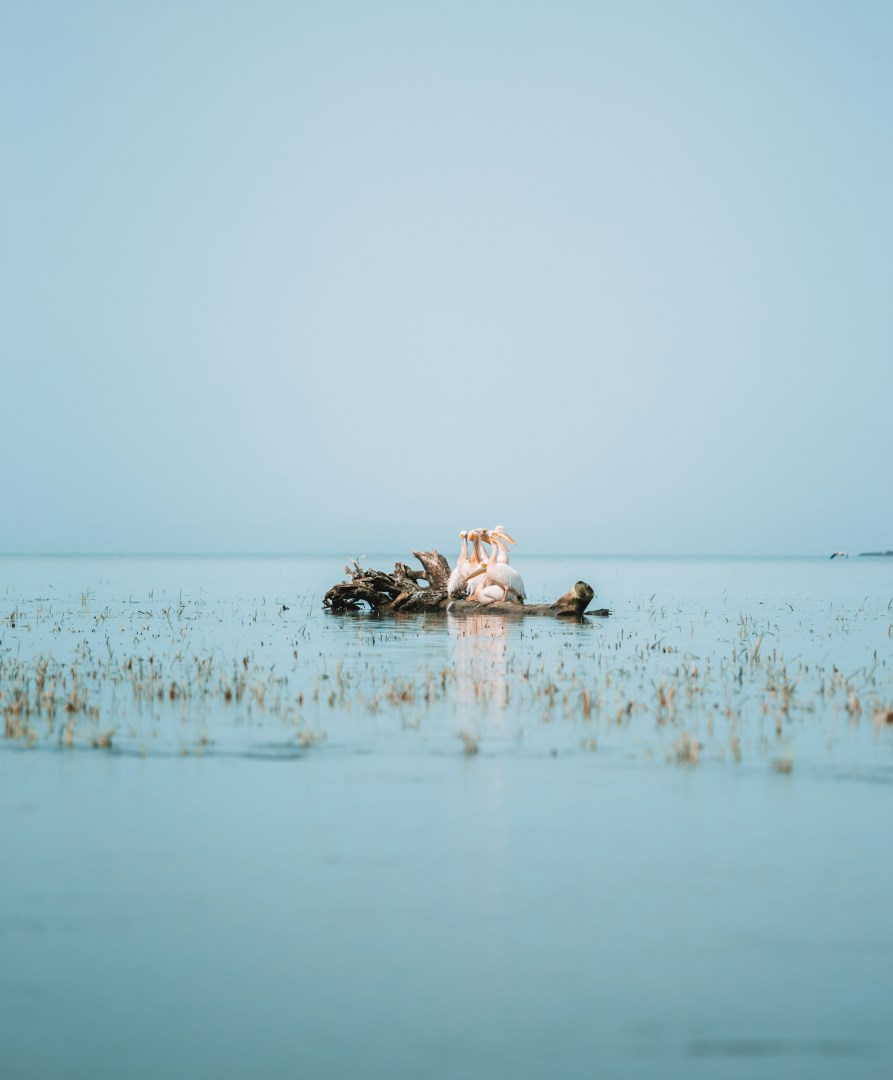
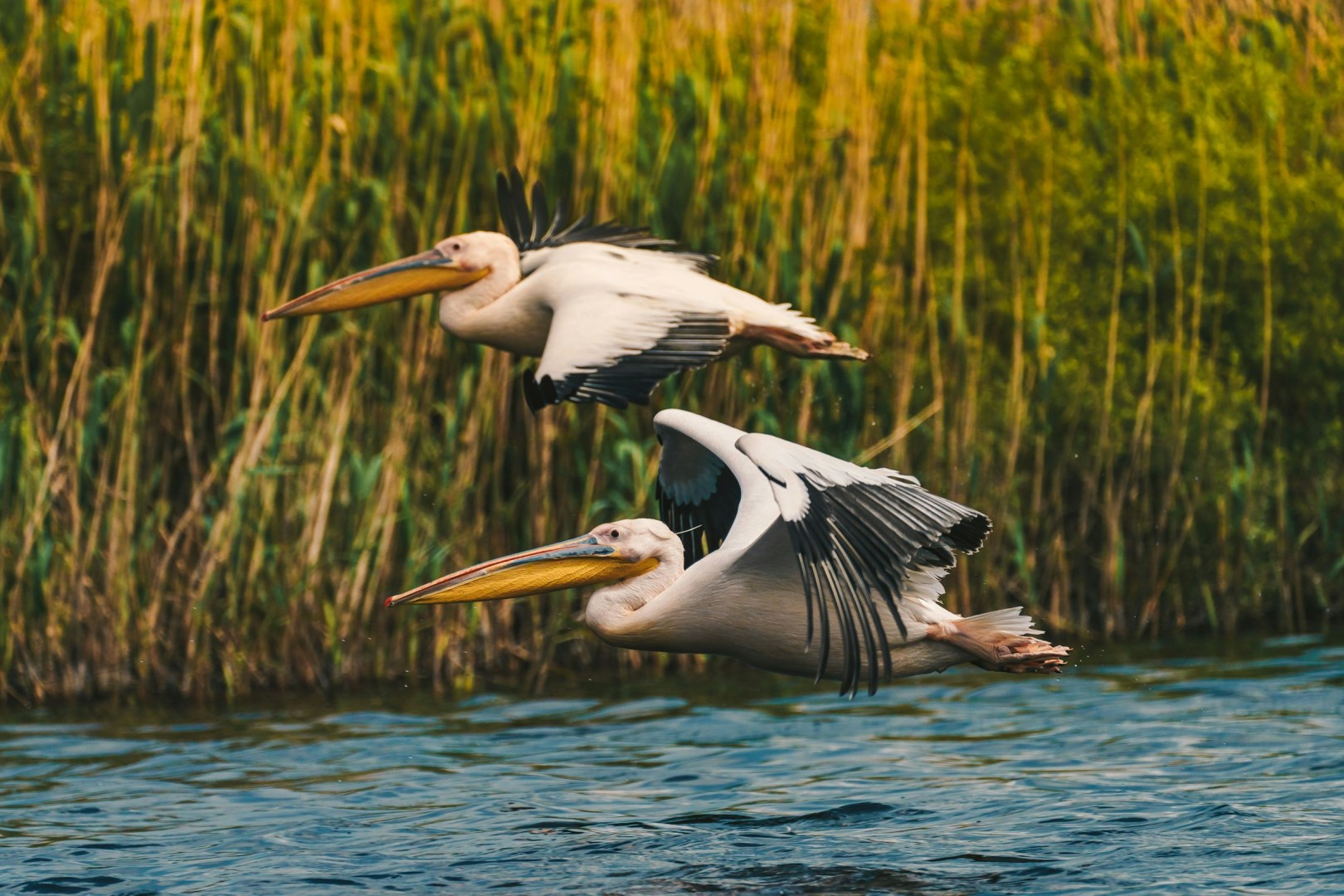
Pelicans in the Danube Delta
Photo Credit: Photo by CALIN STAN on Unsplash
Groșii Țibleșului
Photo Credit: Photo by Amelia on Unsplash
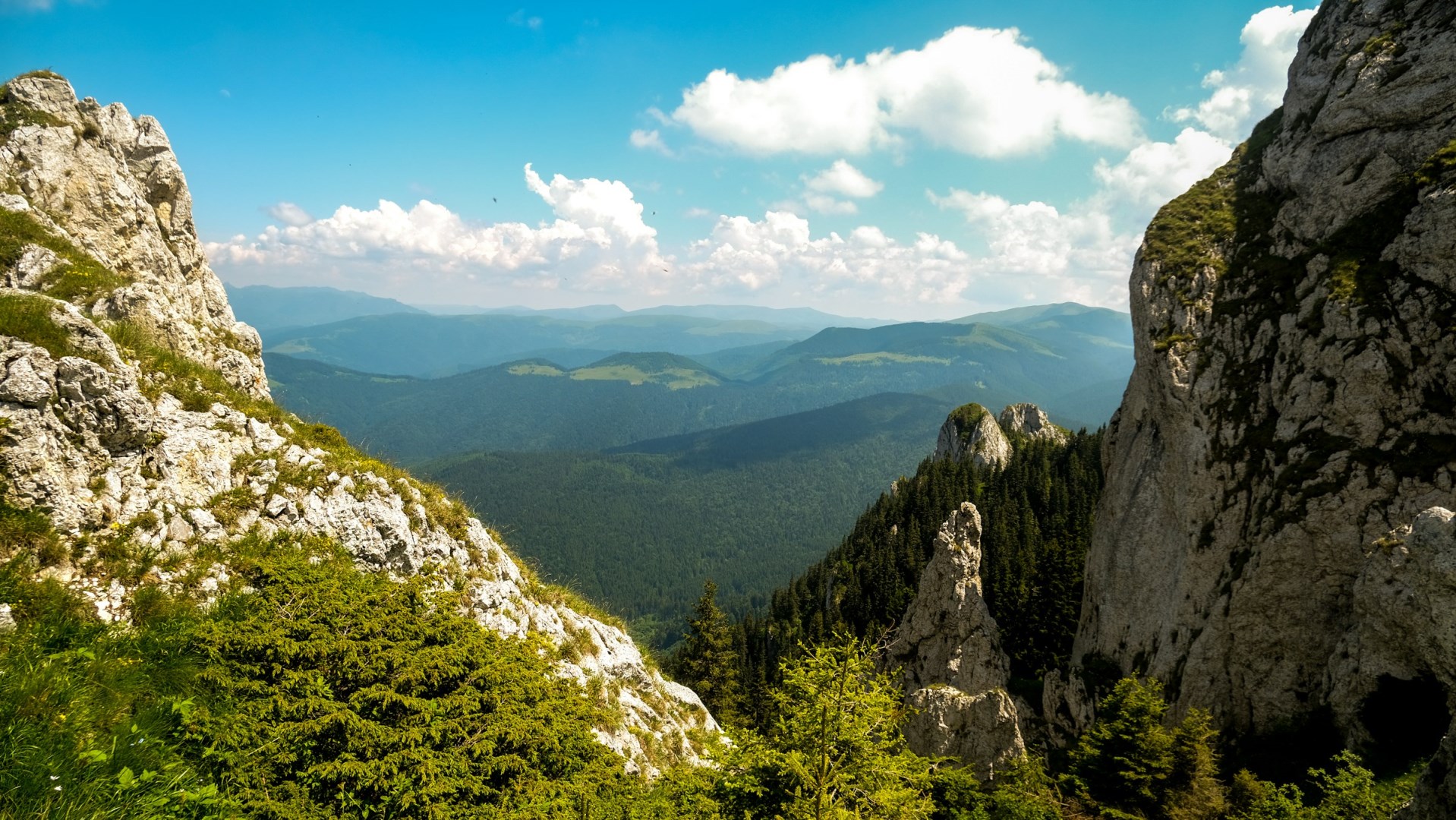
Vârful Piatra Mare
Photo Credit: Photo by Diana Spatariu on Unsplash
In December 1989 Romania was reborn as a free nation. Now this multifaceted country is welcoming tourists to enjoy a wonderfully varied heritage of traditional culture, scenic splendors and leisure opportunities. A resurgence of endeavor and enthusiasm is re-invigorating the country's tourist facilities to create a unique holiday destination.
There's a wealth of things to do and see in Romania with an intensive range of activities and places to visit. You can ski at traditional or purpose-built mountain resorts or laze in the hot sun on the Black Sea beaches comparable to those on the Mediterranean. You can hike through unspoilt landscapes, where rivers run clear, or take a boat in the 5,640 sq km (2,200 sq miles) water wilderness on the Danube Delta, of which 4,340 sq km (1,695 sq miles) in Romania to watch pelicans and other rare birds among floating reed islands. Or you can enjoy the architecture, museums and galleries of the cities.
The very name 'Romania' reminds us that ancient Rome exercised a decisive influence on this country and monuments of that era remain. There are feudal fortresses, Byzantine "painted" monasteries and decorated village houses to be admired, while "Dracula's" castle is only one among many other fascinating castles and palaces.
You can watch folk festivals in Transylvania that are genuine expressions of local culture, not merely staged for visitors. When you buy local crafts- like woodcarvings or ceramics you are buying things made to give pleasure in their use, not just throwaway souvenirs. One of many extraordinary aspects of this country is its vibrant rural culture, which for decades the outside world heard little about. Not that Romania's heritage is merely one of folk art! Bucharest used to be called the "Little Paris", and with good reason!
Today first class opera and concerts, permanent art exhibitions, like that of the sculptor Brancusi, fine Museums and galleries are all symptomatic of the new Romania's sophisticated artistic sensibilities.
Better still this is all backed up by the comfort of a widening range of hotels and restaurants, good internal communications by air, train and bus, and surprisingly low prices. Even going to the opera is remarkable value; and as for local delicacies and Romanian wines! Romania is on the move. Come and see for yourself.