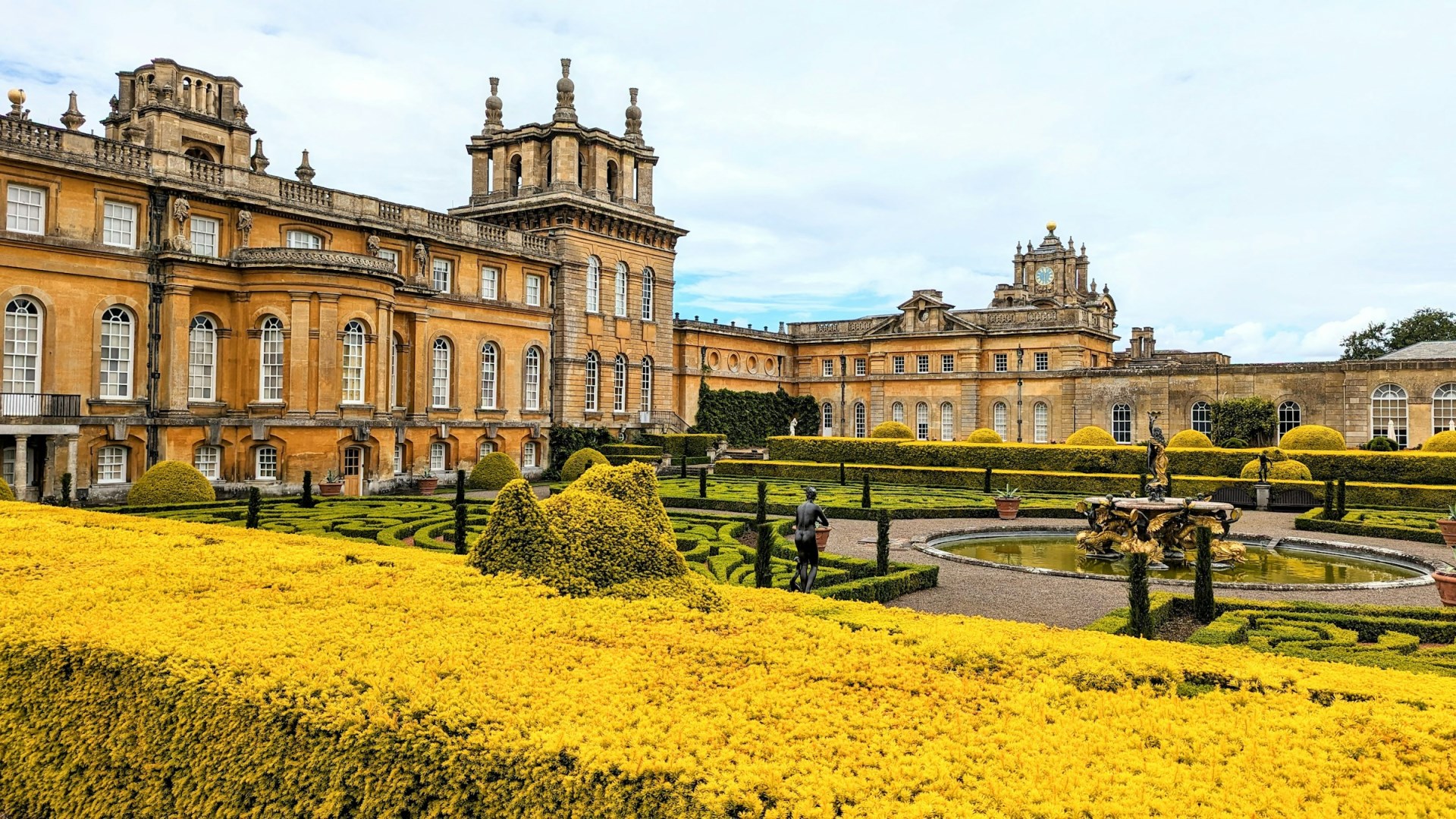
Woodstock is a historic market town in Oxfordshire, located beside the grounds of Blenheim Palace and surrounded by the countryside of the Cotswolds. Its compact centre is lined with honey-coloured stone buildings, independent shops, galleries, cafés, and traditional pubs. The town’s Market Place and Town Hall form a natural focal point, while streets such as Park Street and Oxford Street reveal a mixture of Georgian and older architecture.
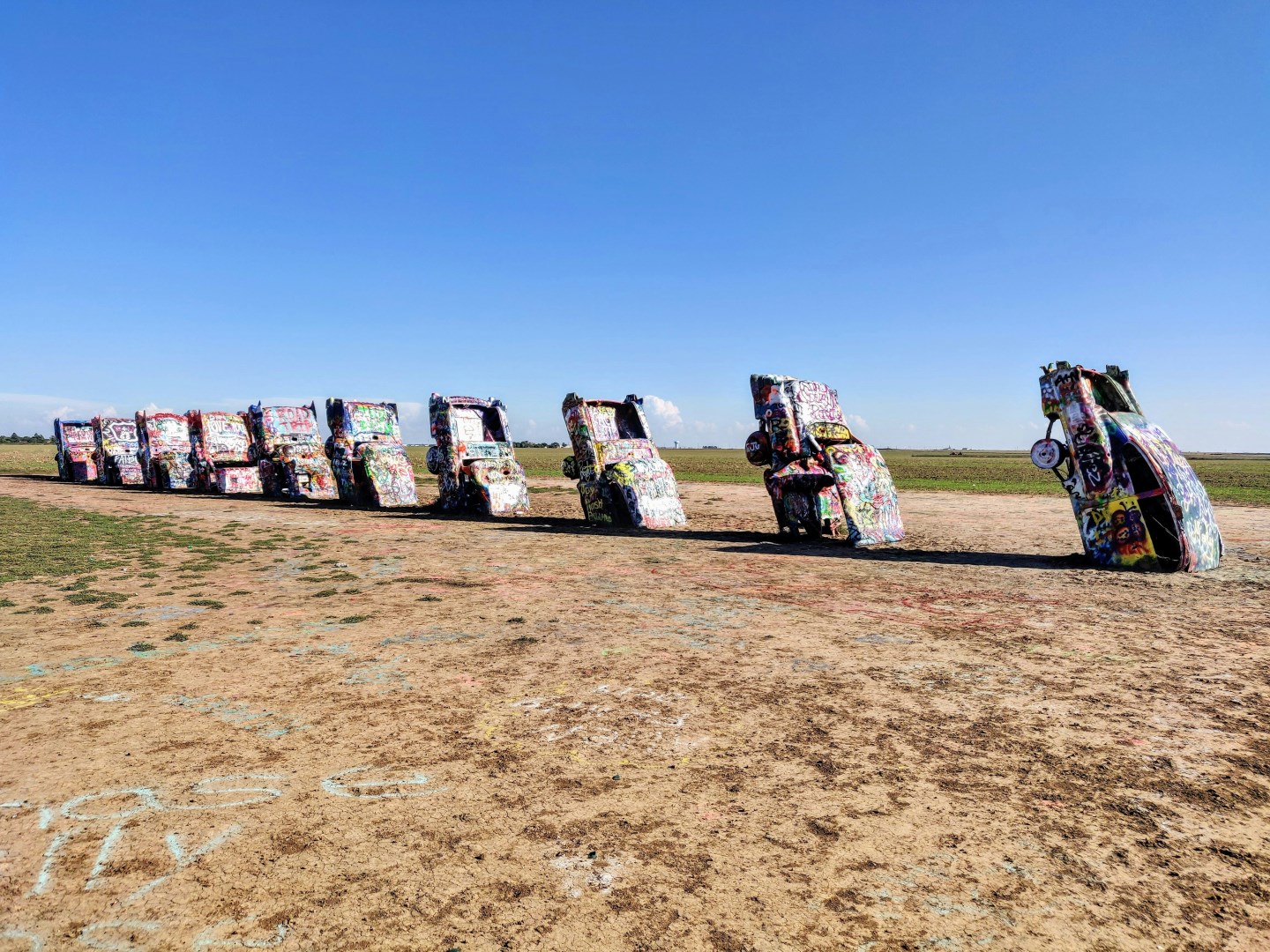
Amarillo is a city in the Texas Panhandle known for its wide-open plains, cattle industry, and strong connection to Route 66 culture. Positioned along Interstate 40, the city developed as a transportation and trade center serving ranching communities across the region.
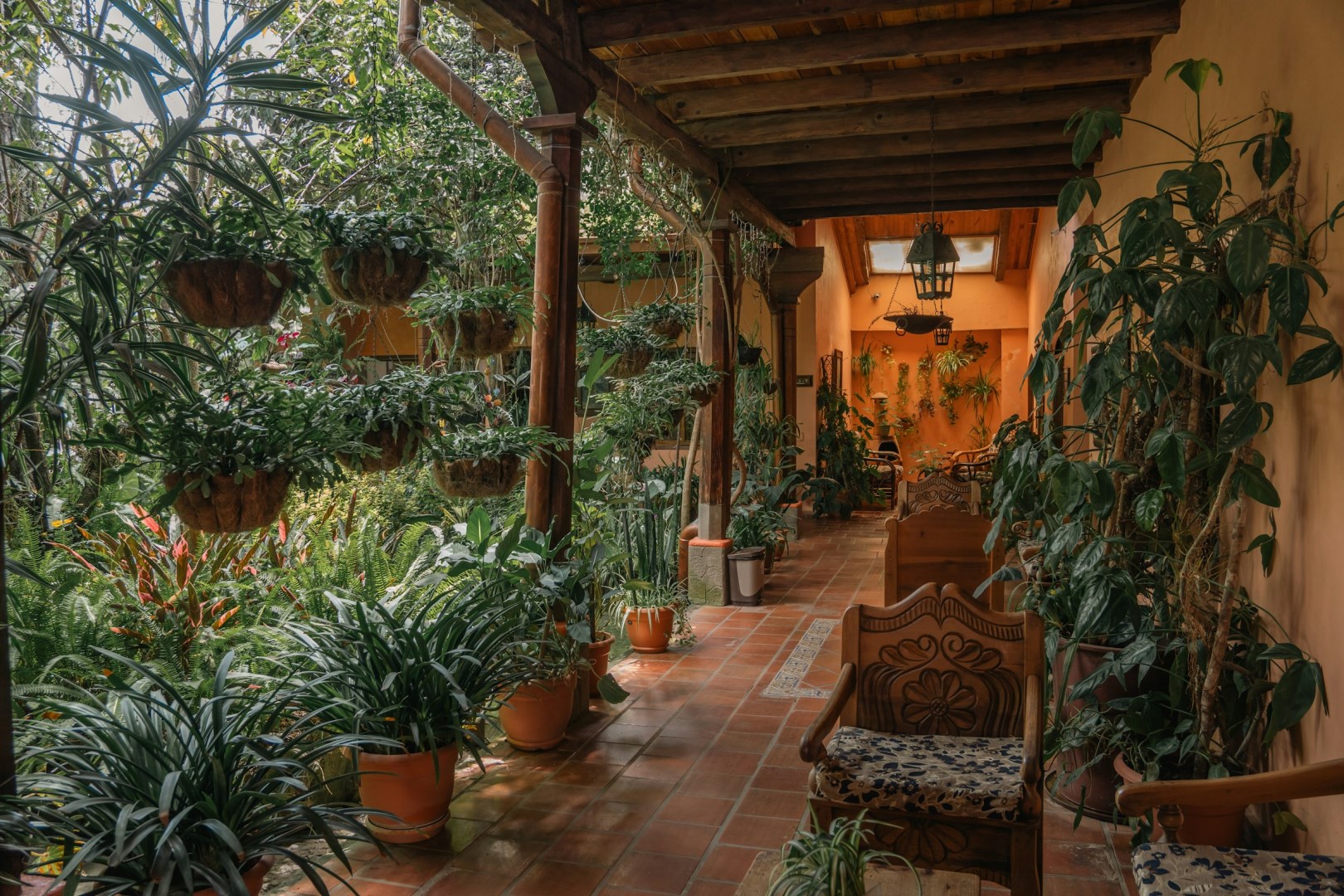
La Esperanza is a highland city in Honduras and the capital of Intibucá department, situated in a cool mountain valley surrounded by pine-covered slopes. The city forms part of the Ruta Lenca, a cultural route through western Honduras, and is closely connected with the Lenca people and their traditions.
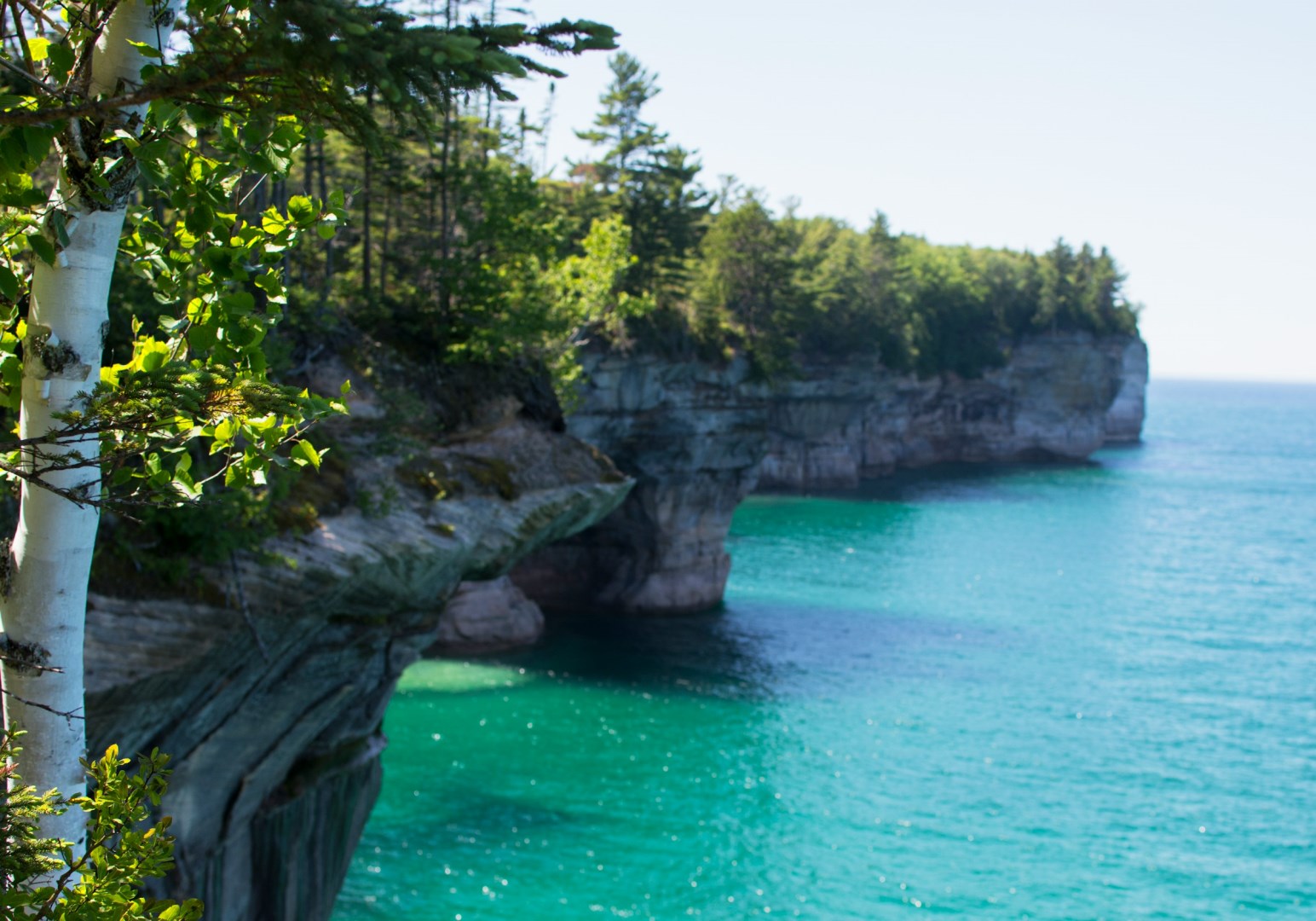
Pictured Rocks National Lakeshore stretches along more than 40 miles of Lake Superior shoreline in Michigan’s Upper Peninsula, between Munising and Grand Marais. It is known for sandstone cliffs, forested hills, beaches, waterfalls, and clear freshwater coves. The shoreline takes its name from the bands of mineral-stained sandstone visible along the cliffs, where iron, copper, and other minerals create natural patterns in the rock.
Martha’s Vineyard, located just seven miles off the coast of Cape Cod, feels like a world apart. This island has long attracted artists, presidents, and vacationers seeking something quieter than the mainland. With six distinct towns, each with its own style, visitors can explore everything from the stately streets of Edgartown, once a prosperous whaling port, to the laid-back vibe of Chilmark, where stone walls and sheep pastures stretch to the sea.
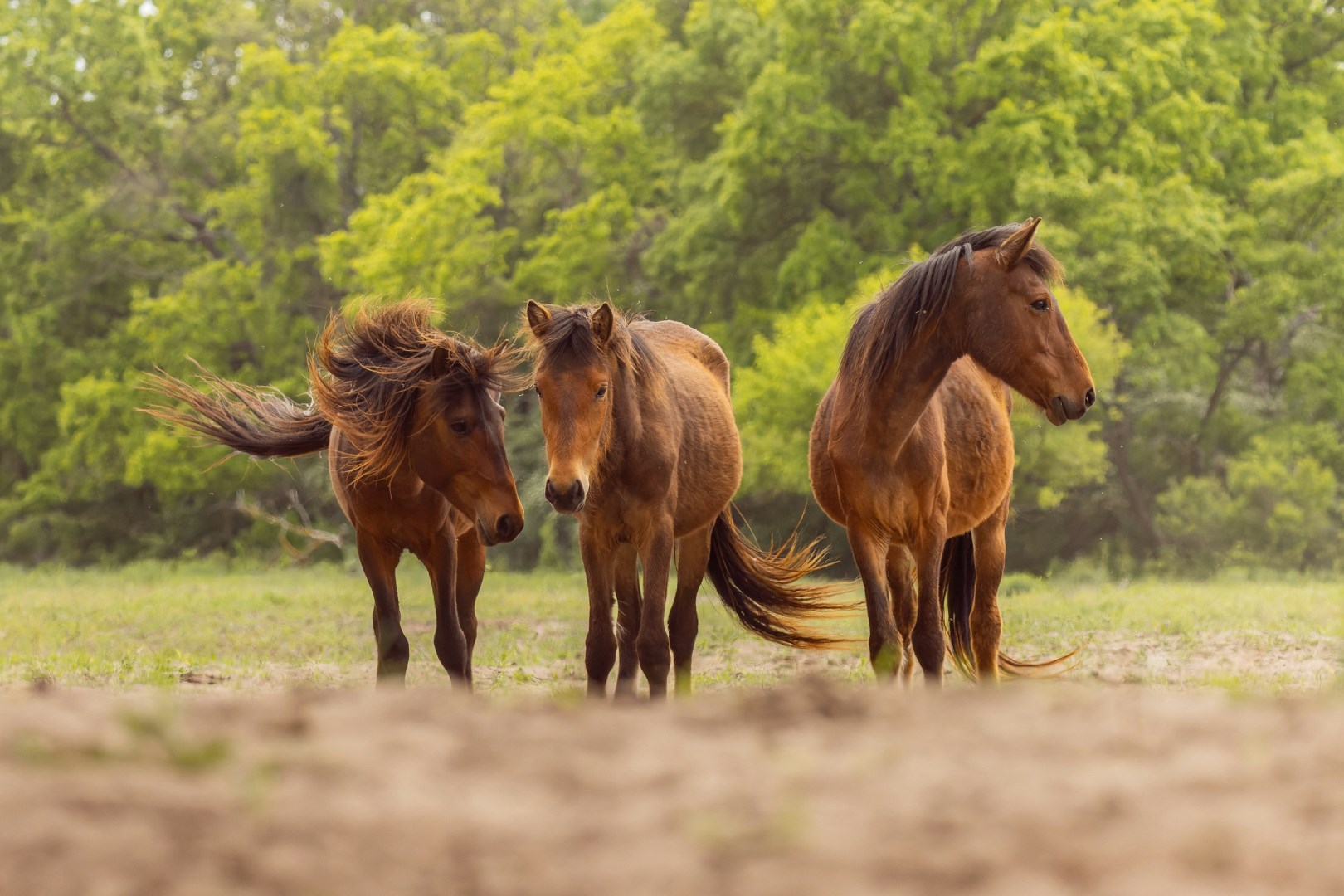
Photo Credit: Photo by Florentina Tilvic on Unsplash
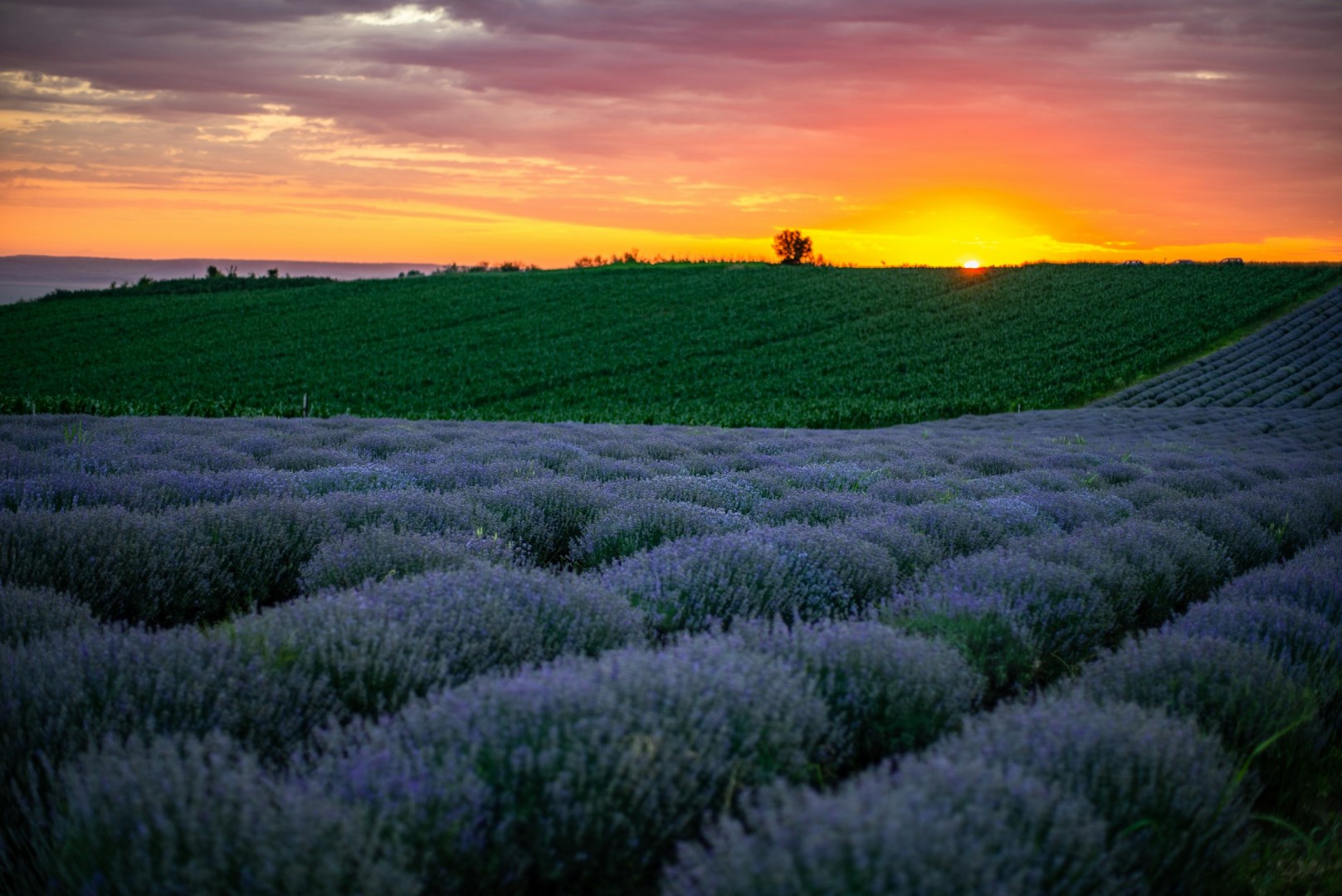
Photo Credit: Photo by Ghenadie Cebanu on Unsplash
Photo Credit: Photo by Gloria Cretu on Unsplash
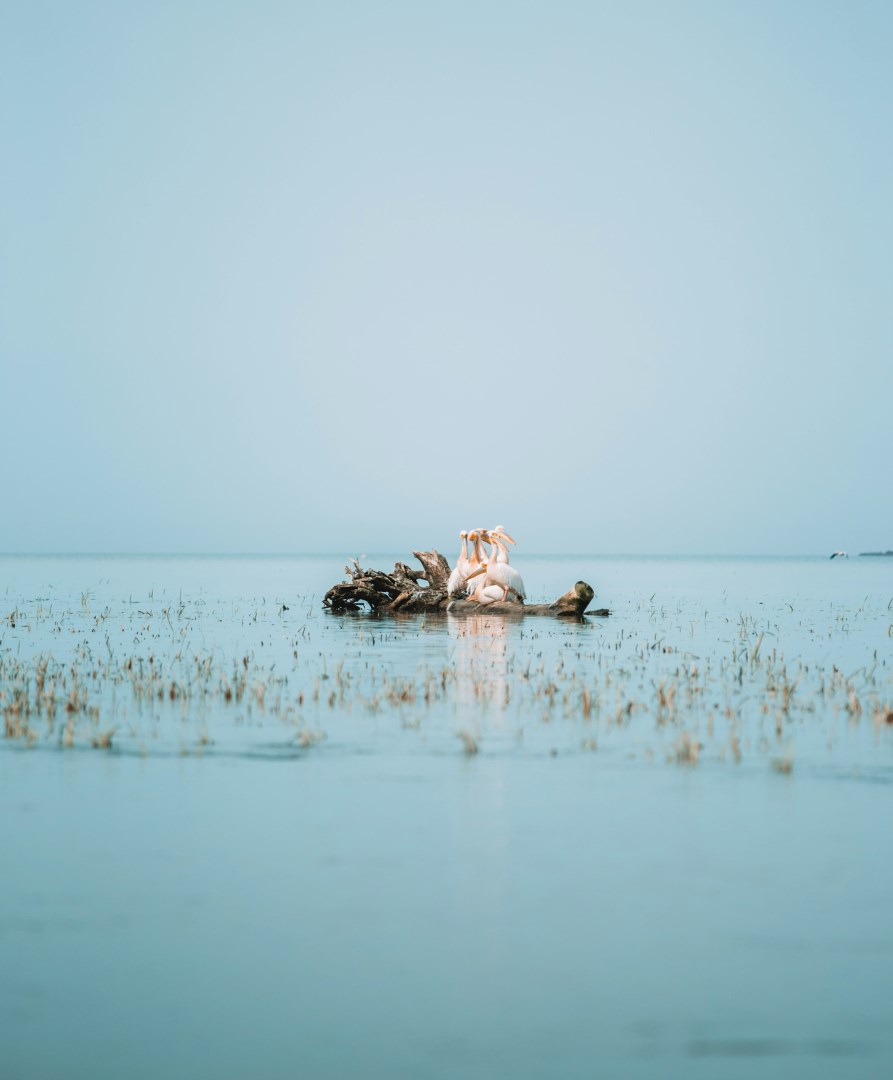
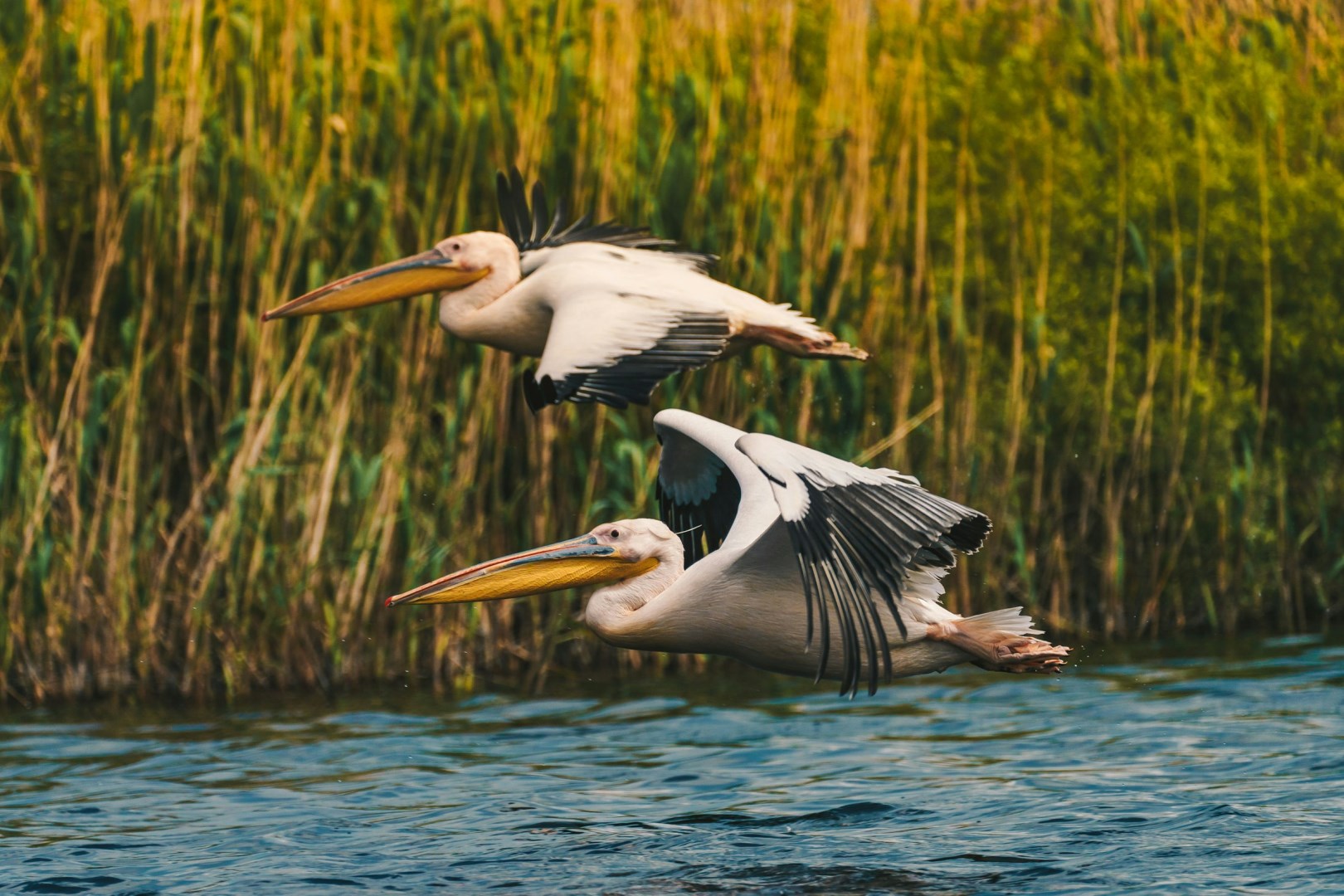
Pelicans in the Danube Delta
Photo Credit: Photo by CALIN STAN on Unsplash
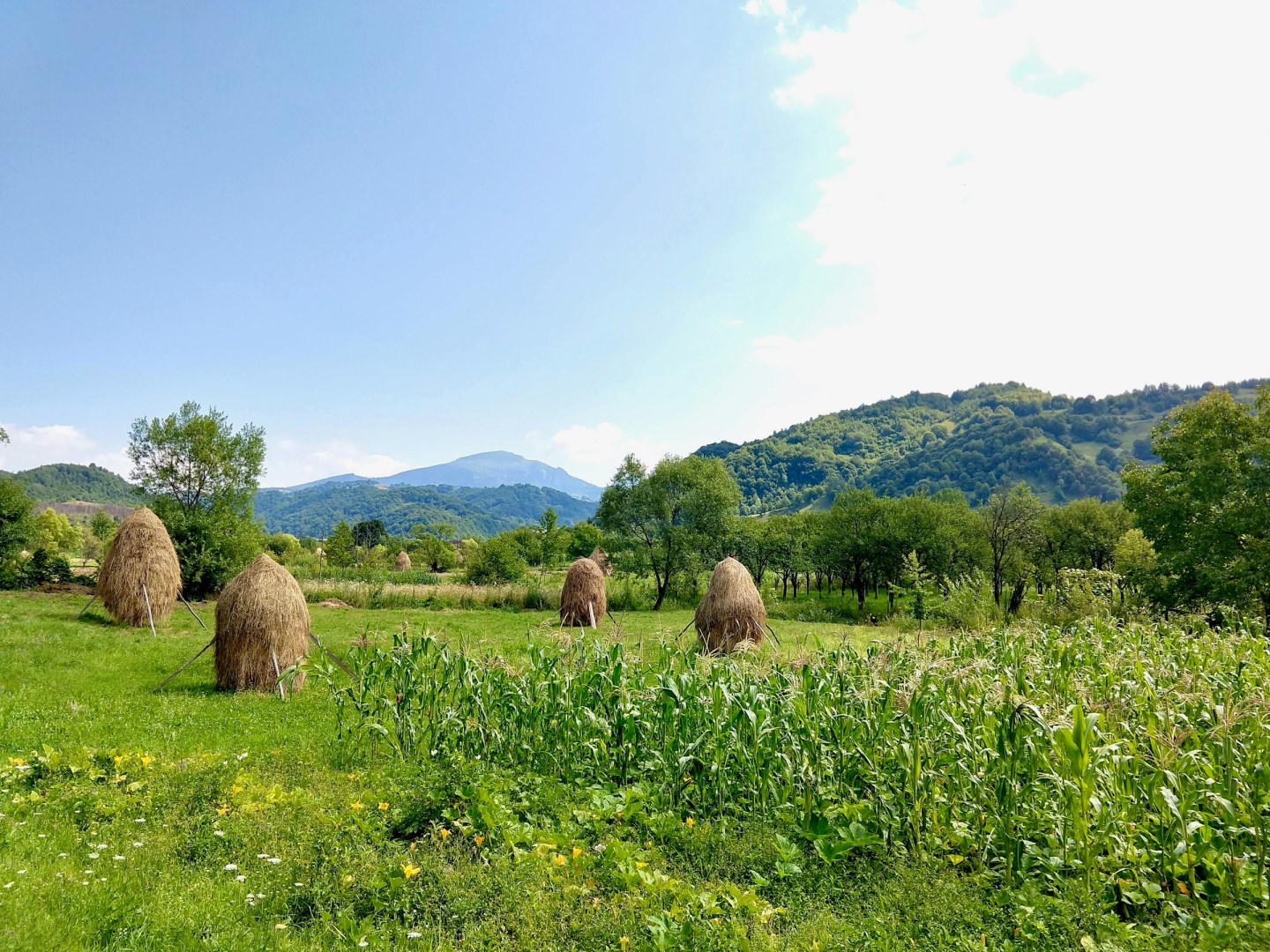
Groșii Țibleșului
Photo Credit: Photo by Amelia on Unsplash
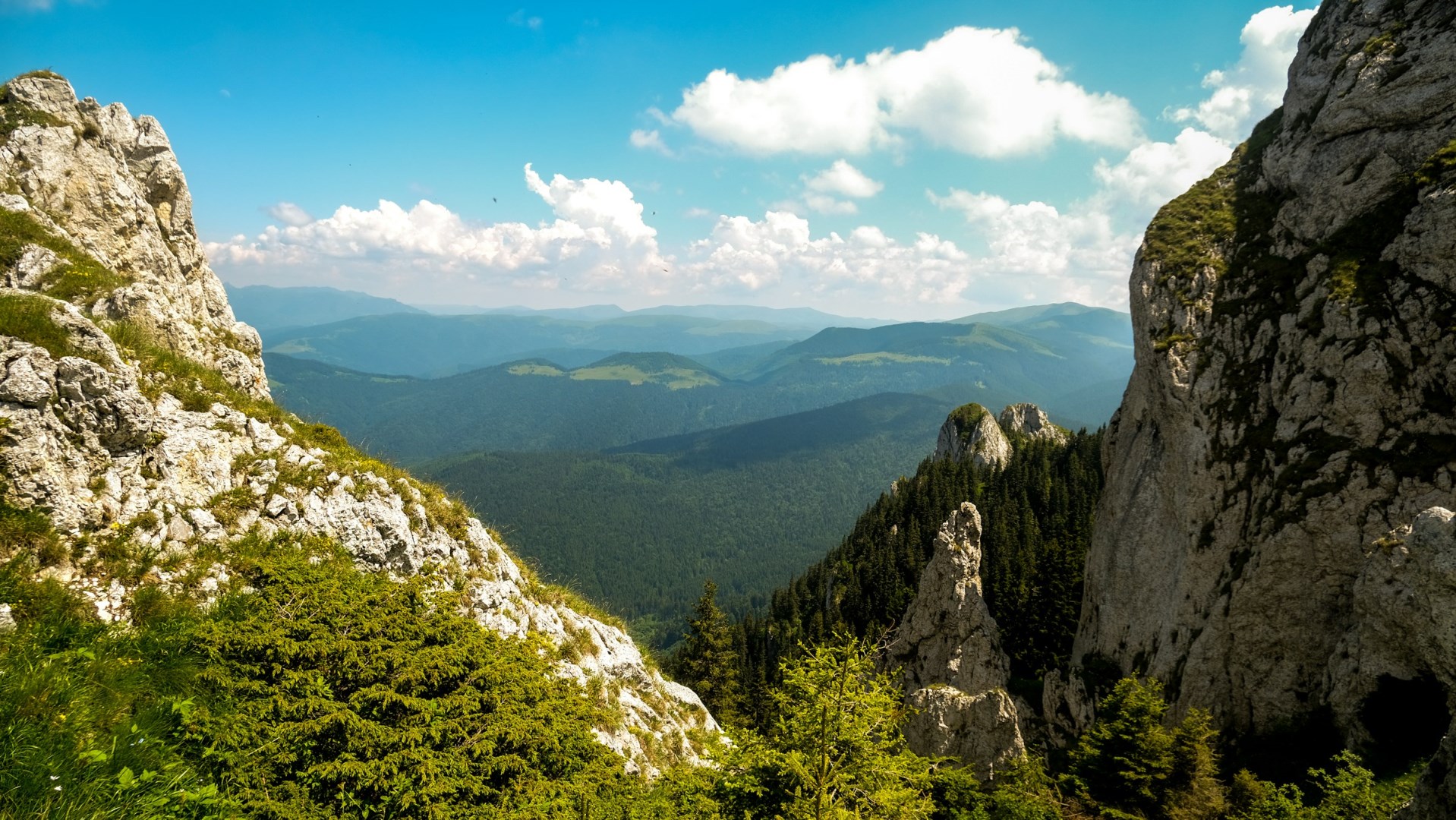
Vârful Piatra Mare
Photo Credit: Photo by Diana Spatariu on Unsplash
In December 1989 Romania was reborn as a free nation. Now this multifaceted country is welcoming tourists to enjoy a wonderfully varied heritage of traditional culture, scenic splendors and leisure opportunities. A resurgence of endeavor and enthusiasm is re-invigorating the country's tourist facilities to create a unique holiday destination.
There's a wealth of things to do and see in Romania with an intensive range of activities and places to visit. You can ski at traditional or purpose-built mountain resorts or laze in the hot sun on the Black Sea beaches comparable to those on the Mediterranean. You can hike through unspoilt landscapes, where rivers run clear, or take a boat in the 5,640 sq km (2,200 sq miles) water wilderness on the Danube Delta, of which 4,340 sq km (1,695 sq miles) in Romania to watch pelicans and other rare birds among floating reed islands. Or you can enjoy the architecture, museums and galleries of the cities.
The very name 'Romania' reminds us that ancient Rome exercised a decisive influence on this country and monuments of that era remain. There are feudal fortresses, Byzantine "painted" monasteries and decorated village houses to be admired, while "Dracula's" castle is only one among many other fascinating castles and palaces.
You can watch folk festivals in Transylvania that are genuine expressions of local culture, not merely staged for visitors. When you buy local crafts- like woodcarvings or ceramics you are buying things made to give pleasure in their use, not just throwaway souvenirs. One of many extraordinary aspects of this country is its vibrant rural culture, which for decades the outside world heard little about. Not that Romania's heritage is merely one of folk art! Bucharest used to be called the "Little Paris", and with good reason!
Today first class opera and concerts, permanent art exhibitions, like that of the sculptor Brancusi, fine Museums and galleries are all symptomatic of the new Romania's sophisticated artistic sensibilities.
Better still this is all backed up by the comfort of a widening range of hotels and restaurants, good internal communications by air, train and bus, and surprisingly low prices. Even going to the opera is remarkable value; and as for local delicacies and Romanian wines! Romania is on the move. Come and see for yourself.
Popular Destinations in Romania
Bucharest
Tree-lined avenues, grand architecture, and the imperative to live well defines Bucharest, a bustling city that is rebounding and expanding. In the 1900s, this vibrant Romanian capital was nicknamed "Little Paris" and that jubilant, raise-a-glass spirit carries over to this day.
Braşov
Nestled in the heart of Romania, Brașov is a charming city that effortlessly blends medieval history with stunning natural beauty. Encircled by the Carpathian Mountains, Brașov's well-preserved medieval architecture and vibrant cultural scene make it a must-visit destination.