Island Of Mozambique
The Island of Mozambique, a UNESCO World Heritage Site, is a historical gem nestled off the northern coast of Mozambique. This small island, which was once a pivotal trading post, boasts a rich tapestry of history and culture. The island's main attraction is the Fort São Sebastião, an imposing 16th-century fortress built by the Portuguese to protect their trading interests.
Lake Ohrid
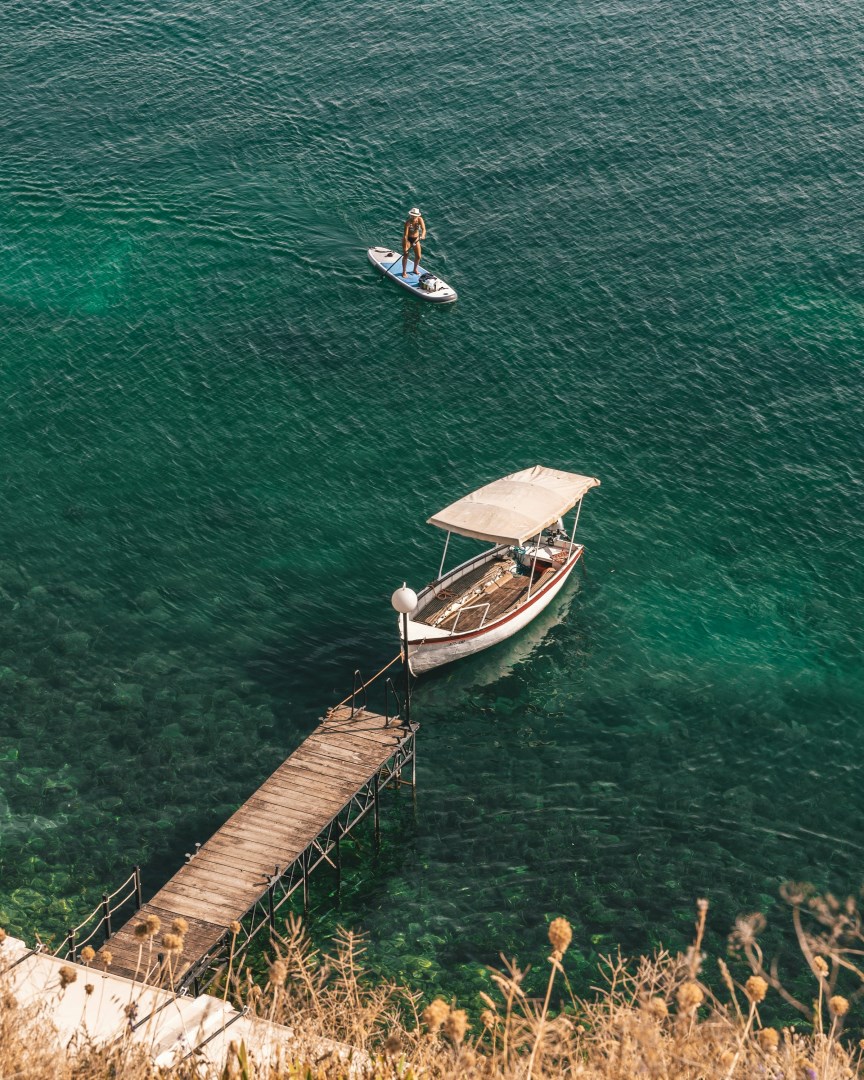
Lake Ohrid, a natural tectonic lake in the south-west corner of Macedonia, is the oldest lake in Europe and one of the oldest lakes in the world. Formed tectonically between four and ten million years ago, the lake is situated in limestone bedrock. Nestled amid mountains at an altitude of 2290 feet, the lake offers striking vistas of the surrounding beach and hills.

Versailles
Versailles, just a short journey from Paris, is a city where grandeur and history converge in a stunning display of French royalty. At the heart of this city lies the iconic Palace of Versailles, a UNESCO World Heritage site that was once the residence of Louis XIV, the Sun King.
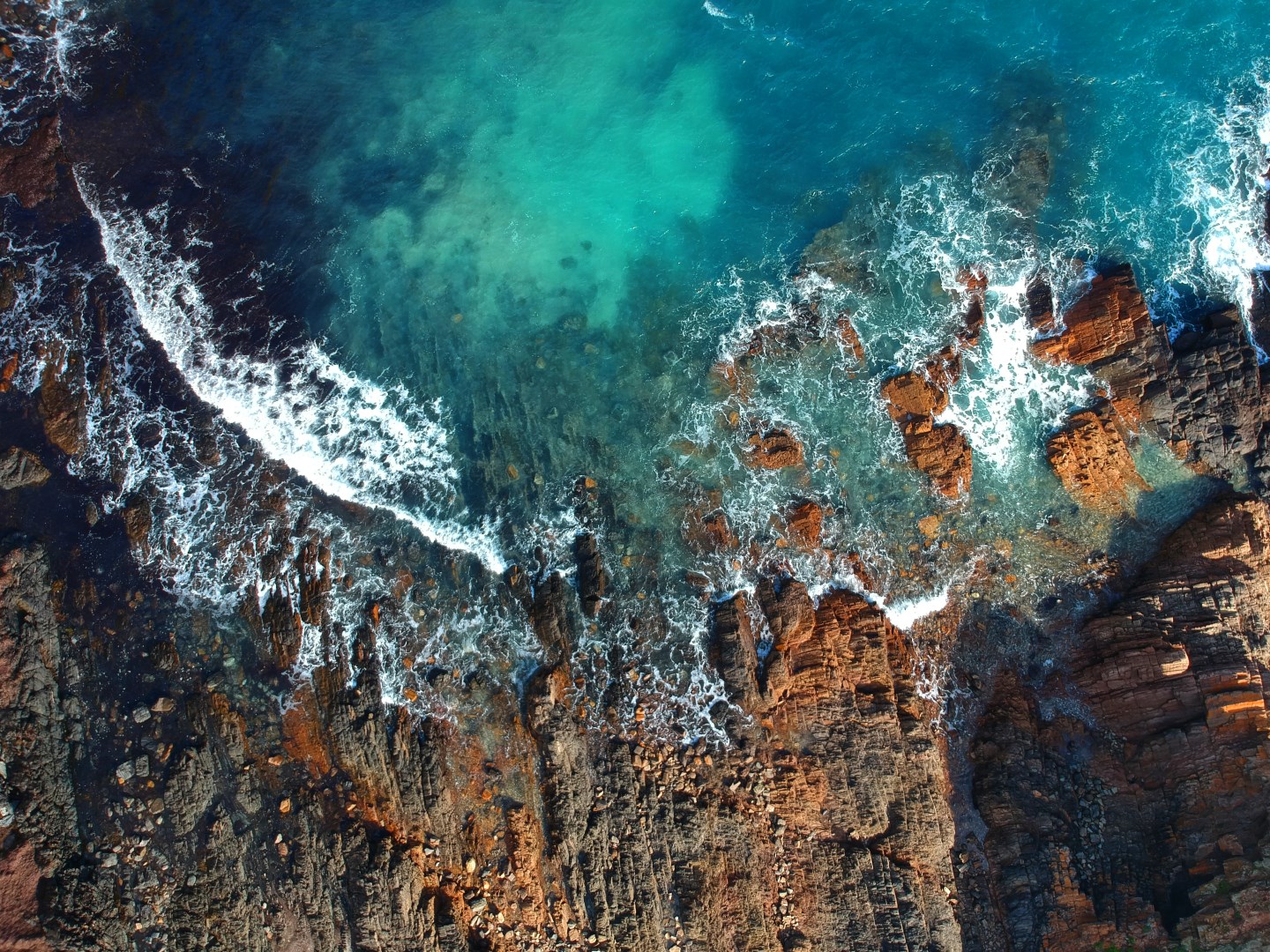
Fleurieu Peninsula
South of Adelaide, the Fleurieu Peninsula blends vineyards, rolling countryside, coastal towns, sandy beaches and rugged ocean scenery.
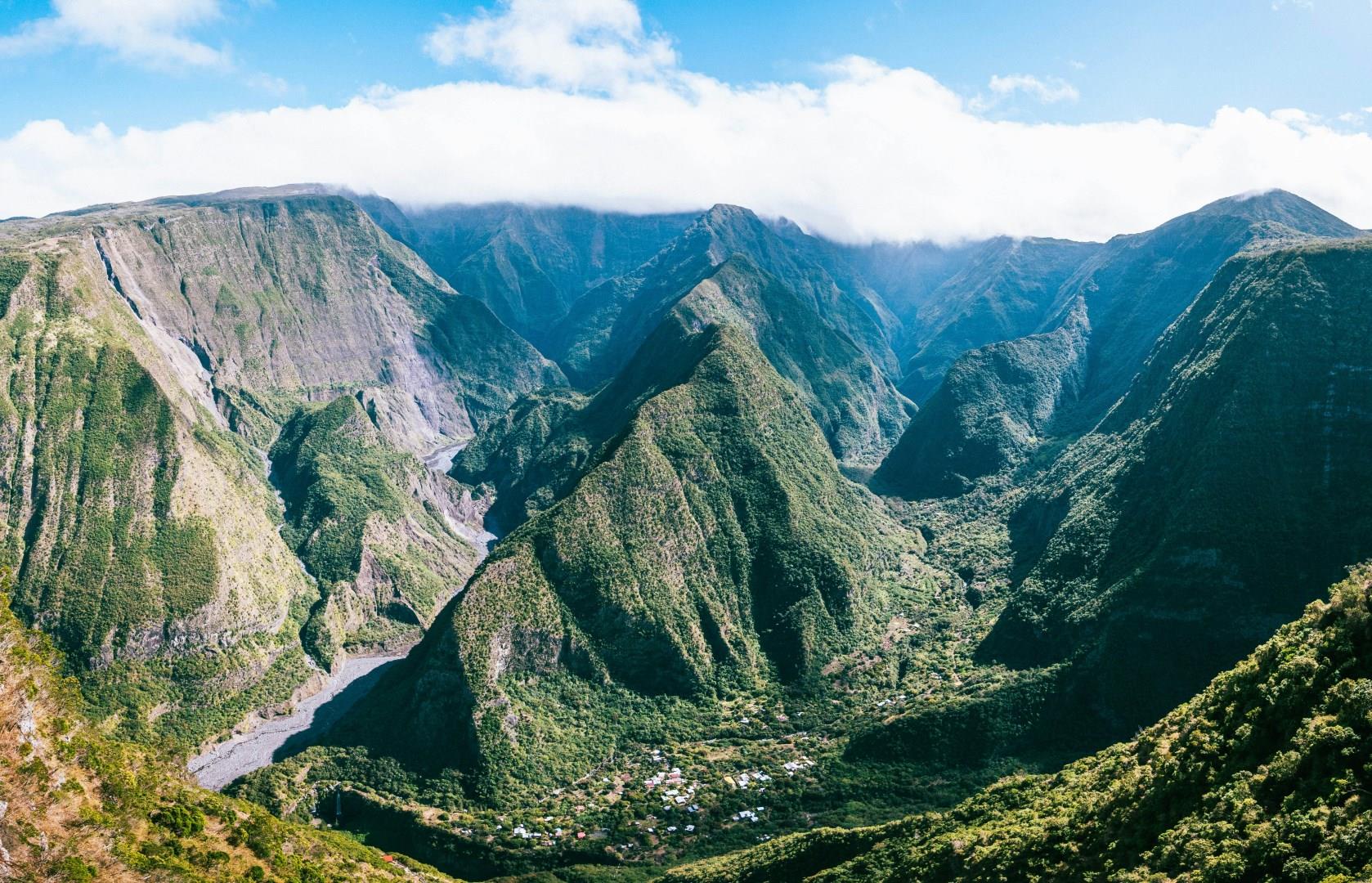
Réunion
Réunion, a French overseas department in the Indian Ocean, lies east of Madagascar and combines European and Creole influences in a tropical setting. Its volcanic landscapes, lush forests, and coastal towns make it an extraordinary destination for those seeking both culture and nature.