Taichung
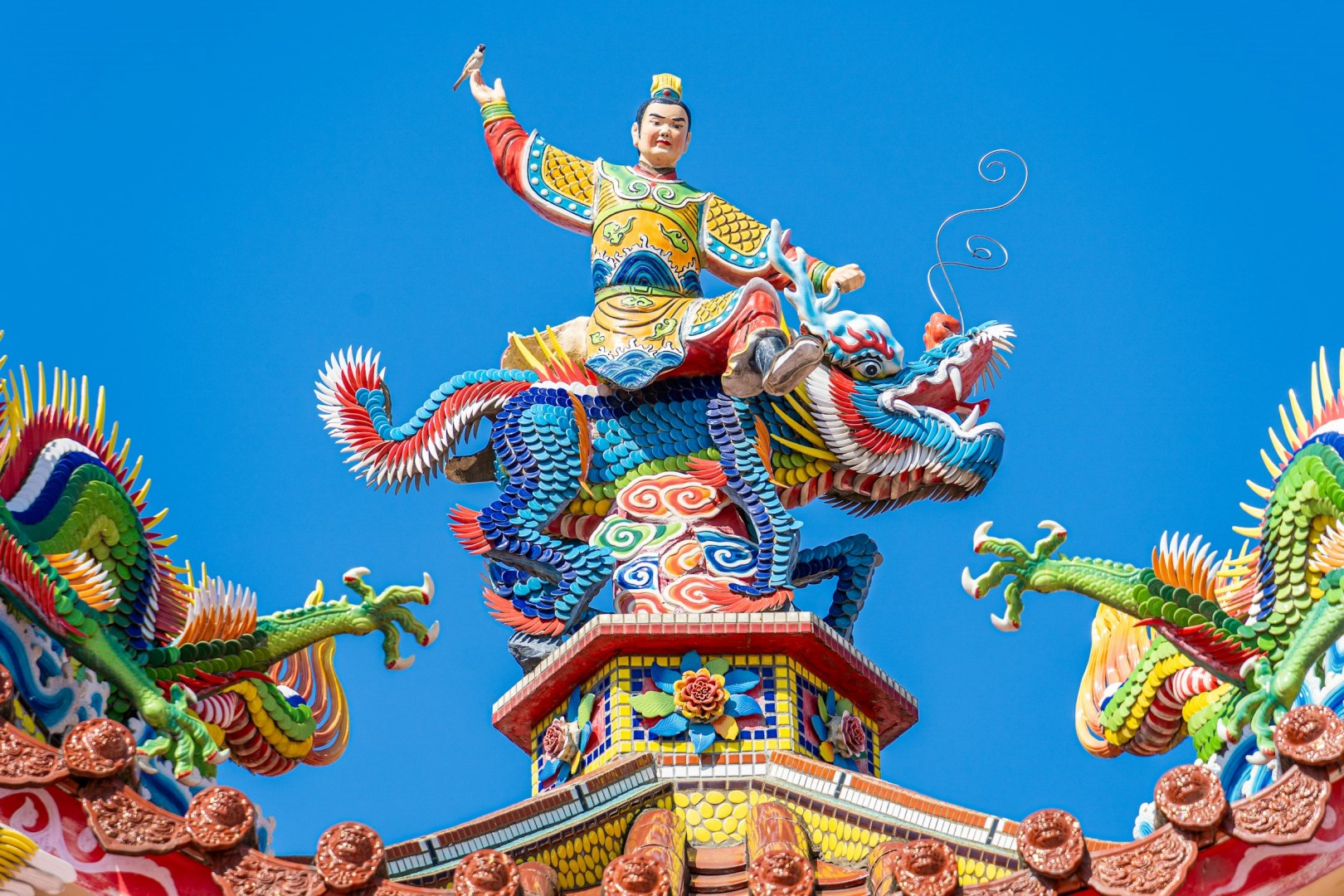
Founded in 1721 by mainland Chinese, it is the third largest city in Taiwan. Occupied by Japanese from 1895-1945, it totally leveled and rebuilt. With many museums, gardens and universities, it is considered the cultural center of Taiwan.
Chiriquí
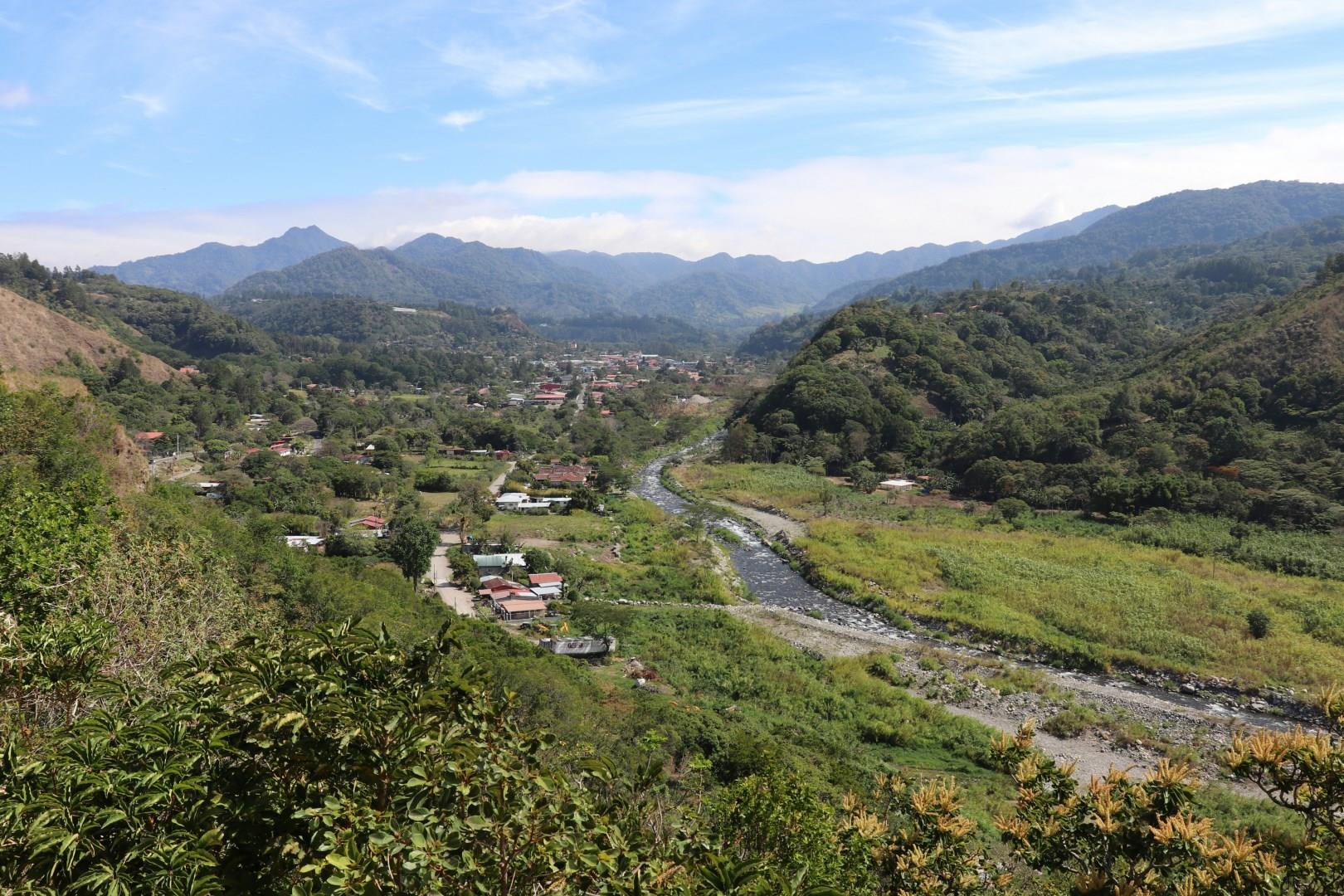
Chiriquí, a province in western Panama, offers a striking variety of landscapes, from highland cloud forests to golden Pacific beaches. Bordered by Costa Rica to the west, it’s known for its rich agriculture, coffee plantations, and impressive volcano views. The capital city, David, serves as the main hub for travelers, but many of the region’s most memorable experiences are found in its rural towns, mountain valleys, and coastal areas.

Canada
Canada spans an immense and diverse landscape, offering experiences that range from cosmopolitan city life to some of the most pristine wilderness on Earth.
Aveiro
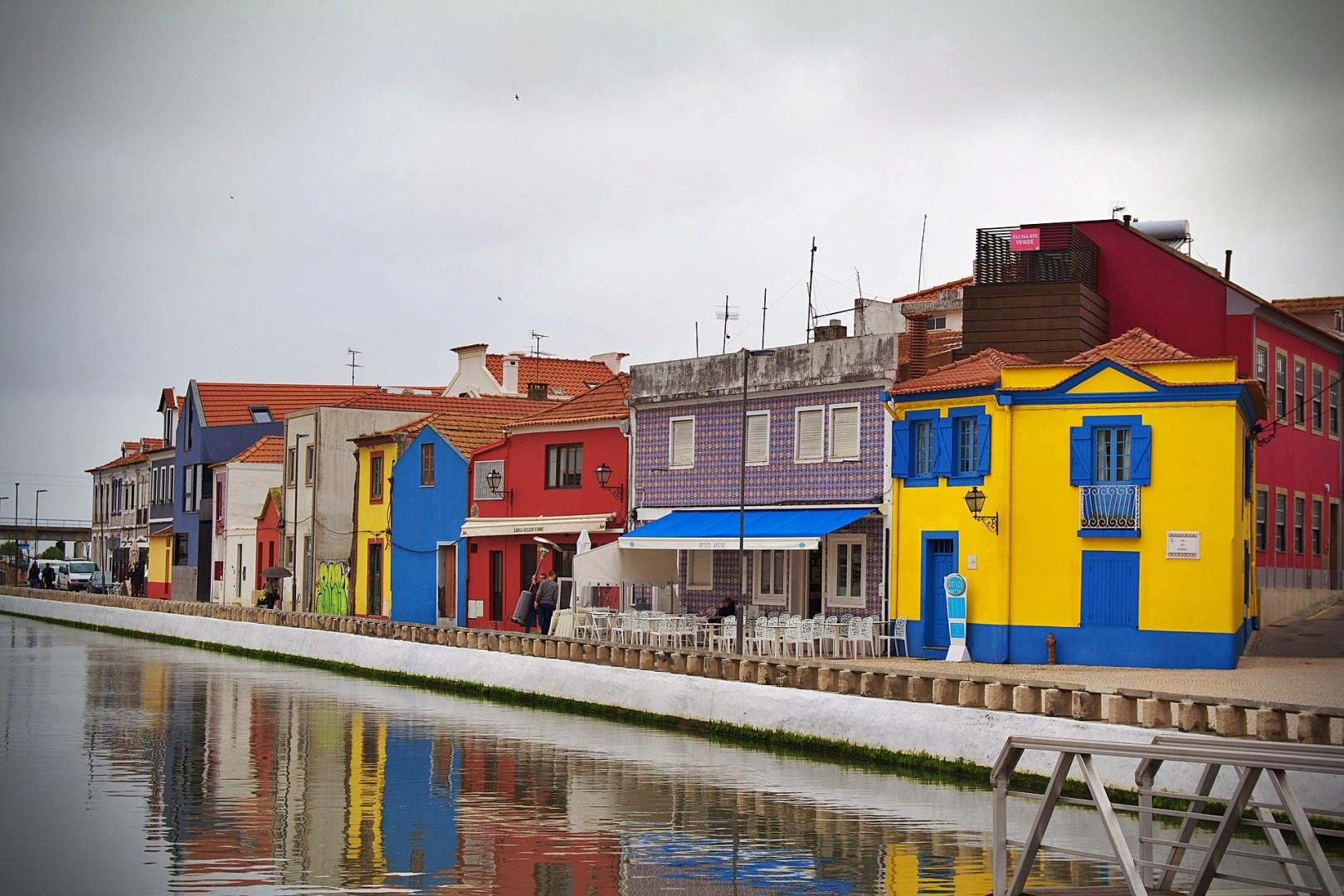
Aveiro, often called the "Venice of Portugal," enchants visitors with its picturesque canals, brightly painted boats called moliceiros, and Art Nouveau architecture. Located on the northern coast of Portugal, Aveiro offers a charming blend of history, culture, and natural beauty. Glide along its tranquil waterways on a moliceiro ride, once used to harvest seaweed but now a peaceful way to admire the city’s colorful façades and iconic architecture. These boats, decorated with vibrant, humorous pa

Seyðisfjörður
Nestled in the picturesque Eastfjords of Iceland, Seyðisfjörður is a small town that offers a unique blend of natural beauty and cultural charm. Surrounded by steep mountains and cascading waterfalls, the town is renowned for its vibrant arts scene and well-preserved wooden houses. Seyðisfjörður’s colorful architecture contrasts beautifully with the dramatic fjord landscape, creating a captivating setting for visitors.